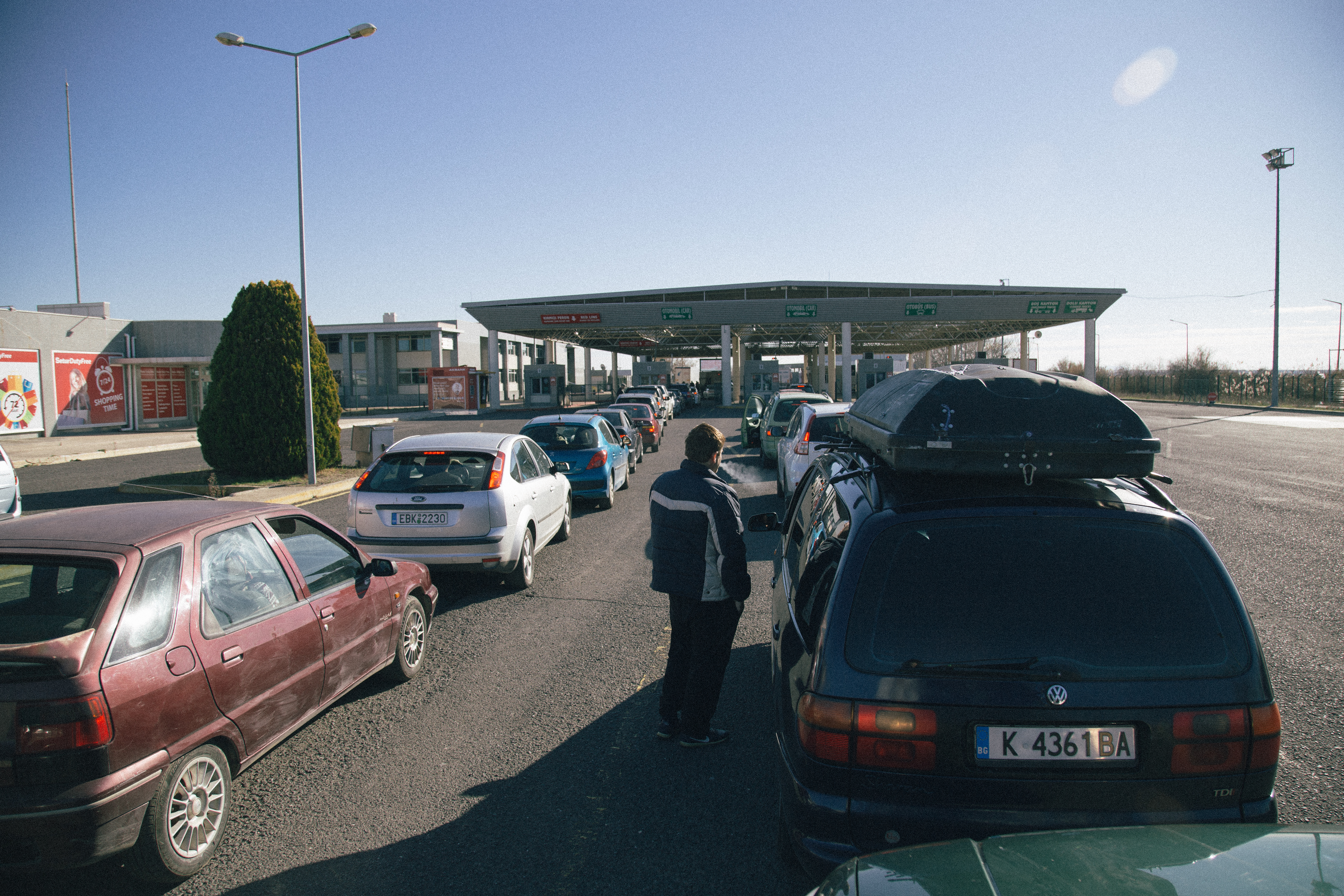
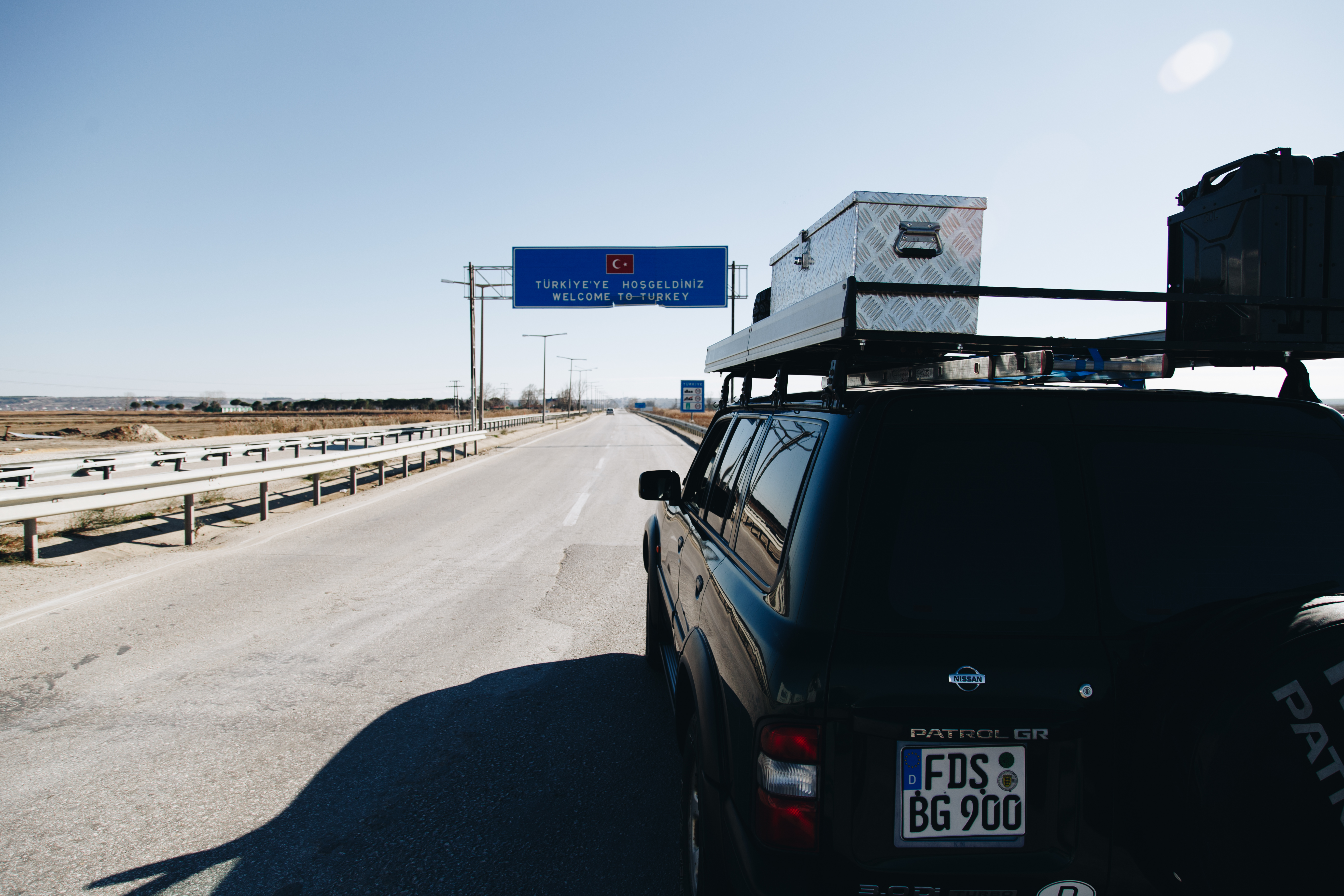
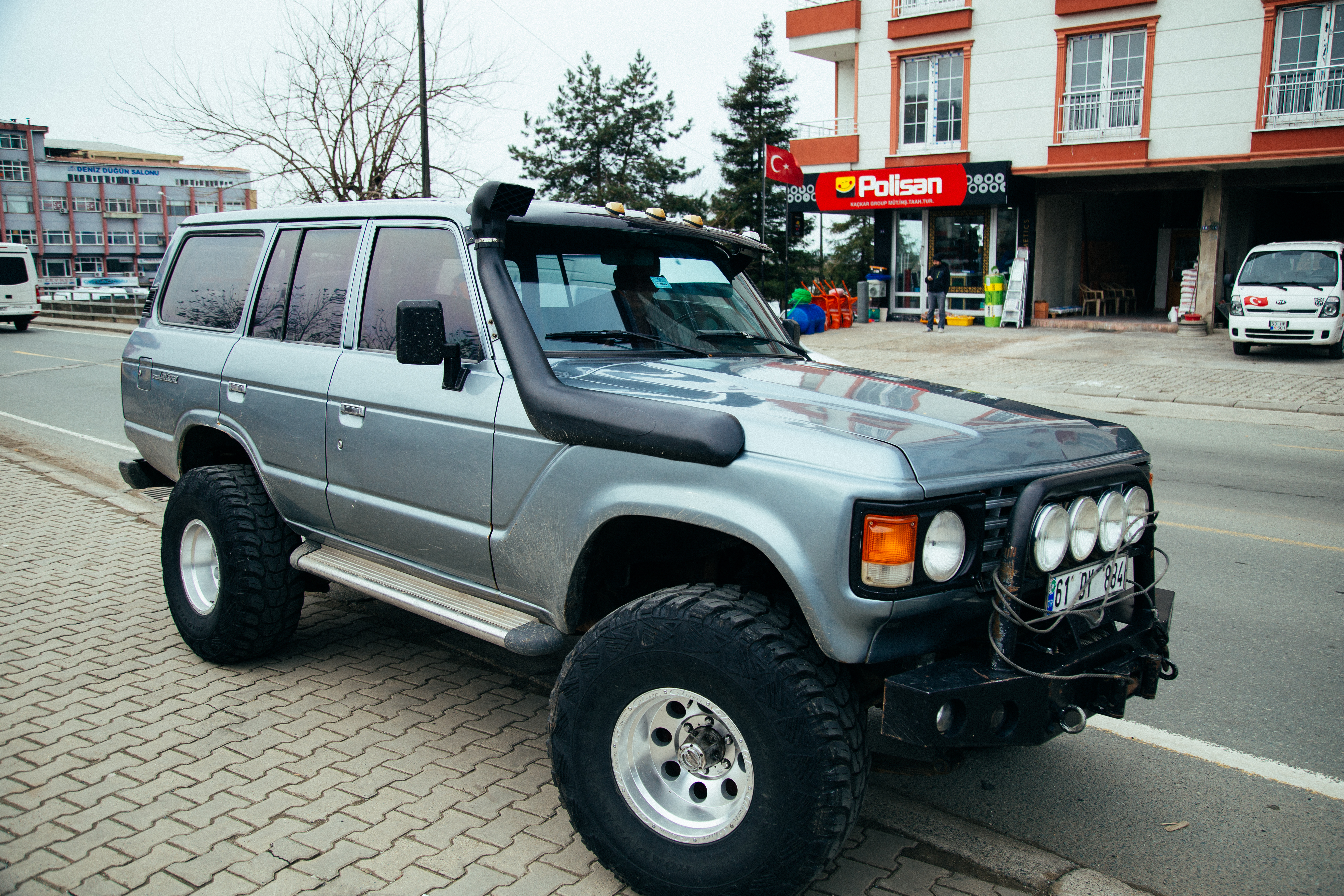
I had a queasy feeling as I drove to the border; would everything go smoothly? What awaits me in Turkey? I have mixed feelings about this country, a country that is constantly being torn apart by the media. Crossing the border went smoothly, although I did have to buy additional car insurance – which turned out to be unnecessary. Customs inspected my car – doors opened – “OK, close, thank you” – doors closed. That was easier than expected. My car and I were pleased with the mostly good road conditions in Turkey.
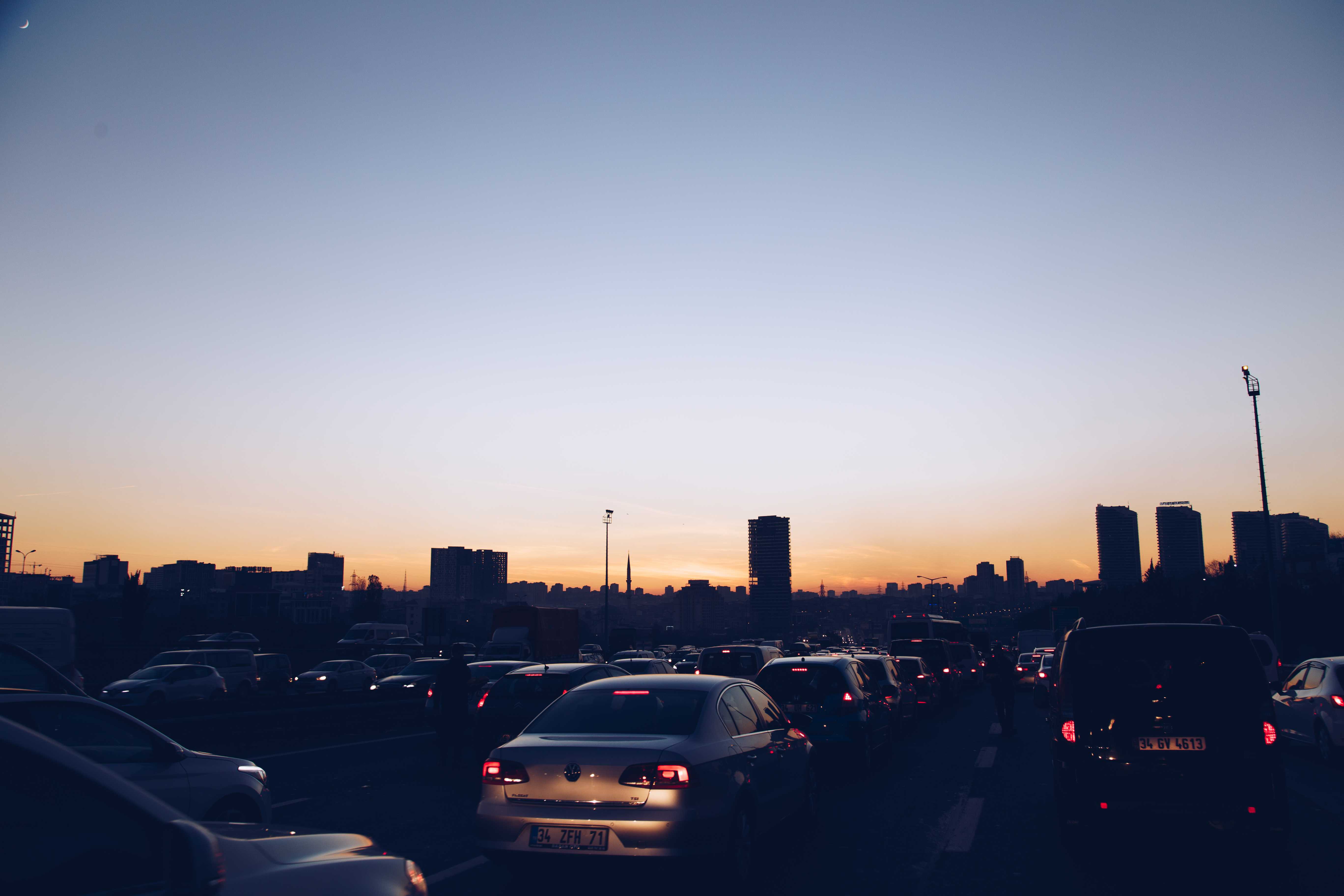
Today, the 18 bus goes all the way to Istanbul, Istanbul, Istanbul – my first stop was the metropolis with 14 million inhabitants – and I was right in the middle of it. So I arrived just in time for rush hour and was stuck in traffic for three hours. The highway was complete chaos; three lanes had become five, and there were street vendors selling waffles, bagels, bananas, drinks, and phone holders – you can get all of that on the highway. Crazy. Traffic rules aren't exactly followed either; overtaking on the right is perfectly normal, and people are constantly flashing their headlights. Everyone has their cell phone in their hand, and even the police like to text while driving. All perfectly normal. If you brake in traffic, you're out of luck and have to wait a long time; everyone else will immediately push past you. It seems like traffic rules don't apply here.
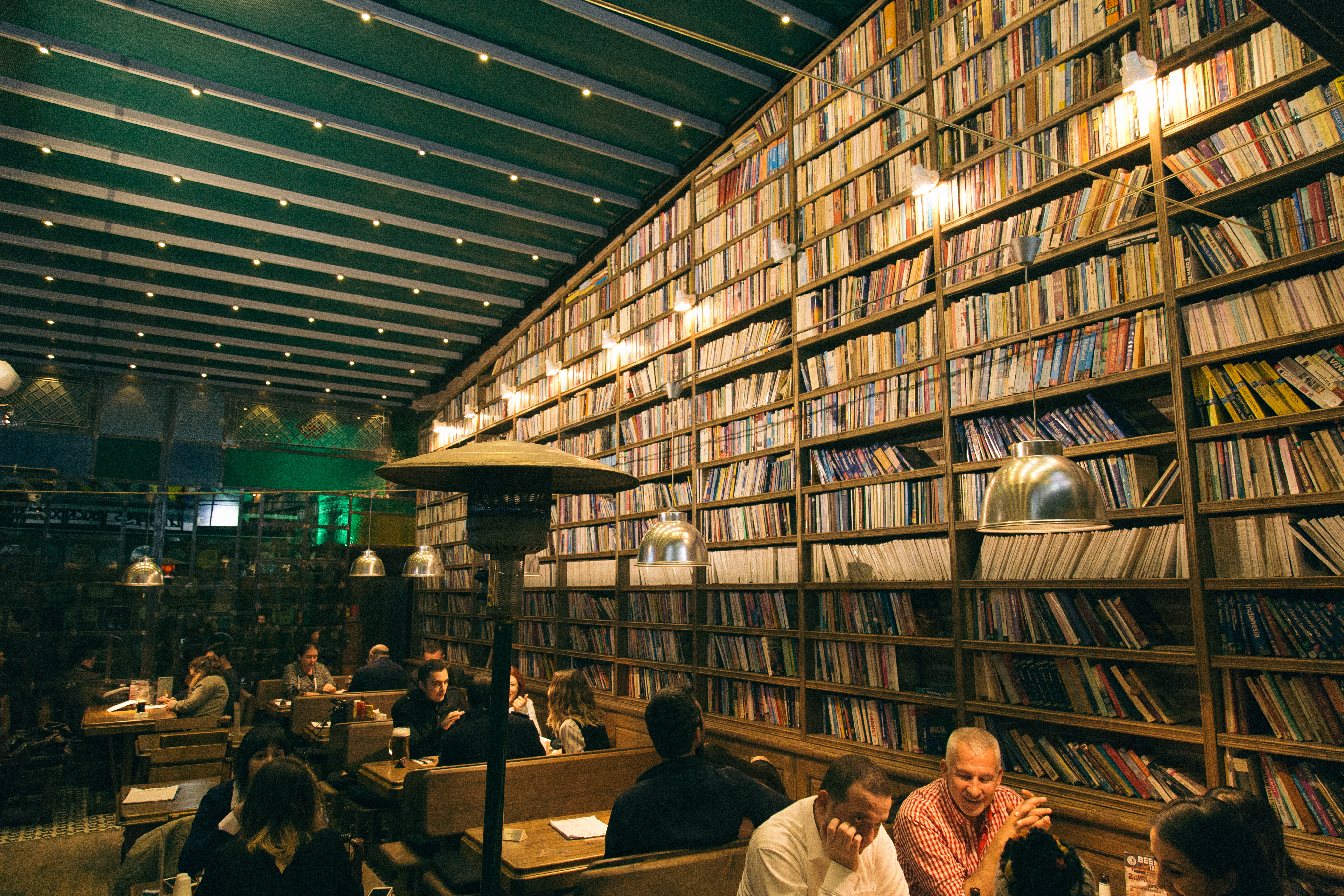
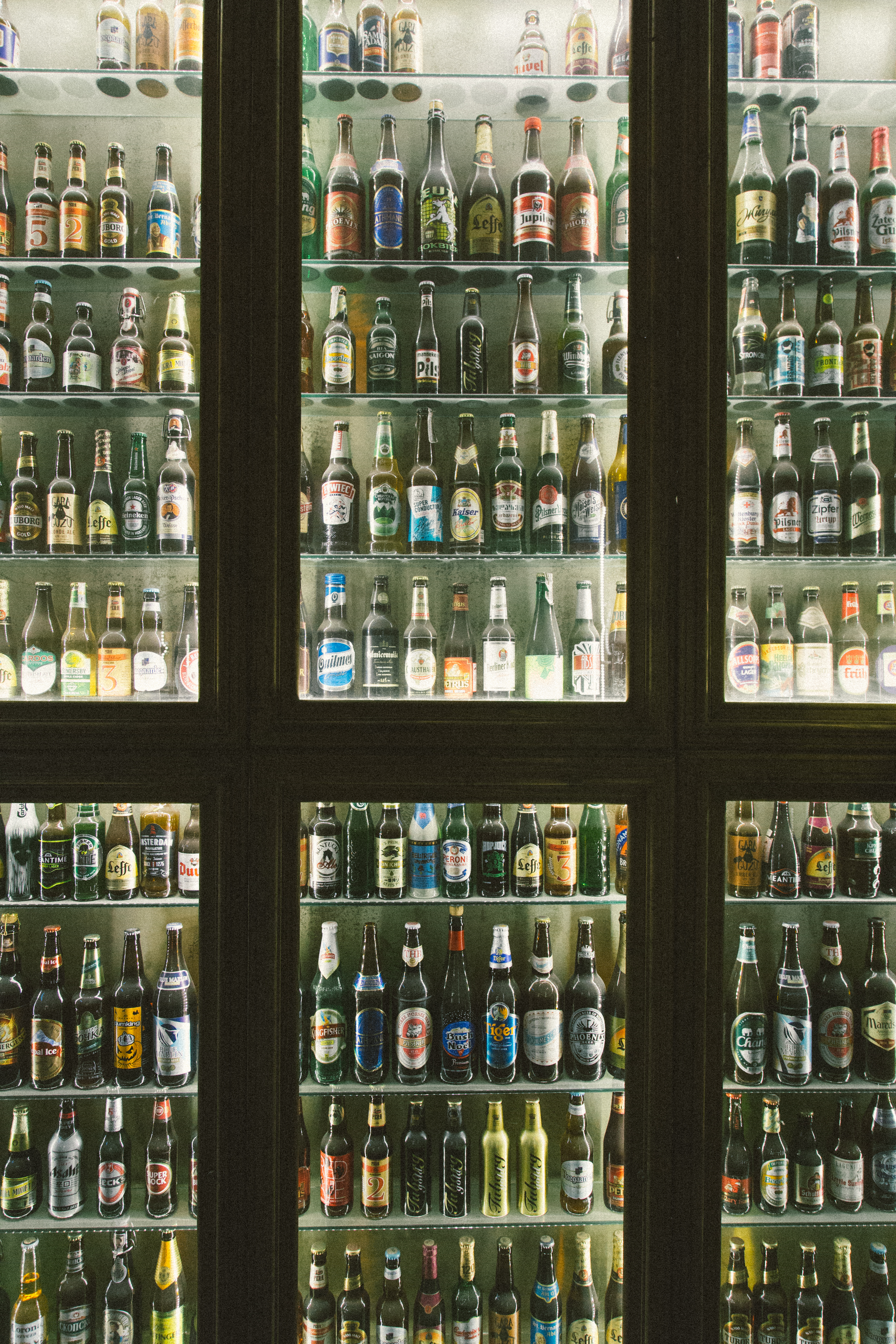
I met Sevgi, Öznur and Beril through Couchsurfing; we went for a beer in the pub. Alcohol is relatively expensive in Turkey. A beer costs the equivalent of about 4 euros; I was still used to the very cheap prices in Kosovo. Many students live there. On campus, they share a room with 6-8 students, similar to a hostel. The room is only for sleeping; there's no space for anything else. They study in the library. There's no privacy, but they only pay 80 euros a month. I didn't like Istanbul, mainly because I was there by car. A car is simply useless and just a nuisance in a big city. After two days, I moved on.
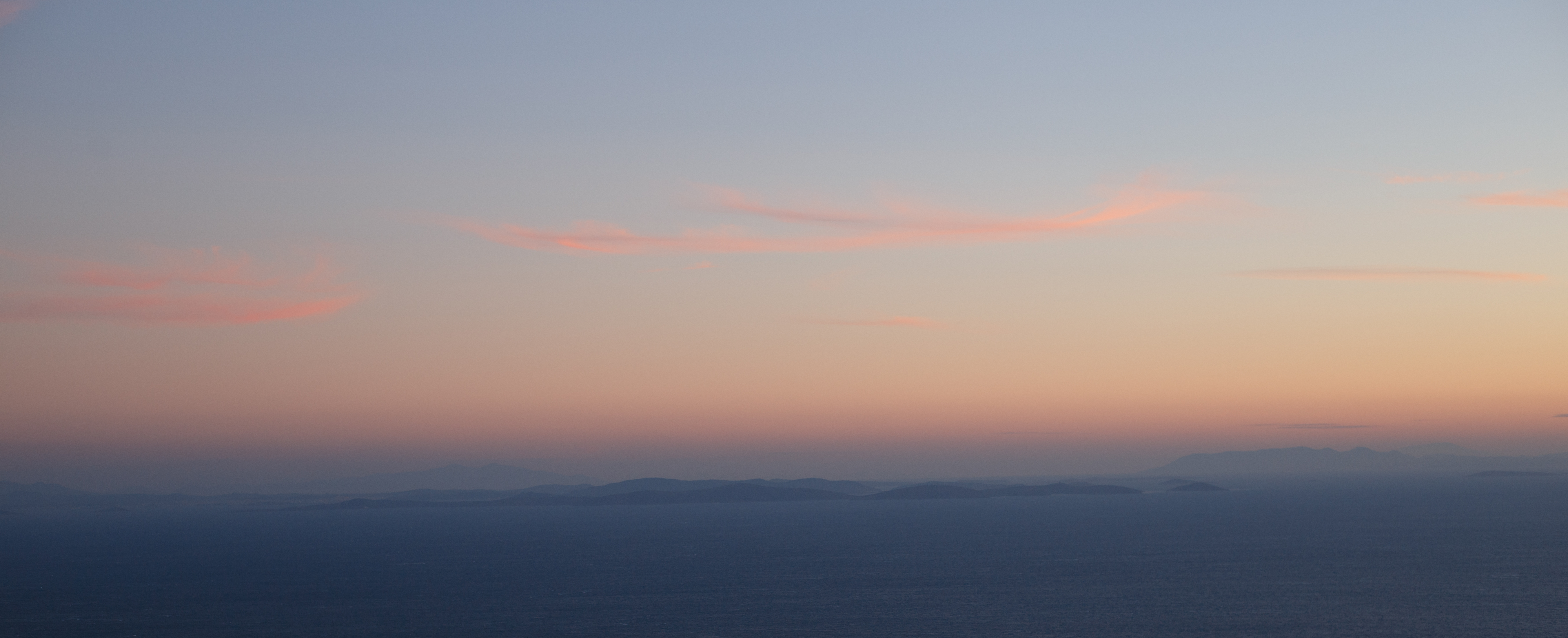
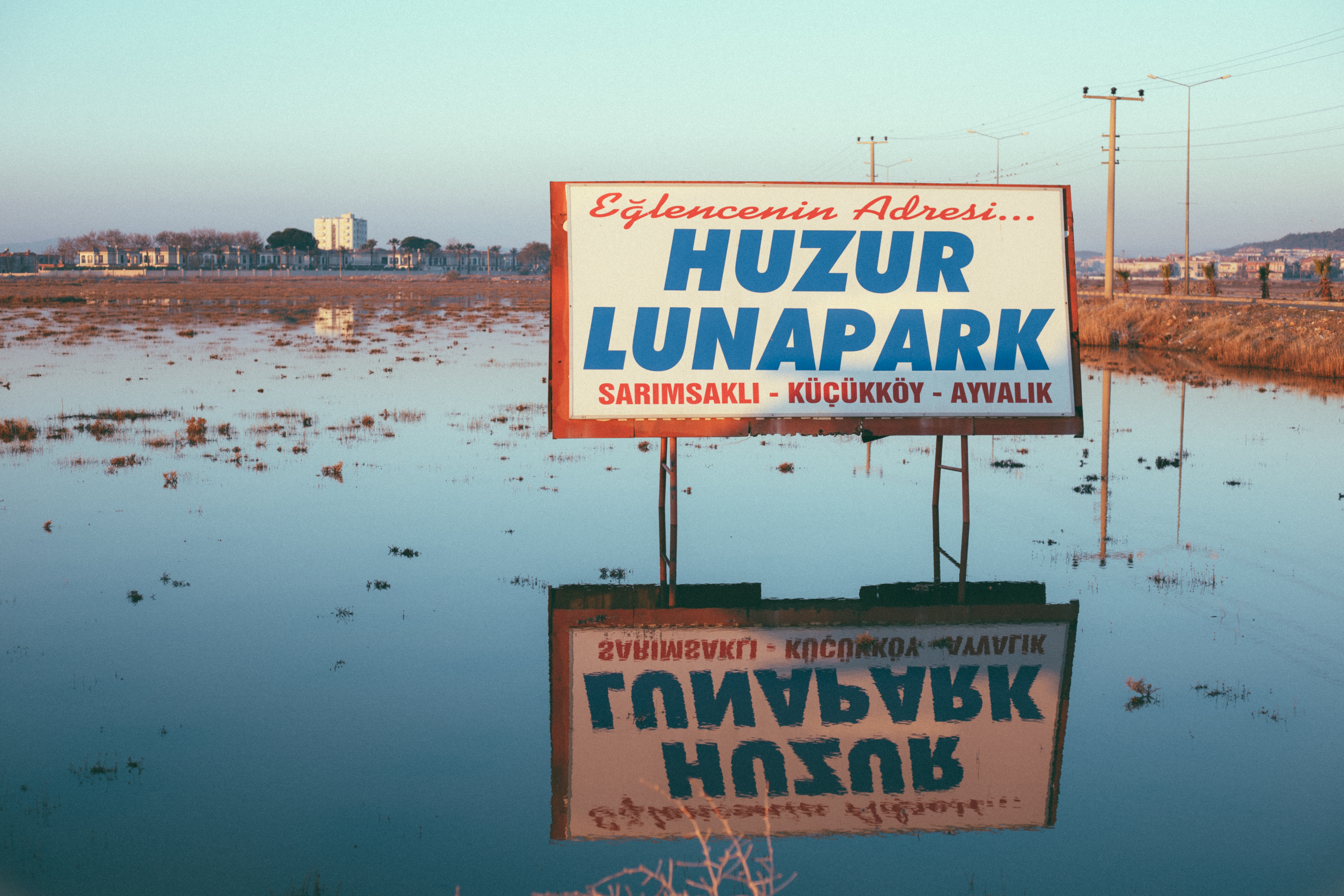
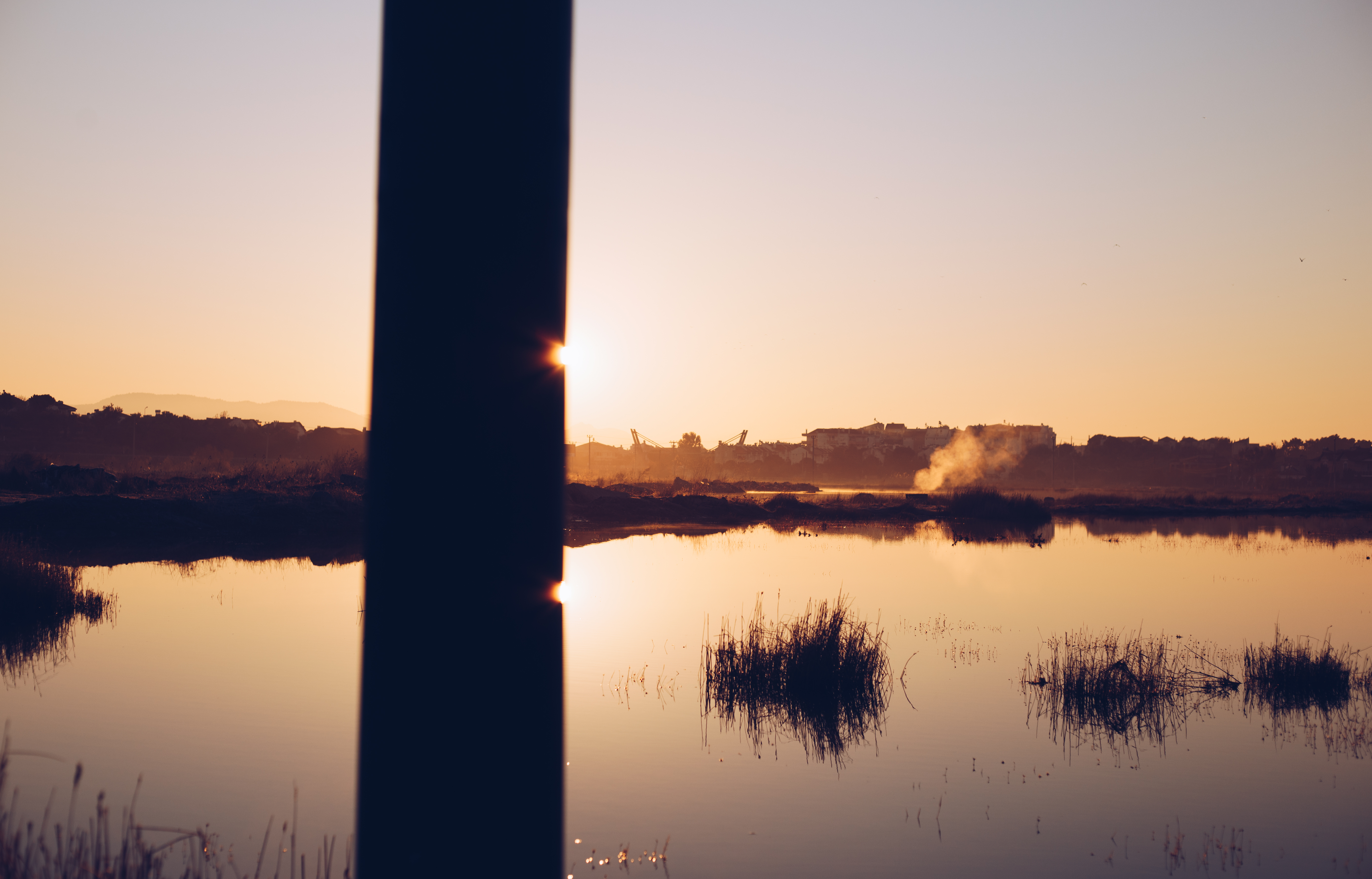
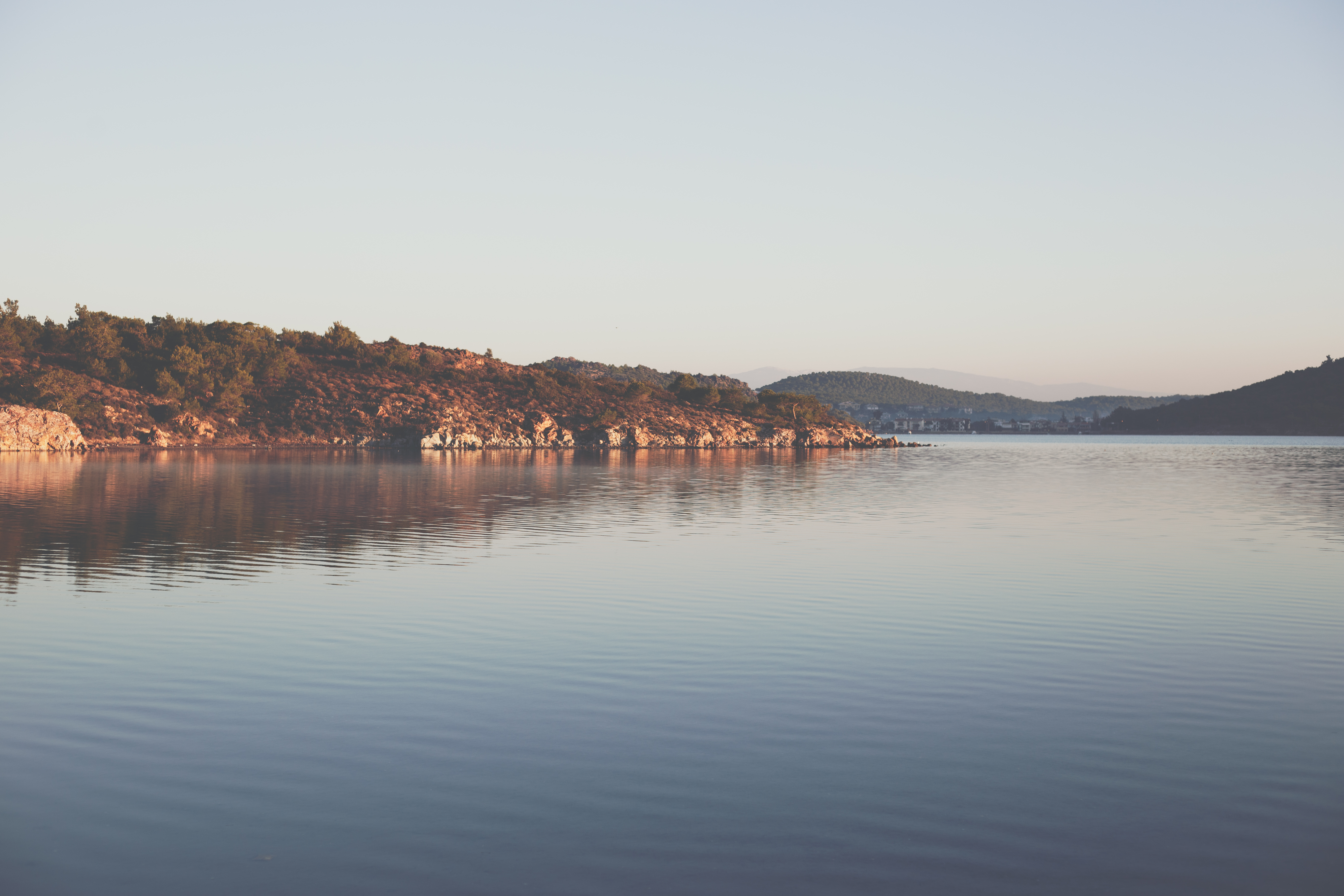
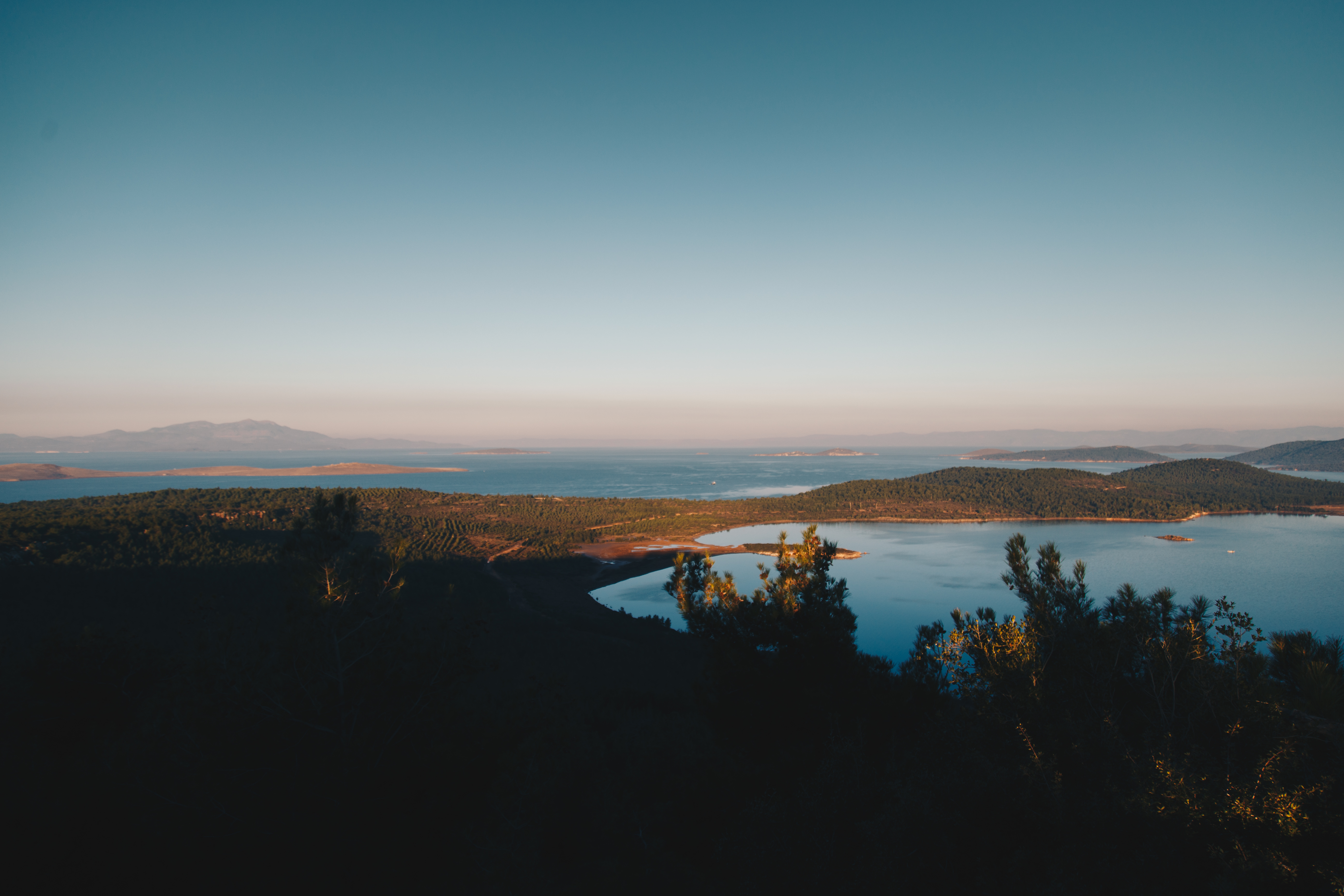
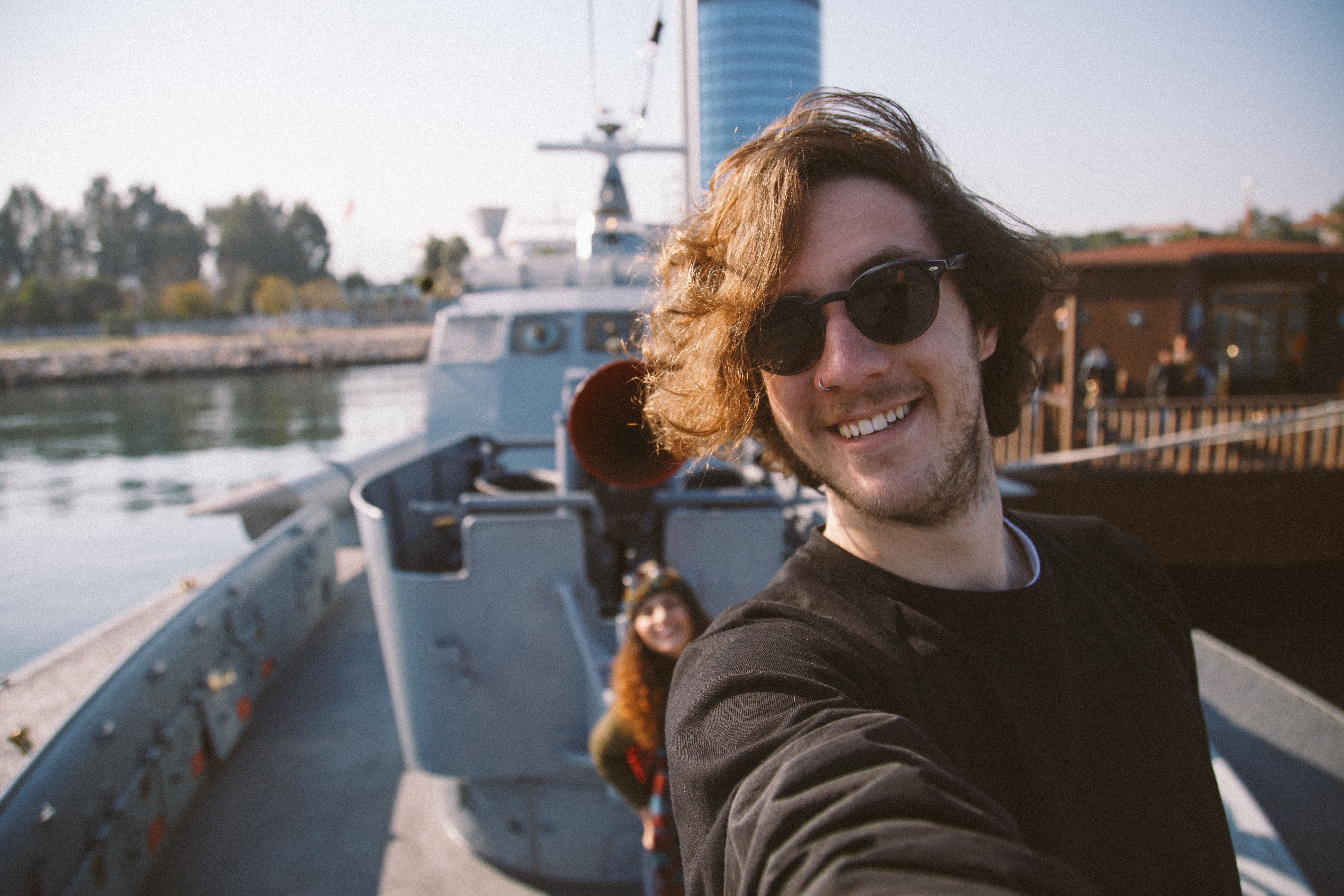
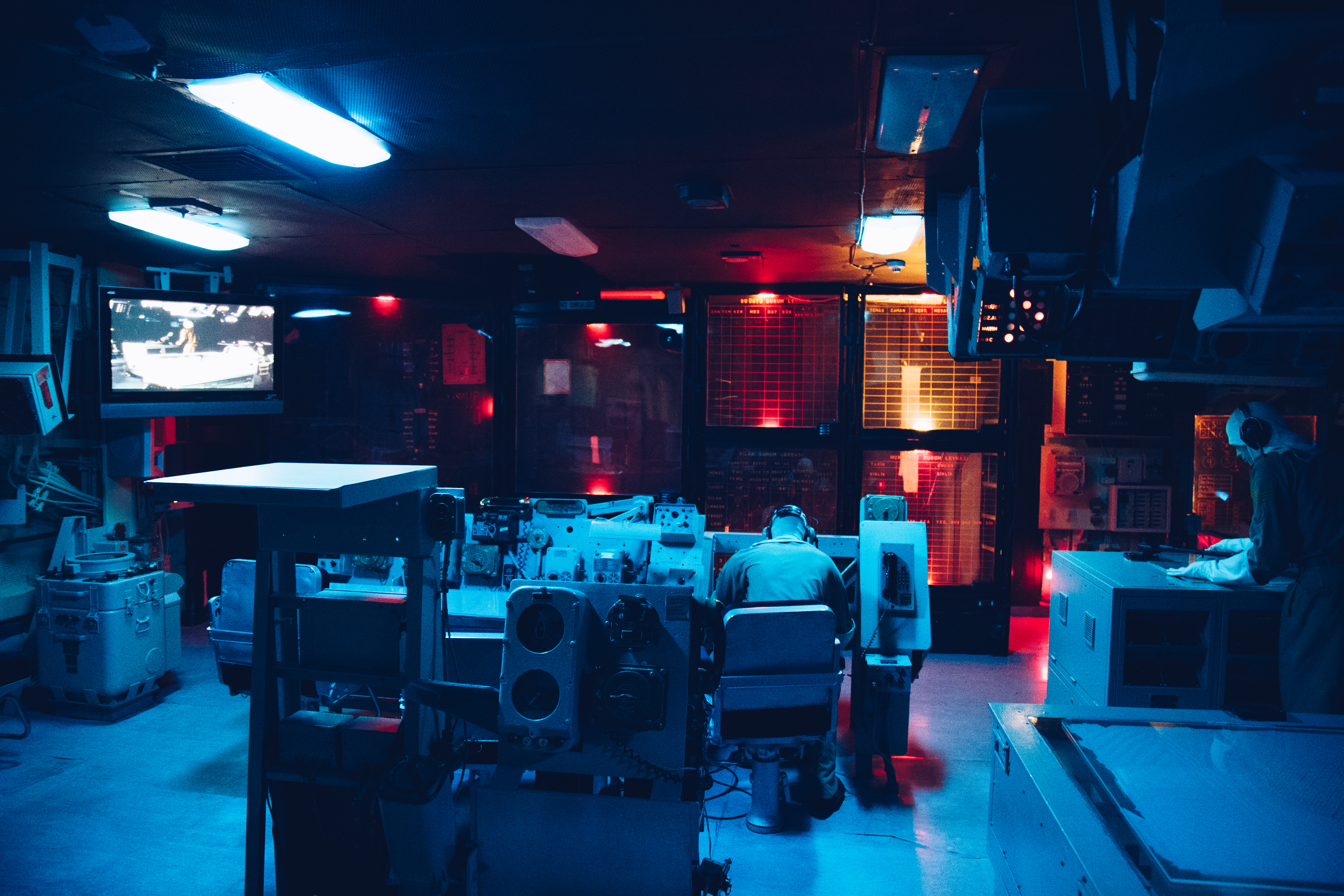
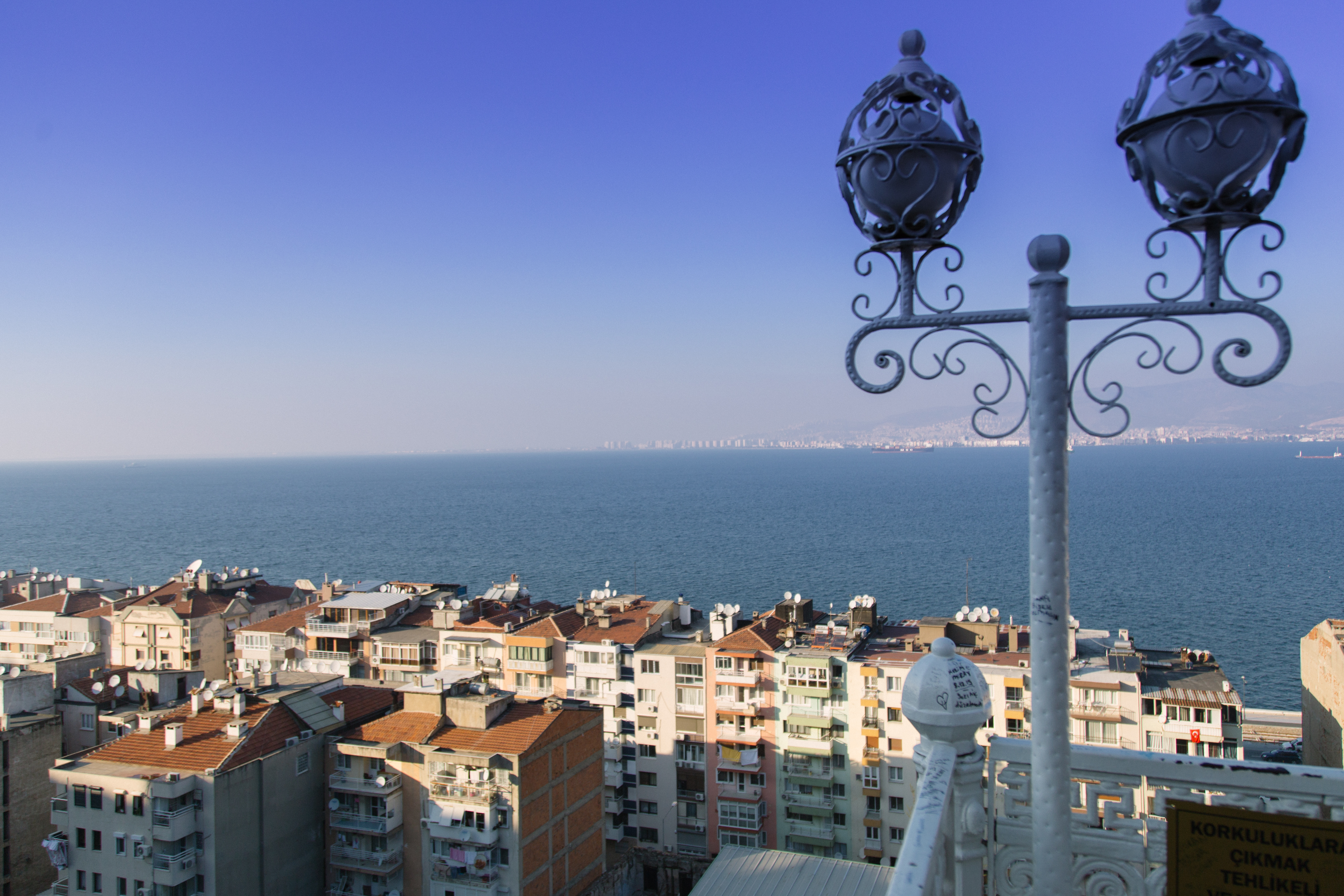
In Izmir I met Deniz, and she showed me some cool parts of the city that I wouldn't have found otherwise. In the harbor, there's an old warship and a submarine – MADE IN GERMANY – the tour was unfortunately in Turkish, but still very interesting. It's incredibly cramped inside a submarine like that.
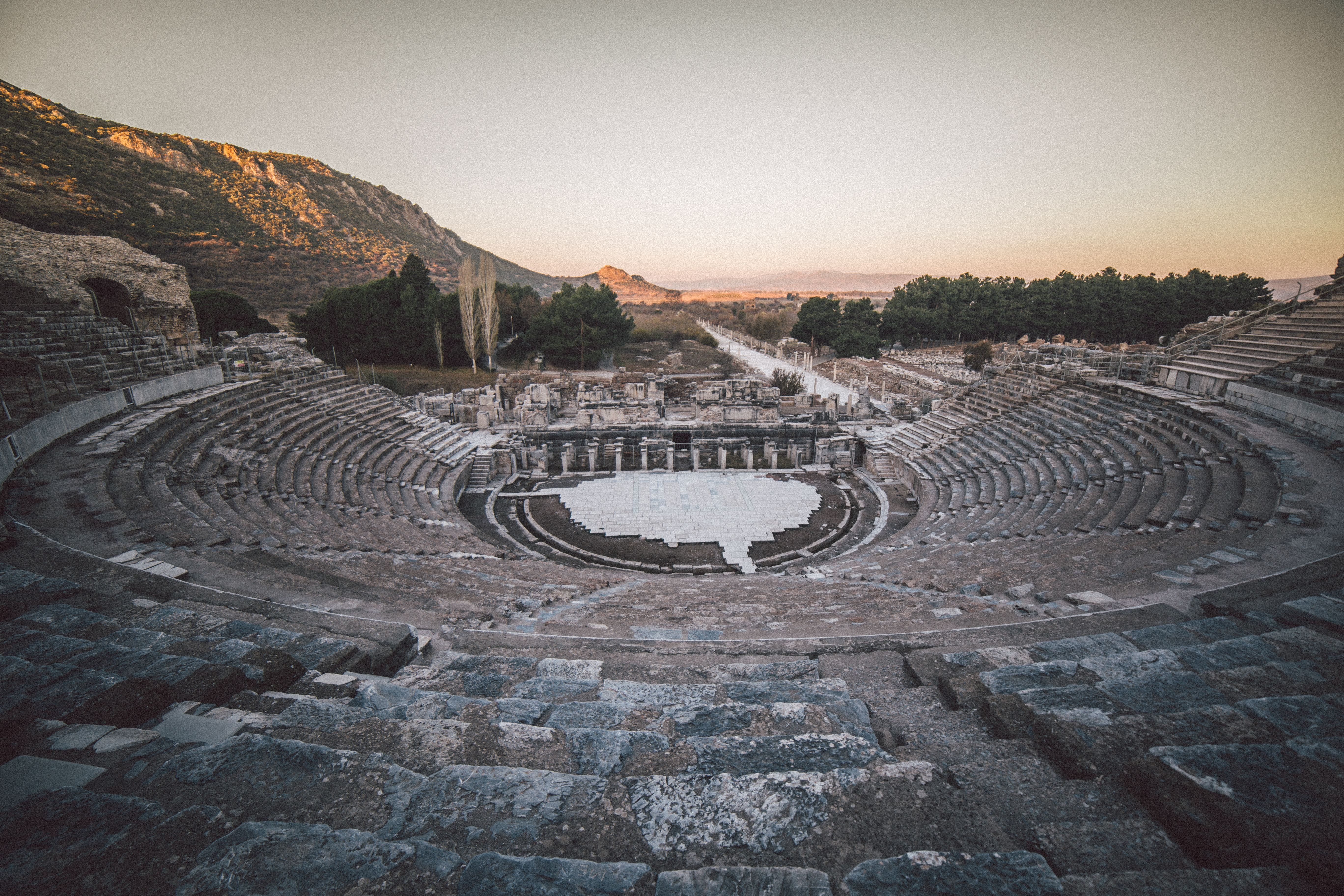
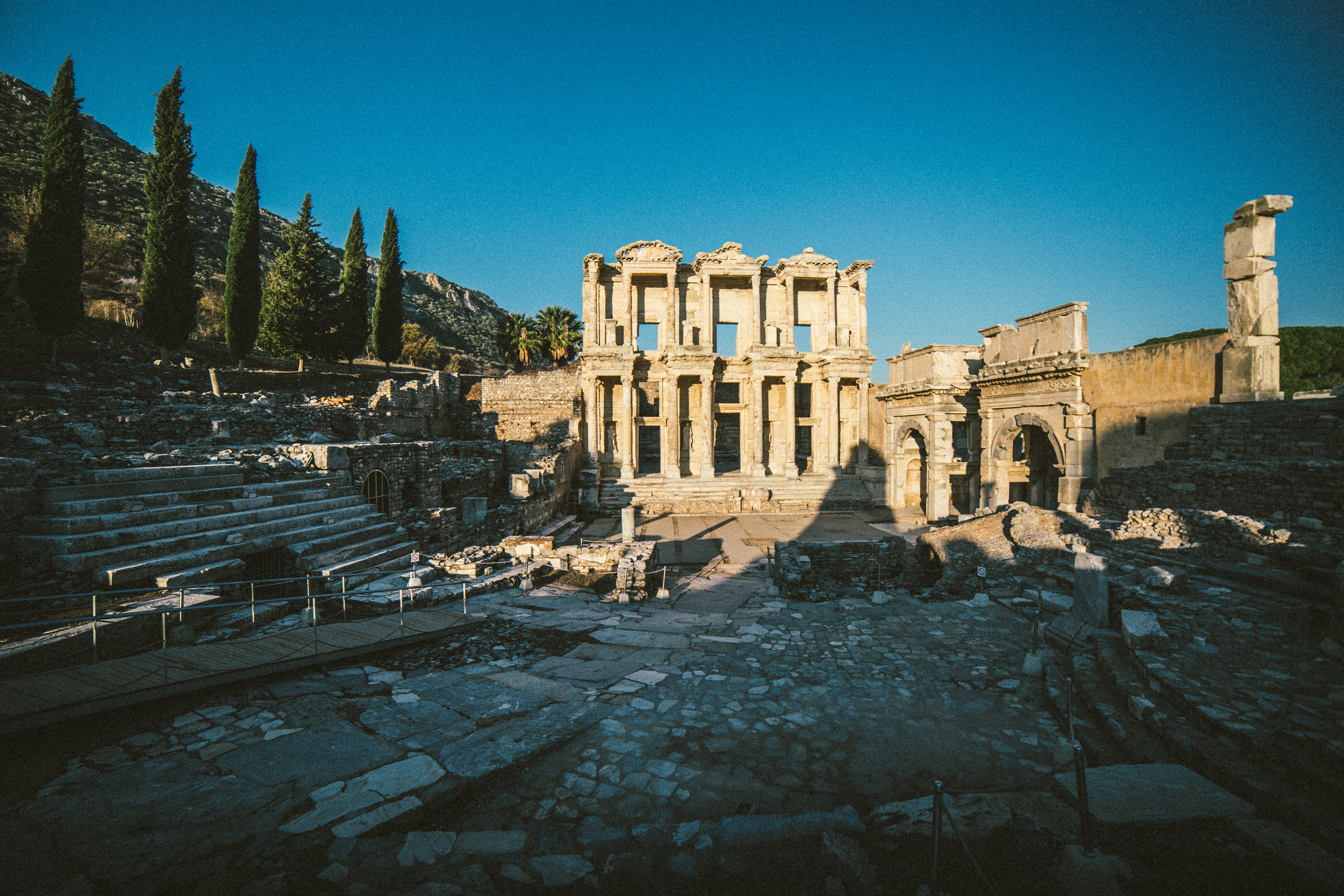
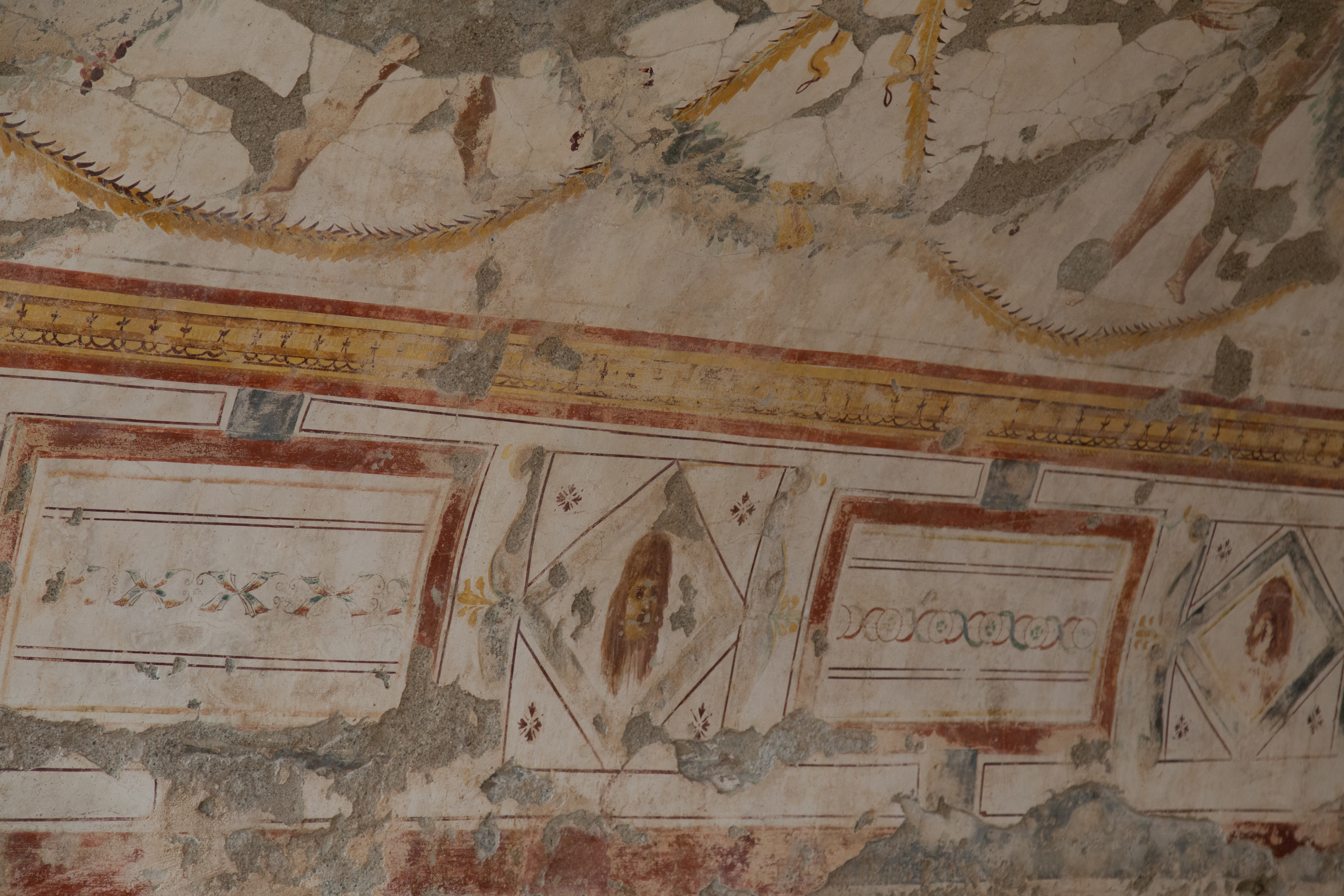
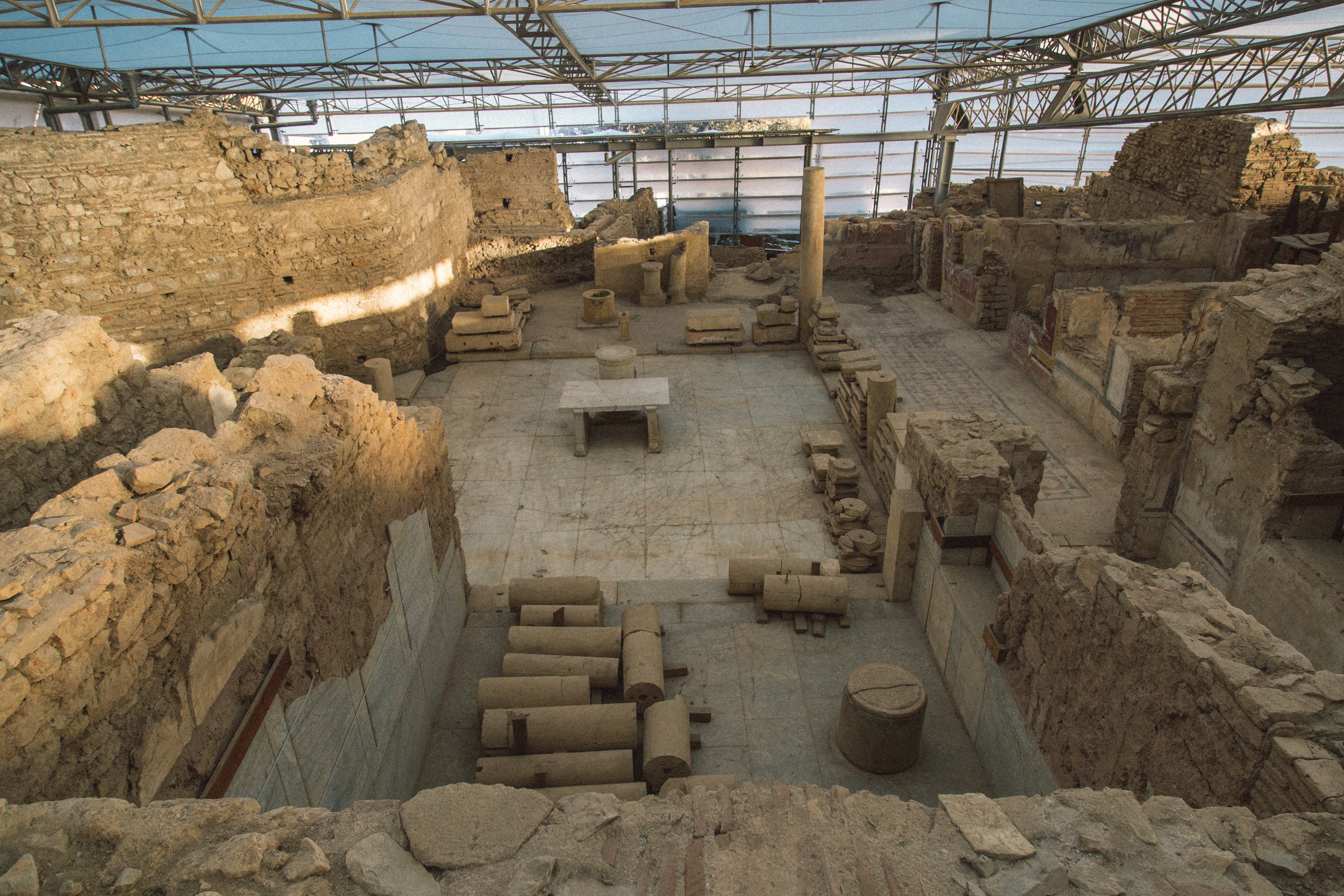
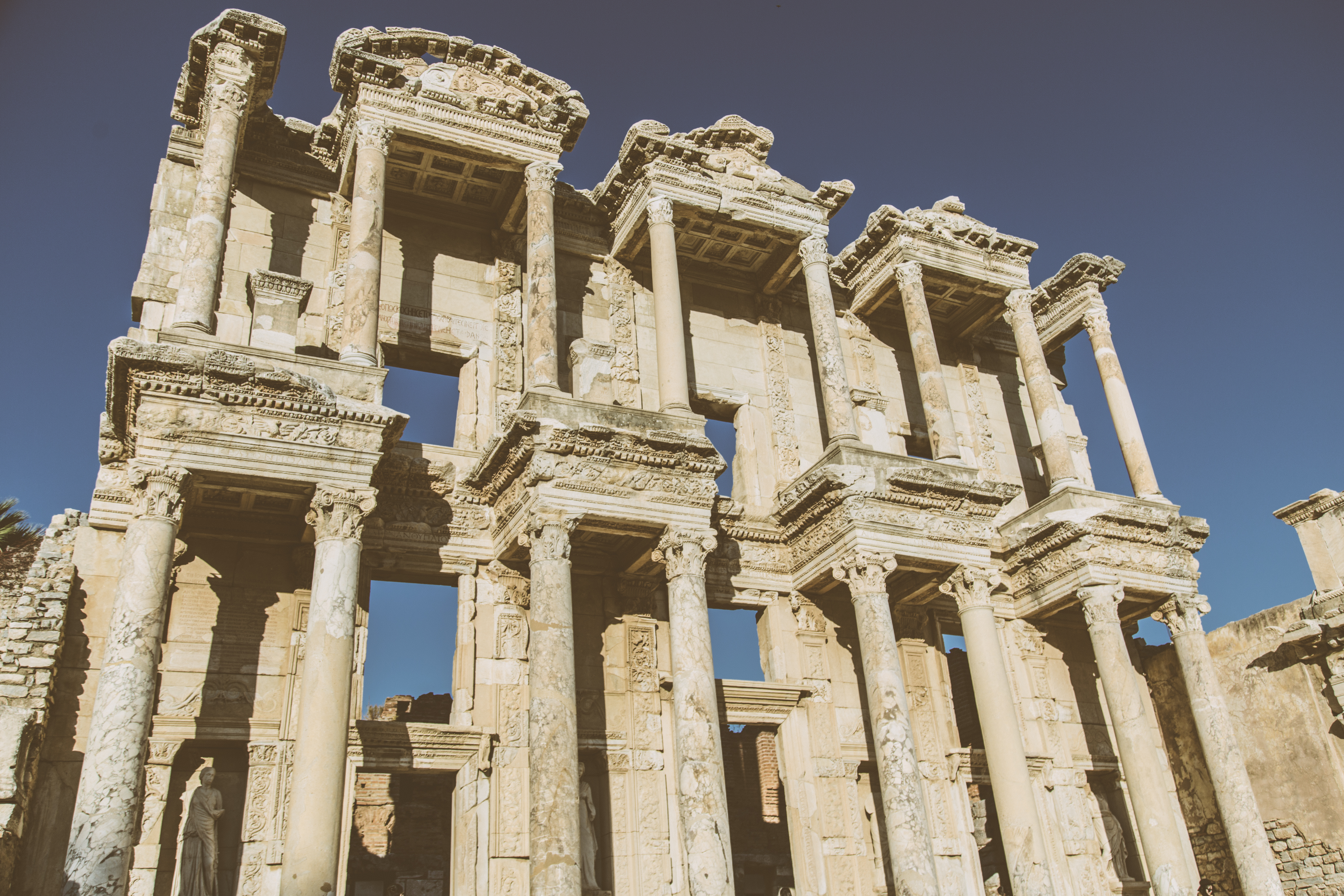
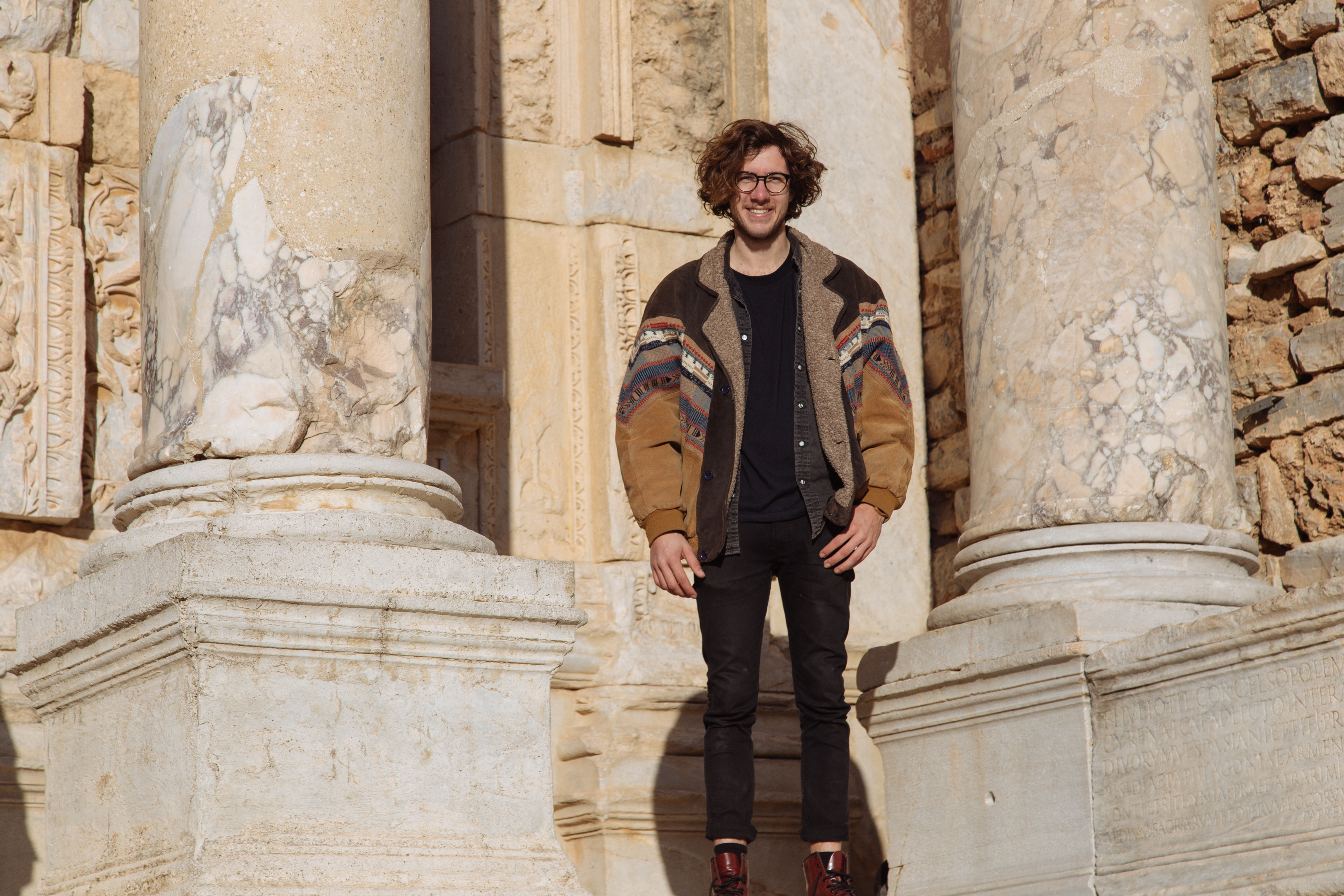
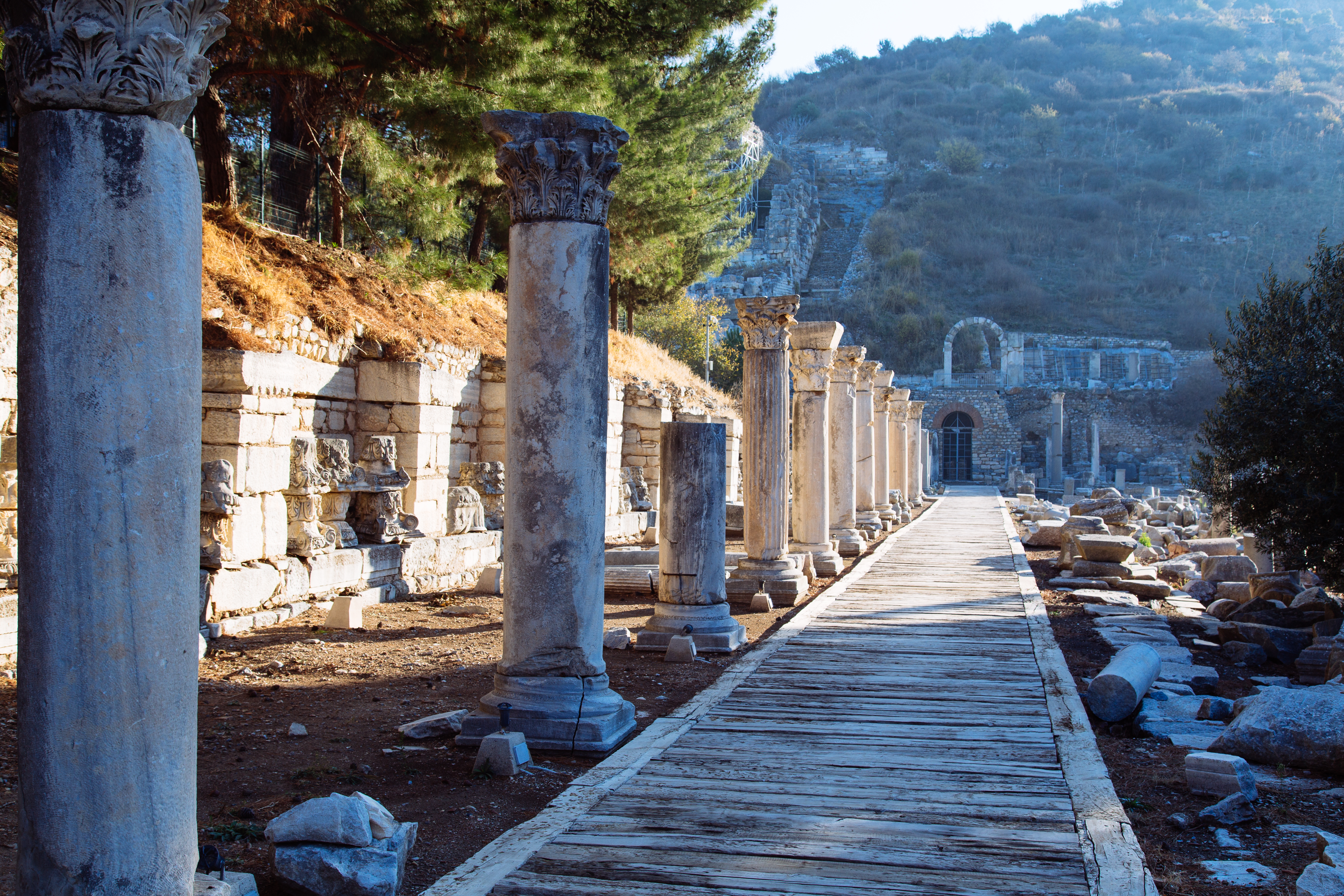
The ruins of Ephesus are located near Selçuk, about 70 km south of Izmir on the Turkish west coast. They were declared a UNESCO World Heritage Site in 2015. The Colosseum is one of the best-preserved in the world. You should take 10 minutes to sit down and let it all sink in. It's incredible how much work went into this place. "The early bird catches the worm"—I was there at 8:00 a.m. right when it opened, and I was lucky enough to see everything in peace. I was still the only one there. And then they arrived, the hordes of Chinese bus tourists, and the peace was over.
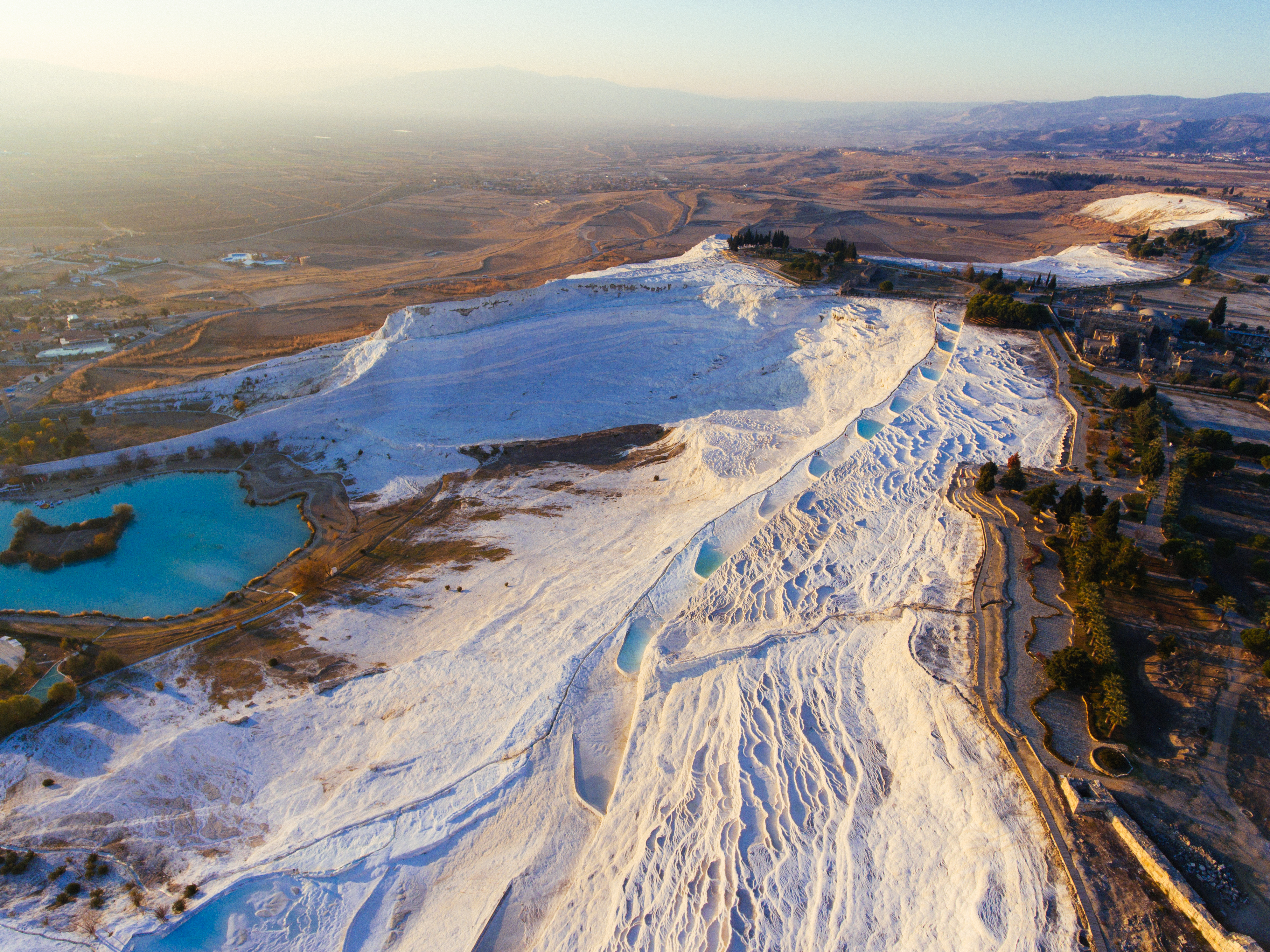
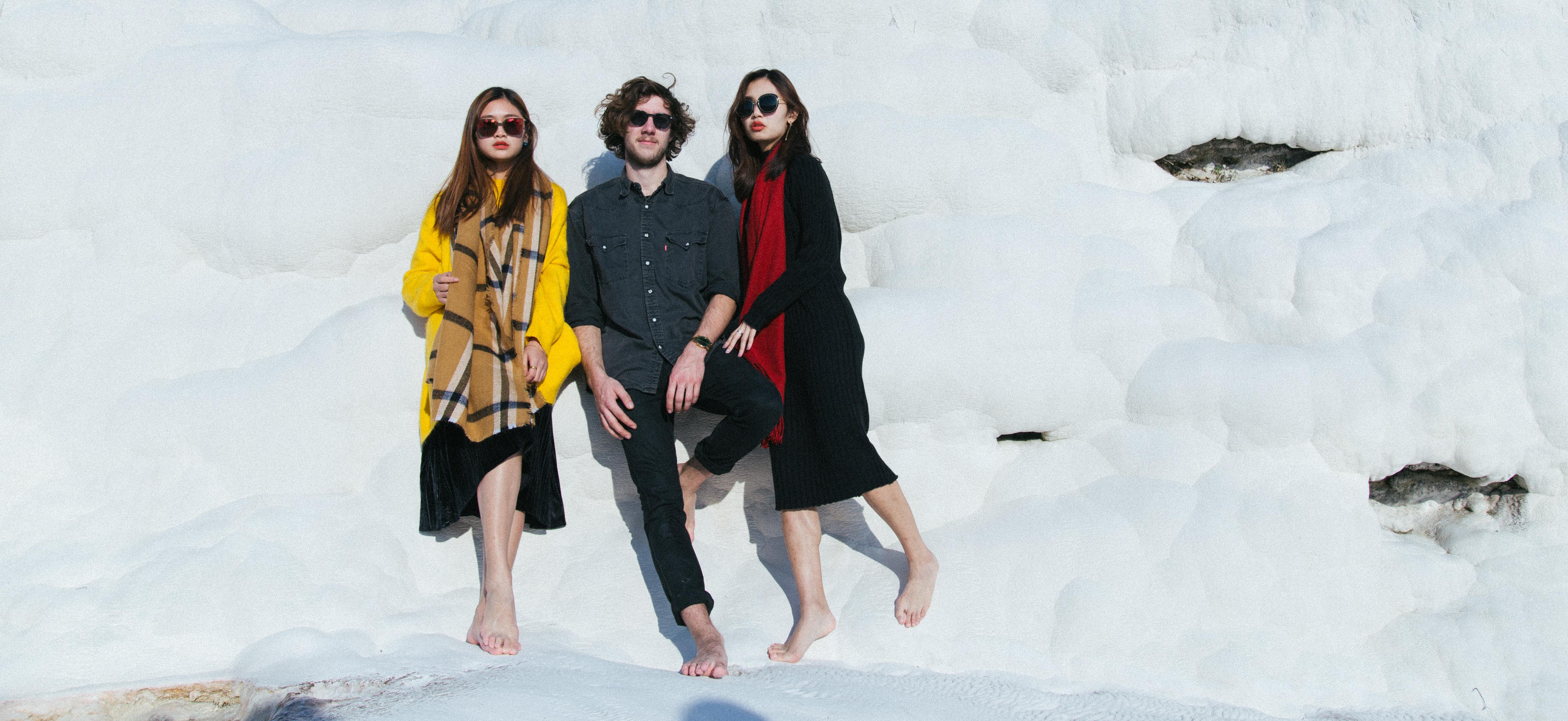
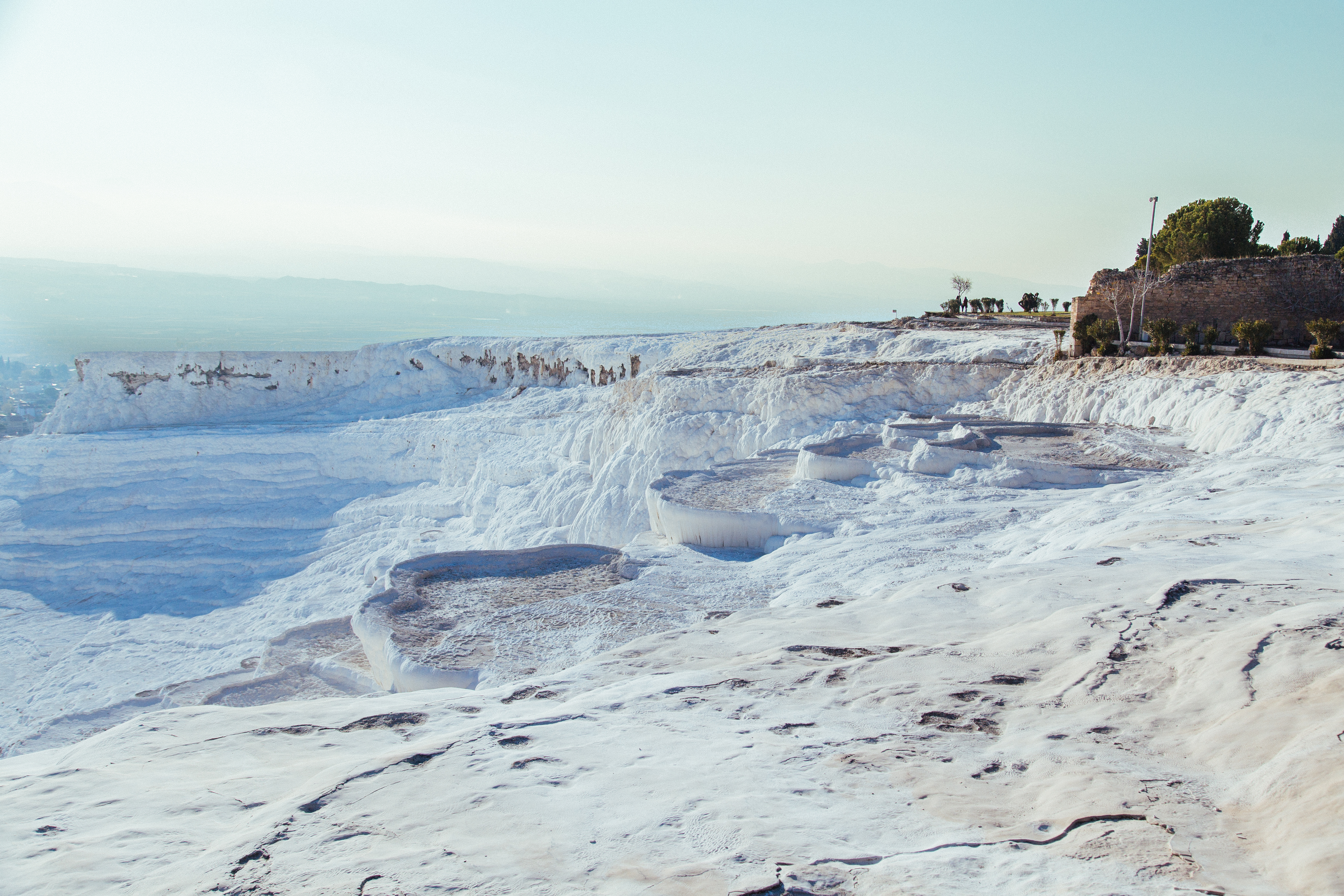
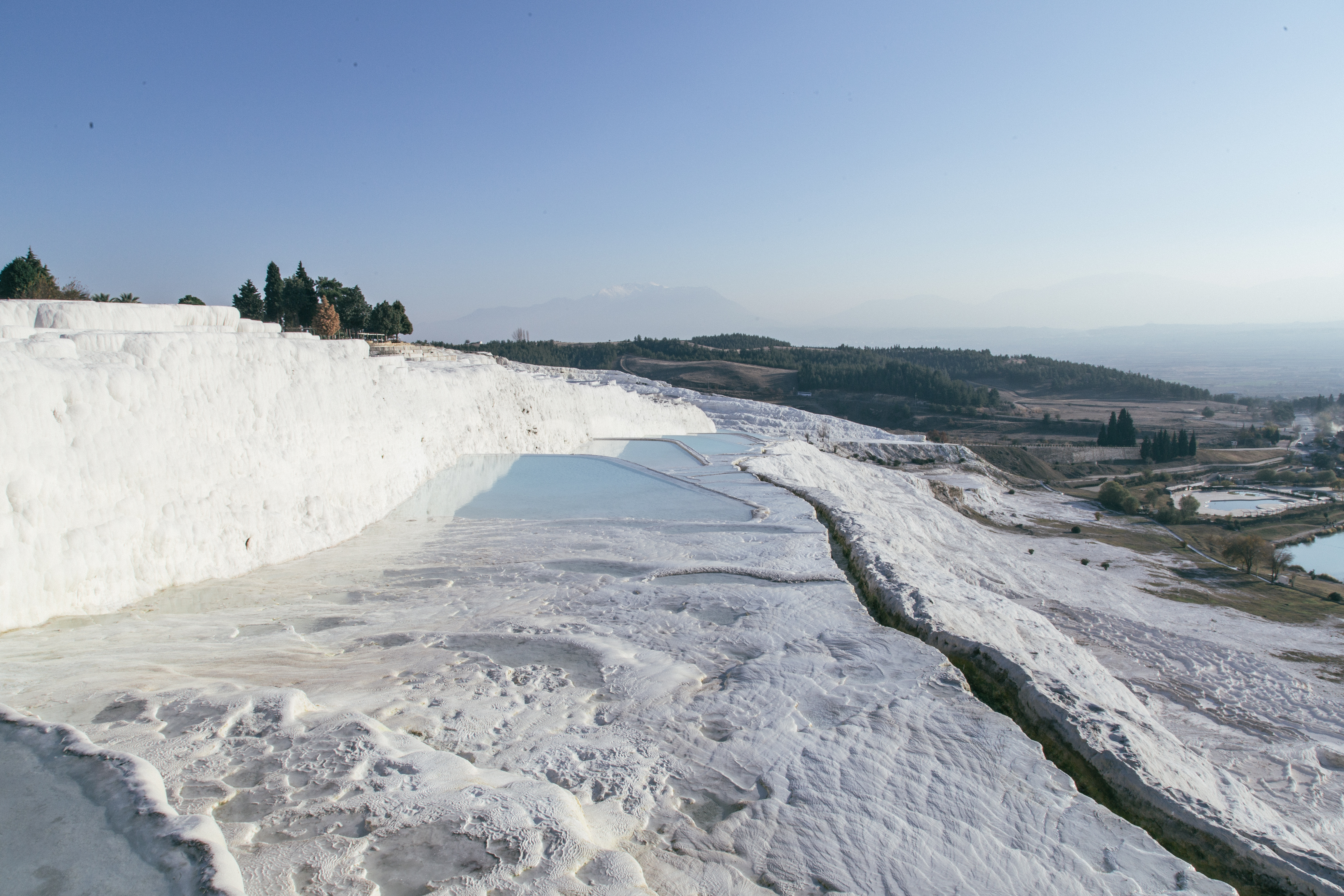
Pamukkale is definitely a must-see in Turkey. Here you'll find limestone terraces formed over millennia by calcareous thermal springs. In summer, you can swim in the pools. Definitely a highlight of my trip.
In Antalya, a homeless man gave me a tour of the city and explained a lot about it. He's originally from Turkey but grew up in Germany. He got into trouble there and was deported. Amir speaks perfect German without an accent. He doesn't have enough money for alcohol, so he drinks aftershave diluted with water. He walked me all over Antalya for two whole hours, pointing out places "where I sometimes sleep." It's always a bit warmer in Antalya than in the rest of Turkey, but it still gets cold here in winter. I invited him for a meal and gave him 20 lira. He'll probably drink it all away, but the city tour was worth it.
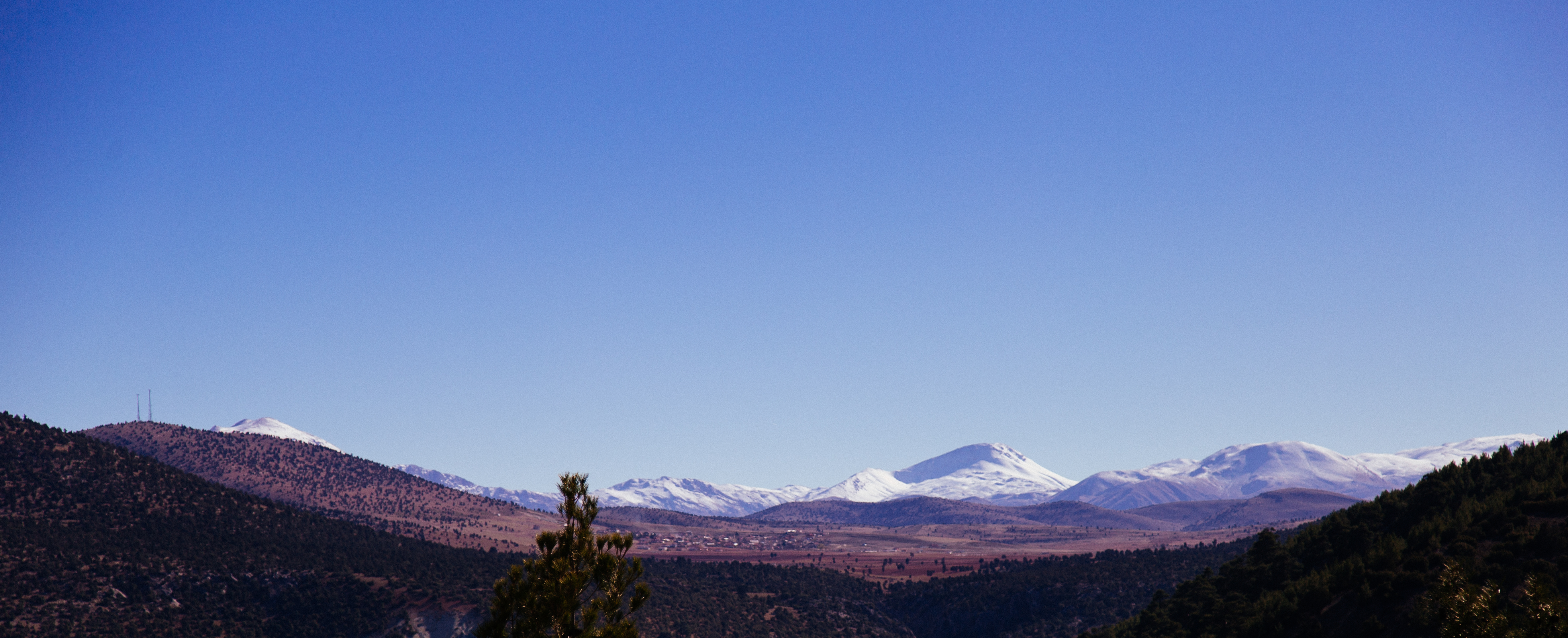
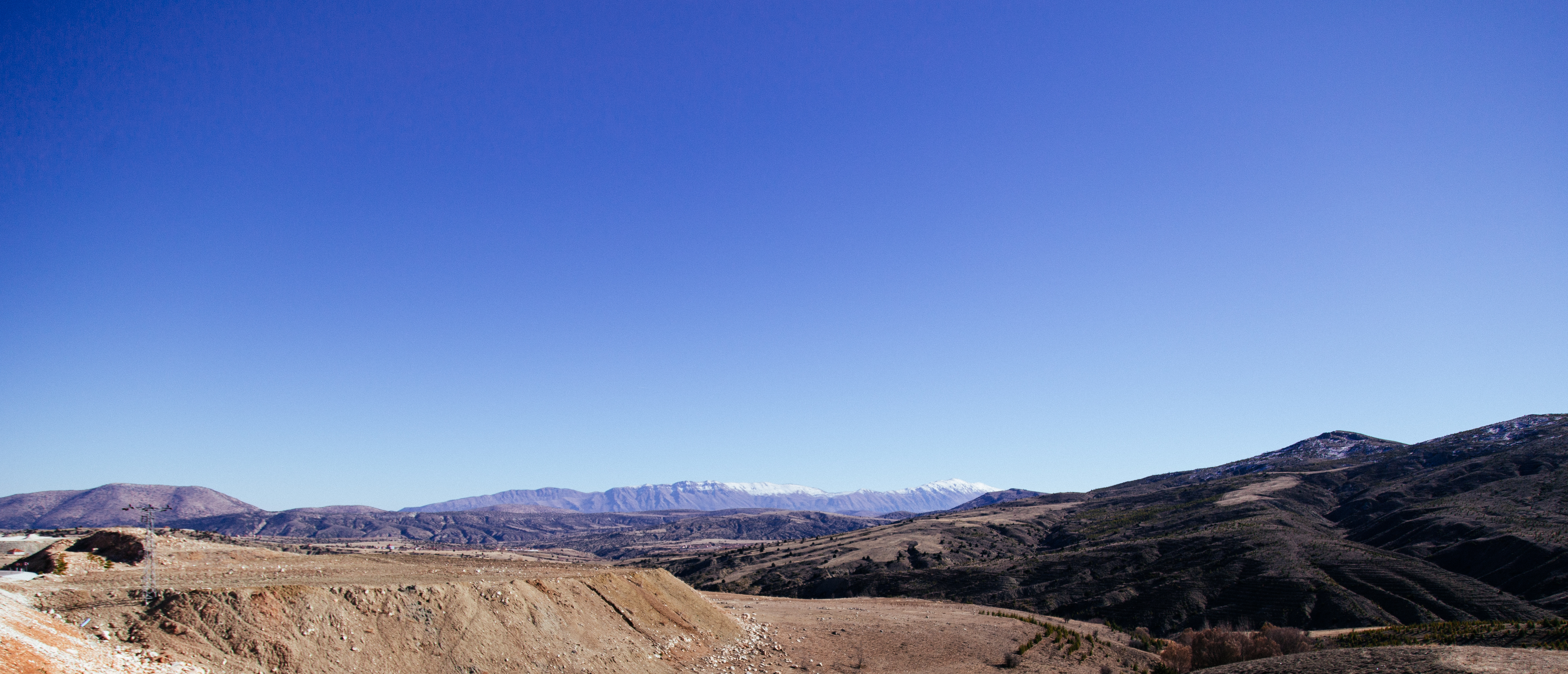
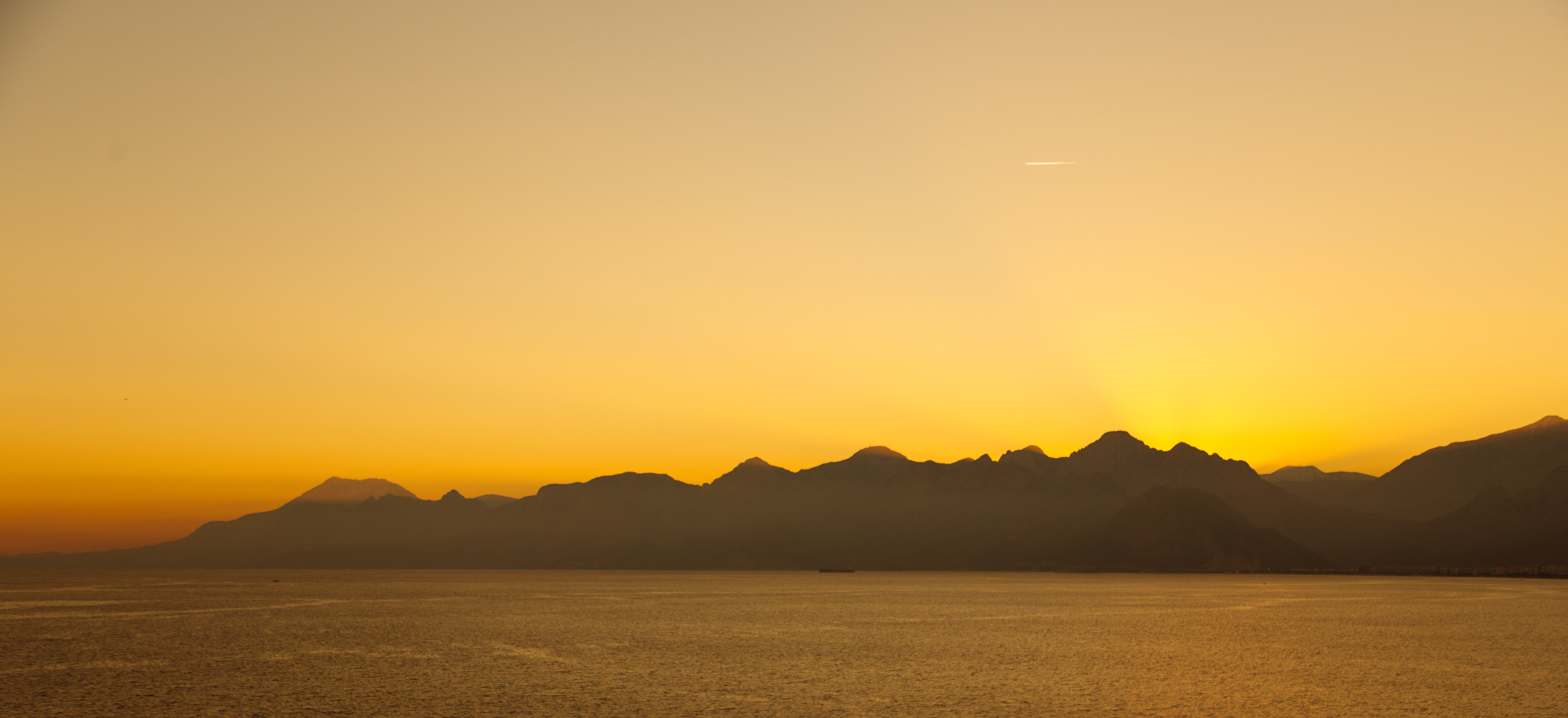
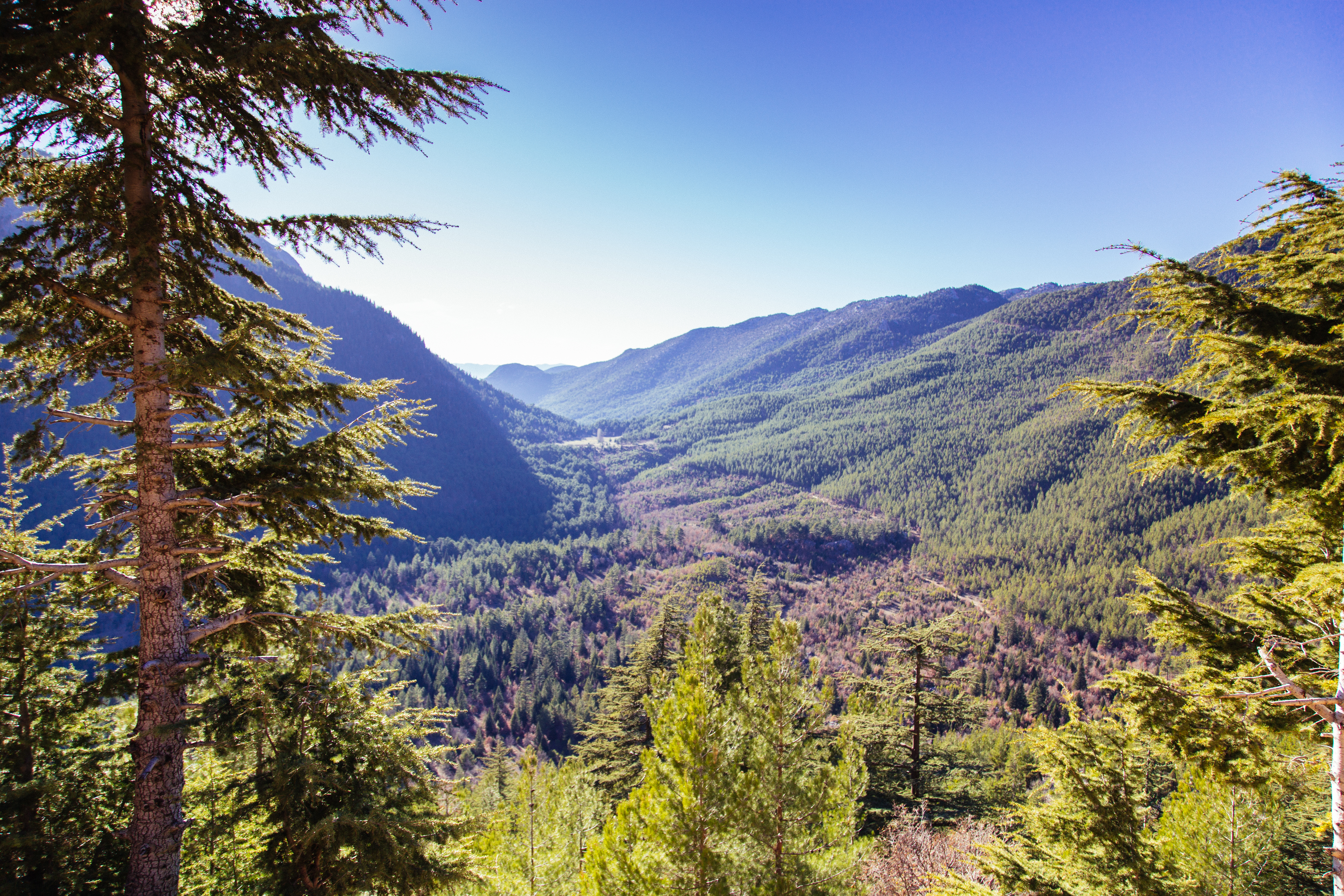
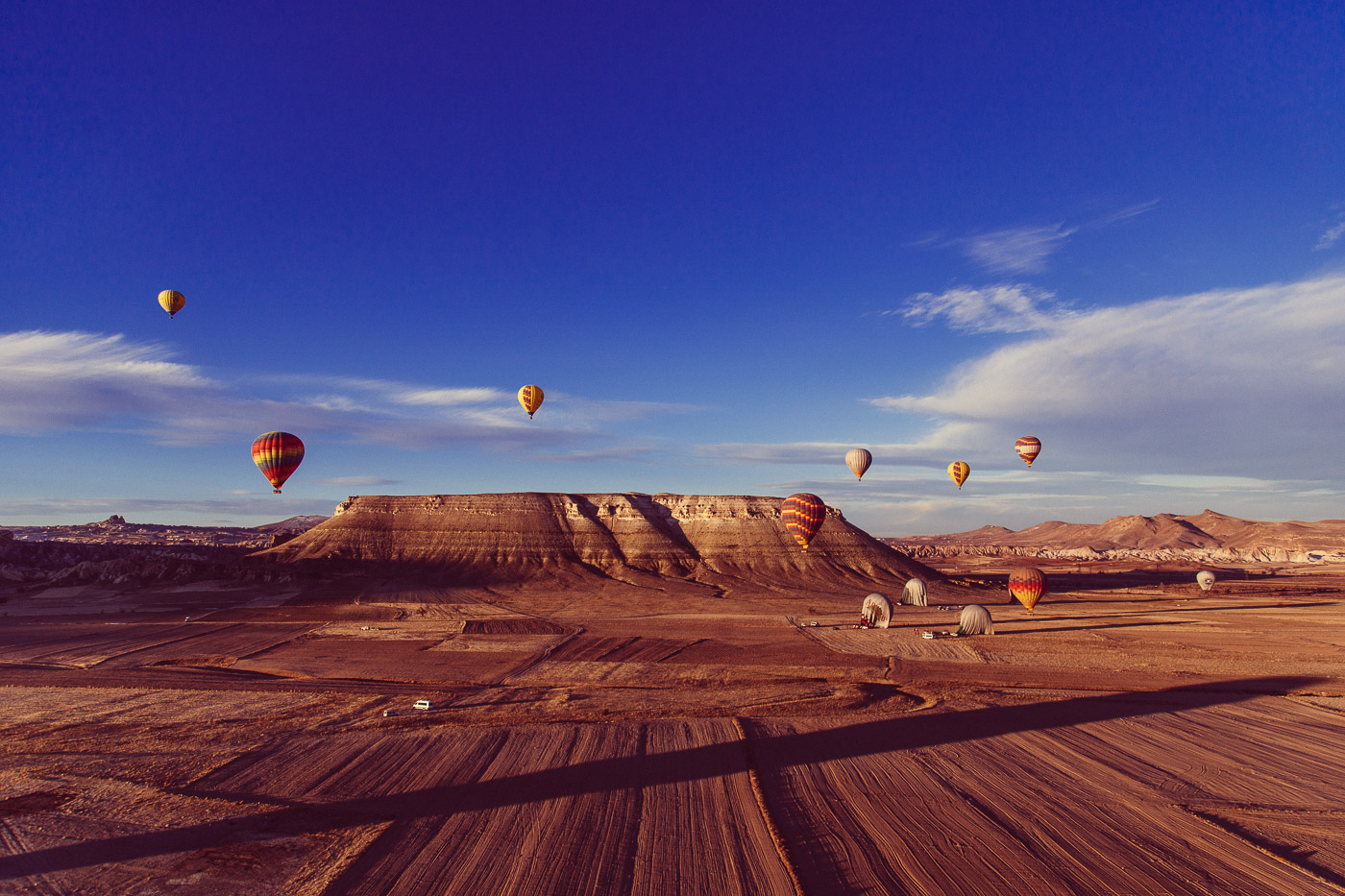
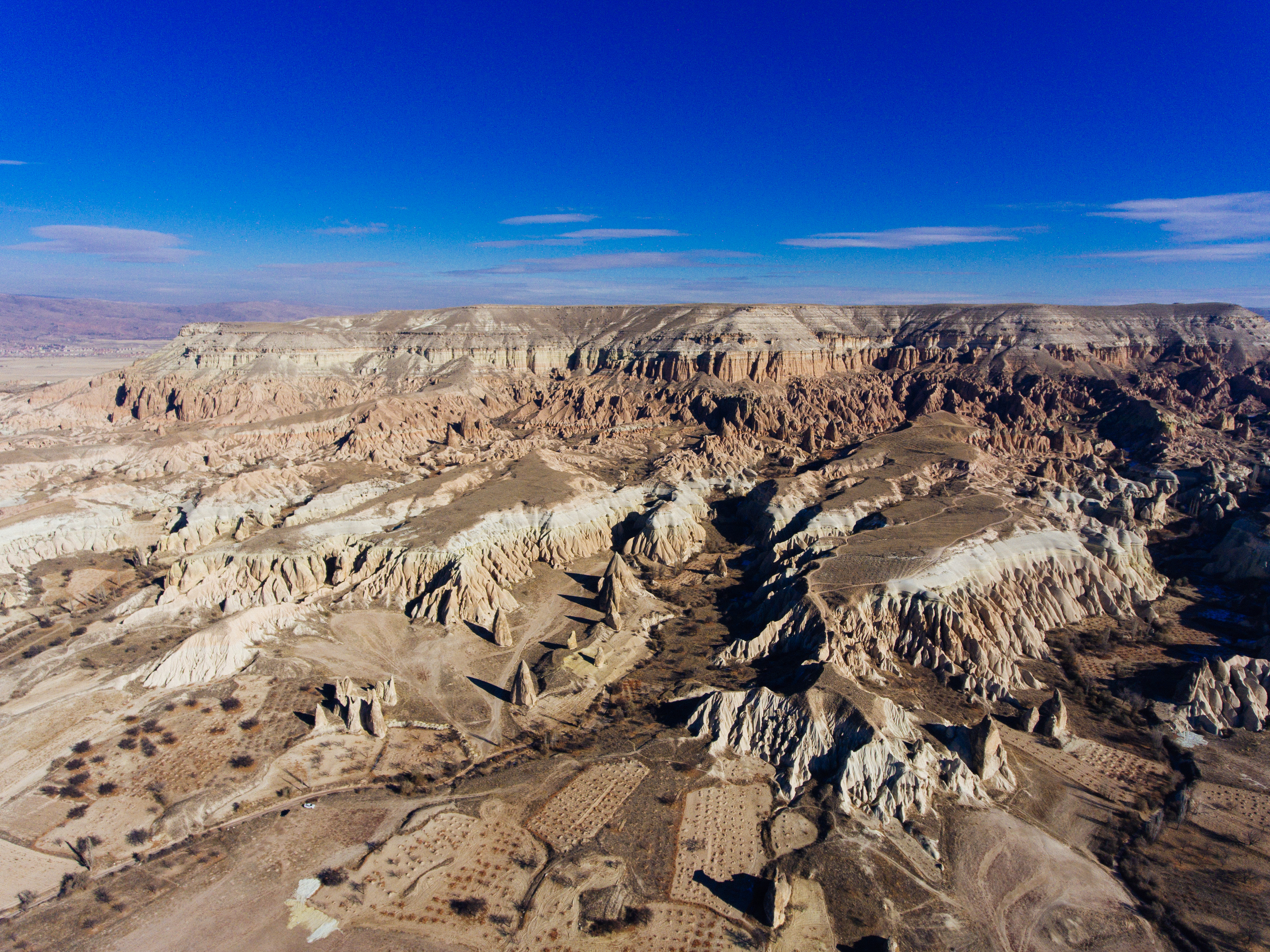
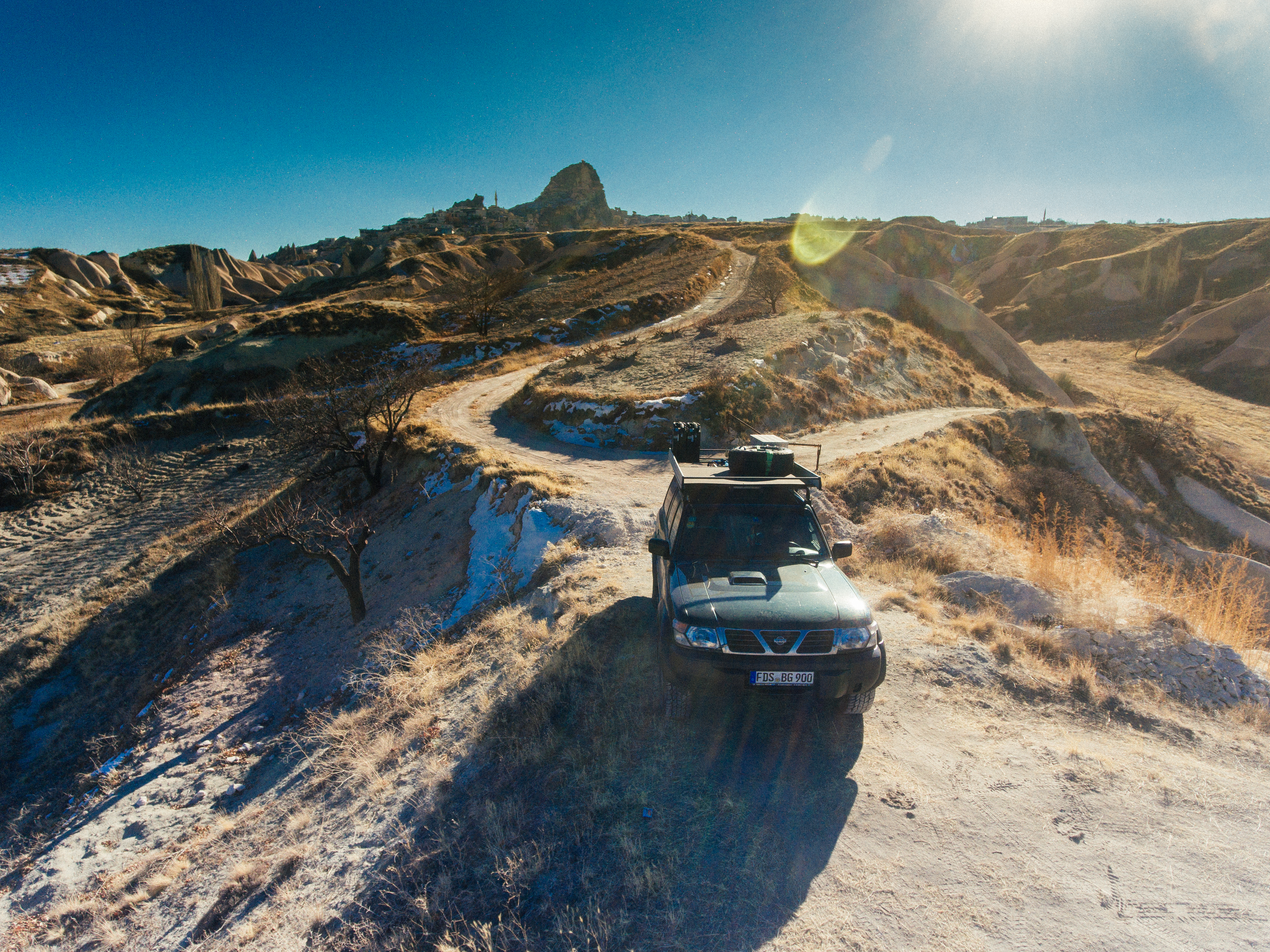
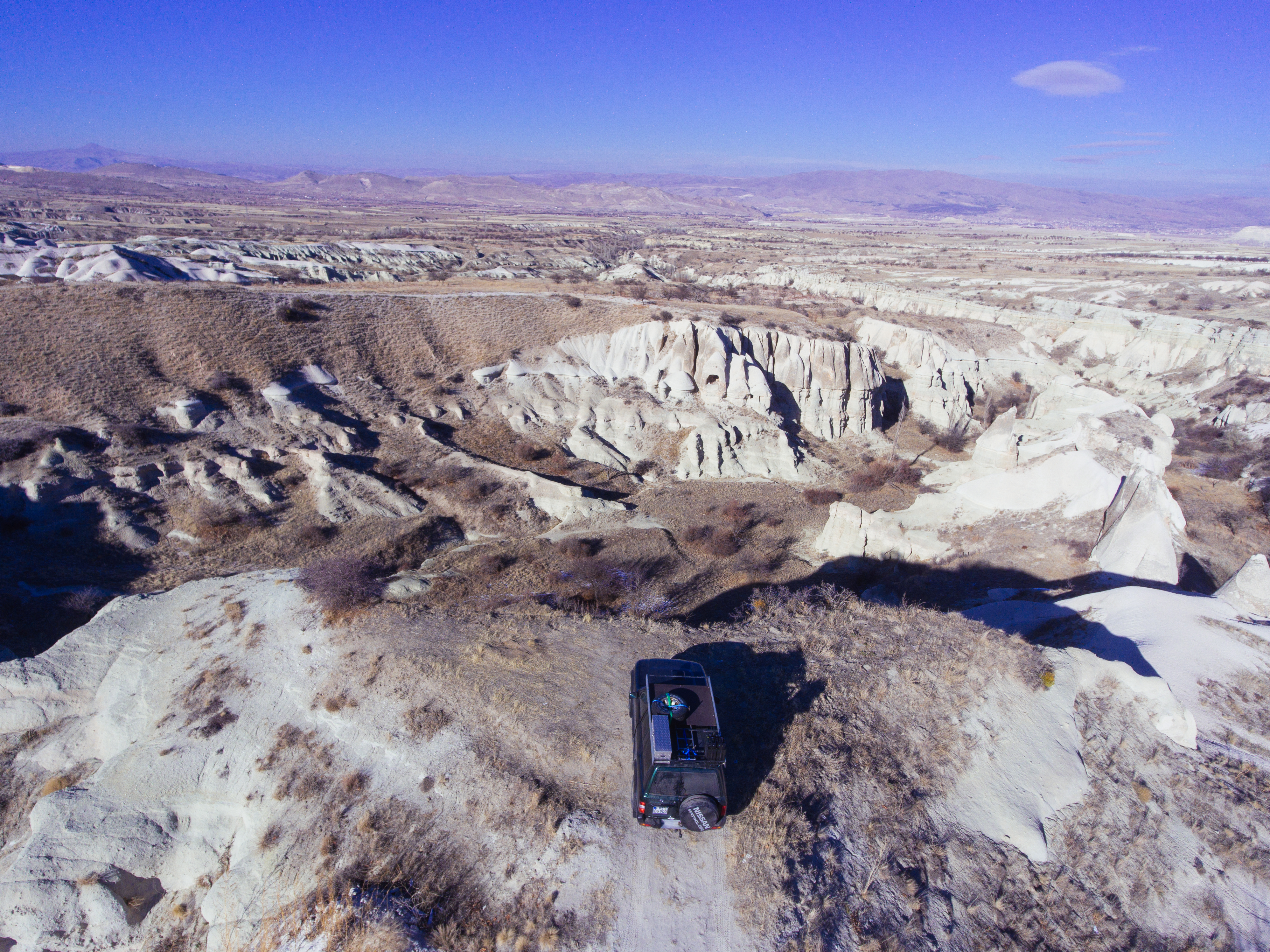
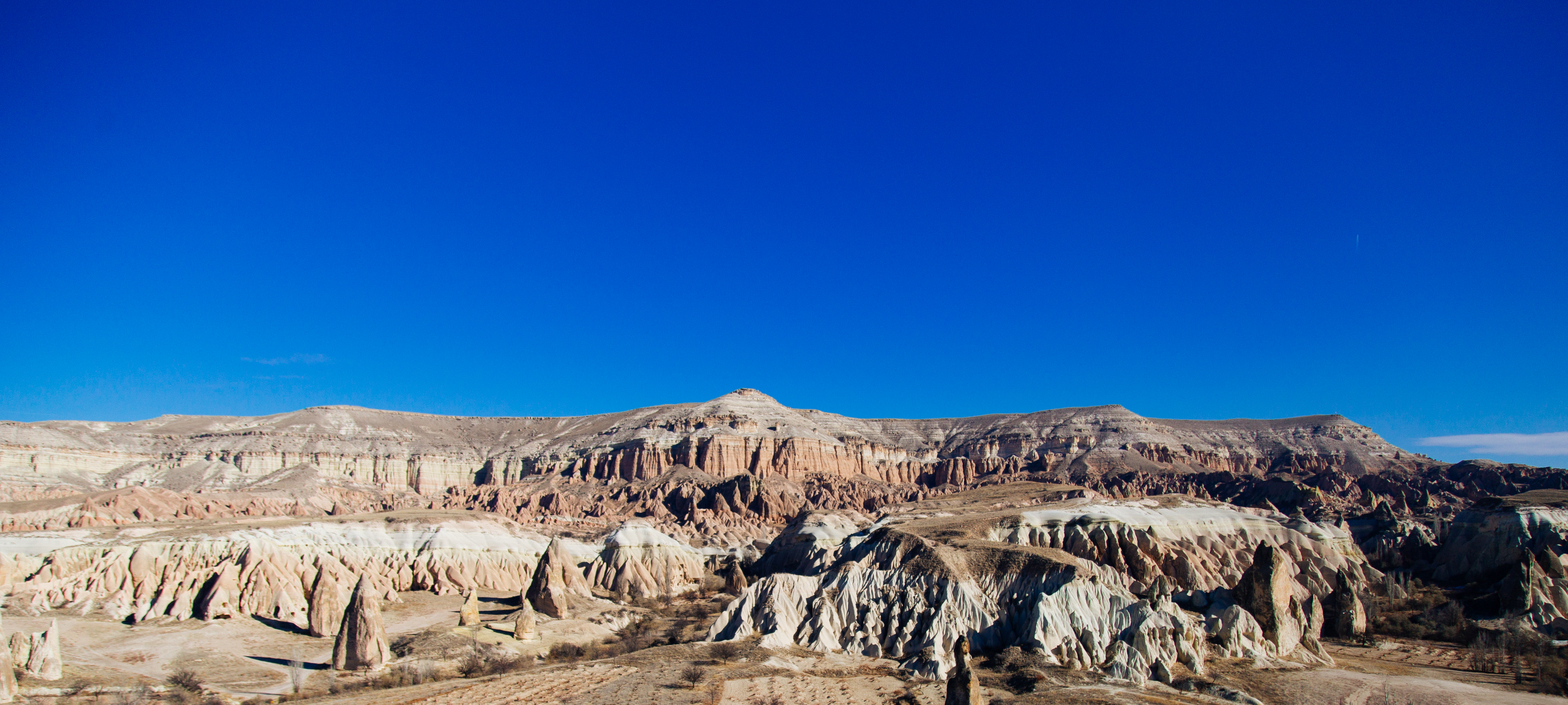
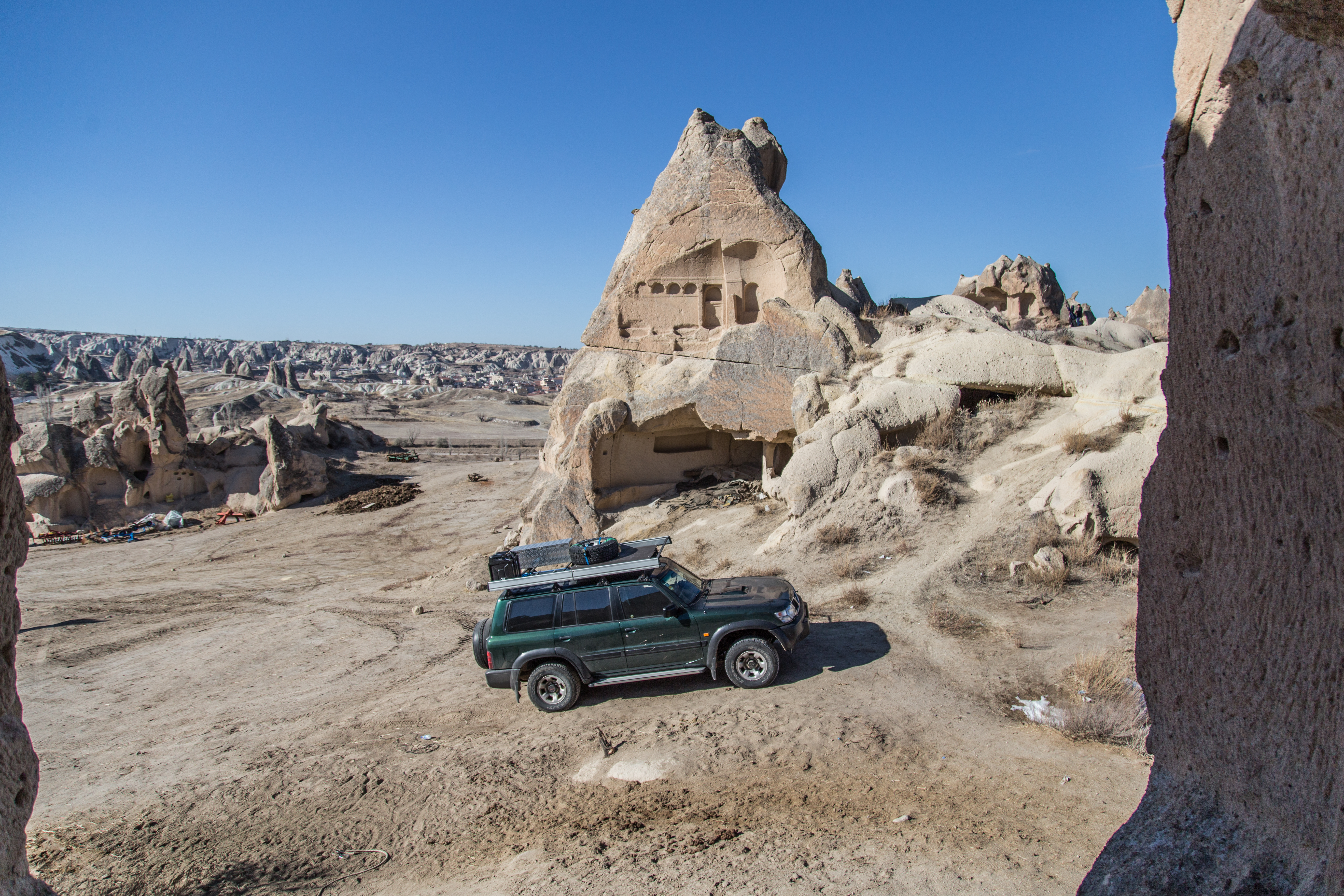
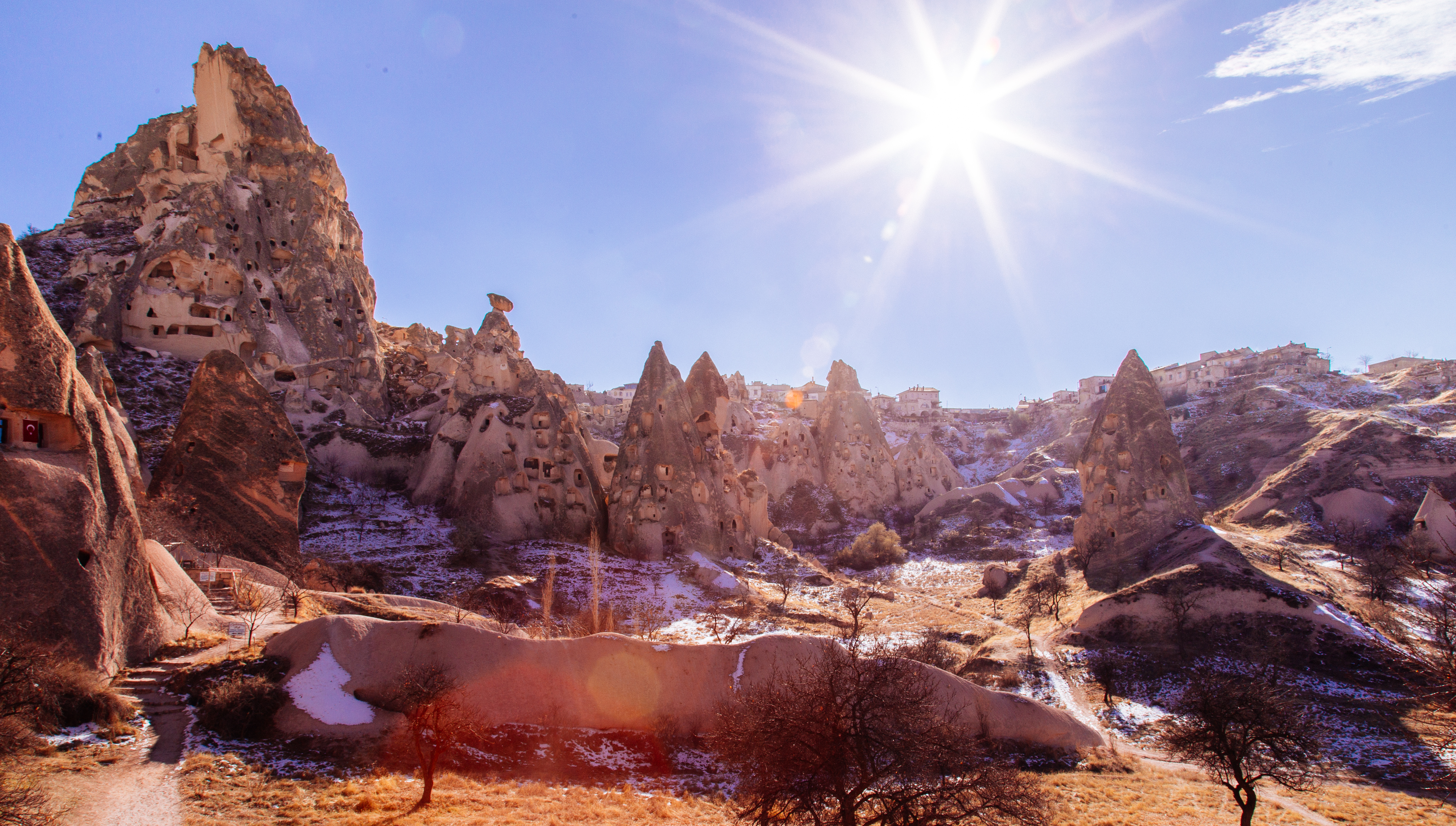
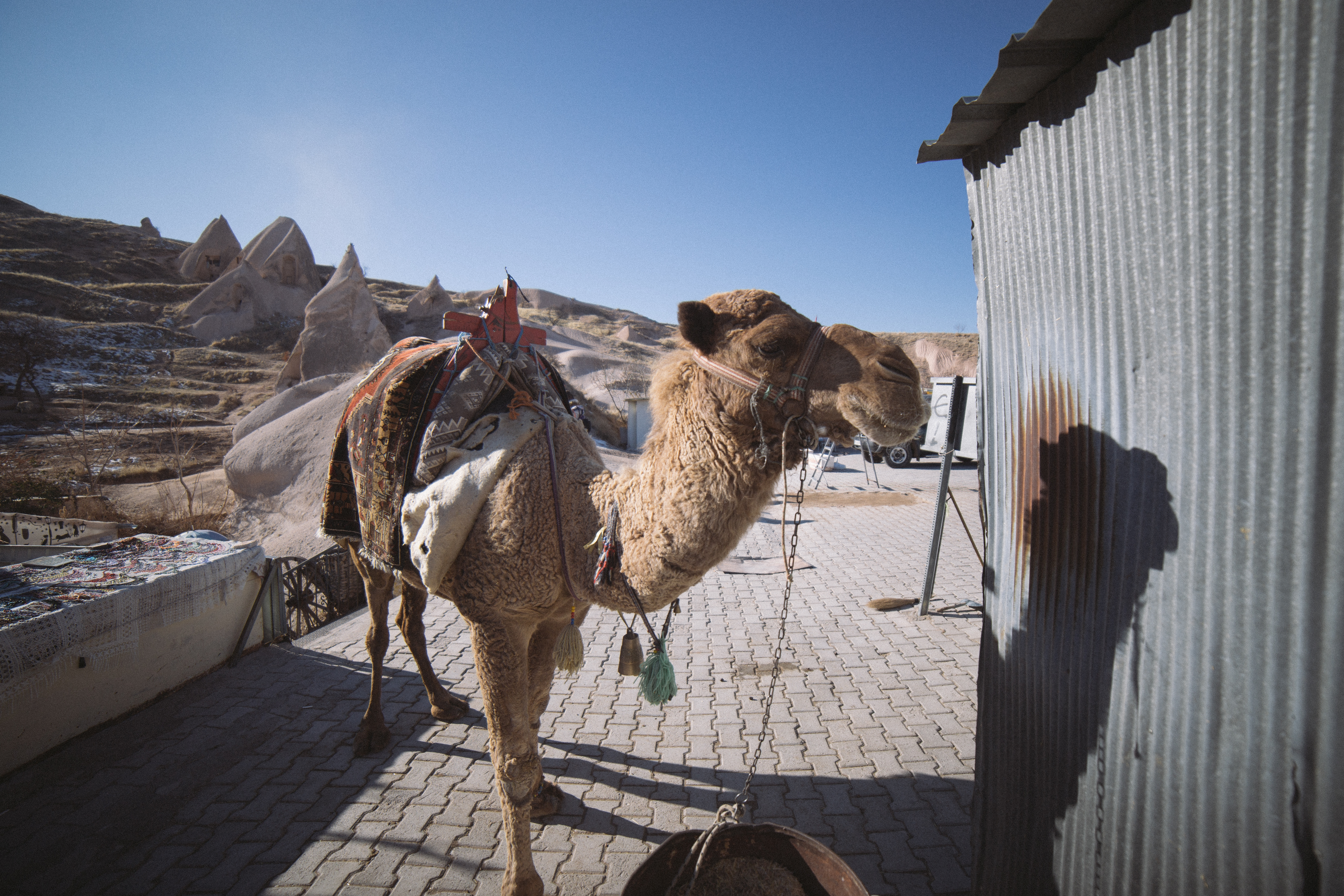
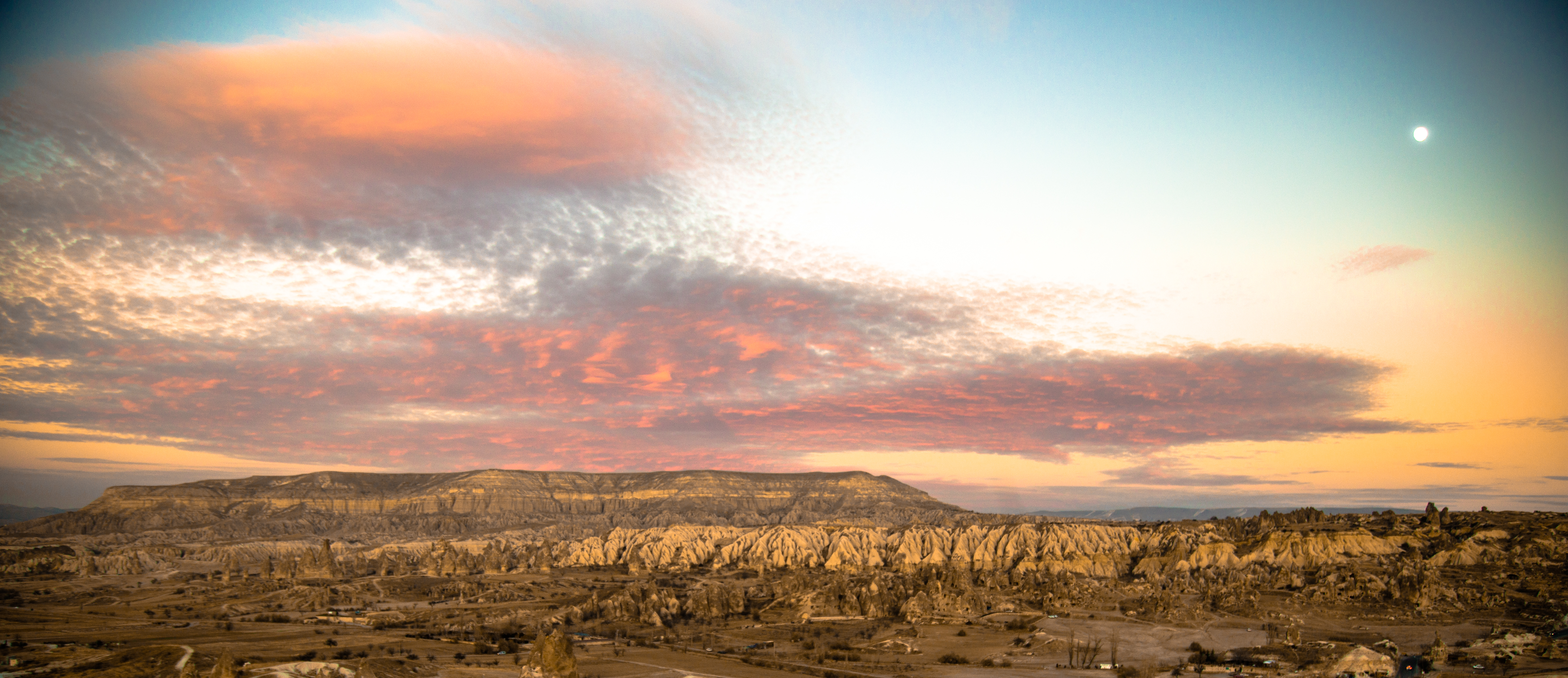
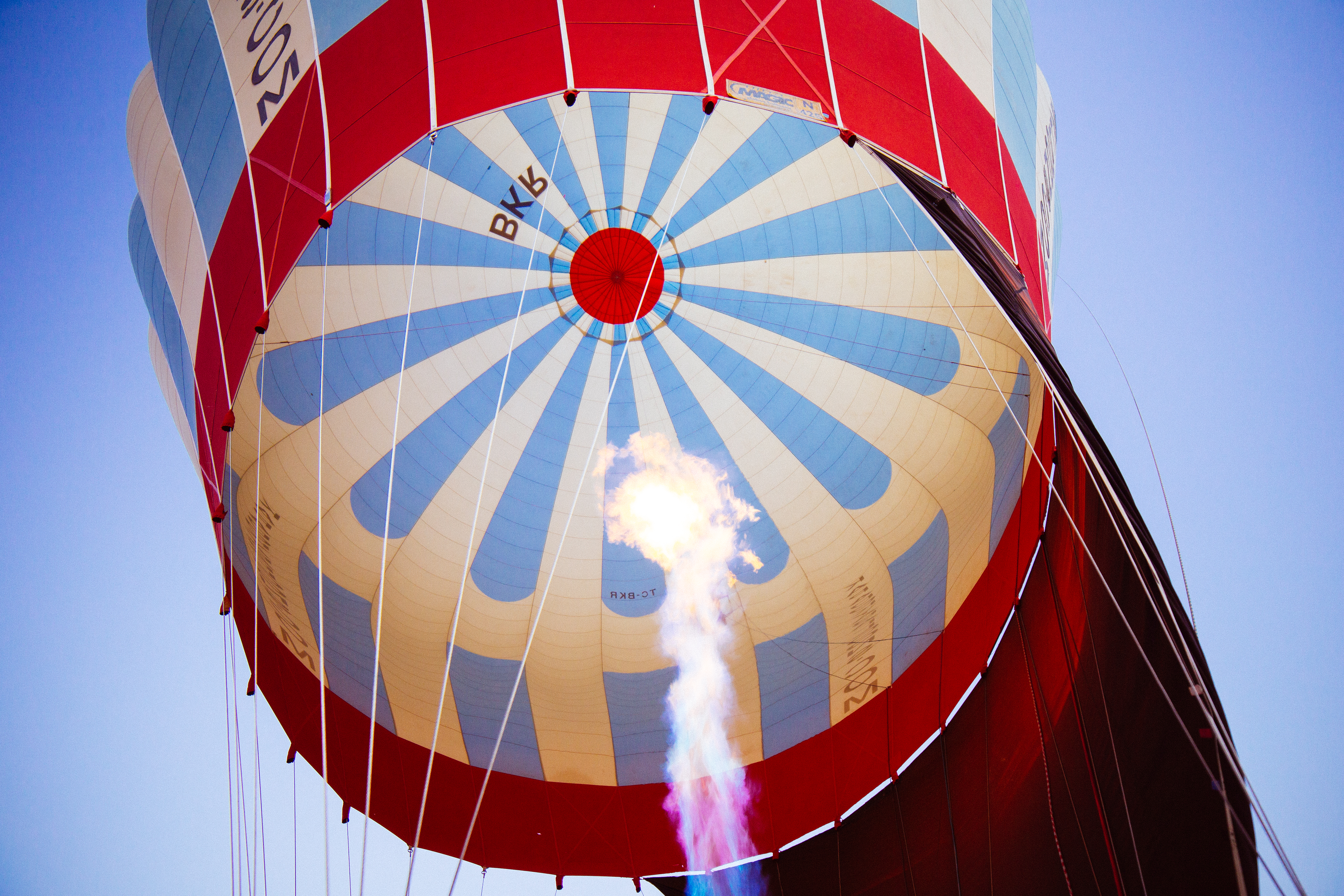
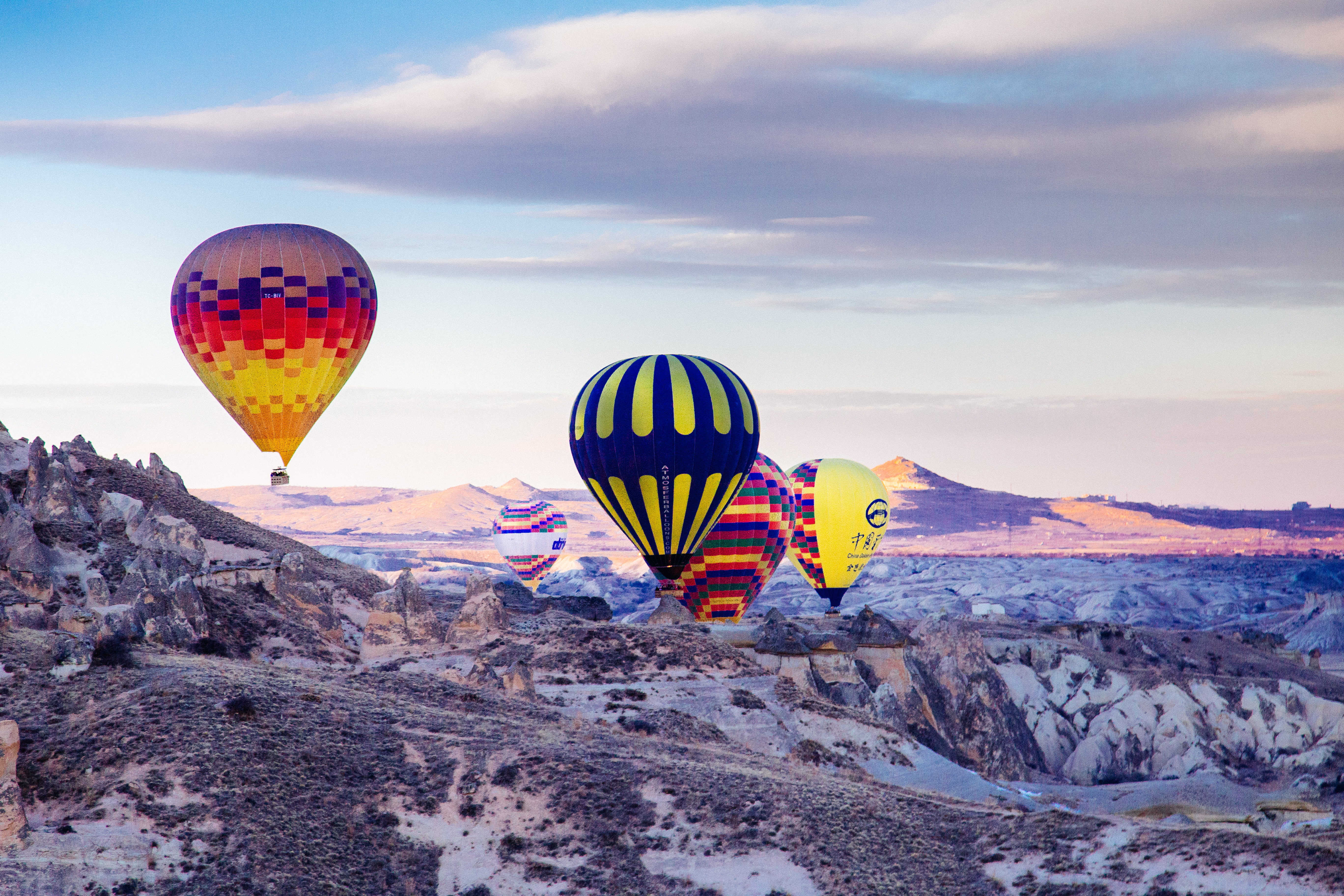
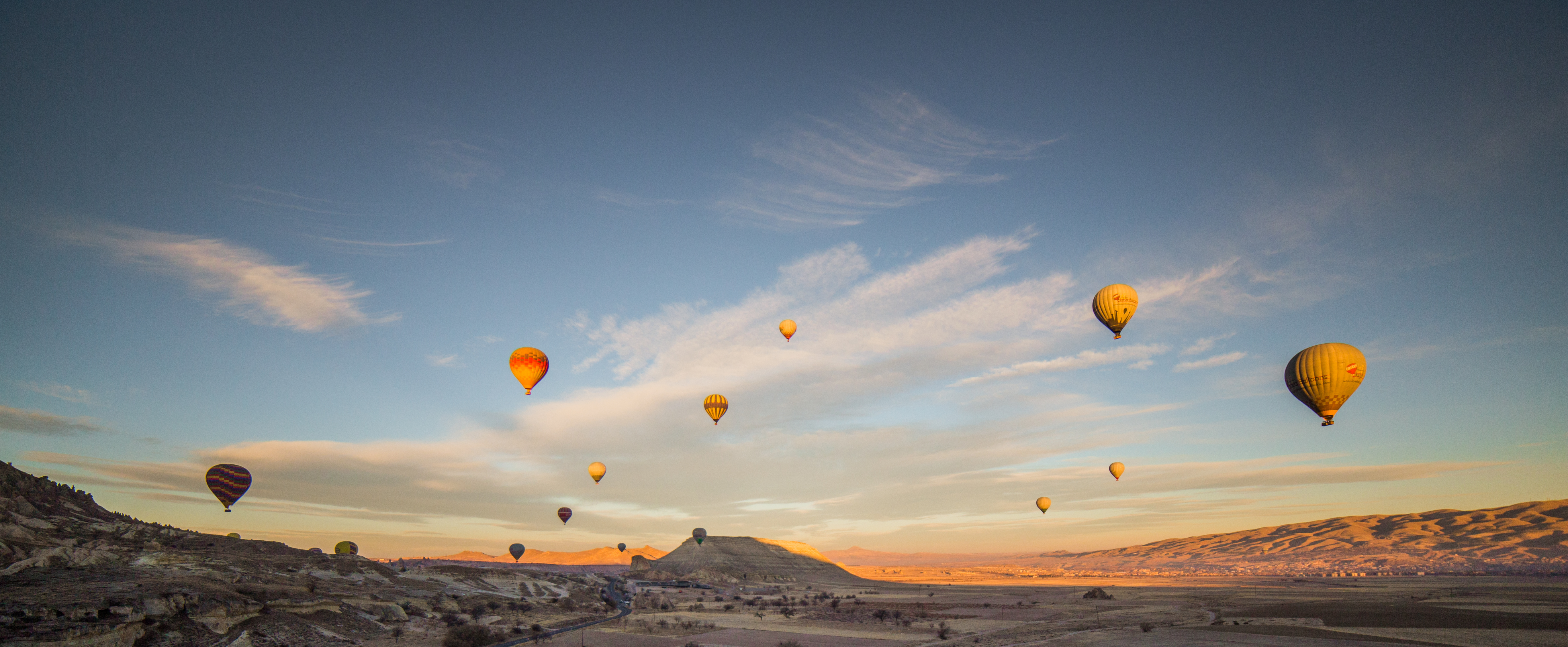
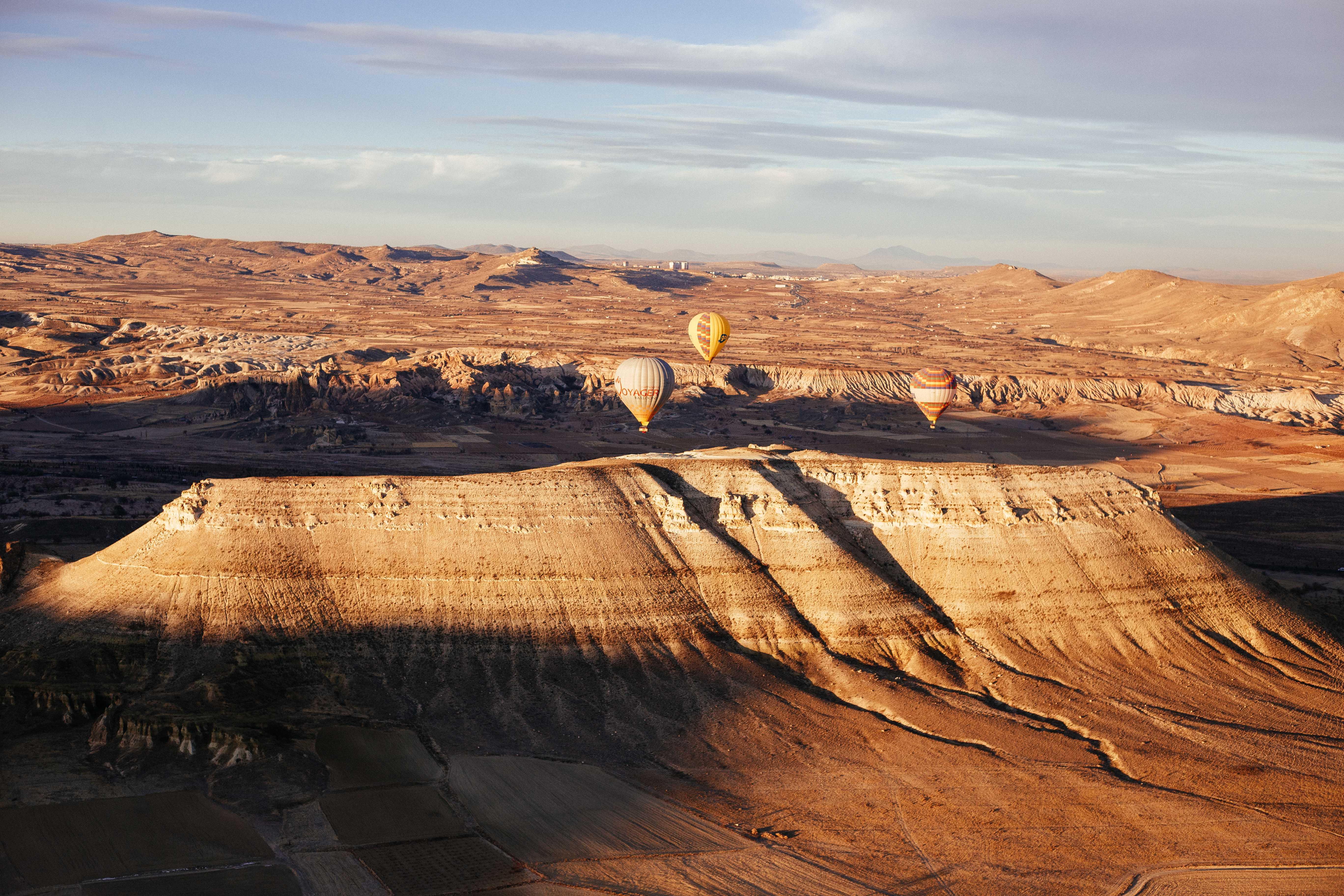
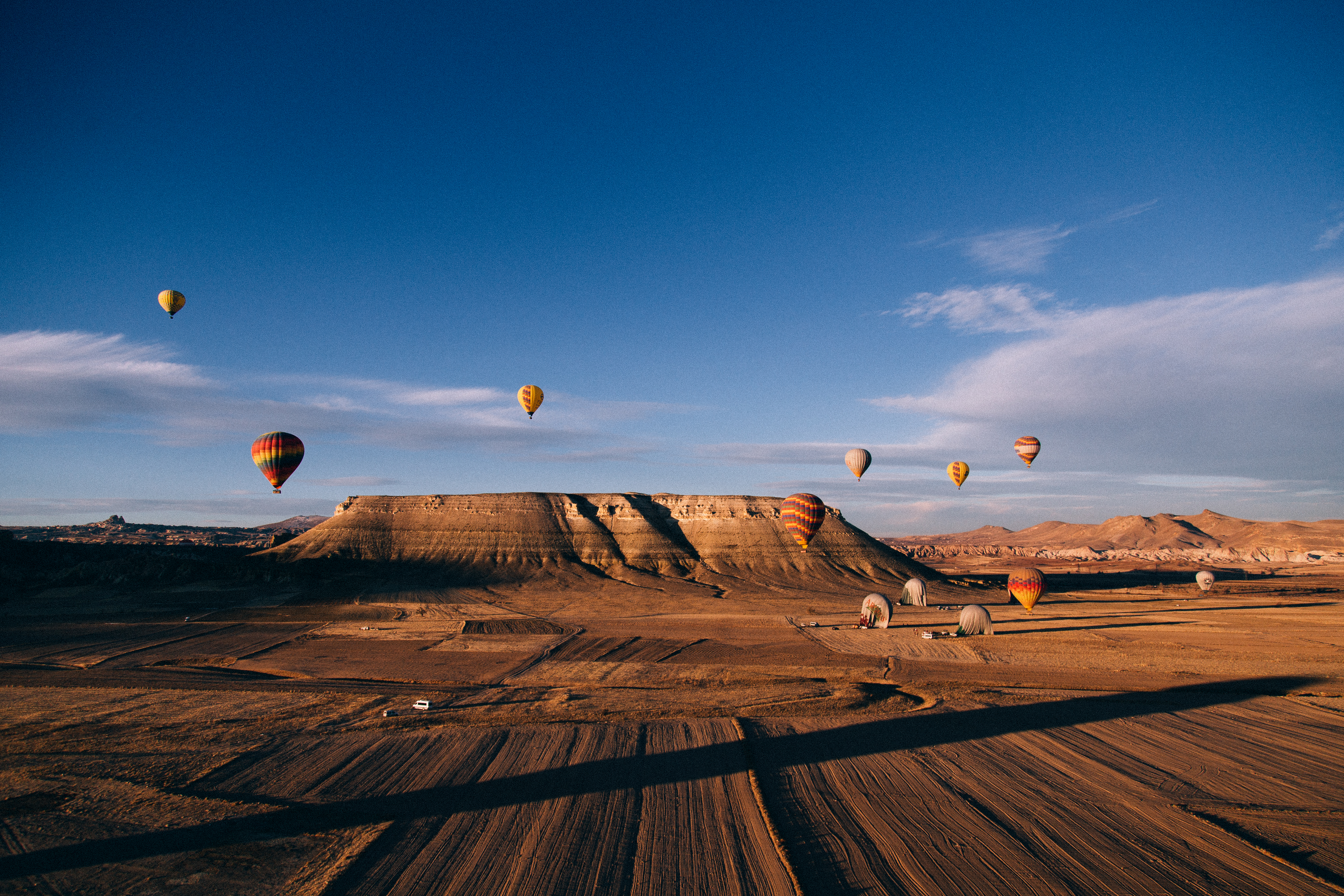
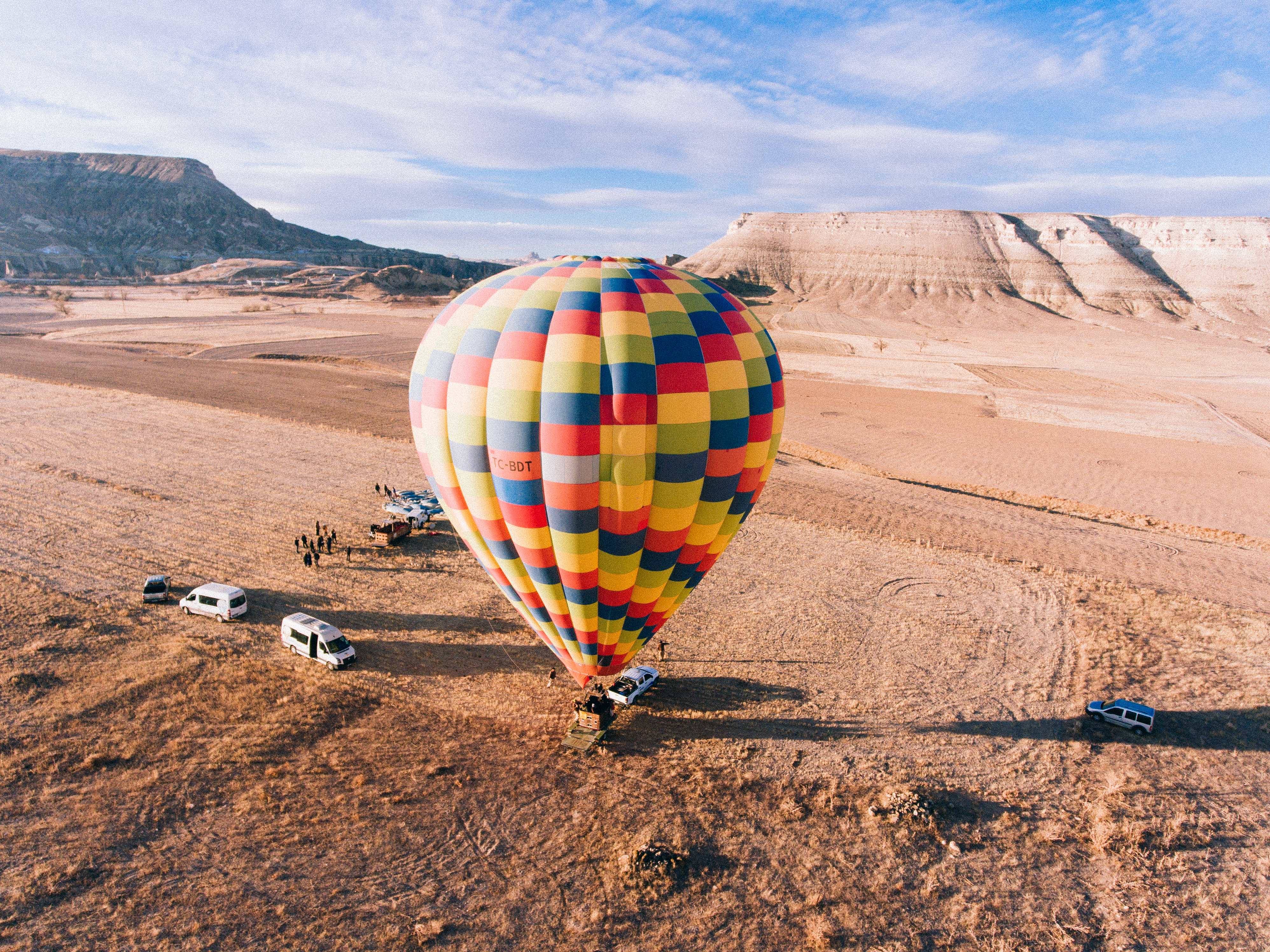
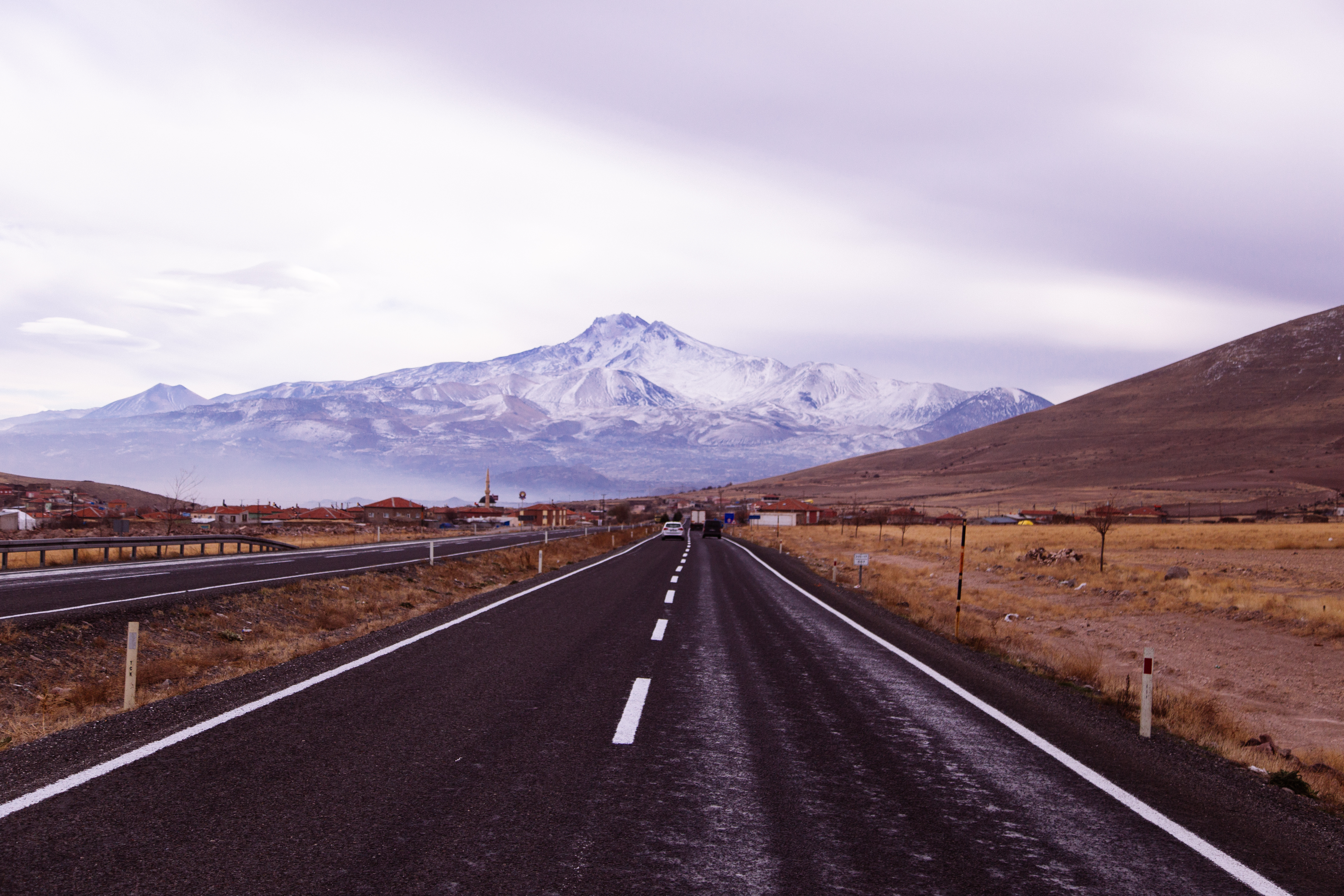
My next destination took me away from the coast and inland. Cappadocia is about a 7-hour drive from Antalya. I bought strawberries for the journey from a roadside stall. The drive is beautiful, winding through forests and mountains; there was even a dusting of snow at the very top. In Cappadocia, people live in caves carved into the rock during the summer. Hotels and many restaurants are also built into the cliffs. A must-do is a hot air balloon ride at sunrise over the canyon. It's an amazing experience that I would do again in a heartbeat. For 75 euros, you get breakfast with champagne and fruit and a one-hour balloon flight at sunrise. In winter, about 20-30 balloons take off every morning, while in the peak summer season, there are over 100, filling the entire sky with hot air balloons. Many thanks to Cappadocia Balloons; they have a very friendly team, and I was able to sleep on their premises and use their bathroom. "What goes around comes around."“
 On the way to the Black Sea, I picked up the first hitchhiker of my trip. Artjon came from Estonia and was hitchhiking around the world for a few years. His next destinations were Georgia, Armenia, Iran, Pakistan, and Afghanistan. I gave him a lift as far as Sivas. All the best on your journey! A friendly stranger approached us in broken German and showed us a small snack bar where we had lunch. He told us about his wife in Germany and that he also wanted to go to Germany to work like his brothers, who work as bus drivers in Sindelfingen.
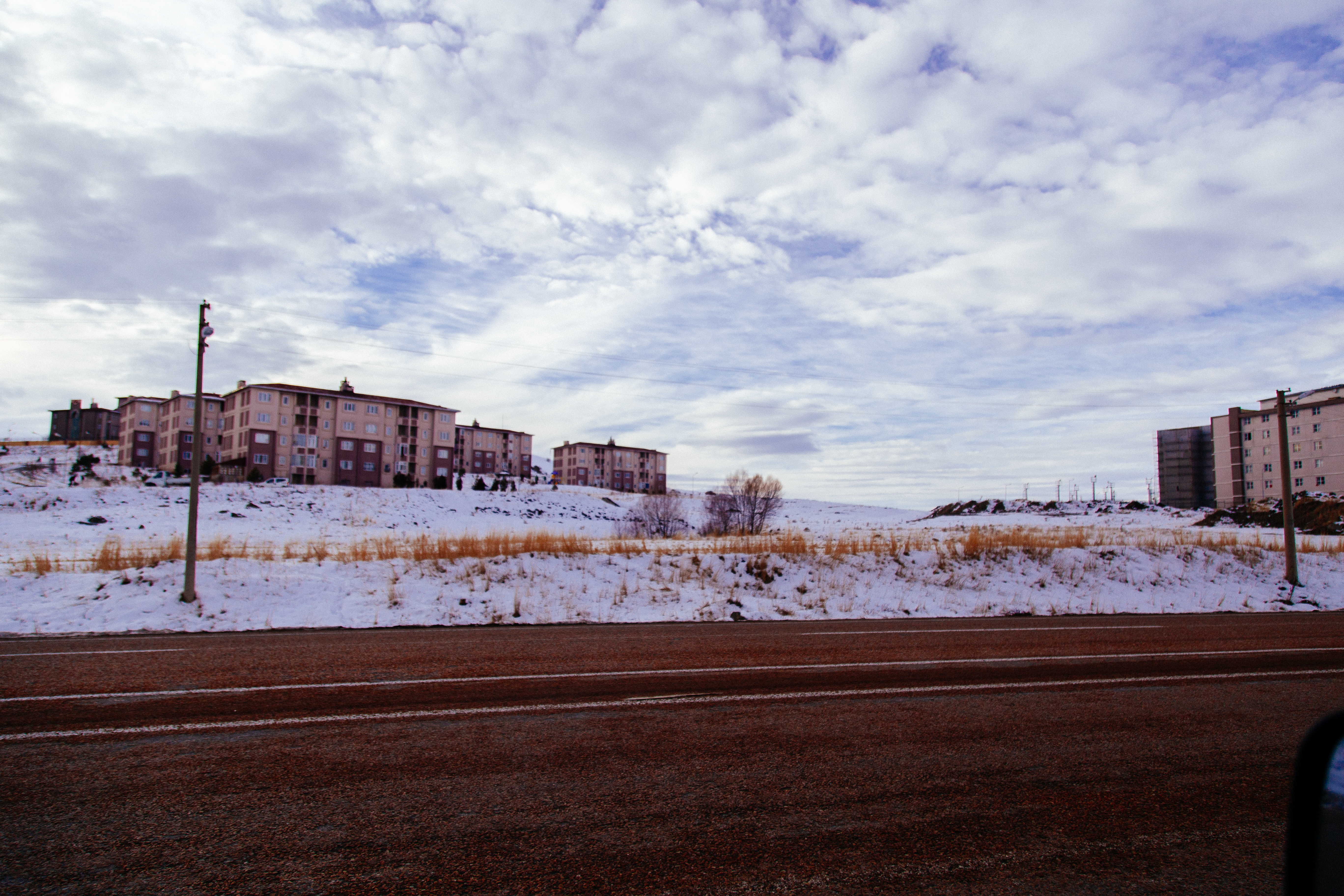
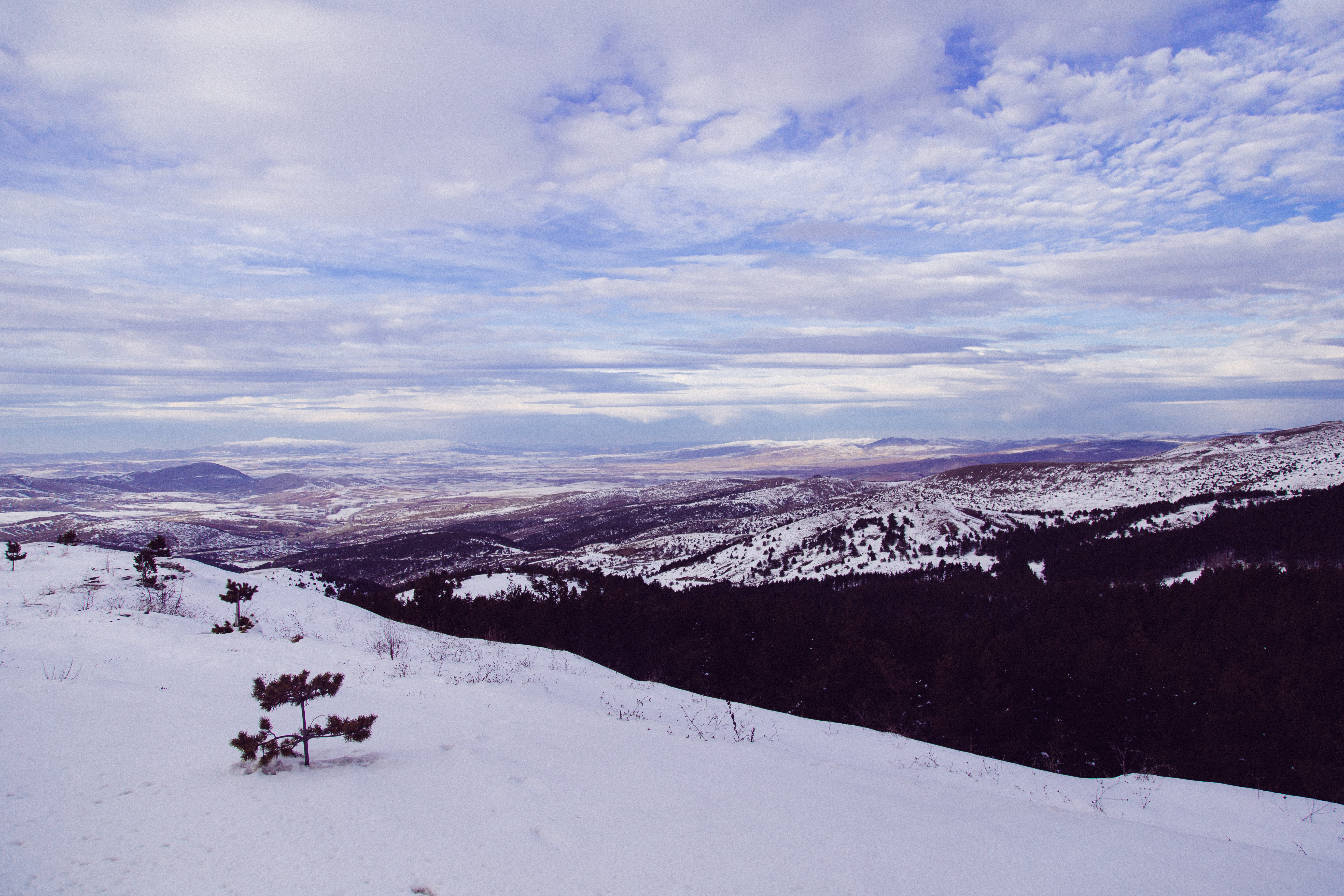
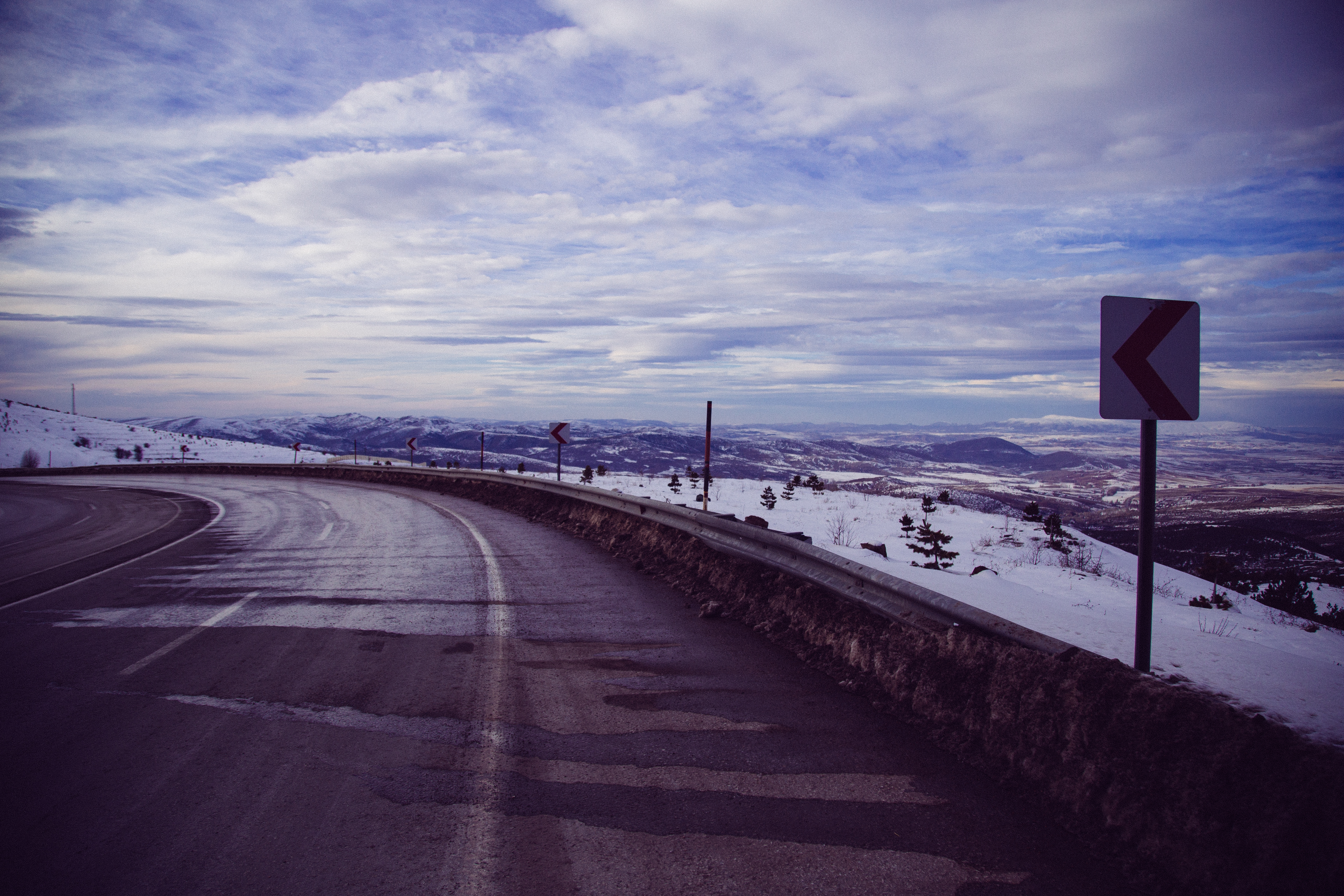
In Samsun I met Lennard and Lennard again, which was a bit confusing at first, but I quickly got used to the fact that when I said Lennard to two people, they felt addressed. Our journey took us along the Black Sea coast until just before the Georgian border, where our paths diverged again for a few days.
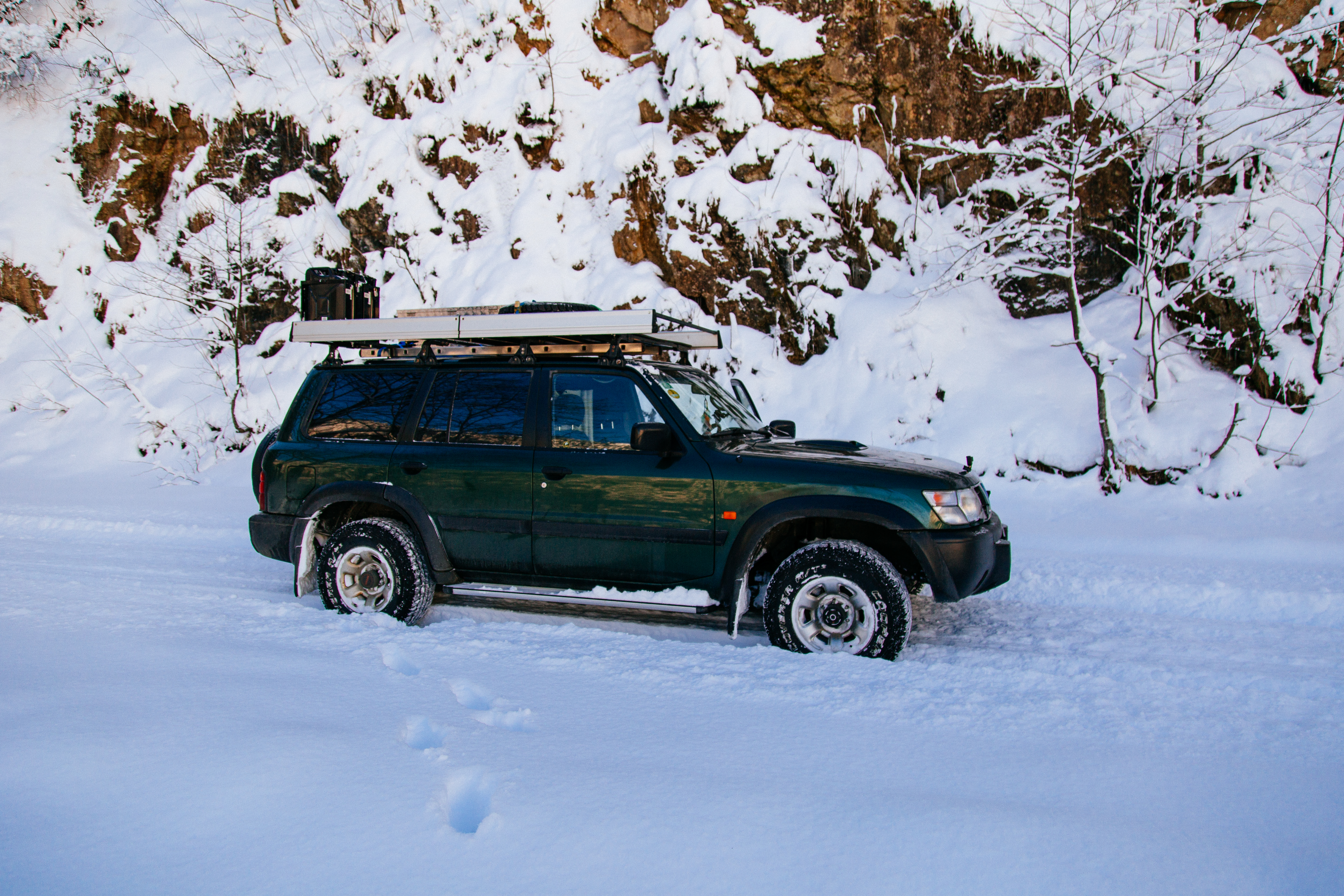
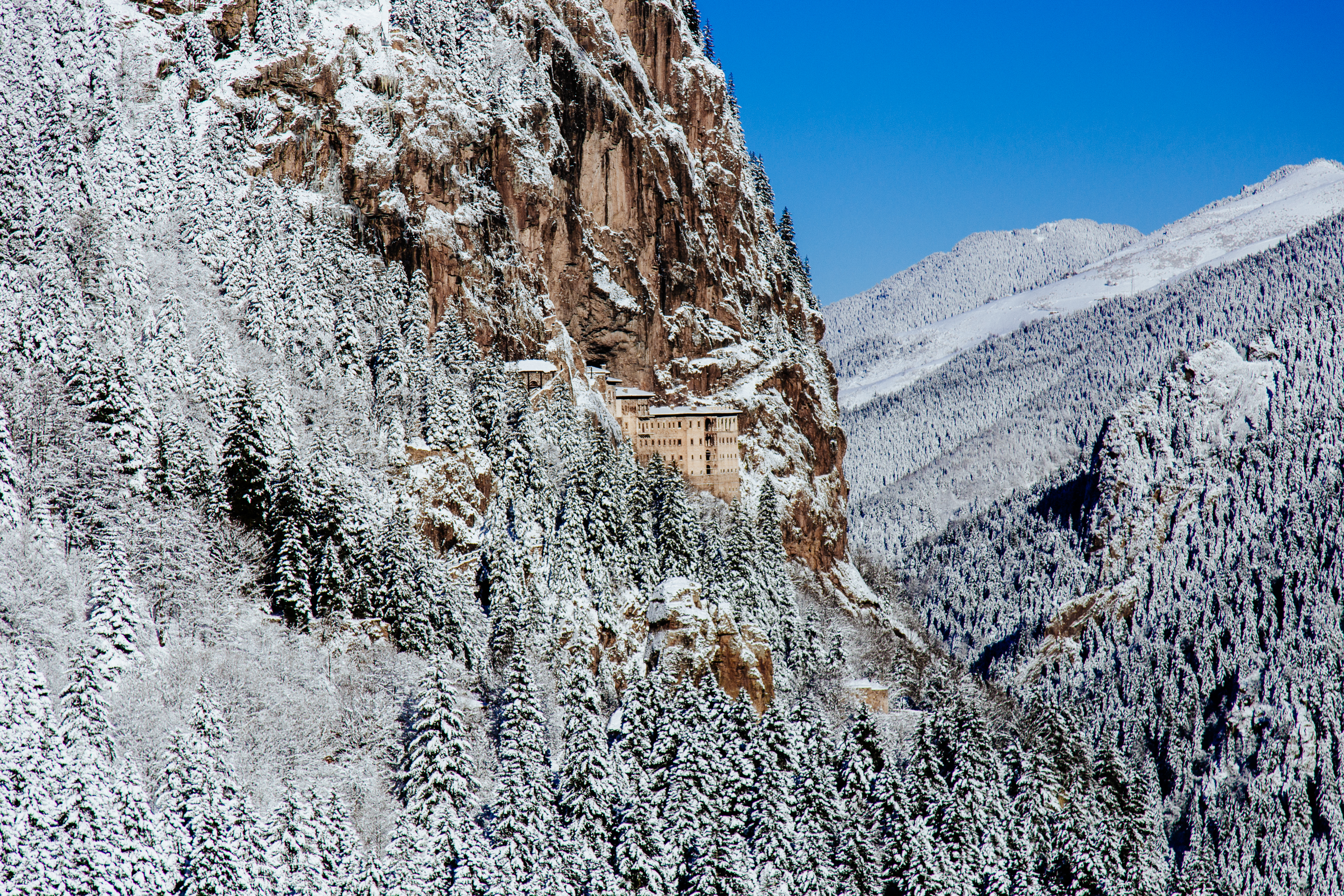
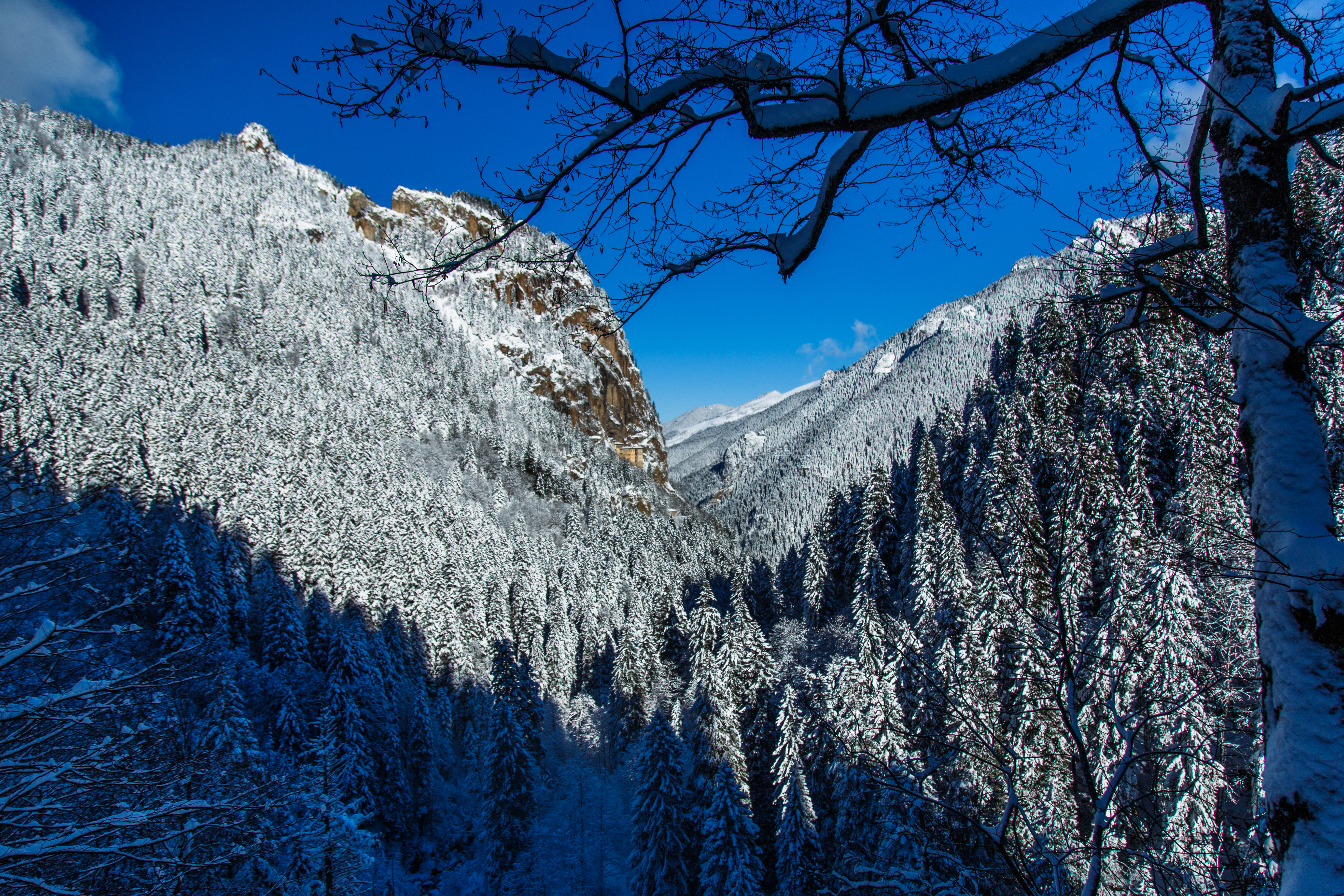
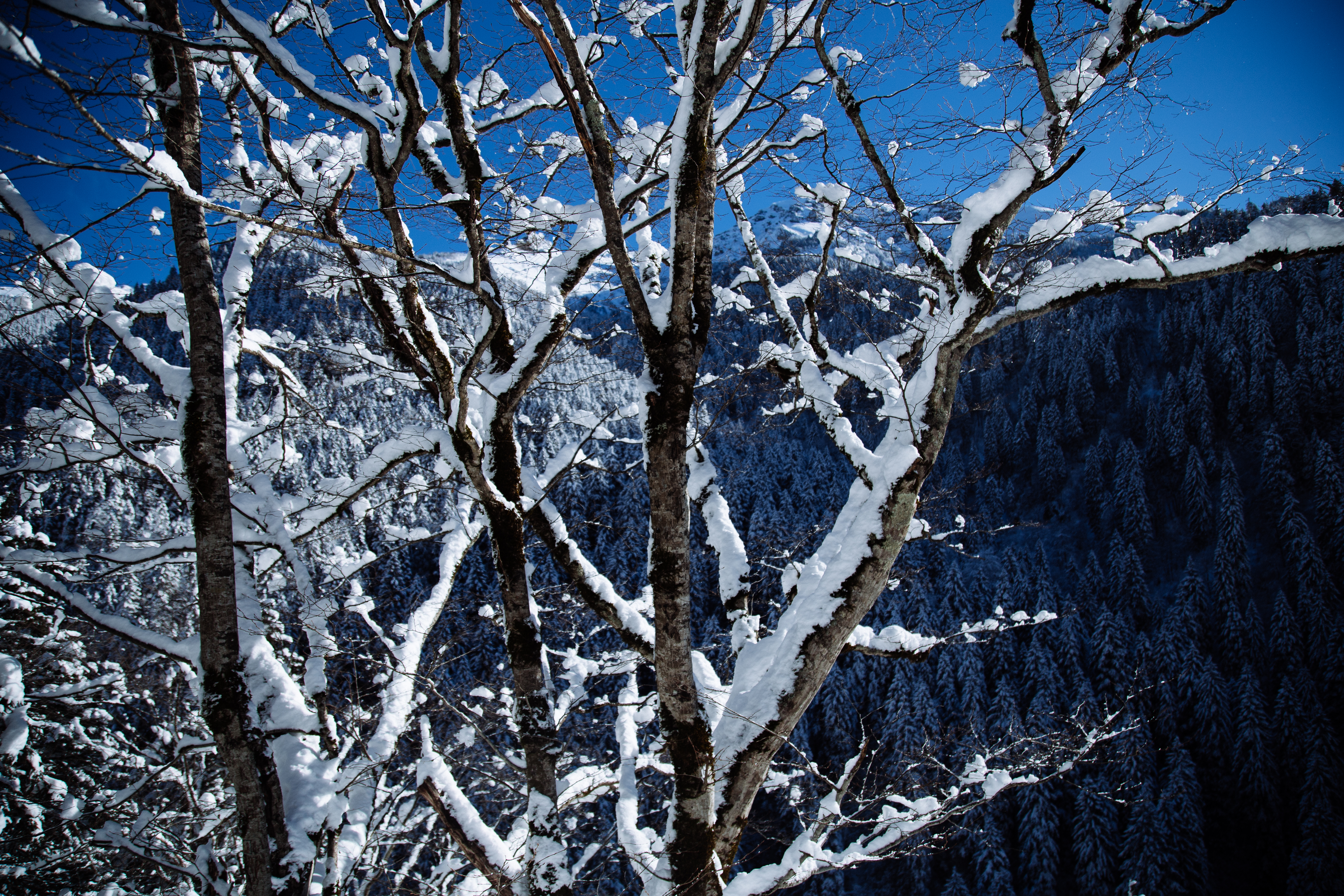
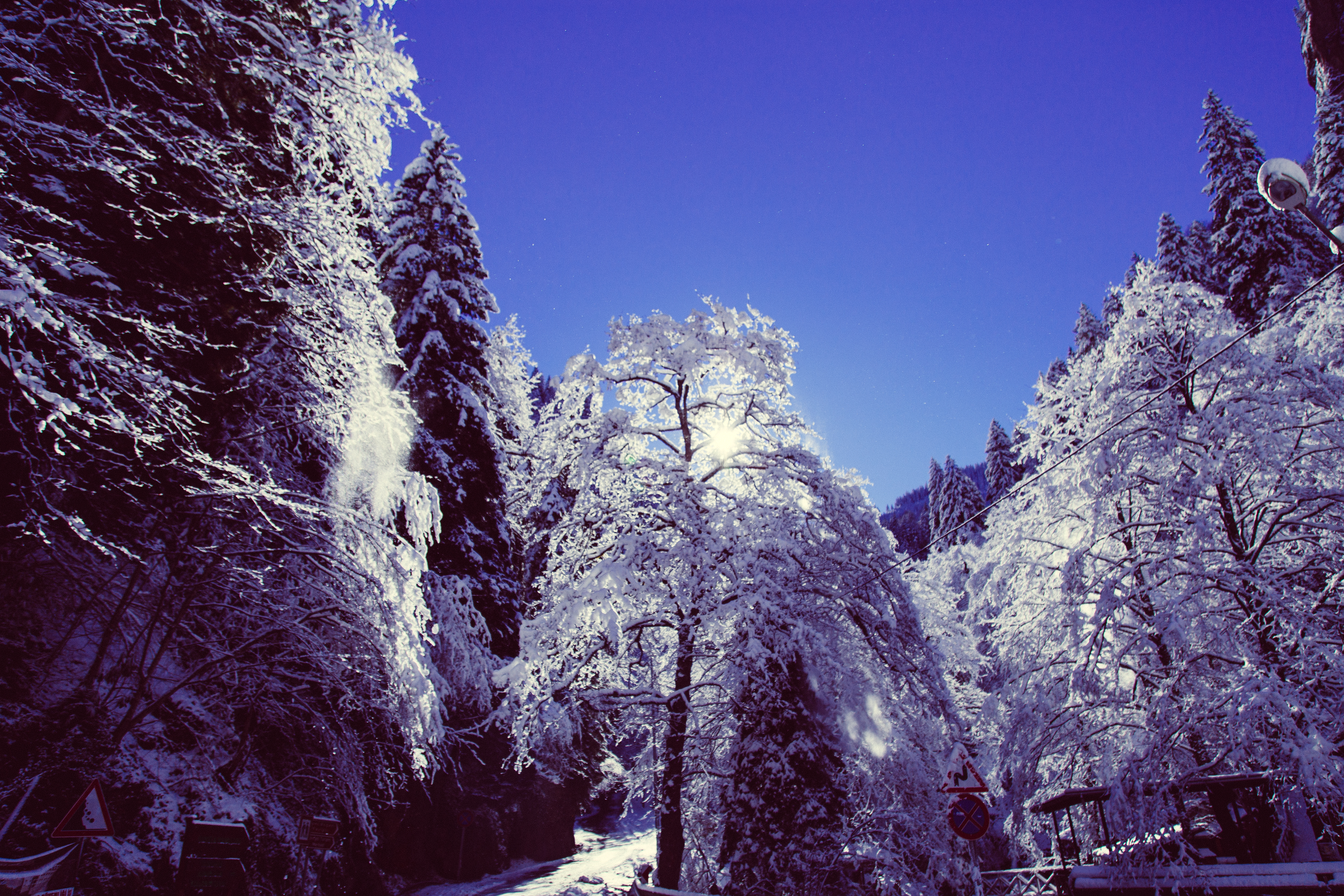
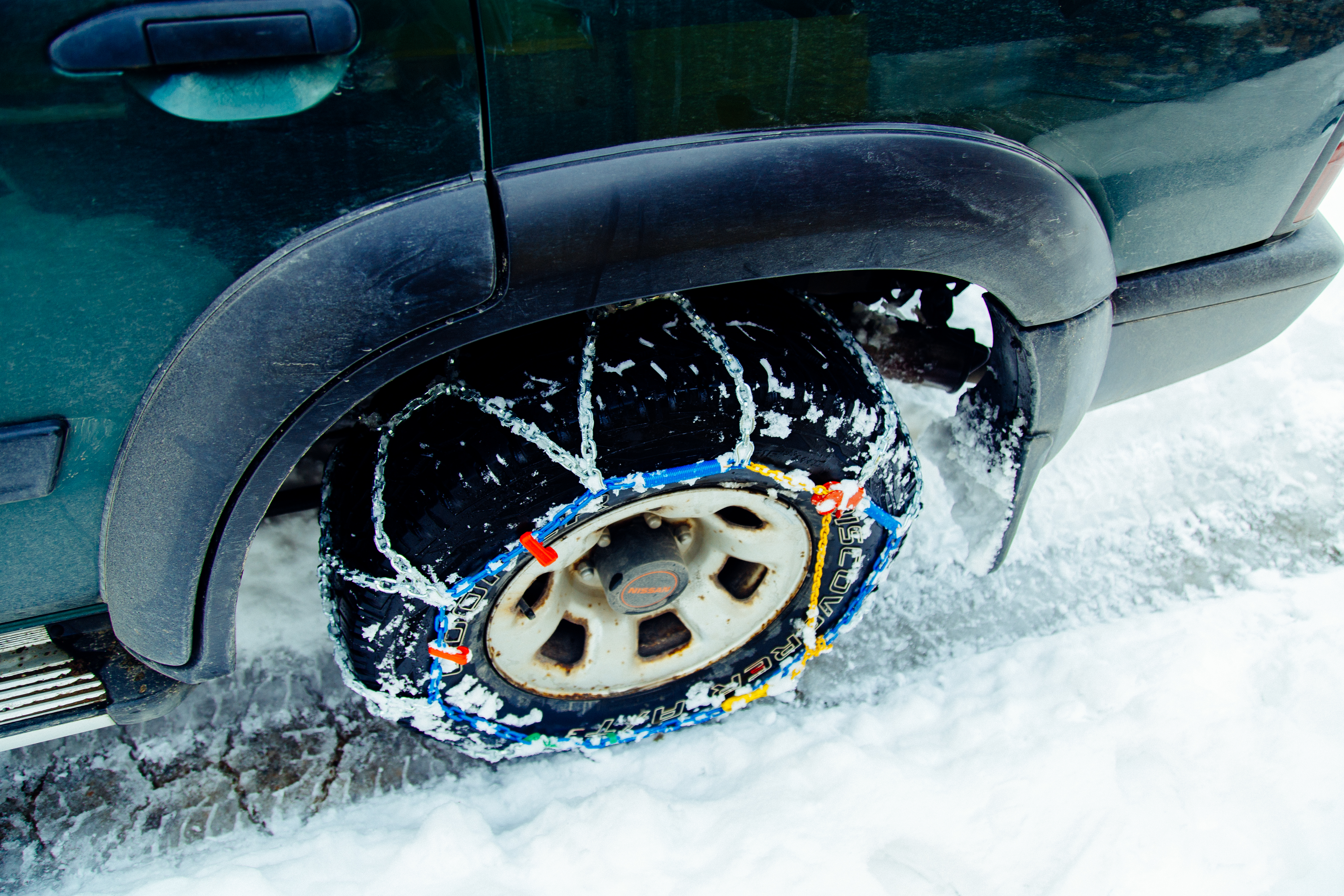
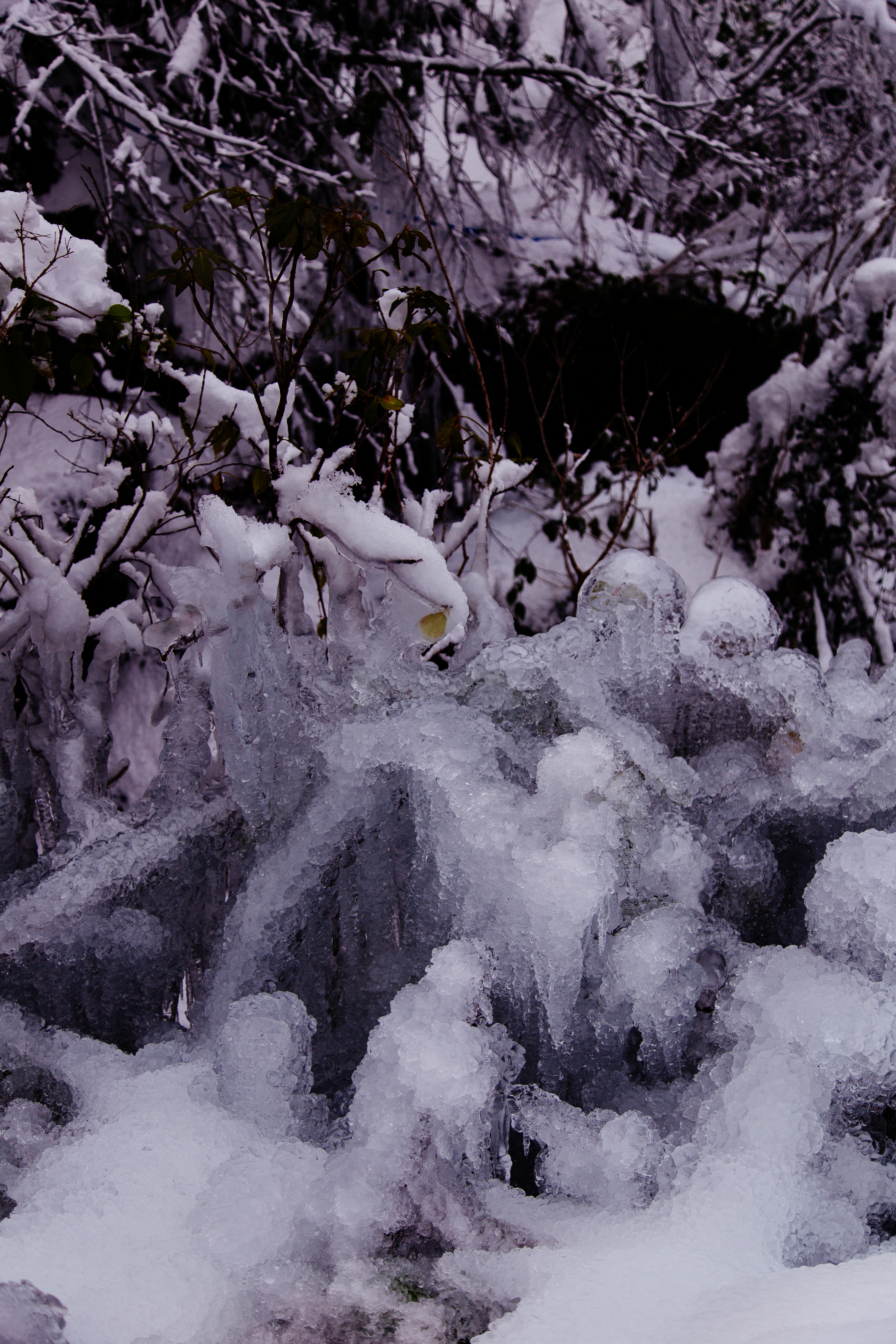
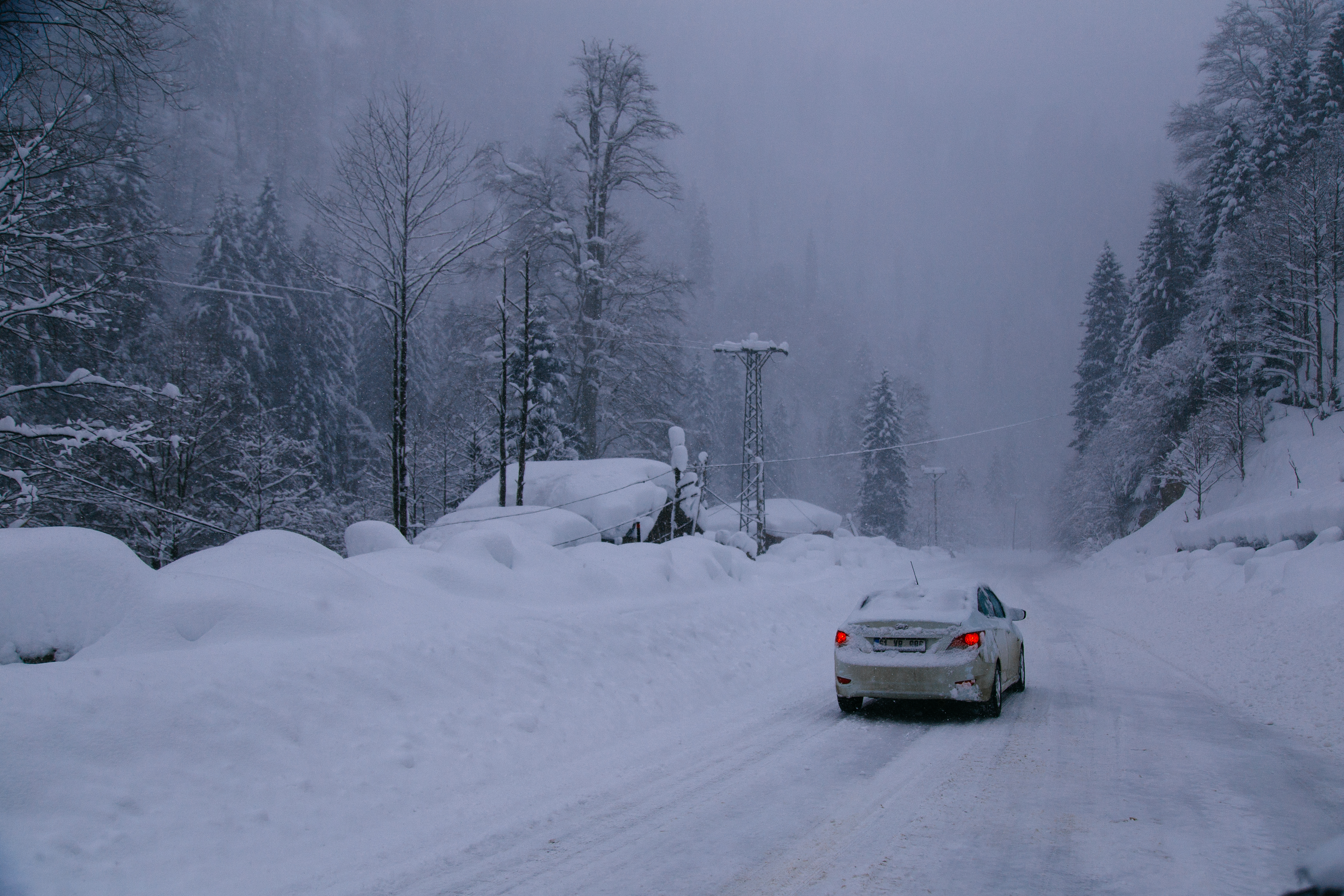
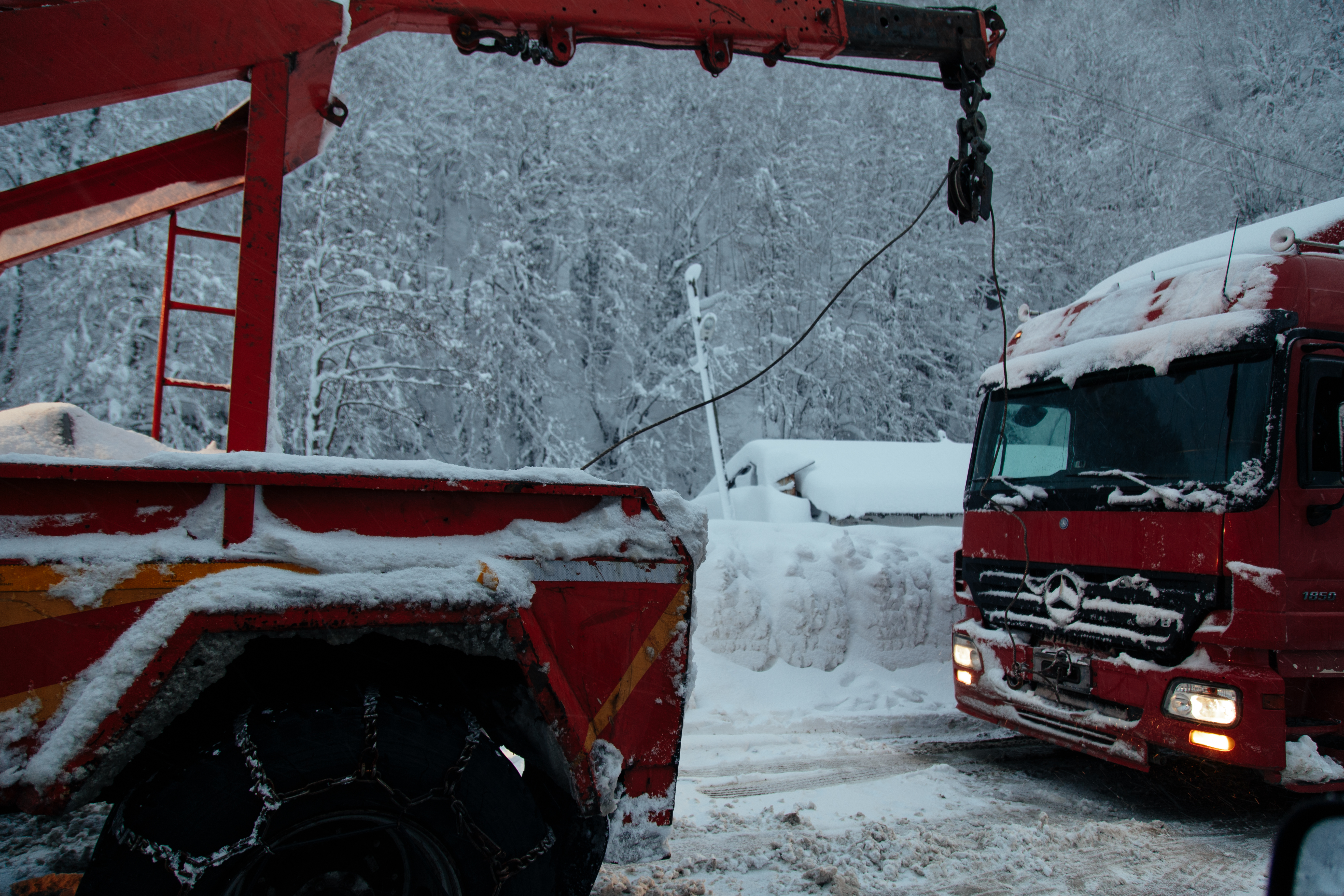
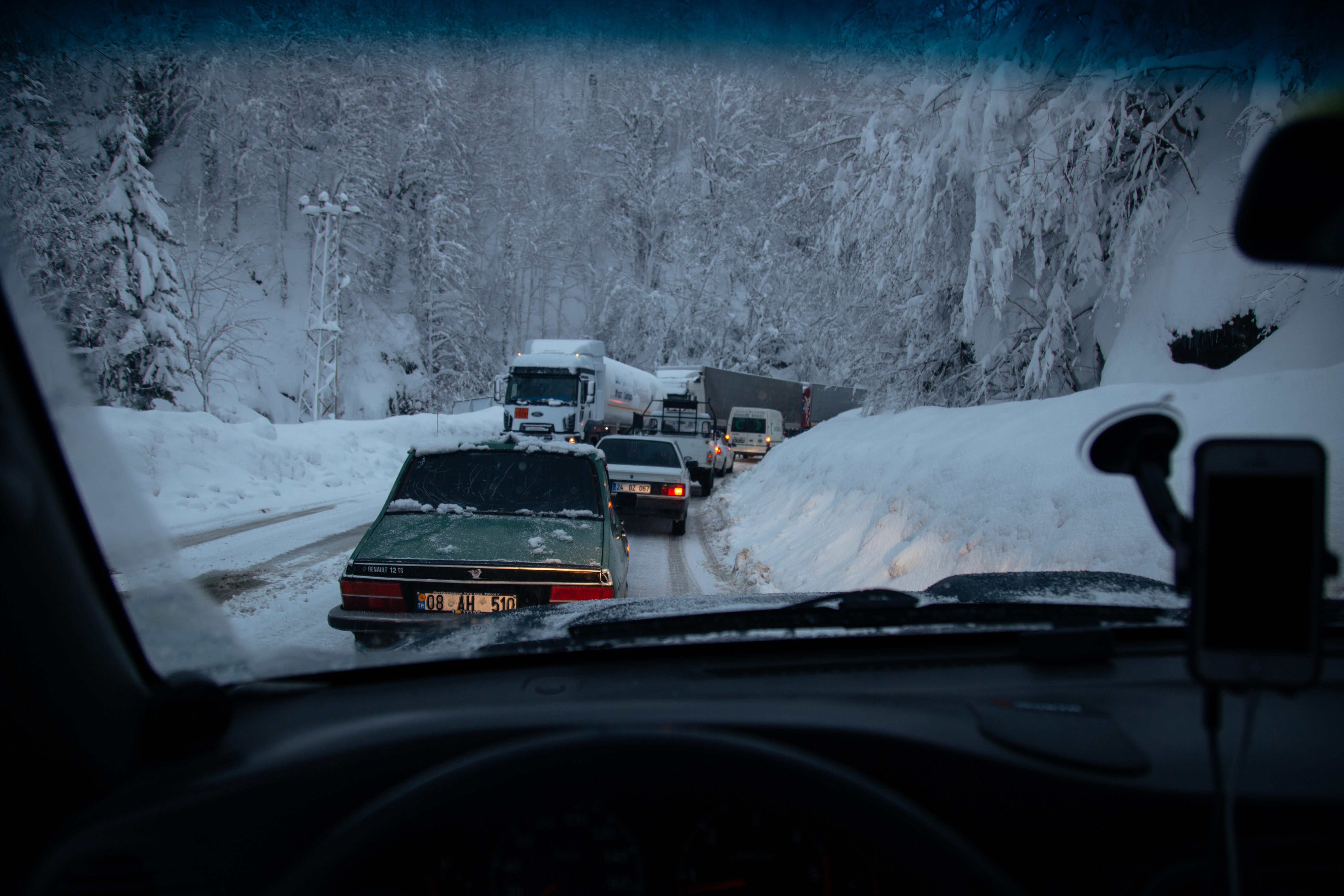
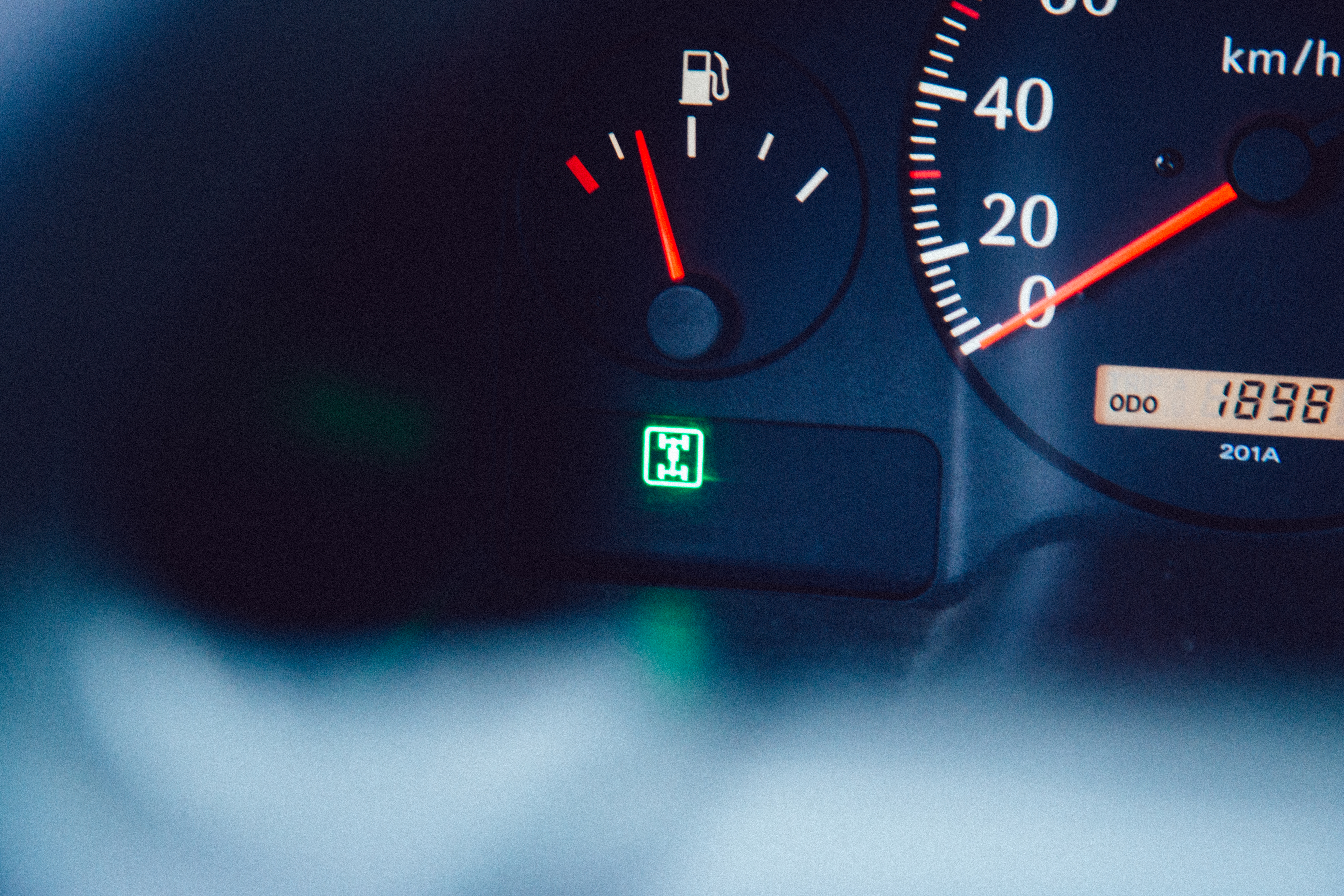
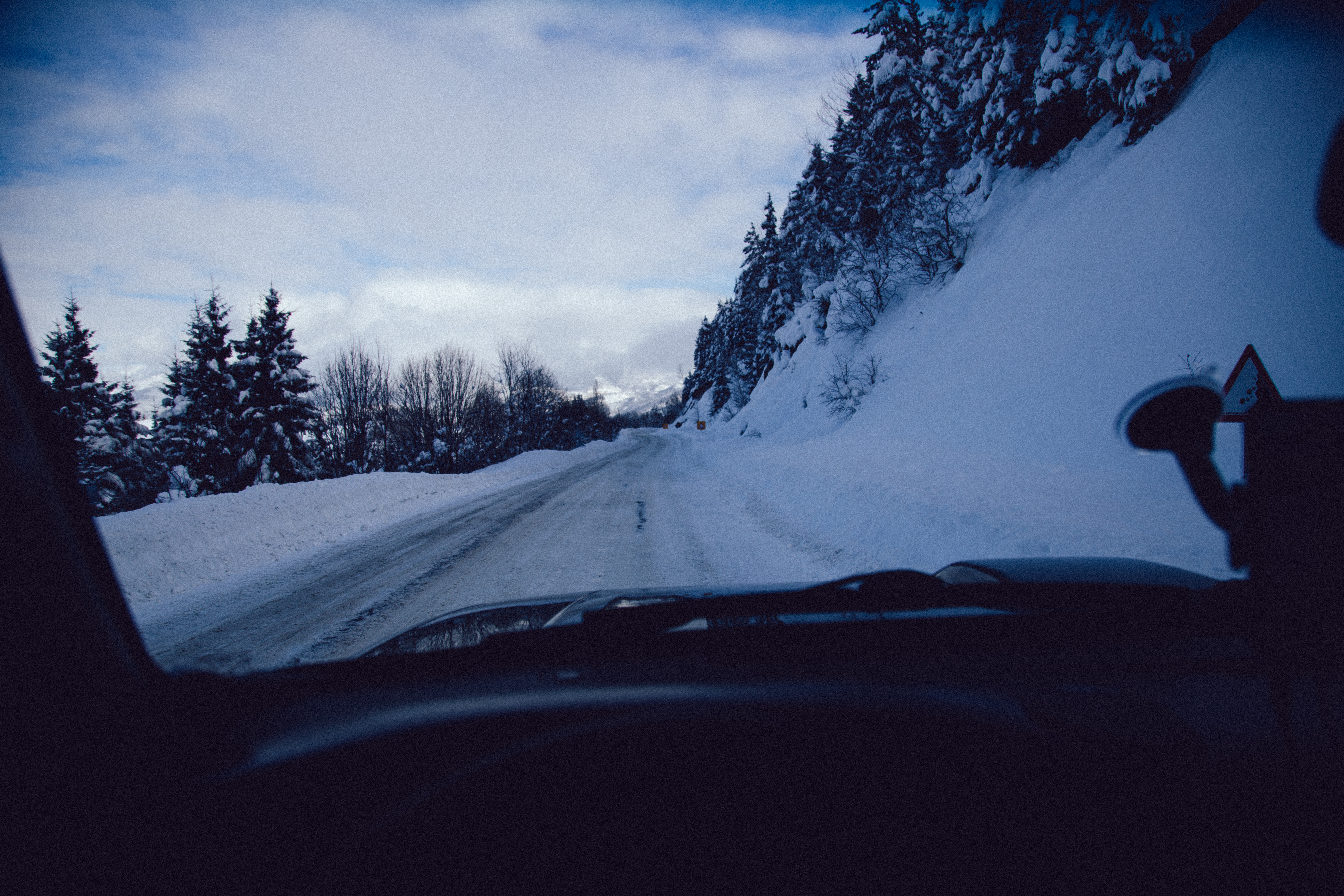
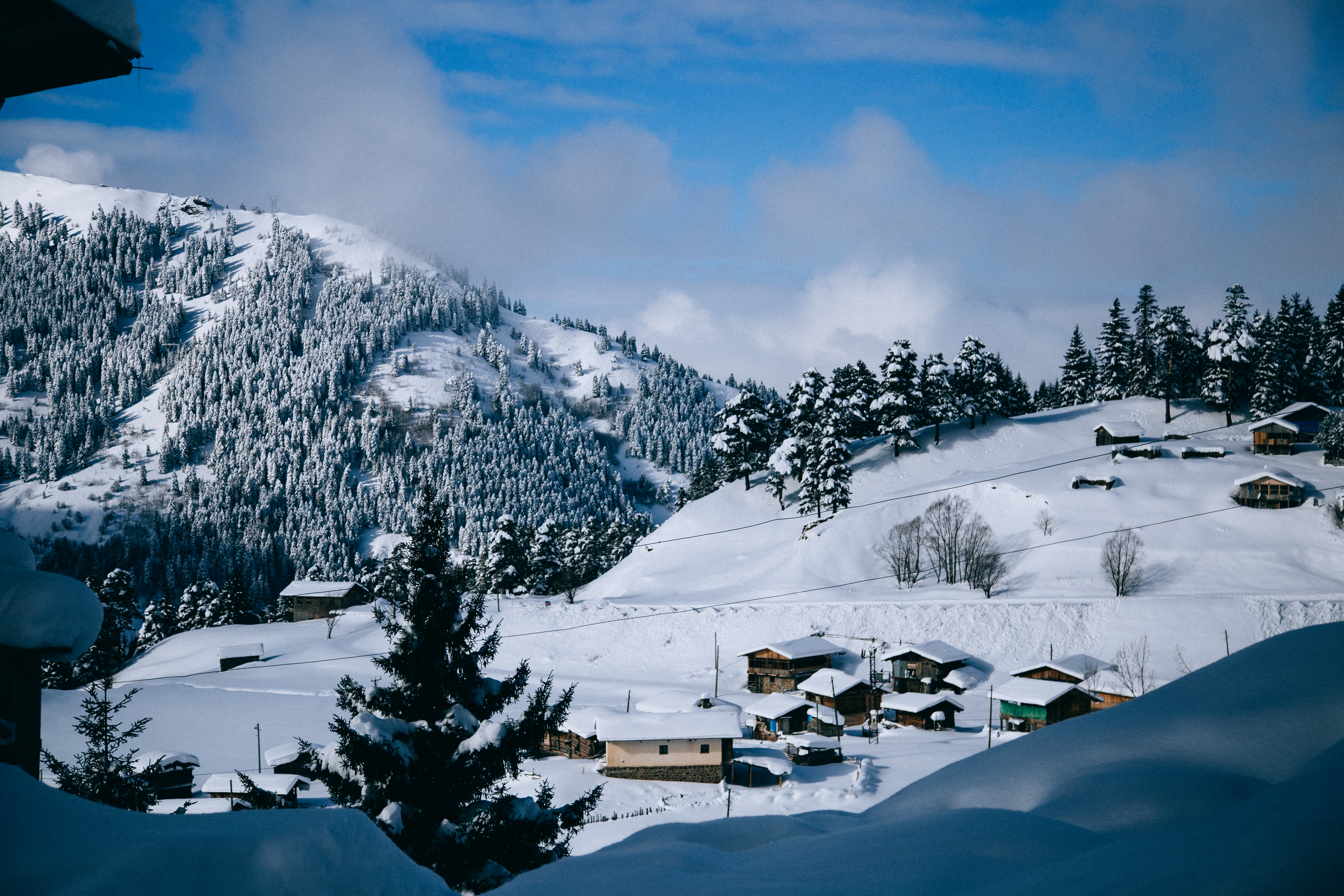
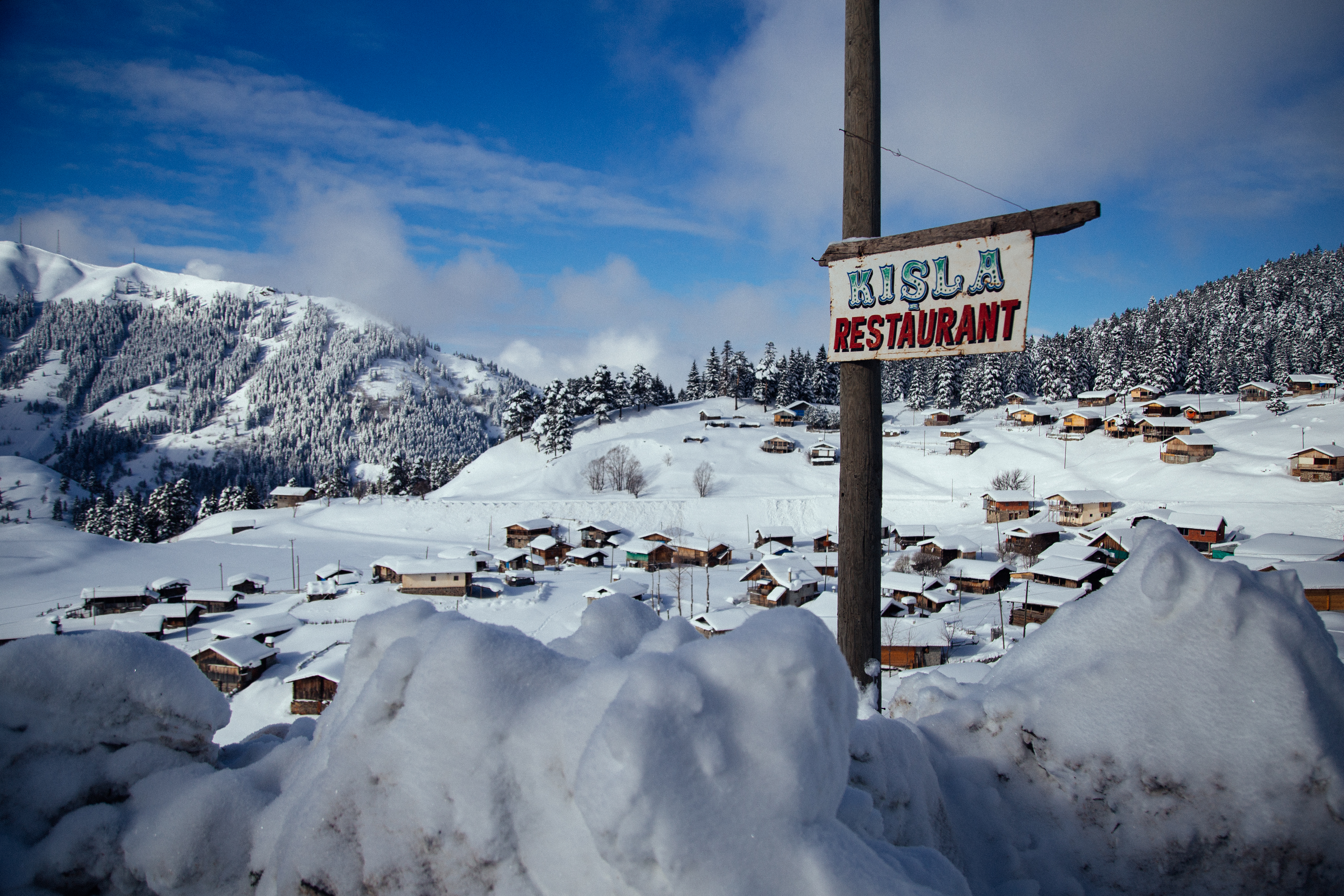
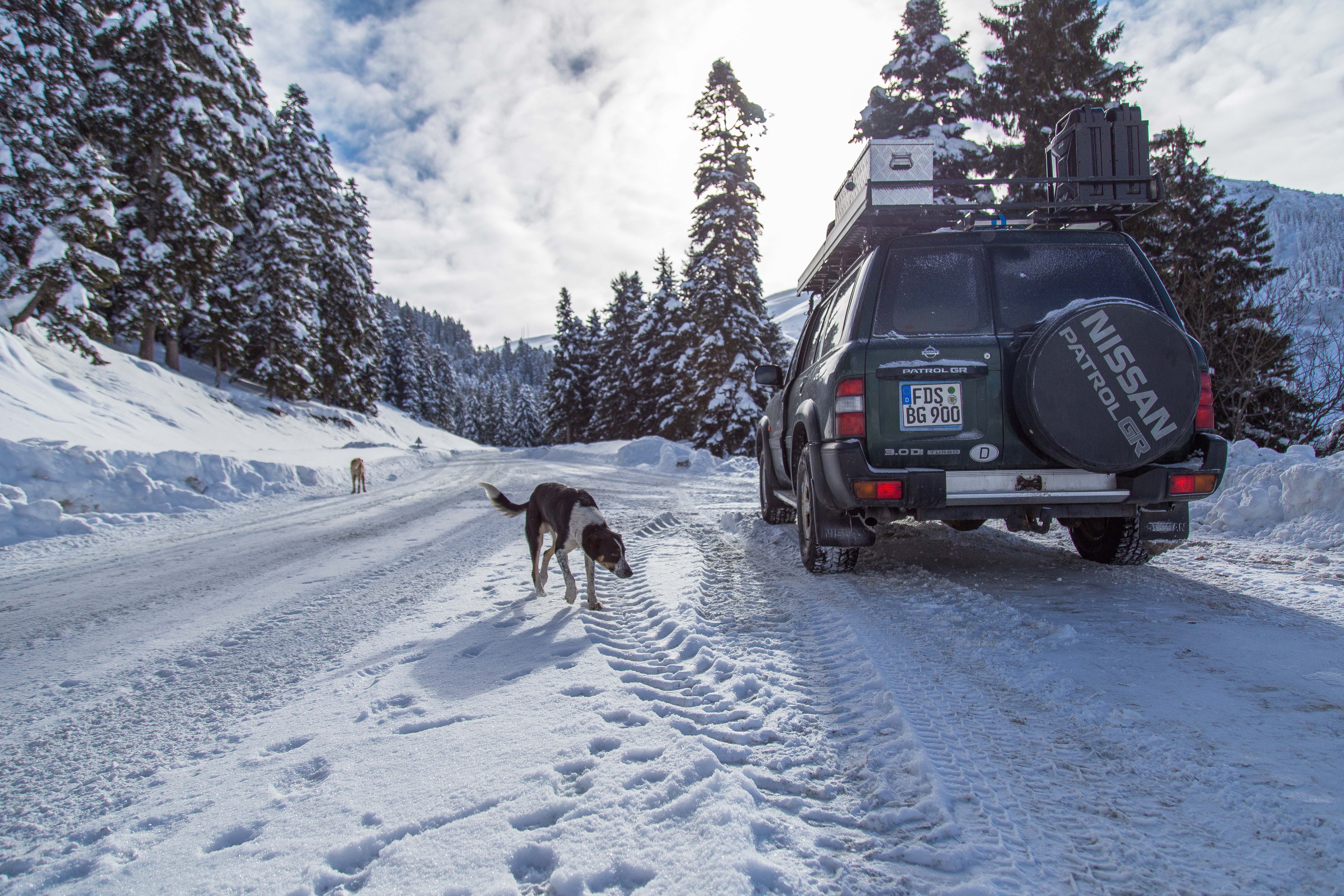
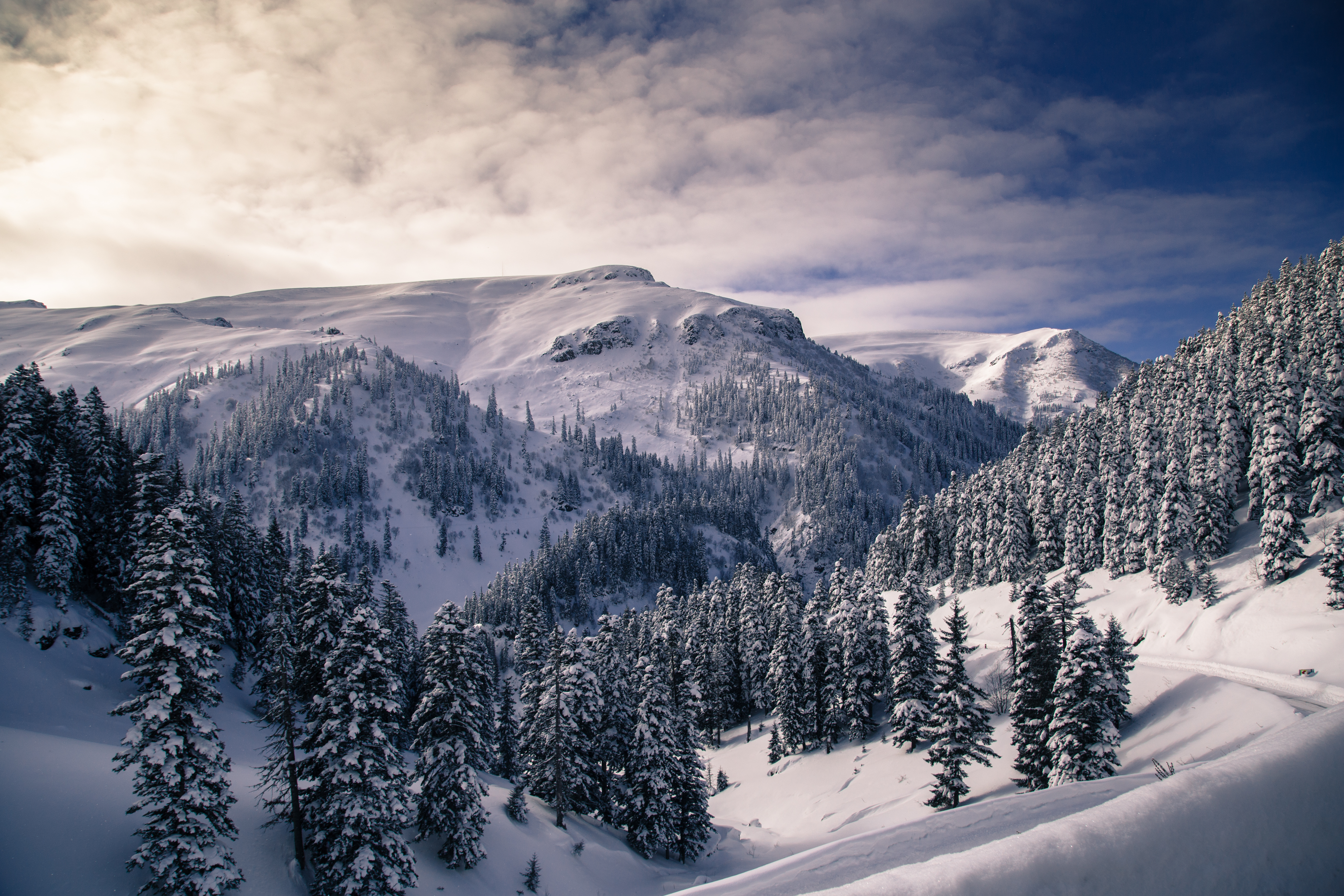
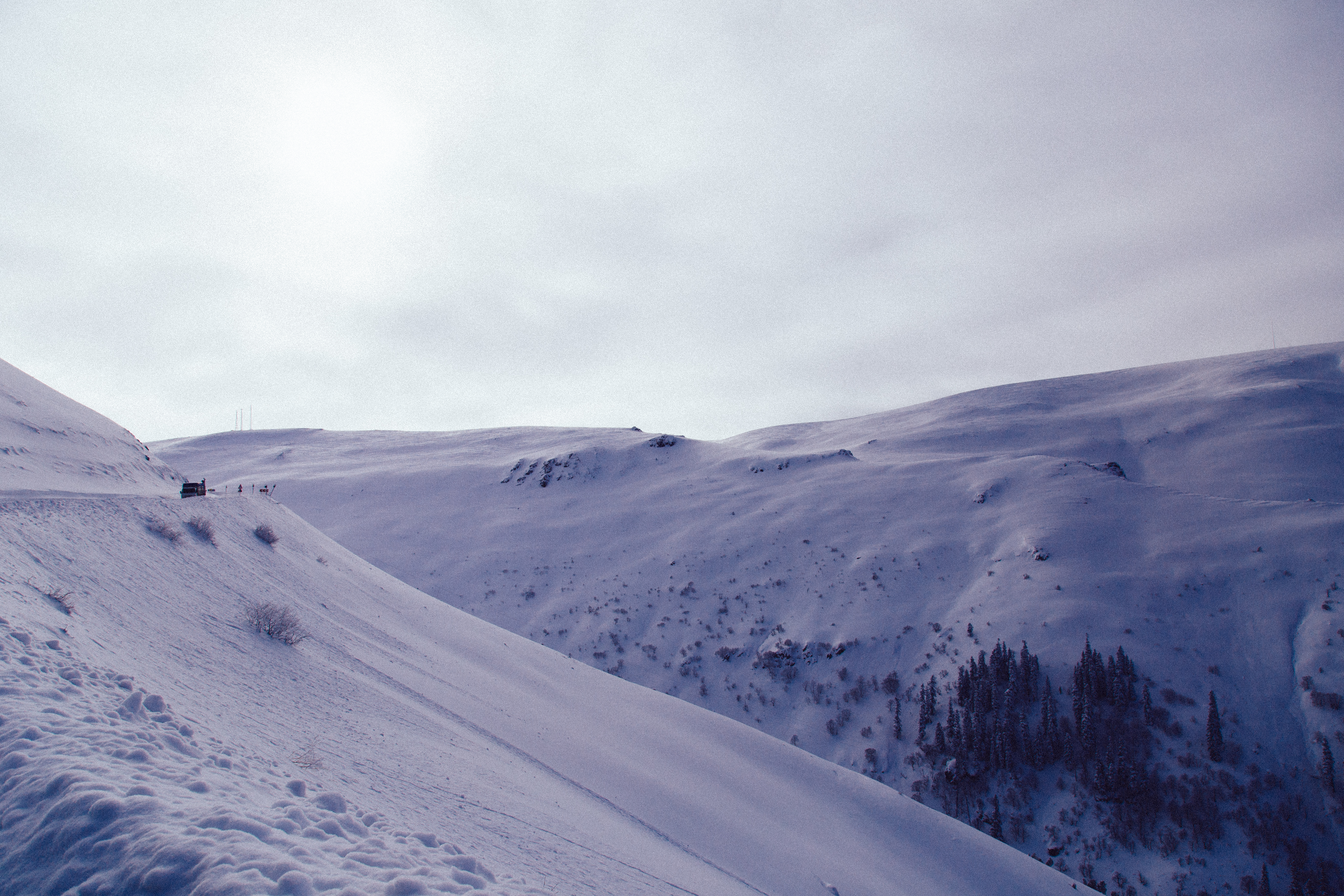
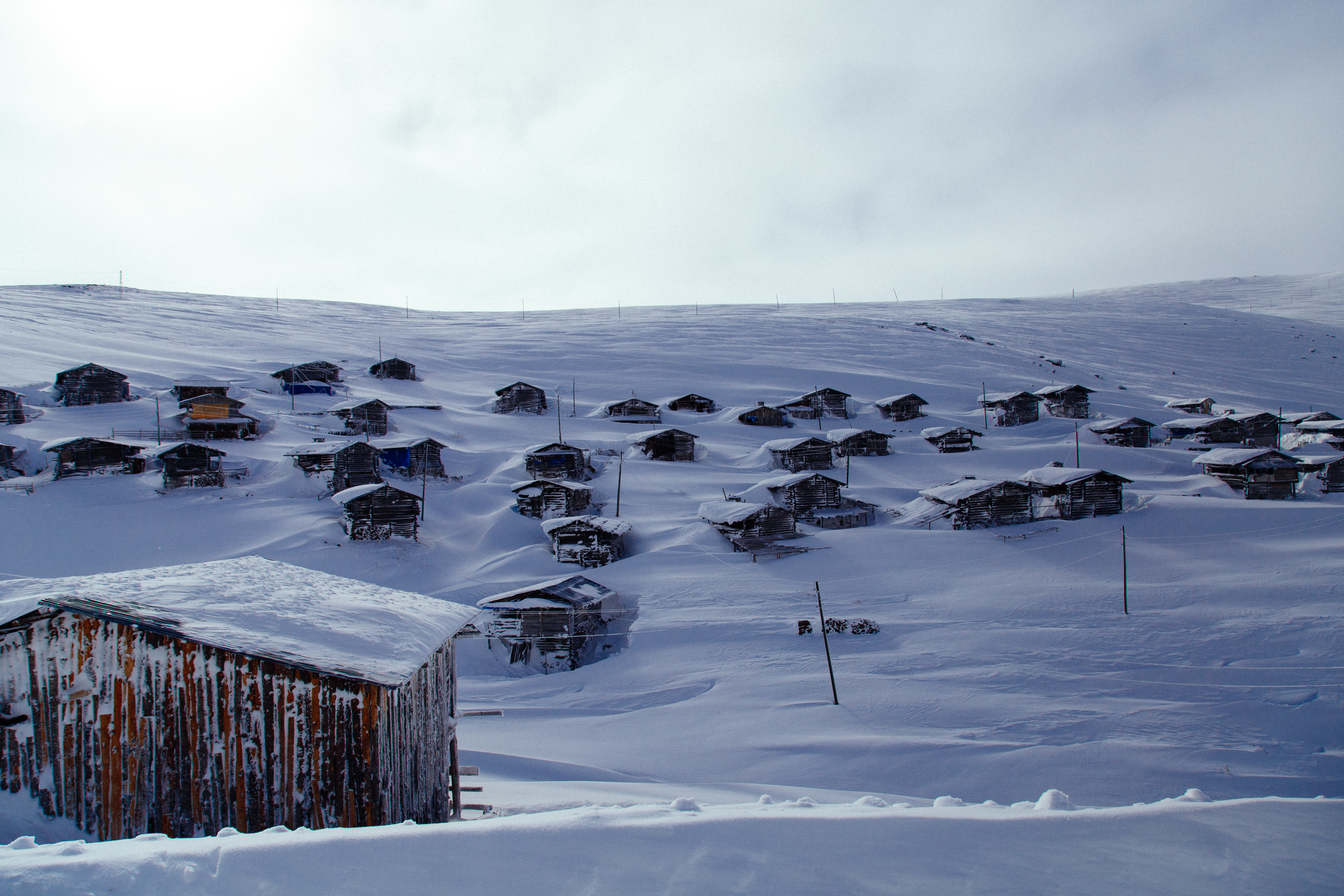
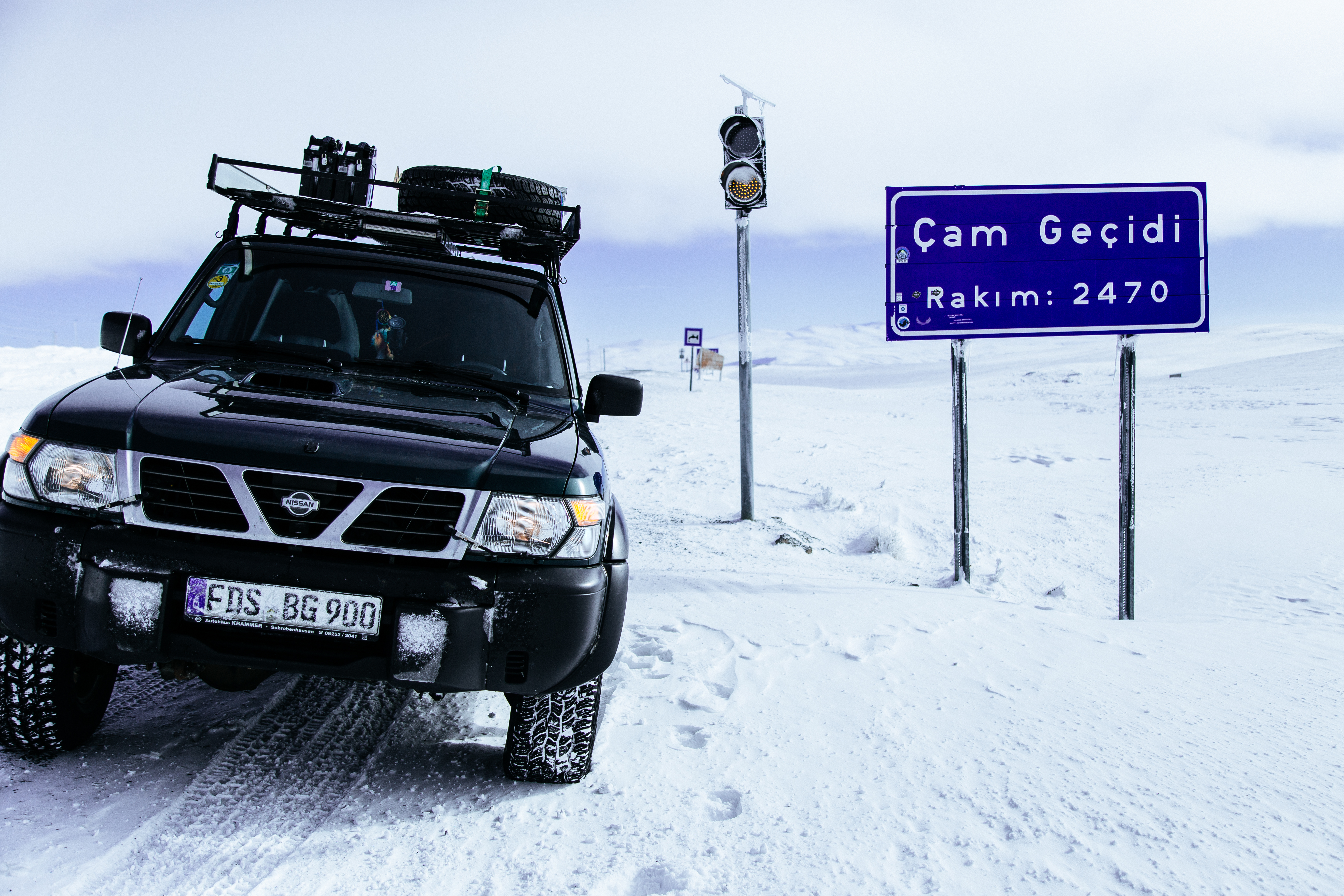
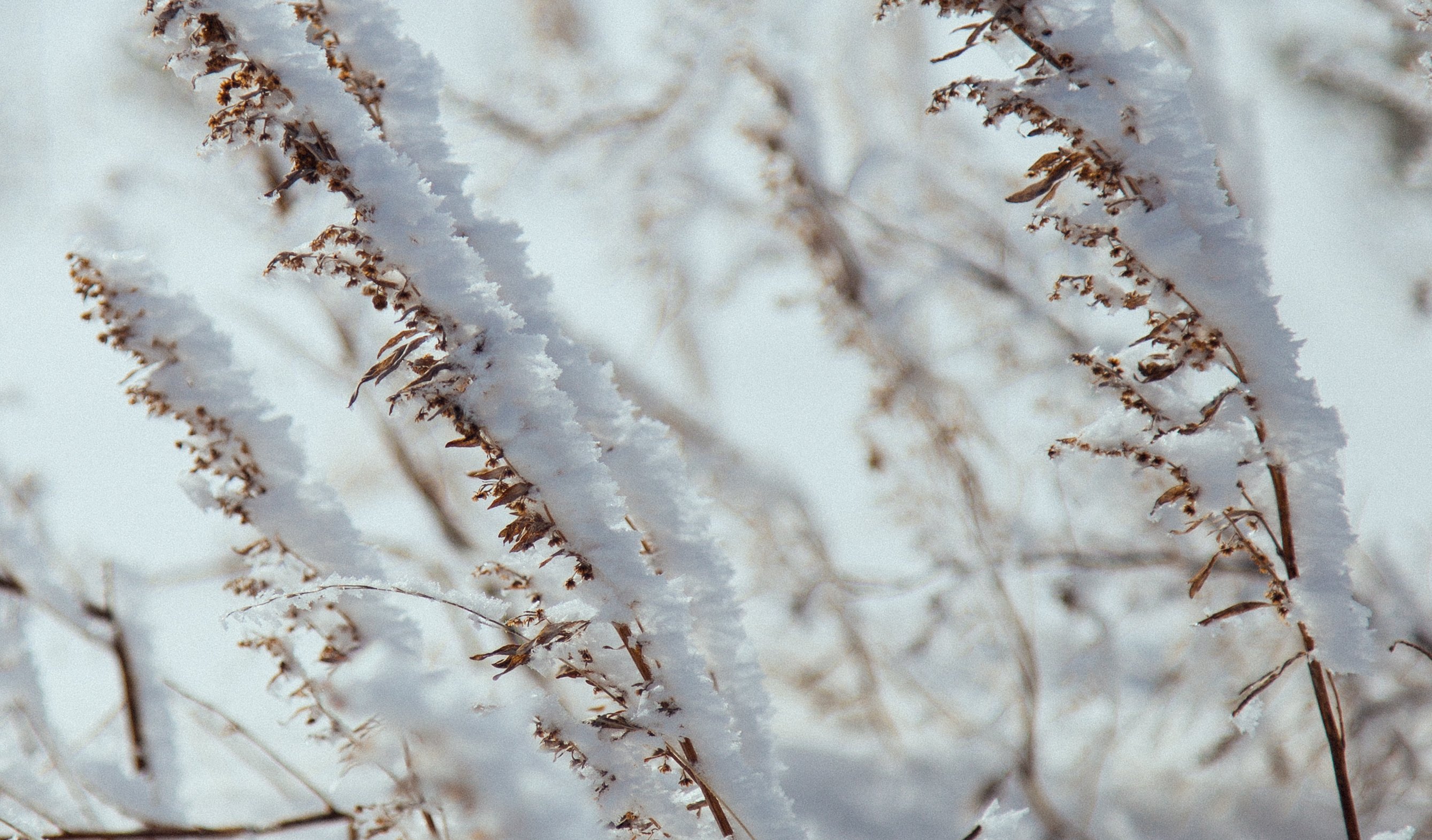
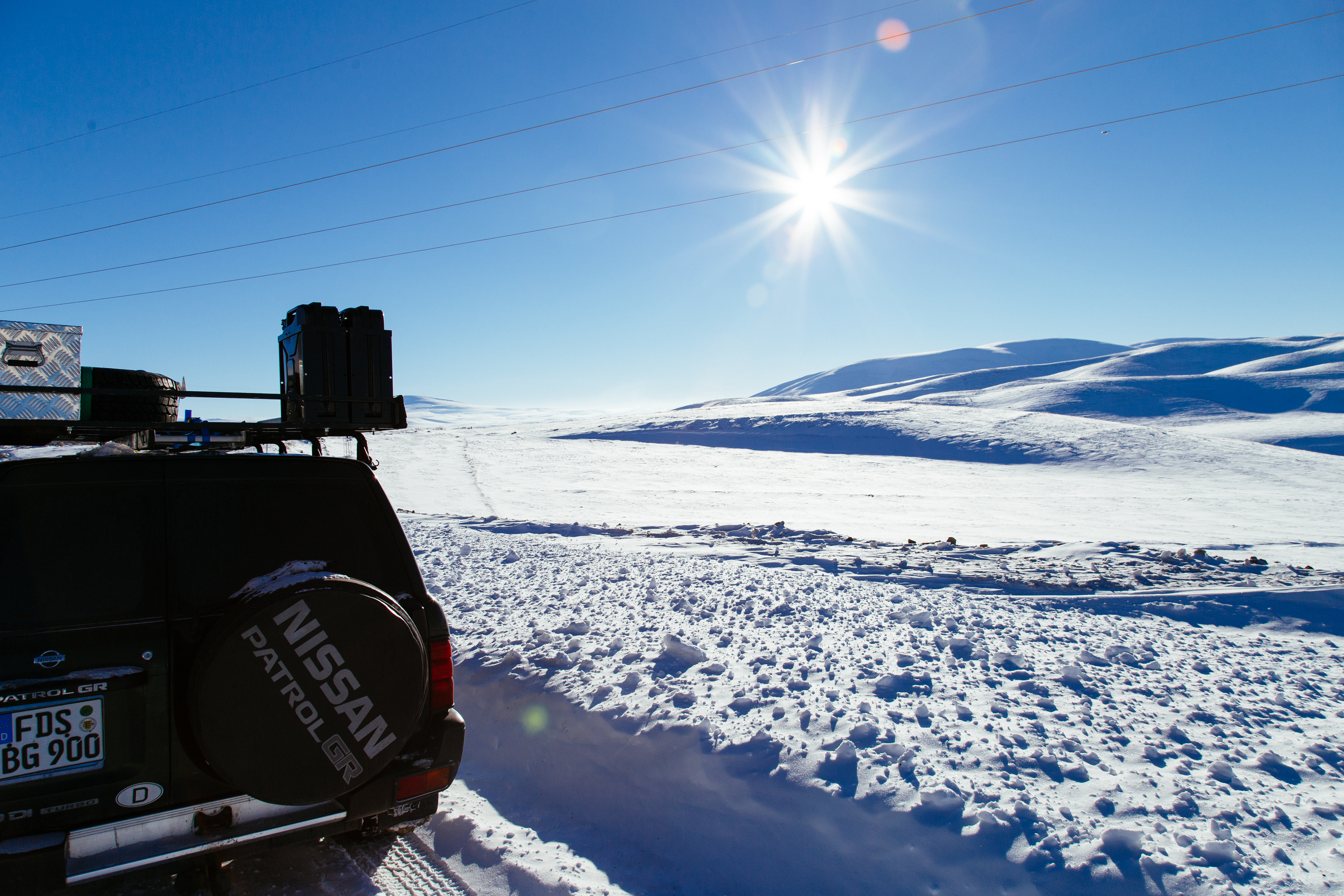
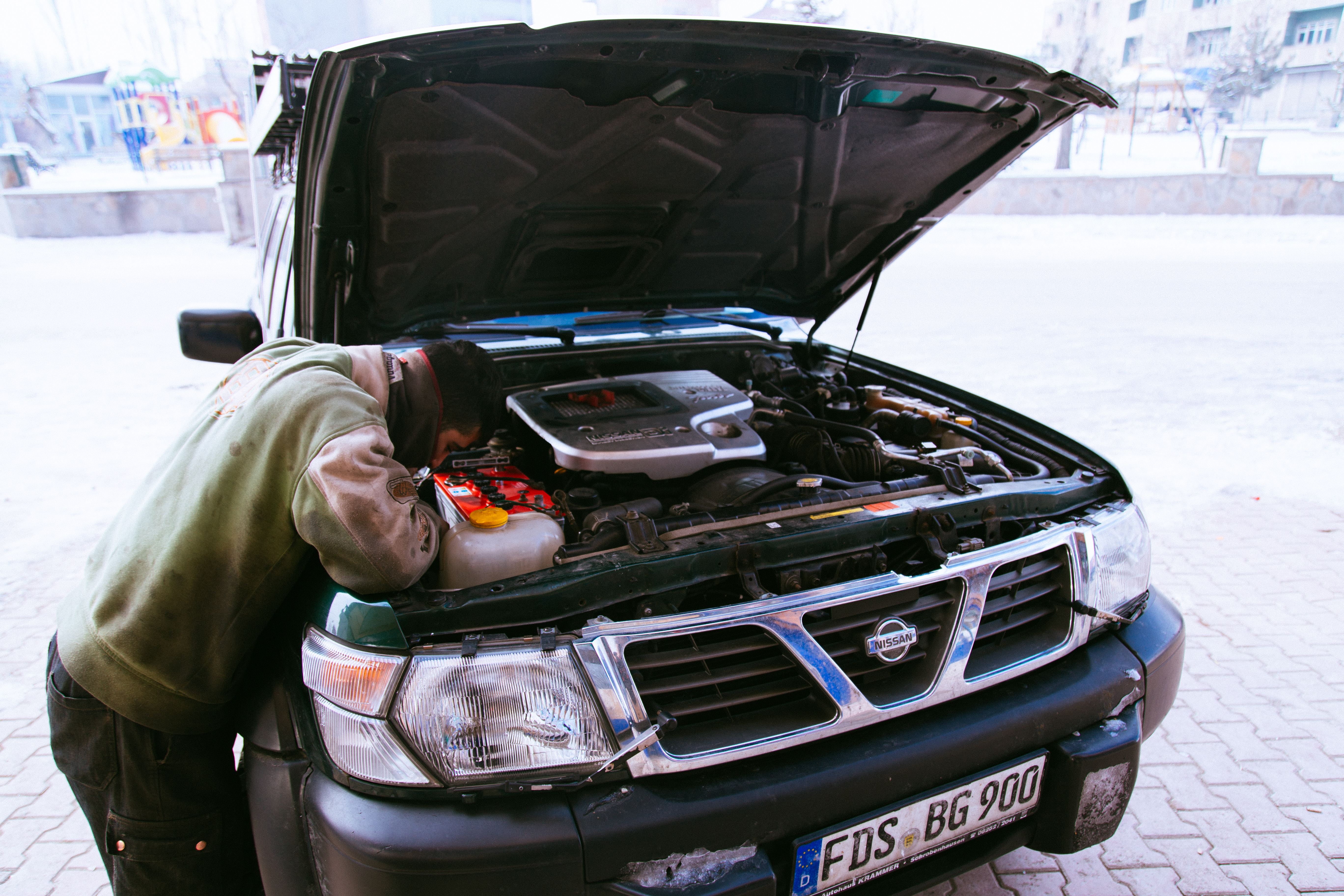
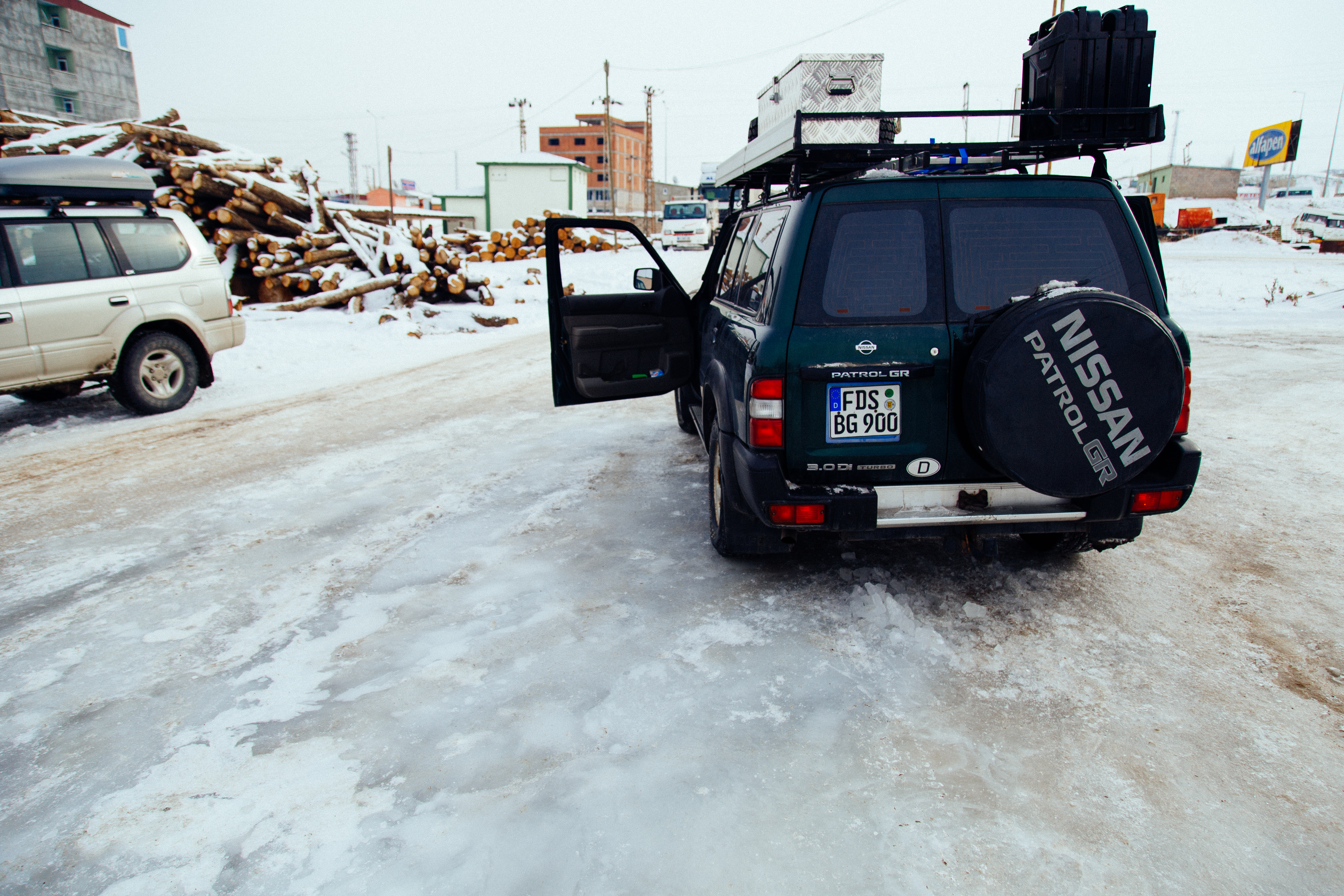
It was the dead of winter; driving anywhere off the highway was an adventure. I often had to put on snow chains and use four-wheel drive; there was no other way through. The scenery was unique – a small, very, very cold winter wonderland. At one point, the thermometer hit a new record low – 22 degrees Celsius. I continued sleeping in the car; with the auxiliary heater, it was bearable. My car battery, however, didn't appreciate it as much. In Doğubayazıt, the last major city before Iran, I stopped at a garage and had a new, more powerful battery installed.
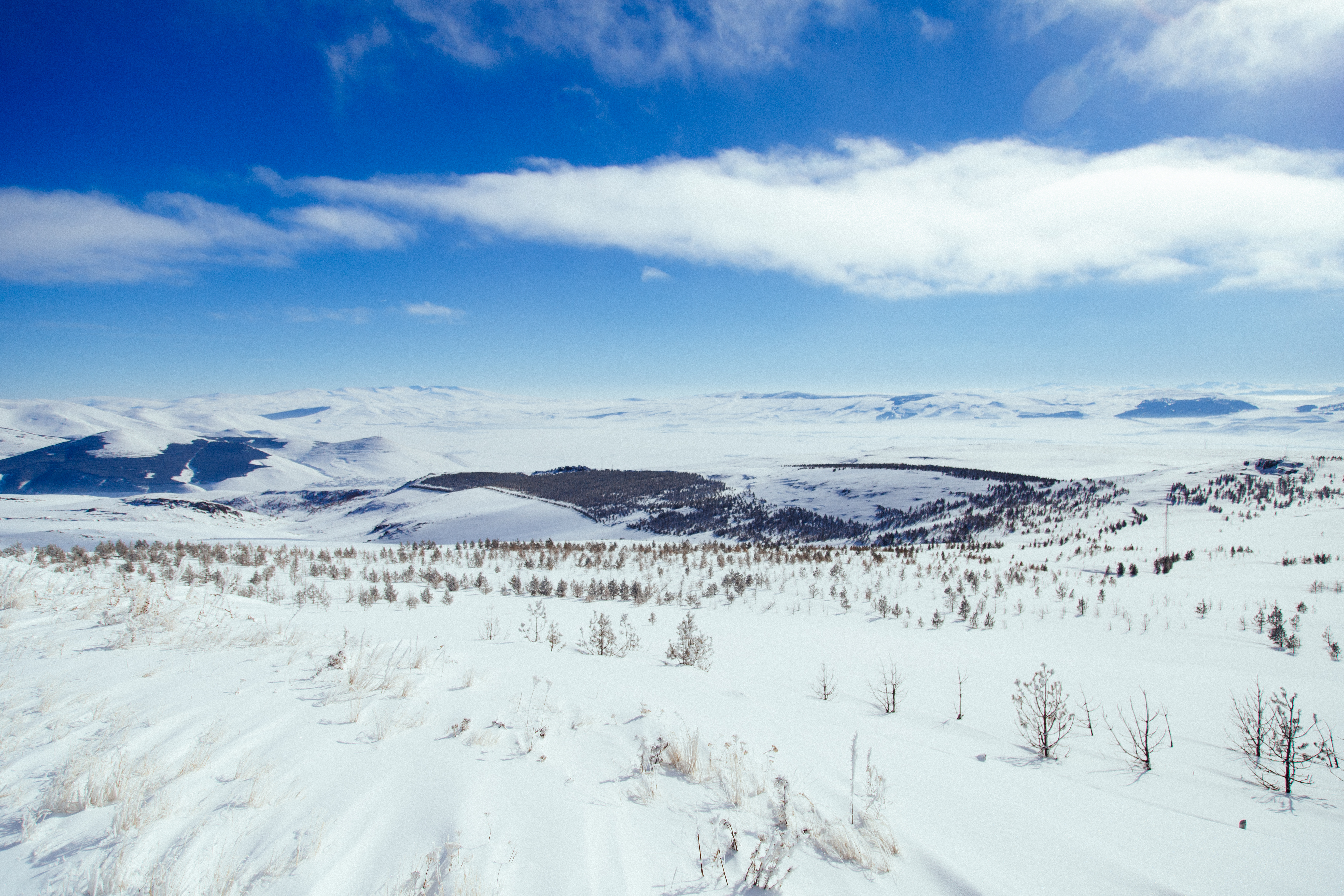
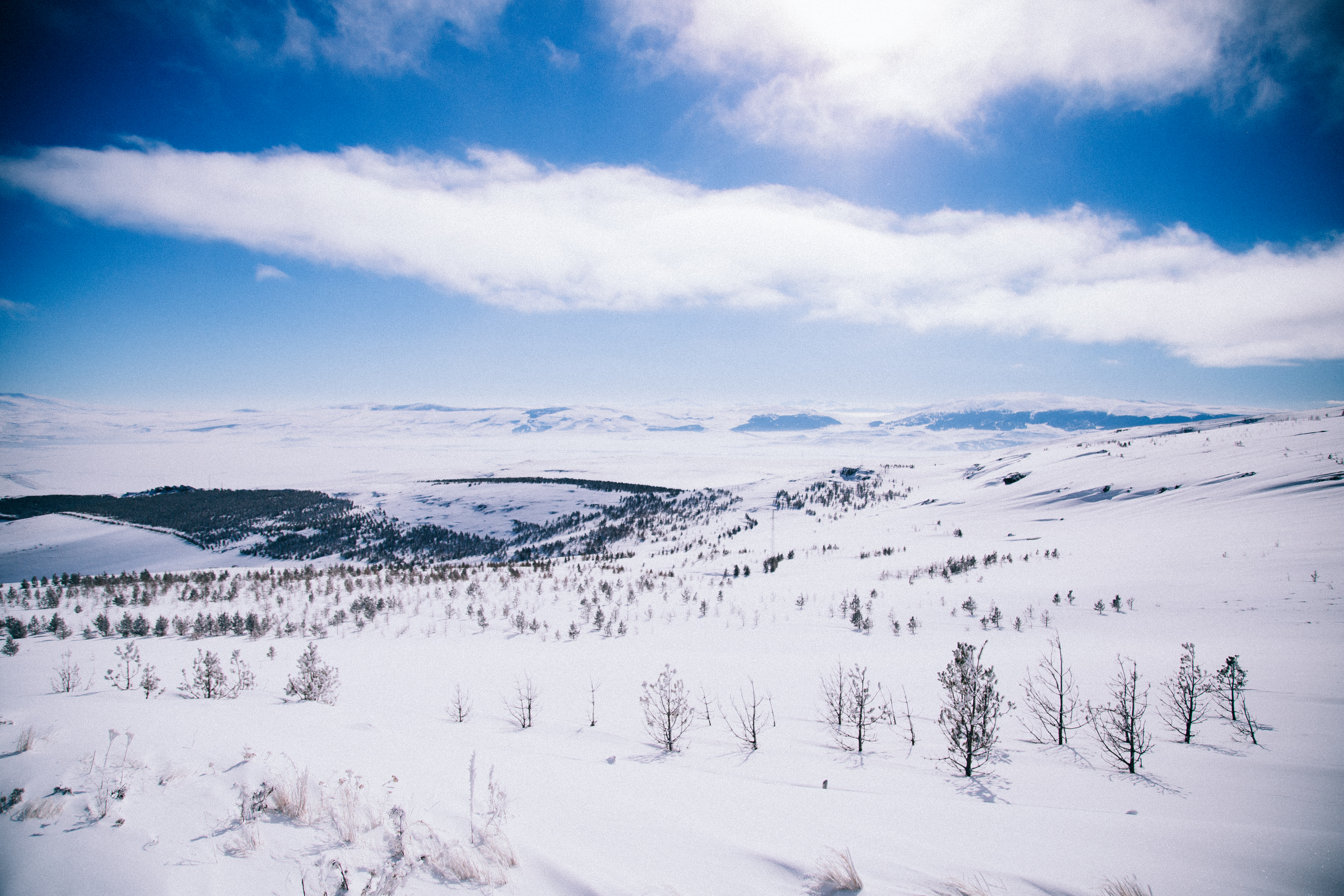
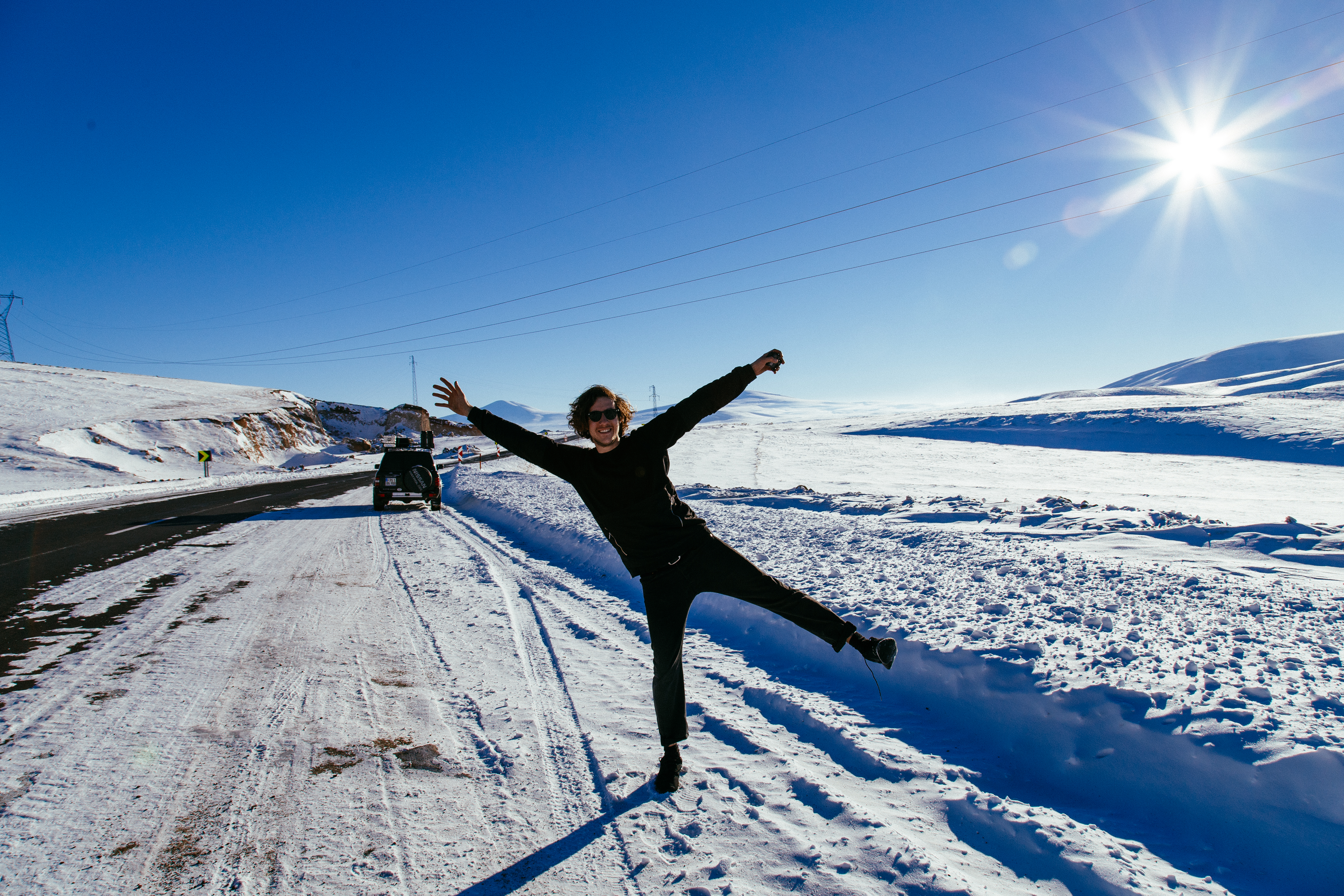
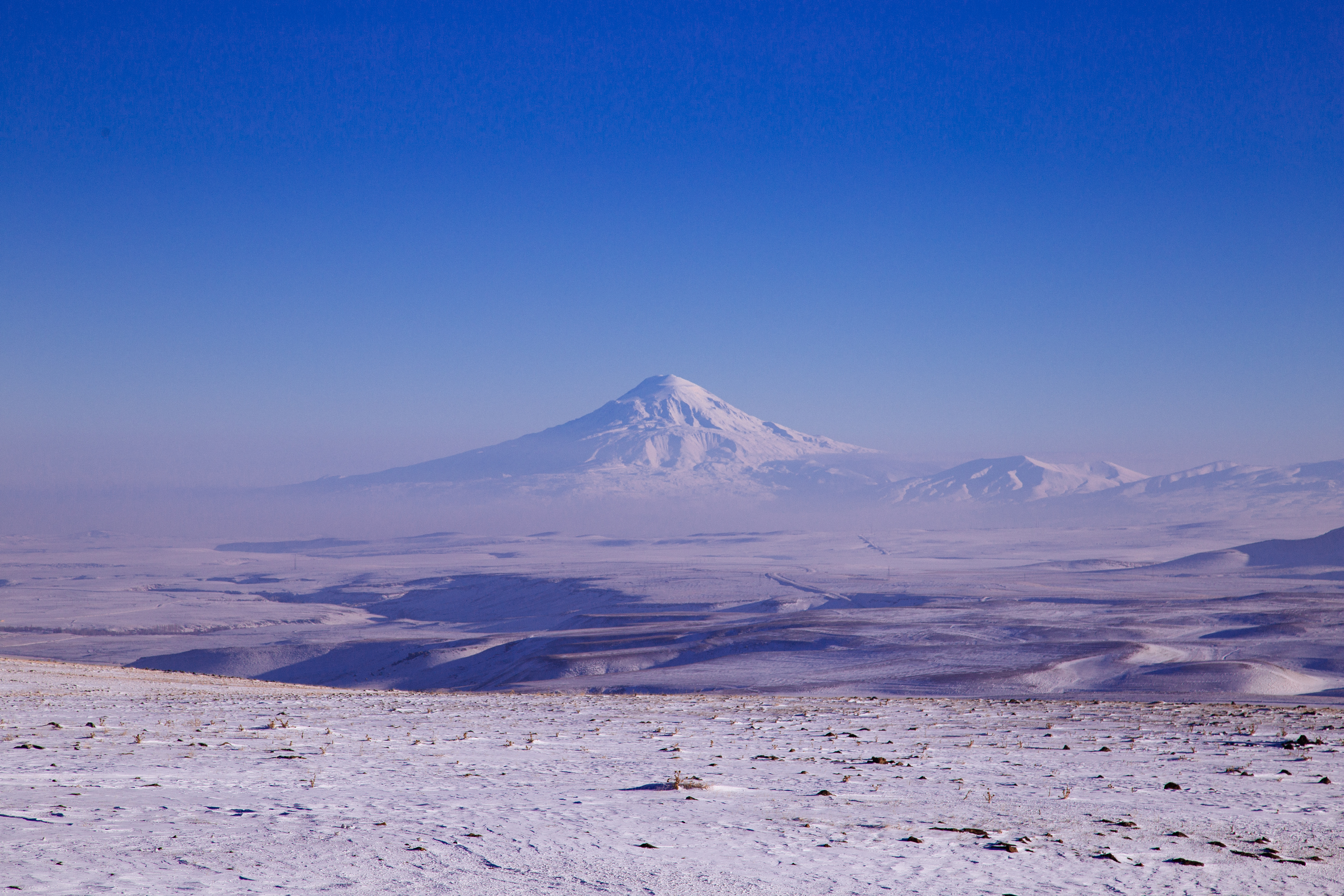
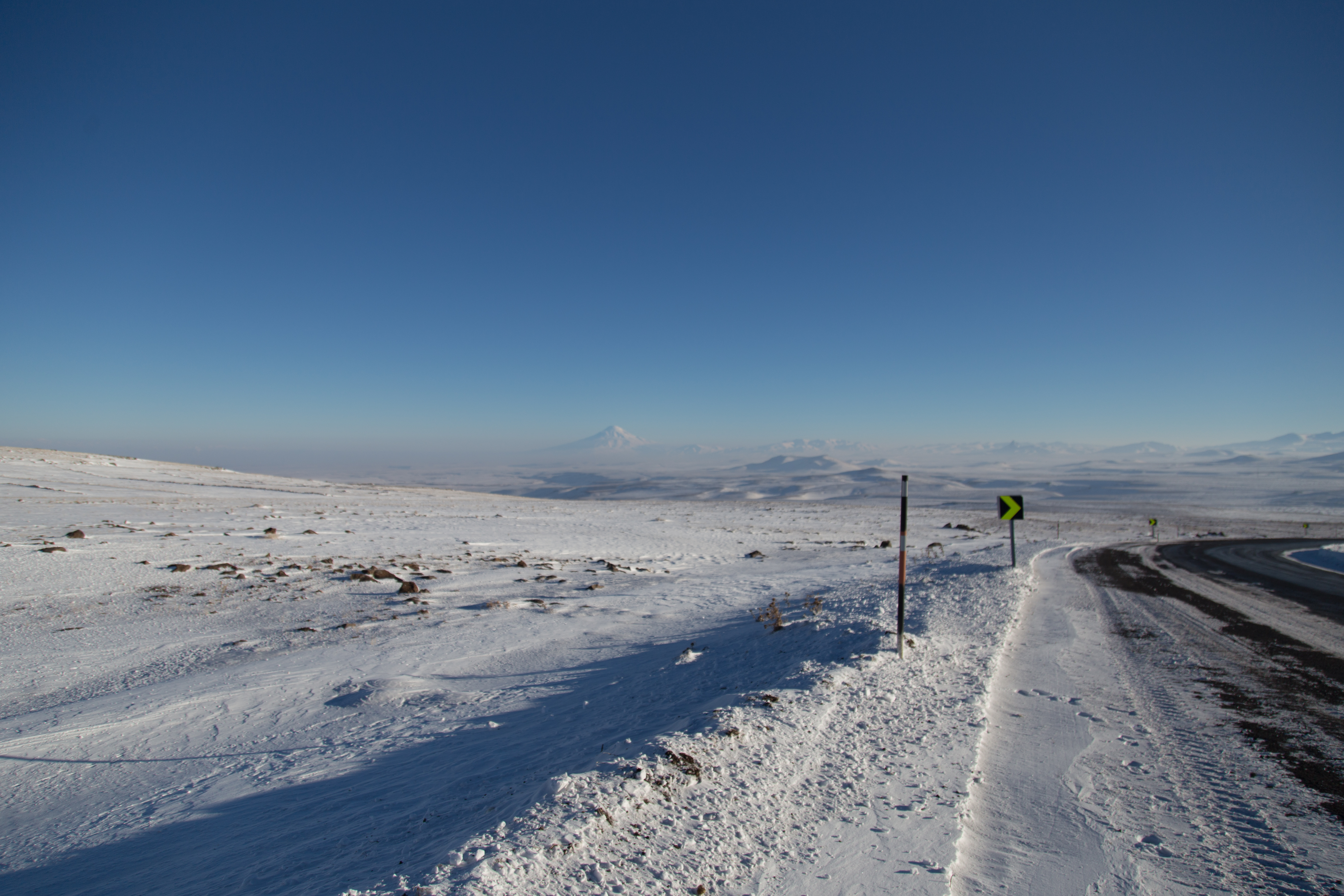
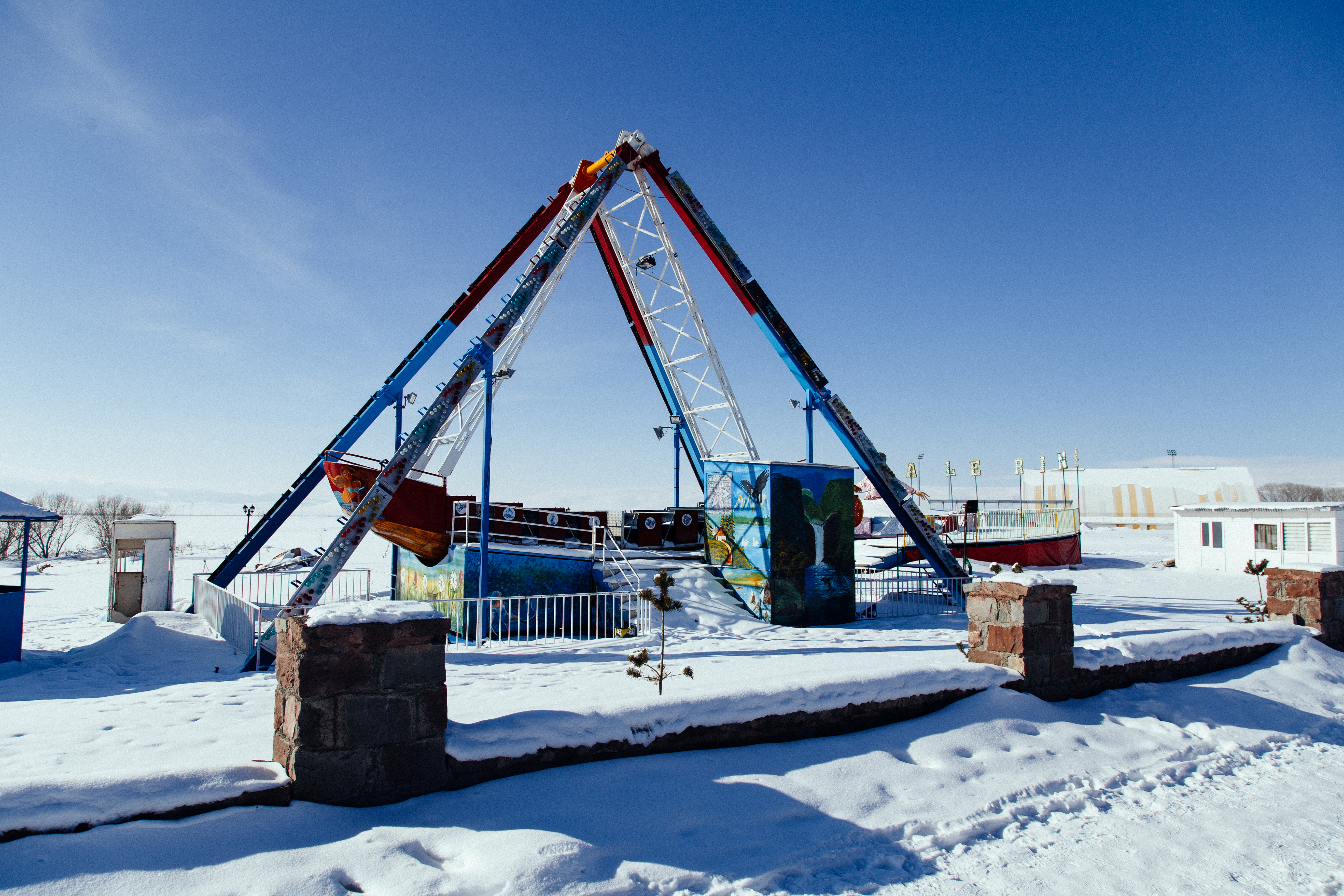
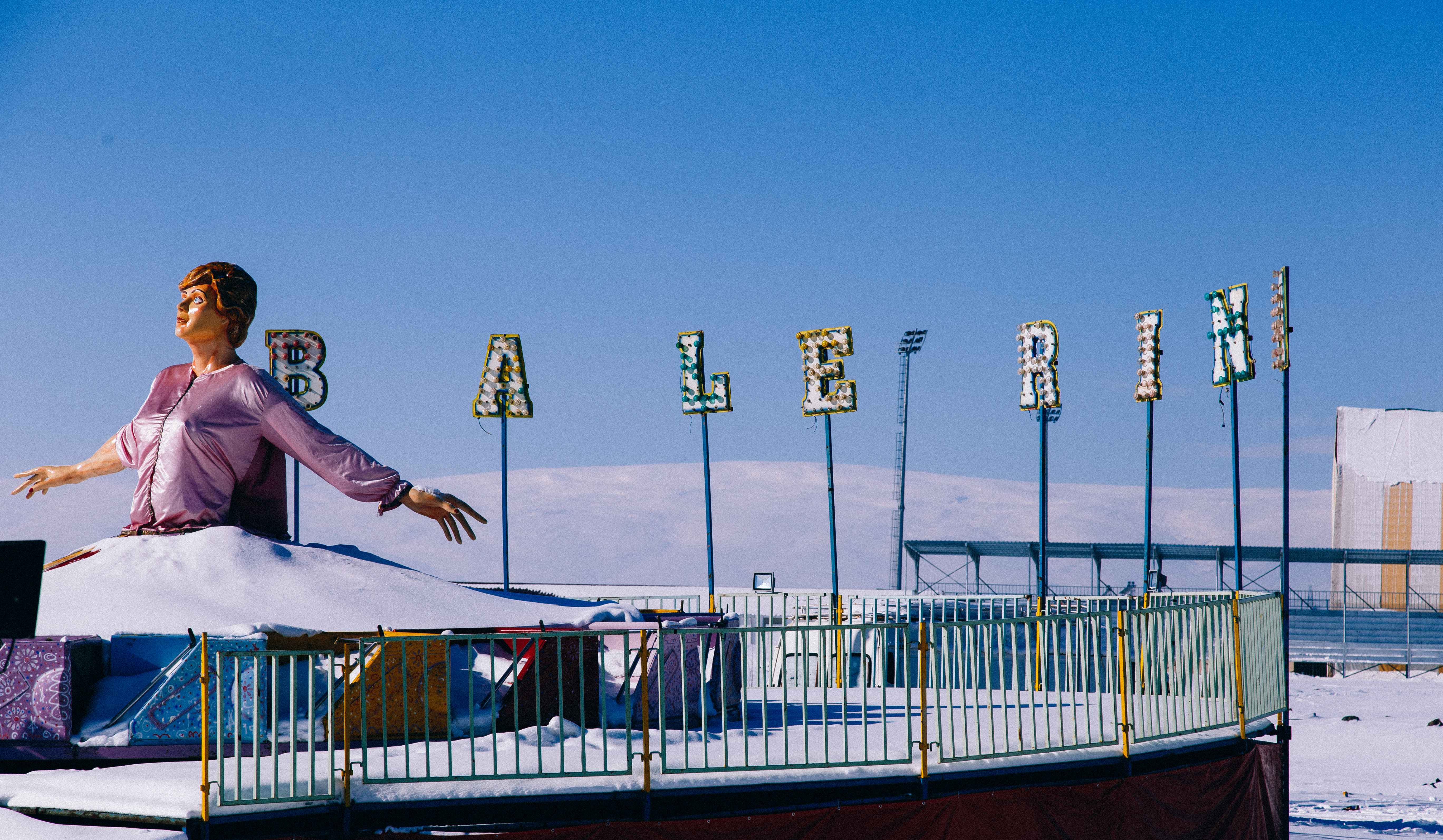
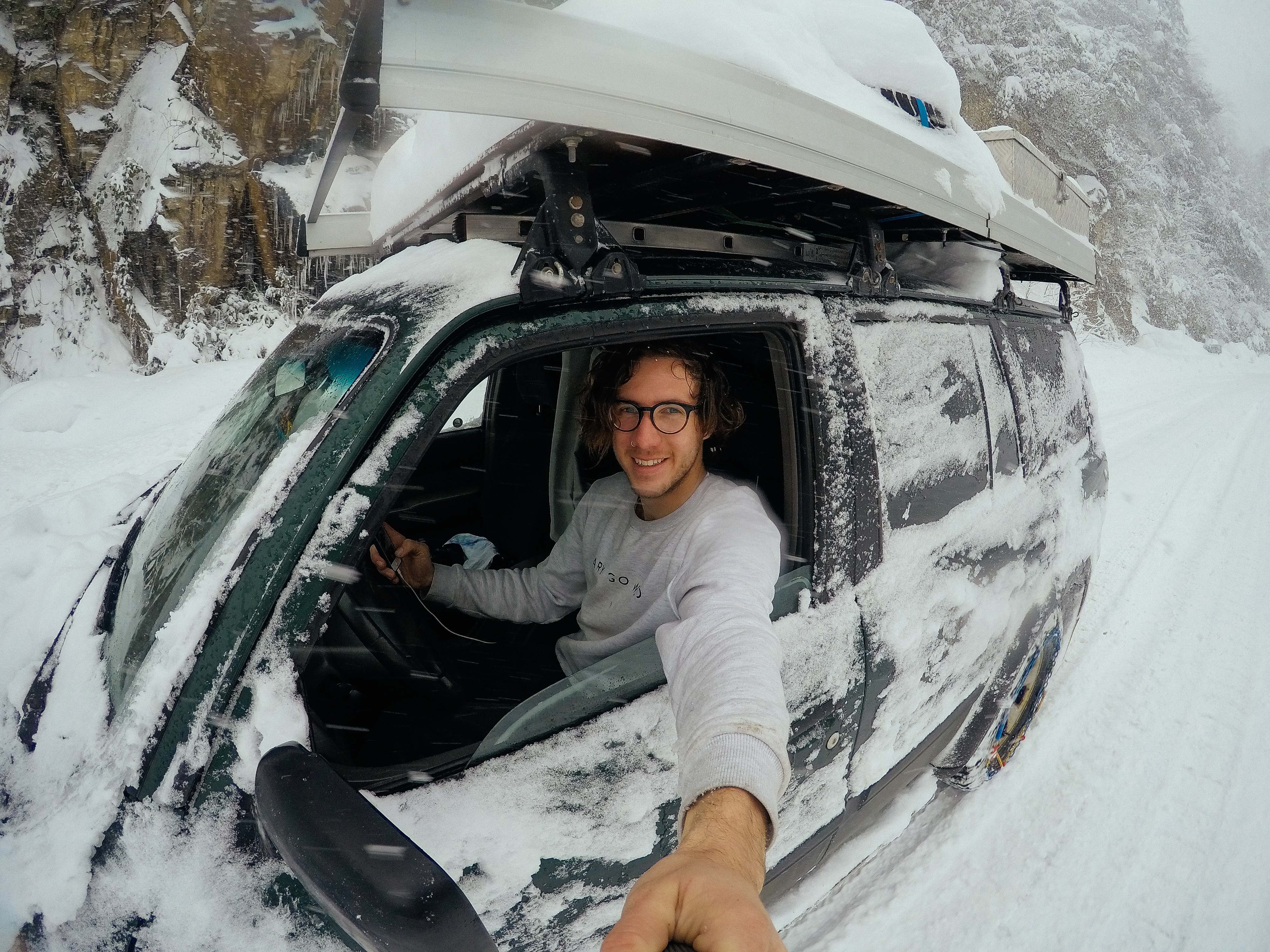
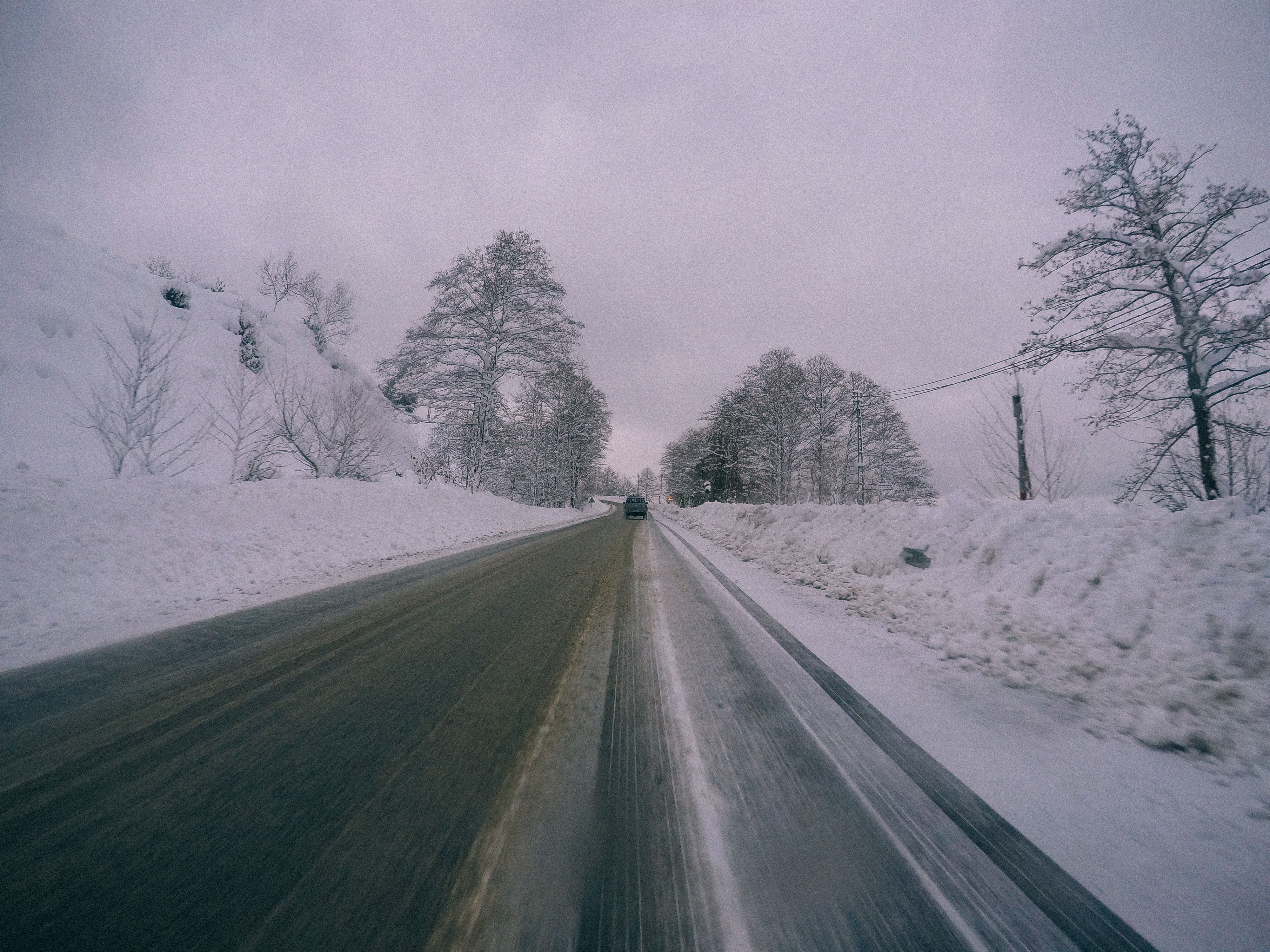
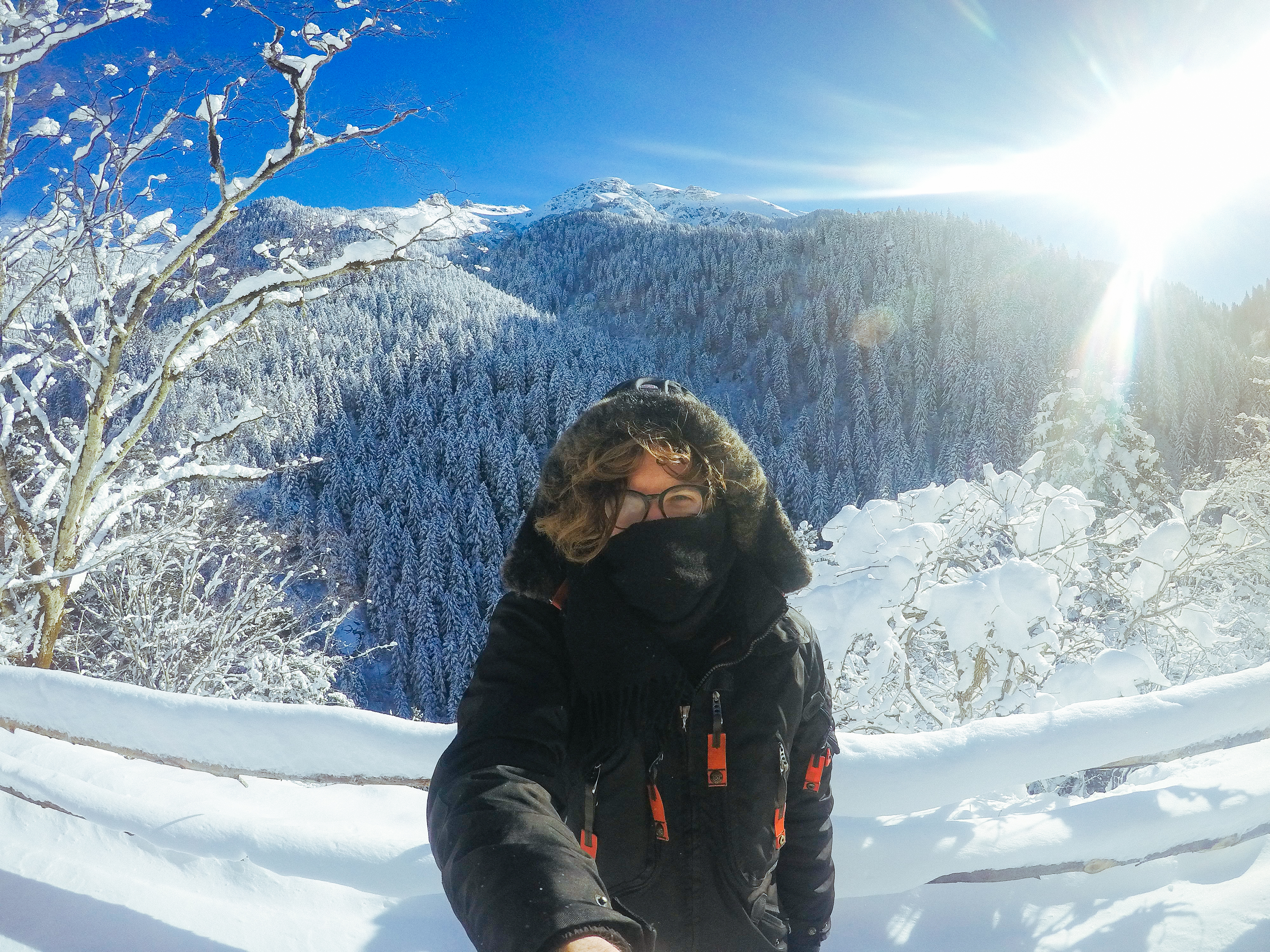
The west of Turkey differs significantly from the east. In the west, things are much more relaxed, liberal, and open; Istanbul, in particular, strives to project a Western image. In the east, conservative tendencies seem to be gaining ground.
In northern/eastern Turkey, it was made clear to me several times what they think of Germany's politics and Angela Merkel.
- “Merkel big problem”
- “Merkel give PKK weapons”
- “Merkel NO NO NO”
- “Merkel terrorist”
As these statements show, they don't think much of Germany's foreign and refugee policies. I had the feeling that the smaller the town/village became, the more conservative and pro-Erdogan the population became. Perhaps this was also due to the manipulated and inadequate education. The economy also lags far behind Turkey compared to the West.
I am very interested in the political situation and the opinions of the people in Turkey. Therefore, I asked many people I met the following question:
“What do you think about your government?”
- “It’s dangerous to talk about – watch out”
- “Take care who you talk to”
- “I just want to leave, but they don’t let us”
- “This is not a democracy, this is a dictatorship”
- “No criticism allowed”
- “censored news, media and internet”
Responses from the population were mostly in western Turkey.
In major Western cities and metropolitan areas, people, especially the younger generation, constantly complain about the current AKP government under Recep Tayyip Erdogan. While hardly a negative word is spoken in public, at home, in the privacy of their own homes, people vehemently criticize and complain. Anyone who publicly criticizes and speaks ill of the government risks arrest. This not only results in the person losing their job, but often their family members lose their employment as well. No country in the world has more imprisoned journalists than Turkey! Well over 100 journalists are in jail, and often even those arrested and their lawyers don't learn for a long time what exactly the justice system is accusing them of.
Tens of thousands of civil servants were suspended or dismissed for alleged links to the failed coup attempt:
- 30 of the 81 governors
- More than 9000 officials from the Ministry of the Interior, including 7899 police officers.
- 2745 judicial officials, including judges, prosecutors and members of the High Council of Justice
- 100 employees of the intelligence agency MIT
- 21,700 teachers or other employees of the Ministry of Education
- 1122 employees of the State Directorate of Religious Affairs (Diyanet)
- 1500 officials of the Ministry of Finance
- 399 employees of the Ministry for Family Affairs
- 30 employees of the Foreign Ministry
- 245 employees of the Ministry of Youth and Sport
- 283 members of the Presidential Guard
- Nearly 200 employees of the highest courts
- 100 employees of the intelligence service
- 21,000 private tutors had their work permits revoked.
- 1577 deans and rectors of all universities were dismissed, and all academics were forbidden to leave the country until further notice.
- Two ambassadors
- 52 Provincial Inspectors
Three news agencies, 16 television stations, 23 radio stations and 45 newspapers were shut down.
“We have seen that anyone who dares to express criticism is persecuted and silenced.”
– Erol Önderoglu, Turkish representative of Reporters Without Borders, imprisoned –
The targets are the civilian population, academics, opinion circles, opposition politicians, human rights activists, activists – in short, everyone who expresses critical thoughts.
“They don't want secular, scientific, and democratic education. They suspend precisely those people who teach in this way in order to prevent such education. That's why academics and teachers are being dismissed.“
Canan Bath
Due to an emergency decree, detainees can be held without charge for up to 30 days. This exceptional state of affairs has been extended to one year; it has almost become the norm. Let me remind you again that Turkey is an EU accession candidate!?!?
The mostly minor car problems were fixed, my time in Turkey was over (I spent three weeks traveling through the country), and now three weeks in Iran are just around the corner. I'm excited and curious about what awaits me. Only 5,000 km and two countries separate me from my destination, India.
Leave a Reply