December 20, 2016
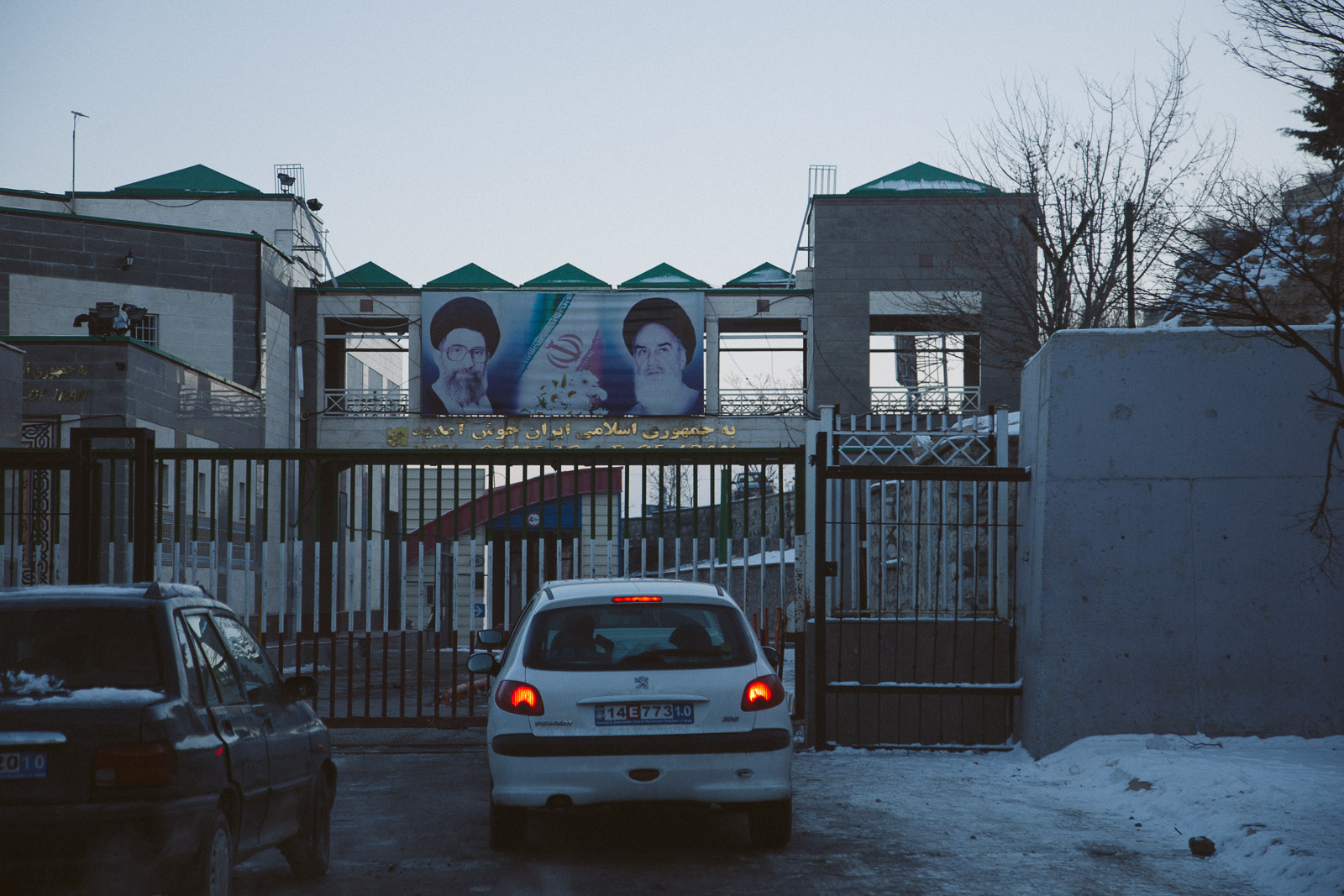
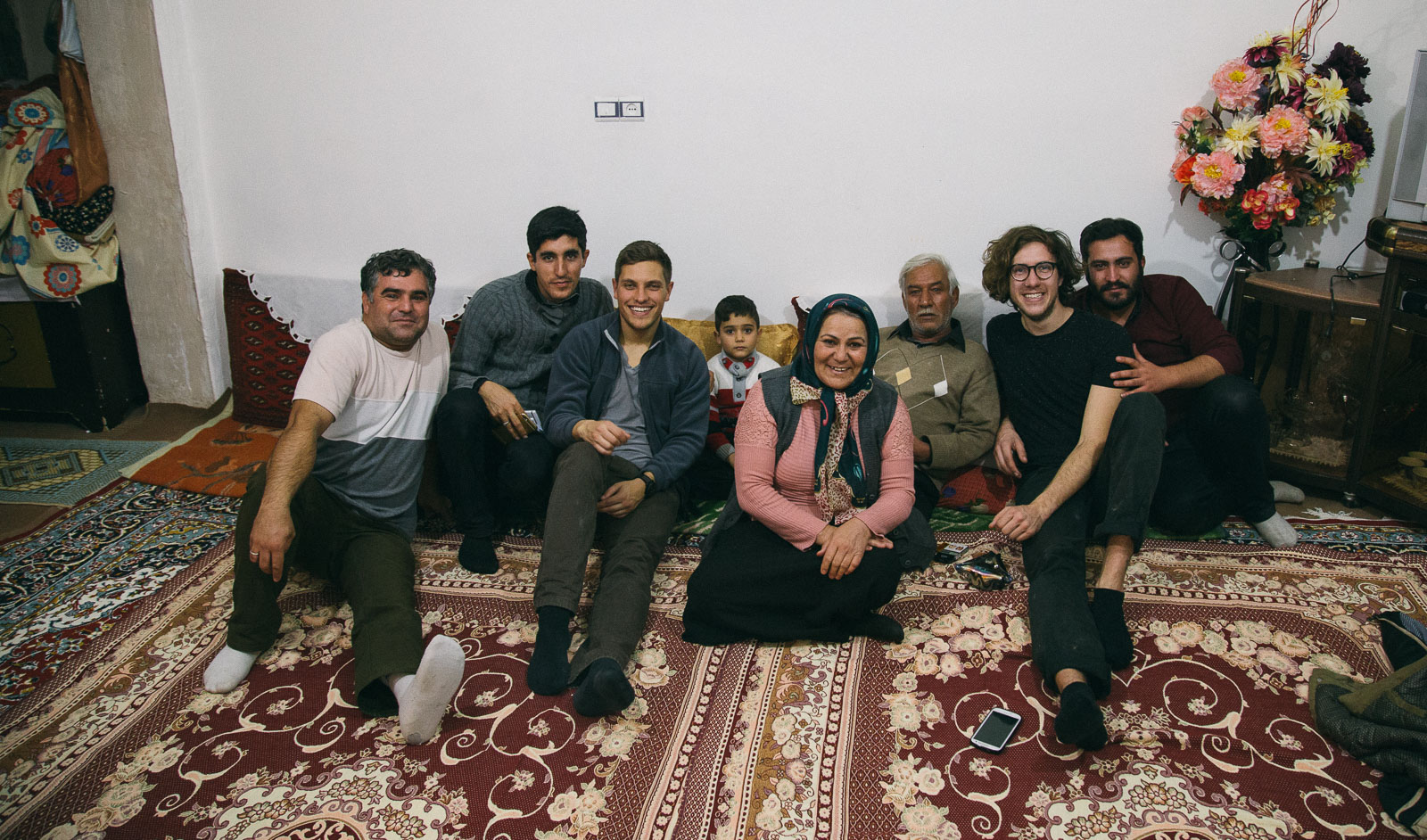
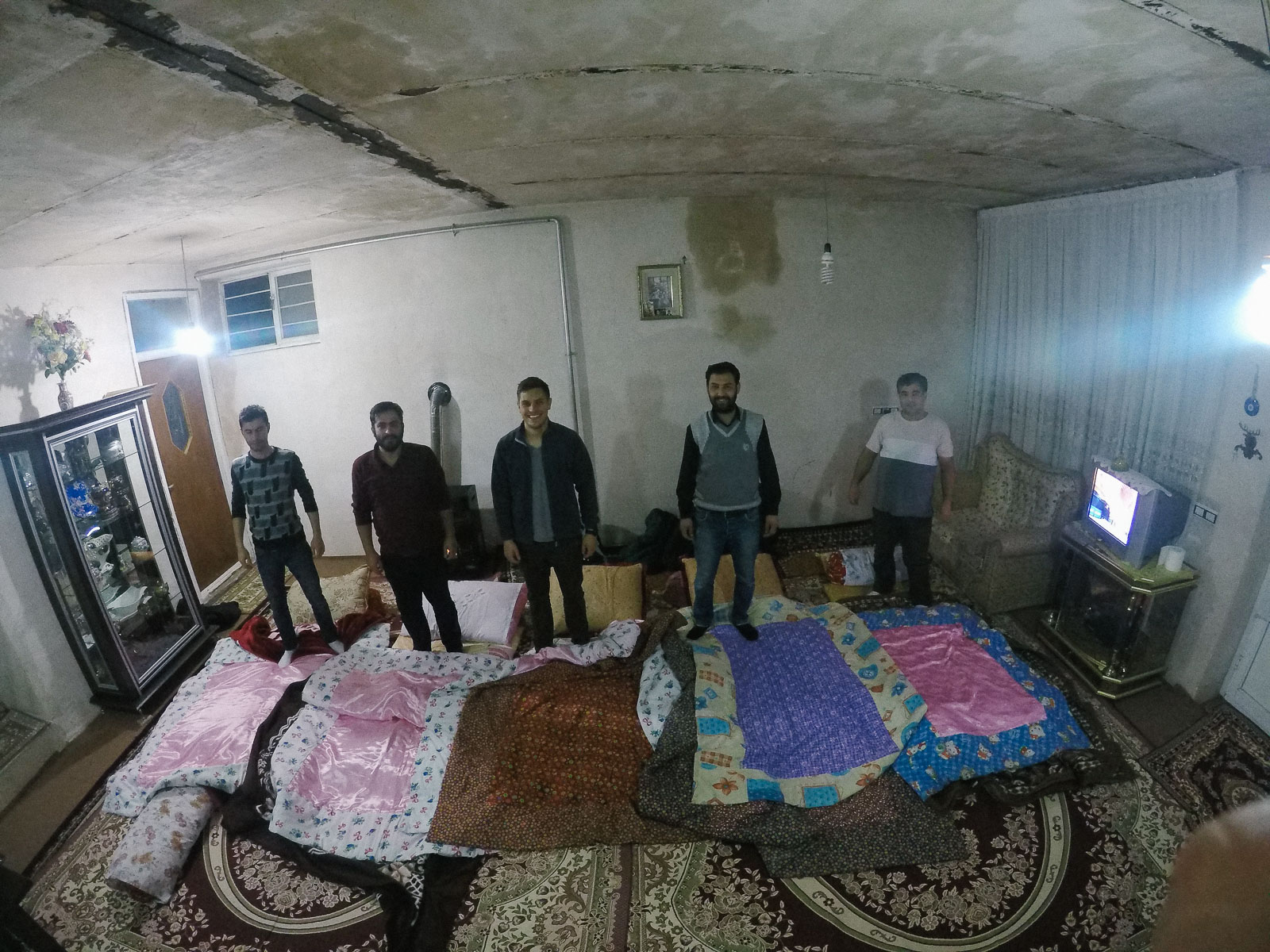
The border crossing went almost without a hitch. The officers at the border were a bit unsure whether my visa was still valid. It was difficult to convince them otherwise. I have to enter Iran by December 21, 2016, after which I have a 30-day stay. But they insisted my visa was only valid until December 21, 2016. After speaking to five different officers, I finally got a stamp in my passport and was allowed to enter. The check was laughable: door opens – door – “OK, finished.” An Iranian man helped me through the whole process; without him, I wouldn't have known who to go to next. Of course, he asked for money at the end. I was glad everything had gone smoothly and gave him $5 USD, which satisfied both of us. He thanked me at least five times and wished us a good time in Iran. We were given a form that we had to get signed 2 km after the border. That all went well too. WOW, now I'm in Iran! Who would have thought it? I'm looking forward to the next 23 days and am curious to see what awaits me here. My Turkish SIM card worked until shortly after we crossed the border. It was already dark when we arrived in a small village. We were hungry and looking for something to eat. As we stood by the roadside, two Iranians asked Lennard what we were doing there. "We're looking for something to eat," he replied. They drove with Lennard to the next village and bought us some food. While Lennard was out, I was stopped by the police. The officers were very friendly and only asked for my passport and wished me a good time in Iran. As we parked the cars for the night, an older man approached us and spoke to us in Farsi. We didn't understand a word. From his body language, we realized he wanted to invite us into his house because it was so cold outside. We accepted the invitation and followed him inside. His son Reza and his wife were there; I would guess they were about 60 years old. So there we sat, hardly able to believe our luck. We were given tea and sweets. Gradually, the whole family arrived. A few of them spoke broken English, just a few words. We mostly communicated using Google Translate. By then, the whole family was there, probably ten people. Late in the evening, we went to Reza's house. In true tradition, we slept on the floor with the others. The guys are like us, hardly any cultural differences. They told us about trips to Turkey, Turkmenistan, Armenia, and Georgia. About visiting casinos, women, and alcohol. In Iran, all of that is illegal and, if you're caught, severely punished.
December 21, 2016
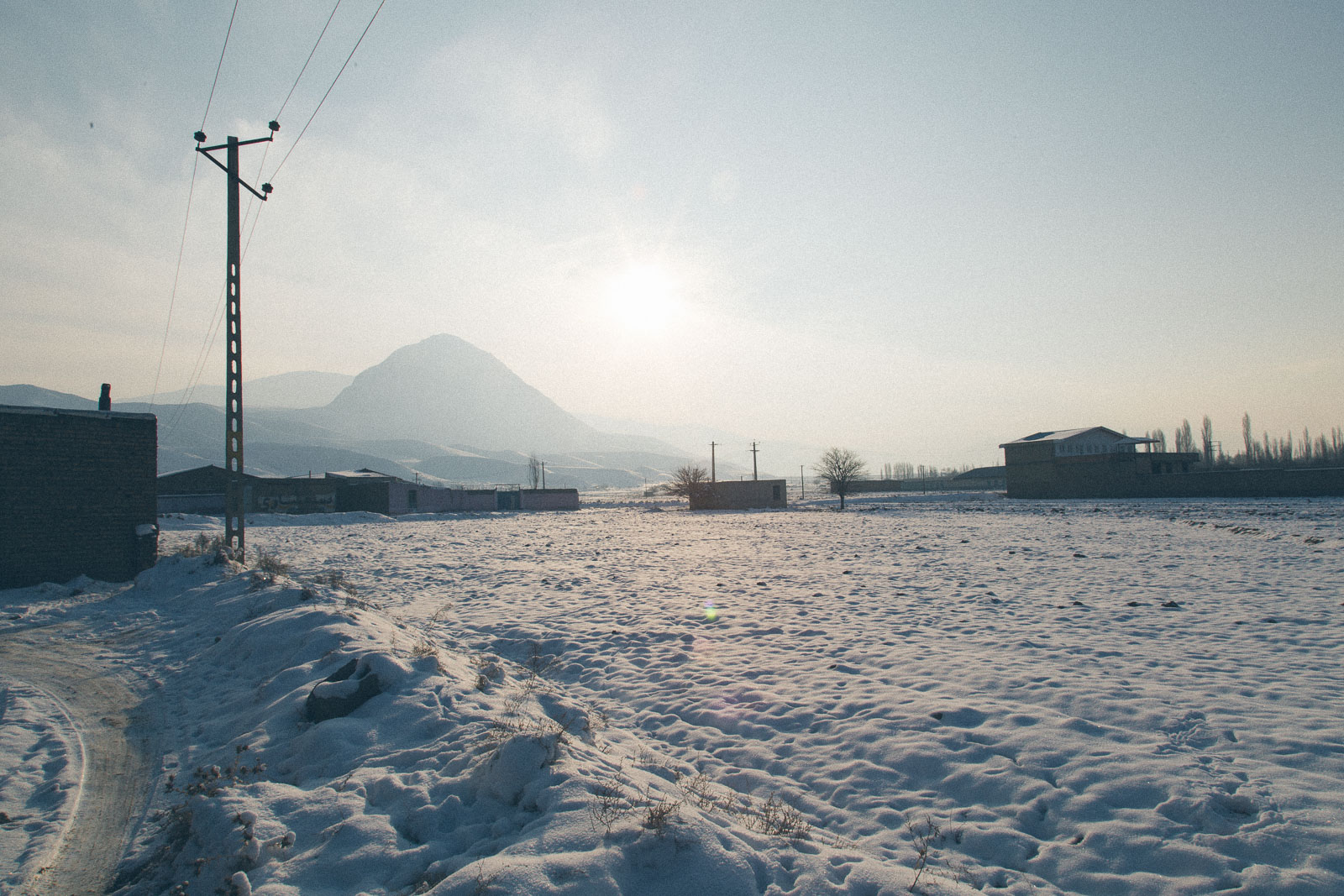
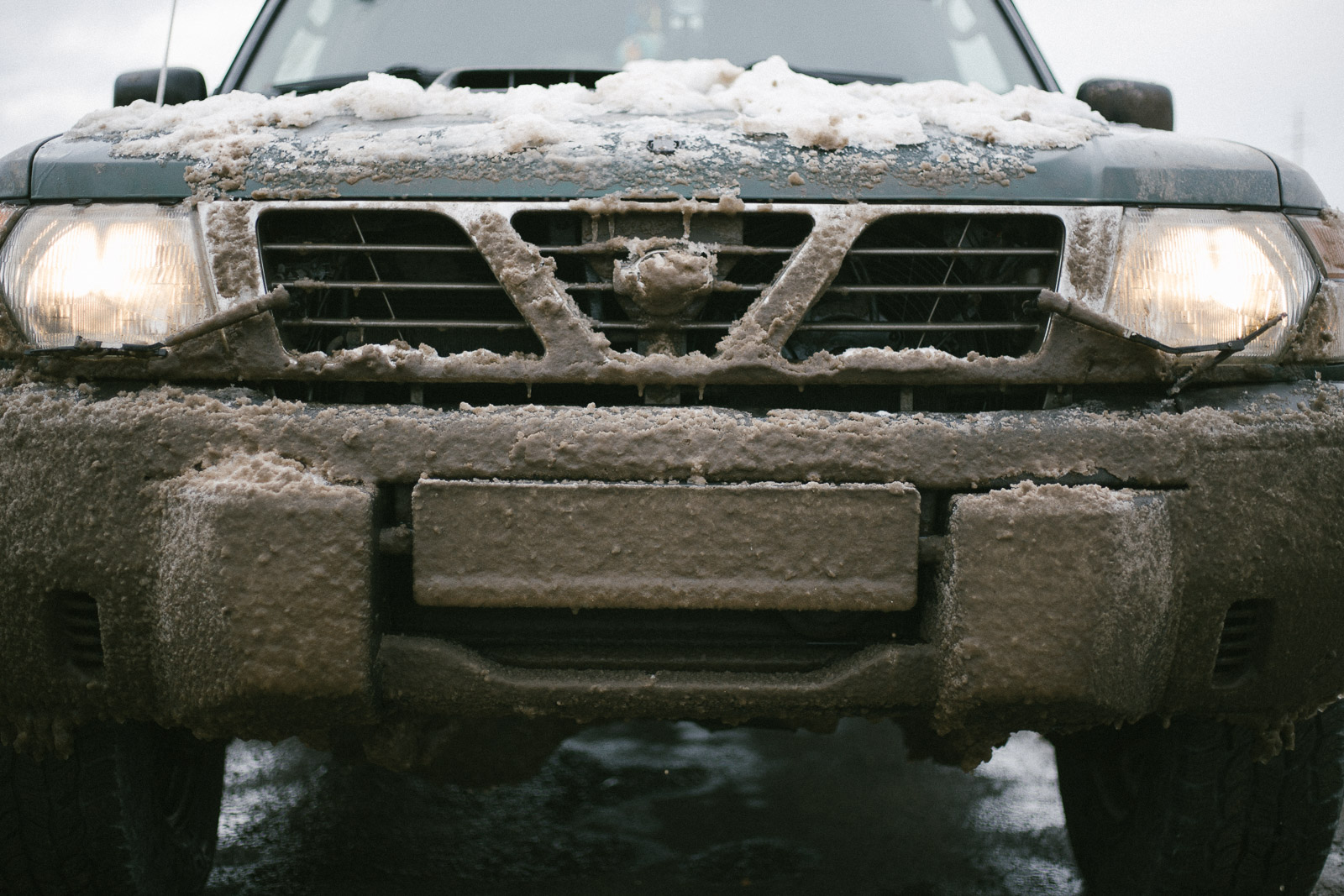
In the morning, we were able to take a hot shower and had a great breakfast. They looked at me a bit puzzled when I salted my cream cheese. They just laughed, "Ah, Germany." Since that wasn't enough help, they drove us to the nearby town and made sure we got a SIM card. Everything takes a bit longer in Iran—as I discovered on the very first day. I wanted to buy an Iranian SIM card at the post office. Two and a half hours, countless signatures, fingerprints, and passport copies later, I held my Iranian SIM card in my hand. It was now active, but there was no credit on it yet. I had chosen Iran Cell. Good reception and LTE are only available near major cities. We wanted to invite them to lunch—he held out his phone to me and said, "You are our guest—we are here for your pleasure," waving his hands. In four years of traveling, I've never experienced such hospitality; I'm deeply impressed. In Tabriz we met Hadi, whom I had connected with via WhatsApp. He's originally from Iran, studied in London, and now lives in Porto. We met his cousin Ali in a café and arranged to meet again the next day to explore the bazaar together. It got cold again that night, down to -12 degrees Celsius.
December 22, 2016
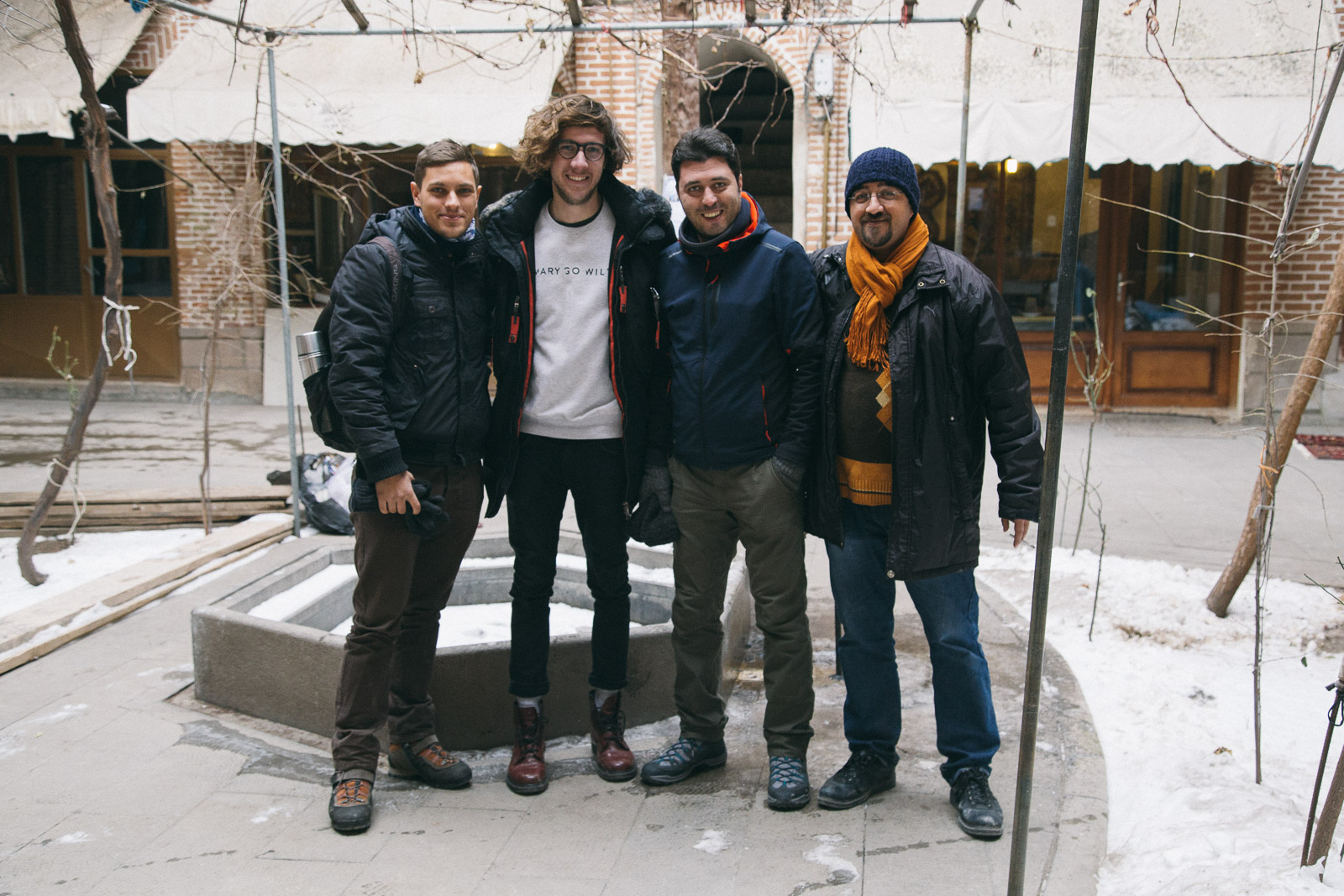
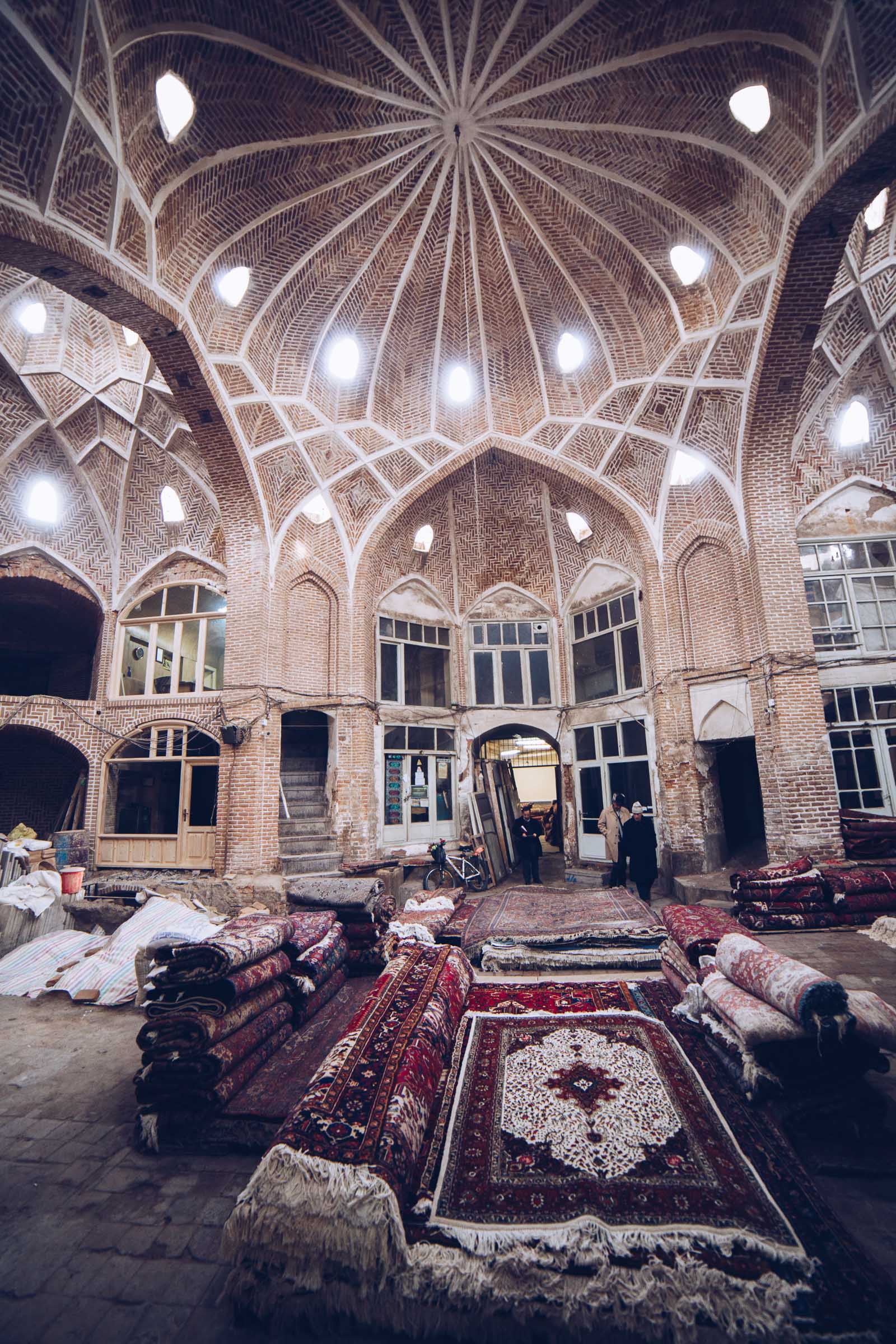
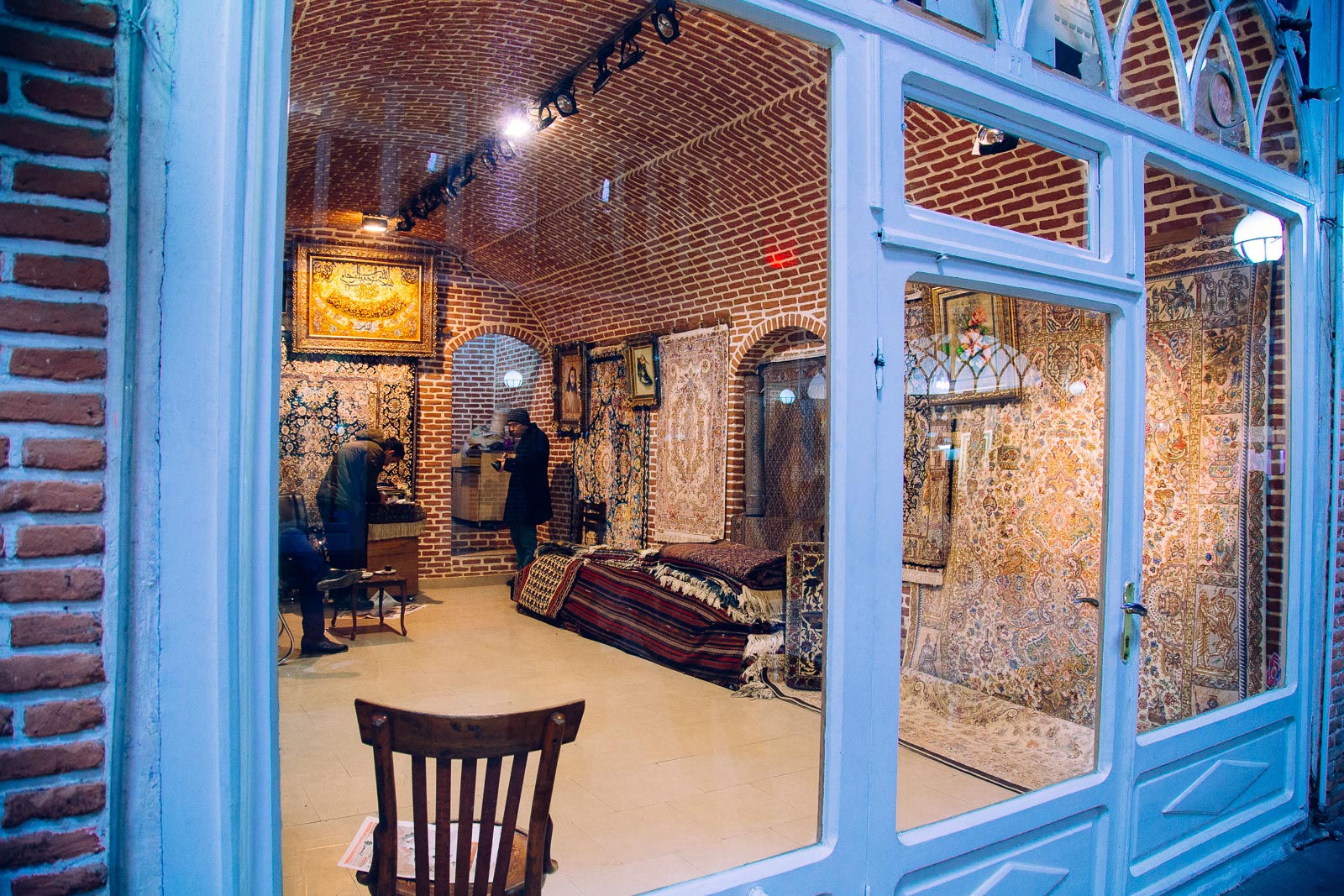
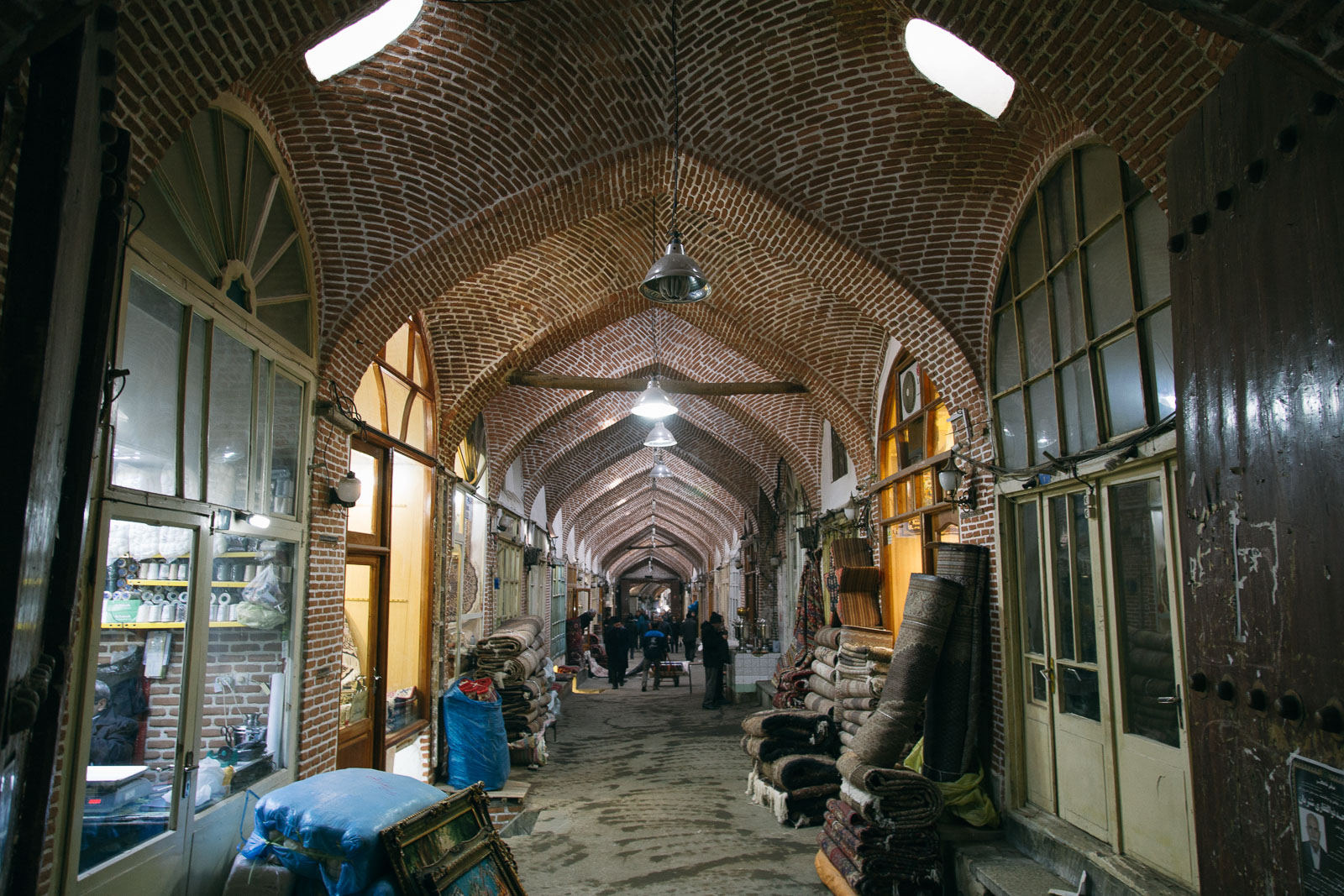
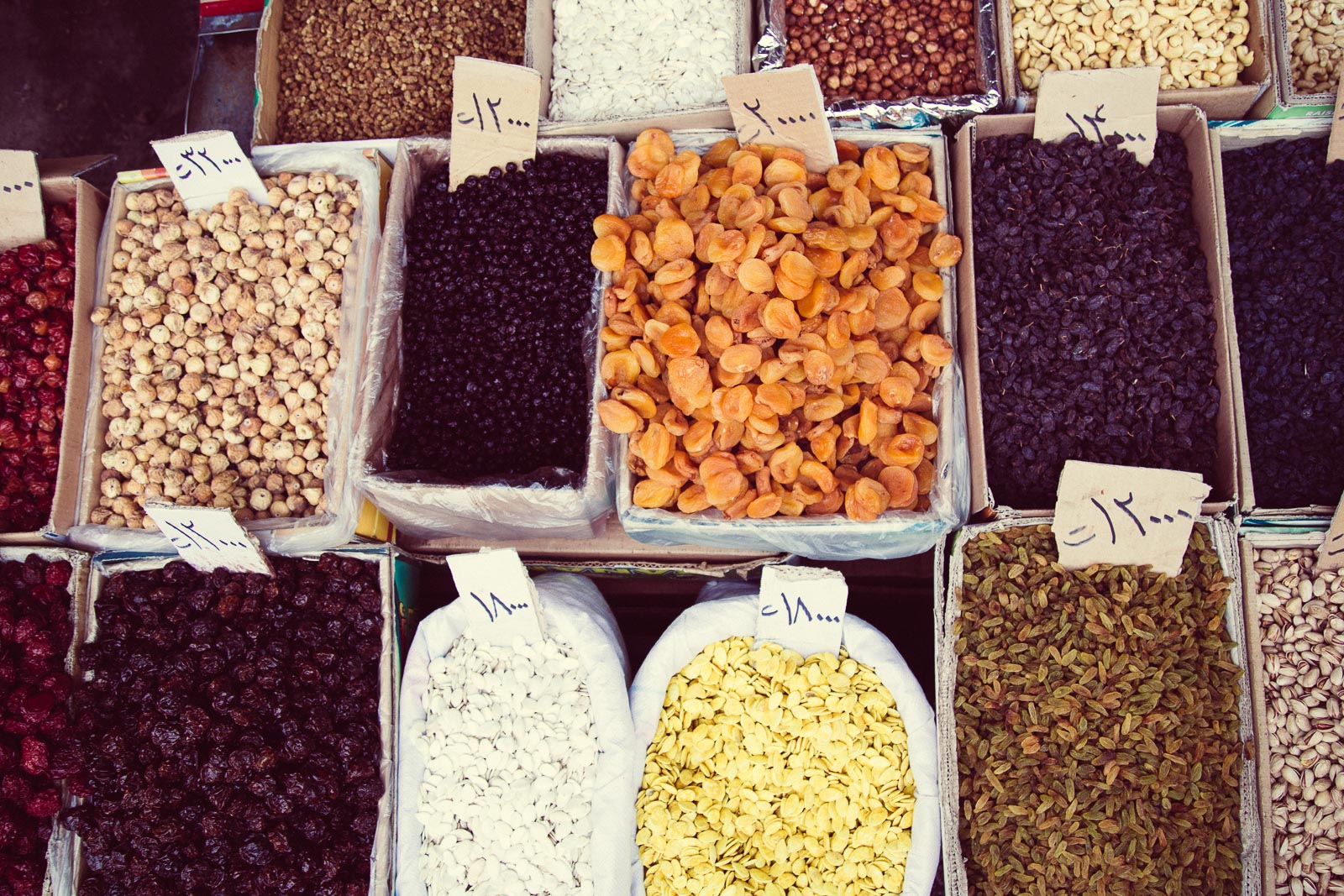
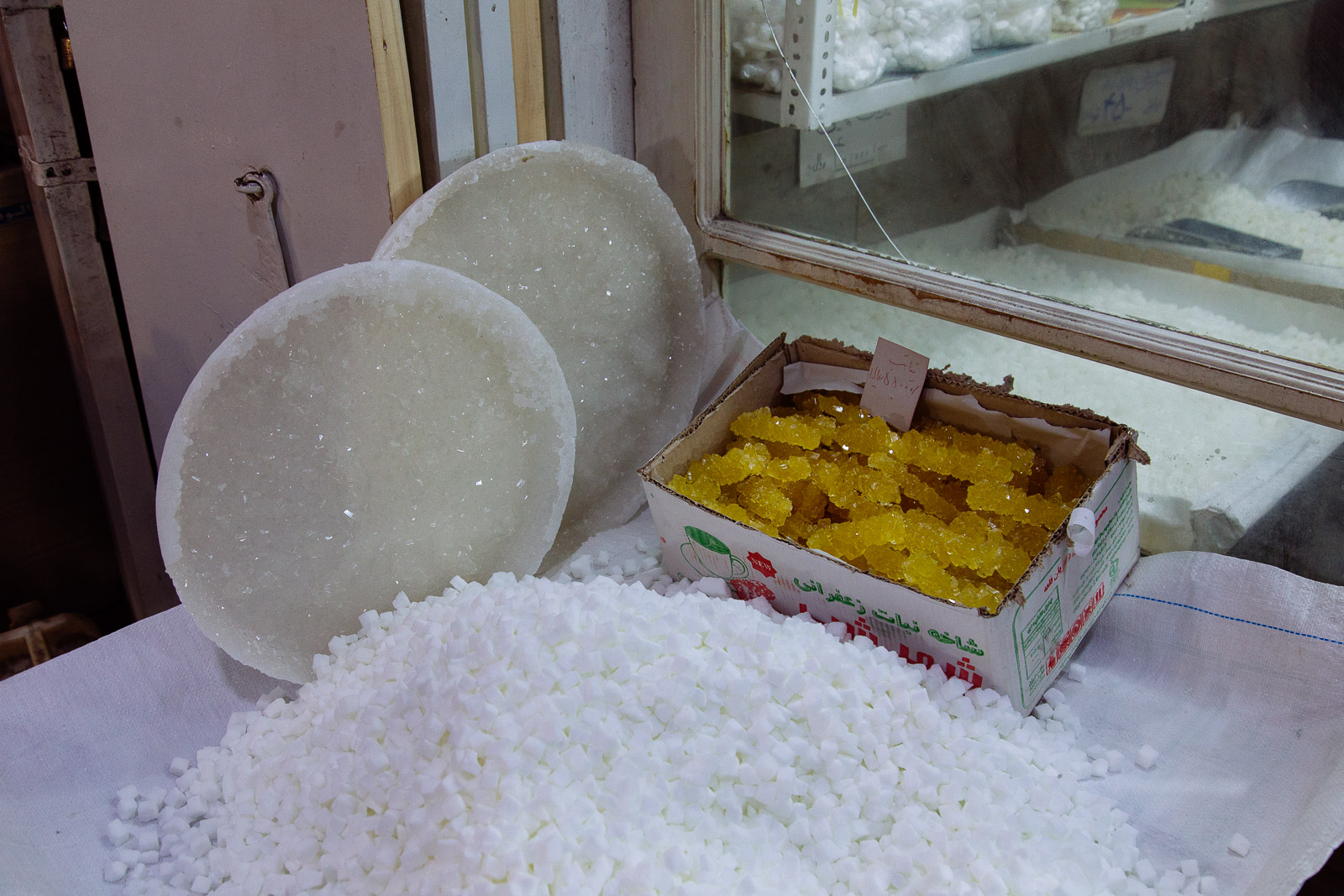
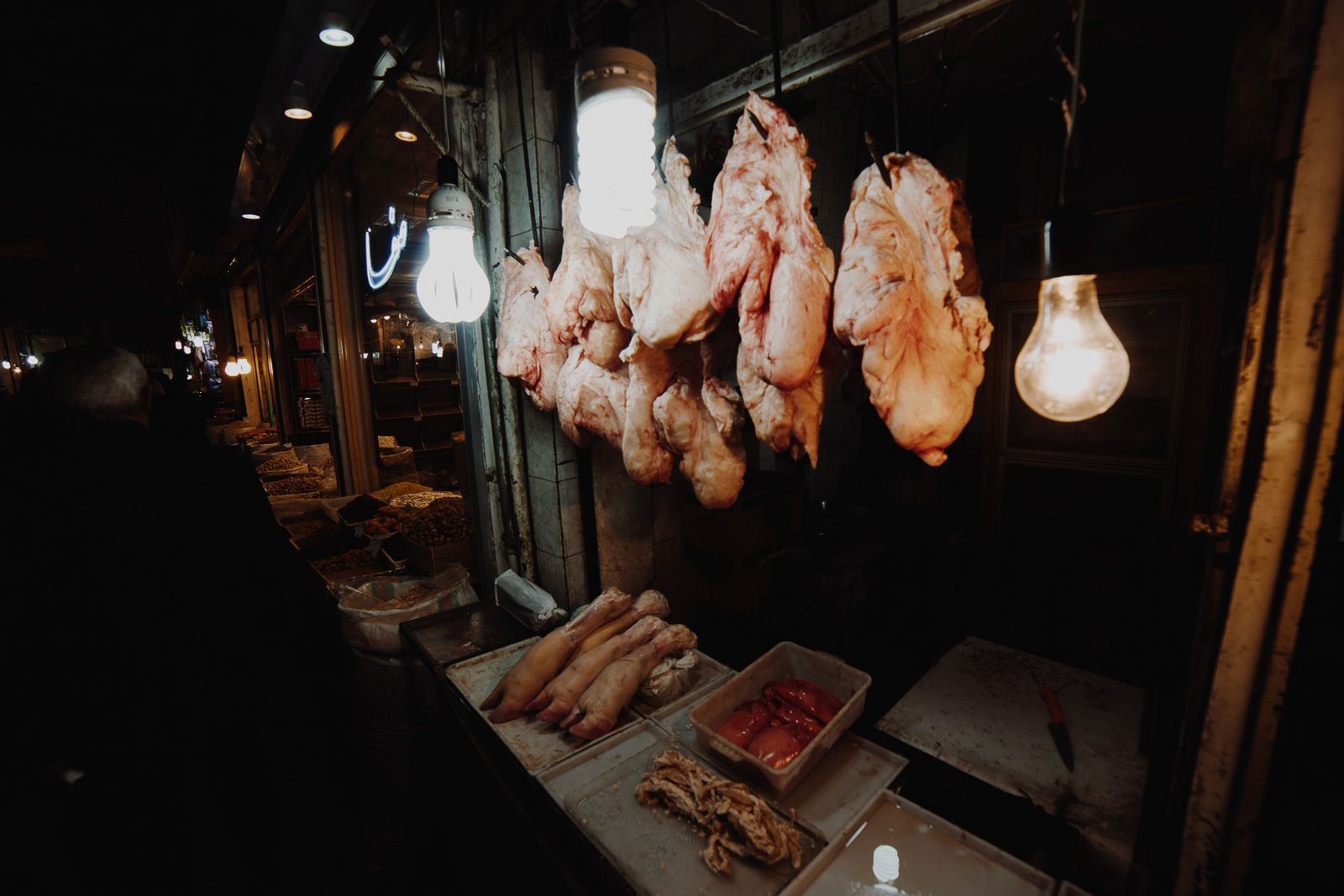
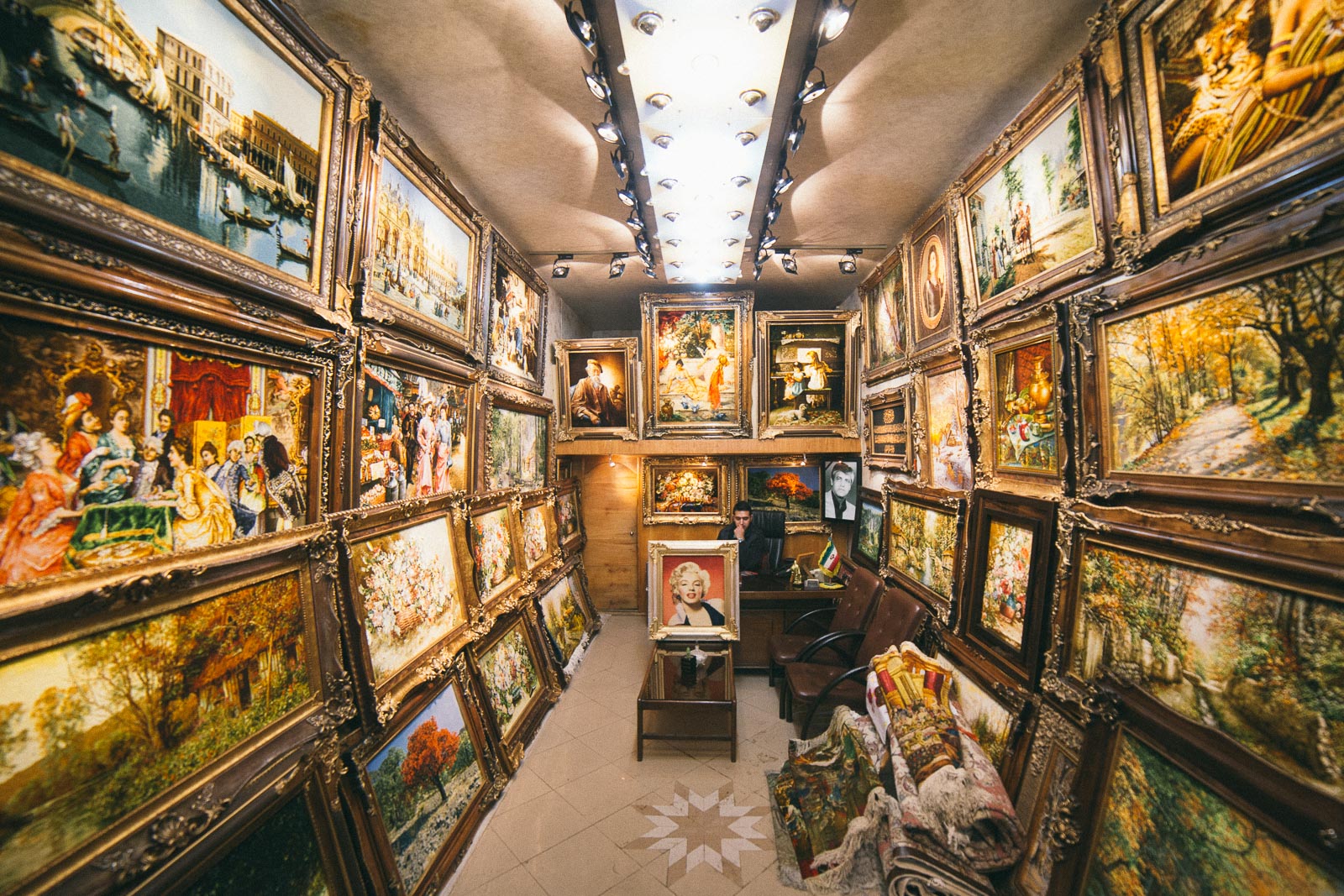
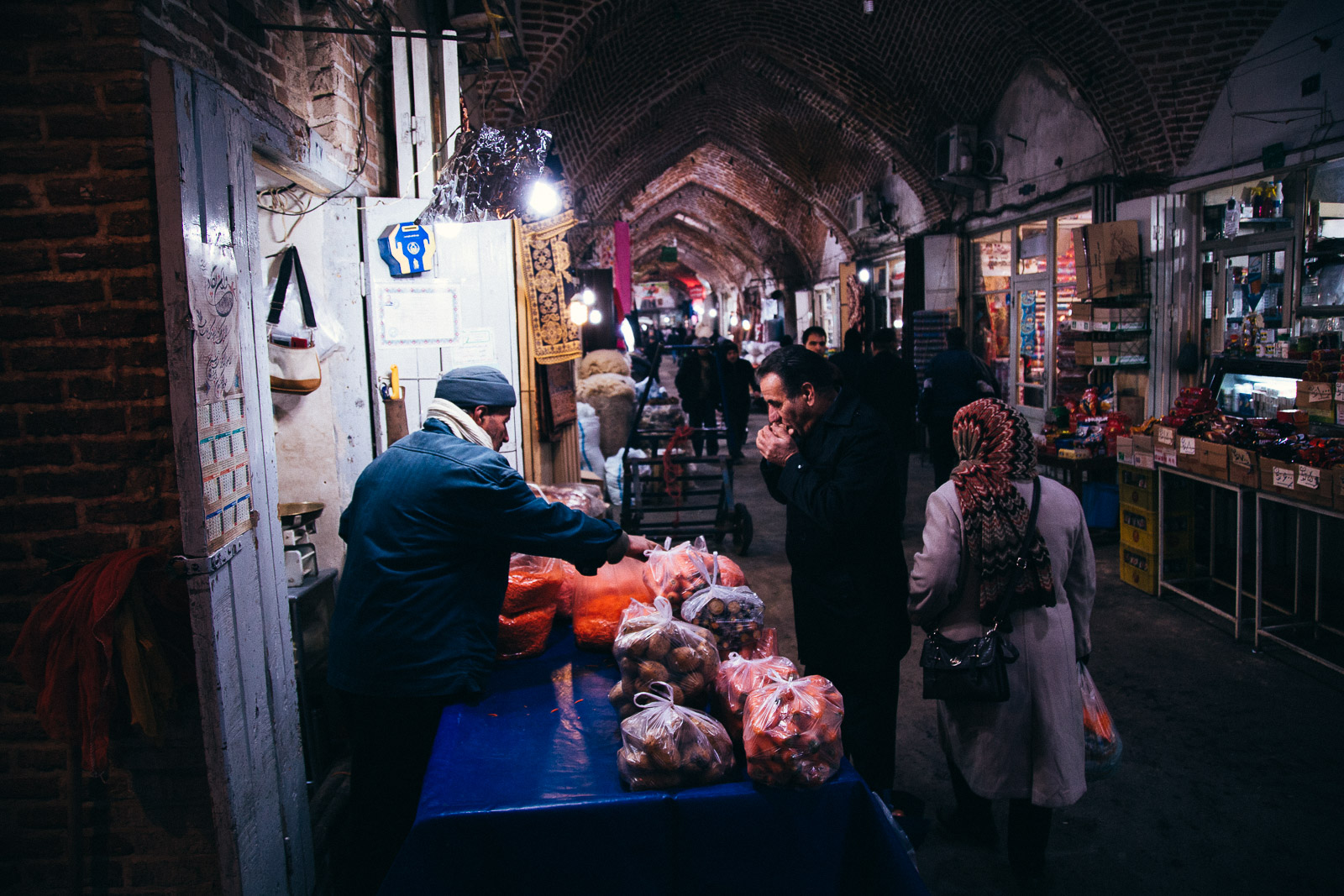
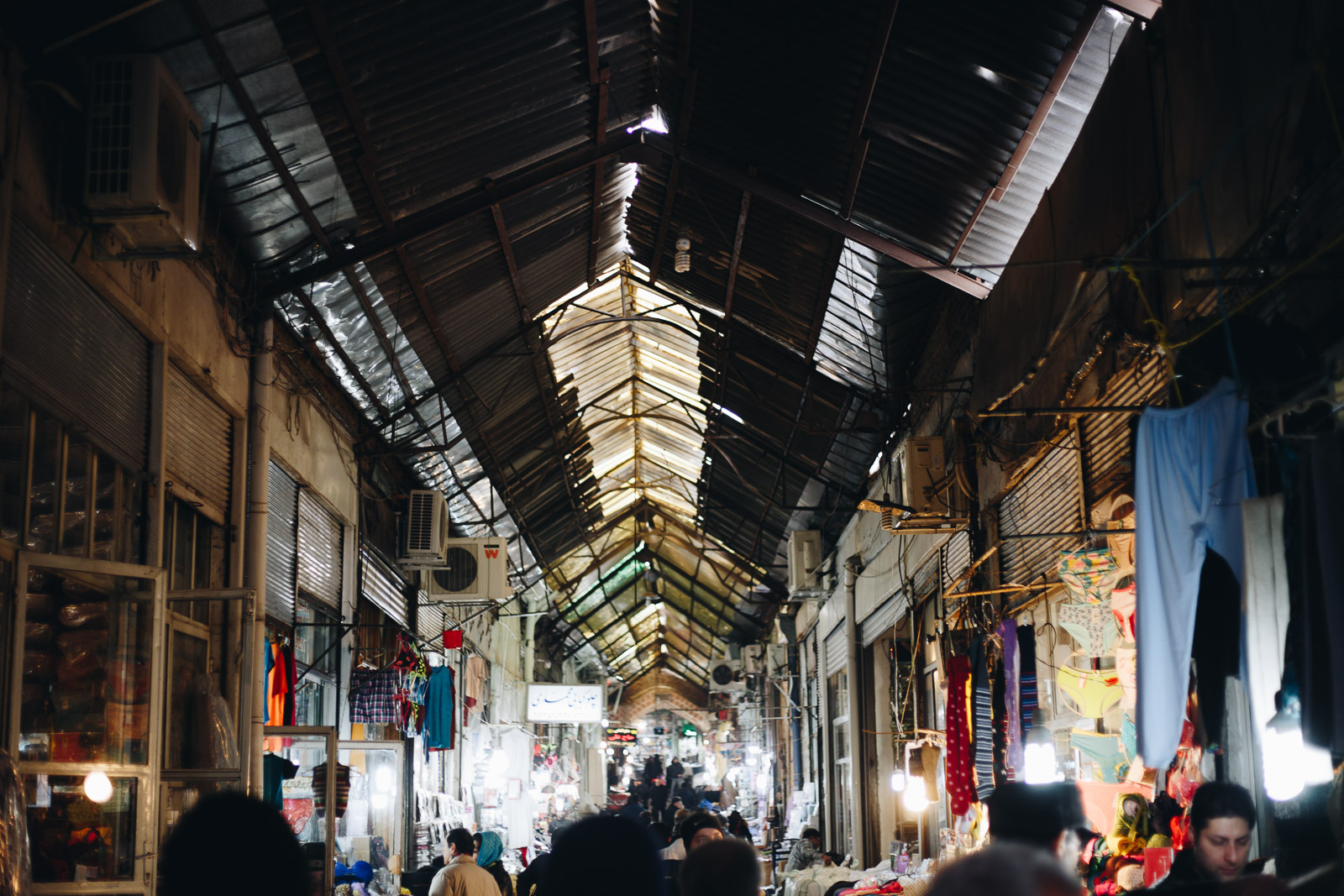
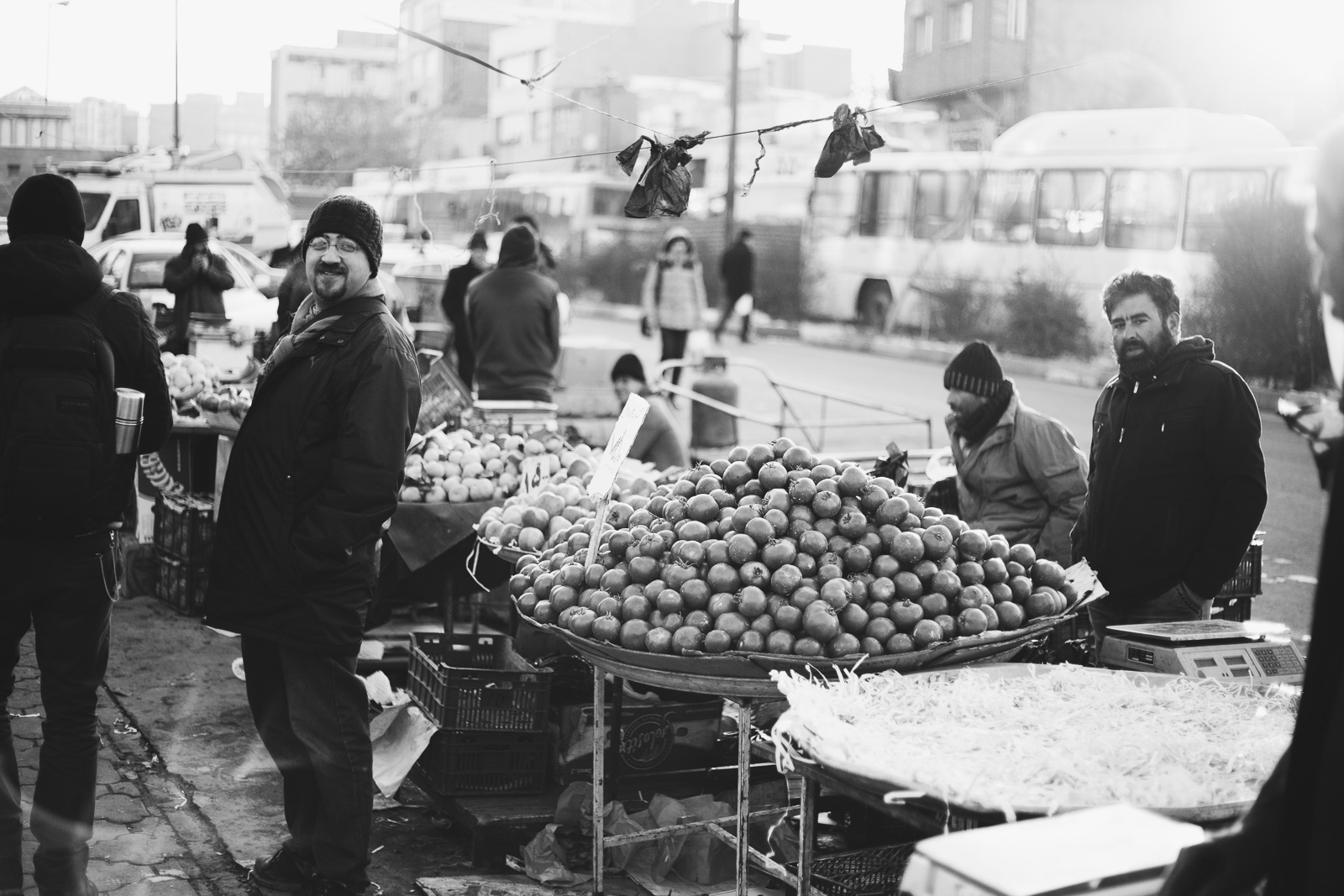
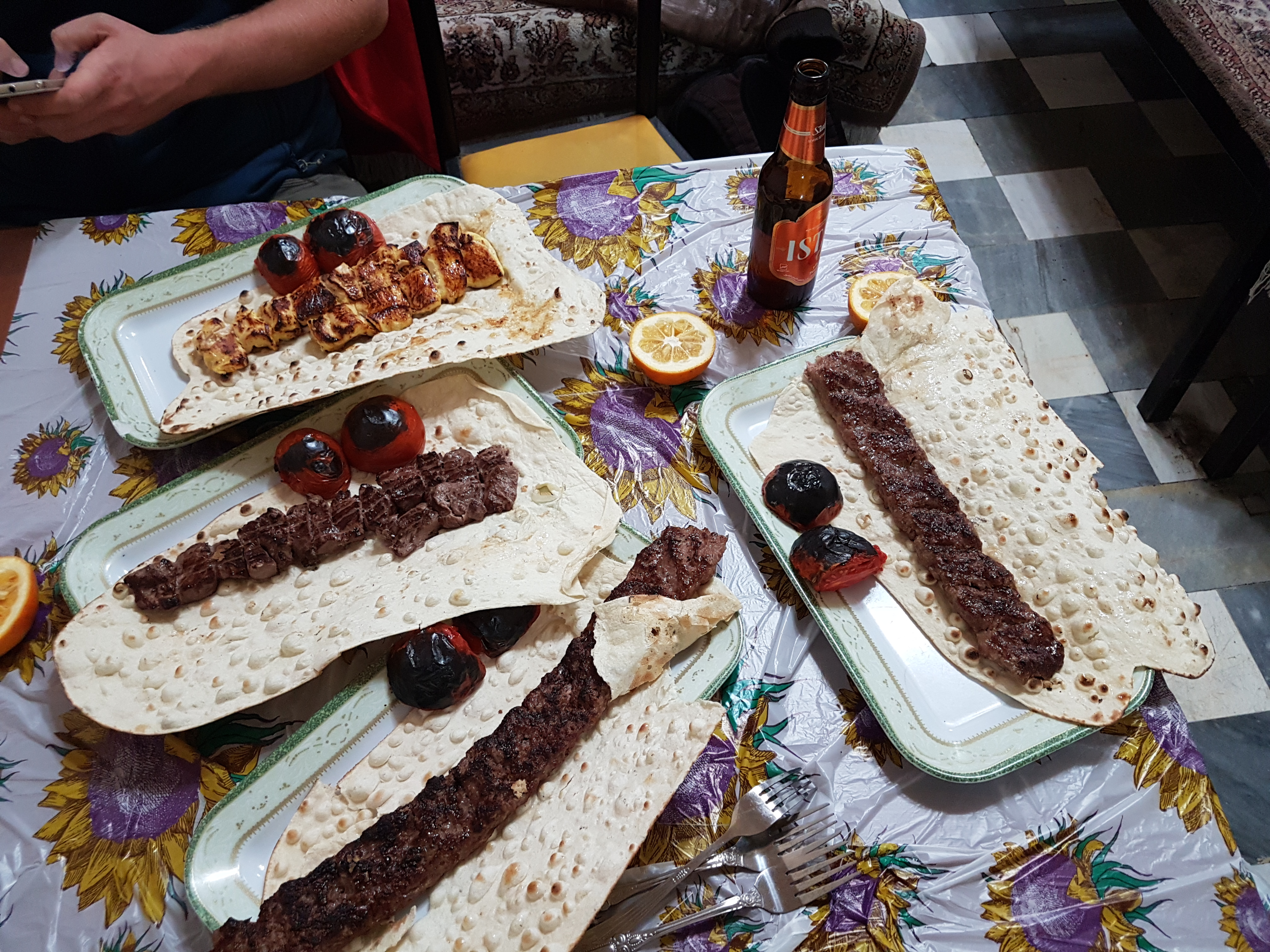
I was standing next to my car brushing my teeth when a middle-aged woman stopped and said, "You can use my bathroom—I have an apartment here." I politely declined, as I was already finished. Amazing, she didn't even know me—I was a complete stranger to her. The bazaar is enormous, the largest and oldest bazaar in the world. The bazaar in Aleppo used to be, but it was unfortunately completely destroyed in the Syrian war. The bazaar in Tarbiz has 5,555 shops; there's nothing you can't find here. From carpets, paintings, and clothing to fresh fruits and vegetables, and even a butcher and spice merchant. Ali also has a small shop here; he sells everything the nomads make by hand in the summer: socks, bags, and carpets. I bought a beautiful 40-year-old carpet, my first real Persian one. I could spend days here just looking at everything. Ali showed us a delicious restaurant that we never would have found otherwise. A small staircase led up to a slightly larger room. There were two tables there, and behind them was the open kitchen. It was very chaotic, with things lying around everywhere. The television was positioned so that even the cook in the kitchen could see it. Ali and Lennard ordered "Dizzy," a kind of soup/porridge, very tasty. I ordered kebab. Kebab here is different from what I'm used to at home: spiced minced meat roasted on a spit over an open fire, served with nun (flatbread) and vegetables. I loved it and immediately ordered another. After eating, we wanted to go to the Blue Mosque, but unfortunately, it was already closed when we arrived. We warmed up with a cup of hot tea. I like Ali; he's a quiet, very open person. He doesn't go to the mosque, doesn't pray, brews his own alcohol at home, and even eats pork sometimes. He always says that it's the governments that are fighting each other, not the people in these countries. He has nothing against Jews, Christians, or Buddhists – he accepts everyone; every person is as they are, it doesn't matter what their faith is. Ali taught himself German, just using a CD. For that, he speaks really good German. He studied law, but then took over the business at the bazaar after his father died. We took a taxi back to our cars, a 20-minute ride for €1.50. Everything is very cheap here. Food costs €2-3, a 20-minute taxi ride €1-2, and 1GB of data costs €1.
December 23, 2016
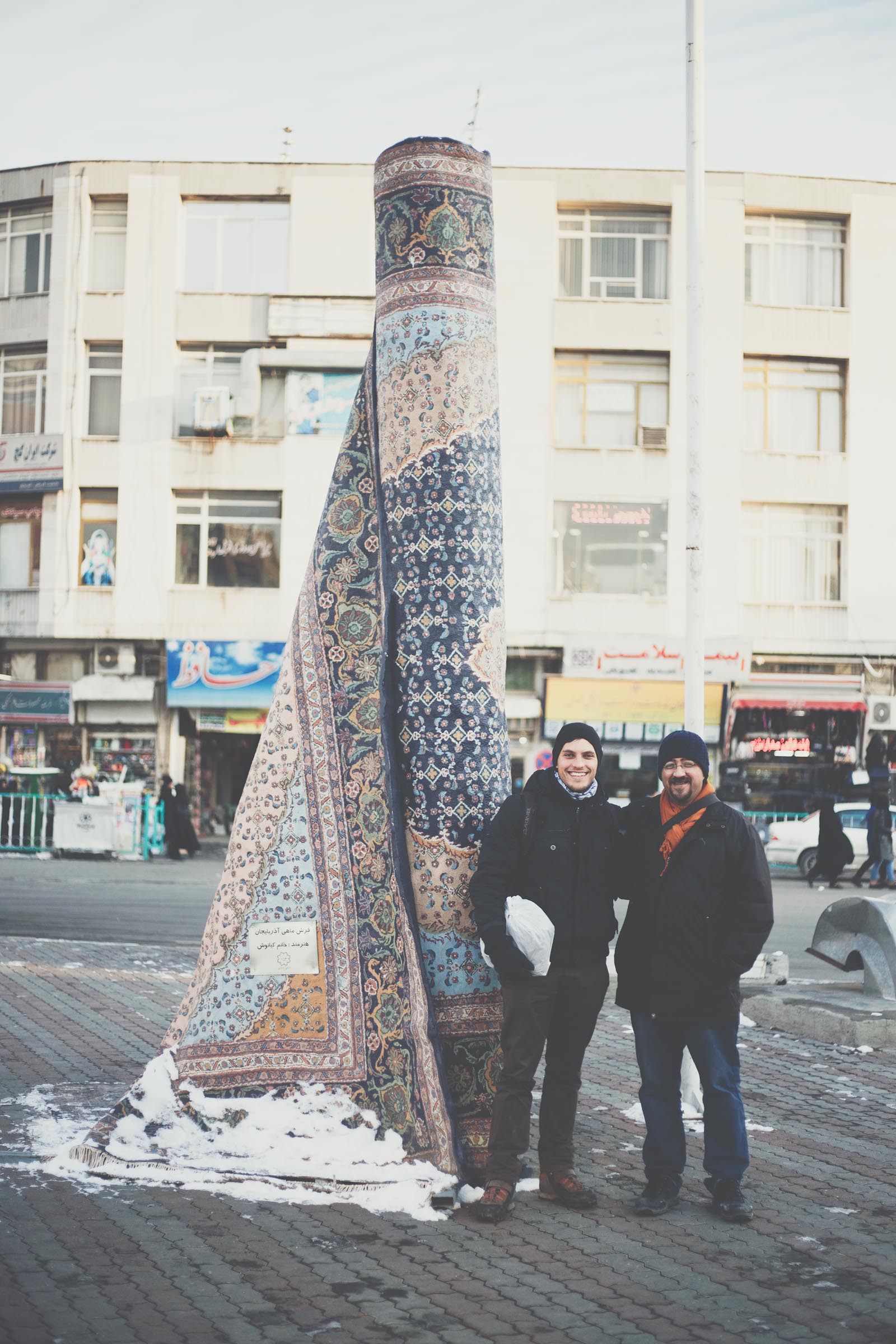
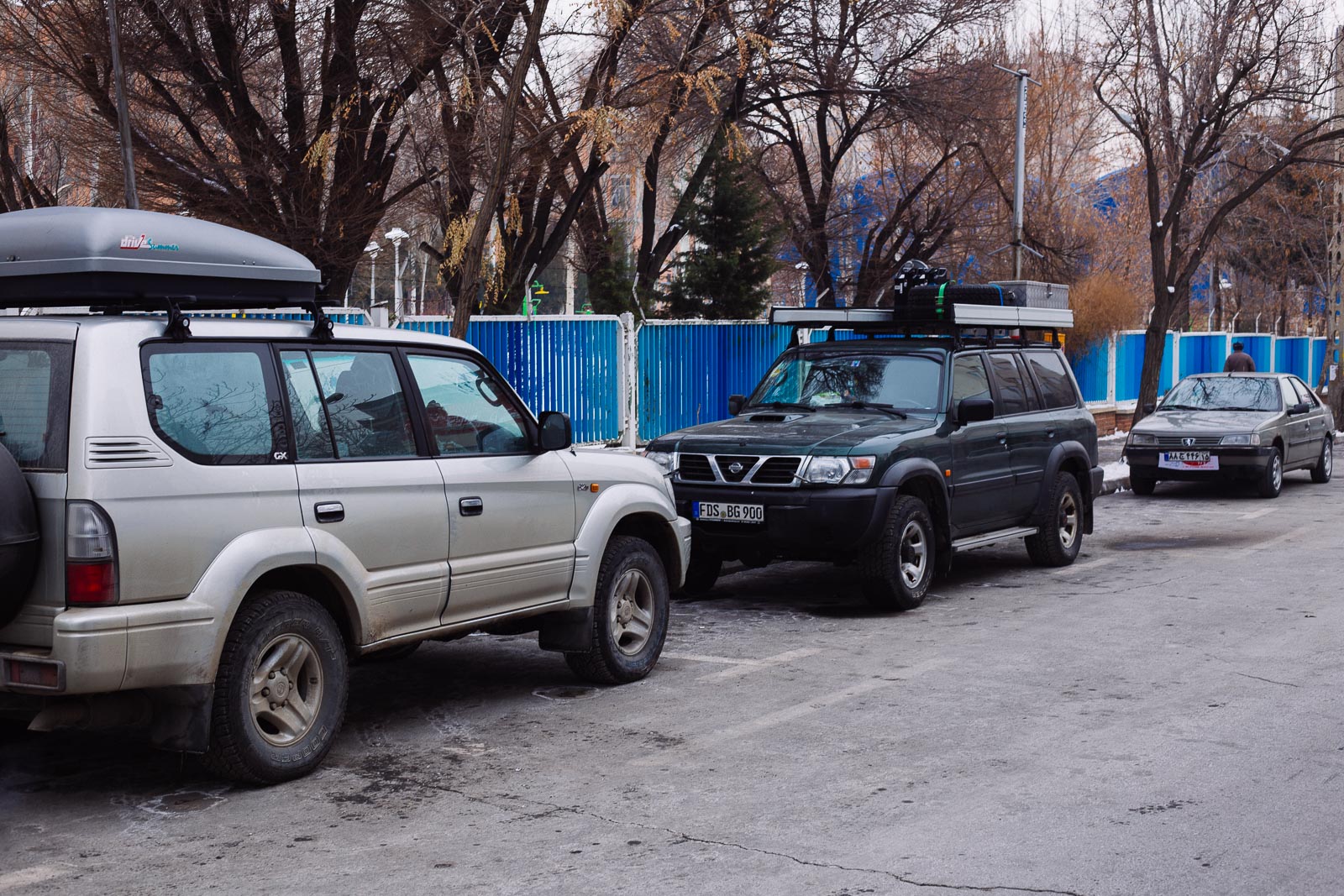
Lennard got sick when we were at the bazaar. We had a potato and egg stew for breakfast, which must have upset his stomach. I don't like eggs, so I was spared. Tomorrow is Christmas, so we bought white shirts and black bow ties; after all, we wanted to look our best. We spent the rest of the day in the car working on the blog and diary. That's how I managed to use up my entire 6 GB data allowance in just two days. Hadi brought us lunch to the car – rice with lentils and meat, plus salad and pickled apricots. Delicious! I walked around town a bit and bought us some pide. No one spoke English, so I ordered using Google Translate, which worked. I also got hot water for the hot water bottles. We met Hadi's friends, and they invited us for drinks – vodka, which we politely declined. Lennard still wasn't feeling any better. Many people are drinking alcohol even though it's practically impossible to buy. But there's a black market here too, like for everything else. In the evening, Ali brought us a pot of soup. Hadi and Ali were really good and took great care of us today. Tomorrow is Christmas, but it doesn't feel like Christmas. Well, I am in a Muslim country after all; Christmas isn't celebrated here.
December 24, 2016
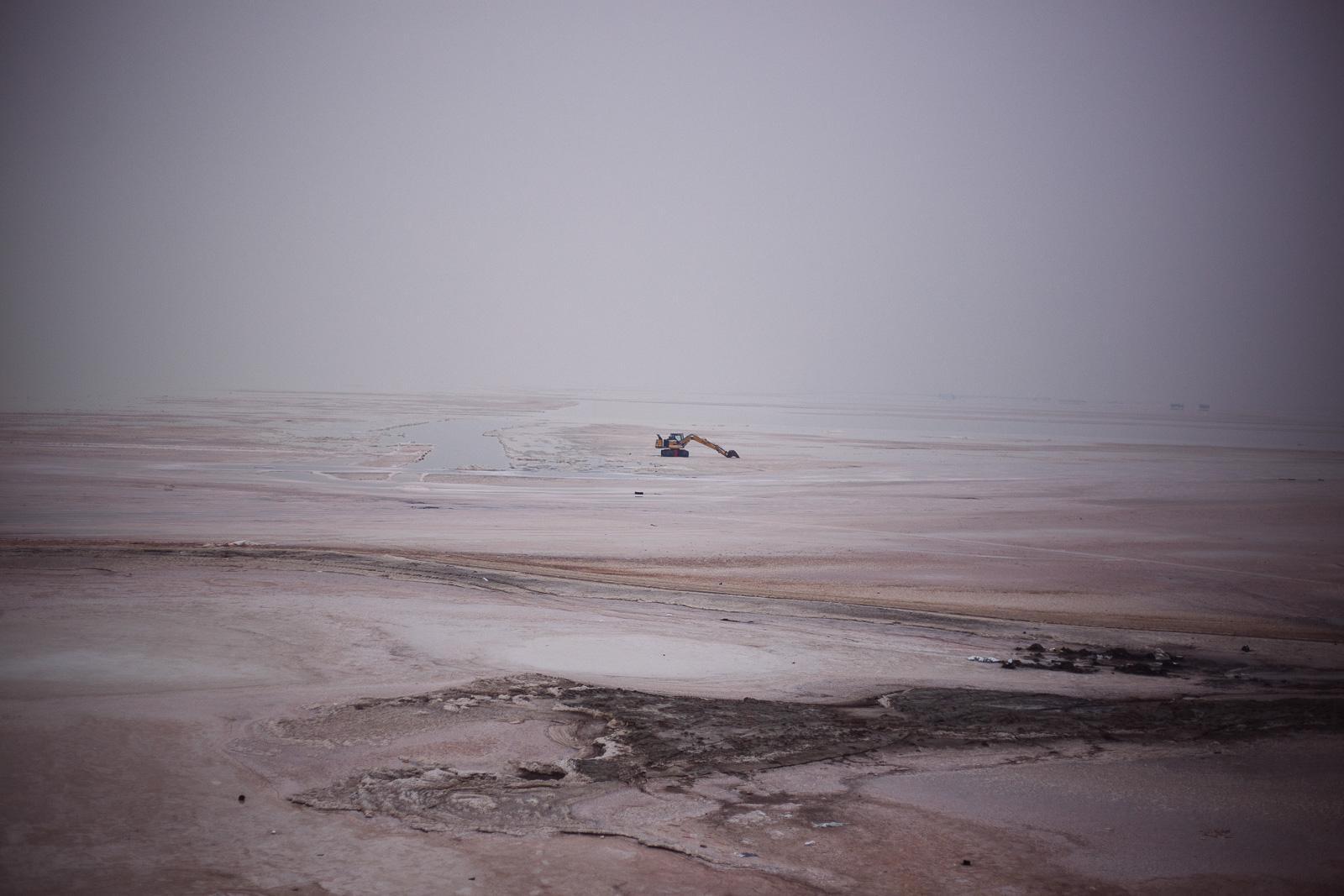
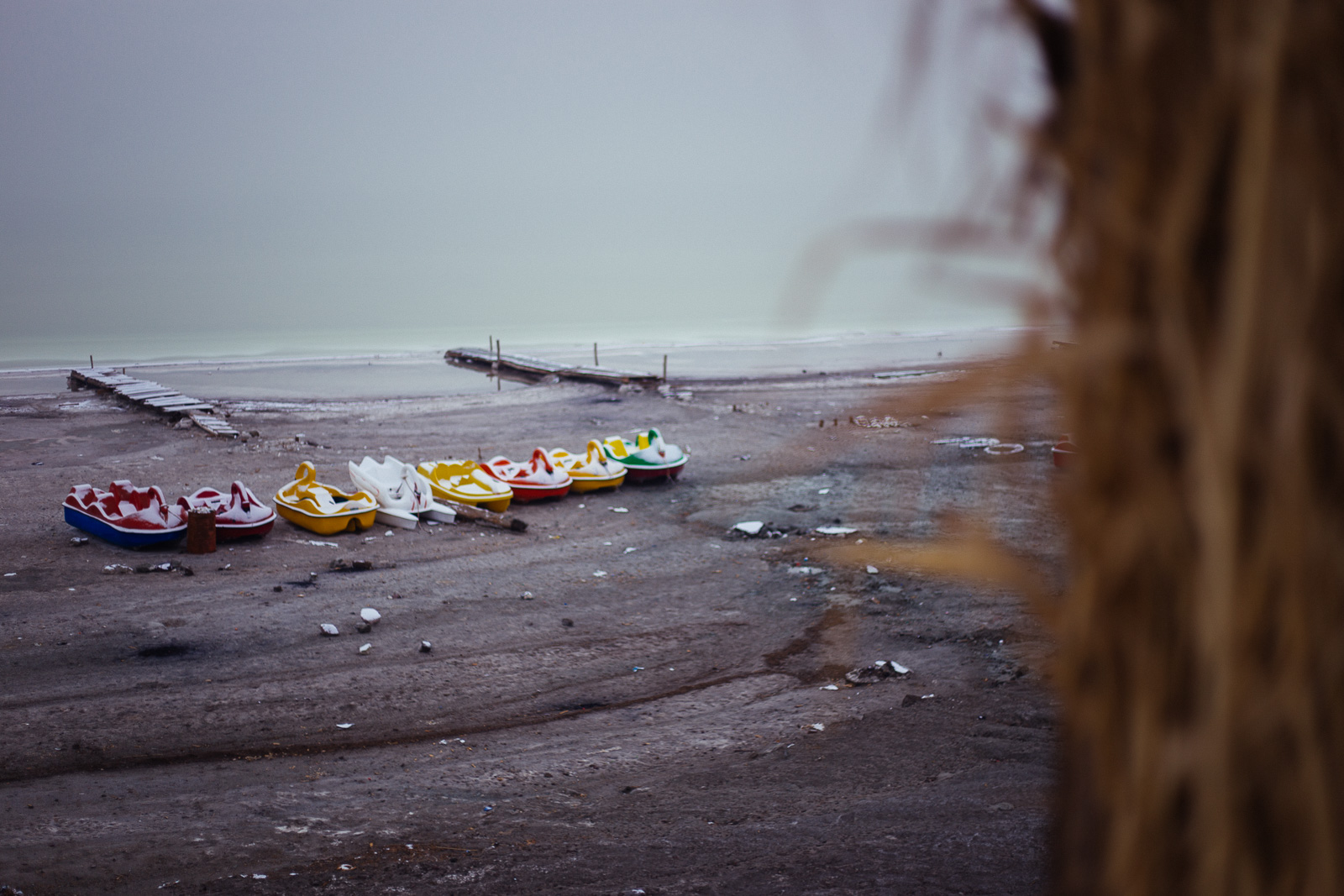
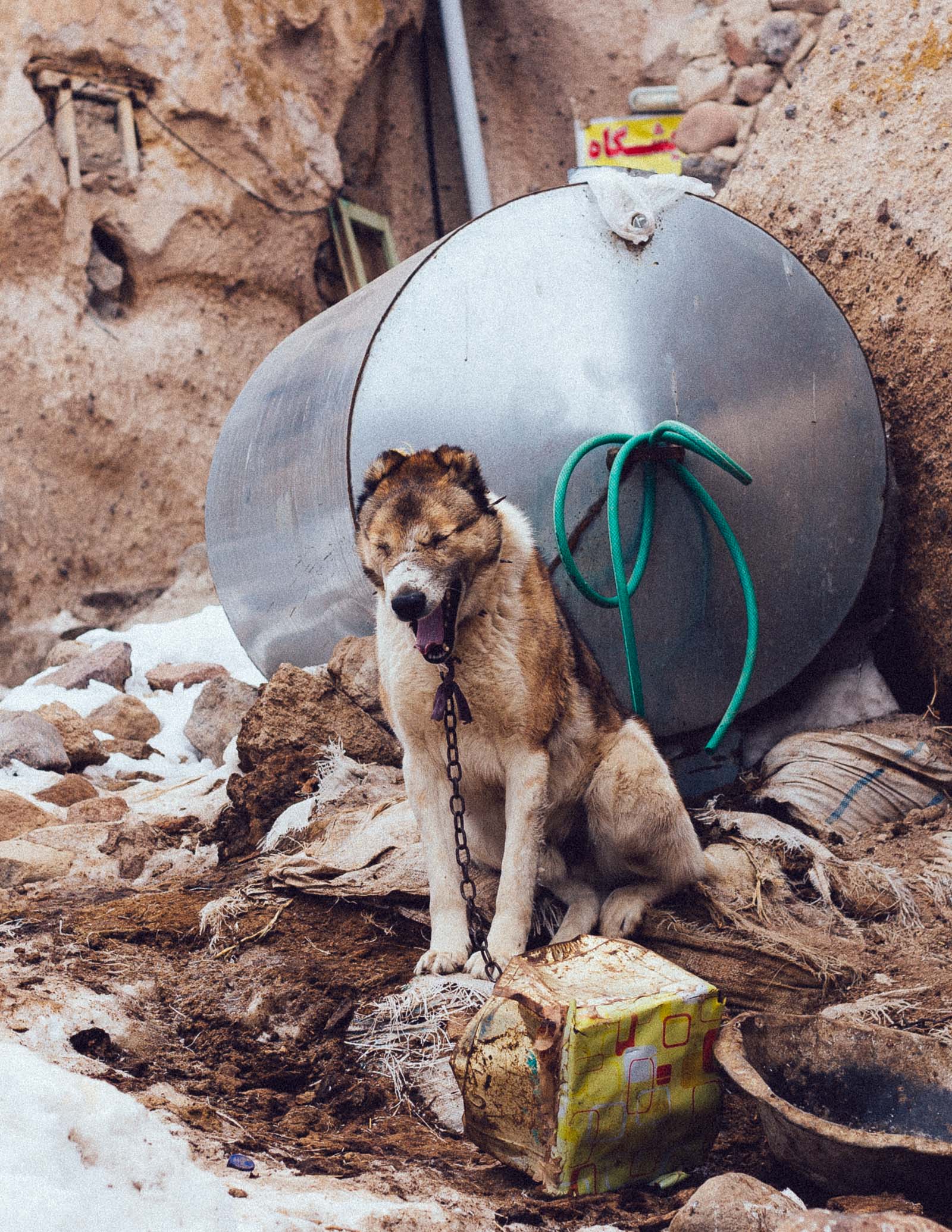
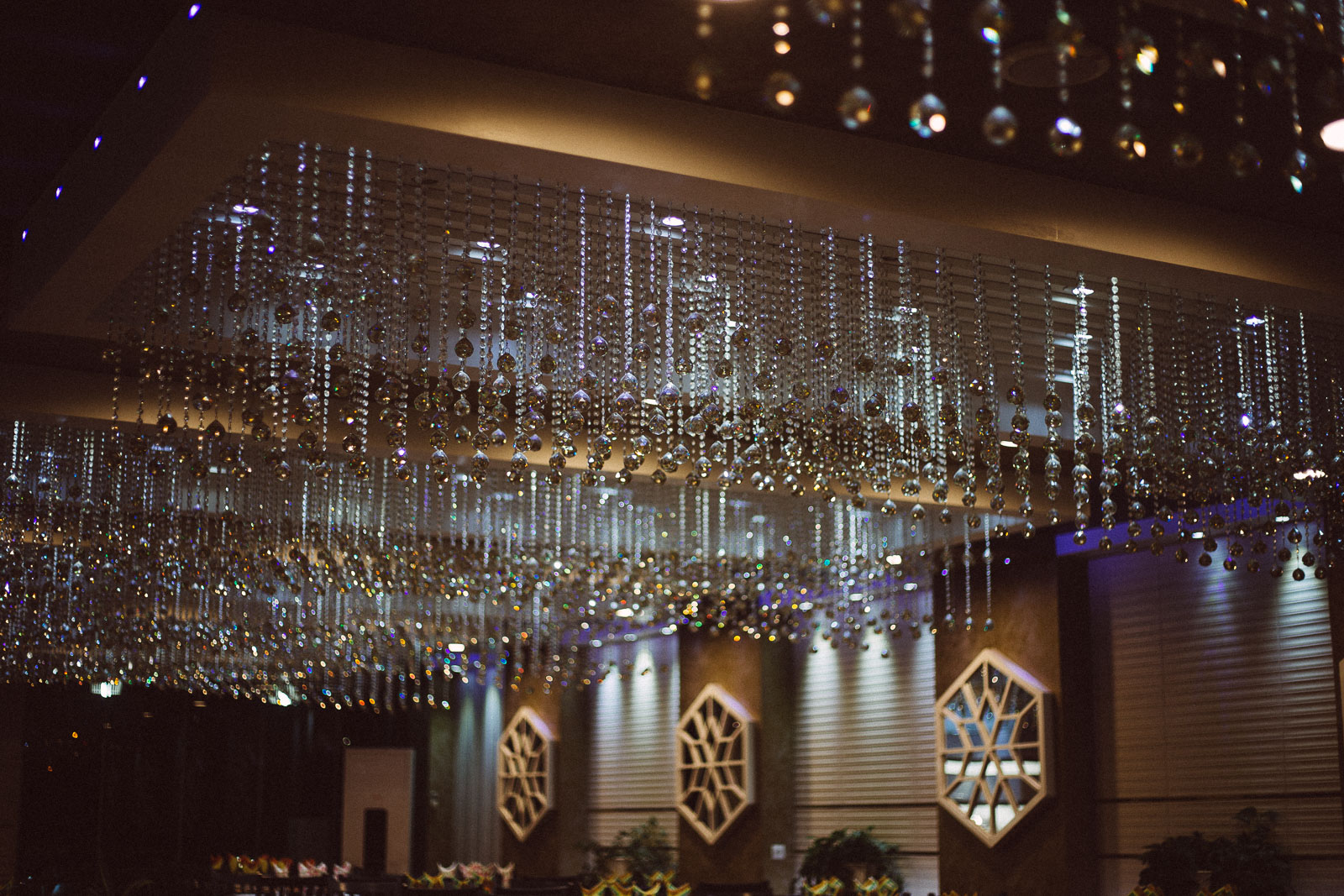
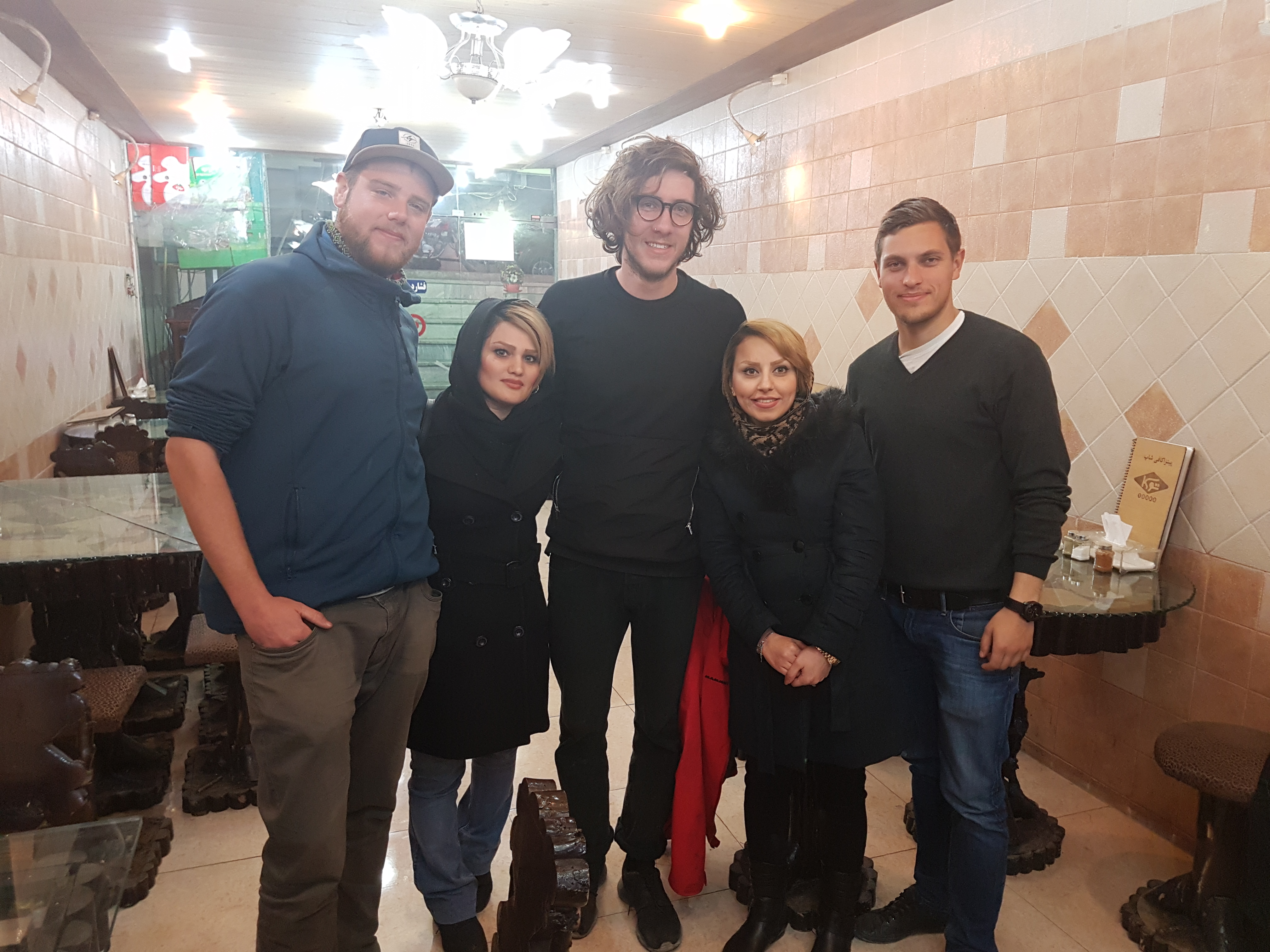
Christmas in Iran. Lennard was feeling a bit better, and we decided to drive to Urmia. My tank was empty, and we were a little worried about Iranian diesel. Meti and Ali told us that there's no winter diesel here. Regular diesel starts at... At -7 degrees Celsius, the ice starts to slush; at -12 degrees Celsius, it freezes solid. My tank was empty, so I had no choice but to refuel. My jerrycans were used for the first time: 130 liters for €17.50! That's just €0.15 per liter. Refueling here is a real treat. Kandowan was on the way, so we made a quick stop. Here, too, people live in caves carved into the rock, just like in Cappadocia, Turkey. The weather is gray, gloomy, and cold. The place seems to rely on tourism in the summer – in winter, there's nothing going on. The weather got progressively worse on the way to Urmia, and once we arrived, we found a hotel. The Aria Hotel looked nice and the staff was friendly. The room was tidy and clean. We paid 20 euros per person. Deal. We asked for a recommendation for a good restaurant, and the taxi driver was supposed to take us there. He tried to take us to two other restaurants, which weren't too far away, and he thought we wouldn't notice. When we made it clear that we wanted to go to the restaurant we were referring to, he got annoyed. It was about a 20-minute drive away. He thought he could just drop us off somewhere and collect the fare. Not on our watch. It was a Turkish restaurant where we had our Christmas dinner. As usual, no one spoke English, so we ordered using Google Translate. We asked for orange juice and got Fanta, typical Iran. The food was delicious; we had three different main courses: head cheese, kebab, and something stir-fried, along with salad and vegetables. The food in Iran is almost always the same. At the next table, a family was celebrating their baby's birthday. We were just about to leave the restaurant when they asked if they could take a picture with us. Sure. Another taxi driver picked us up and took us back to the hotel. On the way, he helped me top up my Iran Cell credit so I could have internet again. At the hotel, the guys activated my internet package—it's annoying when the whole phone menu is in Farsi and you can't understand a thing. That was Christmas 2016 in Iran. Crazy.
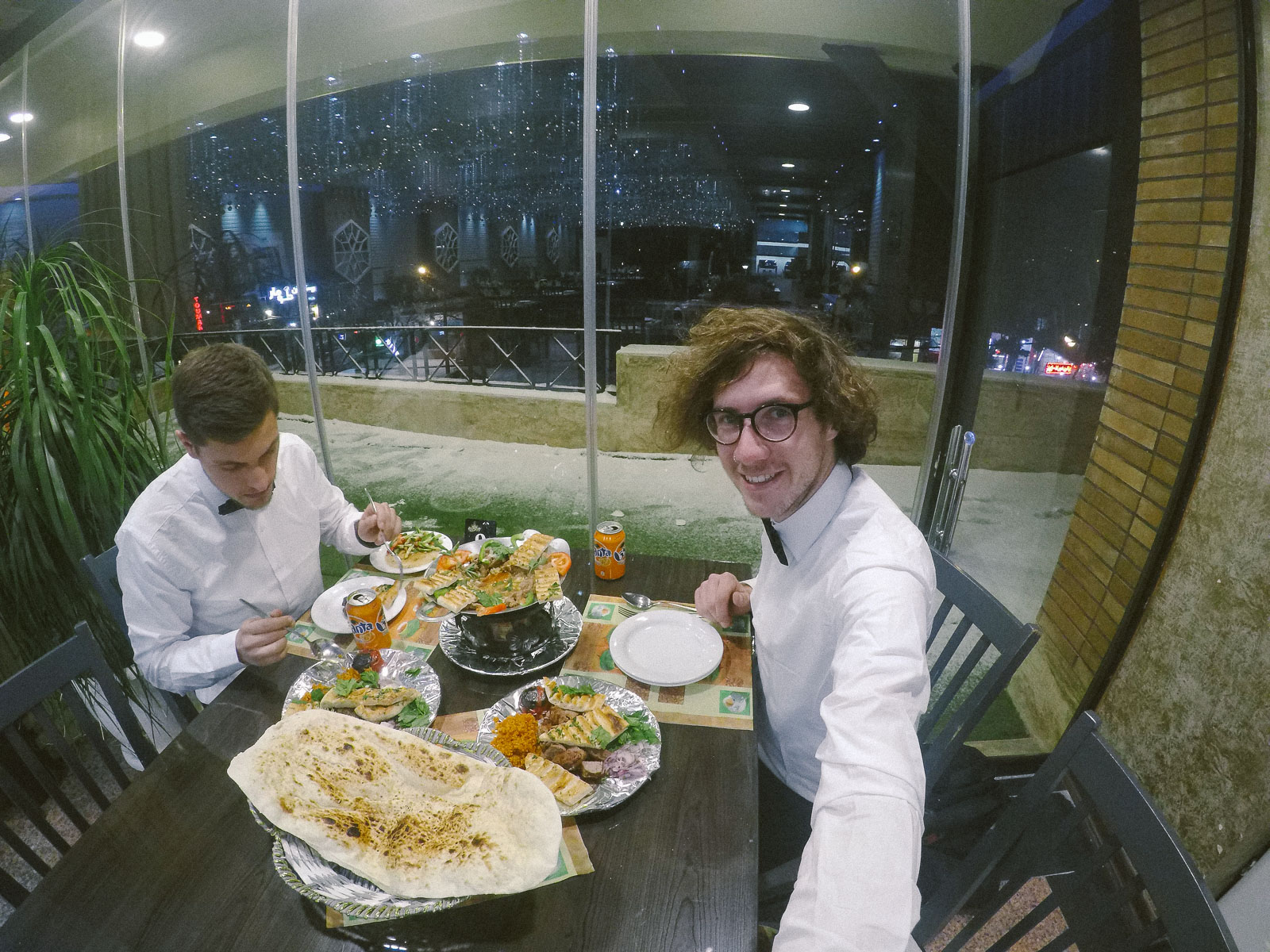
December 25, 2016
We slept in, and at 10:15 we wanted to go to breakfast. There, we were told that breakfast was no longer available. I got a bit annoyed; yesterday they said it was served until 10:30. I went to reception to complain. They told me again that breakfast was only served until 10:00. In the summer, it's 10:30. I went back to my room, feeling offended. Two minutes later, the phone rang, and they told me I would be getting breakfast in my room right away. Now that's something! There was an egg, tomatoes, cucumbers, cream cheese, and a glass of orange juice. Real orange juice! Lennard still wasn't feeling any better. Overnight, a good 15 cm of snow had fallen, so we had to dig our cars out and then drove towards Zanjan. The roads were in bad condition in places and hadn't been cleared. In some sections, it was very slippery. We arrived in Zanjan in the evening. We had a light meal at the "Golden Fork" restaurant. Lennard had soup to settle his stomach, and I had a Caesar salad with chicken and a whole fried flounder with rice. The food was delicious. With drinks, the whole meal cost us €12.50. As usual, the waiter wanted a picture with us; I've already taken what feels like 100 pictures.
December 26, 2016
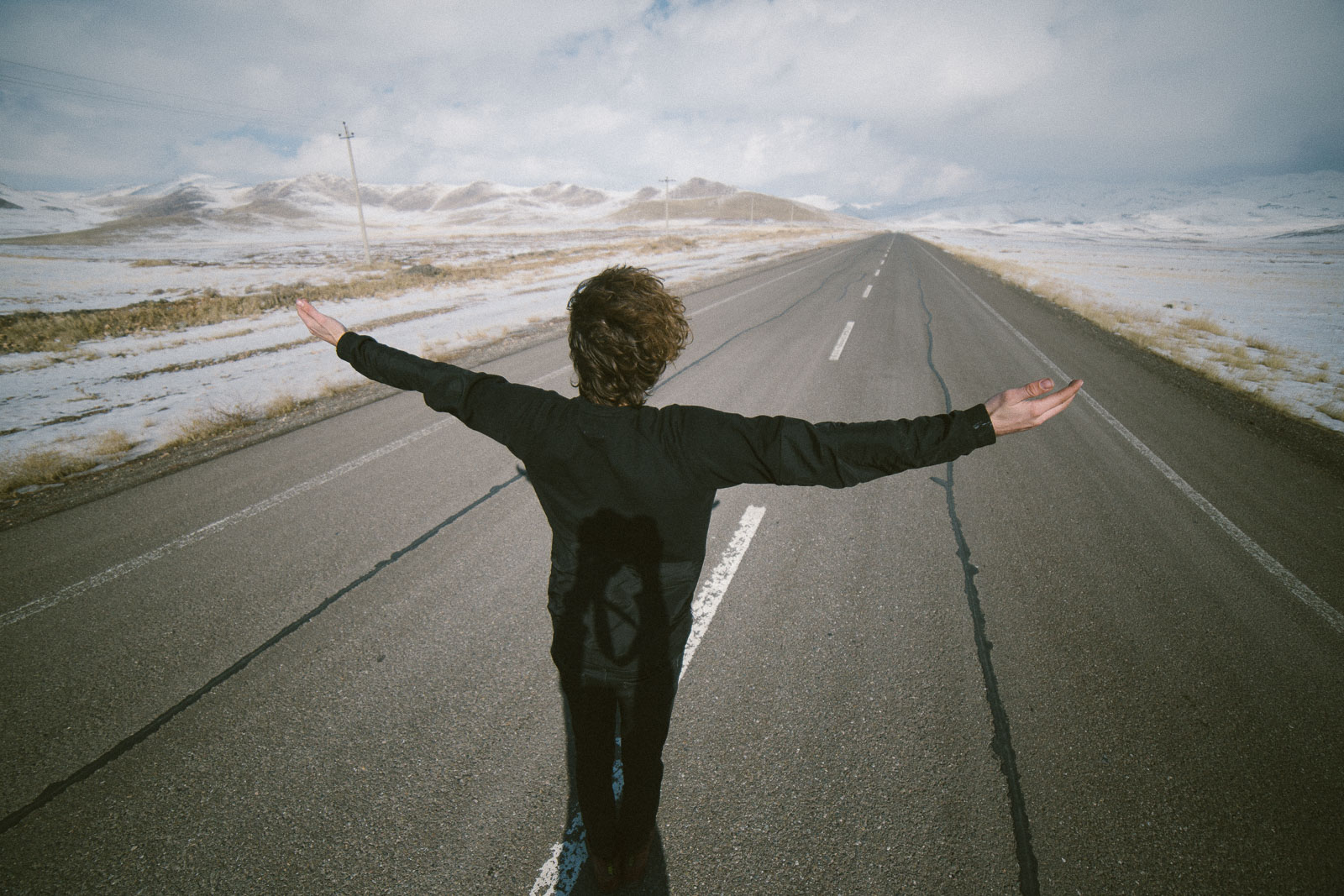
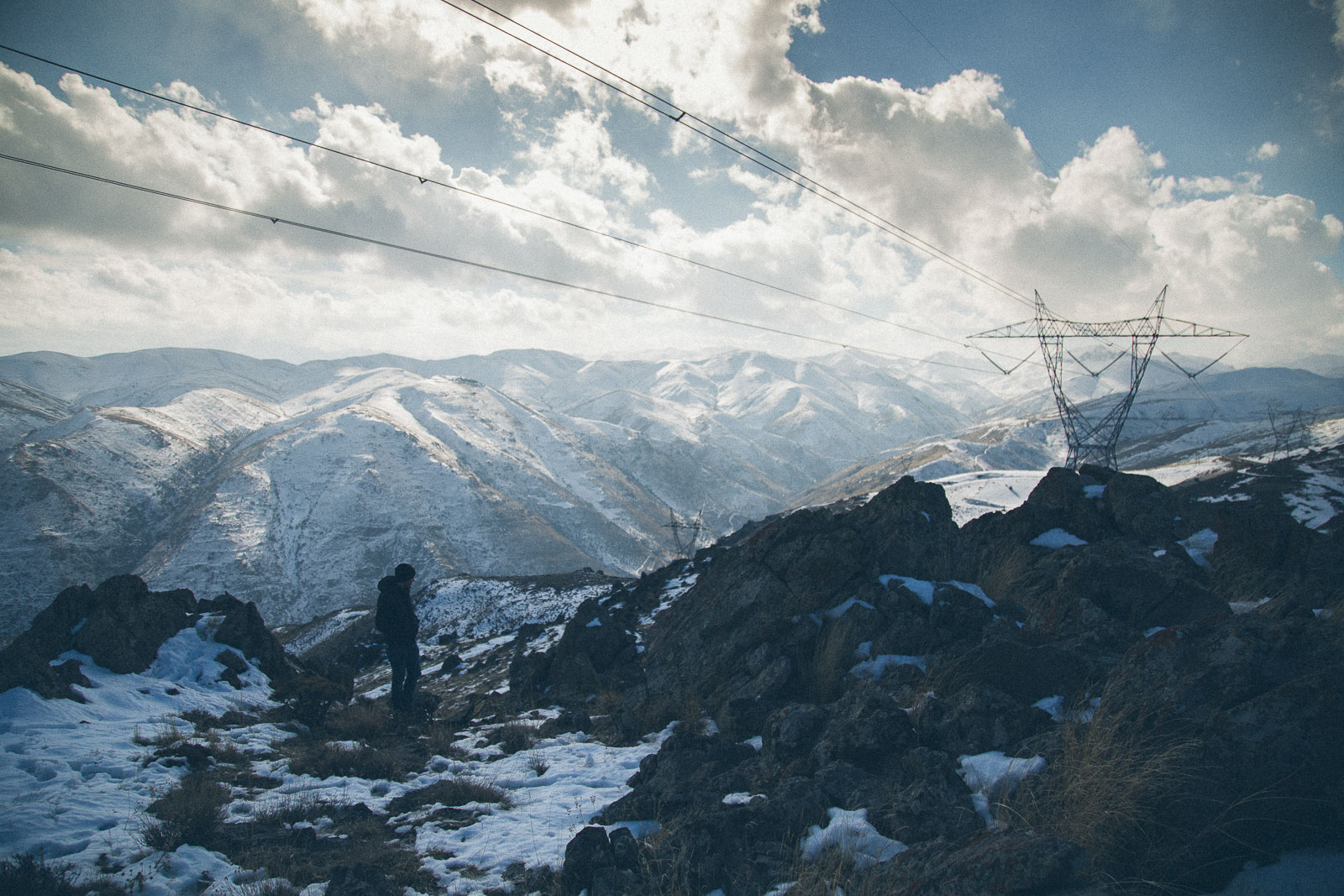
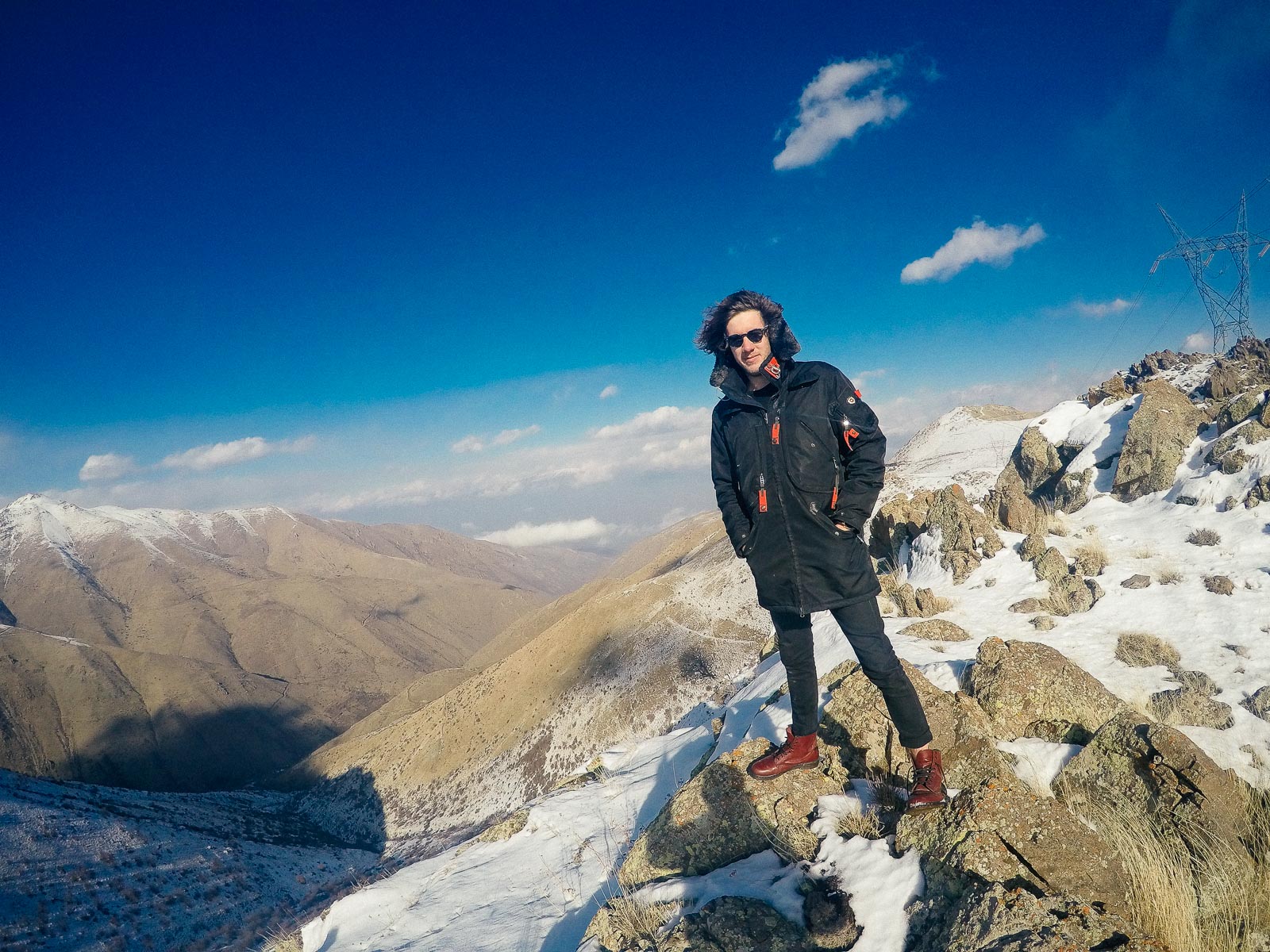
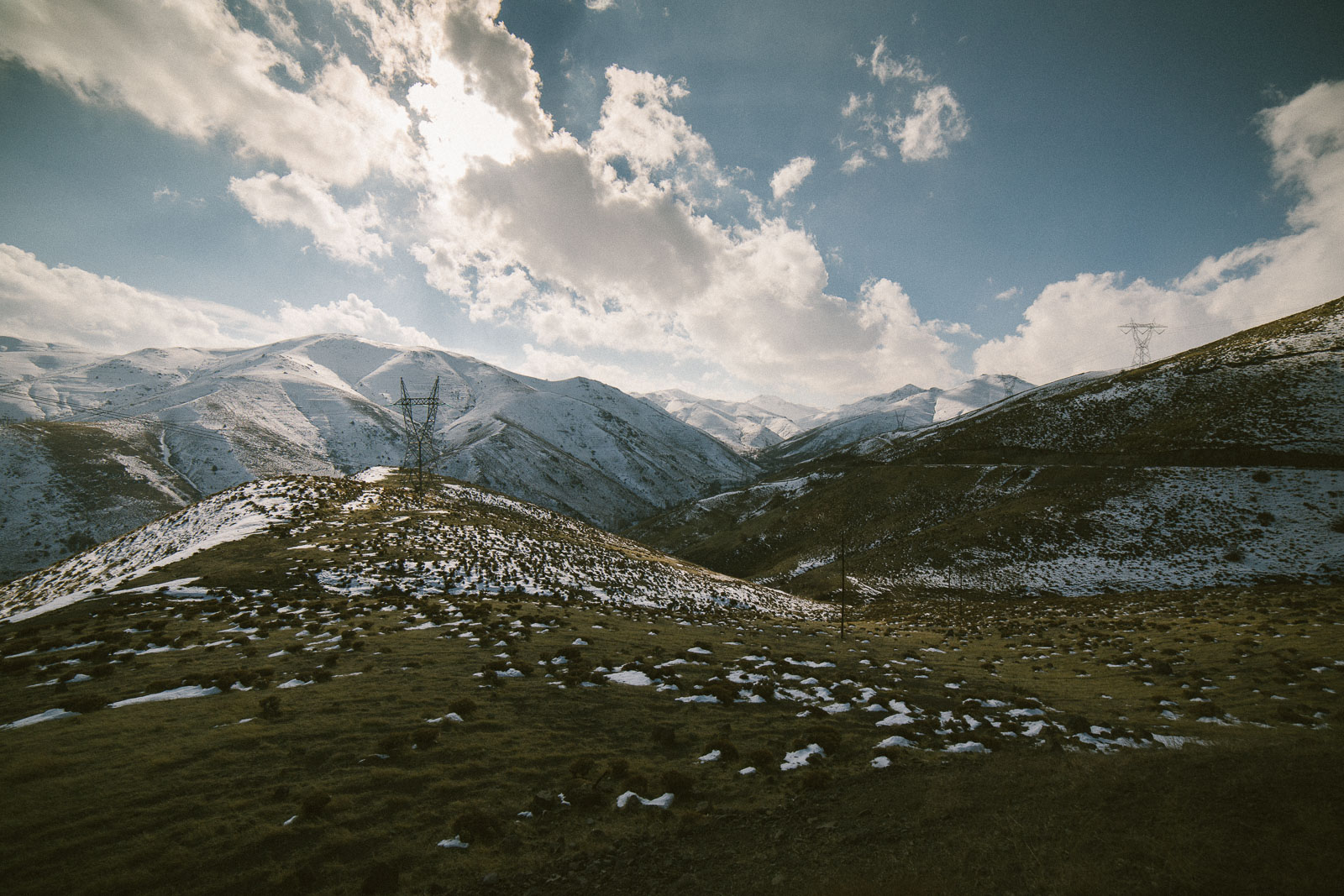
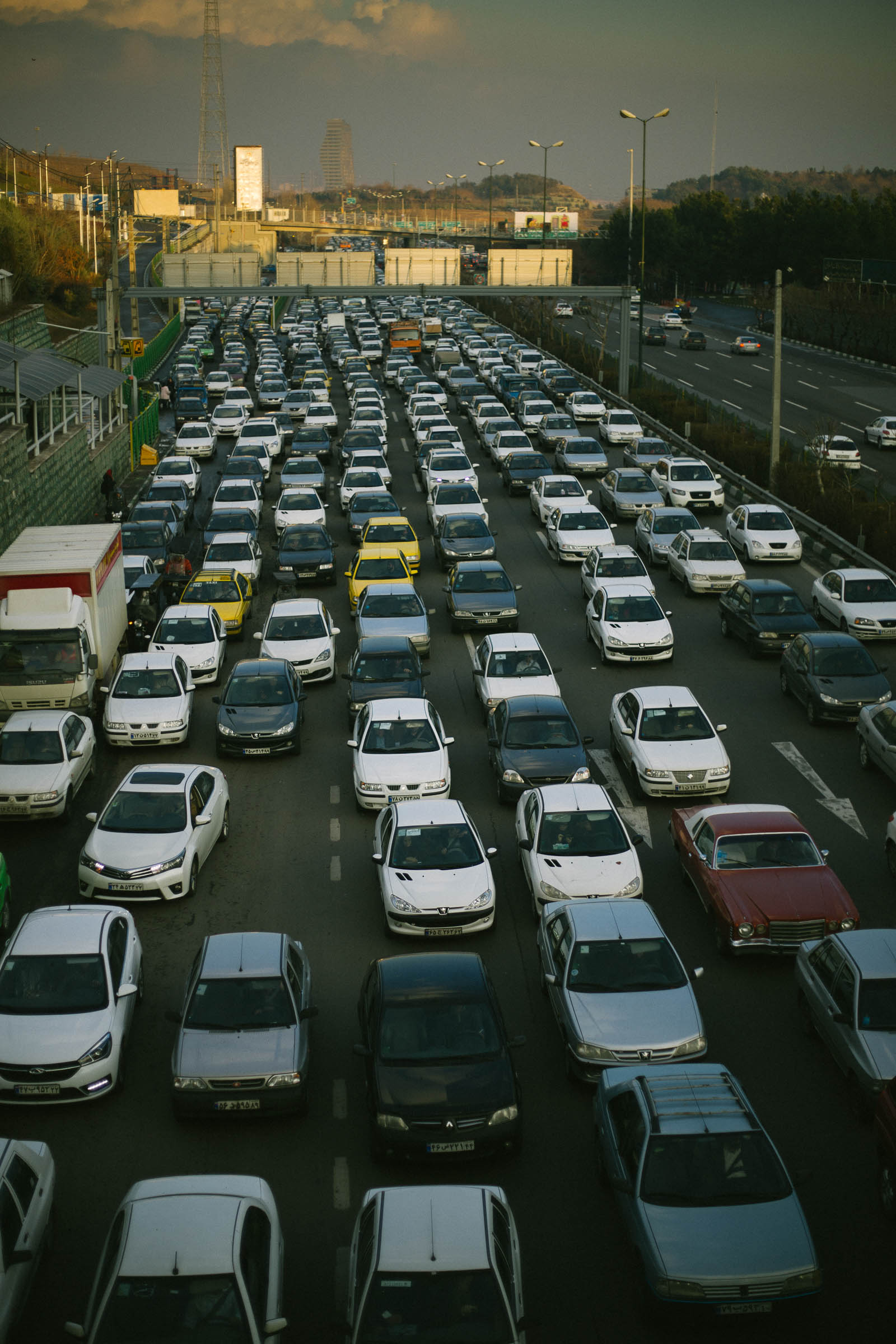
The night was quiet and I slept well, although I completely forgot to lock my car. We wanted to drive to Masuleh today. The route led through the mountains; it's beautiful here. We climbed a small hill to enjoy the view. At midday, we stopped for lunch in a small village. As always, the owner was overjoyed to see us. The meat was displayed in a glass case and didn't look very fresh. Well, I was hungry, so I pointed to the best-looking piece and hoped the heat from the fire would kill any bacteria. I had chicken on a skewer with rice. Was it chicken? There was yogurt with cucumbers and nun (bread) on the side. When it came time to pay, he waved me off. Was this his first time? Just because we were tourists, we were getting the food for free. Something like that would never happen in Germany. We said goodbye, and I put 150,000 rials under the plate. He wouldn't have accepted it otherwise anyway. An hour and a half later, we arrived in Rast. The traffic was horrendous, and we made slow progress. It seems like traffic rules don't apply. In Iran, there are 16,000 traffic fatalities every year—compared to about 3,000 in Germany. I bought some rolls and tangerines in a small supermarket. We had found a great spot, quiet and dark. I was already in bed when about five people were standing around the cars. Police. I gave them my passport and briefly opened all the doors. They searched my car a little, more out of curiosity than anything else. I was pretty annoyed because I just wanted to sleep, but the police preferred to make small talk with us tourists. None of them spoke English. After much back and forth, she said they would take us to a safe place to sleep. We drove for 20 minutes through the city; the "safe" spot was right next to a busy road. I was furious and made it clear that I absolutely would not sleep there. He held out his cell phone to me. "It'll be quiet in an hour," he said. Not even five minutes after they left, another police officer arrived and told us they would take us to a quiet place. We drove for another 15 minutes through the city and actually arrived at a quiet spot. It was a campground. We made it clear that we didn't want to pay and that we usually sleep on the street for free. In the end, they let us stay and didn't have to pay anything.
December 27, 2016
We were ready to leave at 11. On the way to the Caspian Sea, I bought new floor mats. He even cut them to size for me. 10 euros. They were desperately needed; the old ones had large holes, and the floor inside was damp. The weather still hasn't improved, unfortunately. Wet, gray, and cloudy. We had originally planned to go to Masuleh, but I didn't feel like it in these conditions. Over lunch at a very tasty restaurant, I decided to drive straight to Tehran. This time, we didn't order with Google Translate; we were served directly by the owner. The waiter didn't speak English. The food was delicious; as usual, there was grilled chicken and kebab with rice, salad, and a very tasty mint and salt paste for the cucumbers. The owner proudly explained that you can only get it here at the Caspian Sea. The whole meal cost 490,000 rials, which is 11 euros. Tehran was still about 360km / 5 hours away – we took a short power nap along the way. We were simply too tired. About 70km before Tehran, the traffic became heavier and we were backed up. It rained heavily the entire way. While stuck in the traffic jam, I spotted vendors again, just like in Turkey. We definitely need that in Germany too. At 9pm, I arrived at my Couchsurfing host Behrouz's place, a funny guy with a mustache. He's a German teacher and insists that we only speak German. A small surprise awaited me at his apartment: there were five other Couchsurfers there. Hannes and Anita, who are backpacking through Iran for two weeks. Samu, whom I already knew from the WhatsApp group. Unfortunately, he didn't get a visa for Pakistan and is now flying to India. And then there are David and Evelin, an Austrian couple who are traveling to Australia by motorcycle. However, they've been stuck in Tehran for three months already due to repairs and an accident. Behrouz took them in. A fun group. We exchanged stories about our travels and future destinations. In the evenings, we all ate together. There are two rooms – Hannes and Anita sleep in one, the four of us in the other on the floor. Lennard also found a host in Tehran. He's staying there for a few days.
December 28, 2016
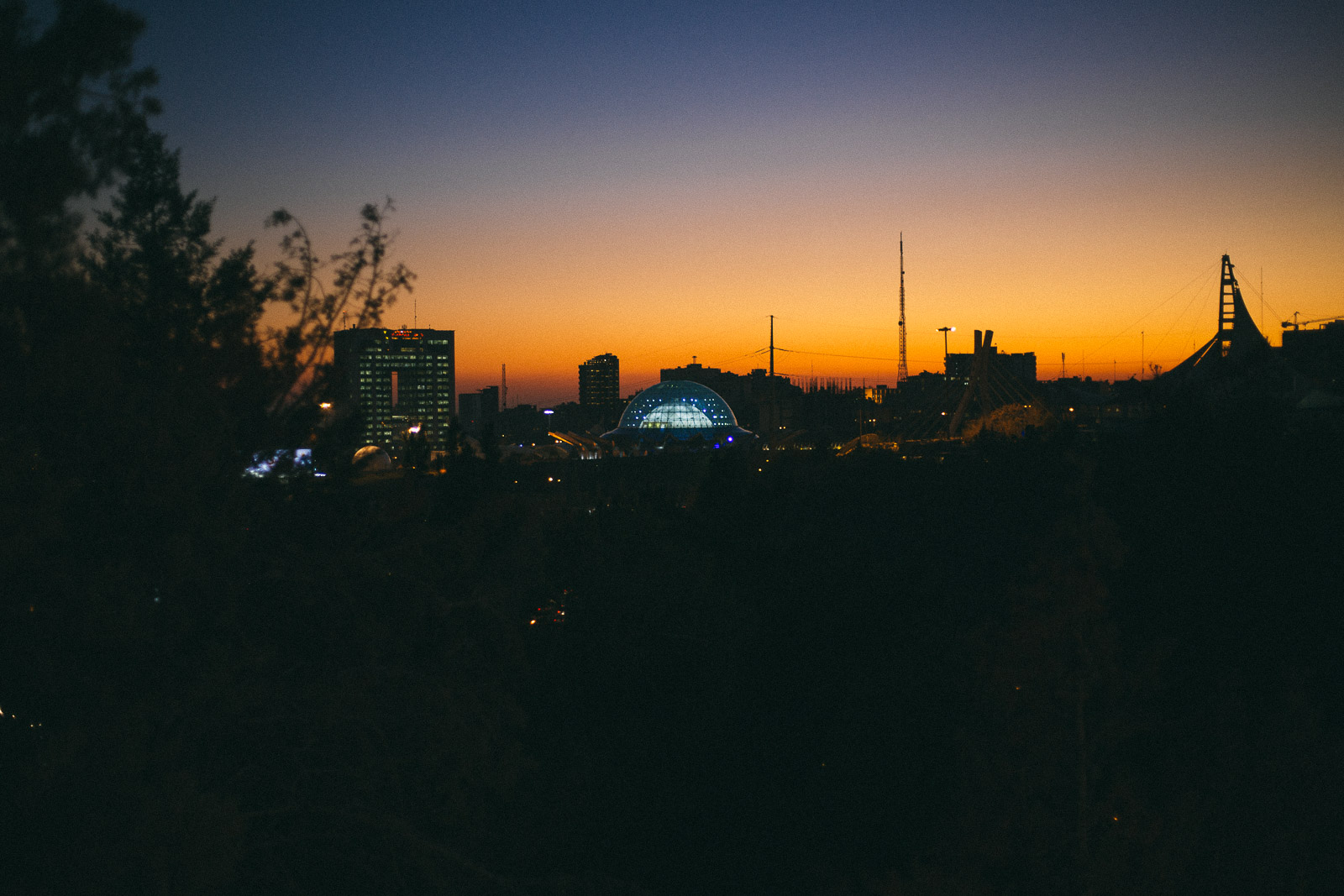
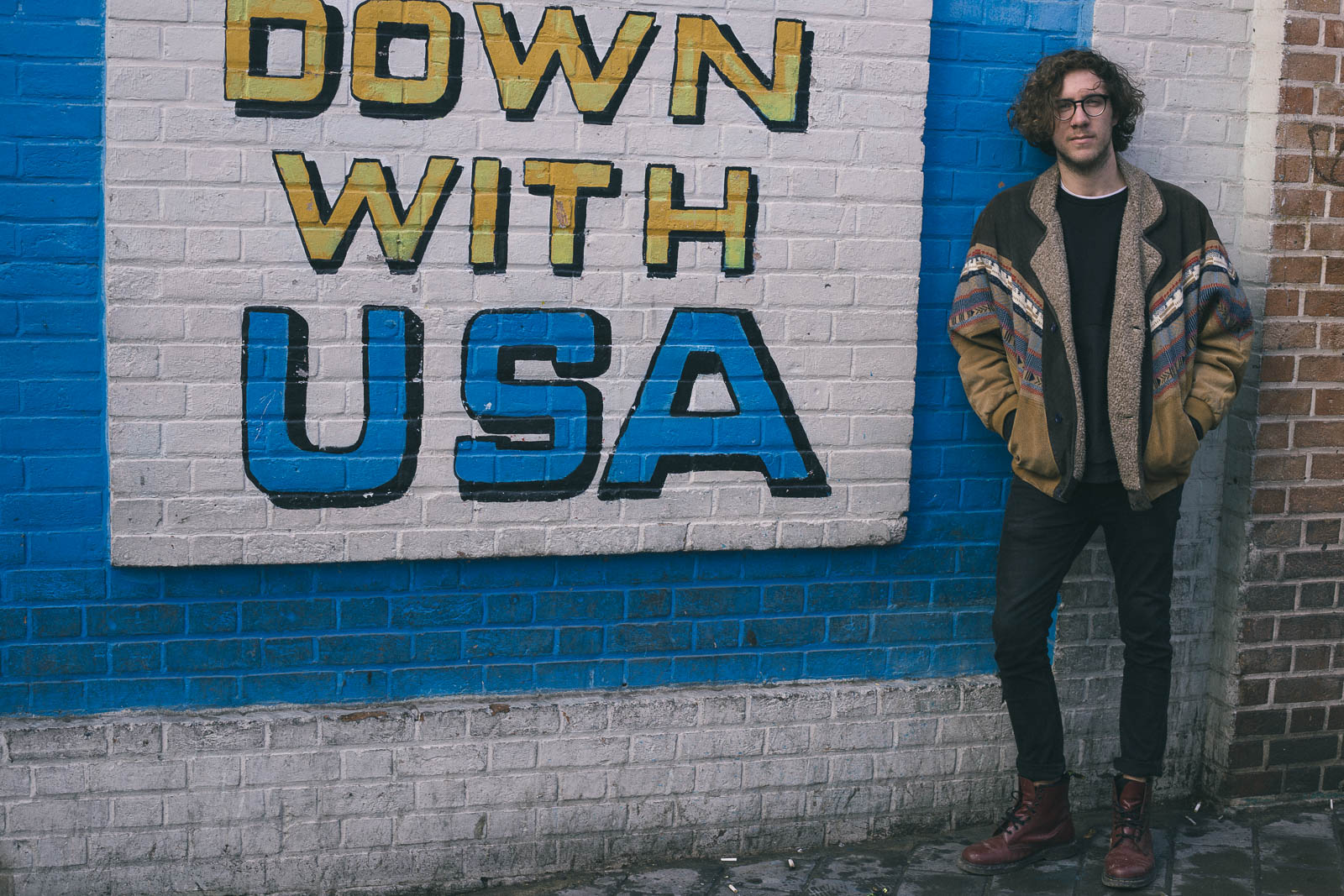
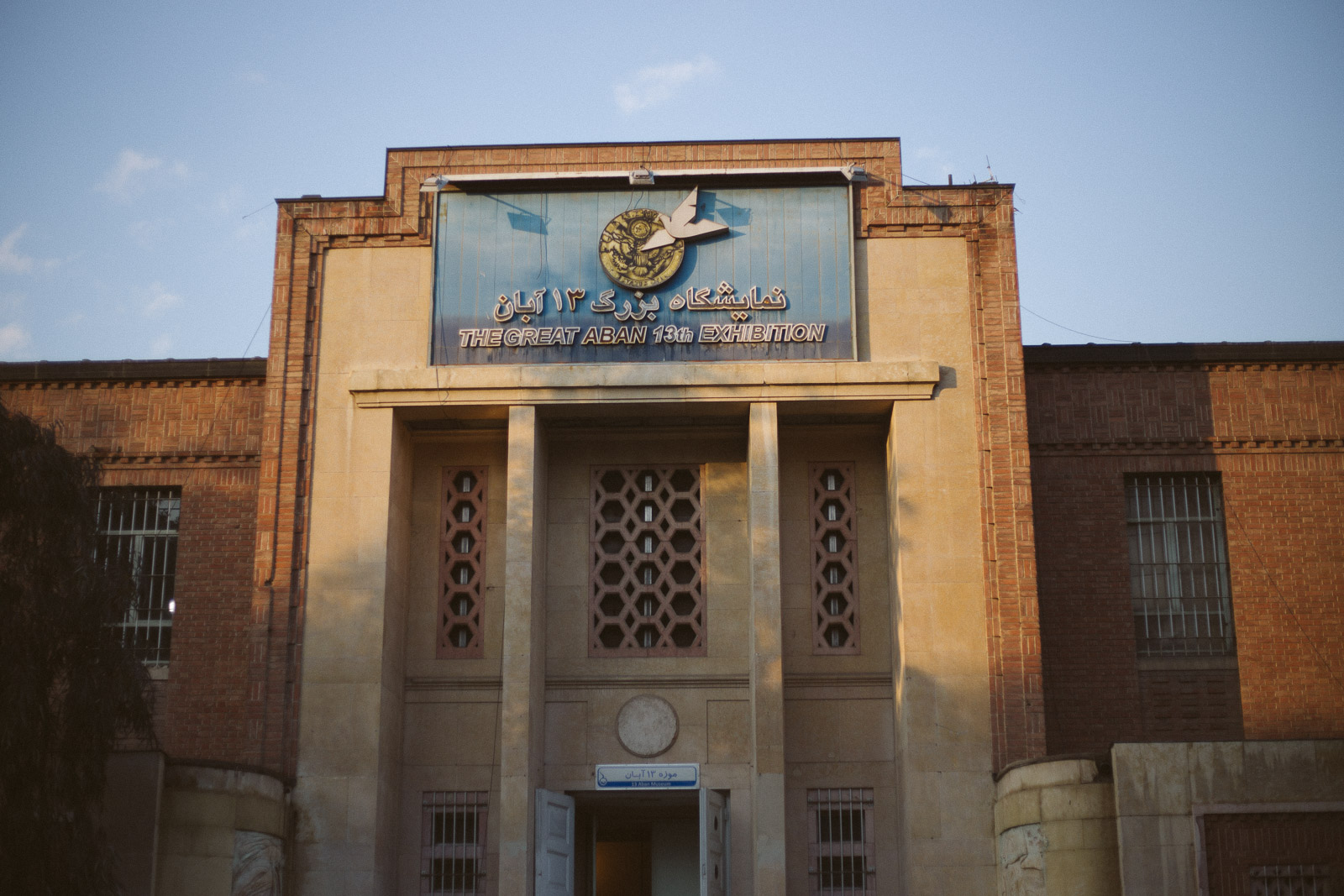
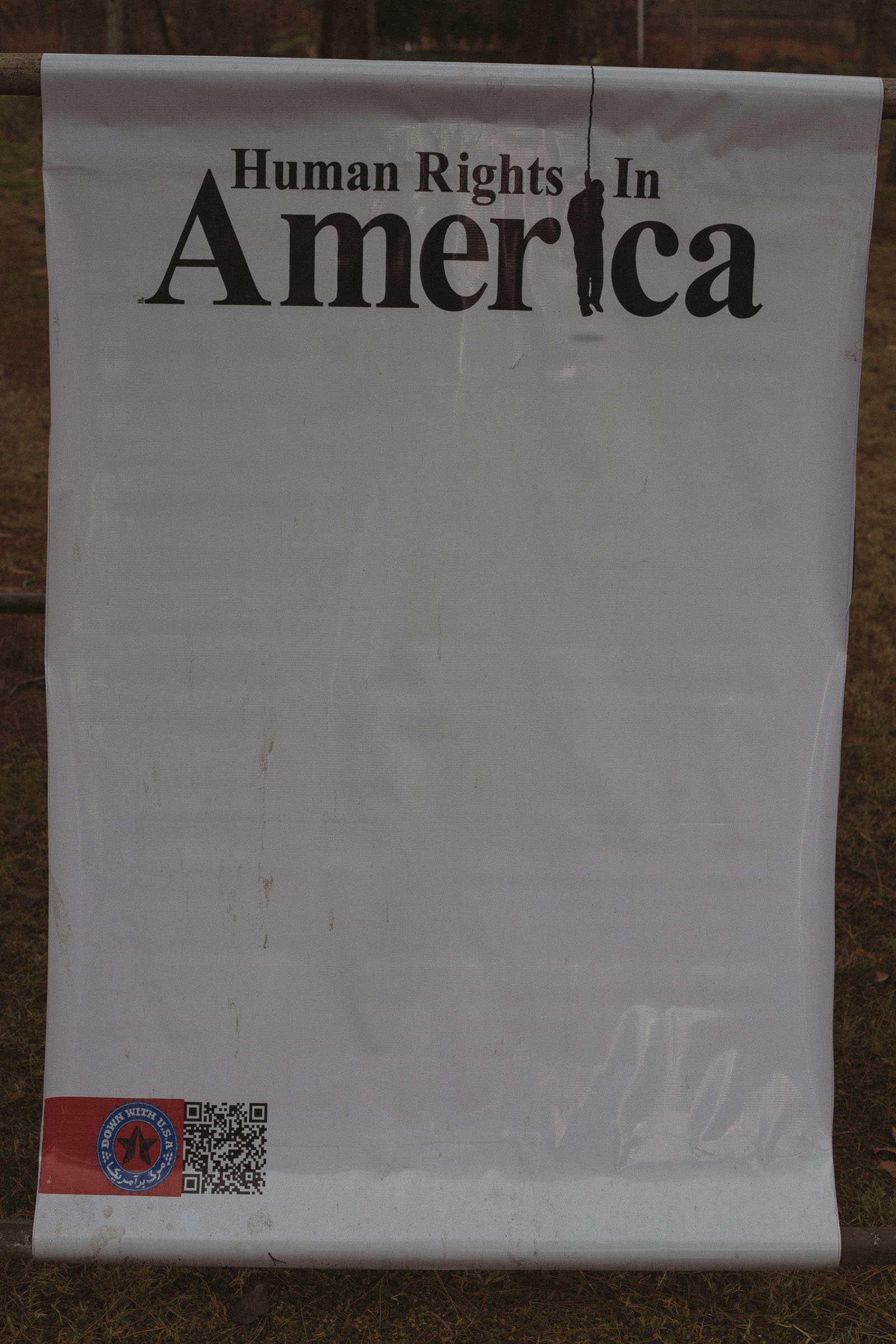
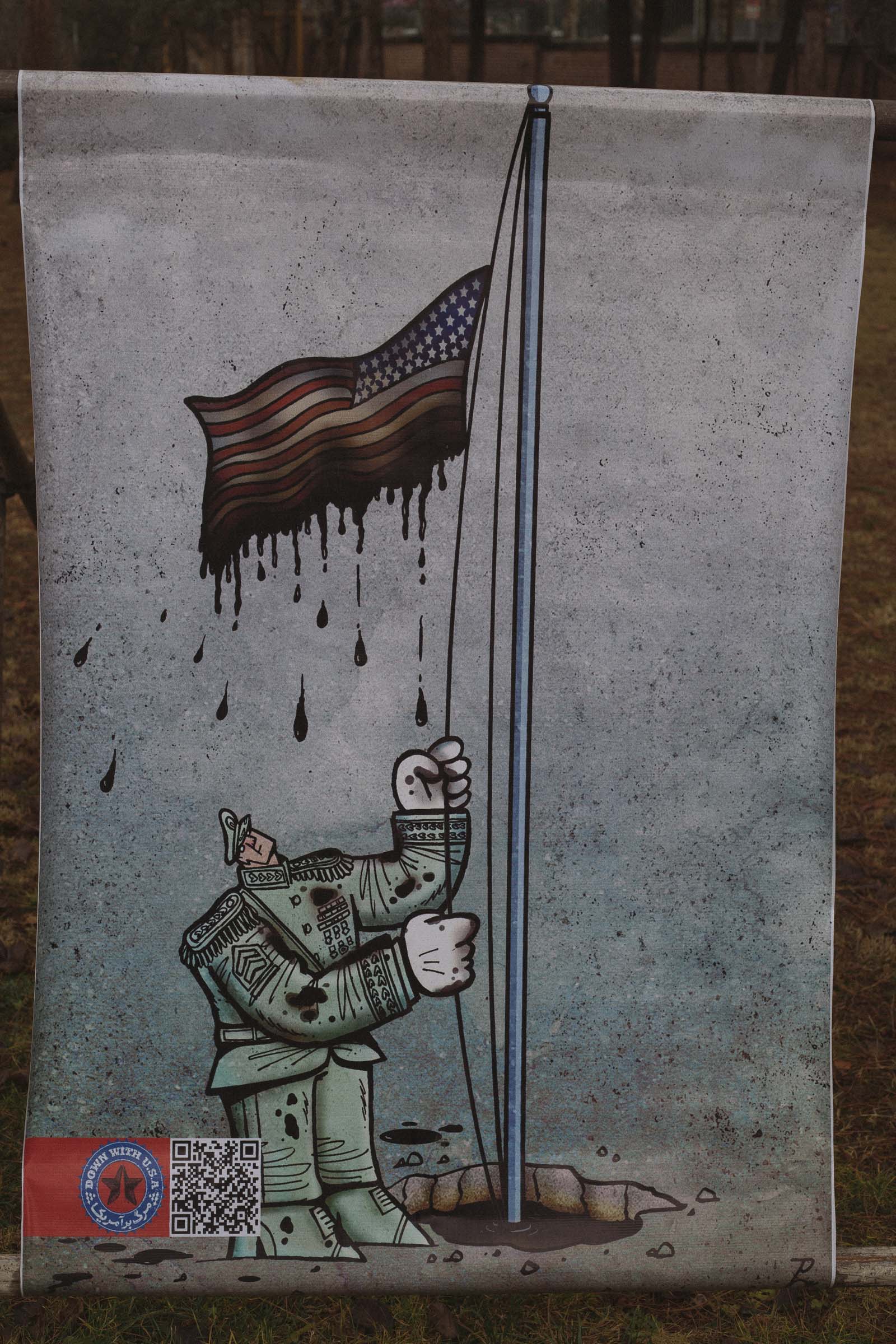
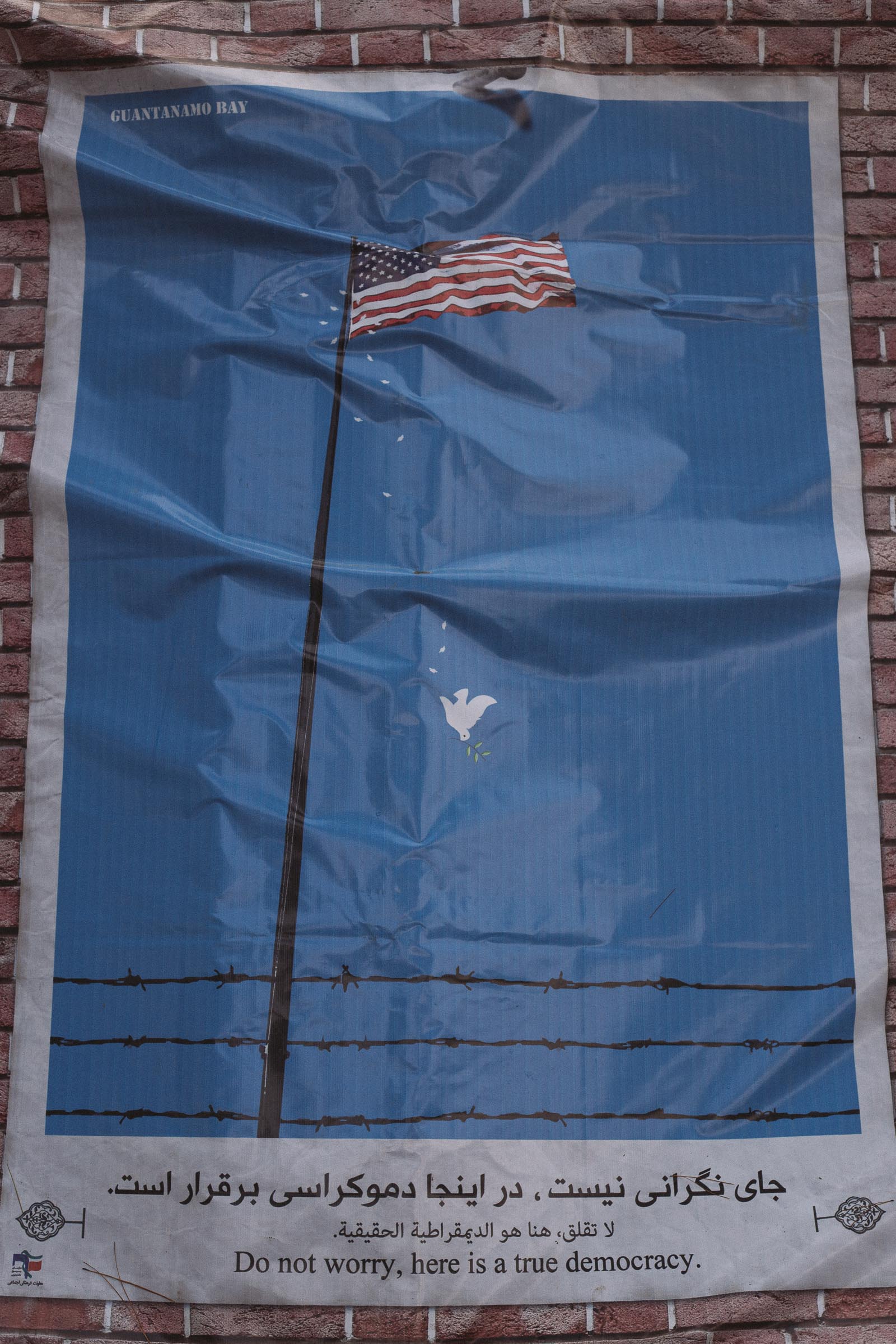
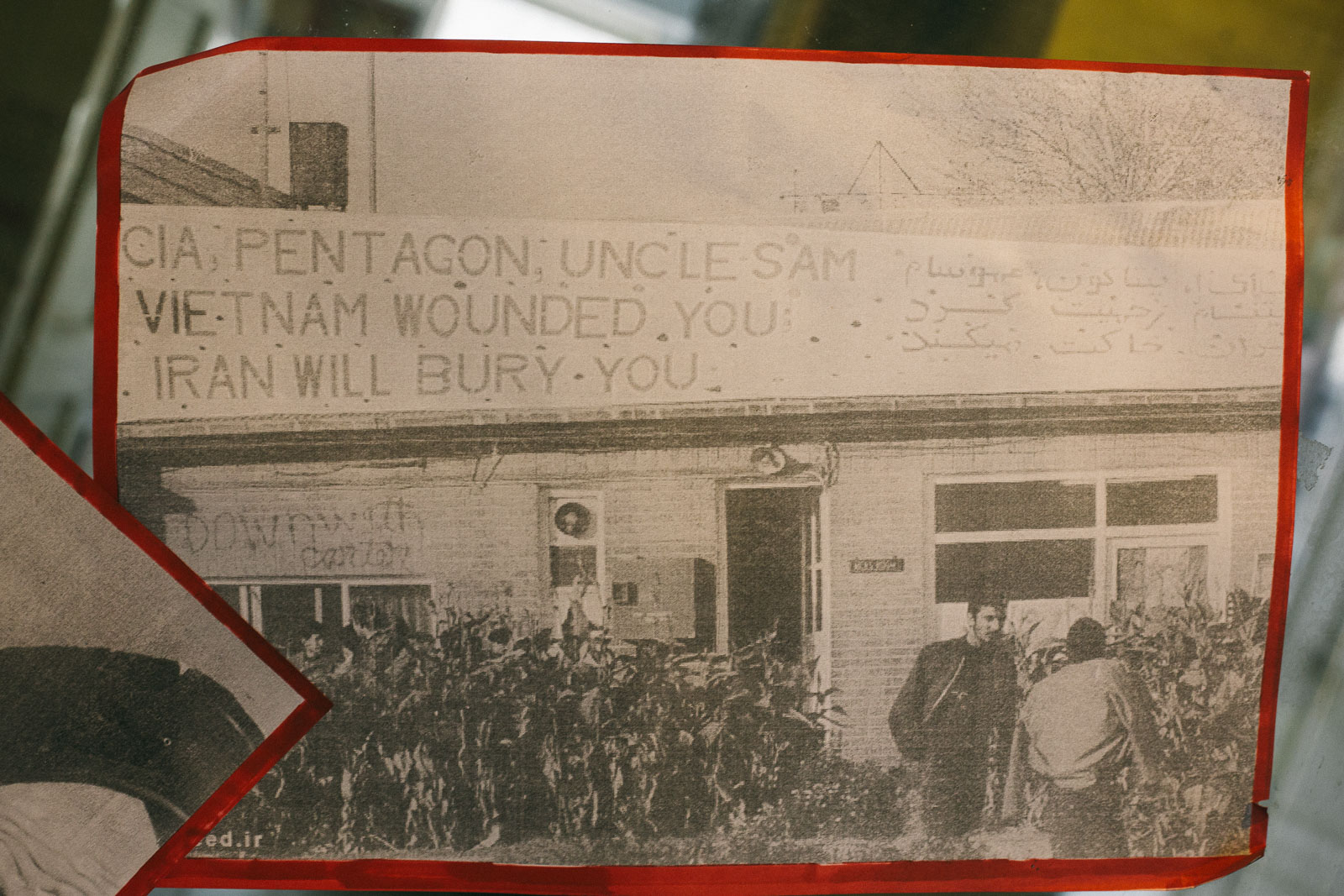
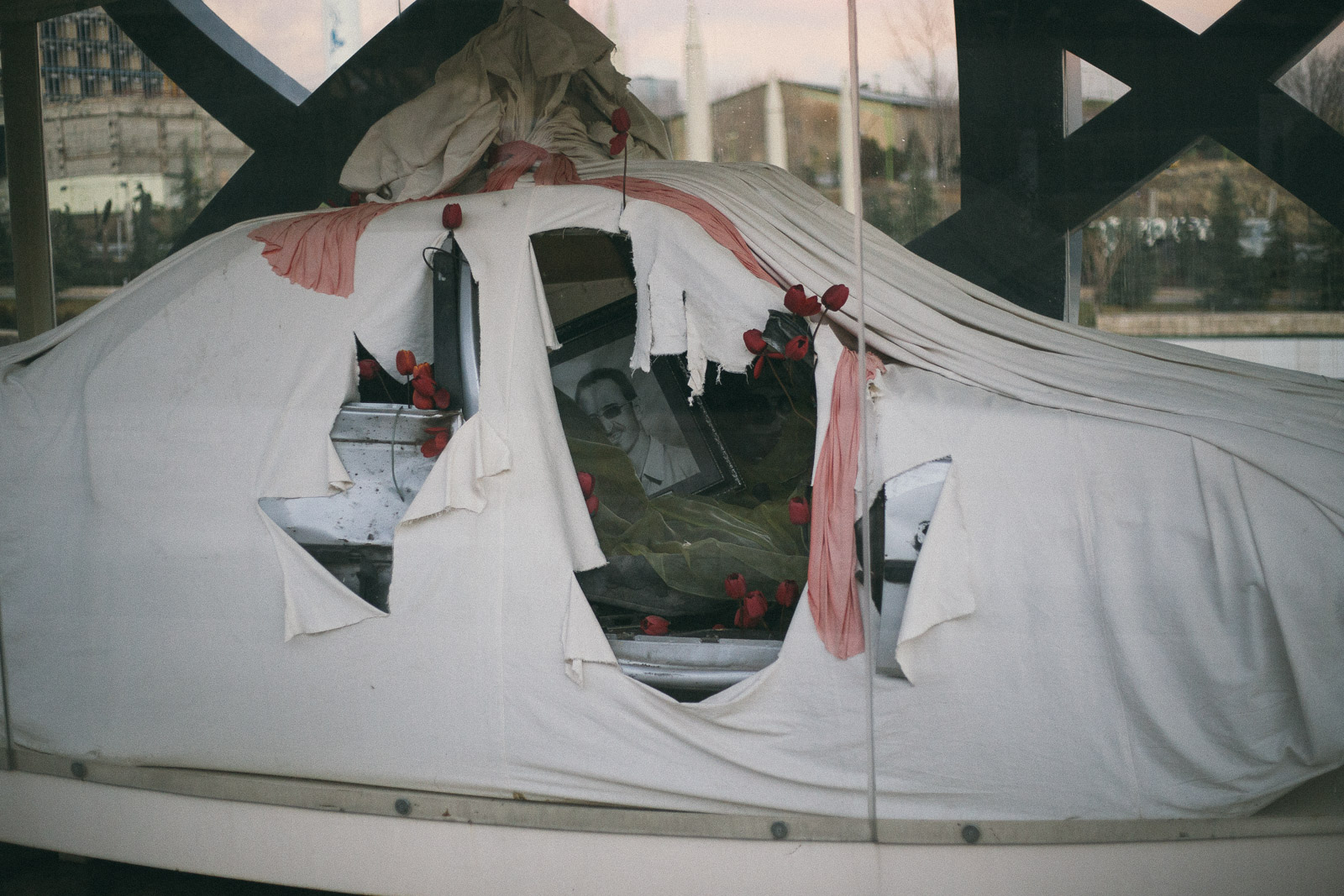
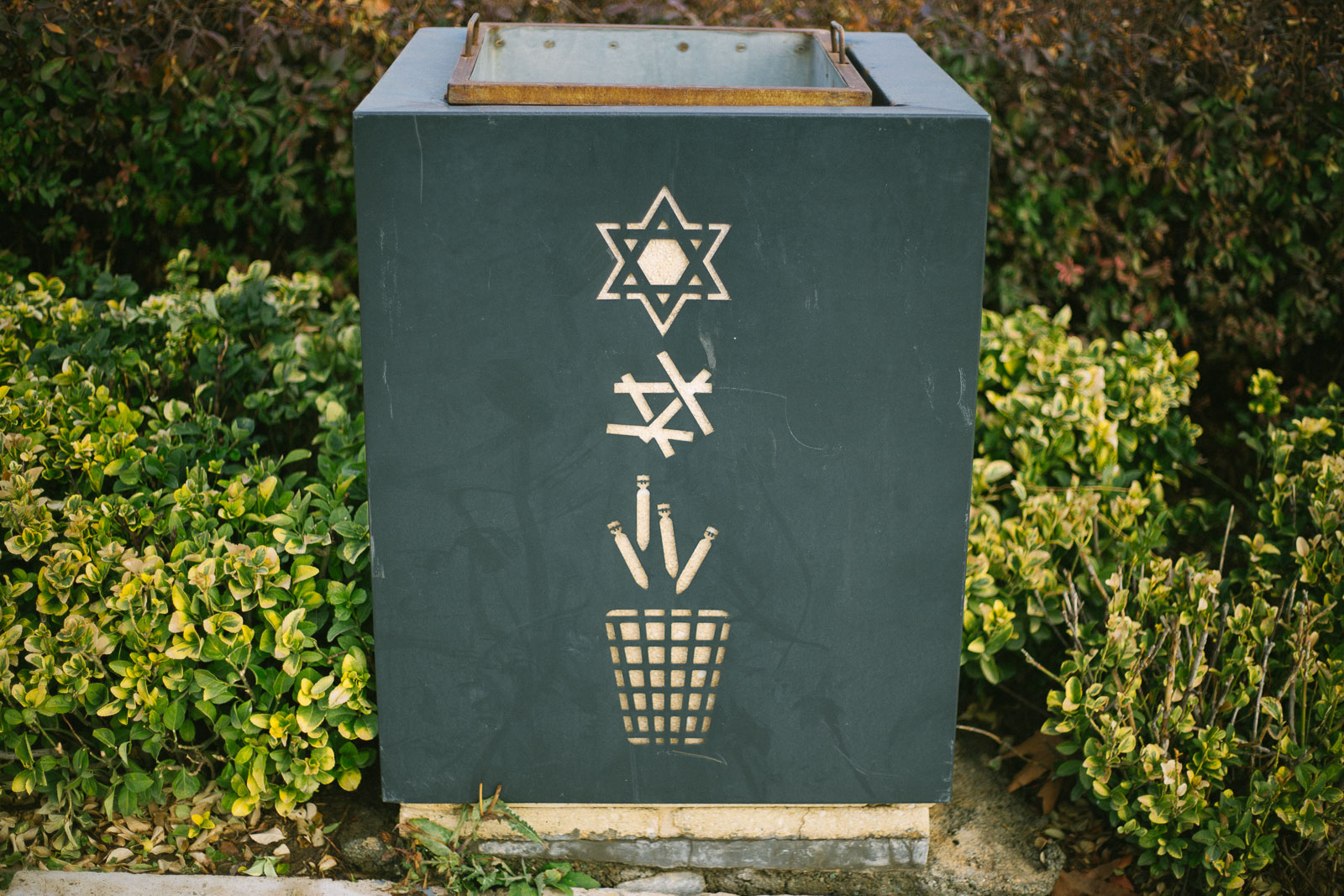
David and Evelin got up at 9 a.m., and I slowly woke up too. Behrouz showed us around Tehran today. In Iran, all the shops that sell the same things are always on one street. So there's one street with only bookstores, another with only cell phone and computer shops—it's a very clever system. If you're looking for something, you don't even have to run all over the city. He showed us a park where many gay men and male prostitutes hang out in the summer. Homosexuality is illegal in Iran and punishable by flogging. The place is also known as a drug dealing spot. The police tolerate it; the laws aren't strictly enforced, he said. But if you're unlucky, they'll make an example of you. You're playing with your life here, which is quite different from spending a few years in prison. Then we visited what I consider my favorite place today: the American Embassy—the embassy is now a museum that reflects the government's hatred of America. The most famous graffiti in the city is probably the slogan "Down with America." Many posters are displayed in front of the embassy – one shows Obama dressed as a terrorist. The interior of the embassy is almost exactly as it was 50 years ago when it was stormed. There's no entrance fee, and you can get a guide if you want. Our guide was Reza, a very nice 25-year-old Iranian who spoke excellent English. I chatted with him for a while; he wants to emigrate to Germany to study and work. Many young people here aspire to live in a more developed country. The embassy was very interesting, and we spent a lot of time there. We then took the metro to the Military Museum, which offers a fantastic view of the mountains surrounding Tehran. In front of the museum is a memorial to the victims of suicide bombings; the cars in which they died are wrapped in white sheets. Inside each car is a picture of the deceased. Afterward, we walked through an architecturally very cool... I walked across the bridge; it was almost dark, but I had a great view over the city and all the traffic. So many cars! I couldn't live here; it would be too much for me. Most electronics are very cheap because the tax is only 9% and the shipping routes from China aren't that long. I headed home to Behrouz. At the photo shop, a nice Iranian man called me a Snapp (like Uber). For €2.50, I took a 30-minute taxi ride. In the WhatsApp group, I met Marc. He's traveling through Iran, and his Couchsurfing host wants to hike with him in the Tochal Mountains tomorrow. He asked if I wanted to come along, and I agreed. We're meeting tomorrow morning at 10:00 AM.
December 29, 2016
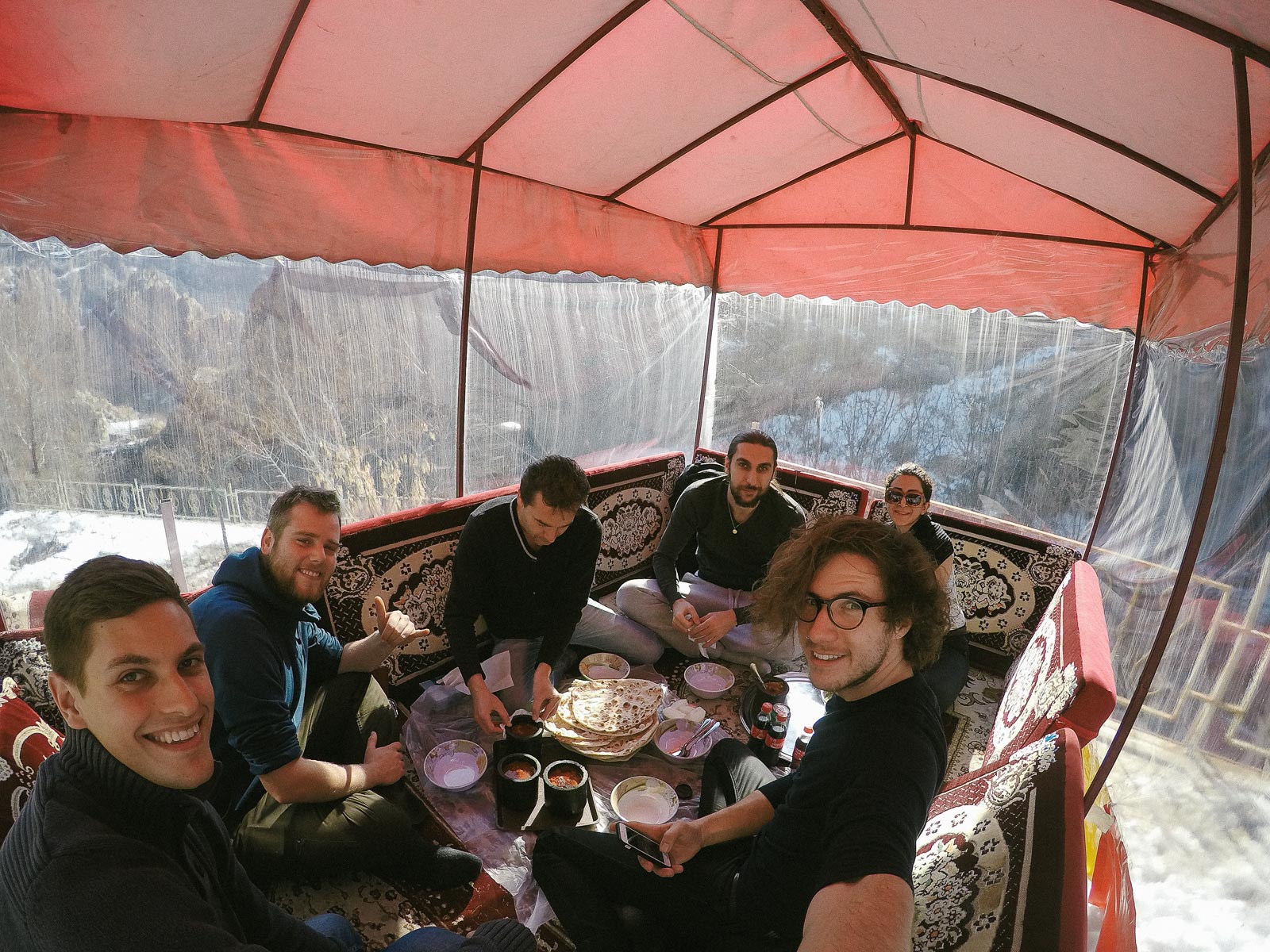
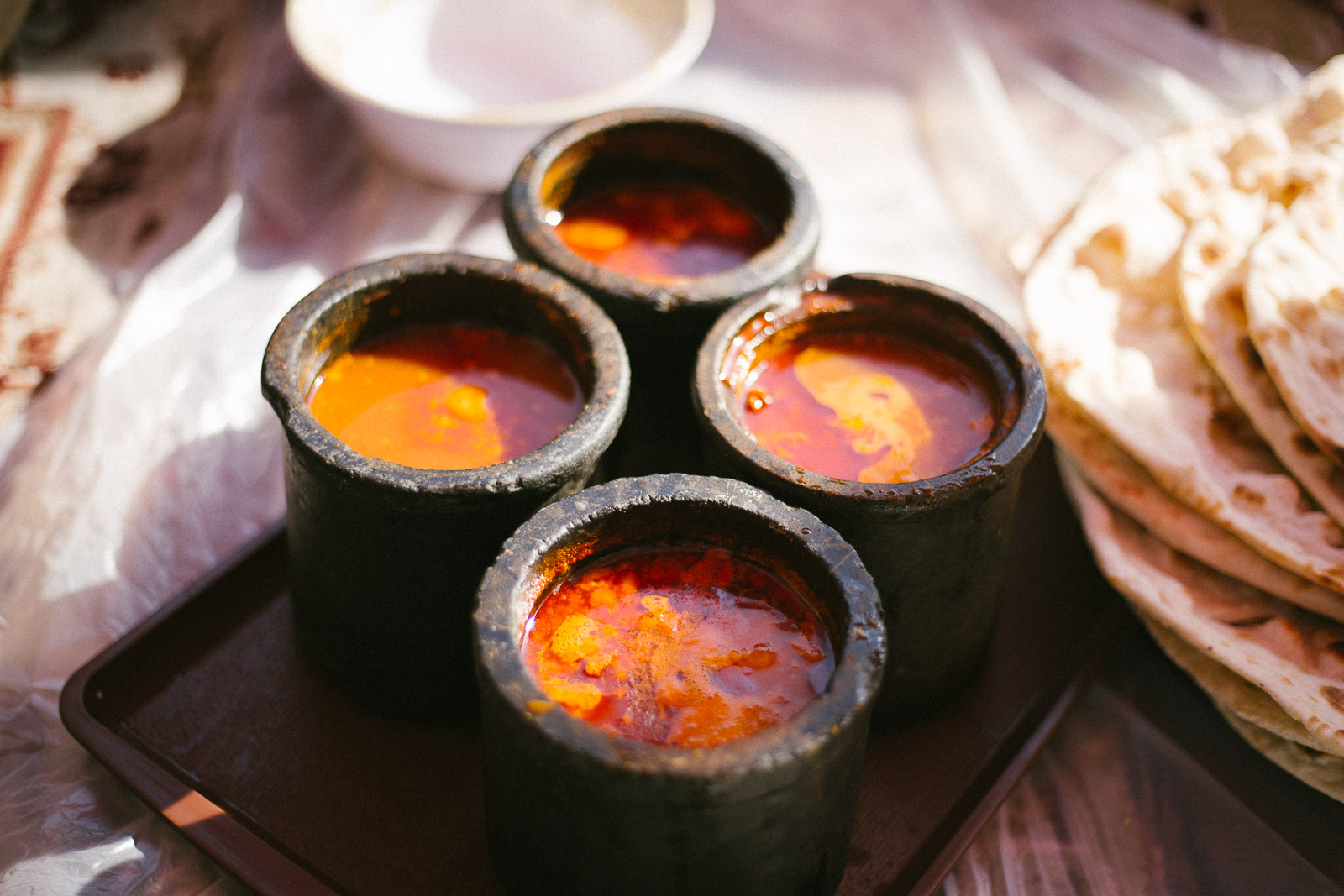
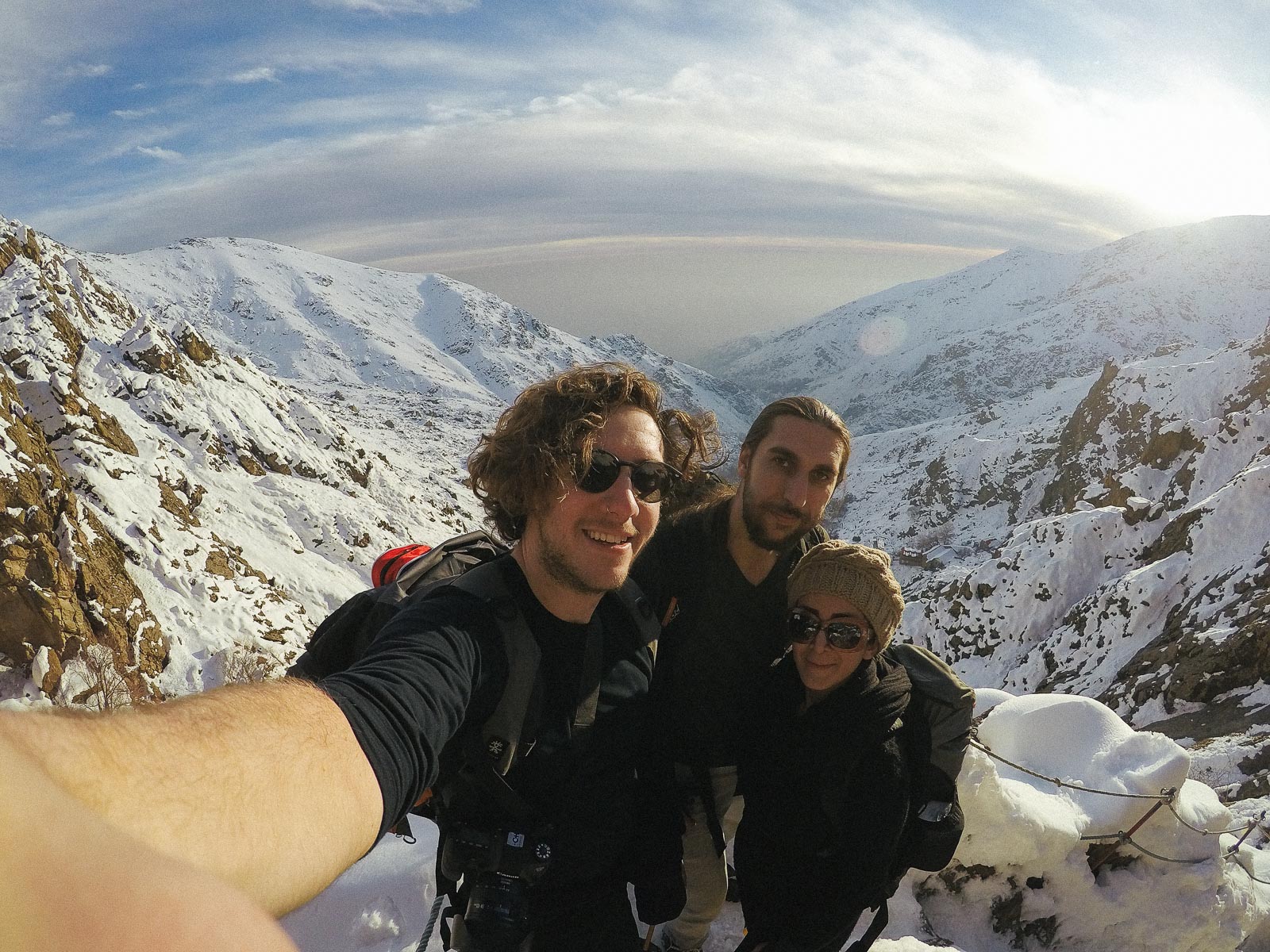
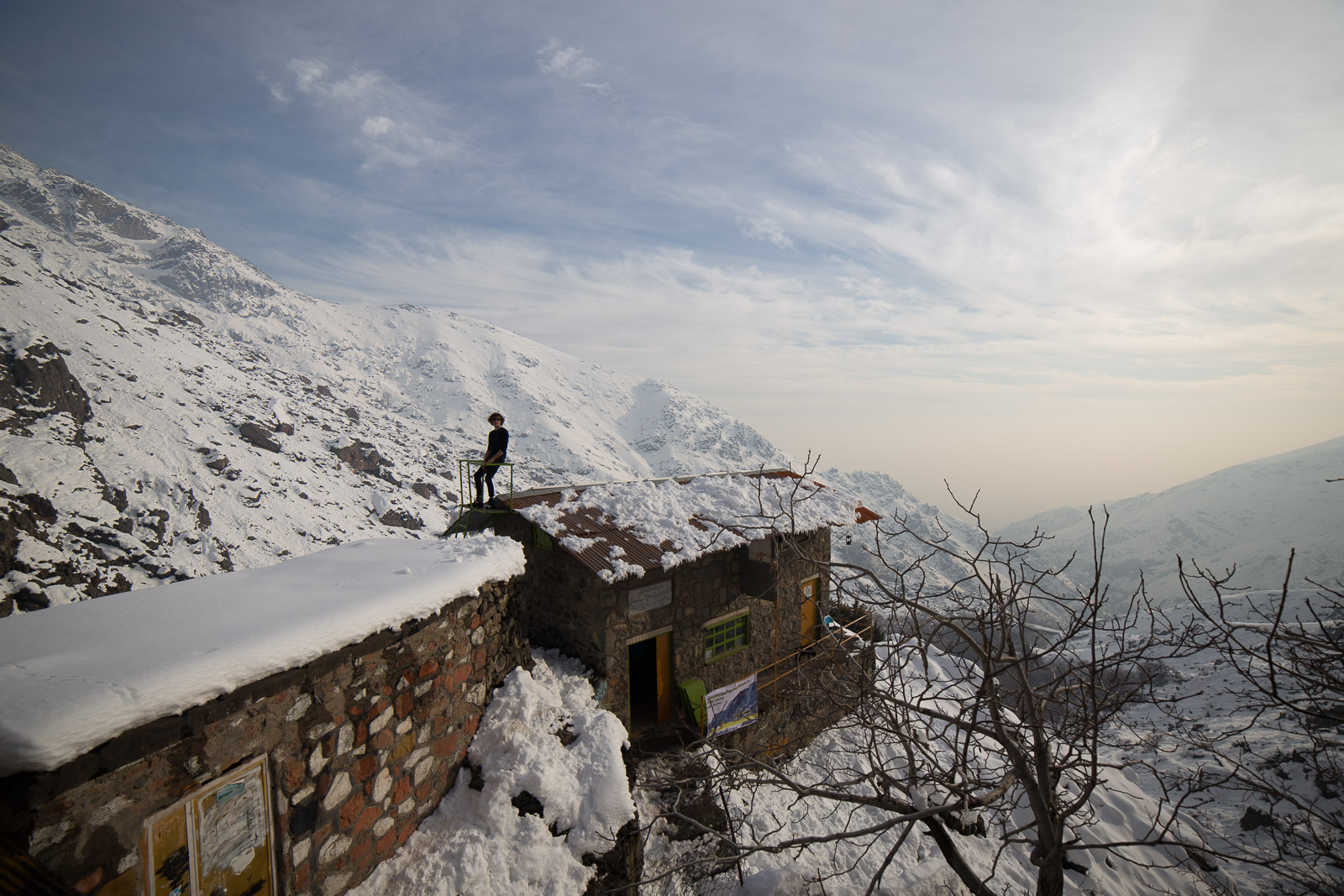
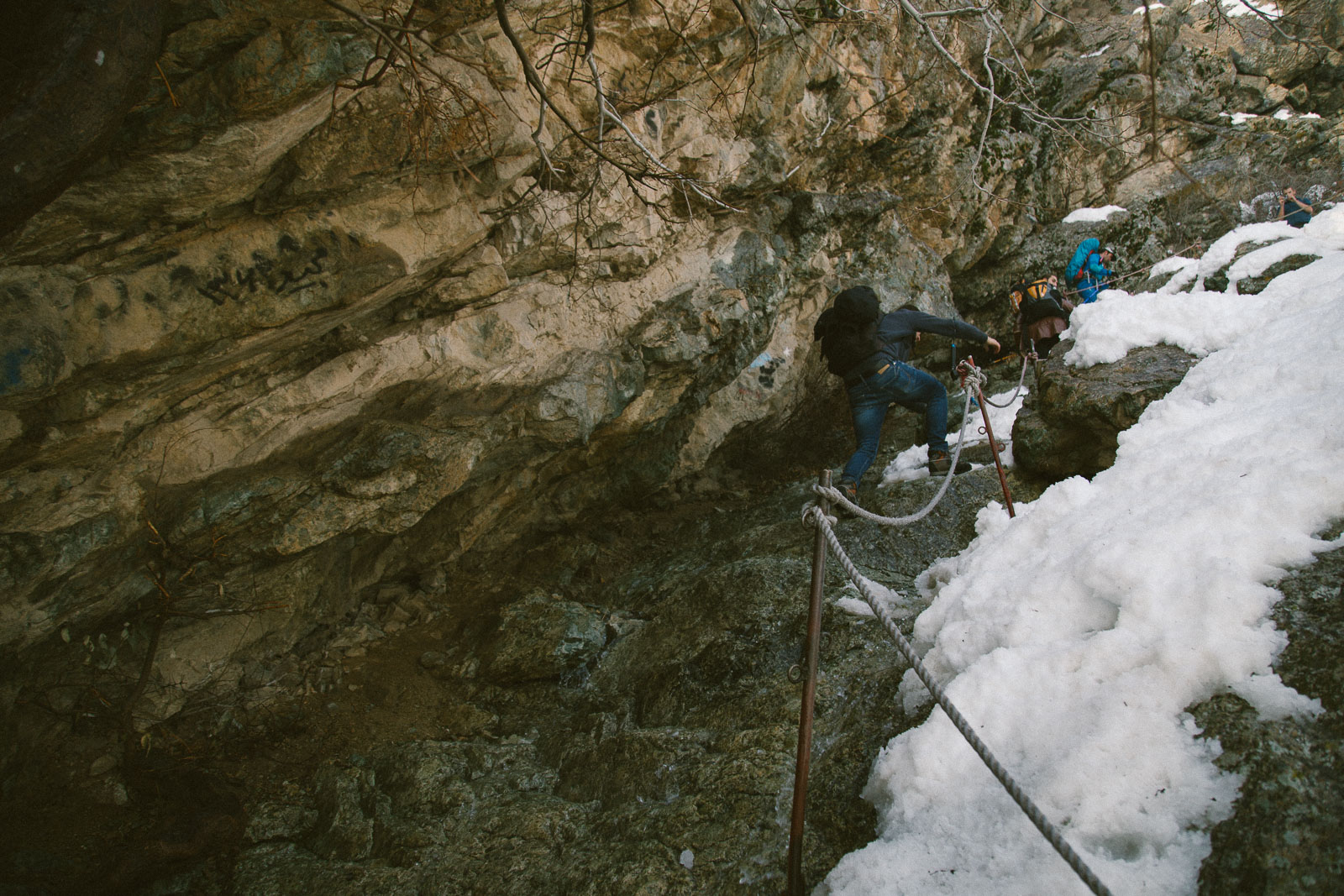
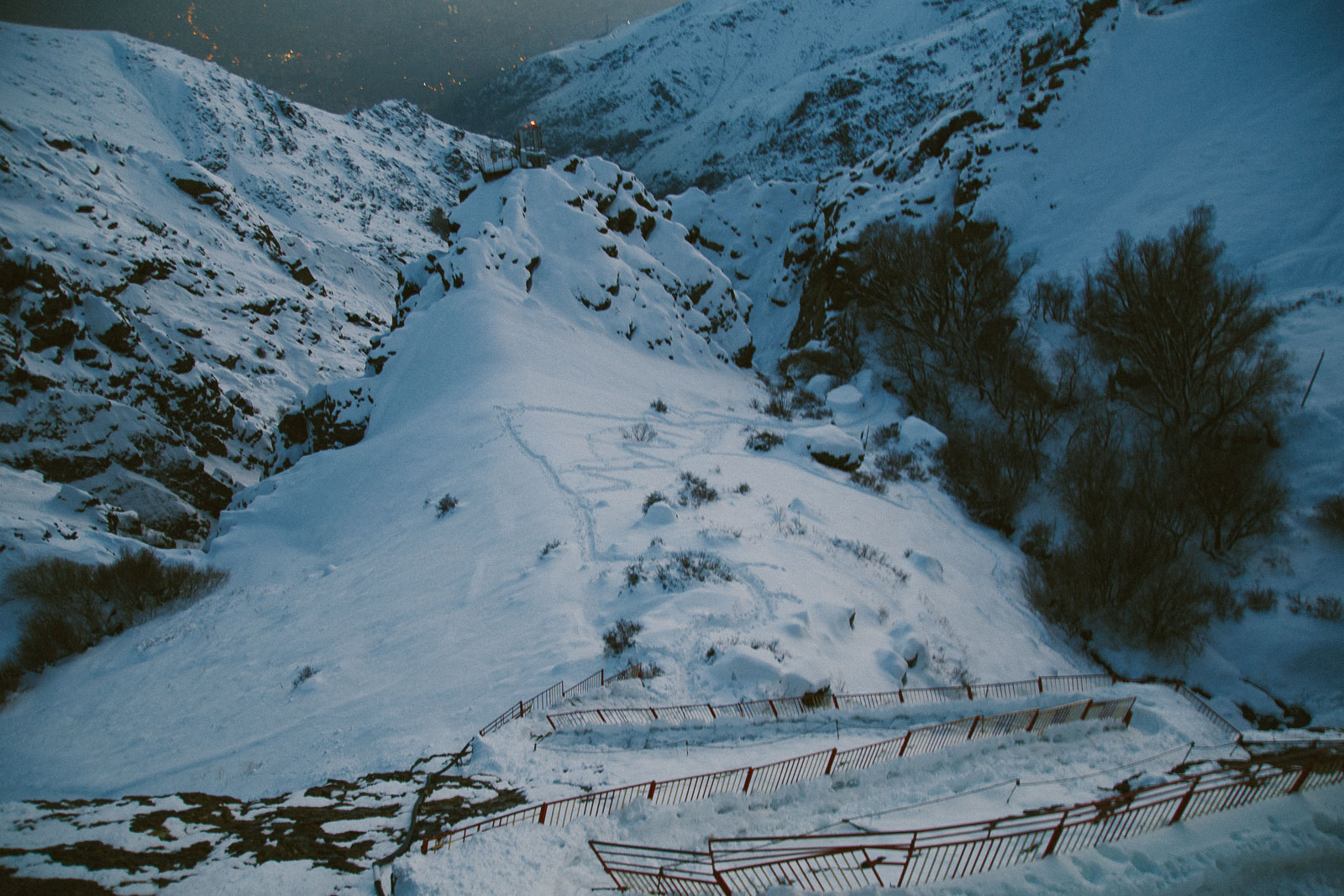
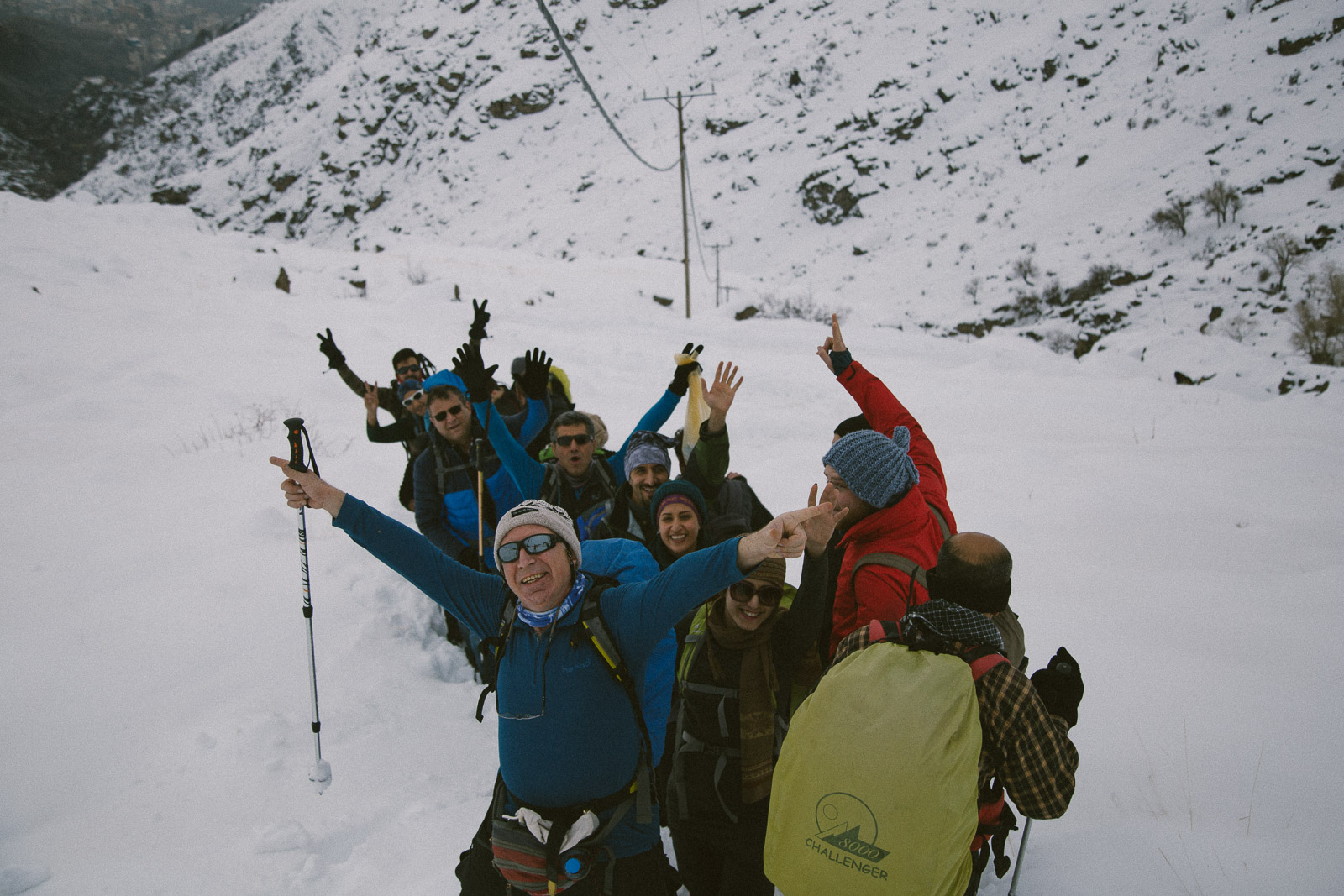
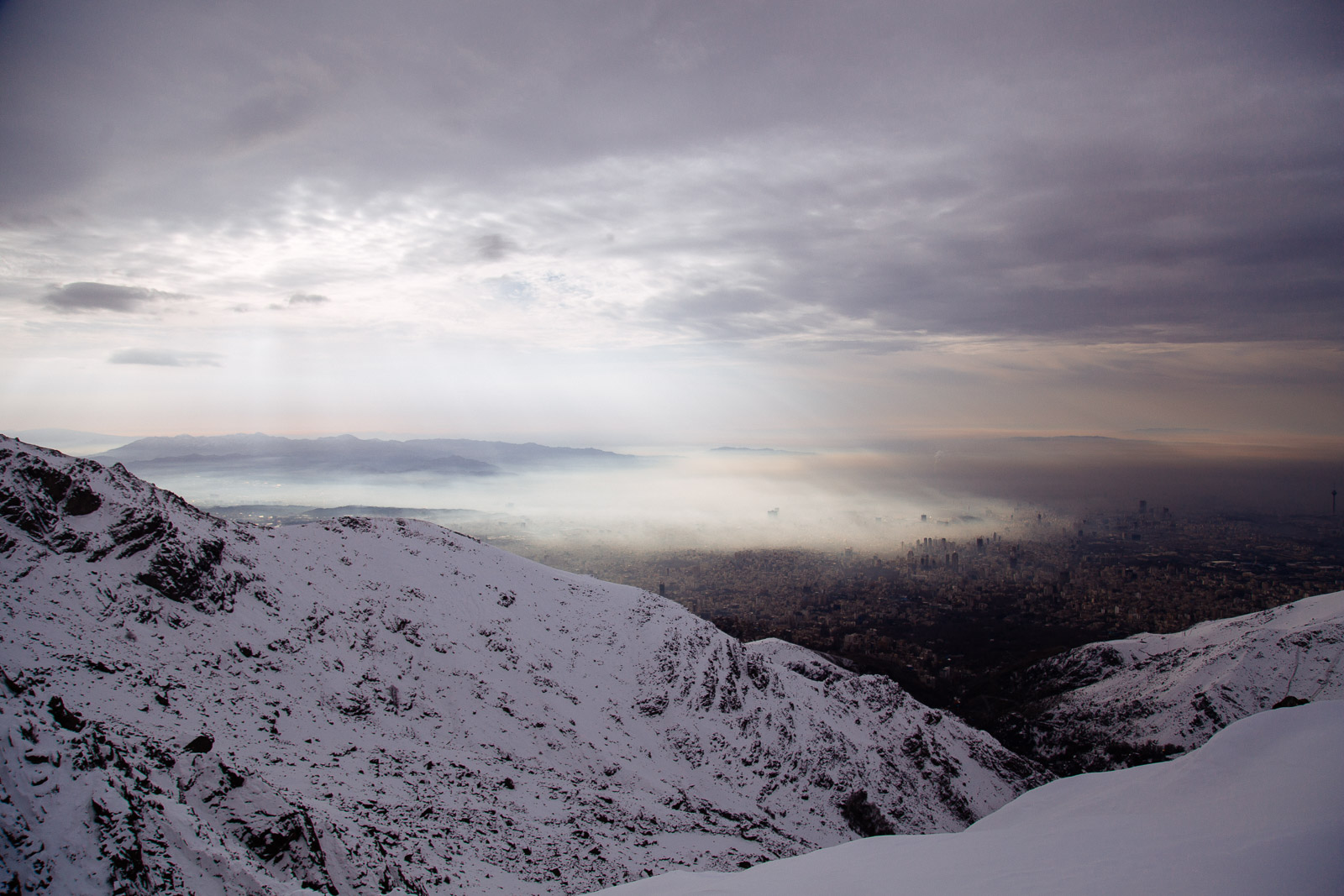
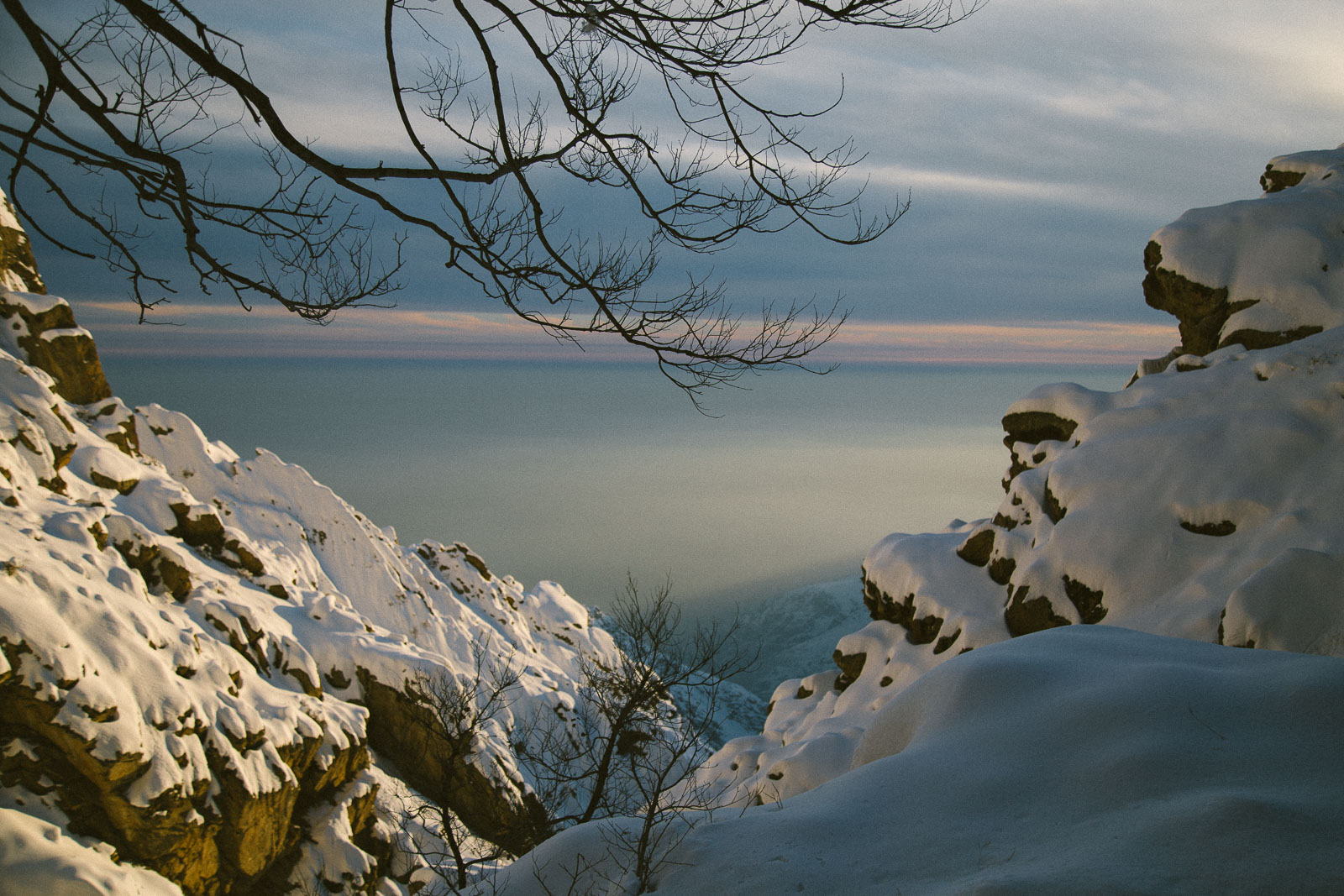
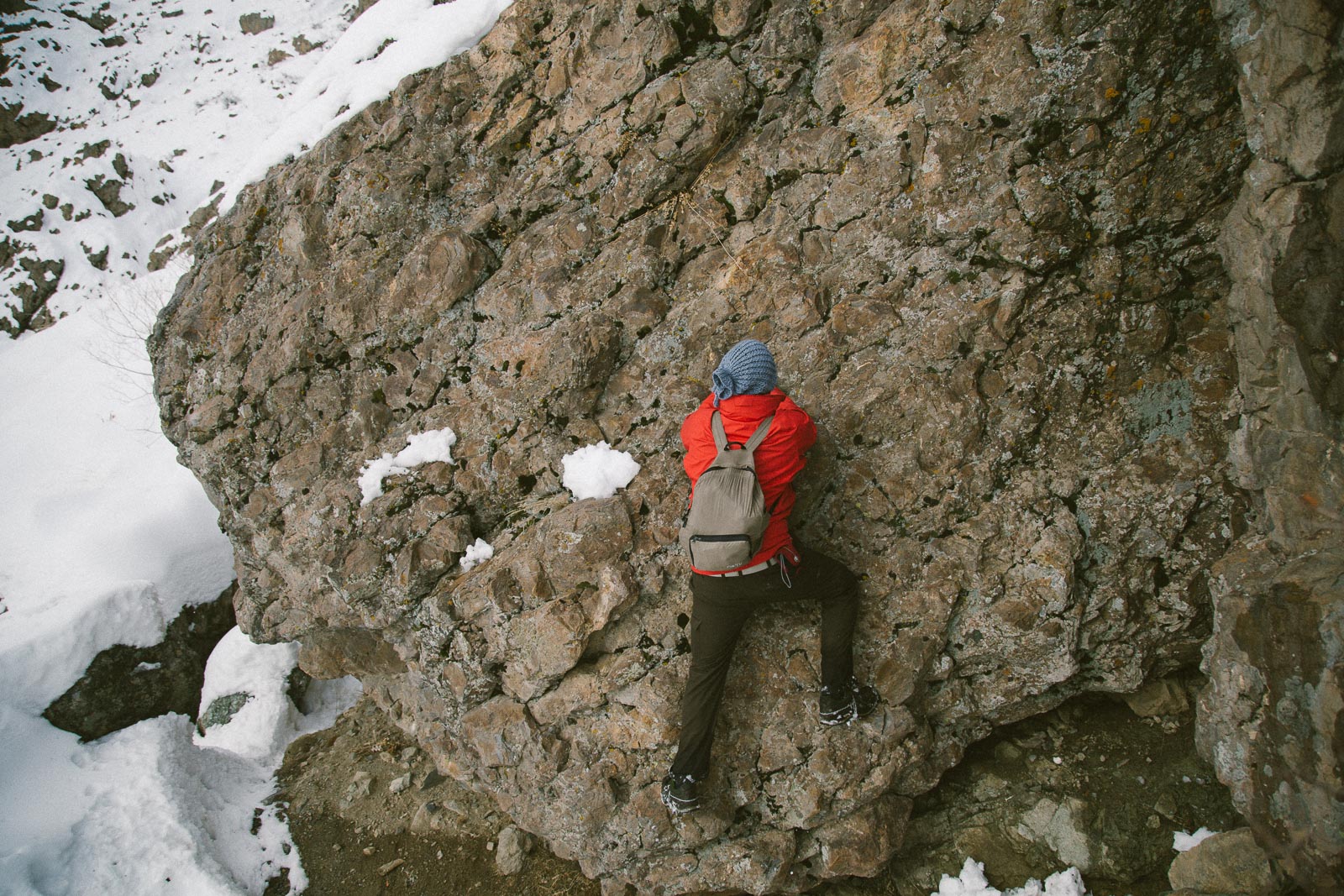
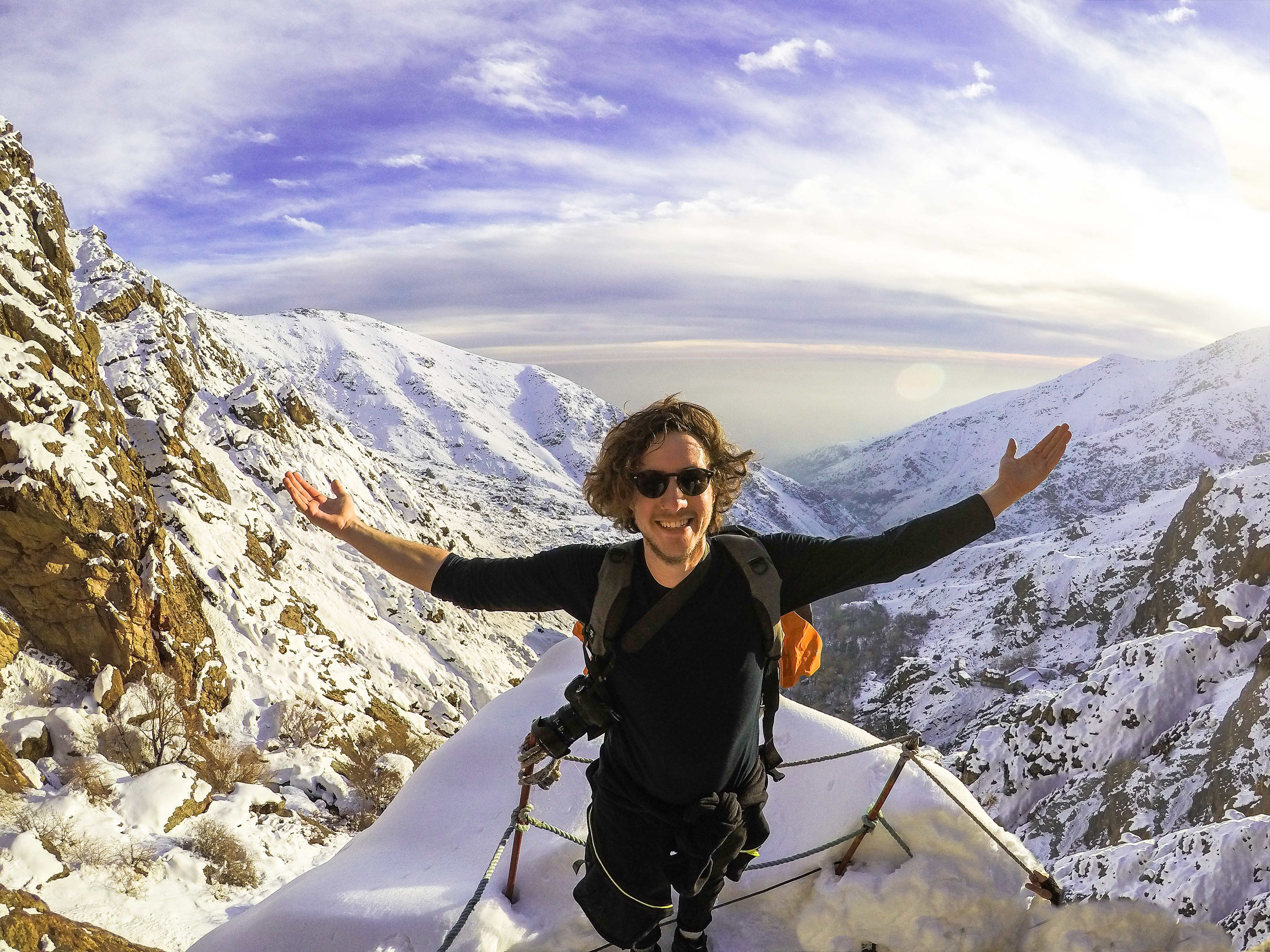
I took the metro to Marc's place; riding the metro is an experience in itself. I always feel like I'm in a zoo. Everyone, without exception, stares at you. You don't see many tourists. But everyone is incredibly friendly. Most of the time I hear, "Welcome to Iran, where are you from? Can I have..." Your Instagram? Instagram is one of the few social media apps not blocked by the government. The metro is full of vendors, a bit like a small bazaar. Belts, toothbrushes, razors, headphones, coloring books, socks – you can find just about anything here. The platform and the metro itself are divided – the front and back sections are for women only. All other sections are mixed. Women often take advantage of this, as the metro is extremely crowded during rush hour. Riding the metro costs next to nothing; I paid about 12 cents for two or three stops. It must be one of the cheapest metro systems in the world. Marc picked me up at the Farhangsara bus stop, and together with his host Peyman, his brother, and Moschde, his wife, we drove to the foot of the Tochal Mountains. It's only a few kilometers away. Peyman and Moschde are a young couple, both around 30, and they're both studying online – they belong to the Baha'i community, a religious minority in Iran. They aren't allowed to study at any university in Iran, and their degrees are only recognized abroad. This is the oppression of minorities in Iran, a country that strives to appear so Western, in 2016. She's studying computer science, he's studying physiology; both are currently working on their master's degrees. We climbed the mountain for five hours. From about halfway up, we had to use crampons because there was a lot of snow and ice. Climbing without them would have been too dangerous. I took lots of great videos and photos, which meant I was always a bit behind. Even along the way, we were often greeted with the friendly words "Welcome to Iran." Iranian culture itself is very hospitable; often, they want to shake off the "bad" impression of the West and are even friendlier to tourists, according to Peyman. The last stretch of the trail was steep and secured with ropes, and meltwater flowed down the path in a small stream. We arrived at our overnight accommodation at 6 p.m., a large hut built by the French before the revolution. Up here, there's a beautiful view of the city. The hut is staffed and can accommodate 200 visitors. For dinner, we had dizzy and an omelet with sausage. Most of the people up here know each other and come every Thursday to climb to the summit on Friday morning. For us, this was the end of the line; our gear wasn't warm enough. It's still four hours and 900 meters of elevation gain to the top, where it's -15 degrees Celsius and there's a strong wind. At 9 p.m., we were able to go to the dormitory, which is, of course, separate. Only married couples can book a room together, provided they can show their marriage certificate. Marc, Lennard, and I spent the night in a dormitory with 37 others. We were the talk of the town again; every third word was "Germany." Right on time at 10:30 p.m., the lights went out, and the room fell silent. Only the occasional click of a mobile phone keypad could be heard. Luckily, I was completely exhausted and fell asleep quickly, so I didn't hear anyone snoring.
December 30, 2016
Most people got up at 5:00 a.m., and I was woken up by the noise too. When I got up, I noticed my fleece pullover was gone. Someone must have swapped it or stolen it. I was glad it was just the pullover and not my expensive jacket with all my money in it. After breakfast, we took a different route back down. It was much busier than yesterday, which is because it's the weekend. Fridays are a day off here, and all the people from the city come to hike. The descent was much faster; we were back at the car after 2.5 hours. Peyman invited us to his mother's for lunch. The six of us squeezed into the car and drove to his house. They live in a very chic and modern apartment. I was amazed by the beautiful place. The food was fantastic: Ghormeh Sabzi, lamb in a spicy green soup with beans, and Halim Bademjan, a kind of cream made from eggplant and minced meat with a yogurt-like consistency. It was served with saffron rice, potatoes, and salad. Peyman's mother cooked all of this herself, it was absolutely delicious!! Iranians love opulence; the apartment is full of plush upholstered furniture and glitter.
December 31, 2016
2016 went by very quickly. I traveled to 15 different countries: New Zealand, Indonesia, Singapore, the Netherlands, Germany, Austria, Slovenia, Italy, Croatia, Montenegro, Kosovo, Albania, Greece, Turkey, and Iran. In Iran, they don't celebrate New Year's Eve; they have a different calendar, and their new year begins on March 21st. I experienced and saw a lot, met many new people, and made friends. I'm looking forward to the coming year with great excitement. 2017, show me what you're made of! I'm excited about many new countries and experiences. I'm also curious about tonight—a New Year's Eve without alcohol and without a party, which is unusual. The last breakfast of the year was a birthday breakfast with Evi, David, and Behrouz. To celebrate, we had non-alcoholic beer. I've decided to buy a new cell phone; the iPhone 5s I have now is too old and slow. Now it's finally my turn—I'm switching from Apple to Samsung. Sorry, beloved Apple, but your time is over. At midnight, I toasted with five other Germans, friends of Marc from Balingen, with non-alcoholic beer. Marc accompanied us for part of the way; all three of us were heading south, and we still had room in the car. At 1:30 a.m., we took a Snapp (Uber) to our hosts' place. I paid less than two euros for the ride again; at night, the streets of Tehran are deserted. Nothing is open at night; Iranians aren't night owls. I got home at 2:00 a.m. Evi and David were still awake, watching the New Year's Eve show on ARD (the first German public television channel). Behrouz has satellite TV and over 2,000 channels, including ARD and ZDF. Happy New Year 2017!!!
January 1, 2017
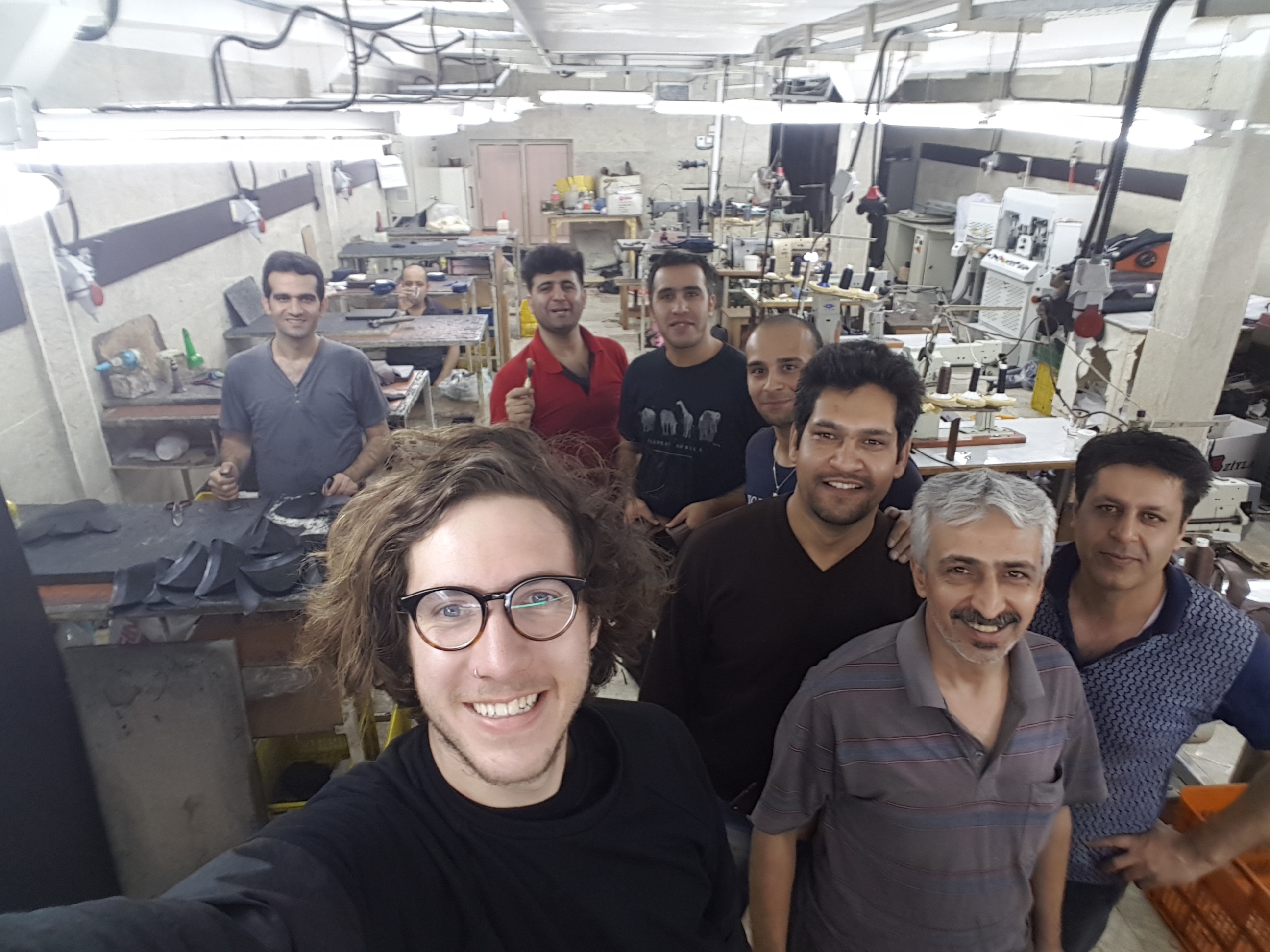
So, it's 2017 now, and it doesn't really feel any different. We were actually planning to leave Tehran today, but Lennard's laundry won't be finished until tomorrow. I used the day to finish the blog and upload some pictures. I've probably gone through about 30GB of data by now. Behrouz doesn't have Wi-Fi at home, why not, actually? My data ran out again, so I had to top it up, but to do that I have to leave the apartment, and I don't have a key to get back in. Behrouz, David, and Evi are out. I bought 15GB at the supermarket on the corner; that should last a few days. Using a VPN uses significantly more data. Useful and free VPNs are "Lantern" and "Hotspotshield." At the restaurant, an older gentleman asked me if I wanted to have lunch with him. He was getting food there and then going back to the shoe factory where he works. The factory was only two houses away, and everyone was happy to see me. One of the workers had spent eight months in Germany and could speak a few words of German. They work from 8 a.m. to 10 p.m., 14-hour days. I was actually looking for an internet cafe, so I said my goodbyes. On the street, I asked for directions, but not before being invited for shisha and tea by a young Iranian man. He desperately wants to study in Germany and asked me a hundred times if I could help him and invite him to Germany. Back at Behrouz's place, I got the bad news: my package from the US had been intercepted by US customs and returned to the sender. The trade embargo against Iran is still in place—what a mess.
January 2, 2017
Today we want to continue on to Kashan, about 2 hours from Tehran. I was there around 10 a.m. I woke up. I unloaded and cleaned the car. At 1:30 p.m. I said goodbye and was ready to go. I met up with Mark and Lennard again in Kashan in the late afternoon. First things first: we had dinner at a restaurant in town, as always kebab with rice and salad. Tomorrow we're off to the desert; I'm really looking forward to it. Lennard has taken Marc in his car, so we're flexible and can sleep anywhere.
January 3, 2017
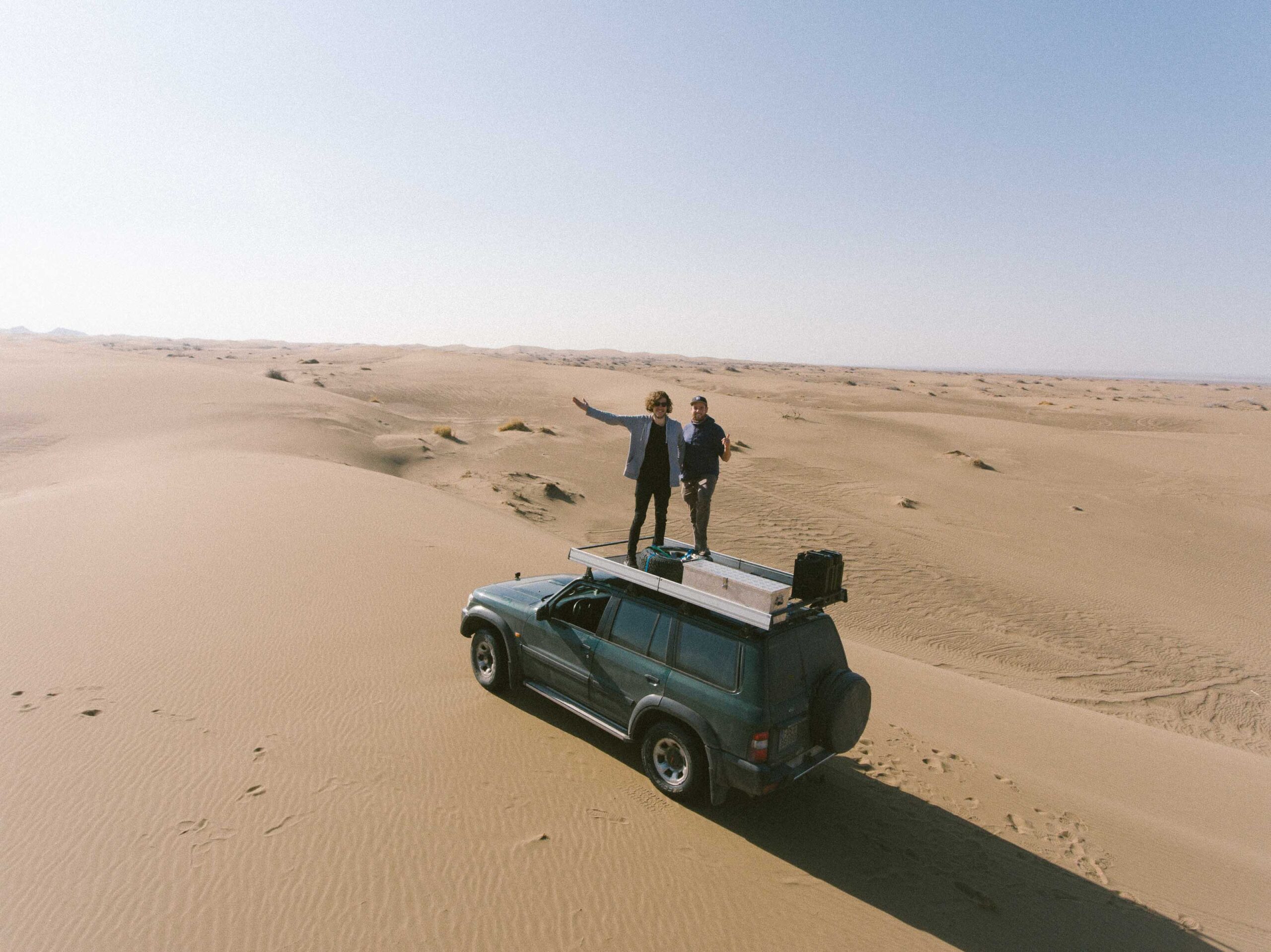
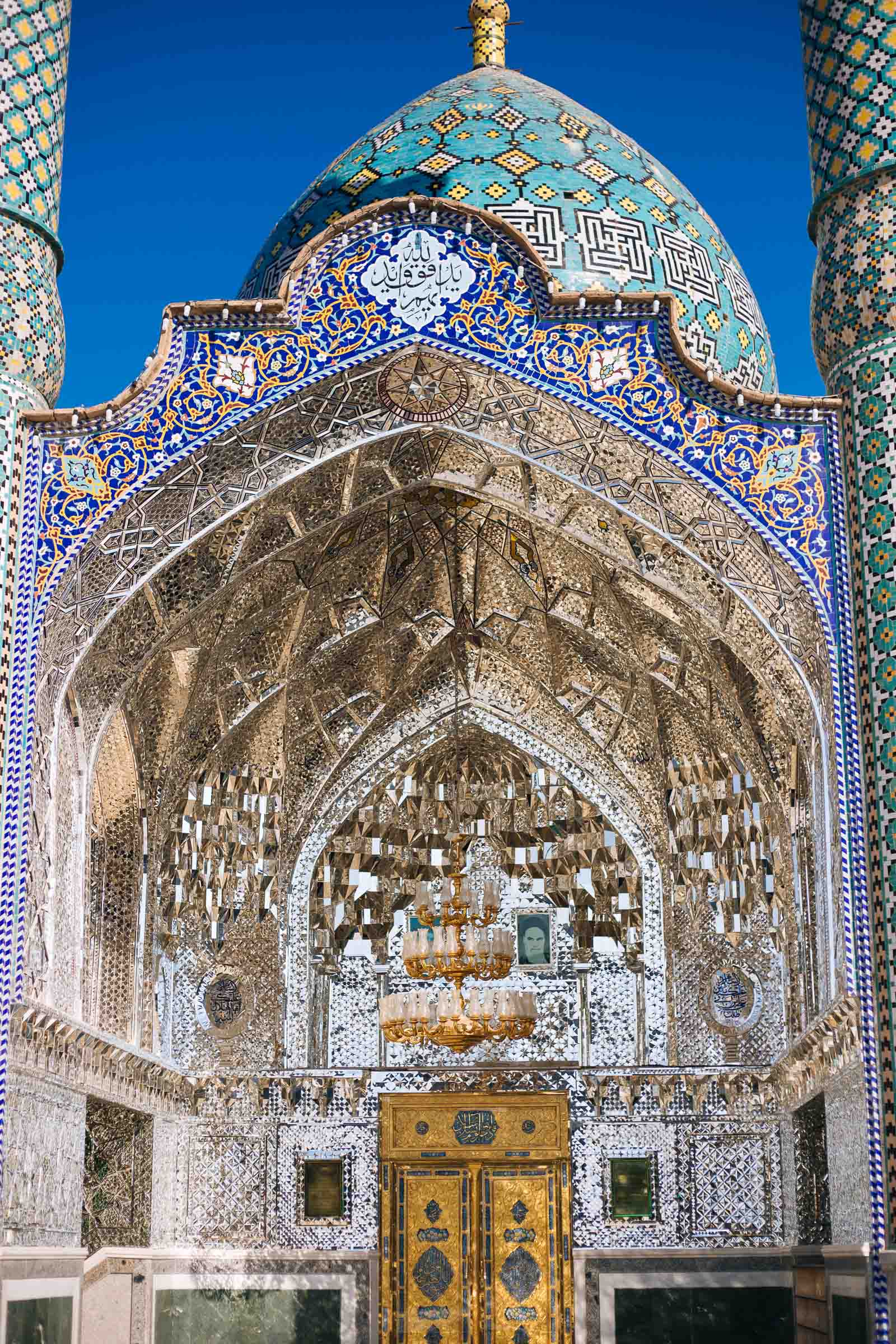
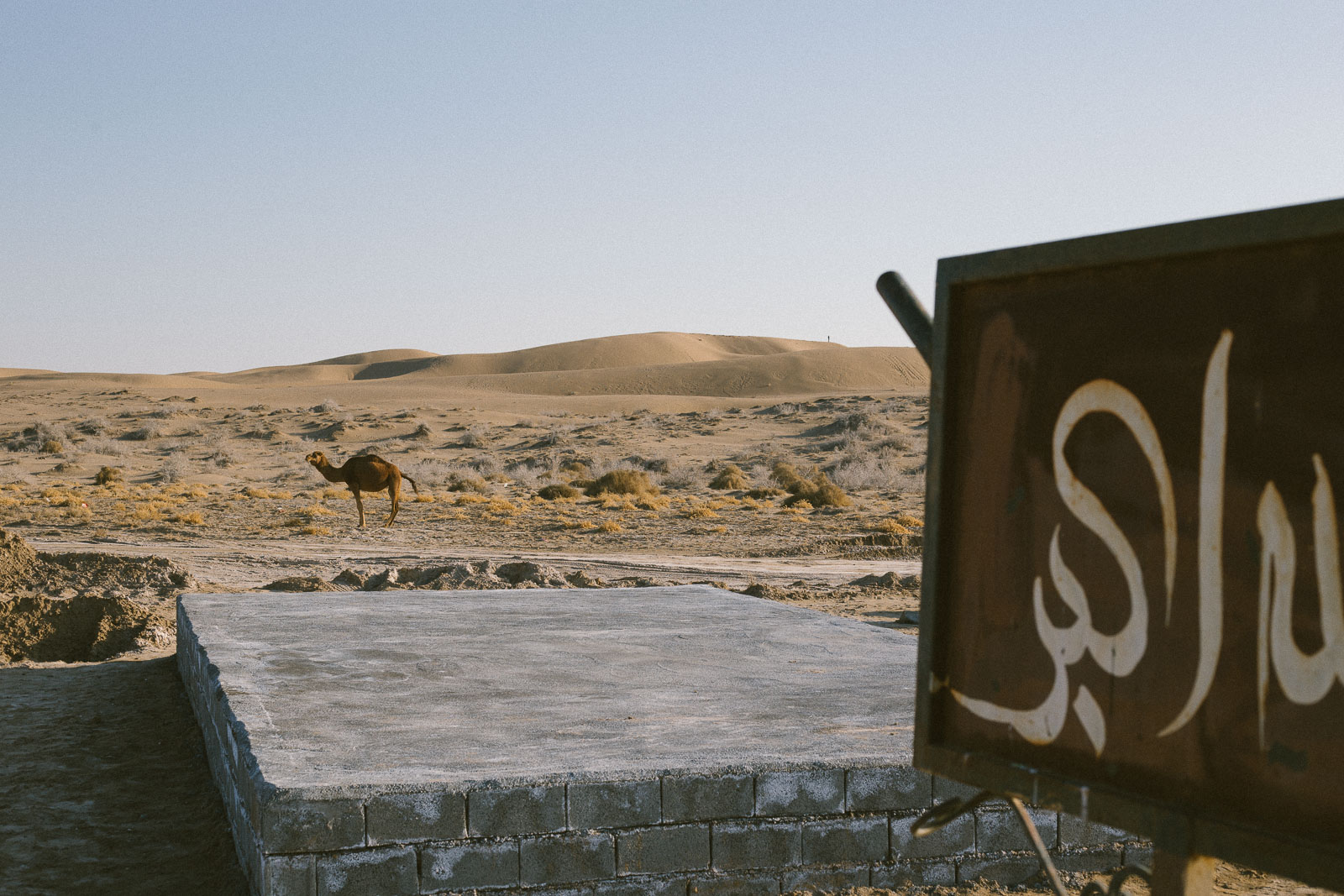
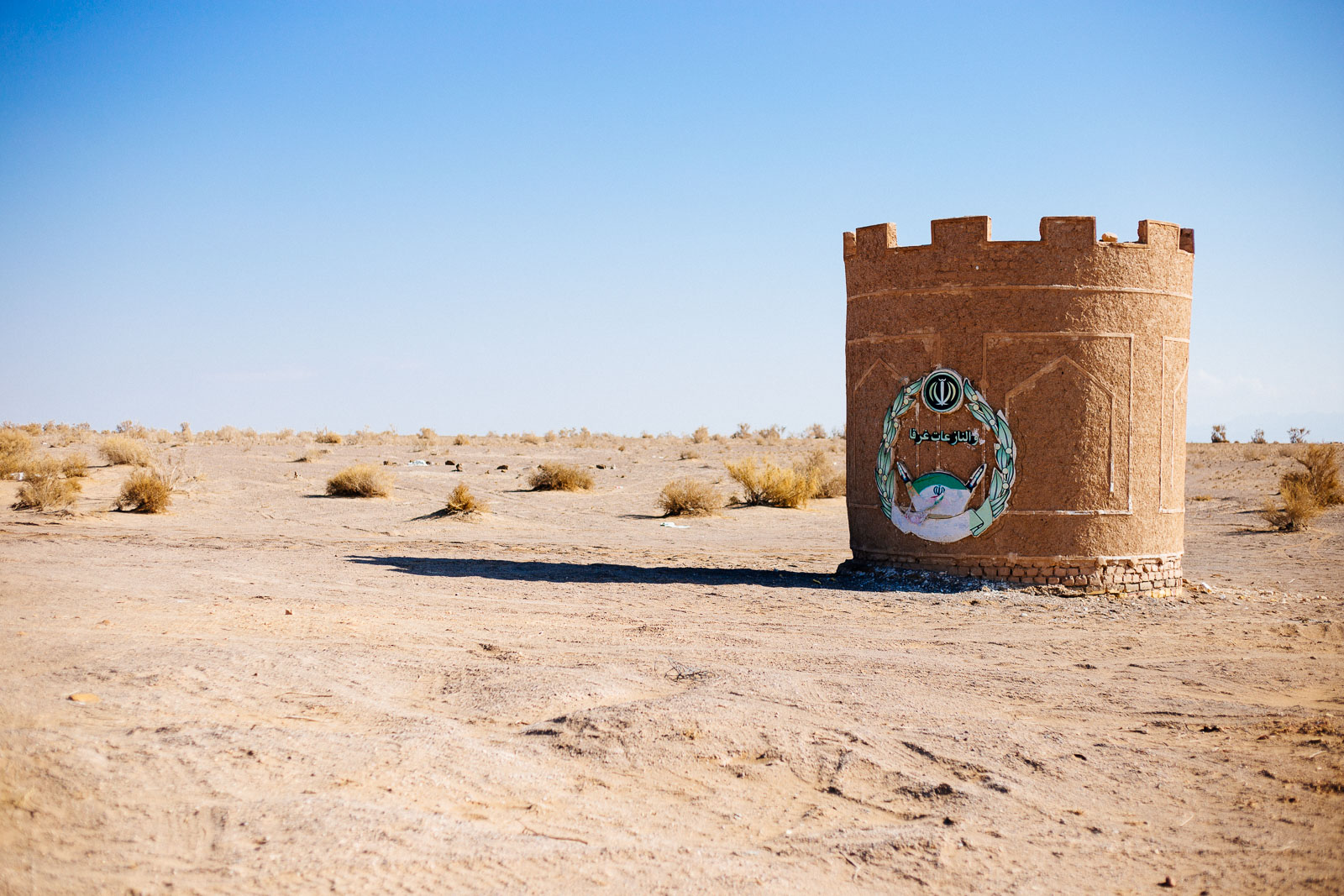
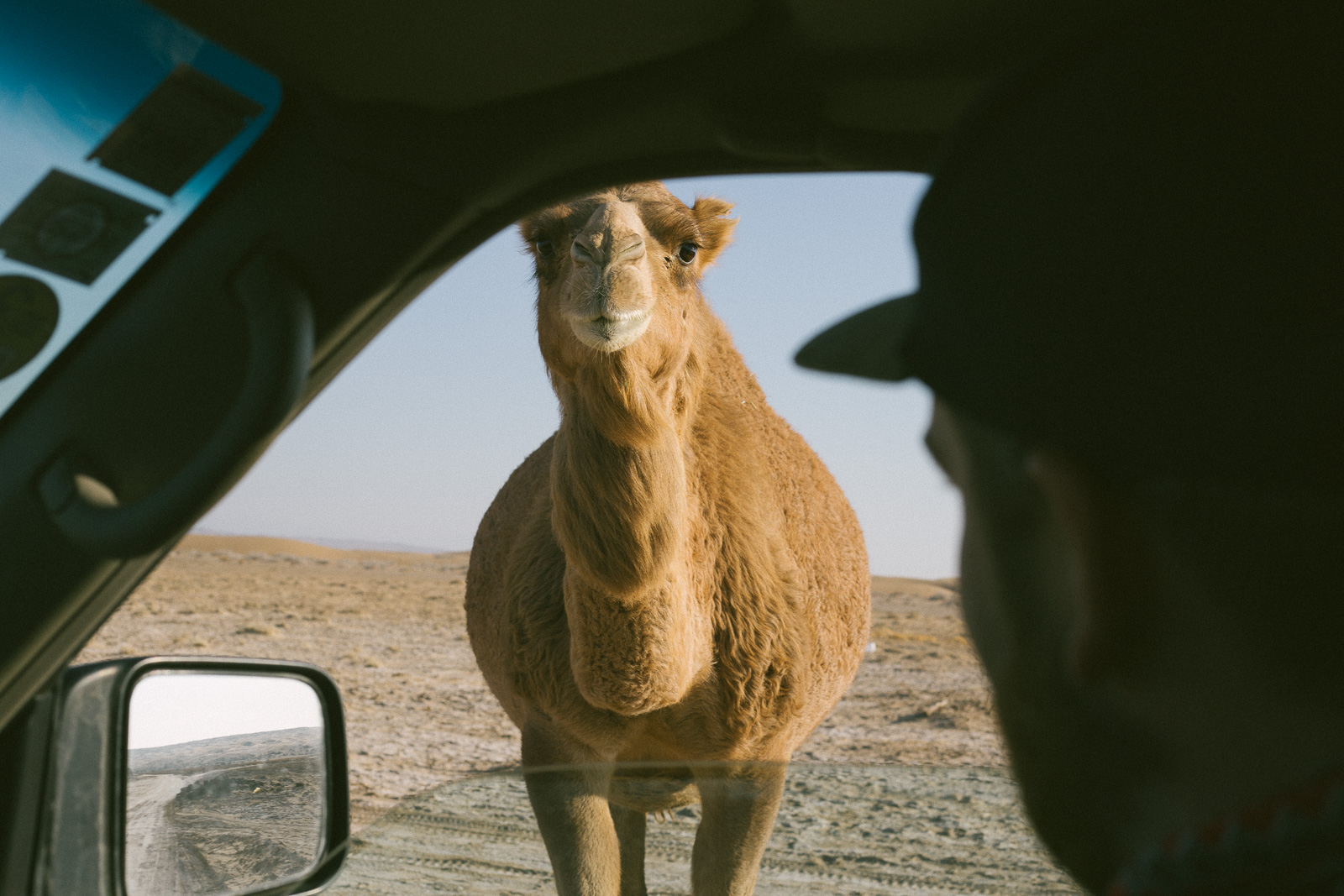
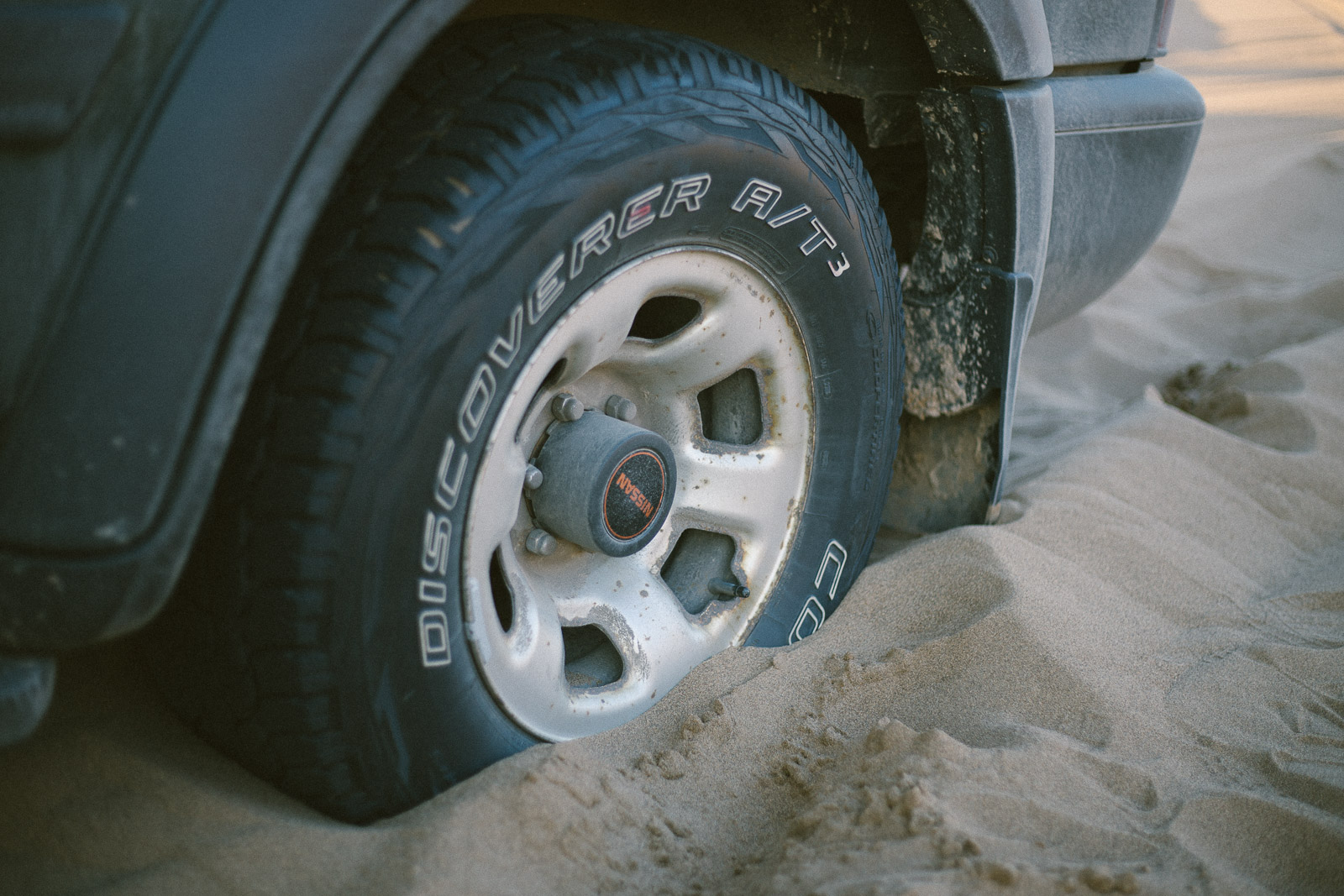
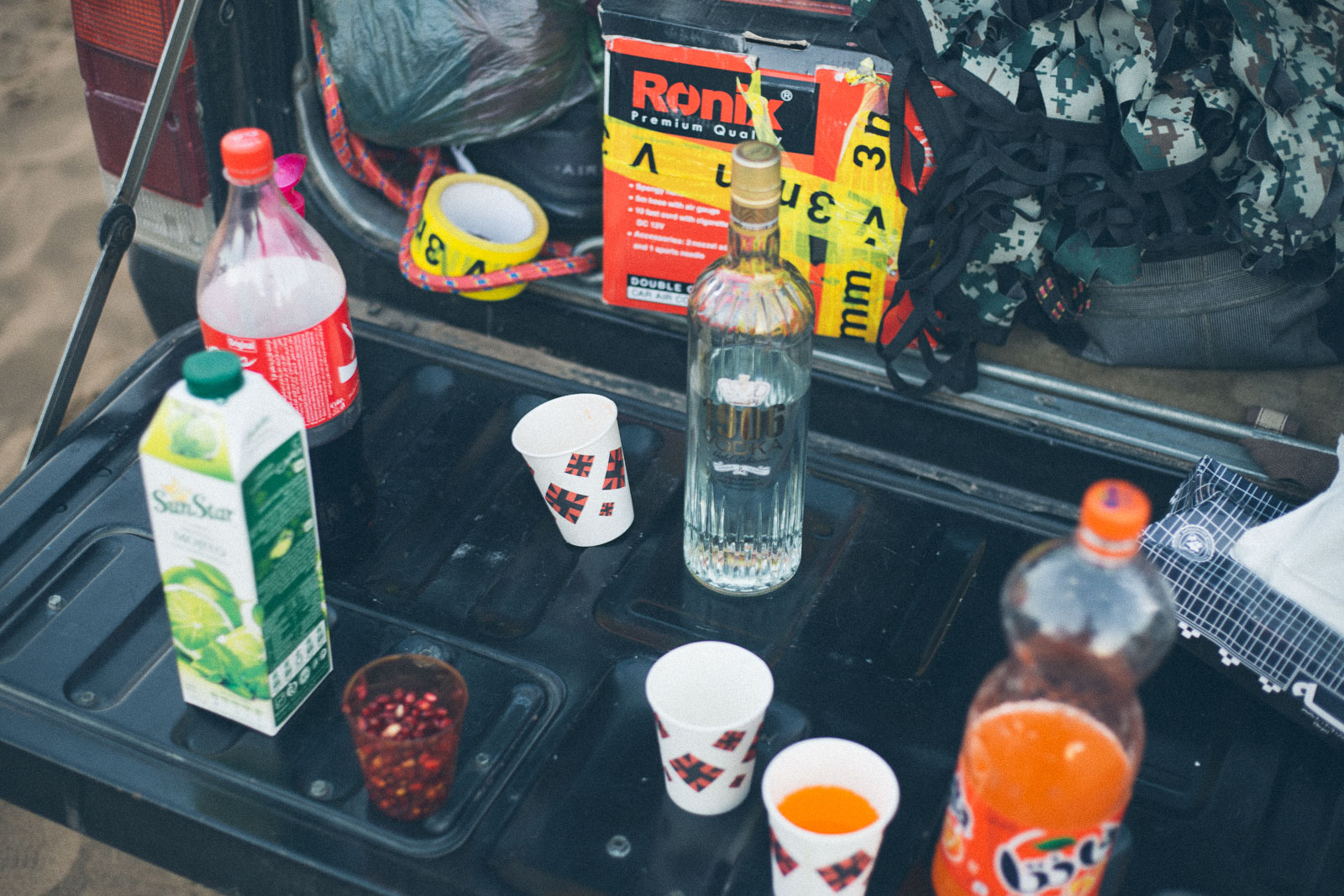
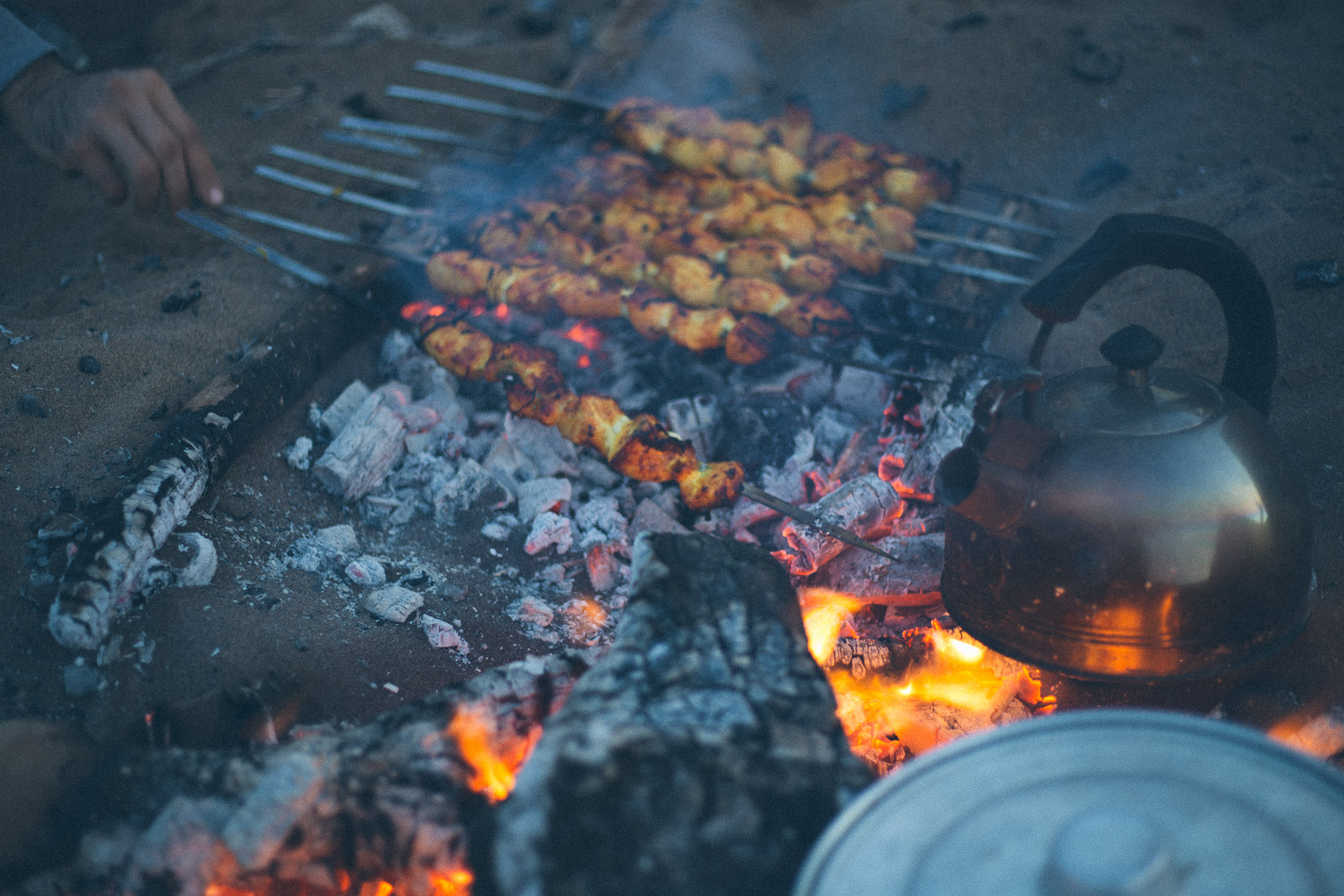
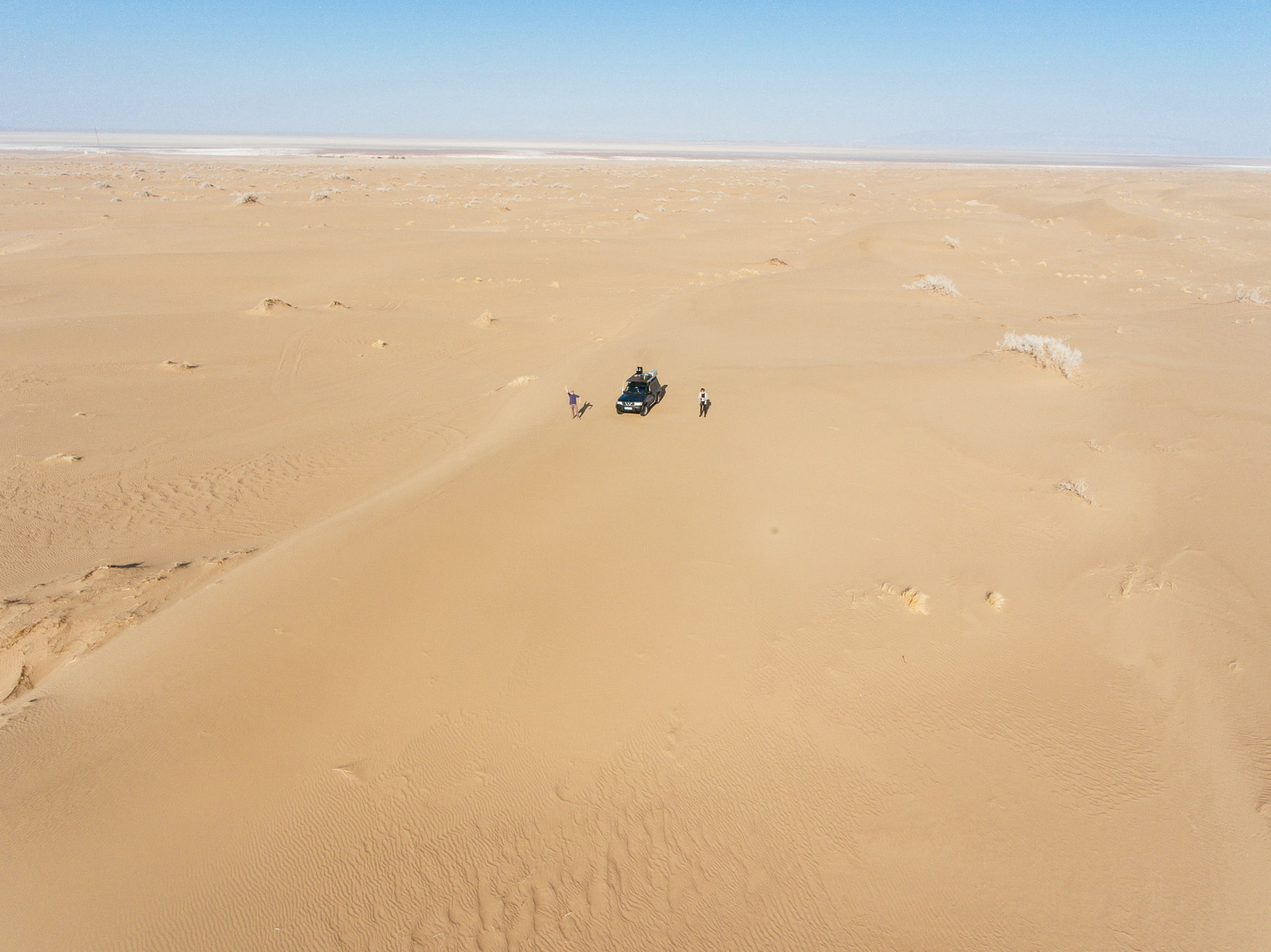
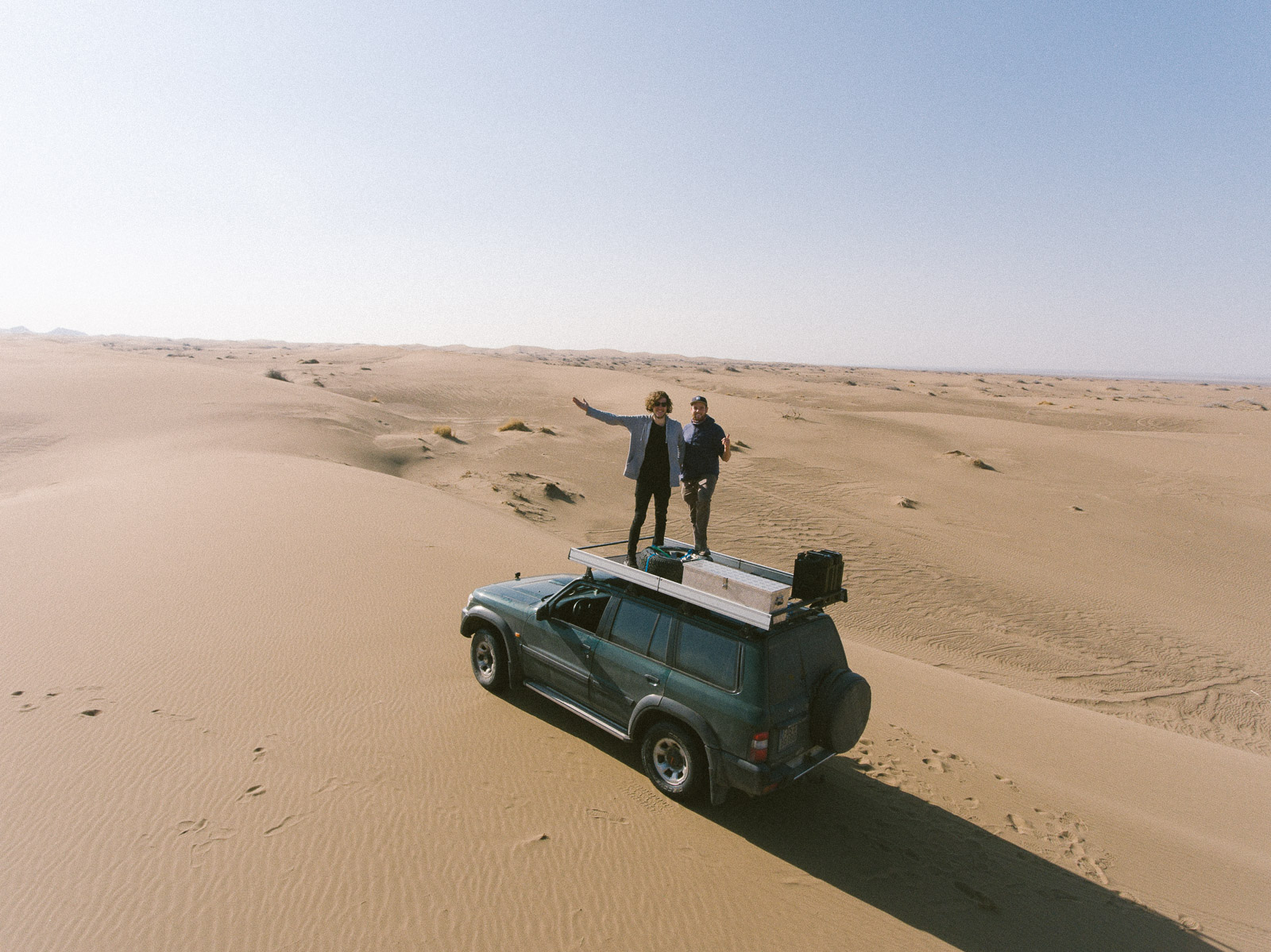
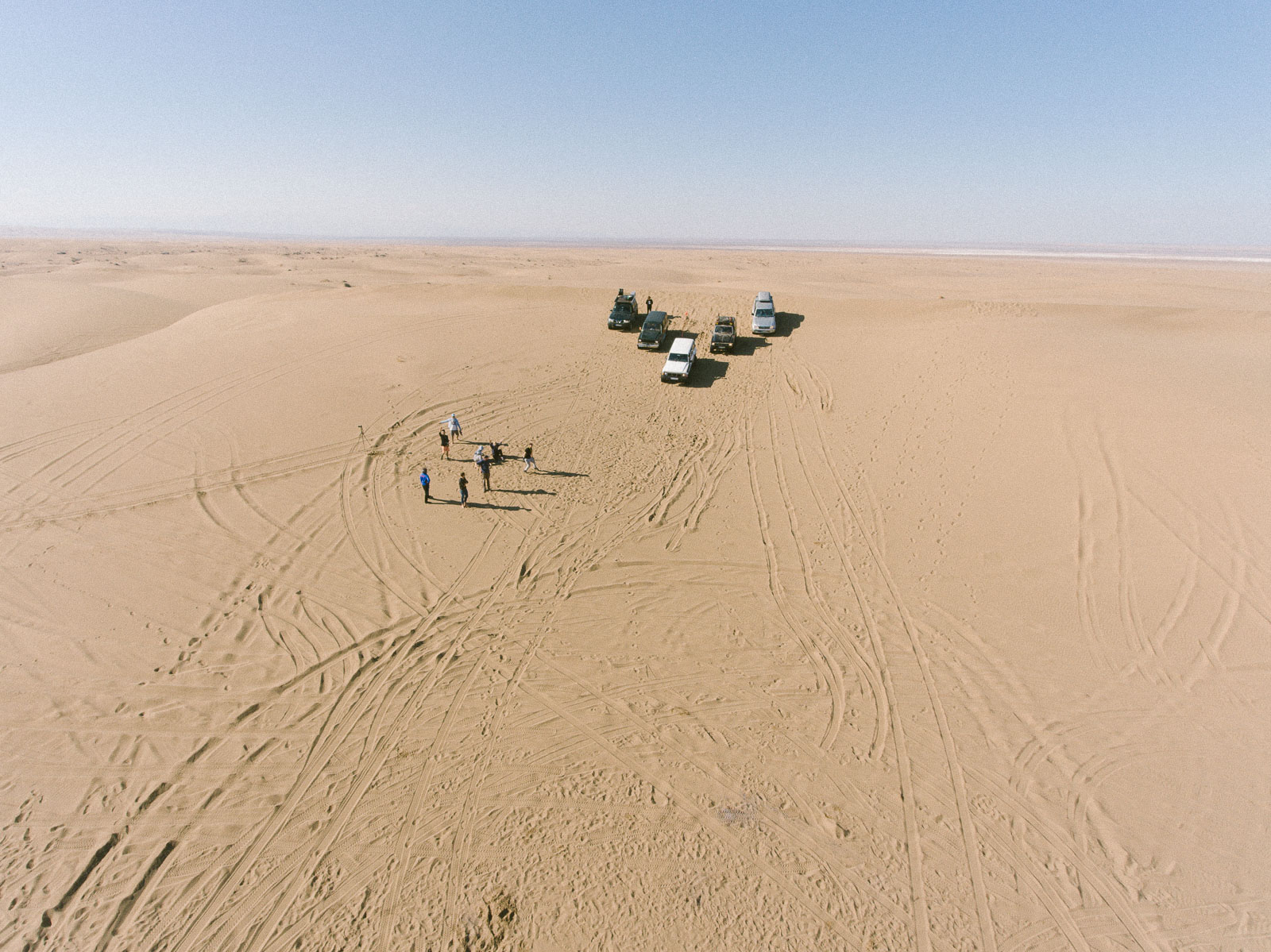
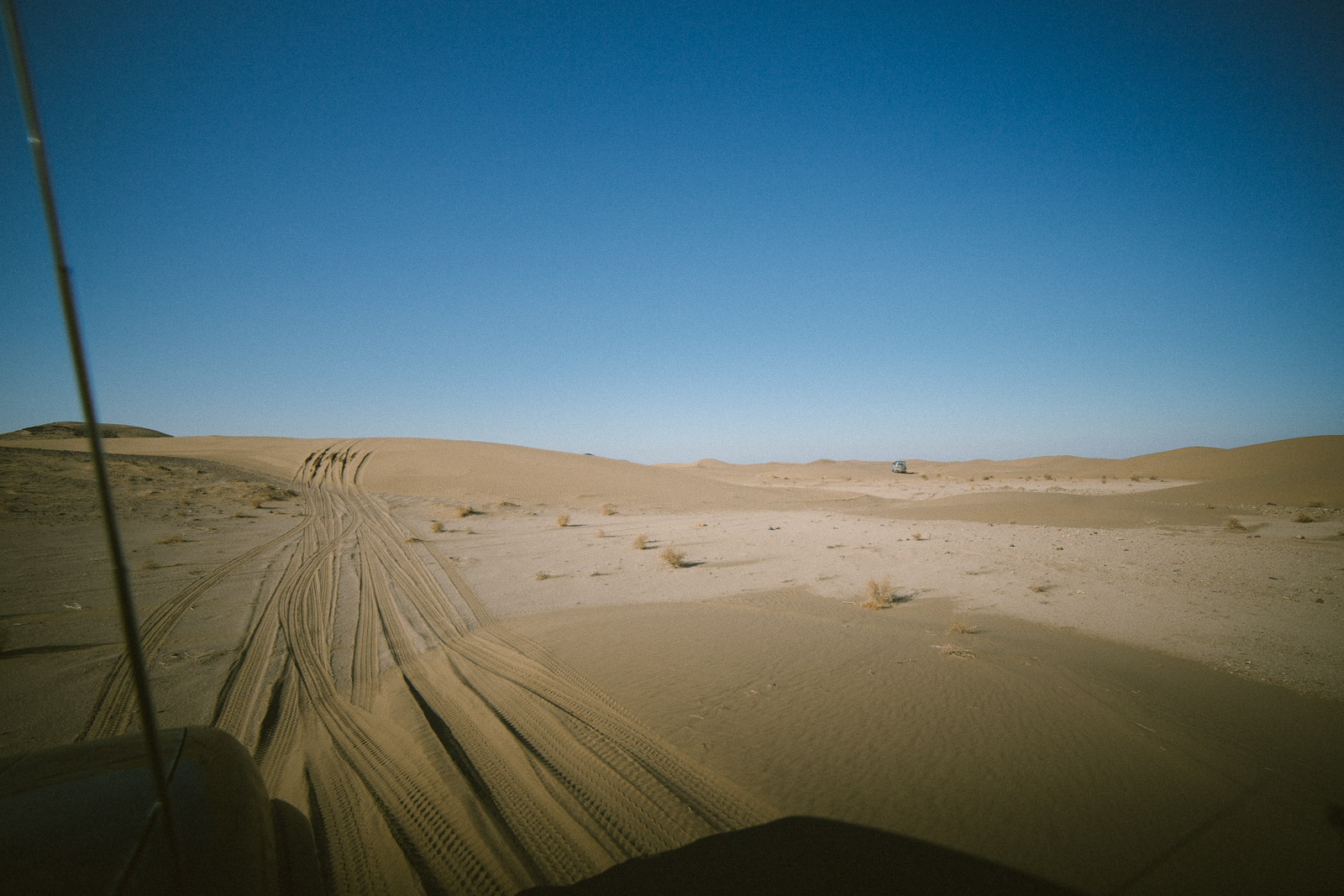
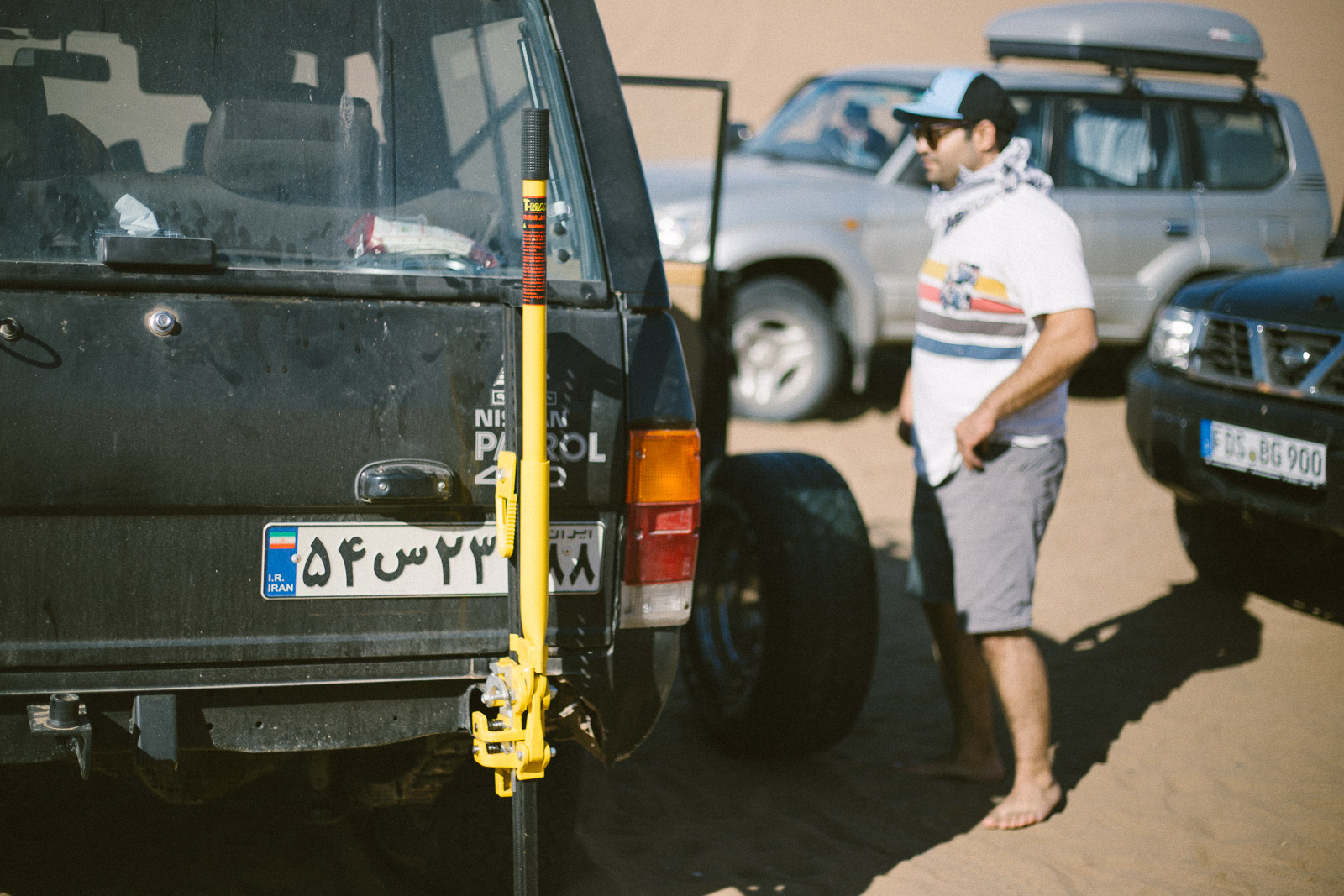
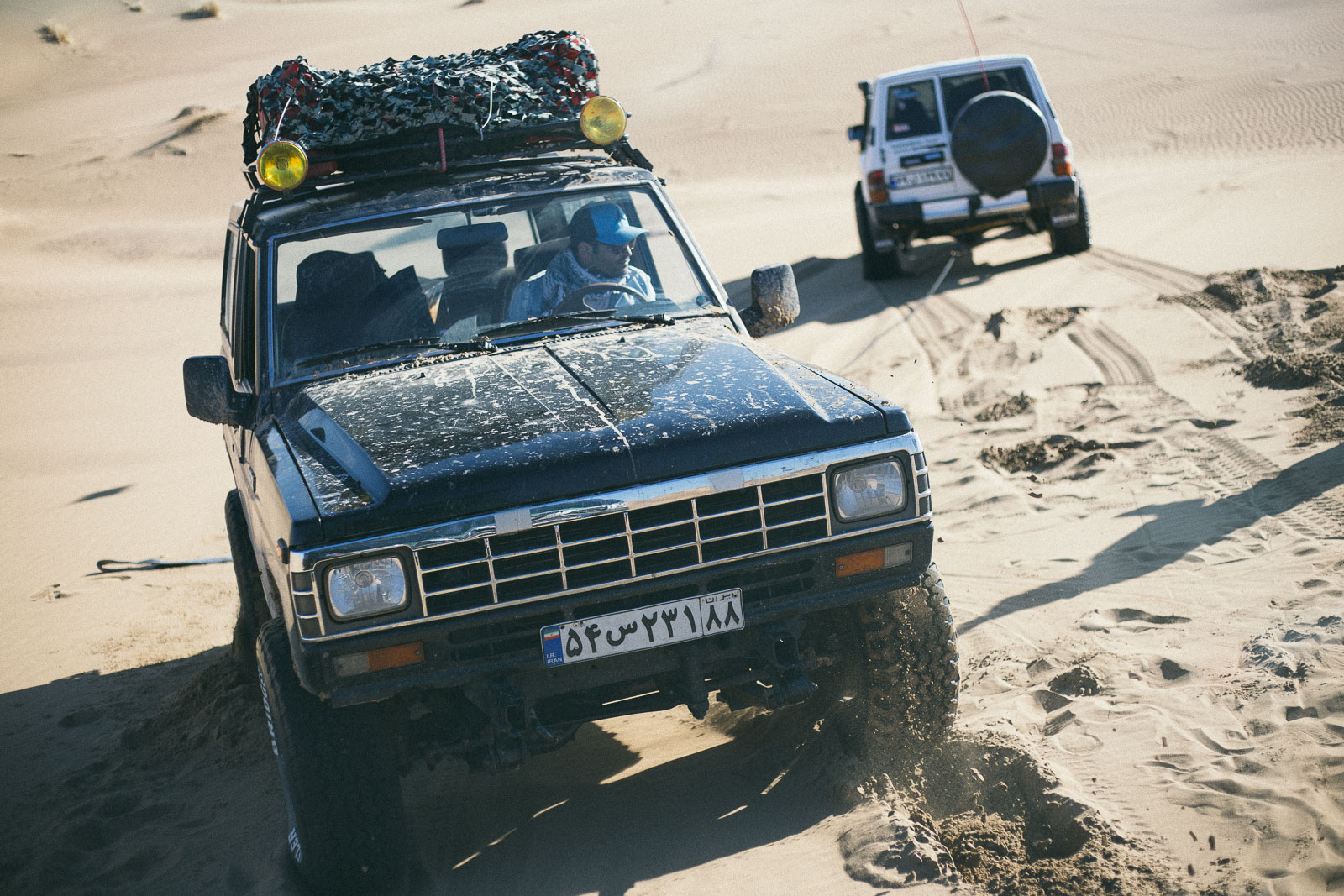
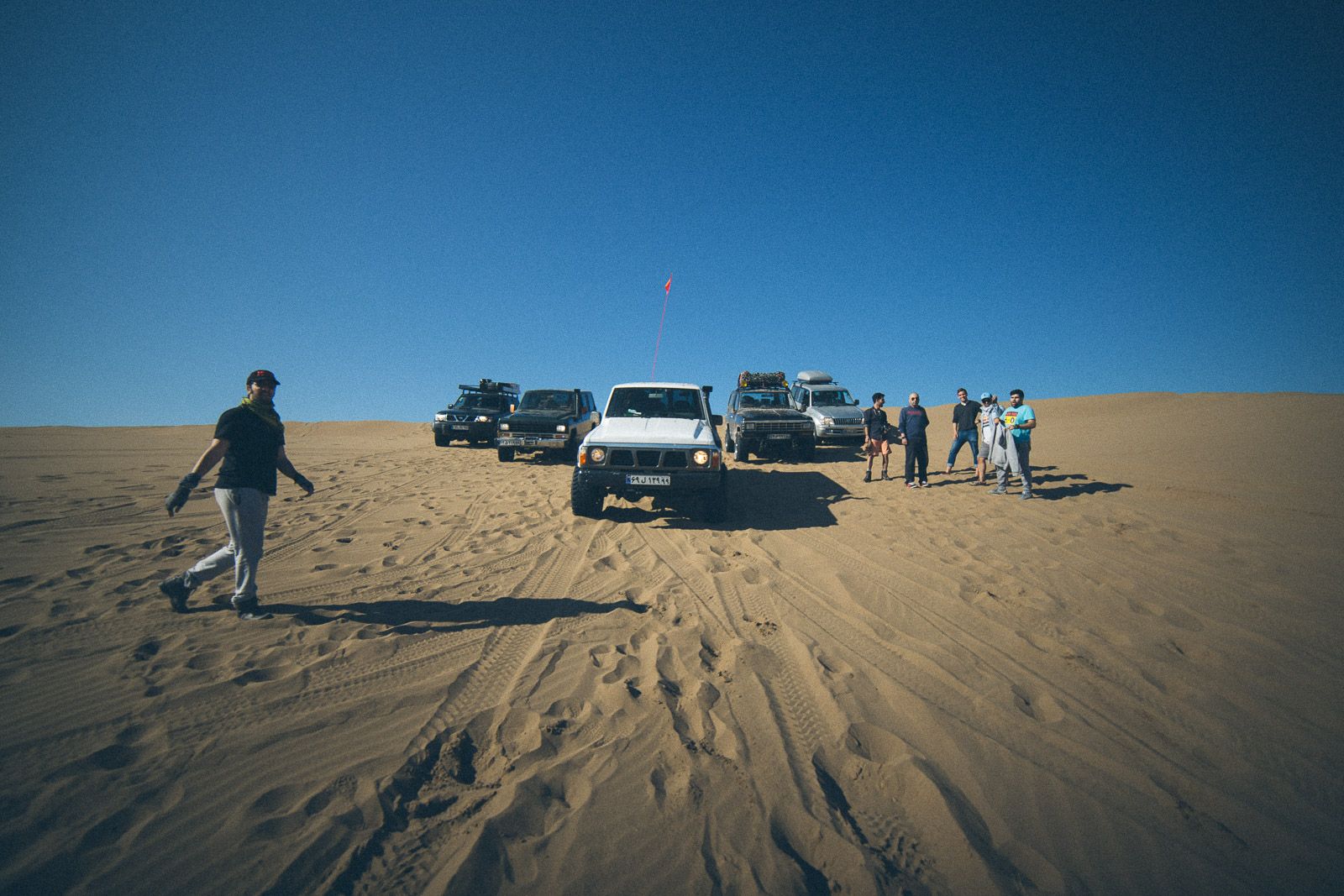
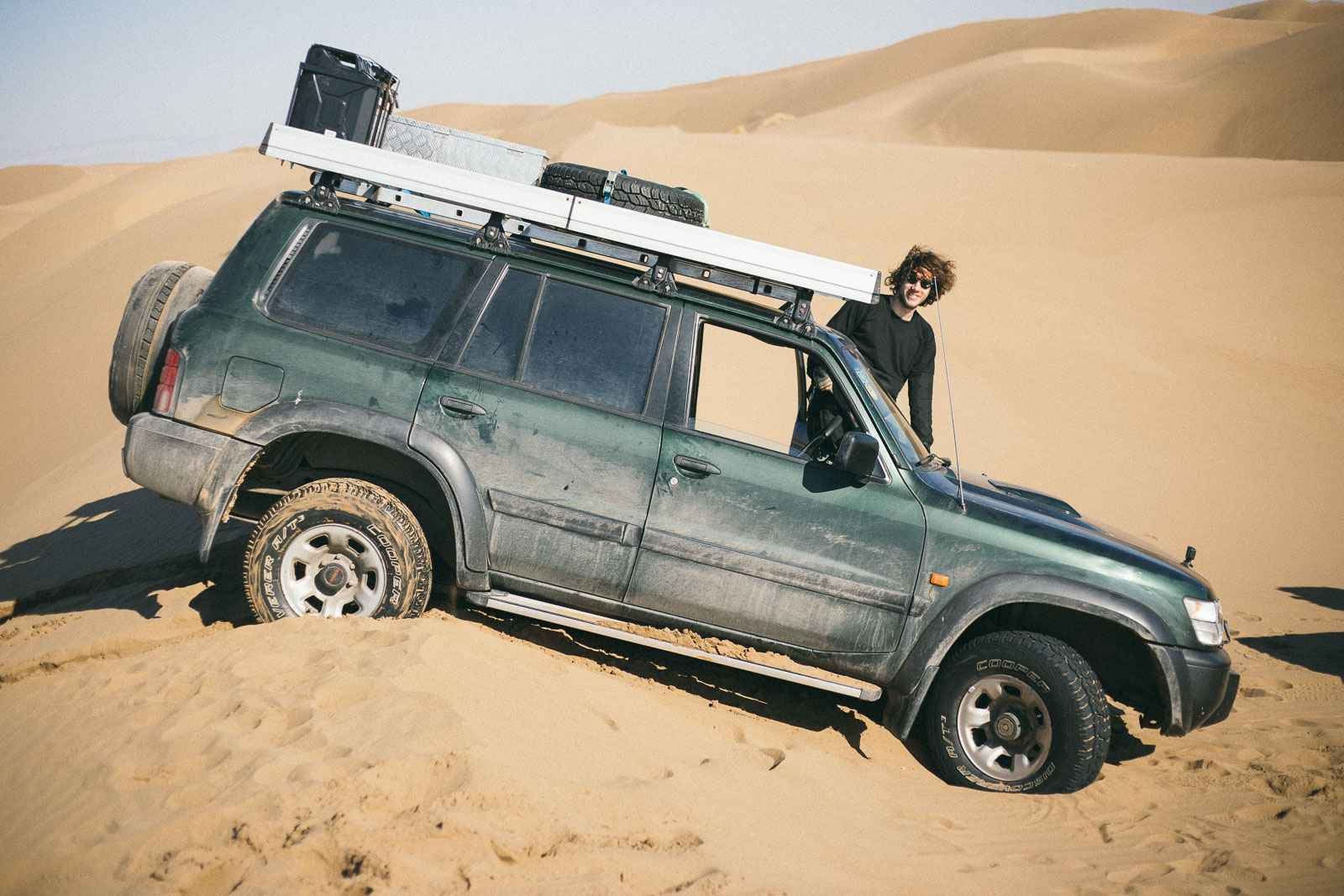
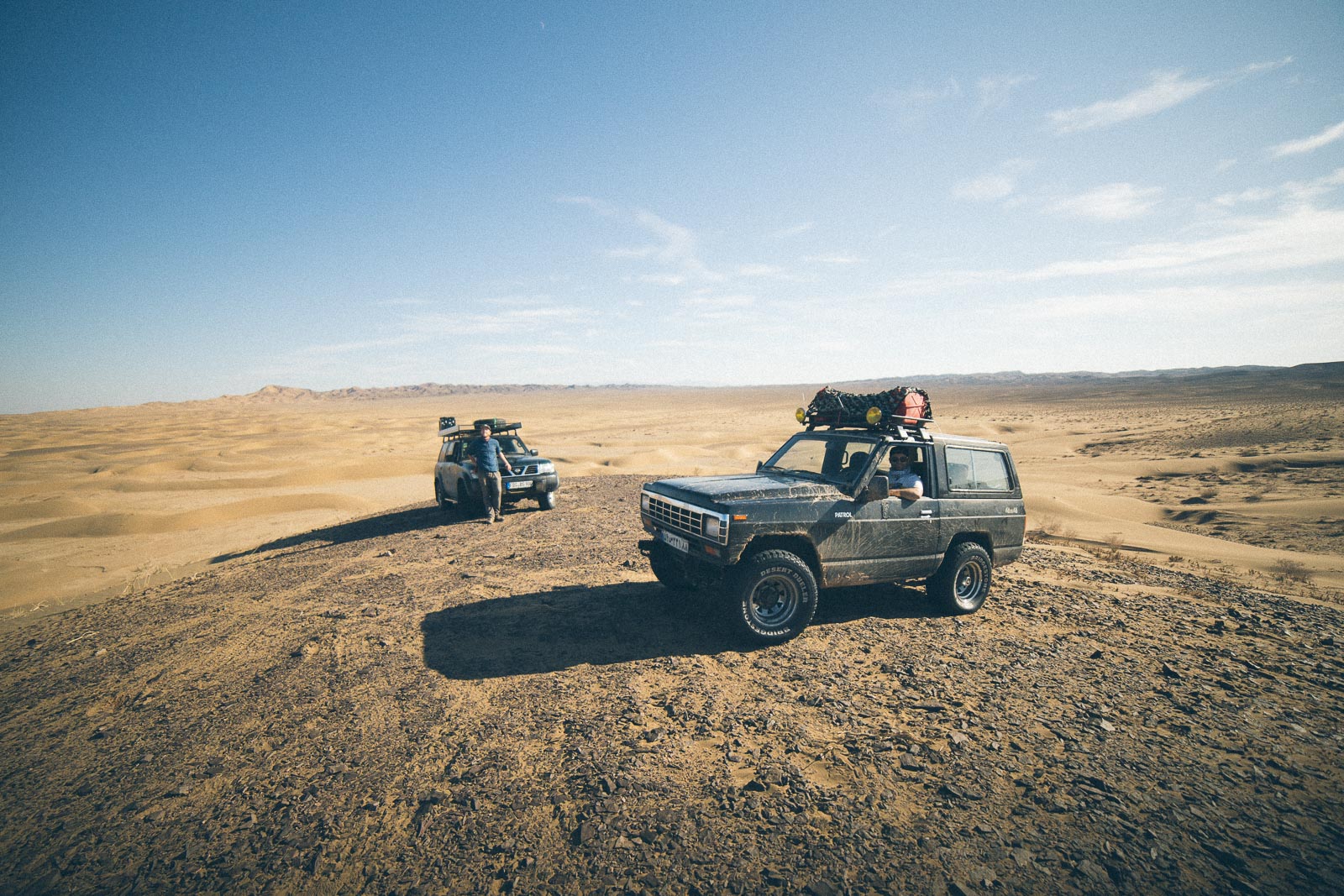
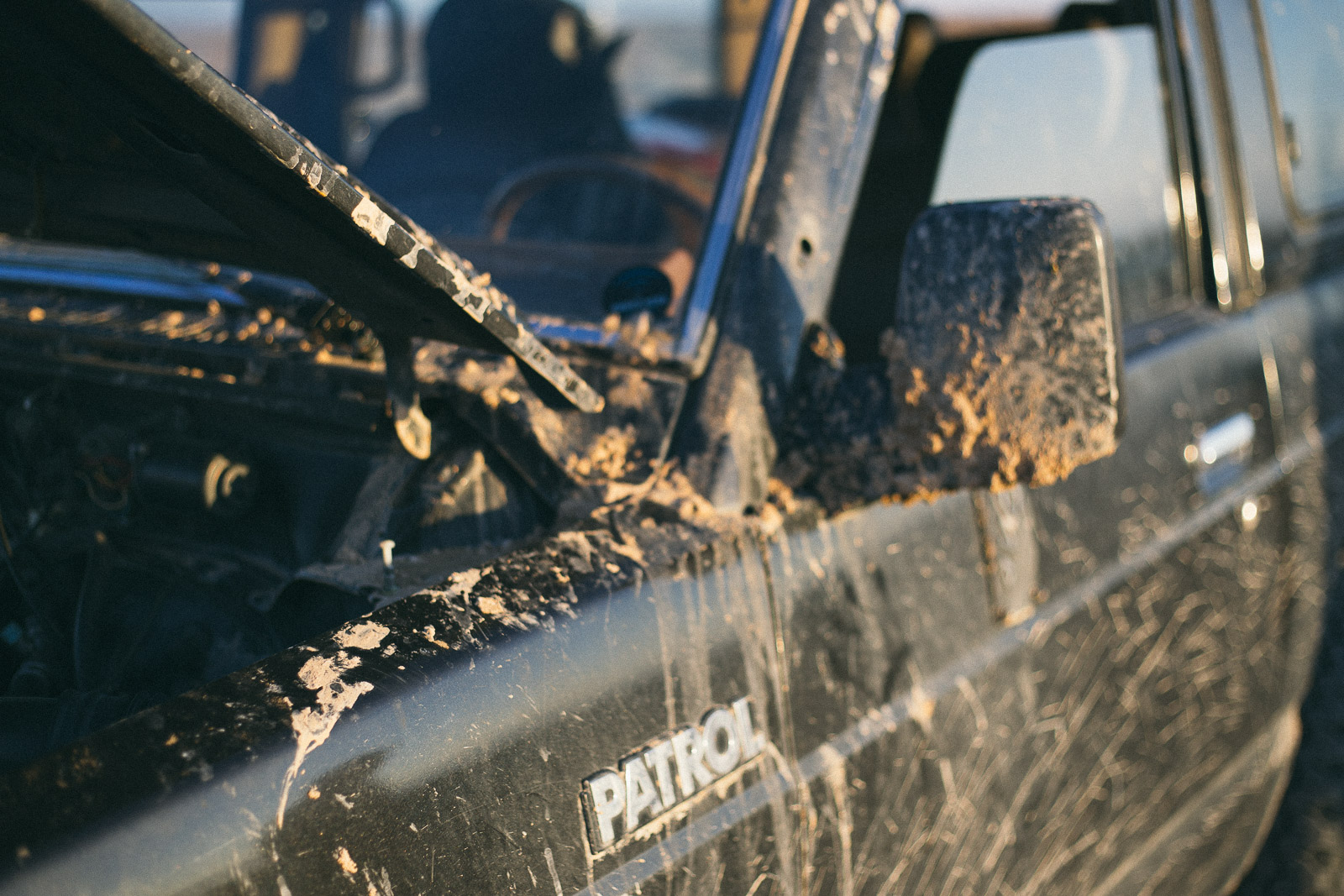
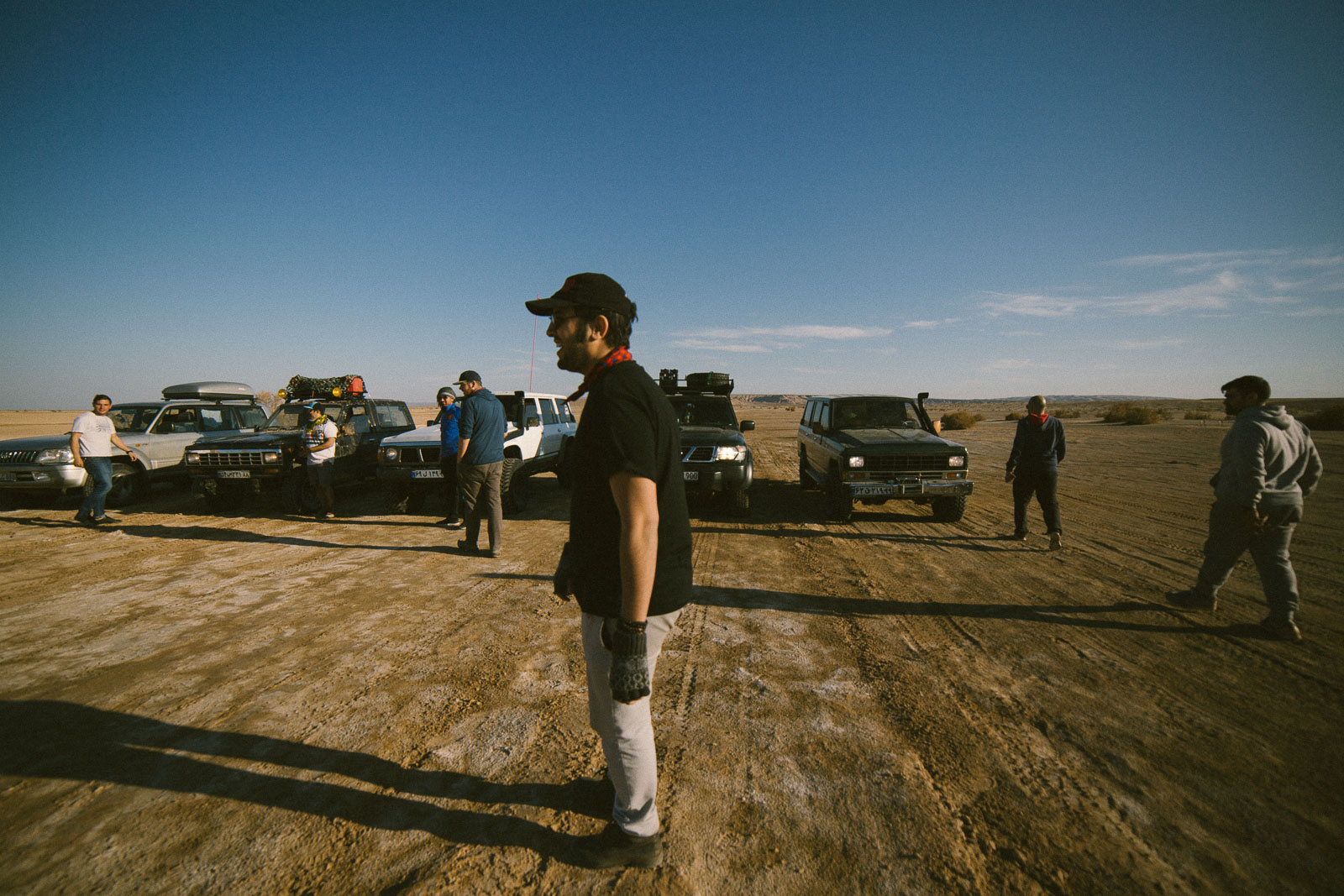
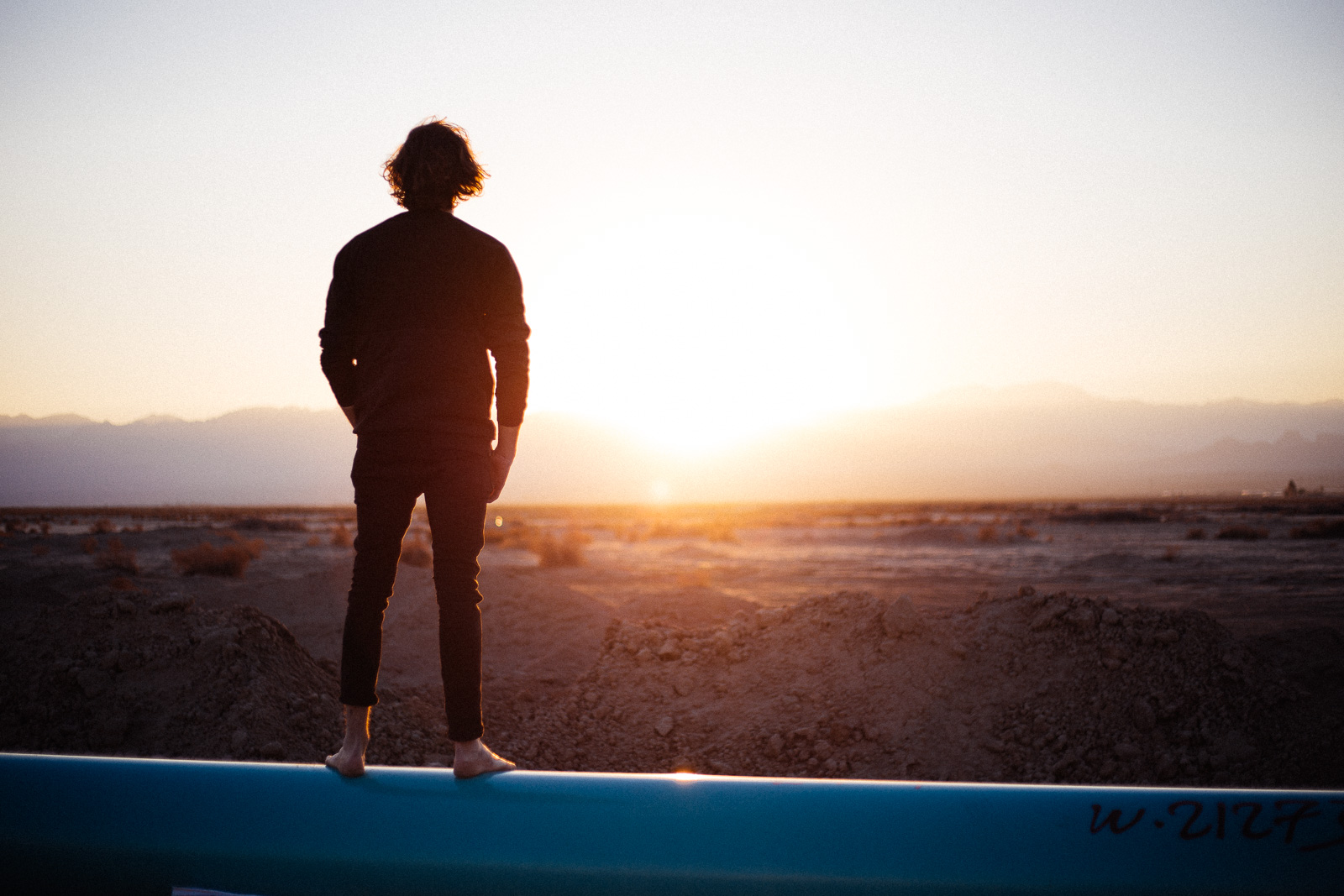
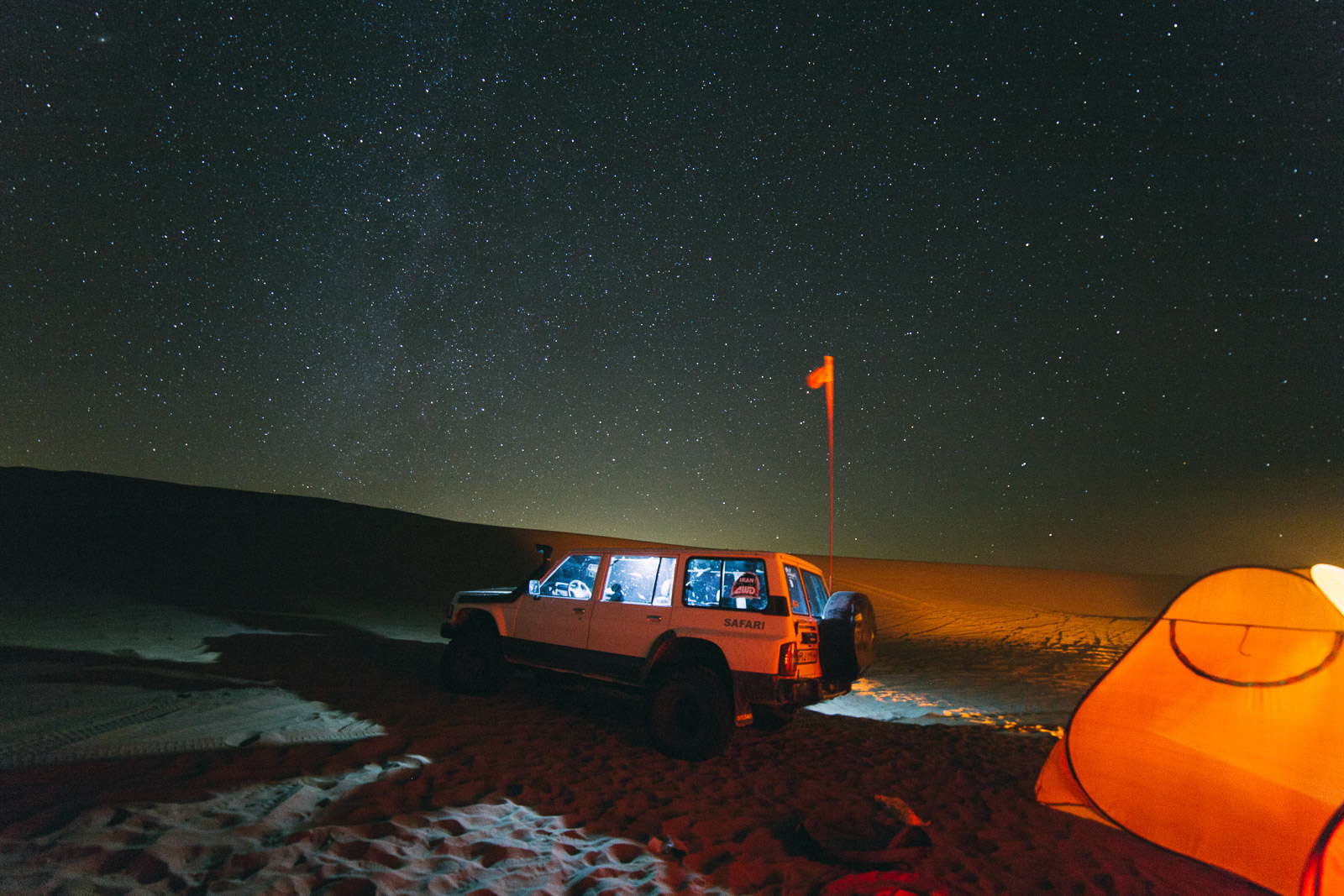
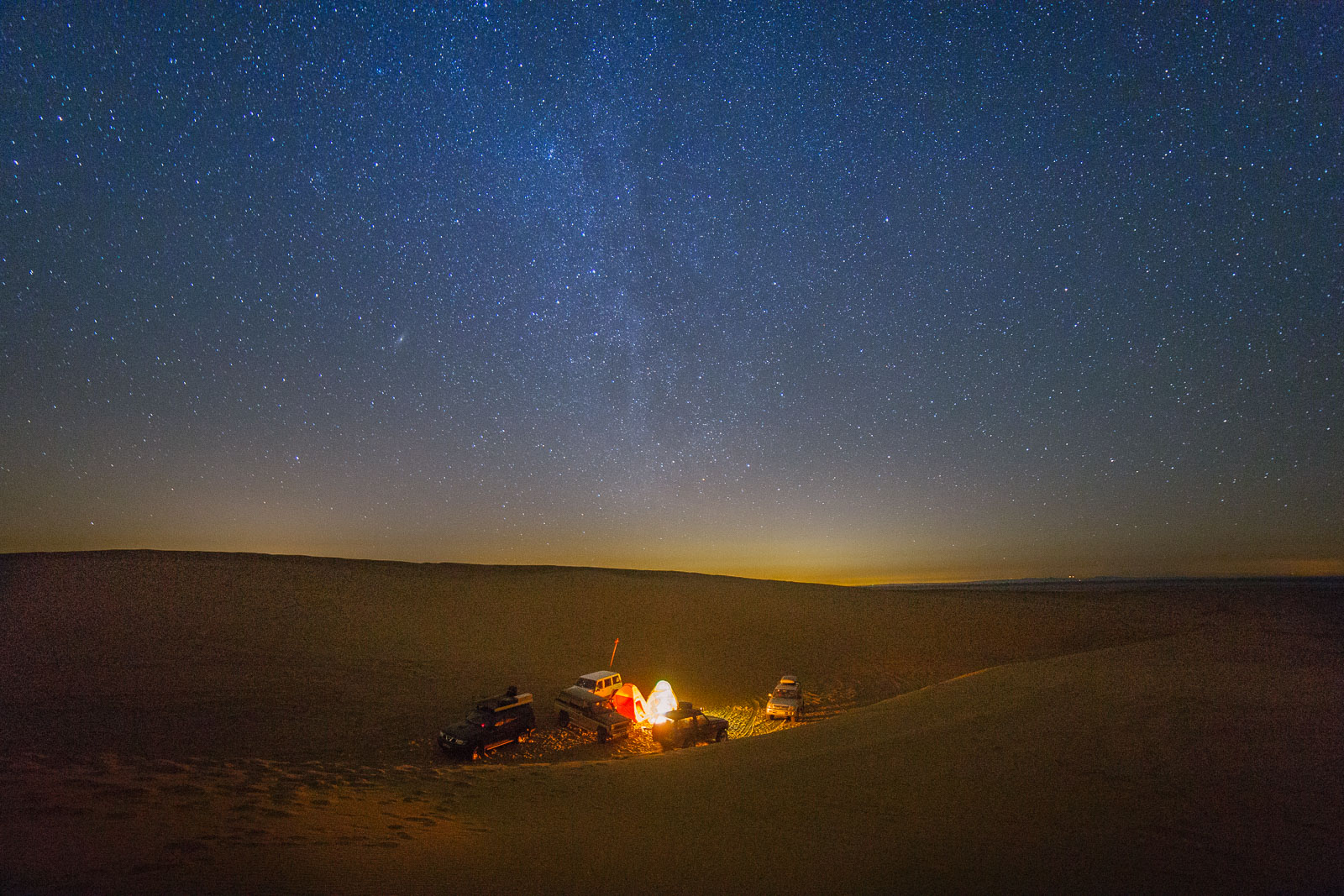
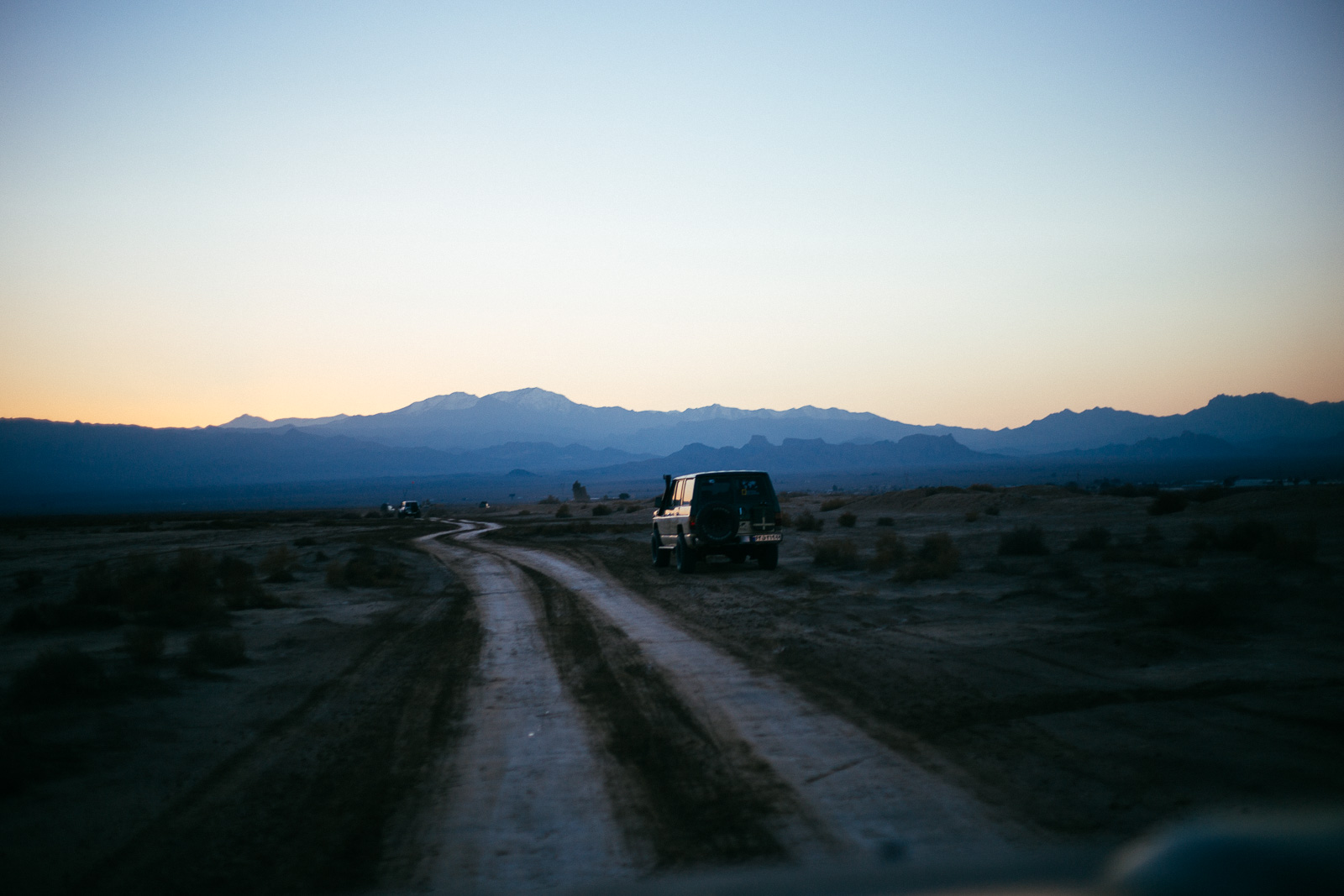
On the way to the desert, we made a short detour to a mosque. It was very beautiful, like most in Iran, elaborately decorated, glittering and sparkling everywhere. The Iranians could certainly take a leaf out of their book for their own houses. There's actually an entrance fee for the desert, I could hardly believe it. There's a checkpoint on the access road where we bought a ticket for the cars – 400,000 rials for two cars with three people. The adventure could begin. Several trucks loaded with salt passed us on the way to the desert. Marc and I drove through the dunes; we were a little worried we'd get stuck – neither Lennard nor I had sand ladders or a compressor. I had a blast. In the dunes, I met two Dutch guys; the two of them were backpacking through the country for two weeks. Lennard told me about three Nissan Patrols he'd seen, and a short time later we spotted them and followed them through the dunes. There were six guys from Tehran camping here in the desert, and they invited us to join them at their camp. We didn't hesitate for long; it sounded like a lot of fun! My tires were still at full pressure, so it wasn't long before I got stuck. The guys pulled me out, and we adjusted the tire pressure for the sand—from 34 psi to 10 psi. It drives so much better that way, since the tires have more contact patch. The camp was well hidden behind the sand dunes. Two tents and a fire pit were left over from the night before. I'd barely gotten out of the car before I had a cup of vodka and Fanta in my hand. Awesome! Mo and his friends are from Tehran and are between 24 and 35 years old. They must be well-off; their cars cost at least $50,000 in Iran—a 1995 Nissan Patrol 4.2-liter and a Nissan Patrol Safari. Only with Iran's fuel prices can you afford to drive a car like that. They guzzle over 25 liters per 100 km. The campfire was lit in true style with a few liters of gasoline – it's faster that way. One of the guys prepared chicken kebabs; I was pretty overwhelmed by the whole situation, just happy. The sunset in the desert is phenomenal; we had a great view from a sand dune. Marc unpacked his guitar and strummed a few strings. It was probably the most beautiful moment of my trip so far; the sun was just disappearing behind the mountains in the distance, the endless expanse of the desert stretched before us, and guitar music played in the background. Marc plays guitar well and sings along; I was pleasantly surprised, and the Iranians loved it too. It was the perfect location to take some great pictures. At night, I spent hours on the dunes taking photos of the starry sky. The guys are really cool; we were so lucky to have met them. When we all went to bed, I was glad that I had to sleep in the car and not in the tent, because it got quite cold.
January 4, 2017
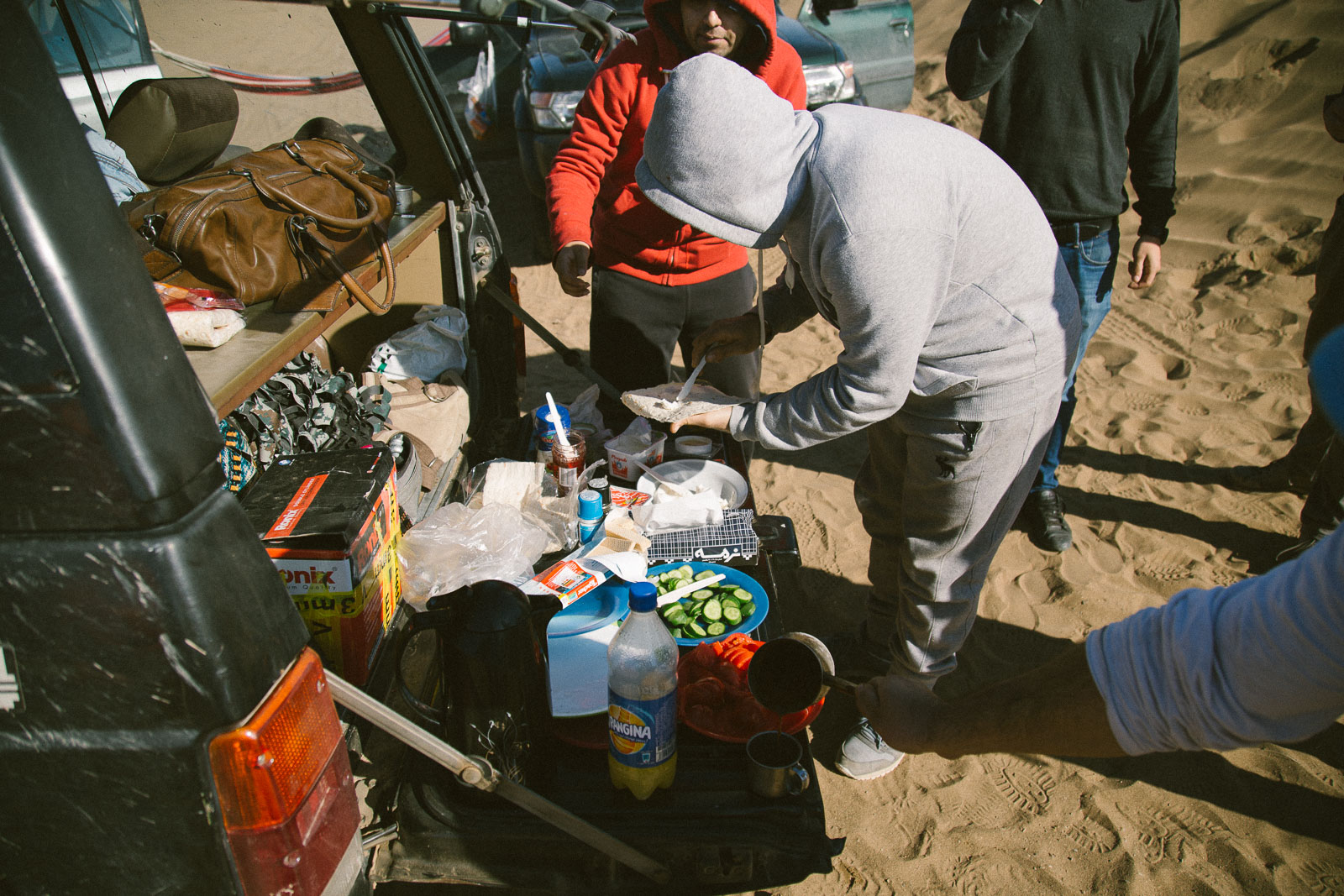
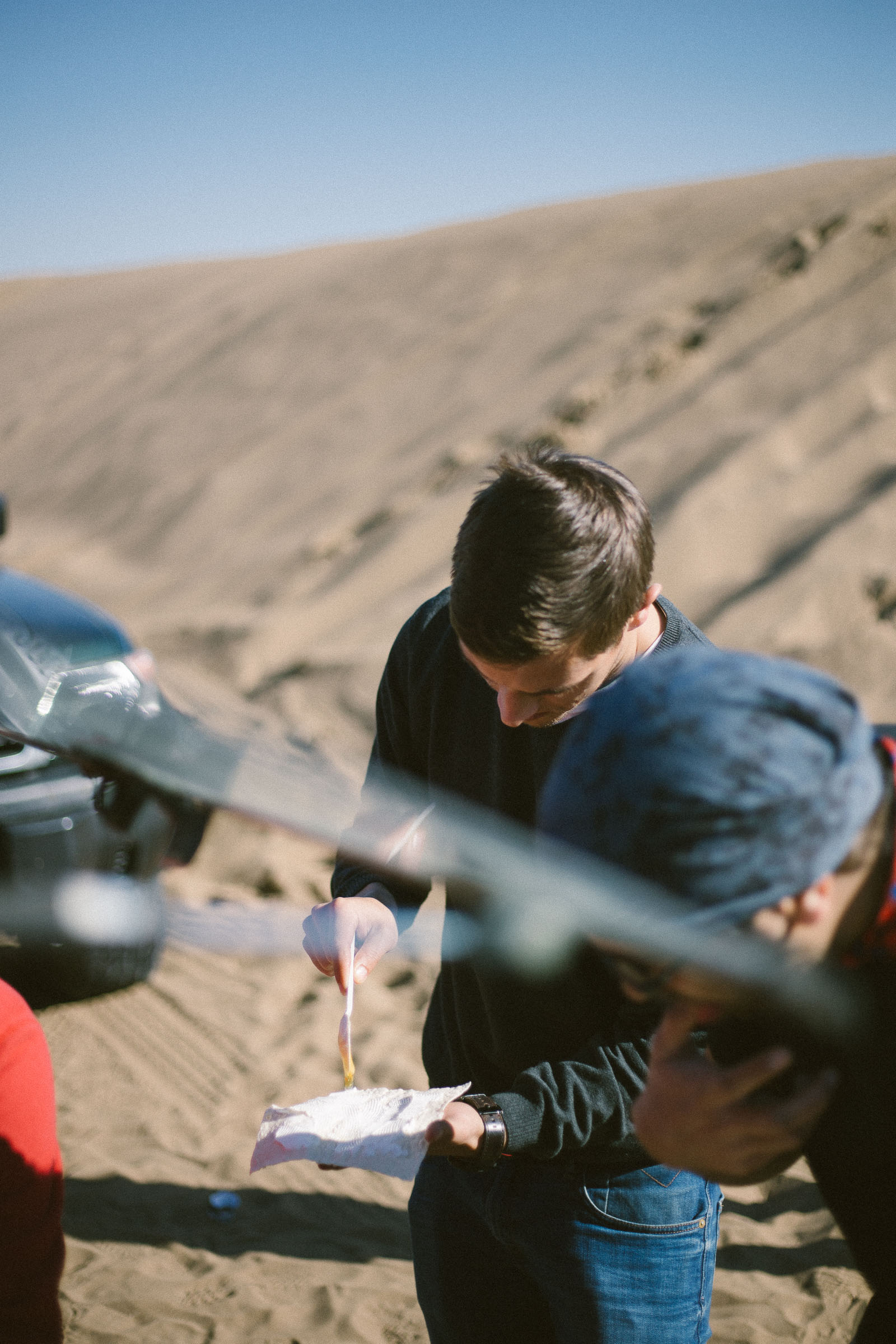
The night must have been cold, because when I went to the bathroom in the morning, everyone was asleep in their cars and no longer in their tents. We had a typical Iranian breakfast in the desert: cream cheese, cucumbers, tomatoes, cream and honey (typical here), tangerines, and apples. It was great fun speeding through the sand dunes, and when I got stuck, the guys pulled me out in no time. Incredibly beautiful landscapes here, a bit like being on the moon. We drove at 60 km/h into the sunset. Shortly before we reached paved roads again, we pumped up the tires to 32 psi. On the highway, we parted ways with the guys; they drove back to Tehran, and we headed towards Kashan. We hadn't eaten anything since breakfast that morning, so in Kashan, we discussed our onward journey over a generous dinner. Just outside the city, I waited for Lennard and Marc. We were all sitting together in my car when Marc said, "The military is here." I assumed they only wanted to see our passports, but quickly realized this wasn't the usual procedure. We were escorted to the office by two heavily armed soldiers. They checked everything: passports, cell phones, laptop, memory cards, hard drives, iPads—every electronic device, including my drone, which they were very interested in. So there the three of us sat in a military base somewhere in Kashan, waiting to see what would happen next. I wasn't entirely comfortable with the whole thing; I had hidden the hard drive and memory card with yesterday's photos. Perhaps it's better that way, so they don't see those too. Afterward, they searched the cars and found even more cameras and electronic devices. Just this morning we'd had a blast in the desert, and now this! We spent a full two and a half hours there, and we didn't get our passports or belongings back. They were handed over to the security police, similar to the secret service. We were told to report there tomorrow. So we had nothing left – no passports, cell phones, laptops, cameras, or drone. Just the address of the police station. We were supposed to contact them tomorrow; they had written down the address for us in Farsi and English. So we drove back to Kashan. It was 2 a.m. by then, and I asked a young Iranian man if he could show us the police station. I gave him a ride, and we drove to the police station. The policeman told me that the passports were there and that we should come back tomorrow. After a rather pointless late-night conversation with the German Embassy, we went to bed. We'll go back there at 7 a.m. tomorrow. We'll see what happens.
January 5, 2017
I was woken up shortly after 7 a.m. by the noise of passing cars. I was still far too tired; the night had been much too short, but we were planning to be at the police station at 7 a.m. anyway. Shortly before 8 a.m., we were standing in front of the police station, which resembled more of a barracks. Then it was a matter of waiting. We unpacked our camping chairs and sat in the sun in front of the station. After about an hour, first Marc and then I were called inside. They went through the pictures on our cell phones and cameras again. The same procedure as last night. Well, maybe they'll realize now that they won't find anything on us, but let's let them do their job. I don't understand what they want from me; none of them speak English. Again, he wanted my laptop password—I refused, which he accepted without argument. Then I asked for a translator. We waited another hour or so until they called Hussein over. He's a tour guide and speaks good English. He helped us translate and explained that Kashan is Iran's nuclear stronghold, which is why the authorities are so curious. He also told me there would probably be problems with the drone since I don't have a permit for Iran. I should show them the invoice or something and say it's the "permit"; they wouldn't be able to read it anyway. This whole thing dragged on until noon, when they searched the cars again and found my Polaroid and analog cameras and several lenses, which they also confiscated. They're sending everything to Isfahan to check it again, a third time. I don't think I'll ever see the drone again. We were finished by 1 p.m., but we still didn't get our passports back. The only thing we got back was a cell phone so we could be contacted—Lennard's phone. The German embassy couldn't help us either; we're supposed to wait until Saturday and contact them again. There might also be a problem with my visa. I entered the country on the last day it was valid and thought it was for 30 days. The authorities here say otherwise; they believe my visa is no longer valid. I'm curious to see what comes of this. For now, we just have to wait and see. We're allowed to leave the city. Hussein, the tour guide, called us in the evening and asked for the password for the iPad. I didn't want to give it to them at first, but he said it would be better if we did, as it would speed things up. He seems like a nice guy; he's clearly embarrassed by what the police are doing to us. He apologized profusely. We found a quiet spot near the train station. We were all tired and caught up on the sleep we'd missed over the last two days. You have so much more time without electronic devices, it's just a shame I had to find out this way. Around 7 p.m., Hussein called again with good news. He told us we'd get our things back that evening, even the drone. I was pretty happy, more than happy – but my excitement was still somewhat tempered. I'll believe it when I have my things back. Hussein invited us to play football in a sports hall; we arrived at 8 p.m. and kicked around for a bit. We were just about to move the cars when one of the officers came and took our belongings. His mood had improved considerably; he had a smile on his face and made an effort to be friendly. He handed me the drone, saying, "Please don't use it again in Iran." I nodded and grabbed it. All our other belongings were undamaged and complete. He even apologized and gave us some sweets. We later found out that a good contact had saved our bacon. If we hadn't had that contact, things would have turned out differently – and not to our advantage. It's always an advantage to have friends like that. In Iran, a lot depends on connections. We still couldn't quite believe our luck, so we went to get something to eat. We continued driving that night, me all the way to Isfahan and the two boys heading west. We'll meet up again in a few days. I arrived in Isfahan at 2:30 a.m.; the city was deserted.
January 6, 2017
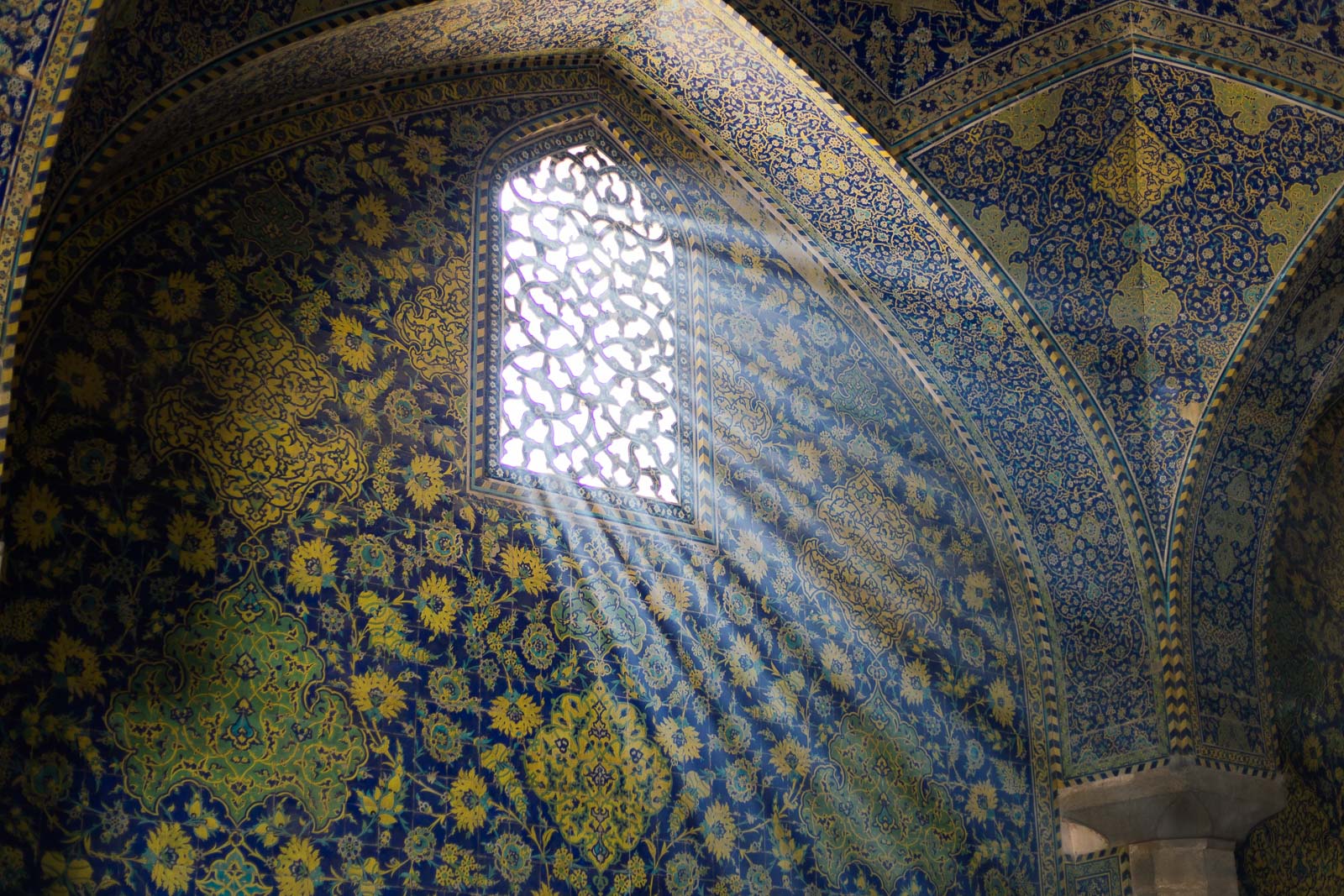
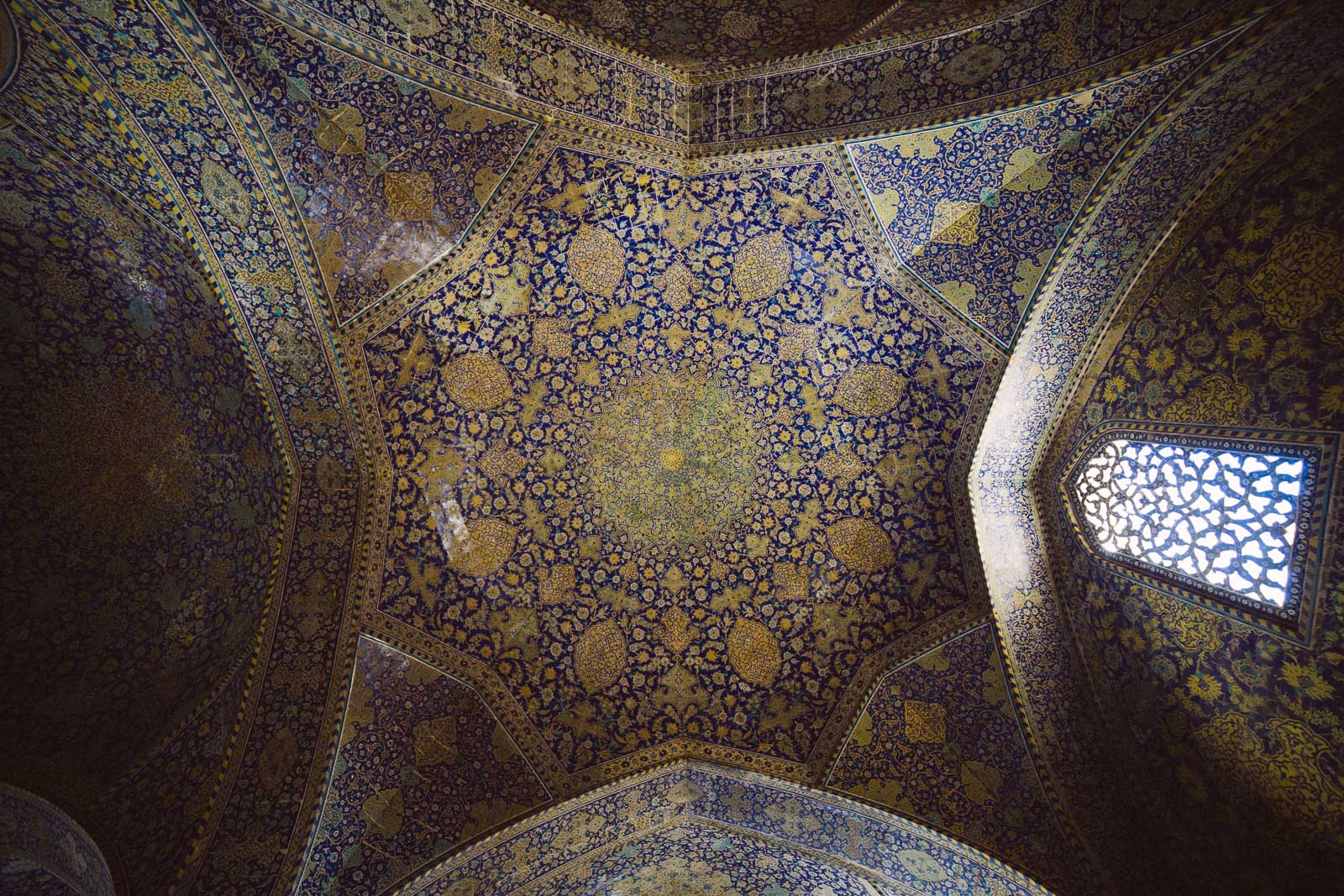
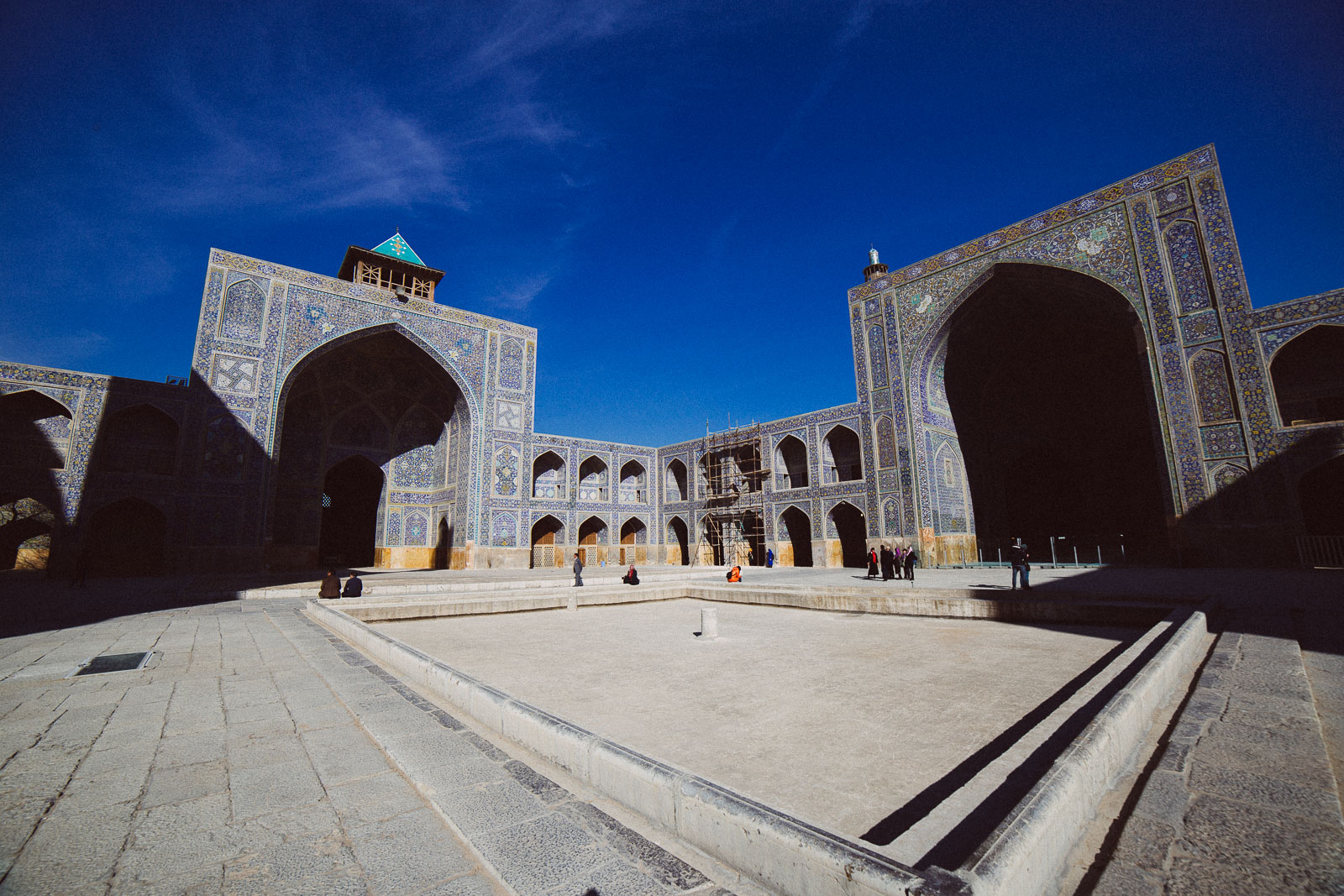
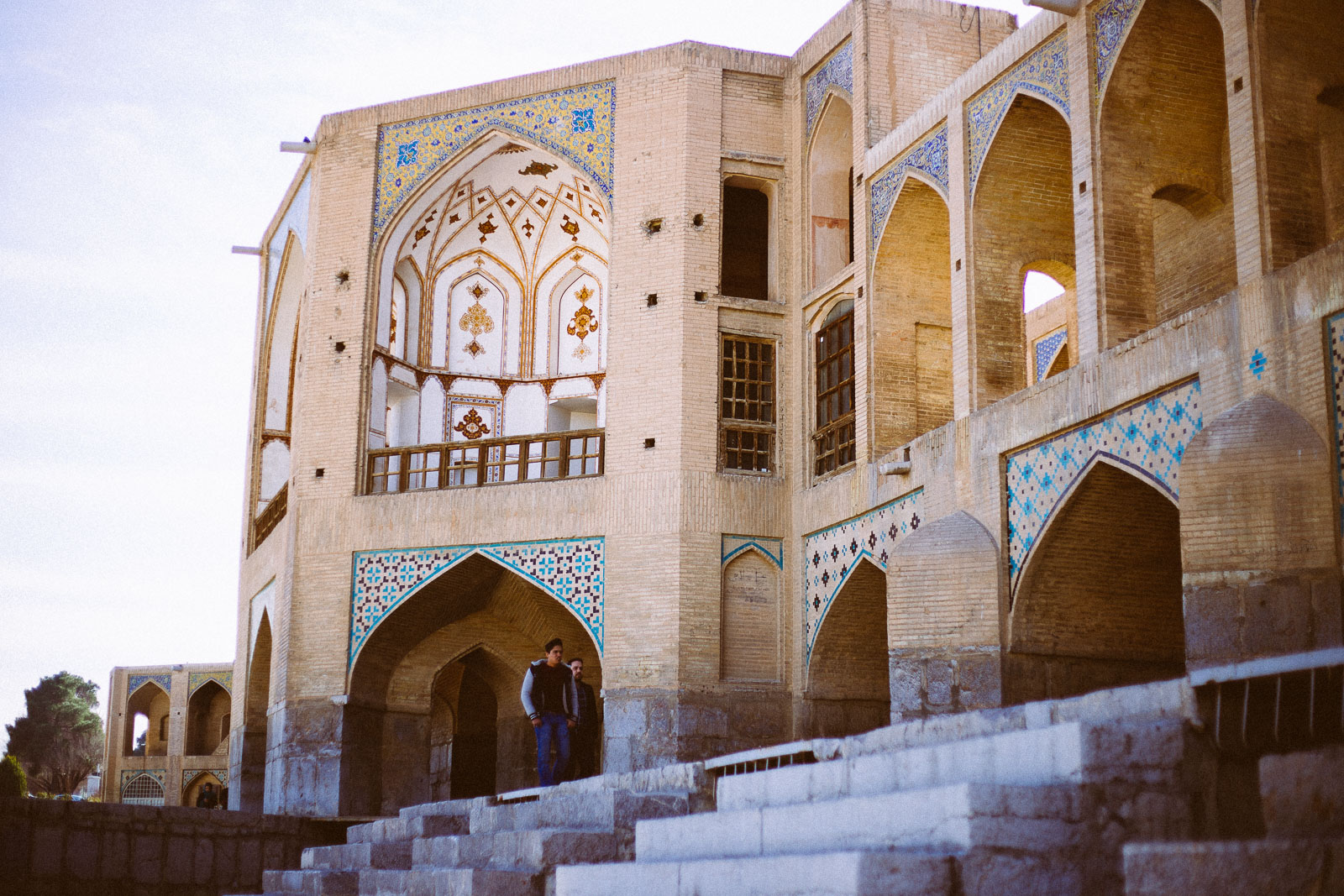
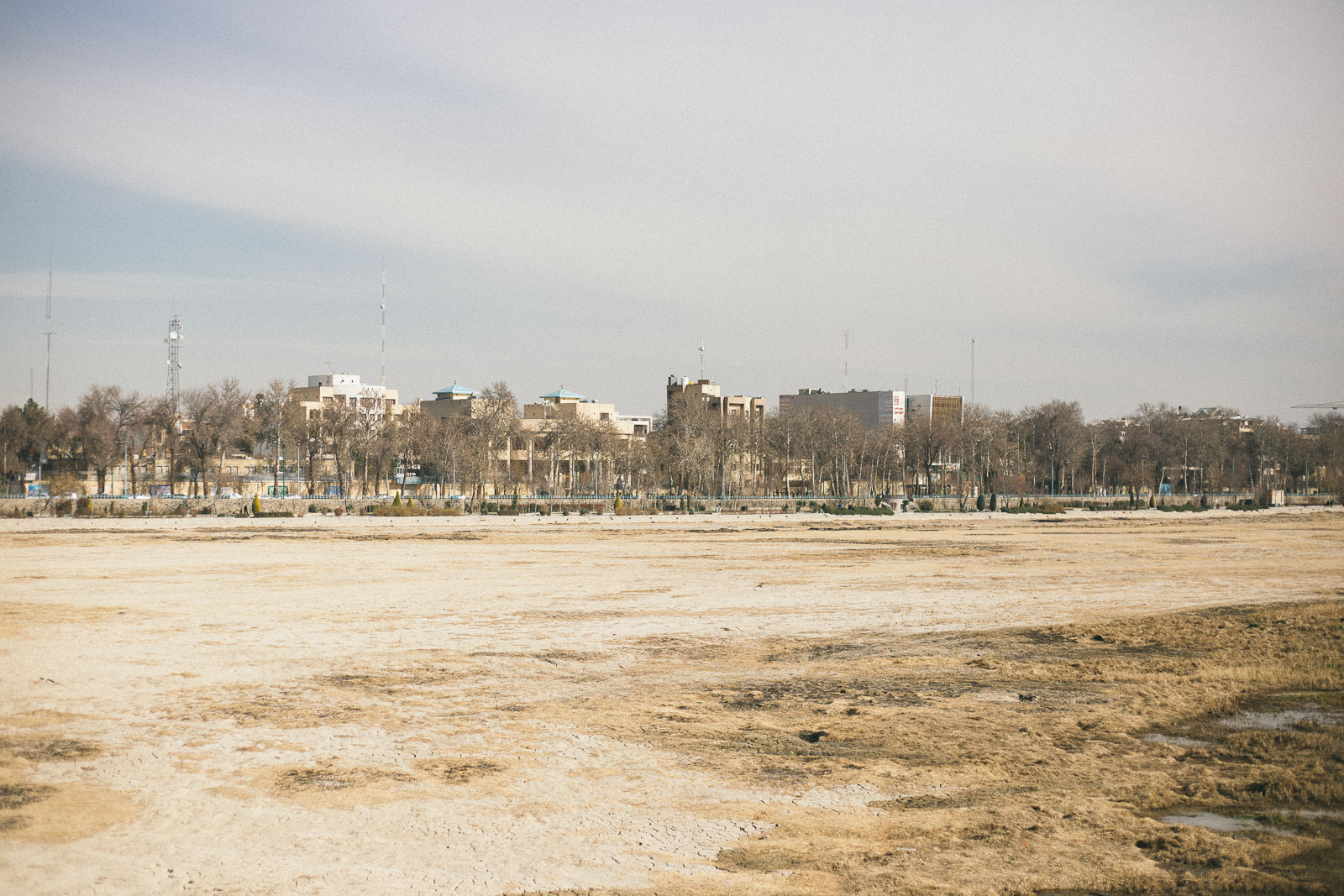
Today was sightseeing day again; there's quite a bit to see in Isfahan. The mosque in the city is fantastic, very elaborately decorated, and part of it is currently being restored. Entry costs 200,000 rials – inside, someone tried to sell me an audio tour for 150,000 rials. No thanks. I met a few other tourists at the mosque, mostly French and Chinese. Next to the mosque are tourist shops, and I bought a ring there. The first shop was too expensive for me, but in the second, I got the same ring for half the price; I think that was the right price. A silver ring with a rectangular black stone set in it; I paid 15 USD for it. The next stop was an old bridge in the middle of the city. A young Iranian man approached me; he spoke good English and showed me around. Along the way, we met his friend, and the three of us went to a second, arguably more beautiful, bridge. Behrouz and Hossein are two cool guys; they were really happy to see me. Behrouz said goodbye in the late afternoon, and Hossein and I went to get kebabs. I drove around the city for quite a while looking for a place to sleep, and finally found a good spot. It was right across from a guardhouse, and the guards even came out and told me to park right in front of it; they'd keep an eye on me! Very nice guys.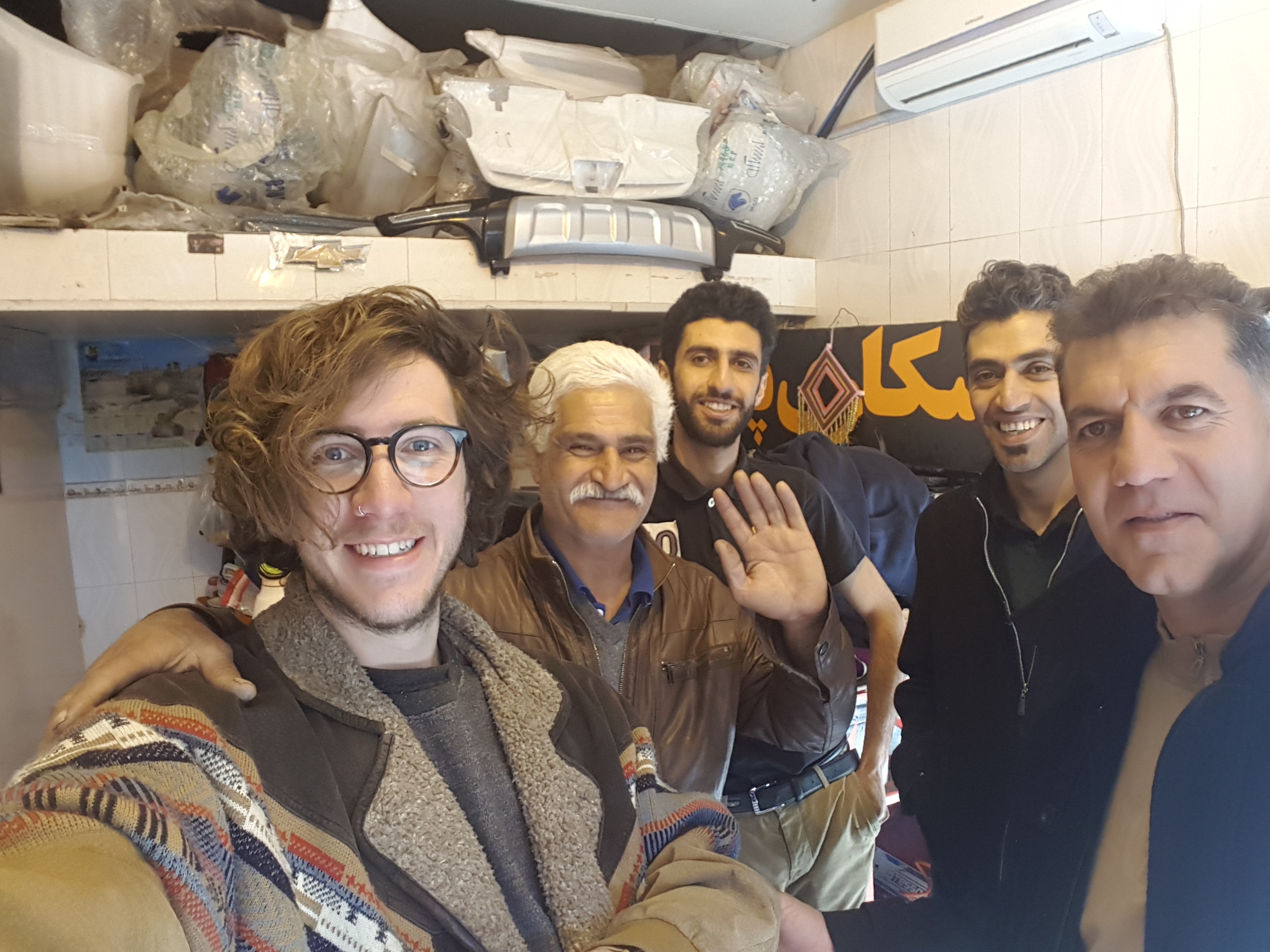
January 7, 2017
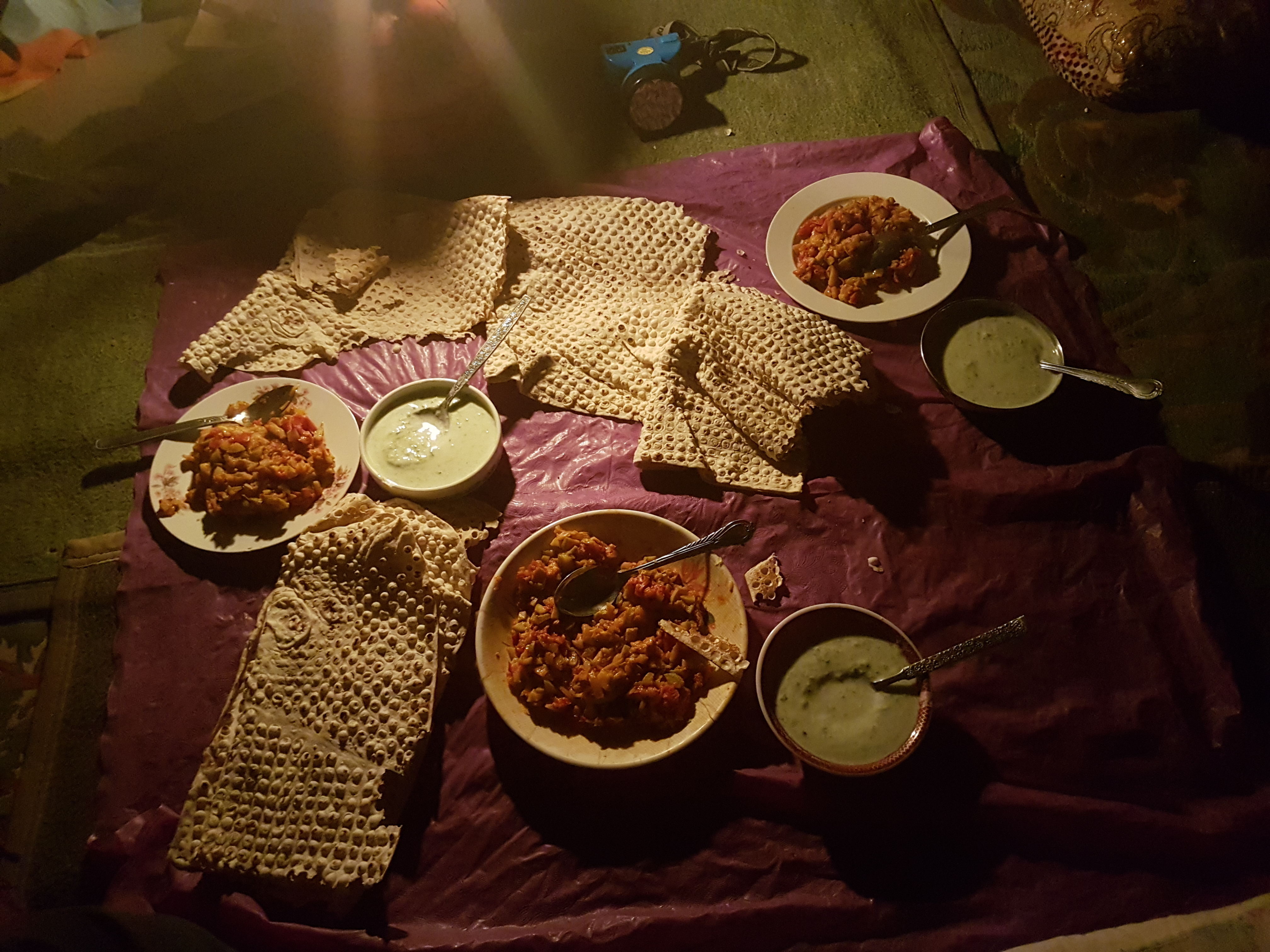
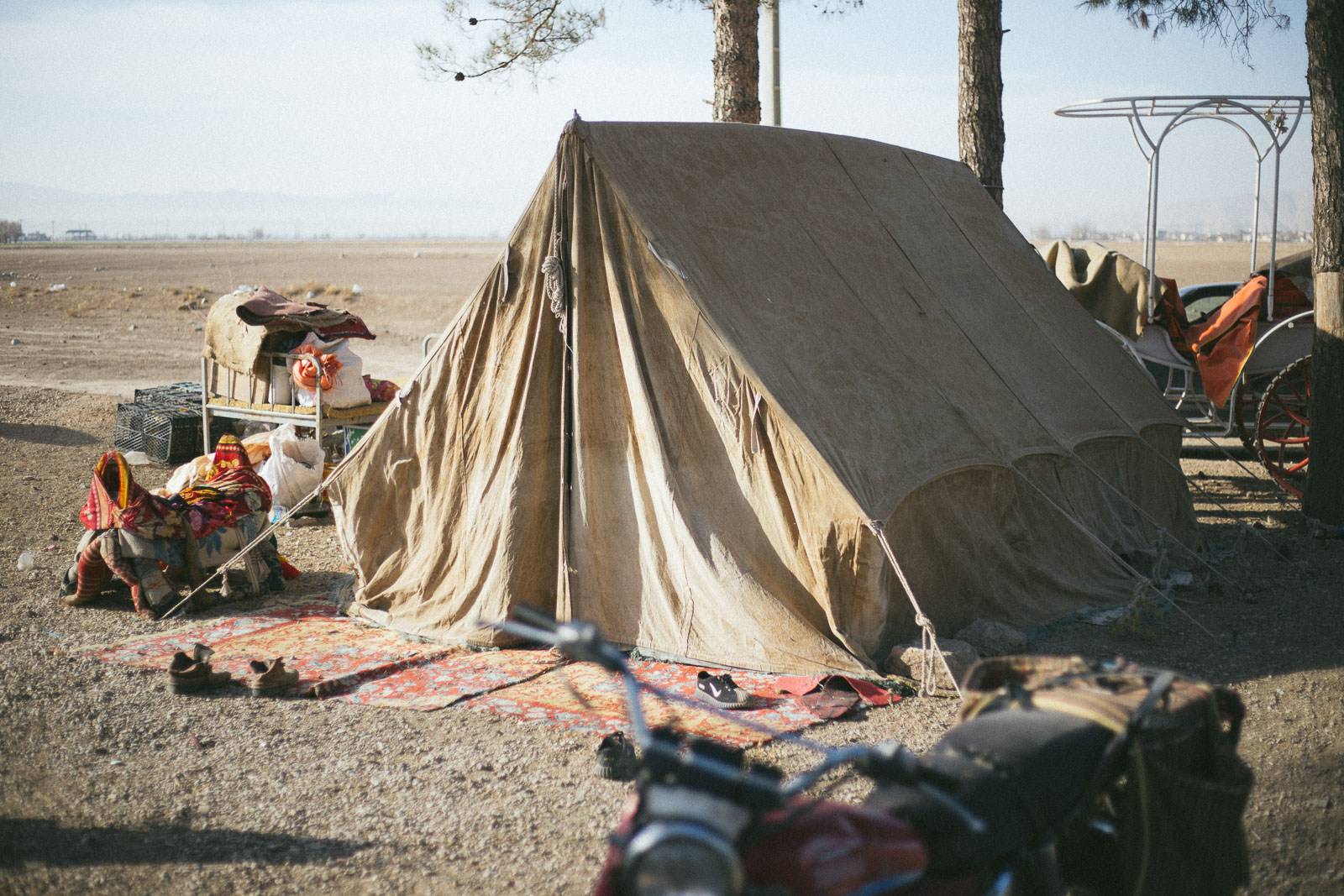
It was 550km to Persepolis, about 7 1/2 hours. The drive was long; it took me all day, and I didn't arrive until late afternoon. I had to stop along the way for a short nap; I was so tired I almost fell asleep. The landscape here is amazing. A bit monotonous, though—desert-like, dry vegetation with large rocks and mountains. The thermometer is finally showing temperatures well above freezing again; there's hardly a cloud in the sky. Finally warm again! The last two months have been cold enough. Now I'll enjoy the warmth for a short while until I reach Pakistan, where it will get colder again. I was standing by the roadside near Persepolis when an older man rode past on a motorbike and waved. I waved back, he stopped, came back, and spoke to me in Farsi. Unfortunately, I didn't understand him, but he kept pointing in one direction. I think he wanted to invite me to his place. And so it was a little later when I found myself sitting in his house. The family consisted of a father, mother, and two sons. They lived in two tents without running water or electricity. None of them spoke English very well, so we communicated with gestures and Google Translate. I showed them pictures of Germany, and they showed me videos from before the revolution. Almost everyone I met said that things were better back then. The tent was about 10 square meters and completely covered with carpets; it was almost empty. On the right side was a gas burner for cooking and a few containers. In the back, there was a metal shelf with all sorts of things on it, but mostly pillows and blankets. Dinner was really delicious; the mother cooked for all of us—vegetables with bread, and yogurt with cucumbers. In the evenings, we sat outside around the campfire, and the father played the flute. It was homemade, made from a piece of plastic pipe with holes drilled in it. The coal from the fire was used to heat the tent. Simply put the glowing coals in a metal container and place it in the tent; it will keep the tent warm for several hours. Ahmed and I slept in the second tent. The bed consisted of a few thin blankets that served as a mattress and a few more to cover ourselves. I was pretty exhausted and fell asleep relatively quickly.
January 8, 2017
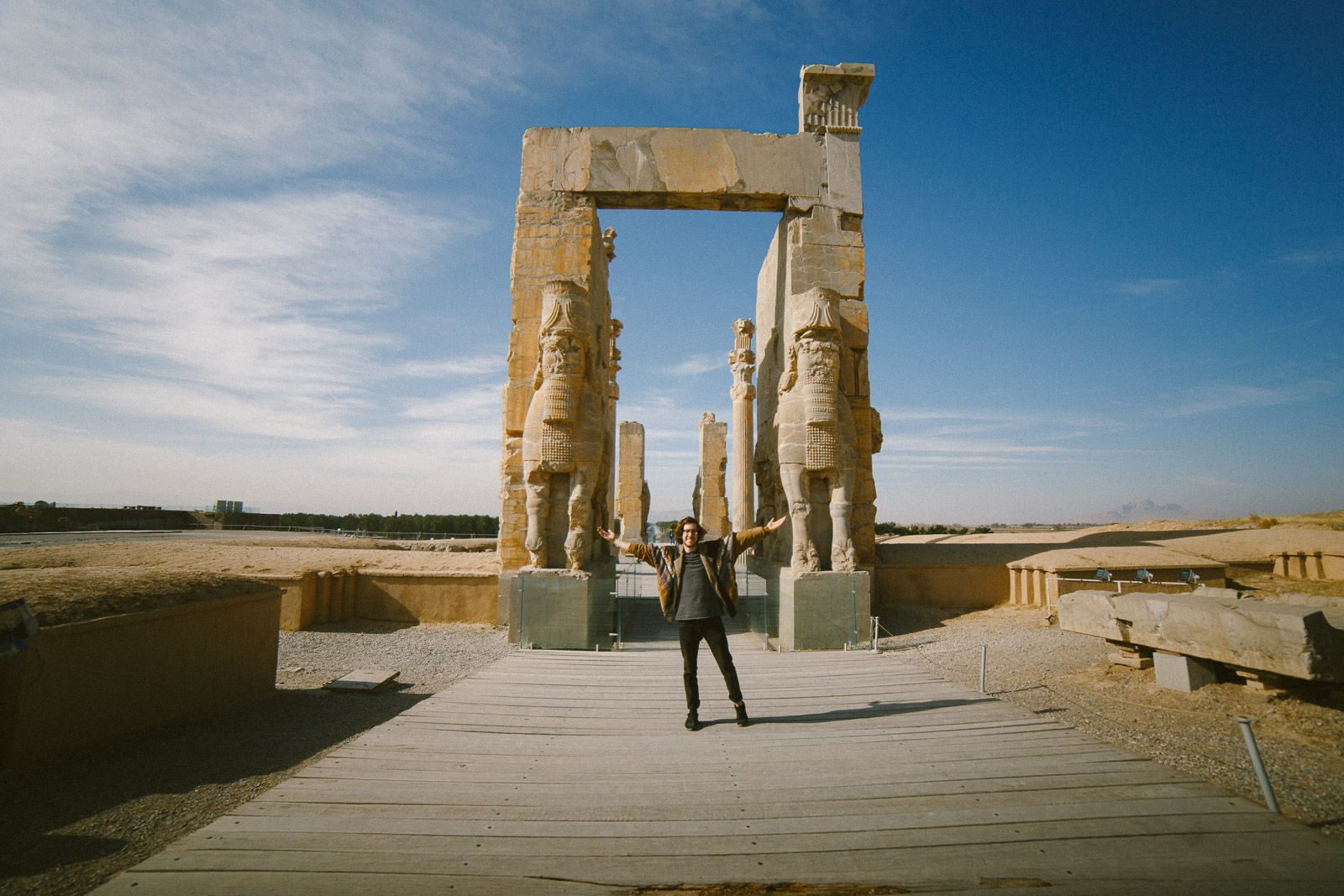
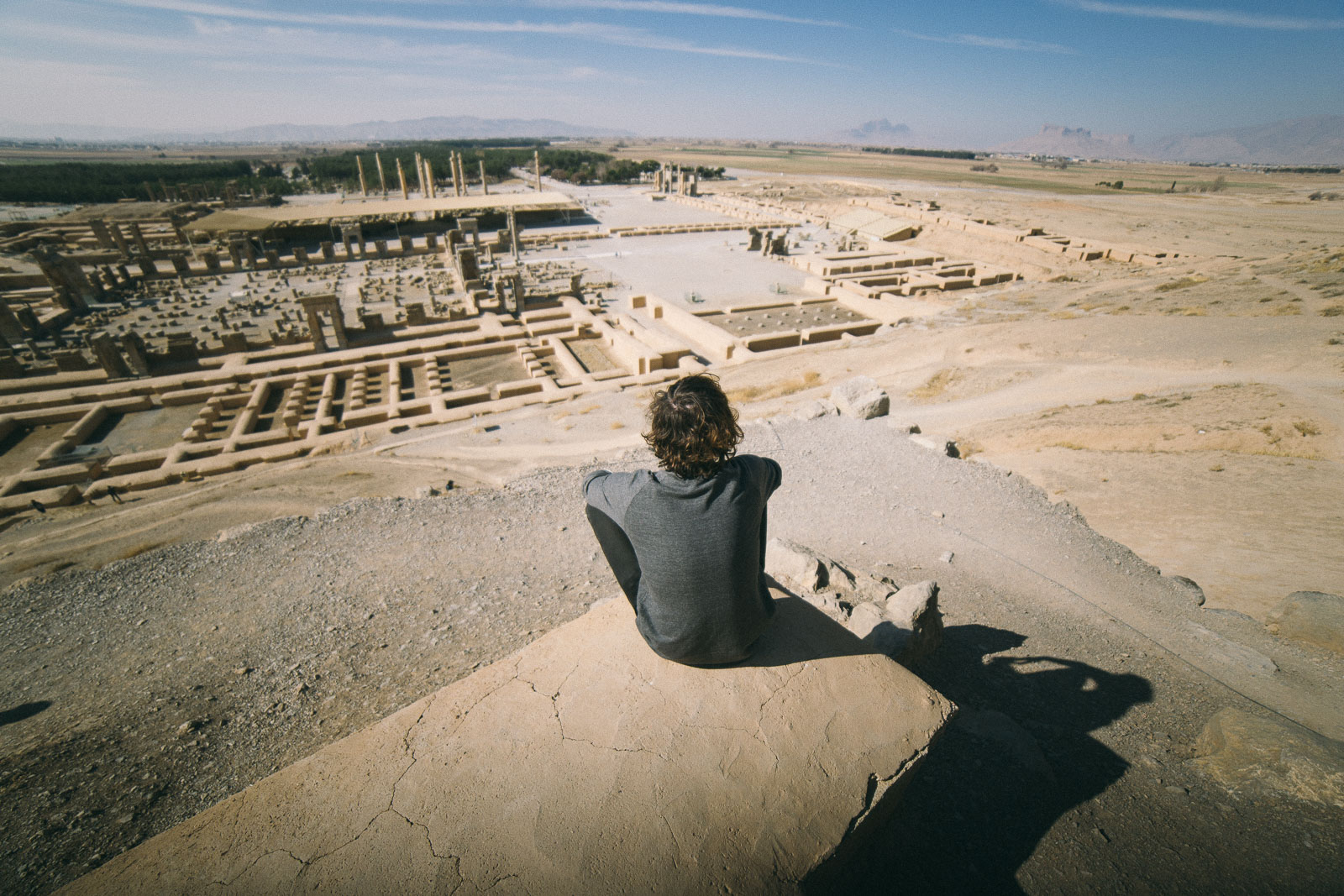
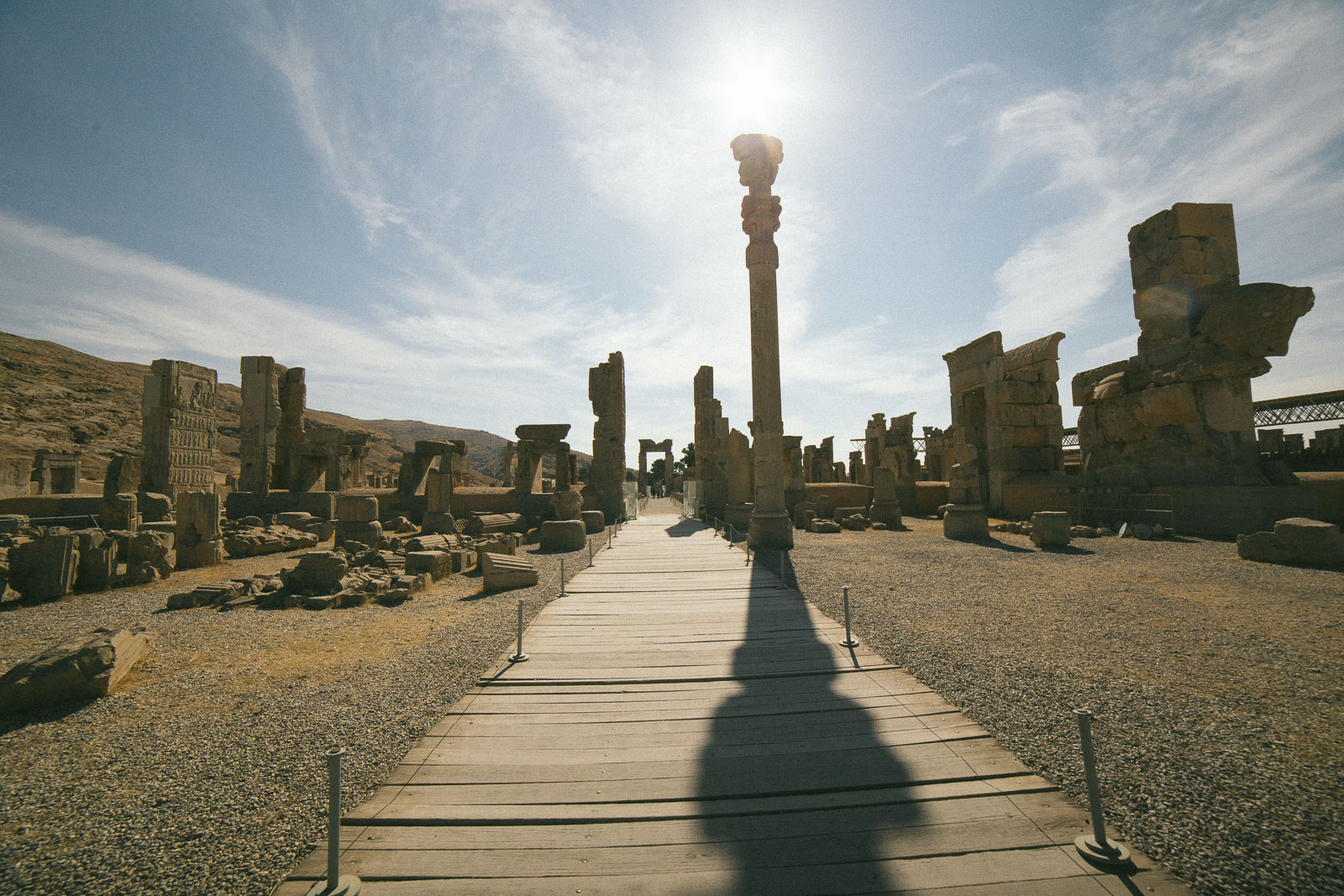
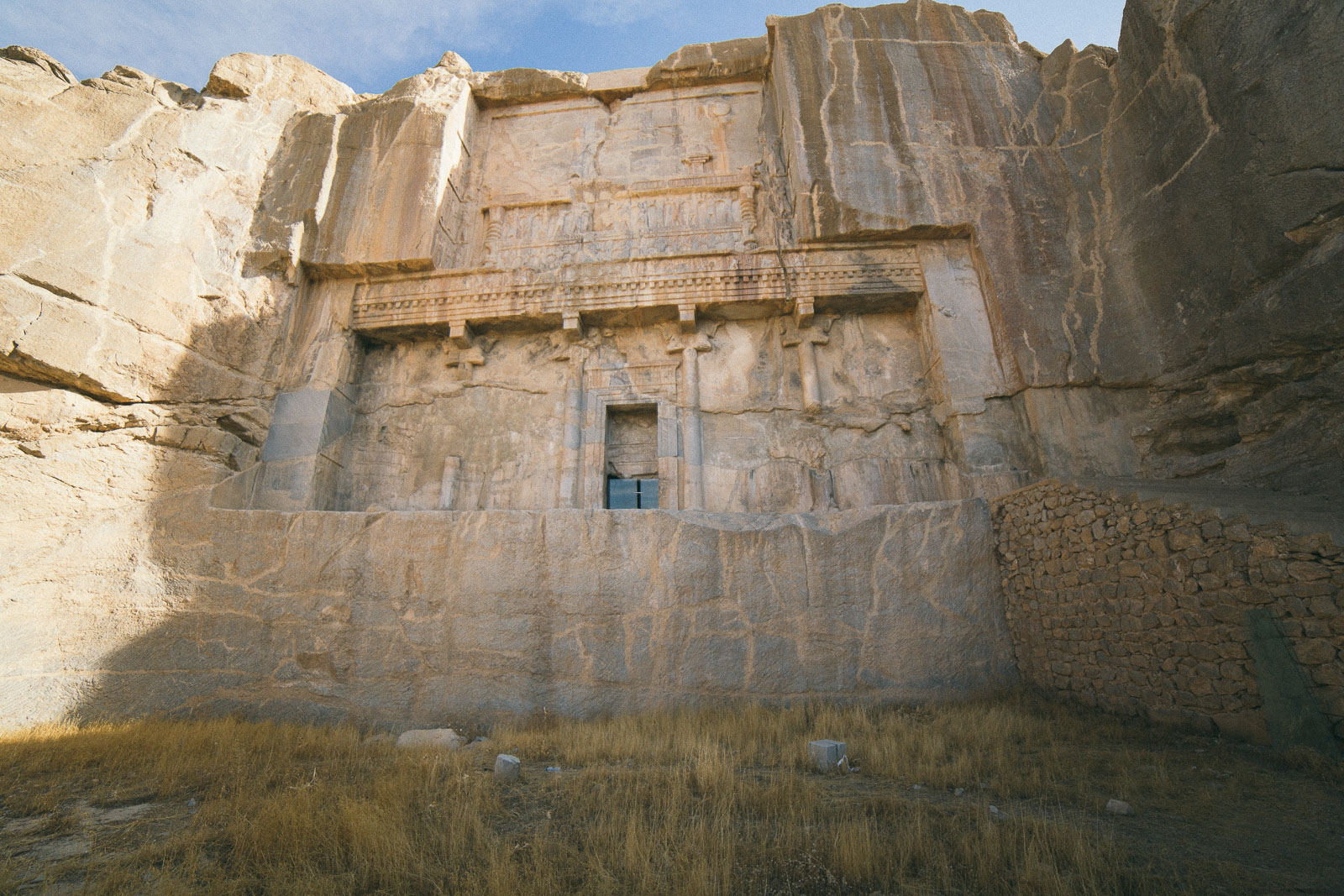
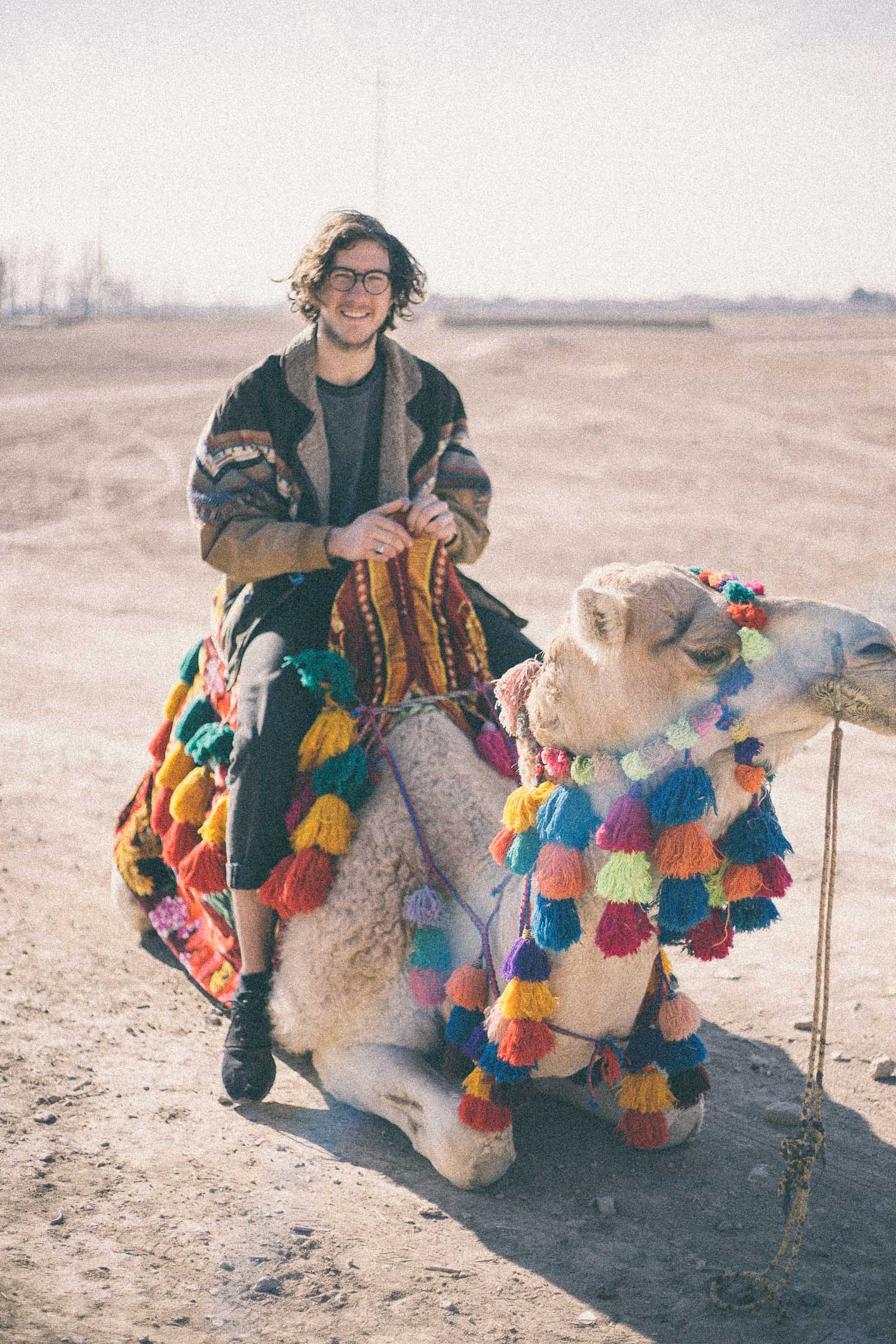
The night in the tent was chilly, I woke up early and had breakfast with my parents – cheese, walnuts, and bread. We had tea to drink. They also have a camel – Ahmed really wanted me to ride it. Well, if it makes him happy, I think he just wants money for it afterward. Camel riding isn't for me, not at all. We went around a few times, then I'd had enough. As I suspected, he wanted a donation for it. I gave them 200,000 rials and 10 USD for everything. They want me to come back and asked for my phone number and email address. Ahmed doesn't have an email address yet, but he's going to get one. Then it was time for Persepolis. The entrance fee is 200,000 rials, and I wasn't allowed to take my backpack onto the grounds because a tourist had stolen something a few years ago and tried to smuggle it out in his backpack. So I had to carry all my camera equipment around in two plastic bags. On the grounds, I met Lucas, who's from Poland and is traveling through Iran for two weeks. We got along well, and I took him with me to Shiraz. Right in the middle of the city, we found a great place to sleep—a quarry with a fantastic view at night. Tomorrow our paths diverge forever; Lennard and Marc are heading to Bandar Abbas. From there, I'd like to take the ferry to Qeshm. I would have loved to come along, but I simply don't have the time. I still have 1100 km to go to Zahedan, that's quite a distance!
January 9, 2017
The guys woke me up this morning, and we said our goodbyes. It's a shame, the time with them was really great. I think I'll see Marc again in India or Nepal. Lennard will probably go home now and ship his car to Africa from there. I'm curious to see how his trip ends. It's a good seven-hour drive to Kerman. Before I left, I had my pants repaired; they had a ripped pretty badly in the crotch. I found a tailor for €1.20 who fixed them in 30 minutes. I was just about to set off when I lost internet on my phone. No internet also means no GPS – no GPS means I have absolutely no idea which way to go. I asked some guys, and they accompanied me to a mobile phone shop. It took ages, but they finally managed to get it working. I don't know what was wrong, but some settings must have been incorrect. It was now noon and I was starving, so I asked the two guys for a restaurant recommendation. Naturally, they showed me a very fancy one. The food here was also delicious, though: lamb kebab and dizzy sauce, salad from the buffet, and bread. I offered to treat them, but when the bill arrived, he'd already grabbed it and paid with his card. He absolutely refused to let me pay. After all, I was a guest in Iran. Typical Iranian hospitality. Finally, it was almost 1 p.m., and I set off. In Kerman, I slept at a gas station; I was too lazy and tired to look for a nice place to sleep.
January 10, 2017
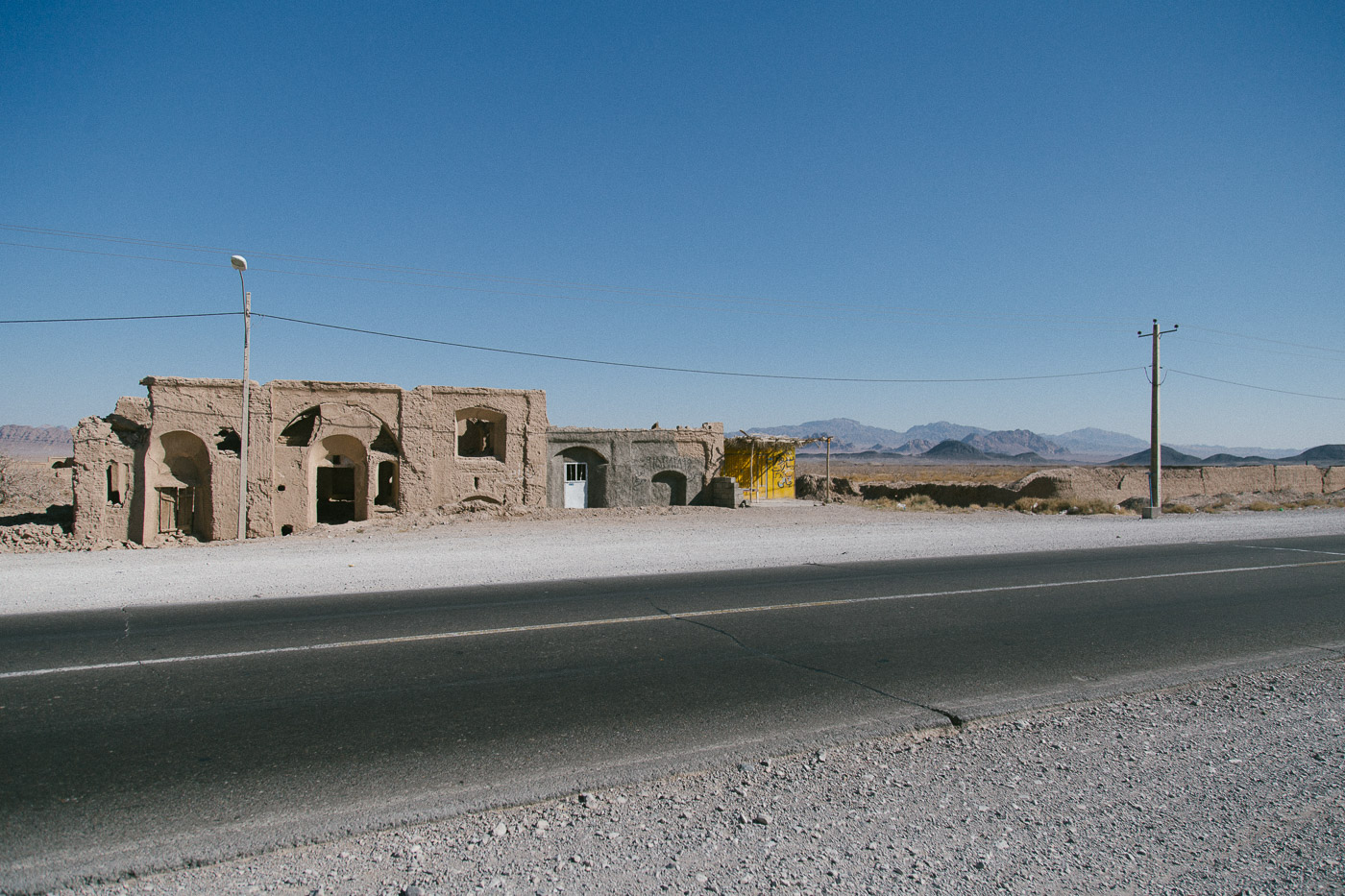
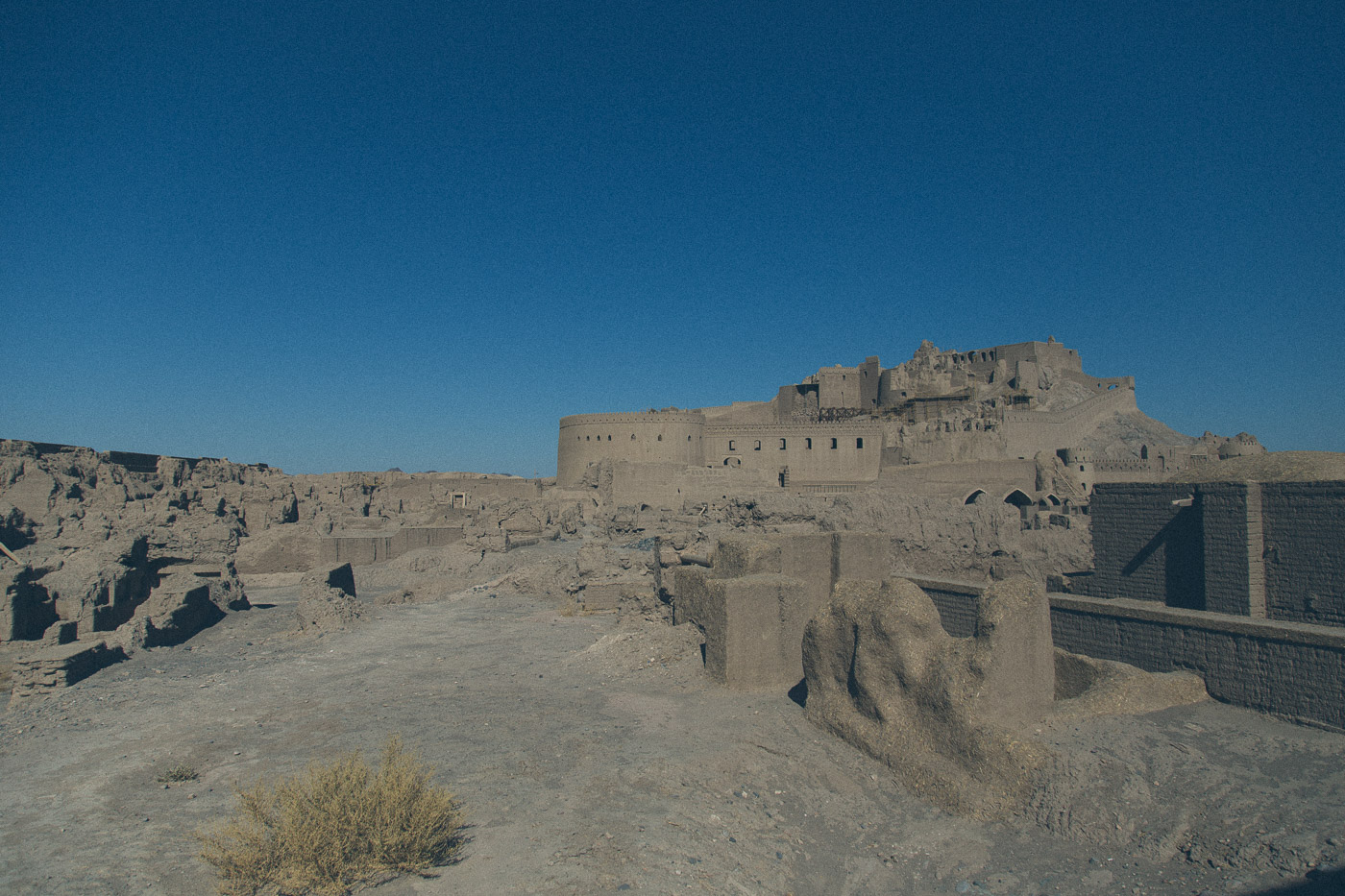
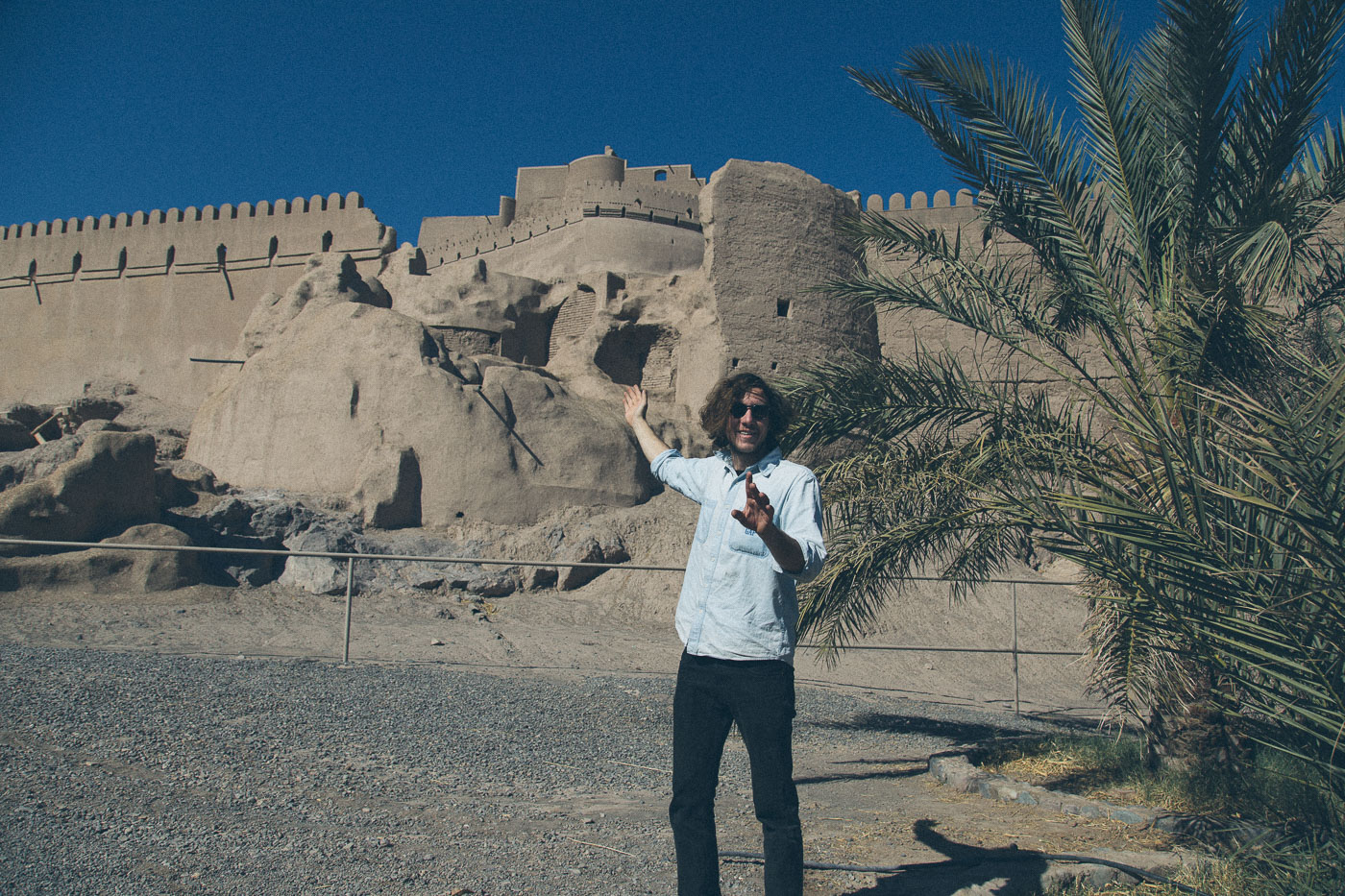
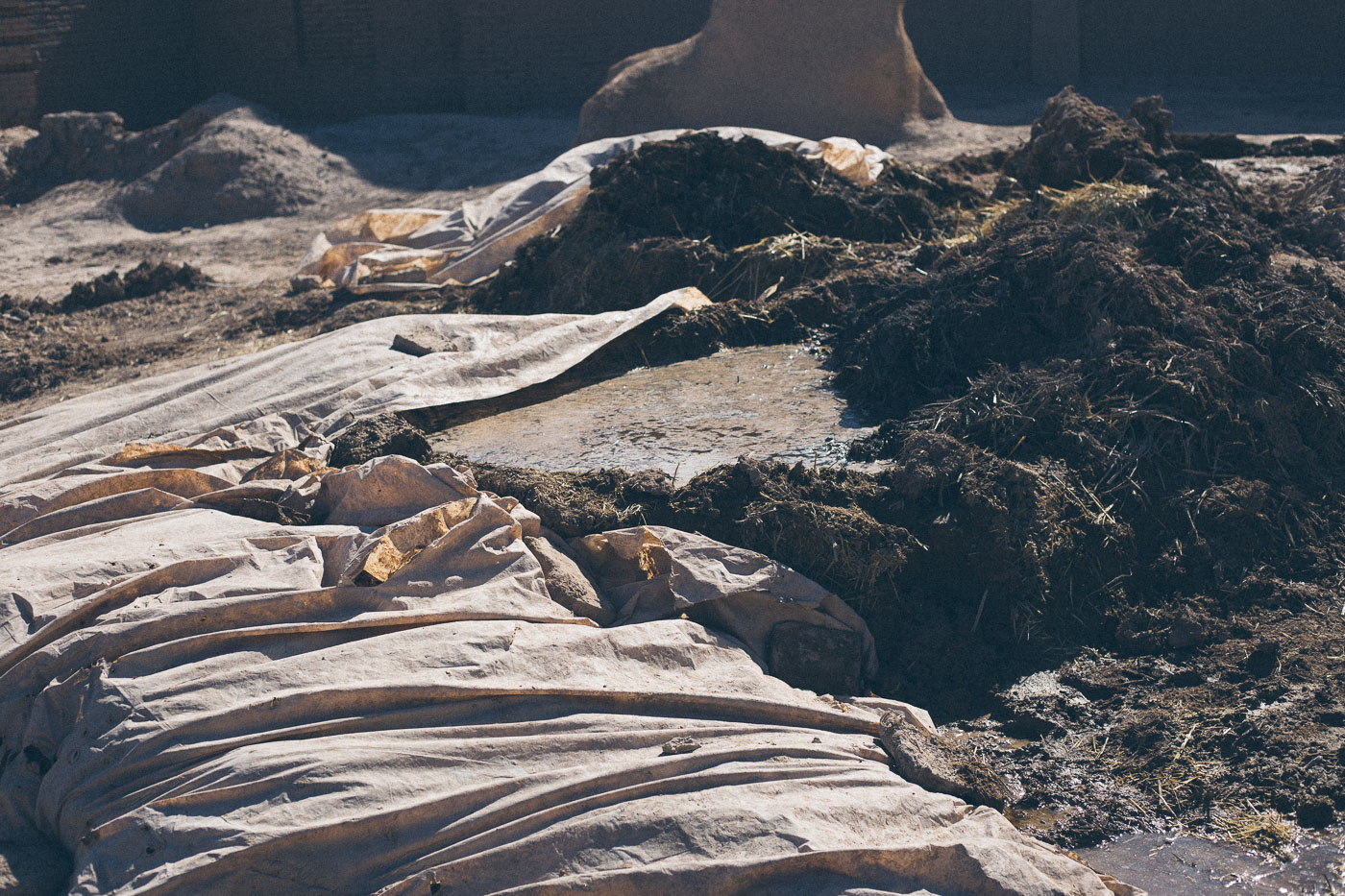
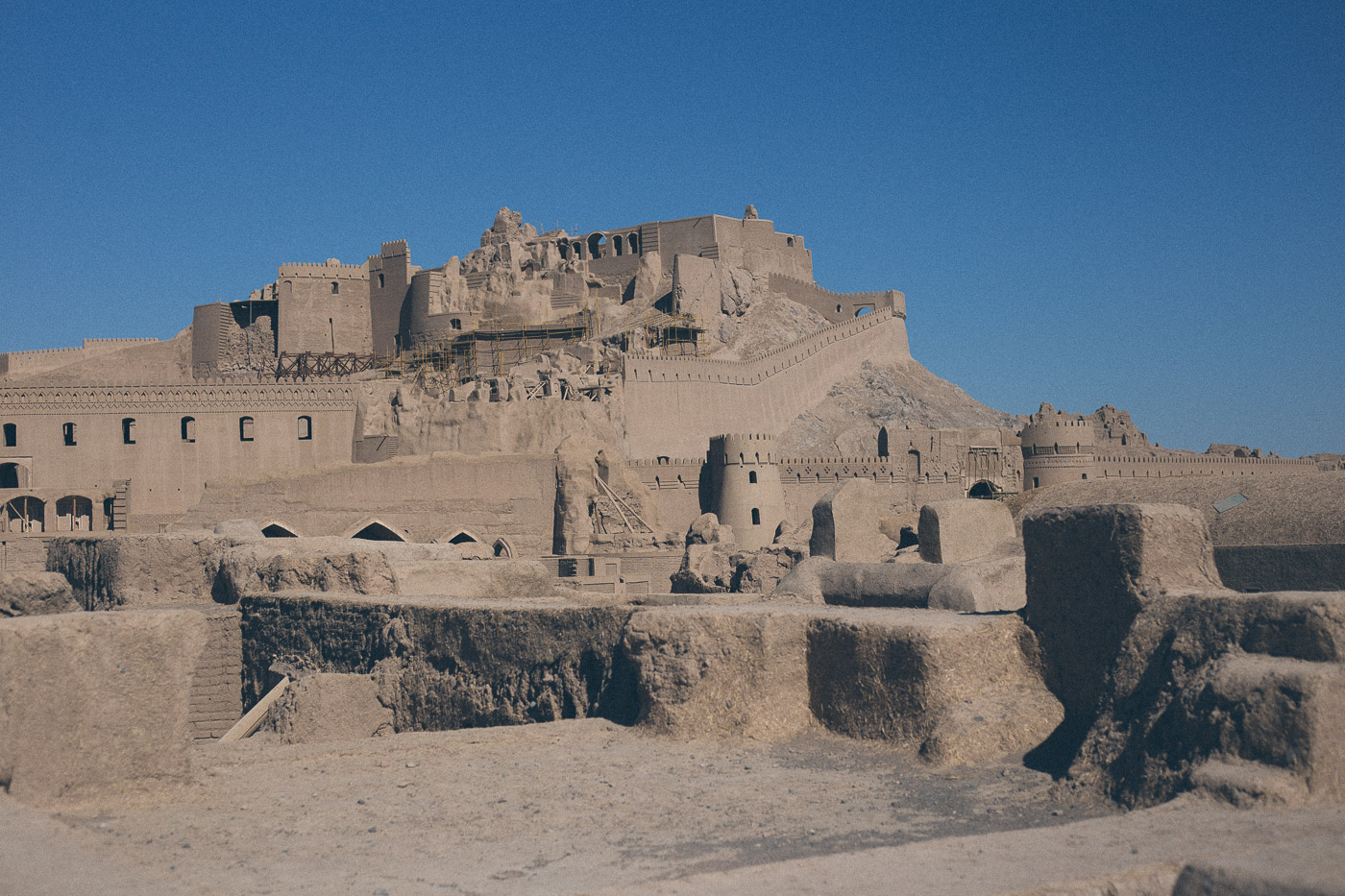
After a short drive, I arrived in Bam, where I visited Bam Castle. An old fortress – a huge thing, about 801,000 square meters of which were destroyed in an earthquake. No wonder, it was all built from clay, mud, and straw. Reconstruction is in full swing. From Bam, I continued on to Zahedan – the four-hour drive felt like an eternity, the landscape was always the same. Only towards the end did the drive become really beautiful, as the road led straight through the mountains. I passed two police checkpoints and arrived in Zahedan at 6:00 PM. I haven't showered in eight days now; it's about time. I got a room at the Zahedan Tourist Hotel for $45 USD per night, totally overpriced. The light was broken in the first room, and the heating didn't work in the second. In the end, I didn't feel like complaining anymore and just accepted it; the hot shower cheered me up again. Tomorrow I'm meeting Sergei, he's from Belarus and hitchhiking to India. I met him in a WhatsApp group and I'm giving him a lift for part of the way through Pakistan. I'm glad there are two of us; it's not necessarily safer, but it gives you peace of mind. Checkout is at 2 p.m., which is great, then I can finally sleep in.
January 11, 2017
Despite the two portable heaters, the night was chilly. I've been waking up early every morning lately, and today was no exception; I was awake at 7 a.m. I spent the morning editing photos, cleaning the car, and putting away my laundry. I wanted to check out just before 2 p.m., having arranged yesterday to pay in dollars. The hotel offered me an outrageous exchange rate of 34,000 rials for 1 USD. Furious, I went to a currency exchange and got a rate of 38,000 rials. Back at the hotel, I encountered another problem: they refused to give me my passport back. I was only allowed to leave the hotel with police protection, and they would hand the passport directly over to the police. I became extremely angry and argued for quite some time, giving the receptionist a piece of my mind. I got into the car without my passport, and just as I was about to drive off, three police officers arrived. One of them spoke a little English and was quite nice; he kept calling me Joseph. We talked again using Google Translate. He understood my situation, and I went with them to the police station. I'm waiting here until Sergei arrives; tomorrow morning they'll escort us to Mirjaveh, near the Pakistani border. I received a friendly welcome at the police station; everyone was very interested and kind. Hussein, Hossein, Ahmed, Wade, and Amir—we'll see who accompanies me to Pakistan tomorrow. I spent the evening in the car, using the time to write postcards and in my diary. I couldn't go anywhere; the police officers told me to stay here, it was too dangerous. I asked about a restaurant, and they went and got me two chicken kebabs, trying to rip me off on the price—luckily, I can now read numbers in Farsi. They laughed when they realized I could read the receipt. Until late into the night, the iron gate kept opening, and Toyota Hiluxes roared past me at full throttle. The guys in the guardhouse are all doing their military service; none of them speak a word of English. They're very interested, it's a shame I can only talk to them through the translator. I took care of my personal hygiene in the rather filthy police toilet and then went to sleep in the car. I hope everything goes well tomorrow and I arrive safely in Pakistan. Sergei gave me bad news last night; he can't come with me because his visa has expired. The authorities made a mistake and issued the visa for the wrong month, so I guess I'll just have to go to Pakistan alone. It certainly would have been cool with him.
January 12, 2017
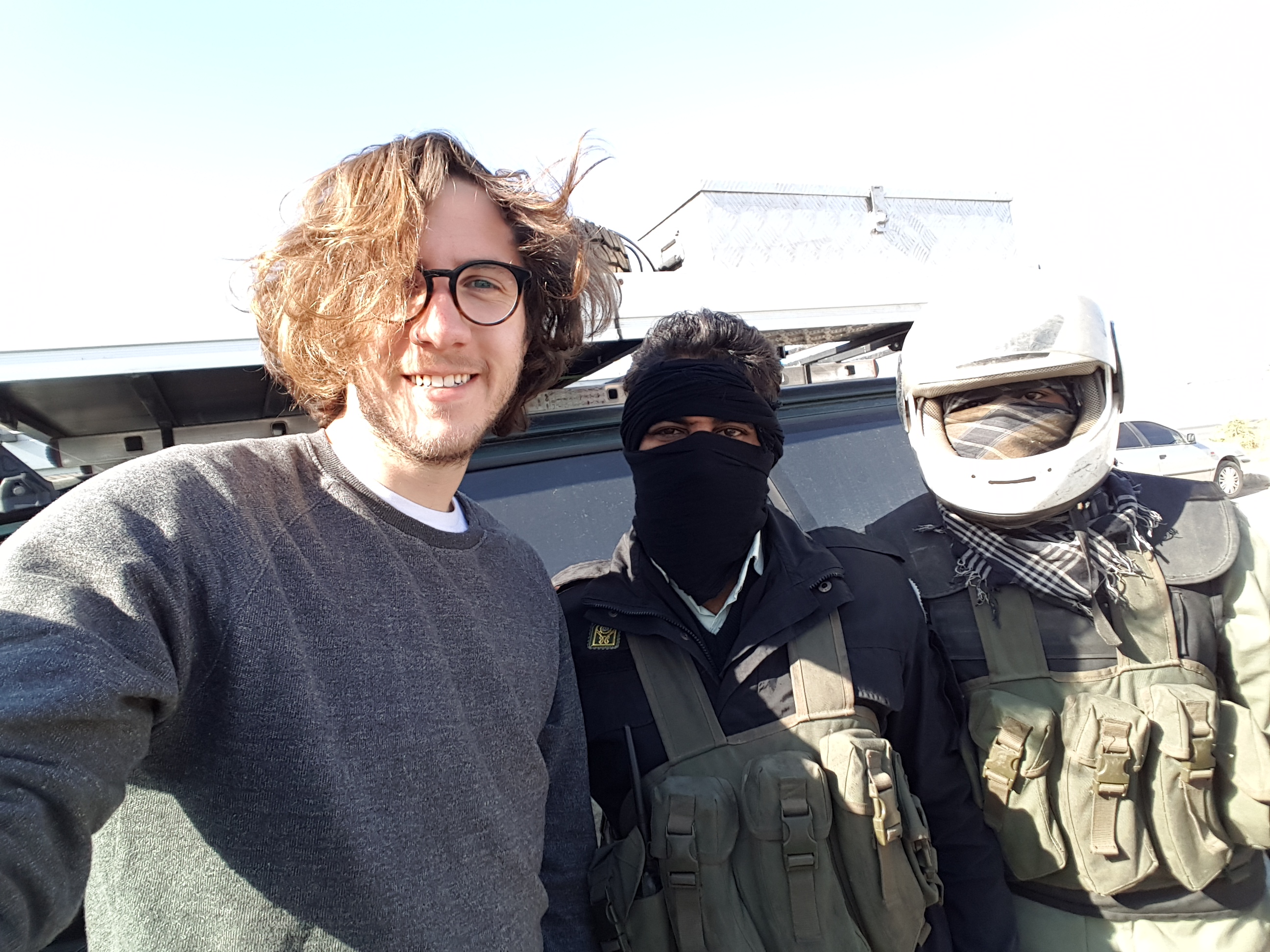
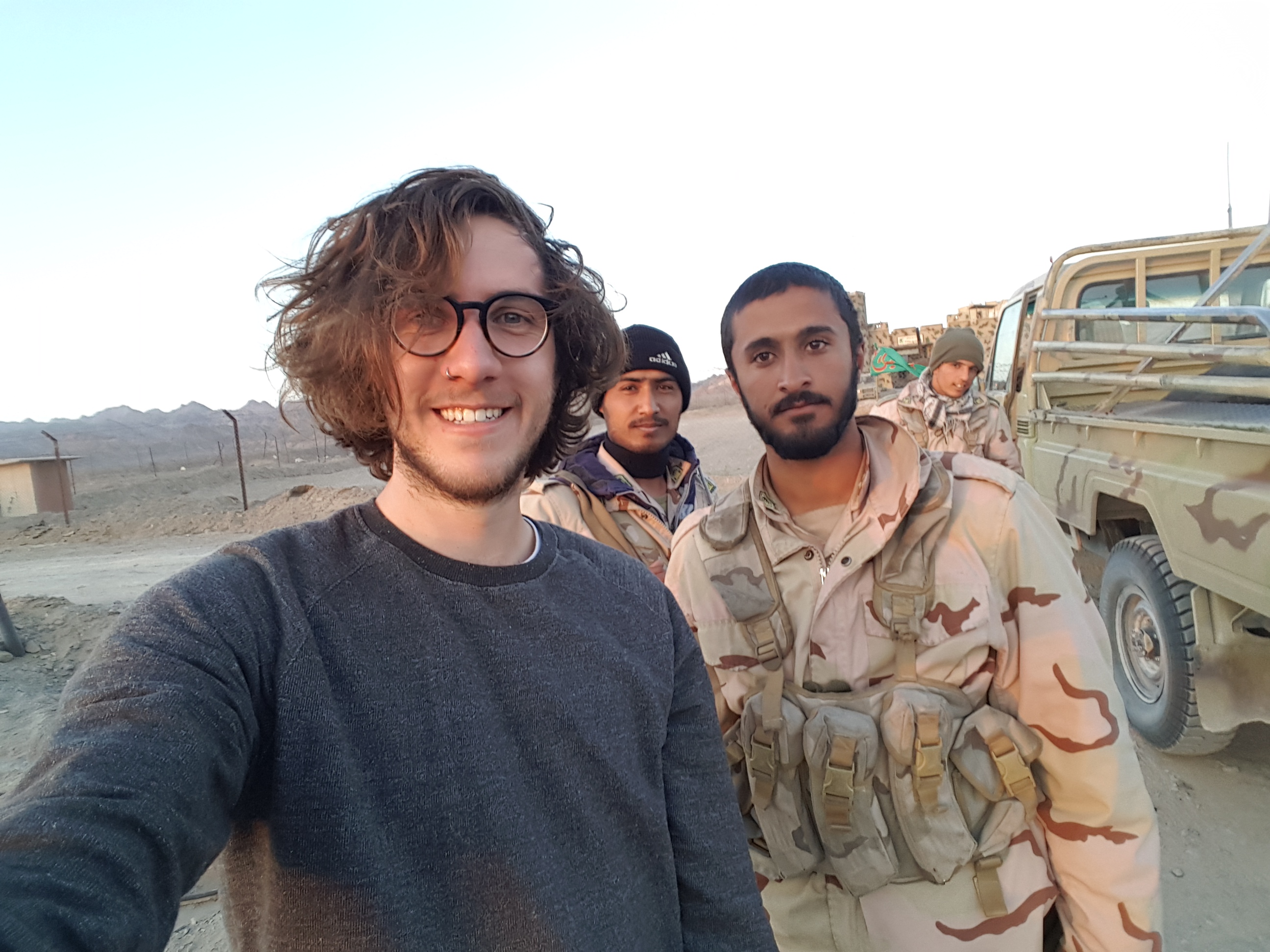
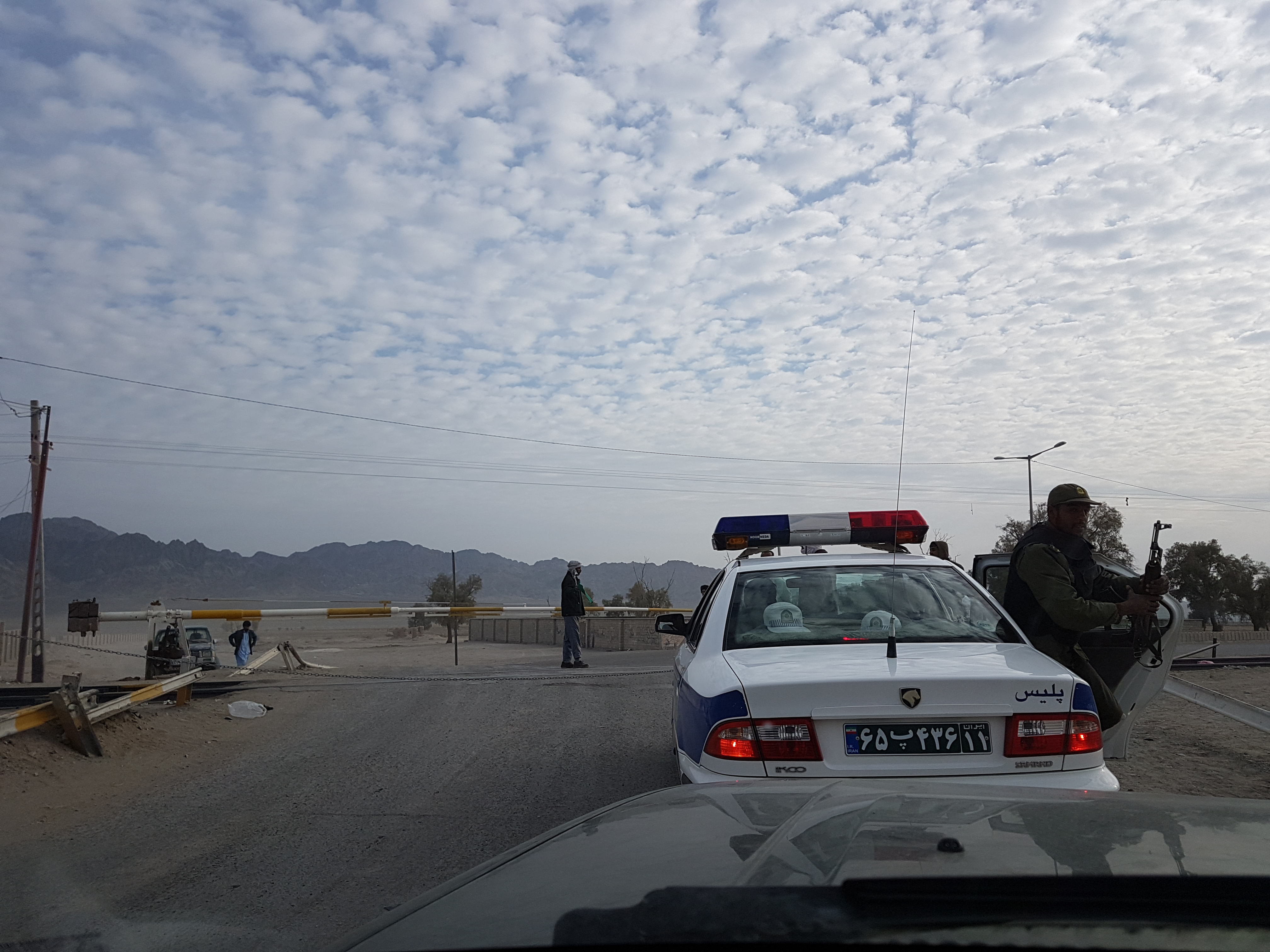
Considering how late I went to bed, I was up relatively early this morning. We were supposed to leave at 7:00, but at 8:00 I was still in bed and no one had contacted me. I called them and said I wanted to go to the supermarket; I was starving and had nothing left to eat. The guys brought me lentil soup and bread for breakfast. Iranians seem to have a thing for carrot jam—it's really disgusting stuff! At 10:00, I thought it was finally time to leave. The whole police station was there, but only the chief showed up. False alarm. The police officers then discovered that my visa was no longer valid. The chief wrote a form, and they escorted me to the immigration office. The officer took care of everything for me; I wouldn't have understood a word anyway. Luckily, it all worked out; it certainly wouldn't have gone so smoothly on my own. I absolutely can't stay here for more than two days; I have to enter Pakistan by tomorrow at the latest. There's no plan B. My Iranian visa has also expired. I still have enough USD to stay afloat, but applying for a Pakistani visa from Iran is practically impossible. Now I'm back in the car waiting. I've gotten used to almost everyone around me carrying a gun; it's become normal. Then they asked me where else I wanted to go: "Supermarket and post office, please." I don't need GPS when these guys are with me; I just have to follow them. They know where everything is, so there is one advantage to all this. It's 1:30 p.m. now, and I'm still waiting. These guys are starting to get on my nerves; my patience is wearing thin. Yesterday they told me we'd leave at 7:00 a.m., and now it's 1:30 p.m. They're so laid-back, but I'm not. Nothing happens quickly here. I'm fed up with waiting. After I put on the pressure and went up to each of them and talked their ear off, something finally happened. They made phone calls and organized things—why couldn't they have done it like this in the first place? What had they been doing for the last seven hours? We drove about 5 kilometers out of the city and stopped at the next police checkpoint. I waited there for another 30 minutes while they made more phone calls. I didn't leave the policeman's side at all. Every time he looked at me, I pointed to my watch and said, "NO TIME – HURRY." I doubt he understood a word. Another police patrol then escorted me toward the border. At a checkpoint, they handed me over to the next group. The small police cars had been replaced by large SUVs, mostly Toyota Hilux pickups, with two masked soldiers sitting in the back. One soldier was always in the car with me, usually carrying a semi-automatic rifle. The weapons looked very old and worn. I tried to chat with the guys as best I could. I kept realizing that we live in a different culture. One of the soldiers told me he was already married; he's 18, and his wife is 14! I was shocked. In Iran, it's legal for children to be married at 14. The border was, of course, already closed, and the police in Mirjaveh took charge of me. They took me to a hotel, and I made it clear that I wouldn't be sleeping there and that I had no money. They made a quick phone call and then took me to the police station. One of the officers is an engineer and speaks good English. I chatted with him for a while. The people here are very nice; they're a little worried about me but very interested in what I'm doing. The police chief even called his son, just so he could speak to me in English. Unfortunately, I couldn't understand him very well over the phone, so we only spoke briefly. In the evening, I had to change locations again, to another police station, where I spent the night. I'm the only tourist for miles around; everyone who walked past my car stopped to take another look. Well, maybe I would do the same if there was a car with Iranian license plates in Germany. Tomorrow we're supposed to leave again at 7:00 a.m., well, I'm curious to see what time it will actually be. At the police station, I was able to use the toilet and the bathroom. Everything here is very run-down; a police officer kept watch at my place overnight. In the evening, I spoke with Anne on the phone – she's traveling from Berlin to India and is already in Islamabad. She gave me tips and information for the border crossing and the drive to Quetta. We'll meet in Islamabad and drive together along the Karakoram Highway to the Chinese border.
January 13, 2017
At 8:20 a.m. A police car picked me up and took me to the checkpoint, where I was escorted by the military to the border. Despite my expired visa, leaving the country went smoothly. The guys were joking around, repeatedly calling me "Hitler good guy" and "me neo-Nazi." We briefly veered into political territory; they have absolutely no time for Trump or Israel, but they approve of Putin and Erdogan. I didn't feel like arguing, so I just nodded and we moved on. I documented the entire border crossing process today.
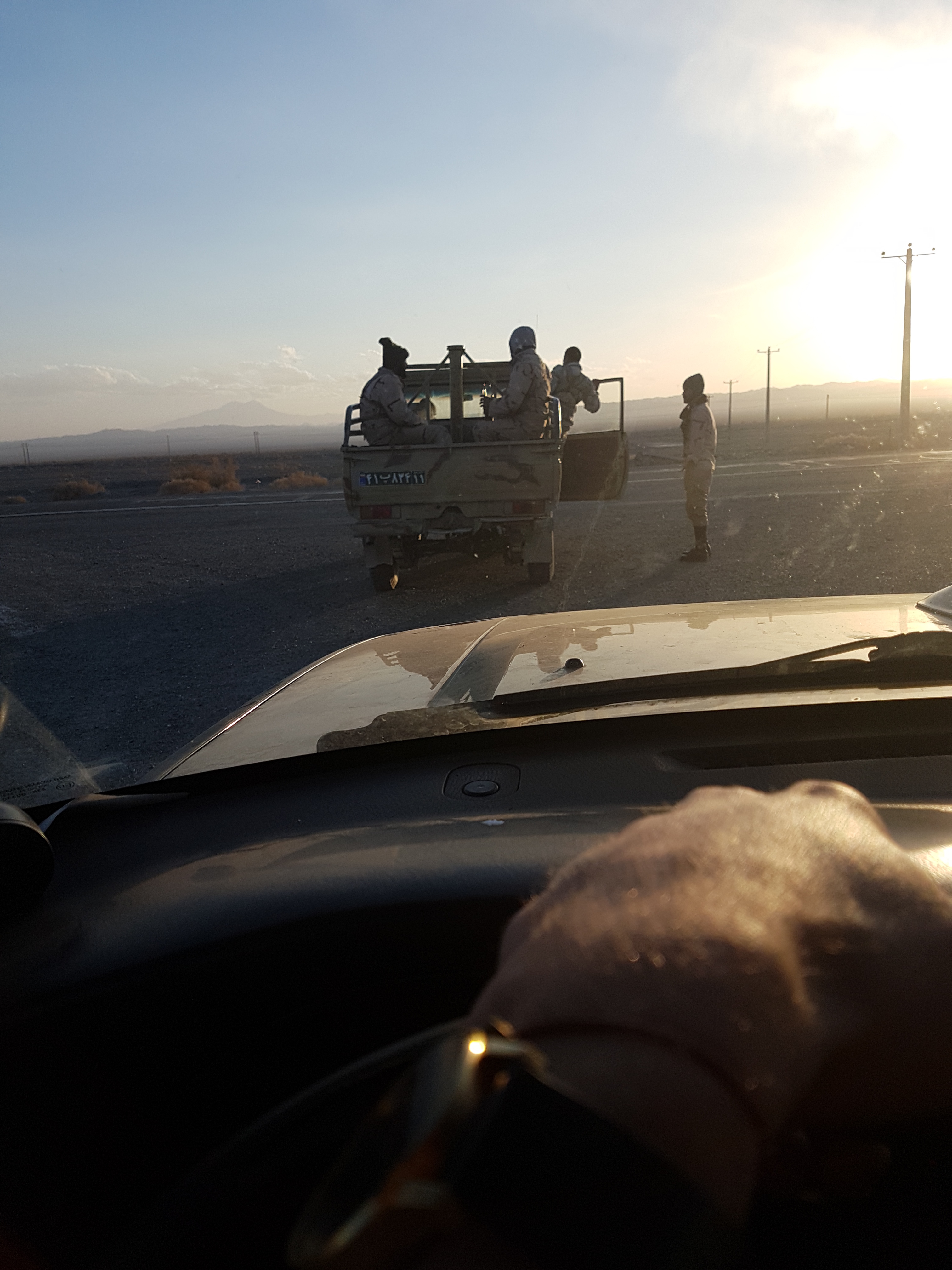
8:20am Escort to checkpoint
8:30 a.m. Wait 10 minutes for the military escort
9:00am Arrival at the border on the Iranian side
9:05 a.m. Carnet de Passage check, military still has all my documents
9:20 a.m. Personnel & passport control – no problem that I no longer have a valid visa.
9:25 a.m. Exit stamp Carnet de Passage
9:30 a.m. Exit stamp for person and vehicle in passport
9:35 a.m. Border crossing into Pakistan!
The last three weeks have been by far the best three weeks of this trip. I've never experienced such hospitality and helpfulness. I'm a complete stranger to the people here, and everyone came up to me and said, "Welcome to Iran, do you need help?" The people are so incredibly friendly. It certainly has a lot to do with Iranian culture. In the last three weeks, I've met so many wonderful people. I was constantly invited in, whether for tea, a snack, lunch, or dinner. People invited me into their homes and offered me a place to sleep, even though they didn't know me at all. Something like that would never happen in Germany. People there are far too preoccupied with themselves and too afraid of strangers. They don't look beyond their own horizons. I'm so glad I traveled through this country. I've learned so much and gathered invaluable impressions that can only be found here. Many acquaintances and friends gave me strange looks when I said, "I'm traveling through Iran."“
“"You're crazy"”
“You’re crazy!”
“That’s far too dangerous.”
“What do you want there?“
“Just take care of yourself.“
If I had said I was going to Spain, it probably would have sounded different.
Where does such an aversion to this country come from? Why do we automatically classify Iran as a dangerous country?
It's fear born of ignorance, fear of a different culture about which one knows little or nothing. Western media rarely have a good word to say about Iran, but it's crucial to distinguish between the government and the suffering population. Many people immediately associate the word "Iran" with war and terrorism, but none of that is true. I always felt very safe; my well-being was always a priority. Such hospitality is something you have to experience for yourself to believe. Iran is incredibly diverse. In the north, there are fantastic hiking and skiing areas. In central Iran, you can explore the desert landscape. If you prefer warmer weather, you can take a ferry to one of the many islands in southern Iran and enjoy the sunshine. There are affordable flights to Tehran from all over Europe – visas are easy to obtain. If you have any questions or would like more information, I'm happy to help. I wholeheartedly recommend coming here; you'll be captivated from the very first moment.
Now it's time to say goodbye to this fascinating country; it certainly wasn't my last visit. Three weeks were too short, and unfortunately, I can't stay longer, as my Pakistani visa would expire otherwise. Applying for a new Pakistani visa in Iran isn't possible. So, I leave Iran with mixed feelings, looking forward to my time in Pakistan and excited about what awaits me there.
Leave a Reply