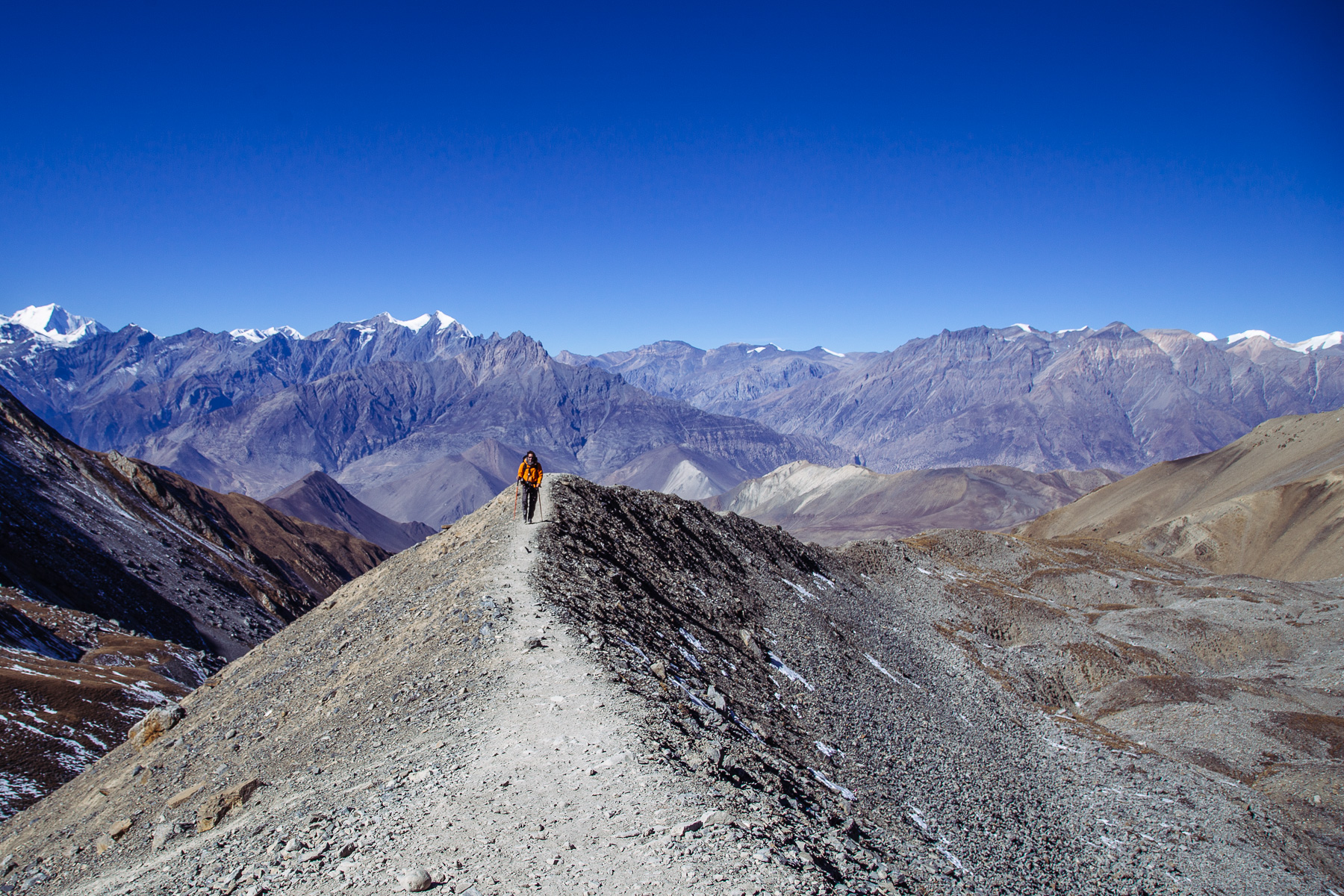
It’s been a while, many things have changed
On the 12th of October I crossed the 14th land border of my trip. It was early in the morning when we left India by way of a small one lane bridge at Banbasa, a small nondescript building on our left turned out to be the Indian Immigration, they took pictures of Caro & I, stamped our passports and sent us to the Indian customs. When travelling with your own vehicle in India, it can only stay a maximum of 6 months in the county, even tho your visa is valid for 12 months. I have overstayed the limit by a good 2 months, but I was prepared, I had a letter from the chief custom commissioner in Amritsar, saying that my carnet limit is extended to the 16.10.17. Well, it was more a shitty crumbled copy of the letter, it looked pretty unauthentic, but at least I had something to show. The custom officer quickly realised that I’d overstayed the carnet, so I gave him one of the copies. He called over another officer, I was kind of scared that they wouldn’t accept the letter and I’d get in trouble for overstaying; I’ve read horror stories of people paying thousands or their cars being impounded, but everything seemed to work out. He stamped my carnet and I was free to leave India.
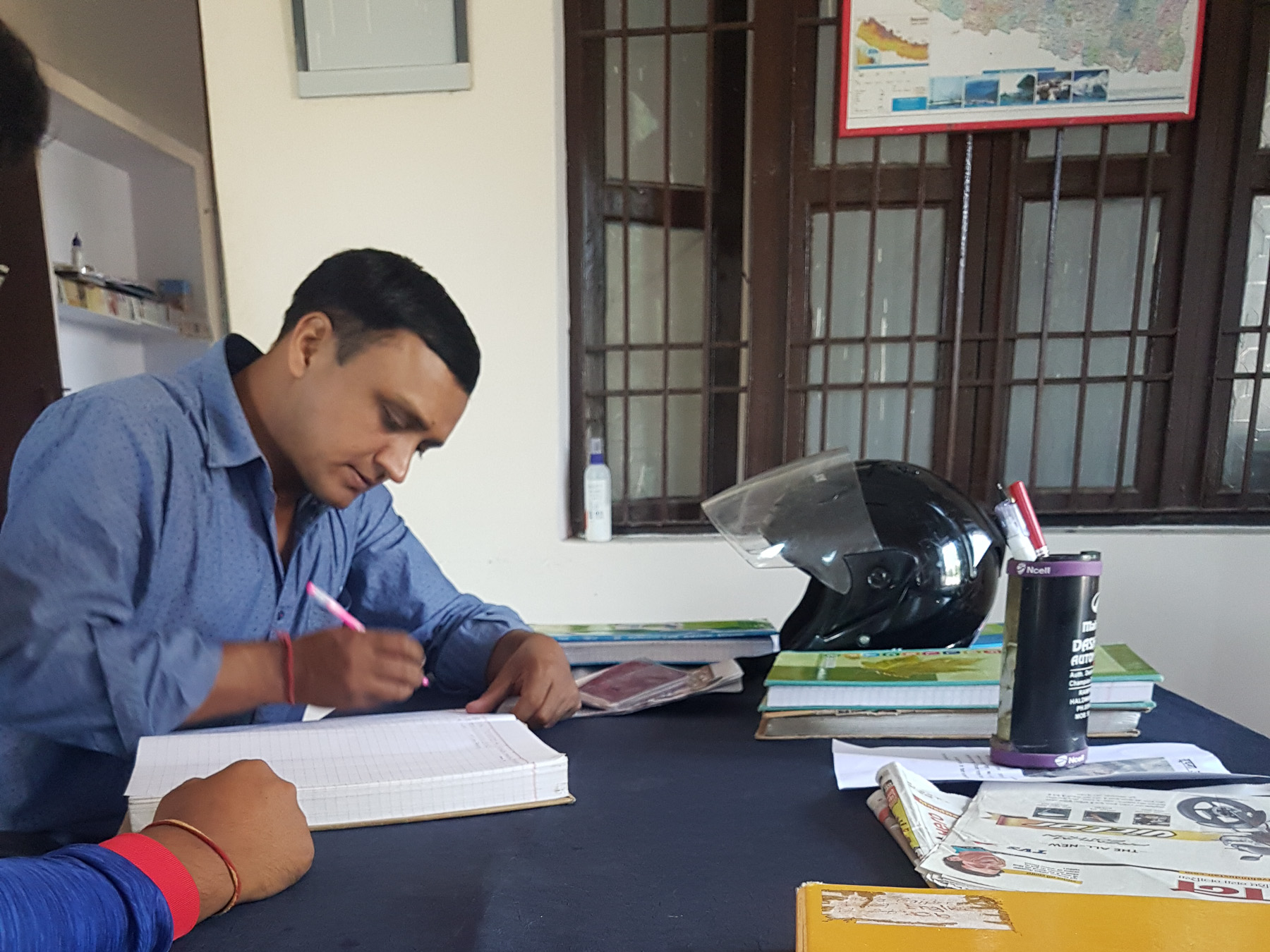
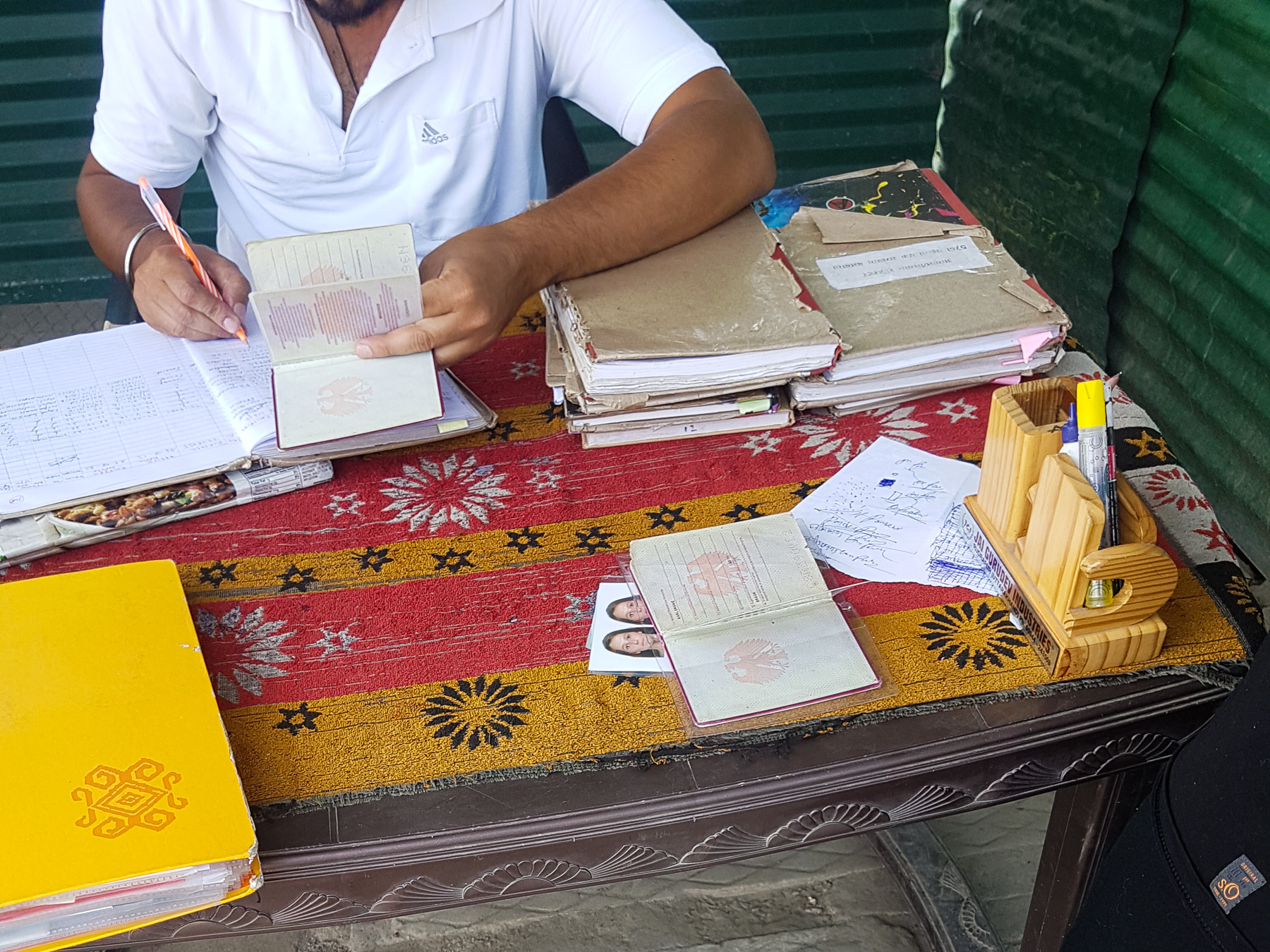
Banbasa is one of the smaller six land borders between India and Nepal, so most people just walk over the border; I saw no trucks passing over, and only a few Jeeps and taxis. On the Nepali side there was an army check post where they wrote down our passport details in a document binder. No computer, everything was done by hand, the only electronic device was probably the officers smartphone. They weren’t really interested in my car. 500 metres down the road was a open building with the sign “Immigration Office”, with only one man was working there, also no computers.
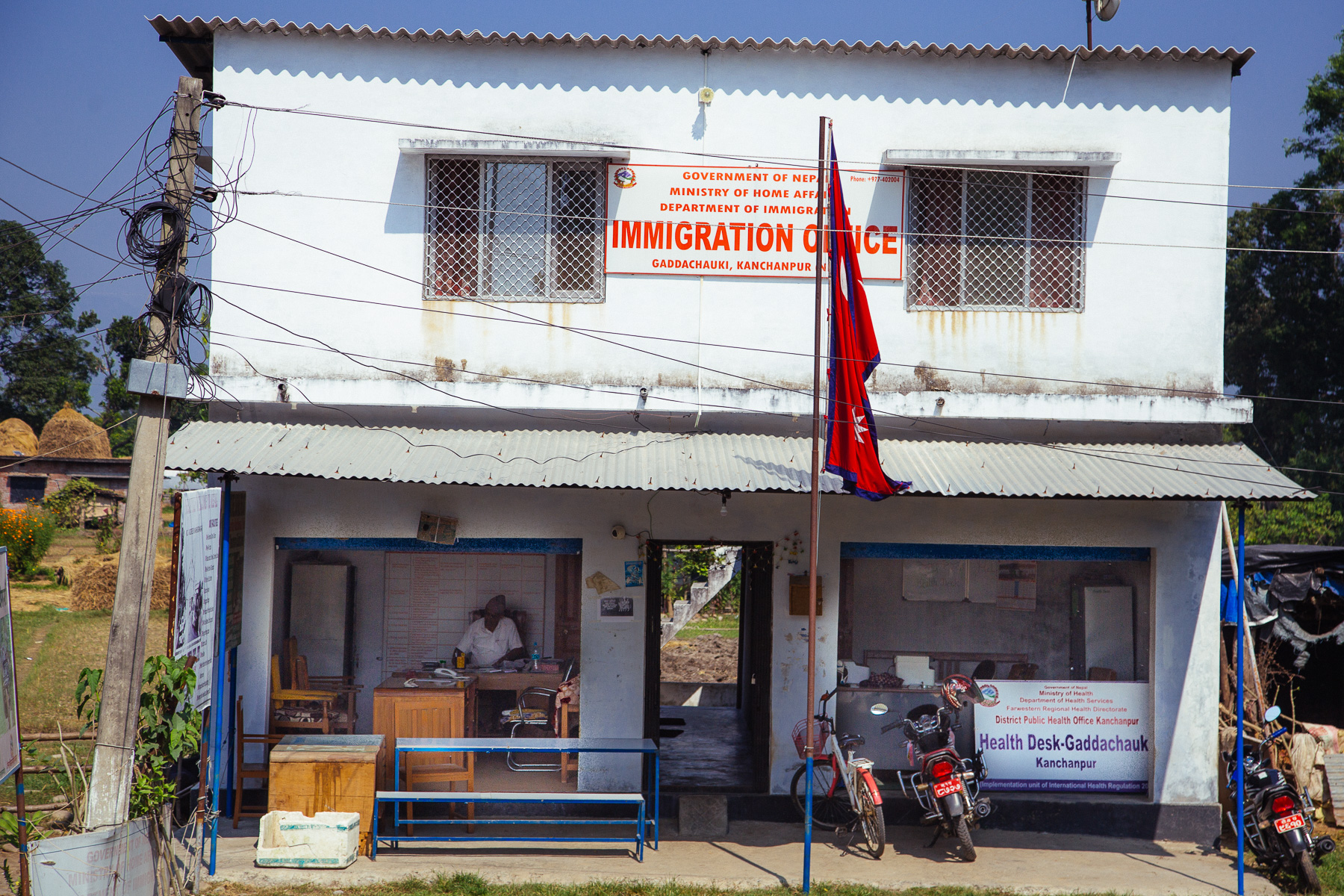
Nepal makes it easy for travellers, you just show up at any border with 1 passport picture and USD $100, this will get you a 90 day multi entry visa on the spot. The whole procedure takes about 10 minutes. The last stop was at the nepali customs, I wrote my details myself in their books, even the carnet I did myself, they only stamped. We officially entered Nepal, also here the customs didn’t bother to check my car; well that was easy.
So we didn’t really plan the border crossing, neither of us were prepared for the trip to Nepal, but we realised quickly that the clock ticks different in Nepal, the road were less busy, no more swarms of people everywhere. Only 30 Million people are living in the small country, a huge difference to their overpopulated Indian neighbour country at 1.3 billion. It was about to get dark and we hadn’t found a camp for the night, we drove through the entry gate to the Bardia National Park and decided to stay here for our first few days. A super chilled place in the greens with small little bungalows, where we met Daniel, Moses and Jonathan from Israel, 3 friends on a bike trip through India and Nepal. A few days later all five of us left towards Rara National Park, Google said it was a 10h drive, in reality it took us 3 full days to reach our destination.
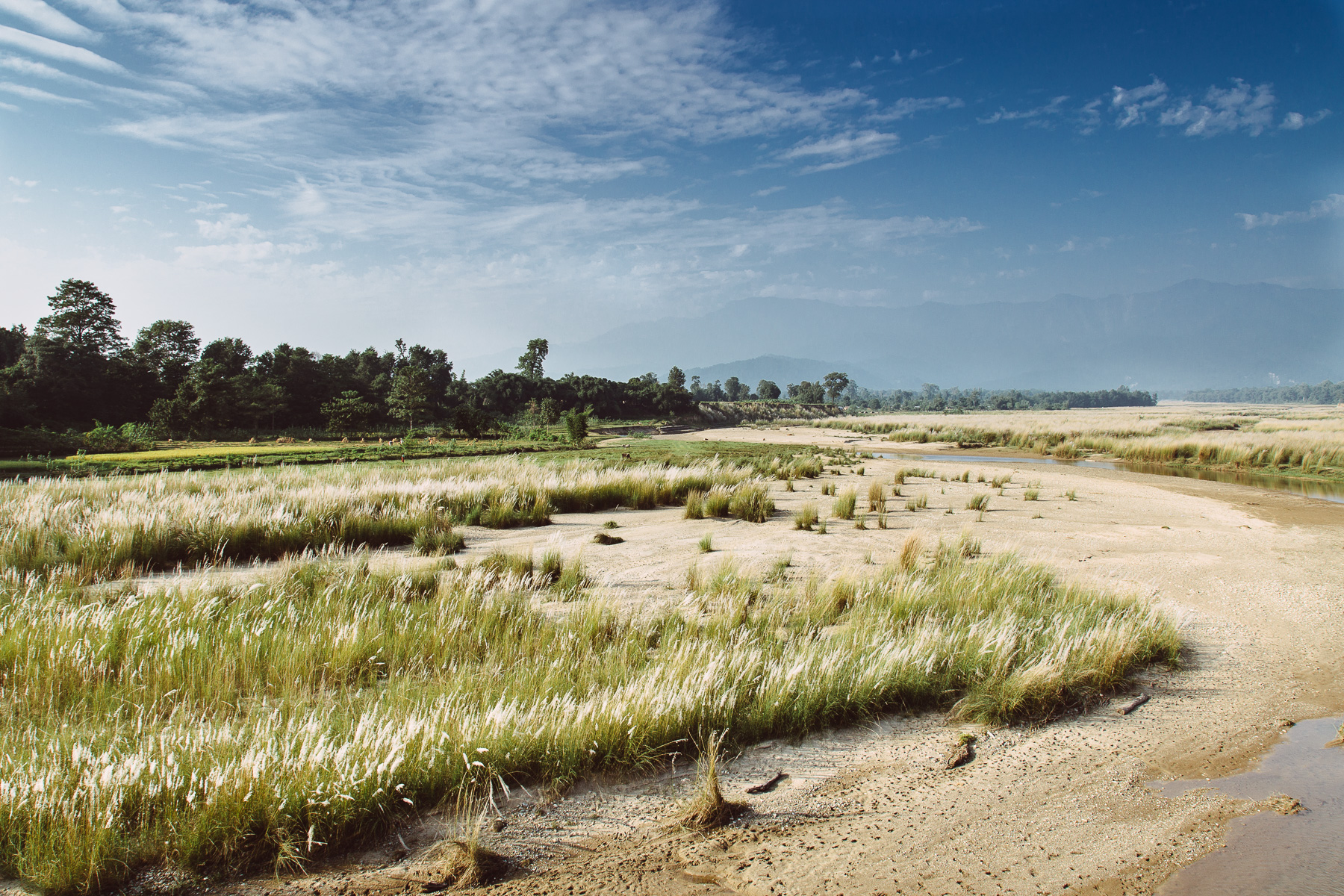
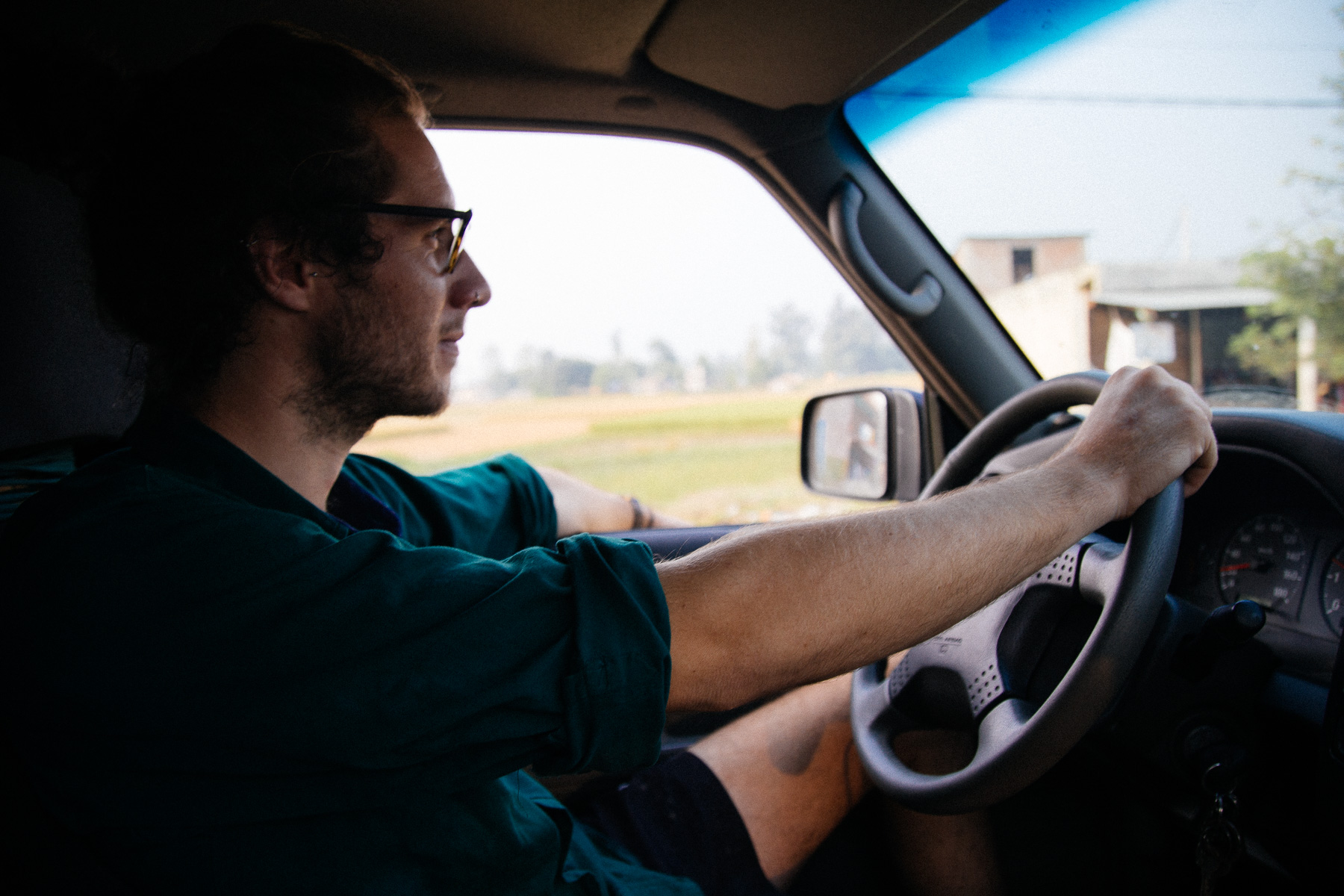
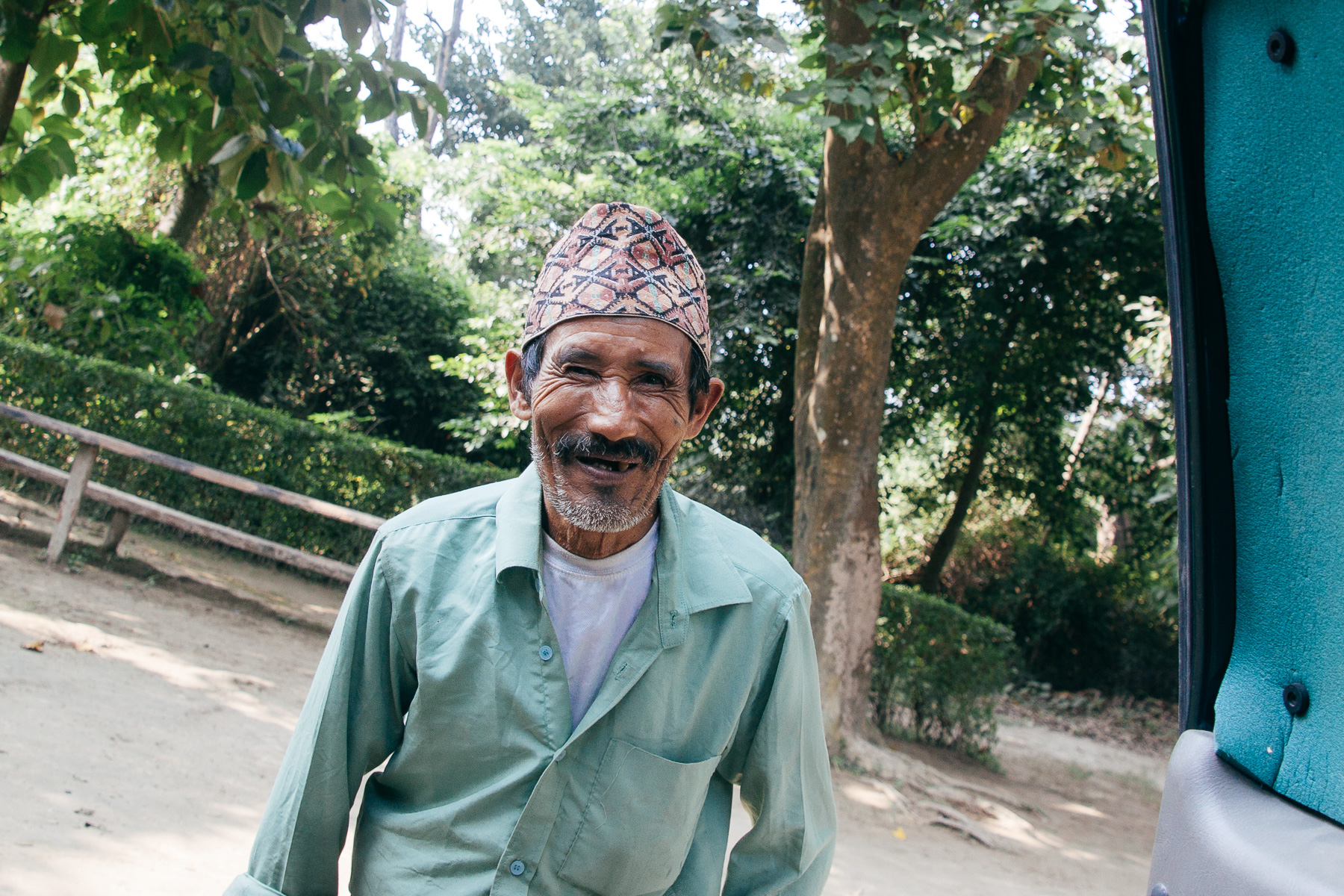
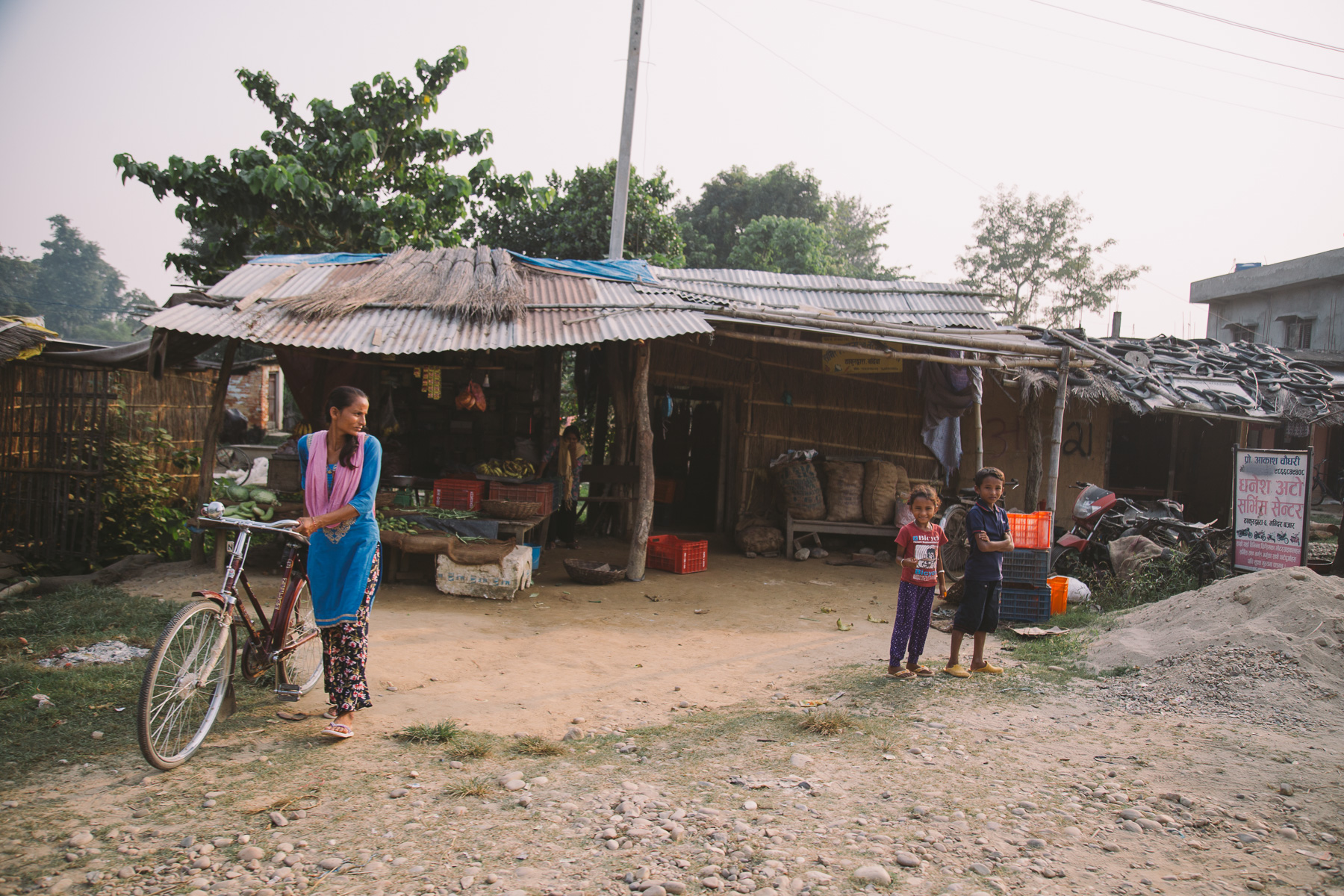
Nepali roads are the WORST I have seen so far, most of the time there is no asphalt just lots of rocks, potholes and sand. The average travel speed is as low as 20km/h, time and distance calculation is completely different to what i’m used to. The roads are narrow and only single lane, but luckily there isn’t much traffic. It takes full concentration to drive here, one second of distraction could be fatal, we saw many wrecks of bad accidents, burned cars & bike, busses at the bottom of the canyon.
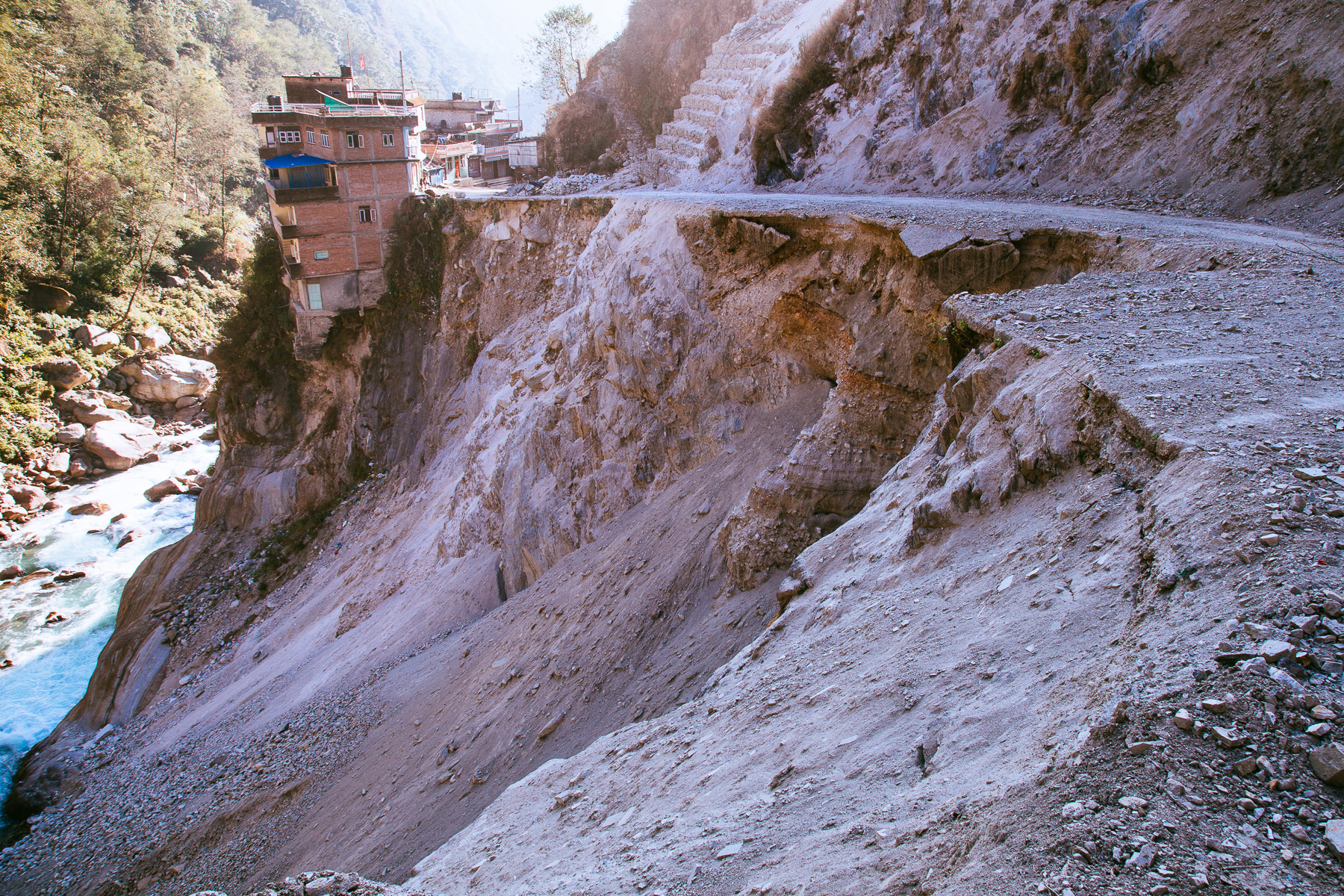
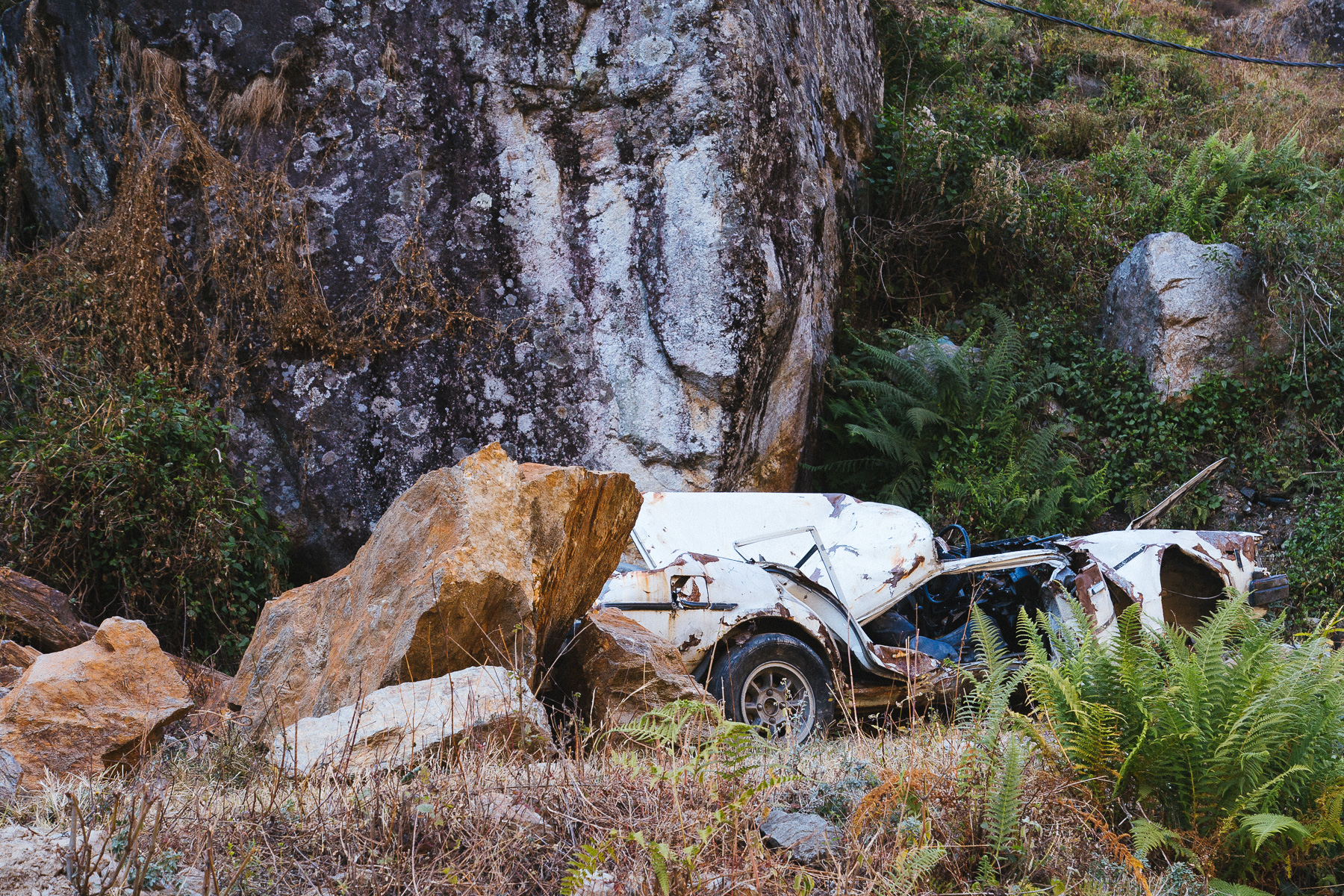
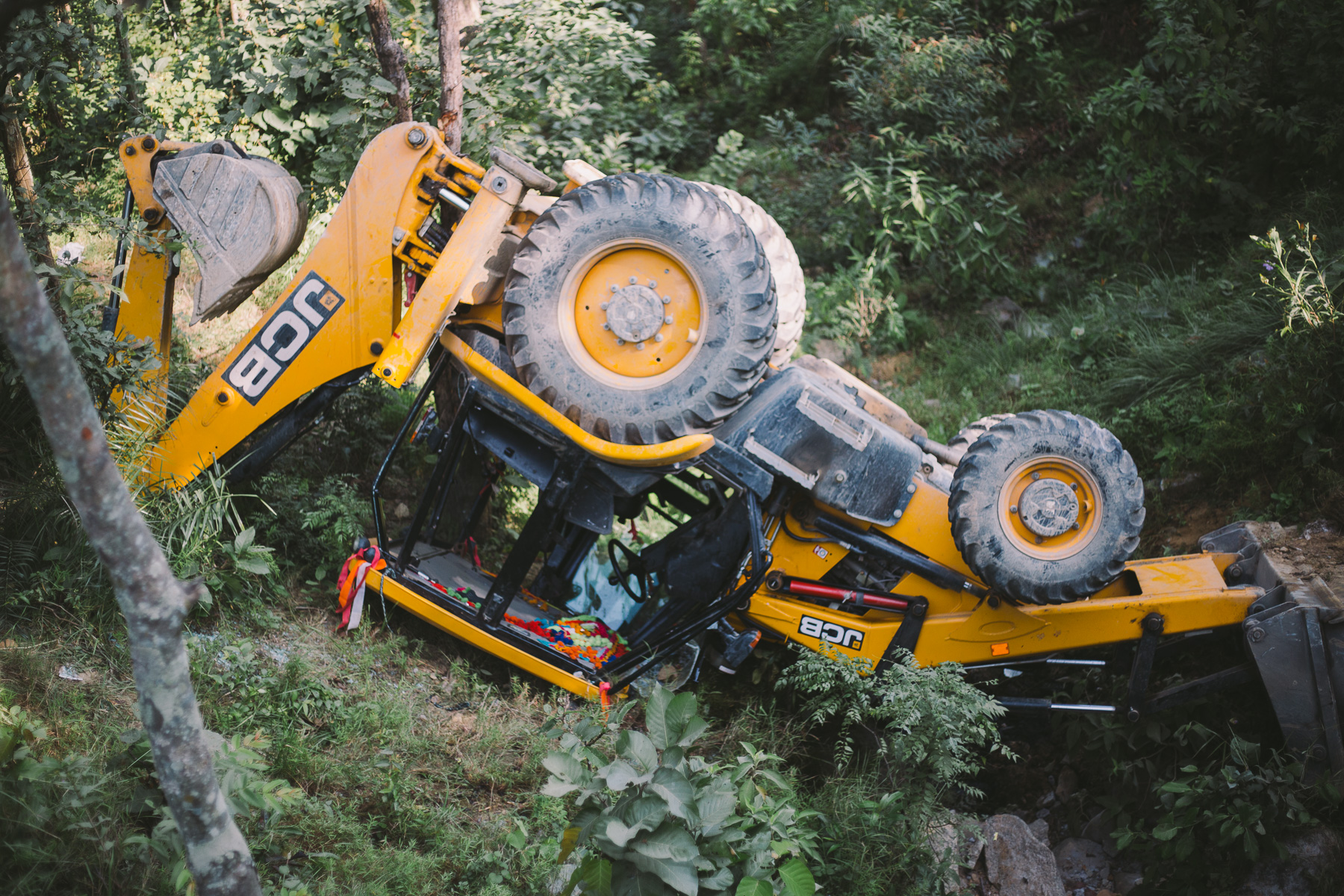
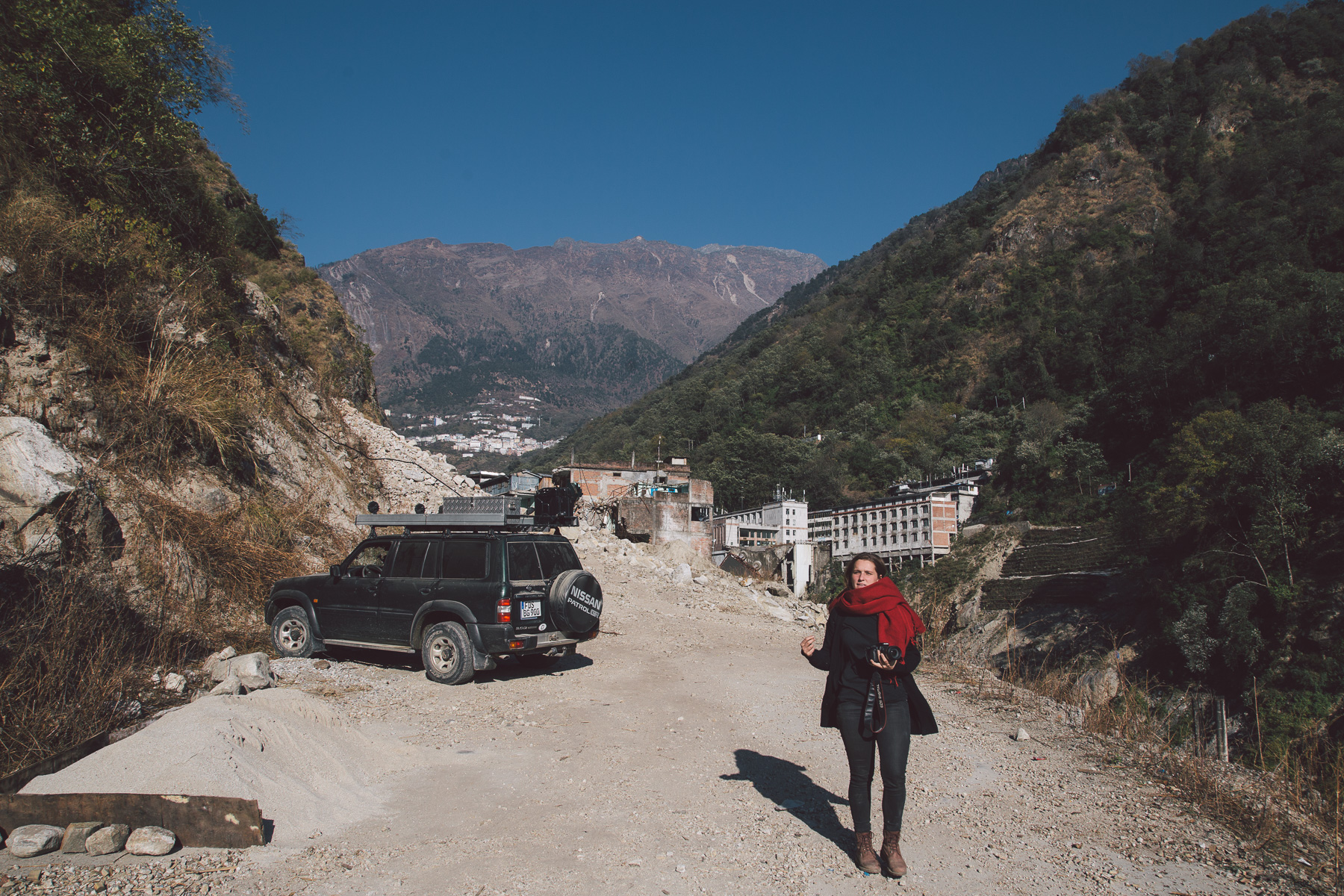
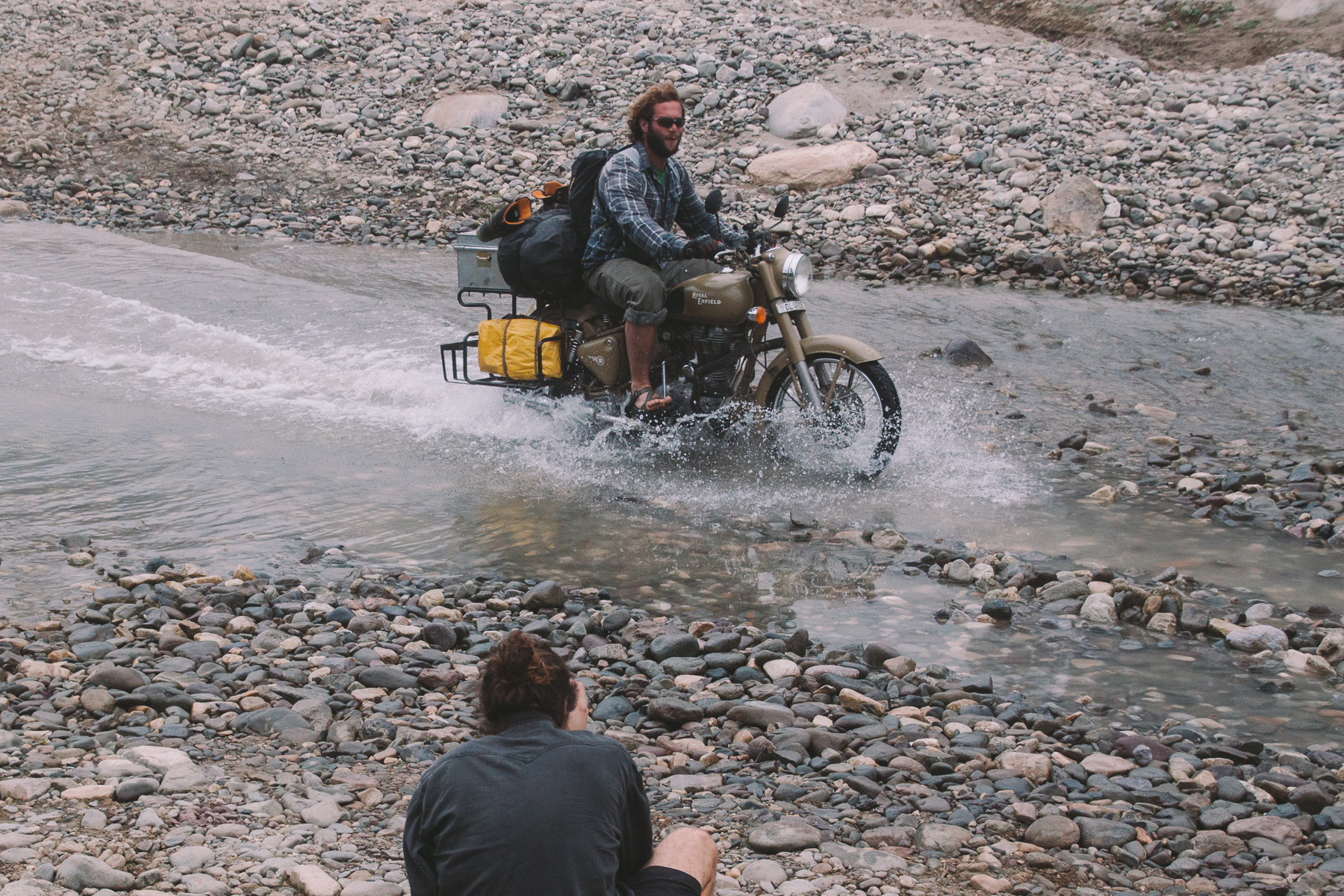
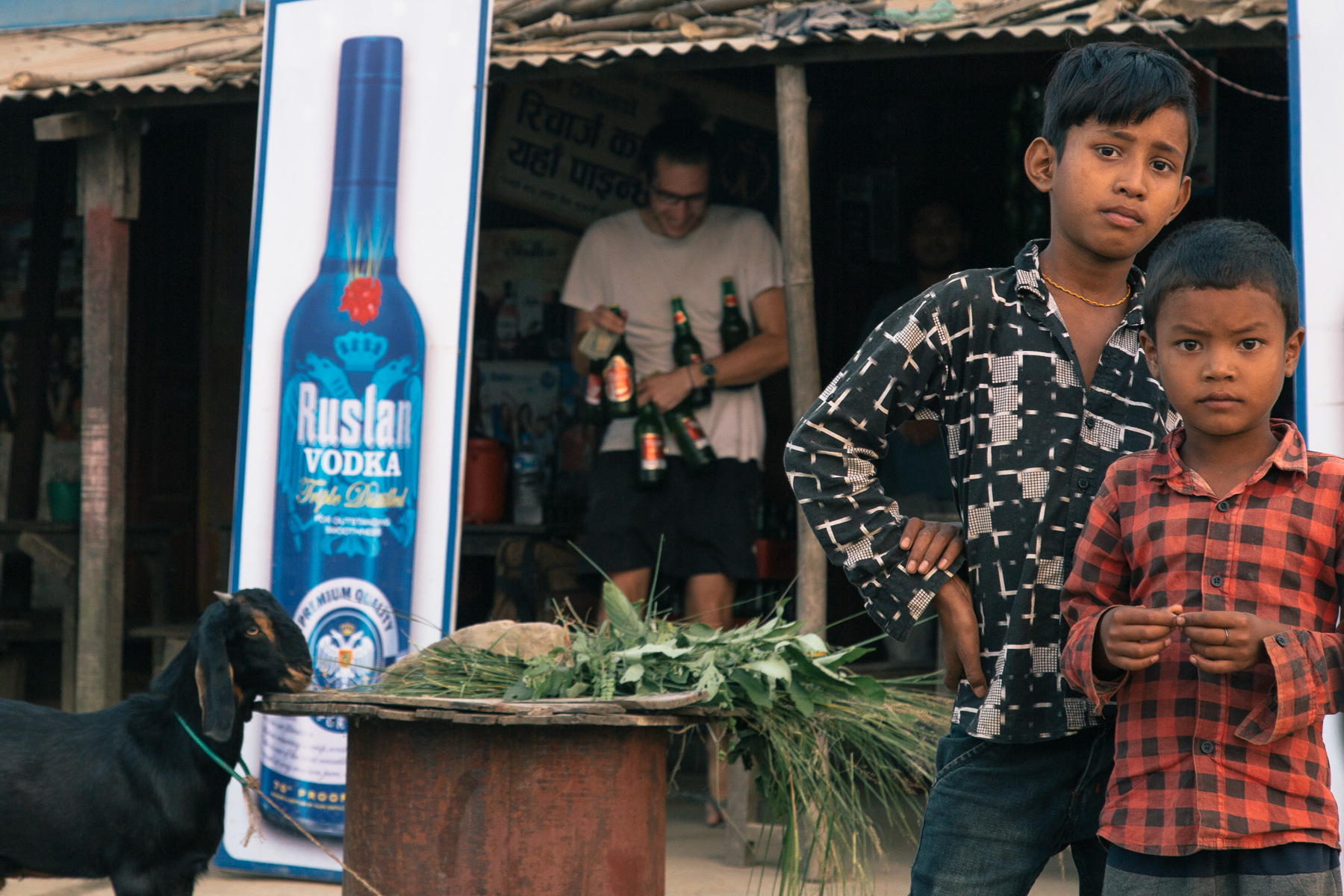
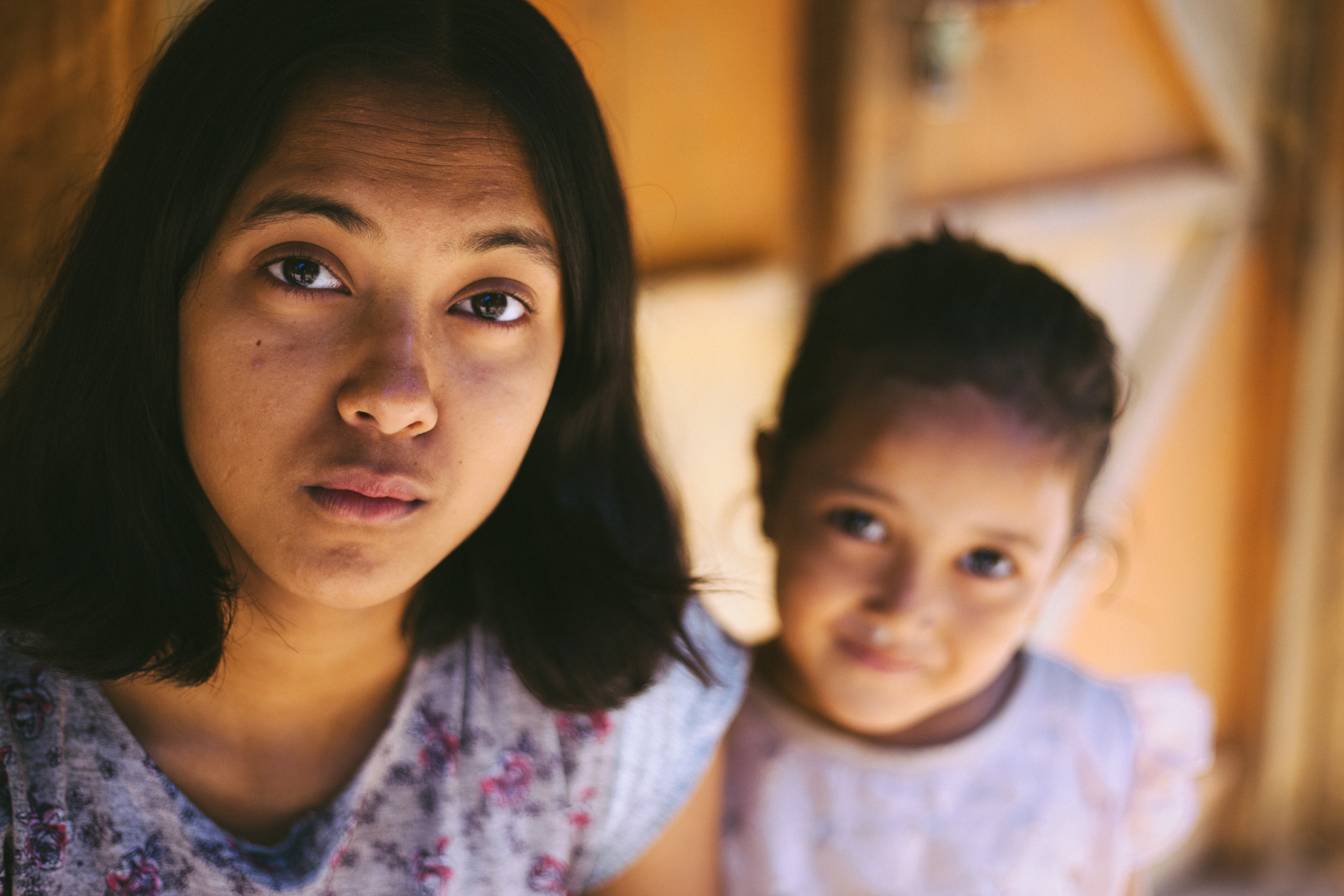
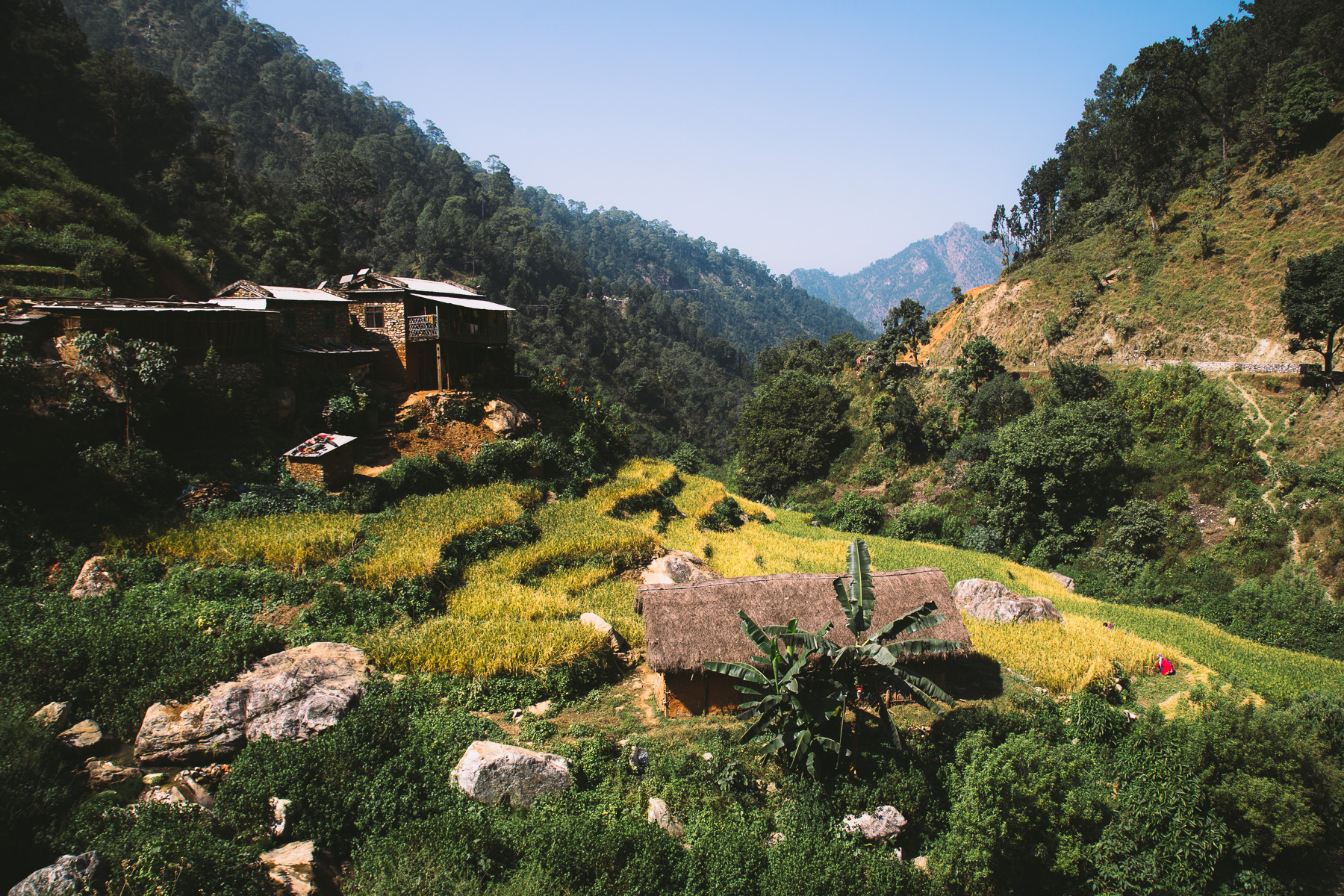
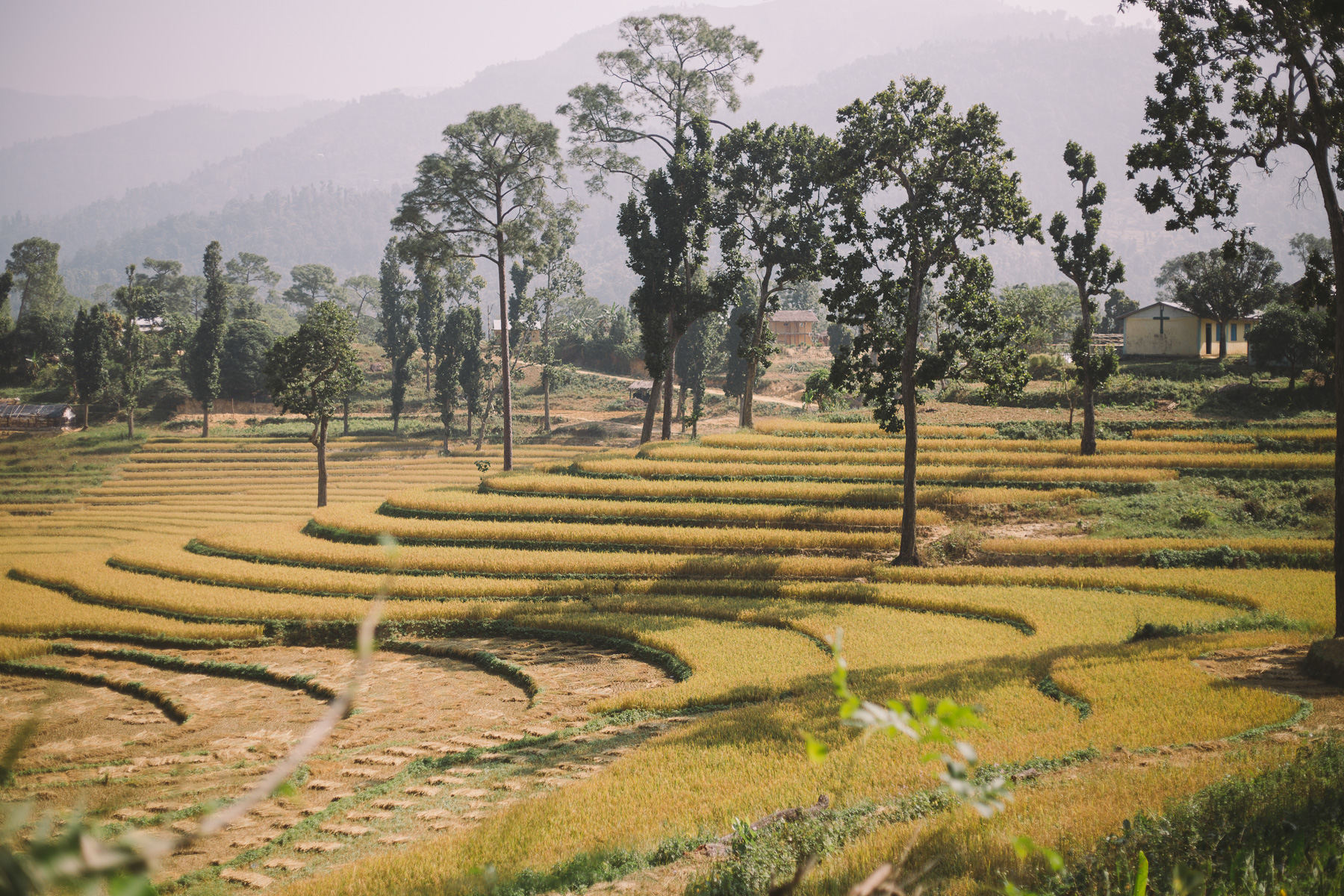
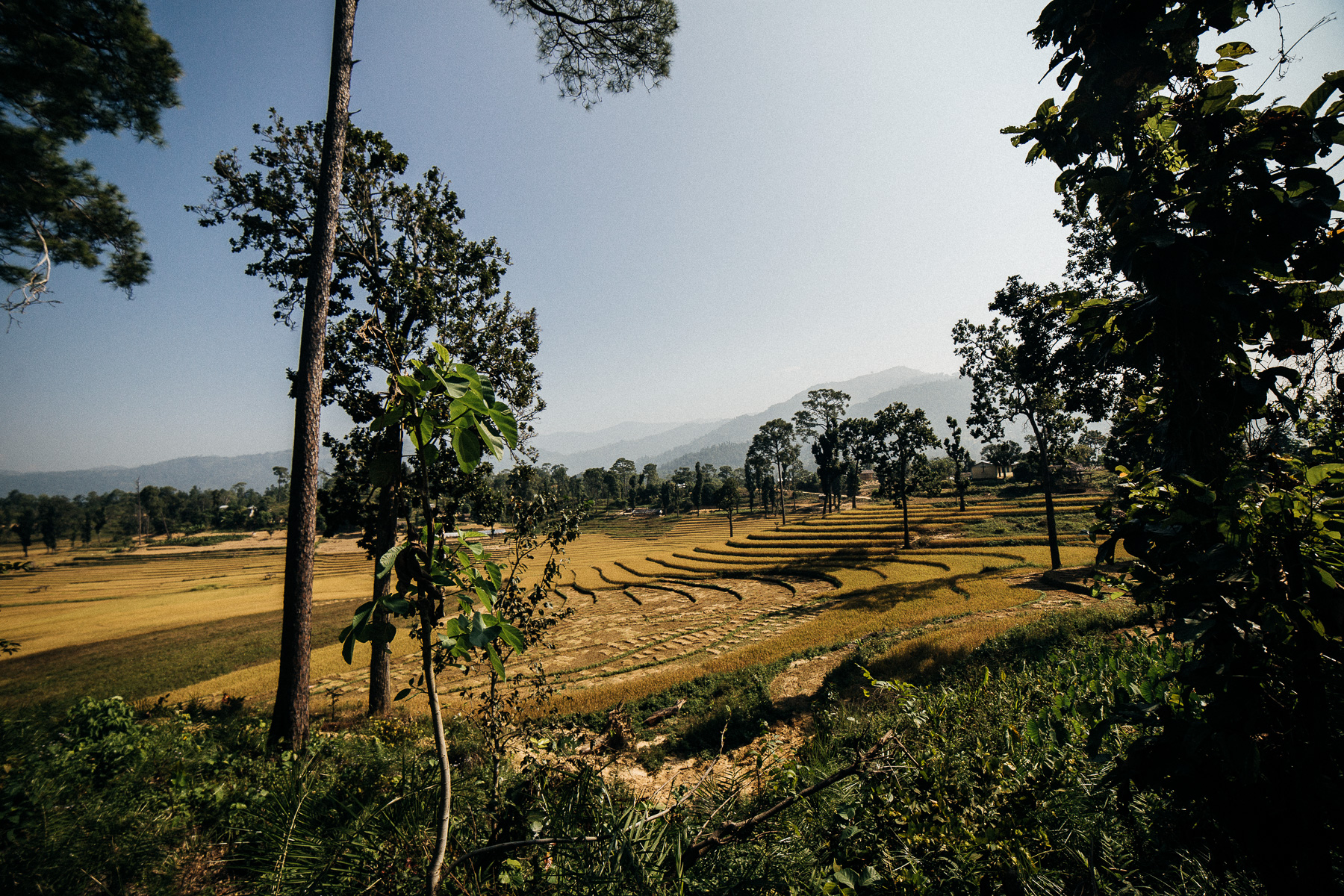
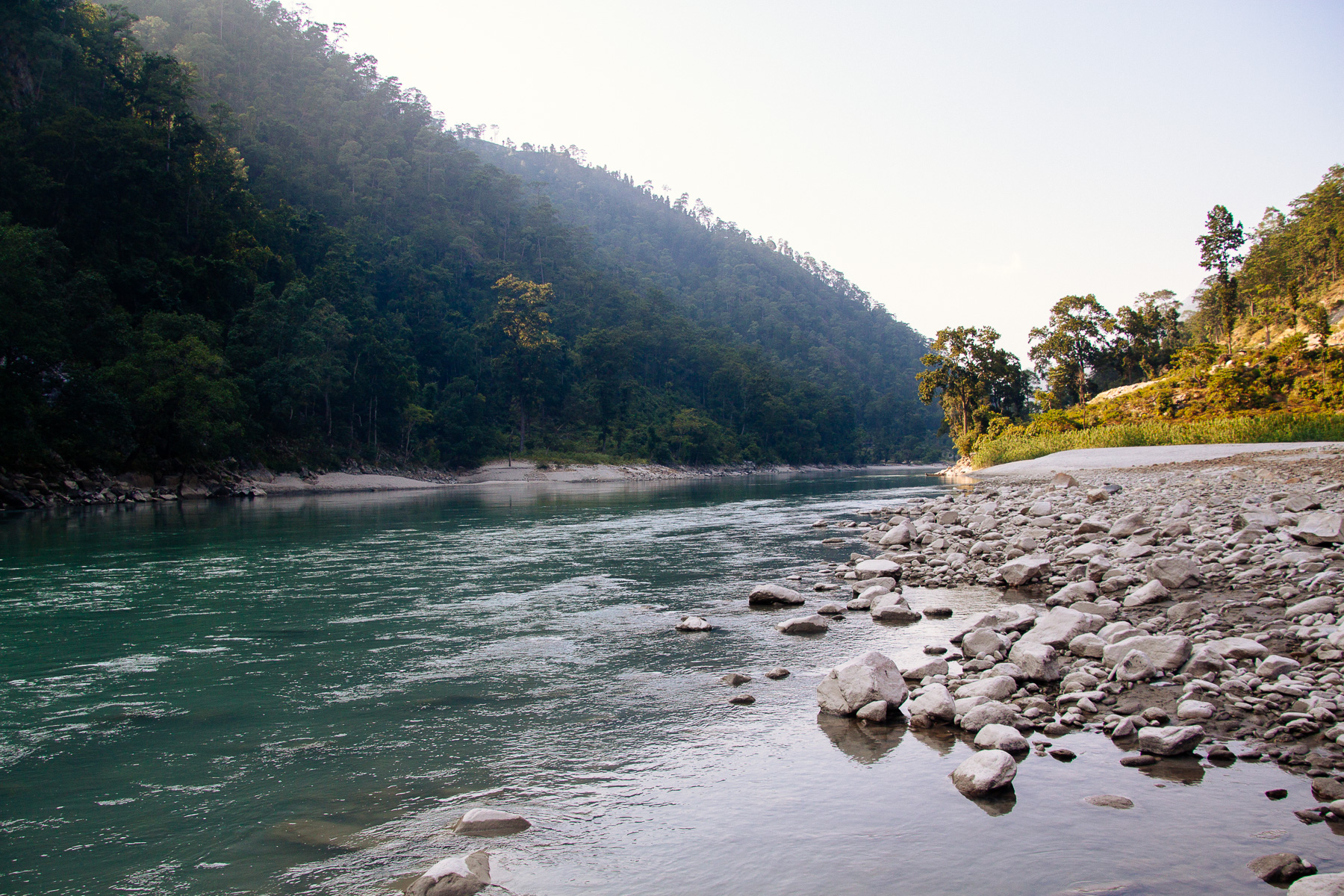
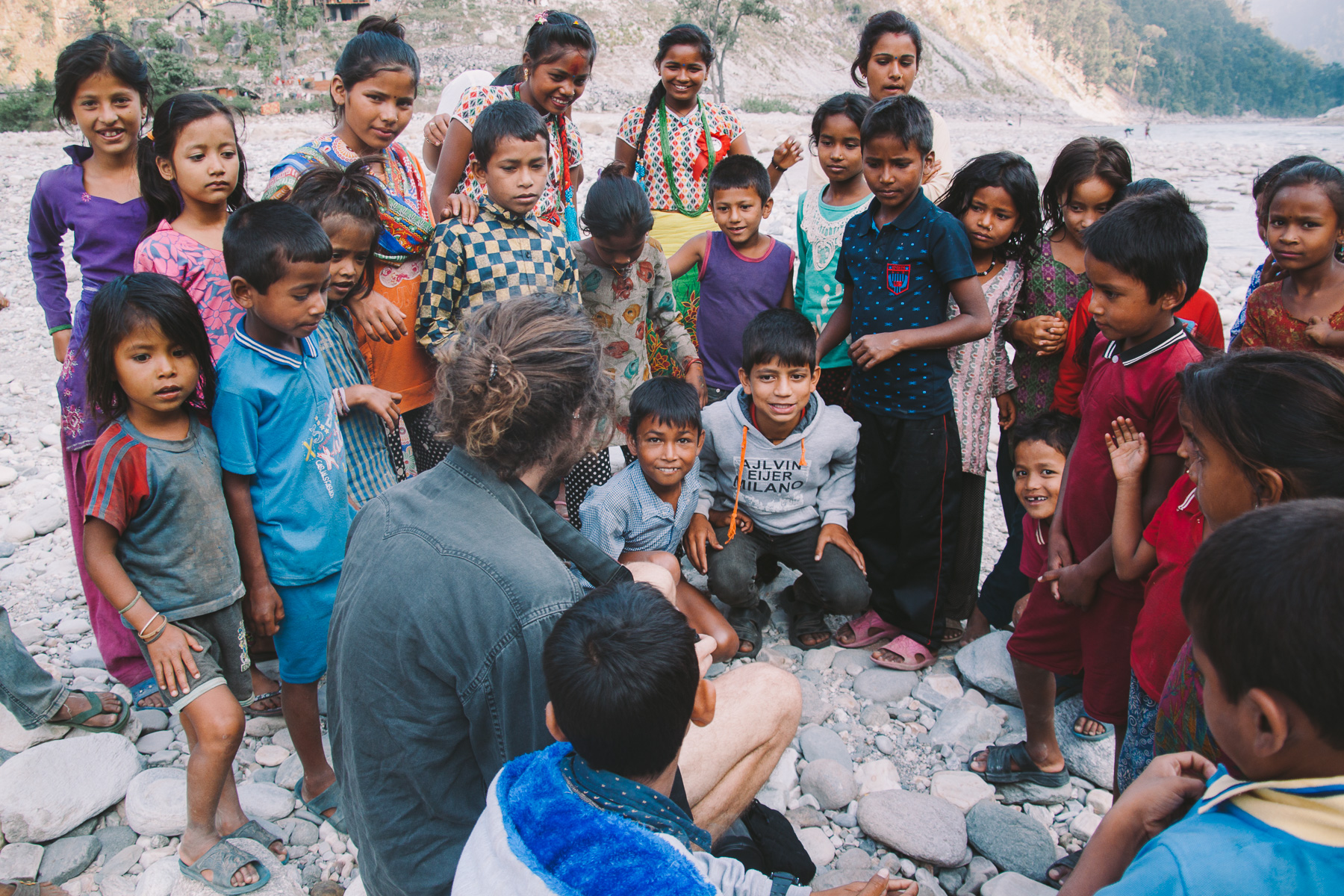
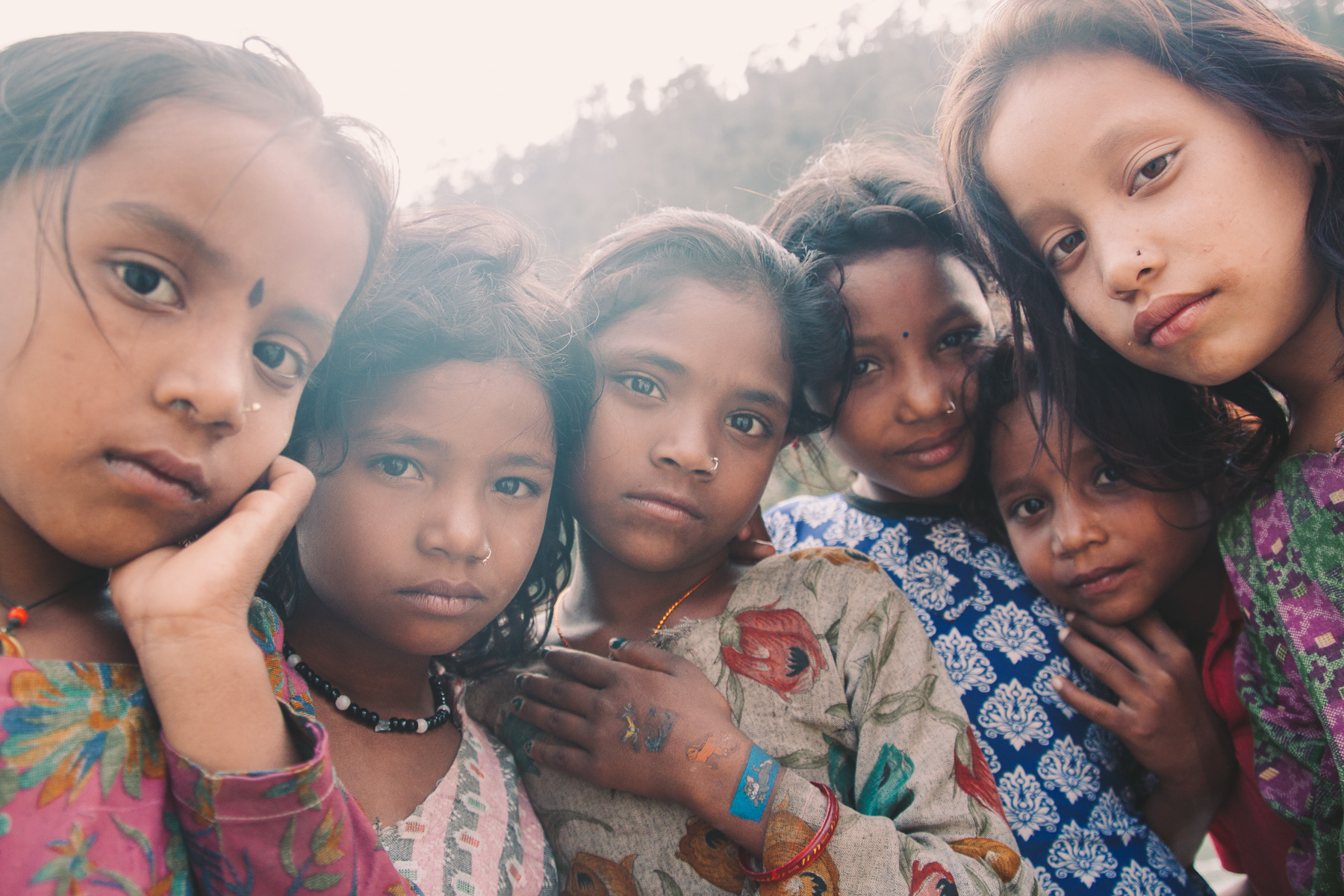
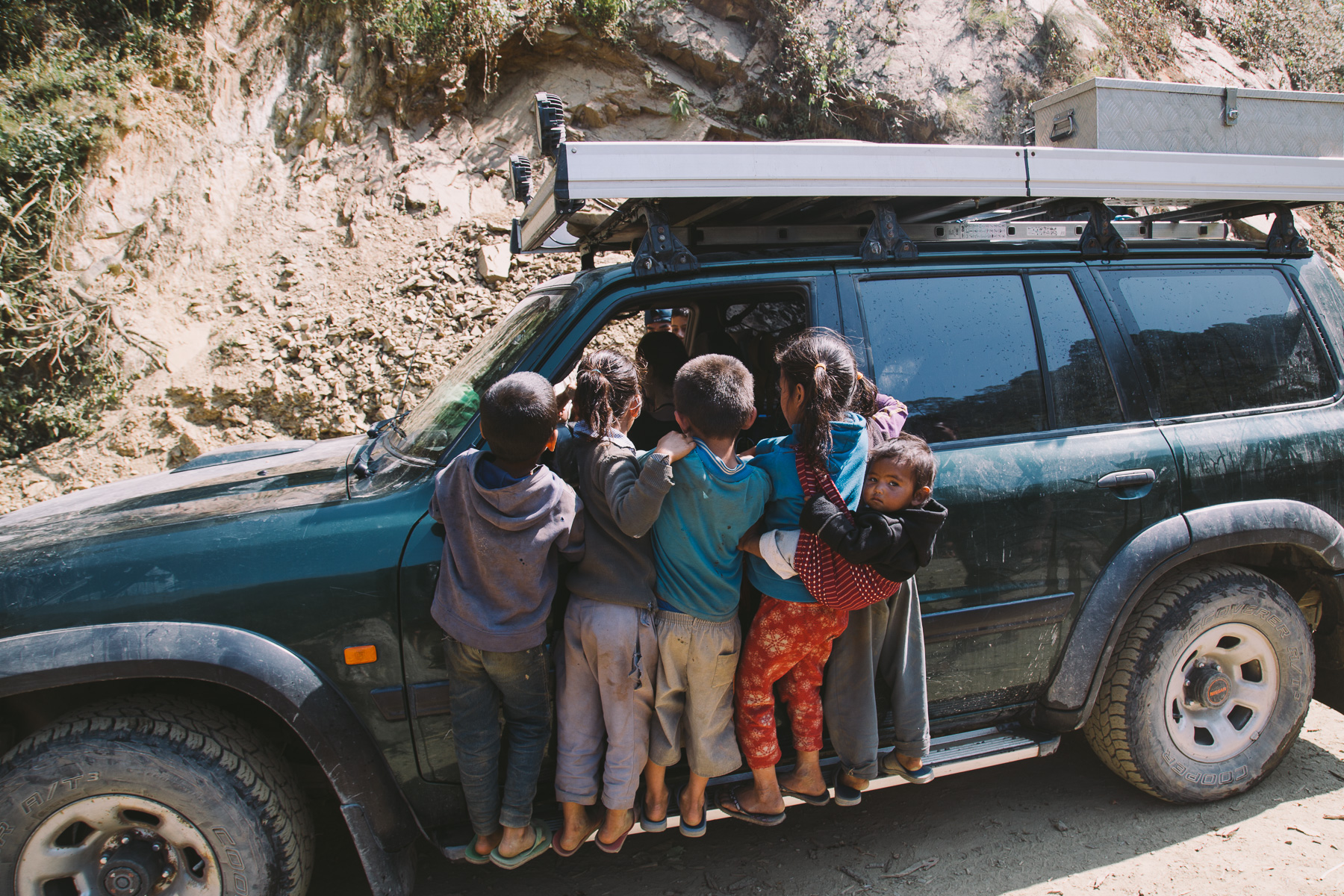
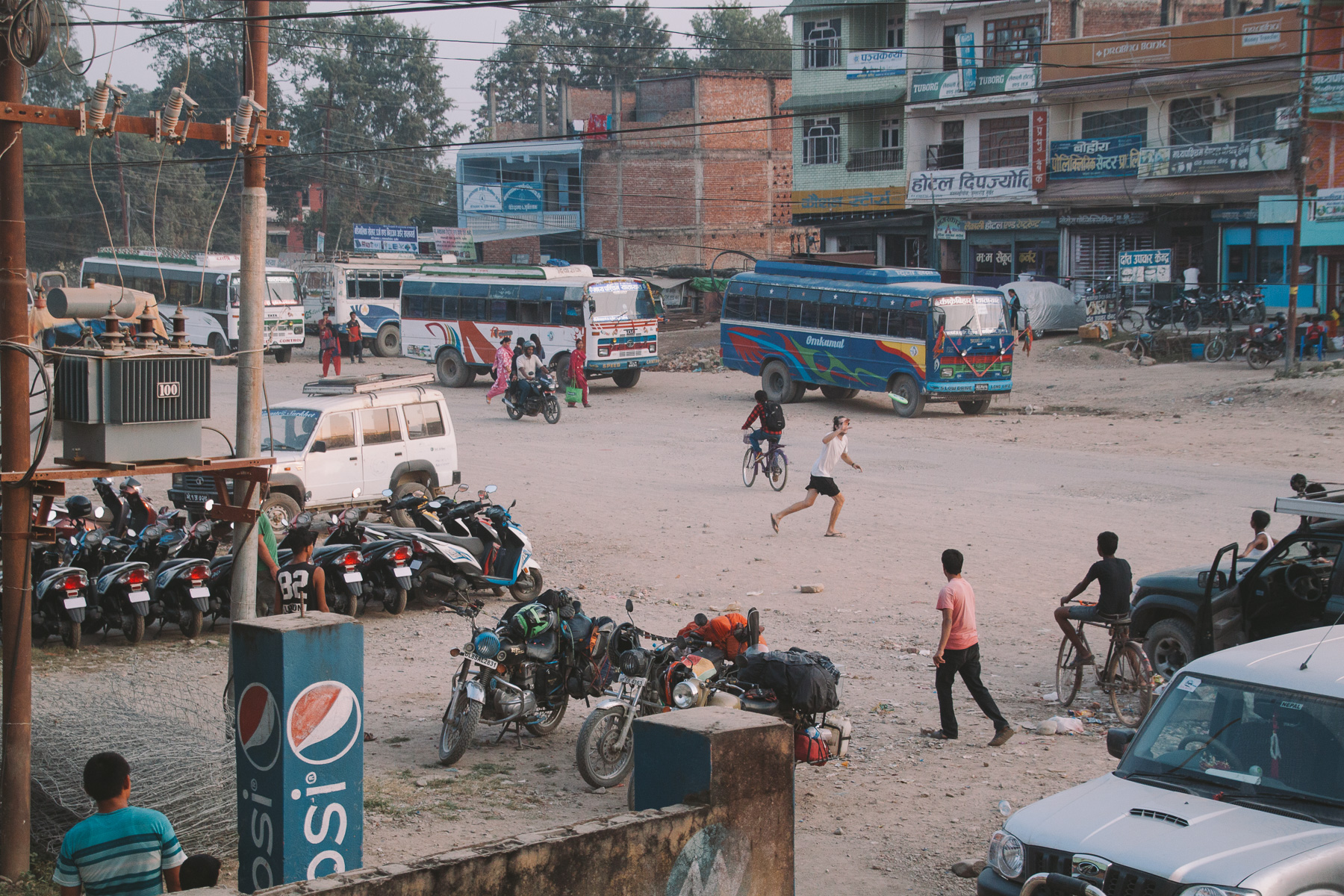
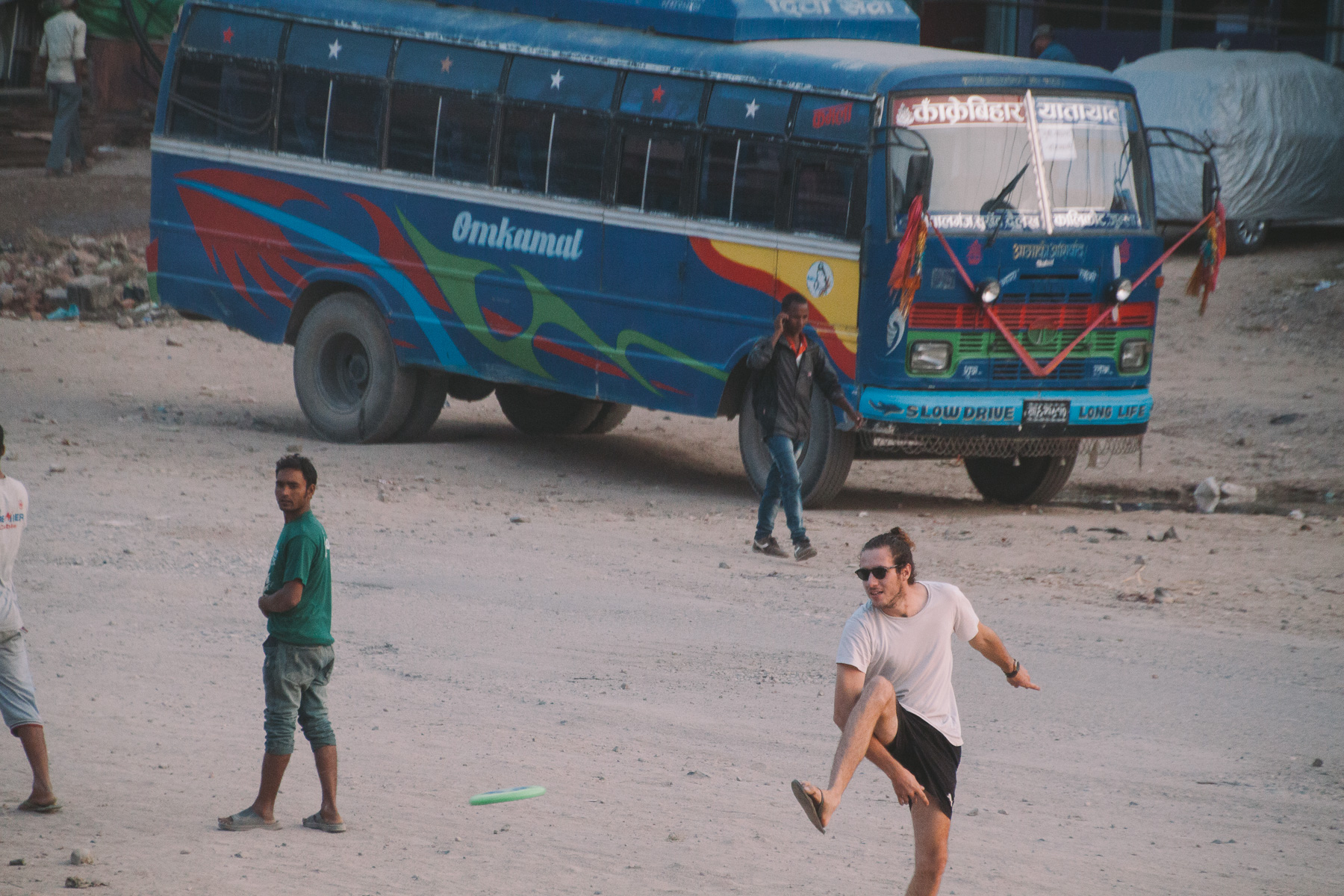
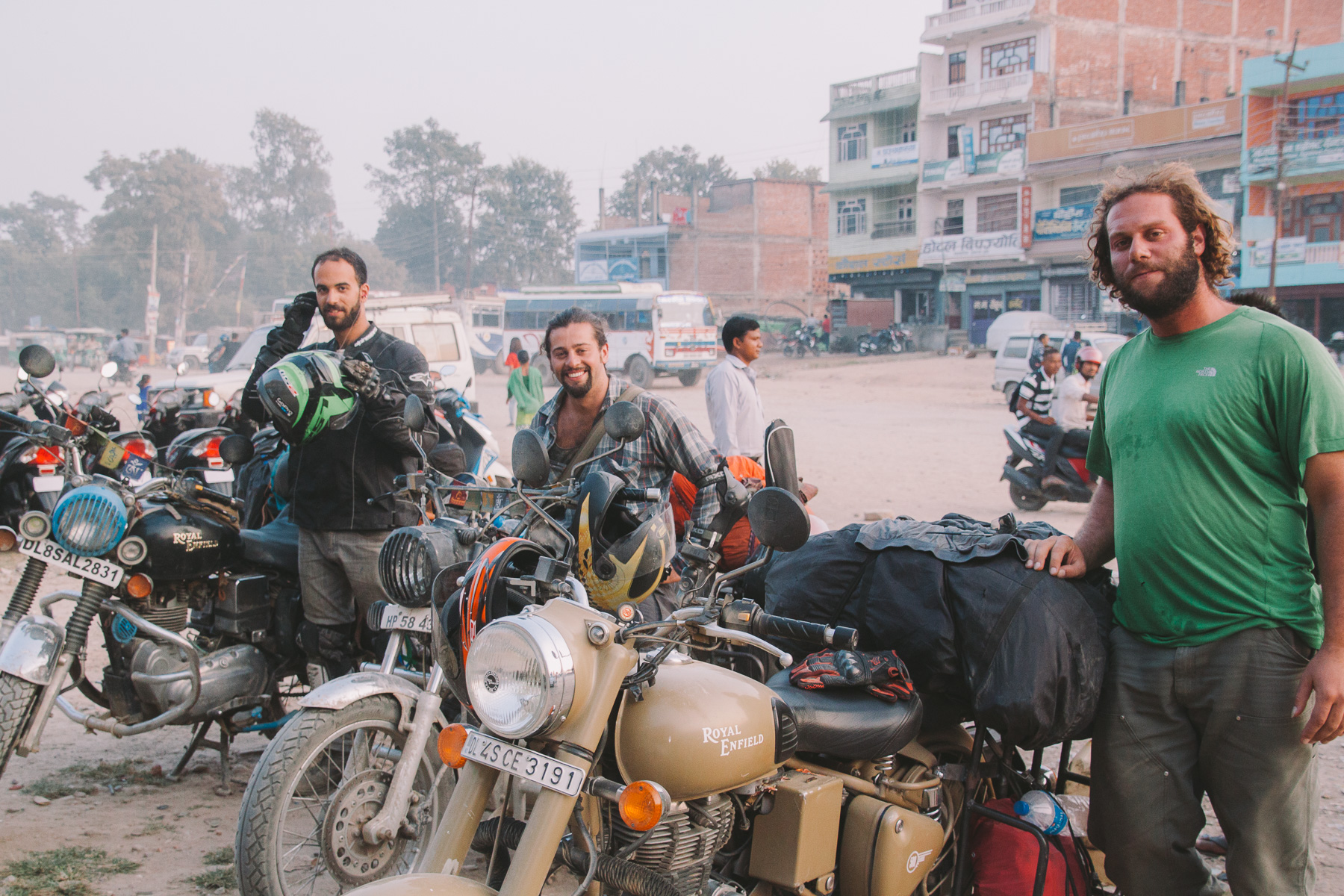
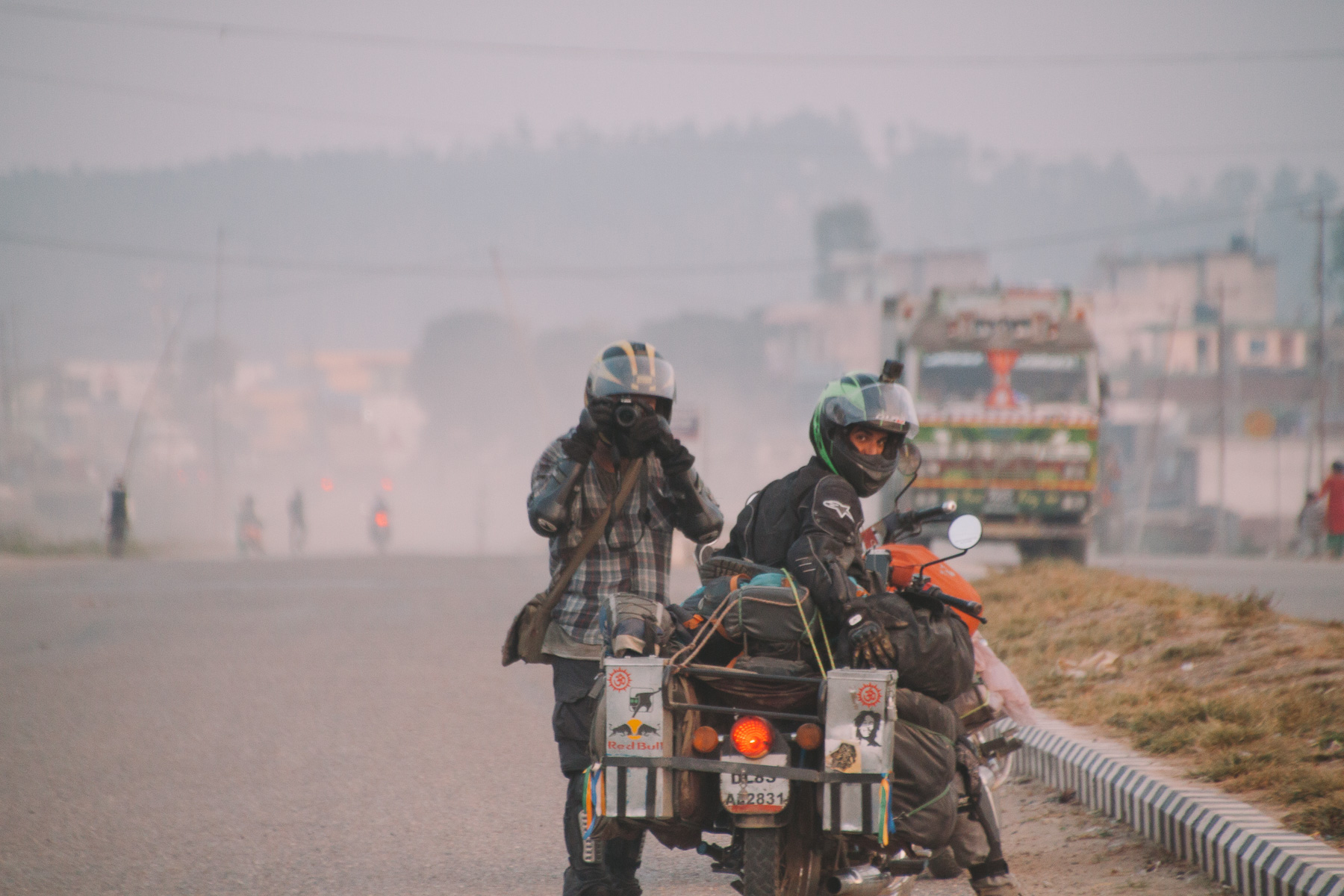
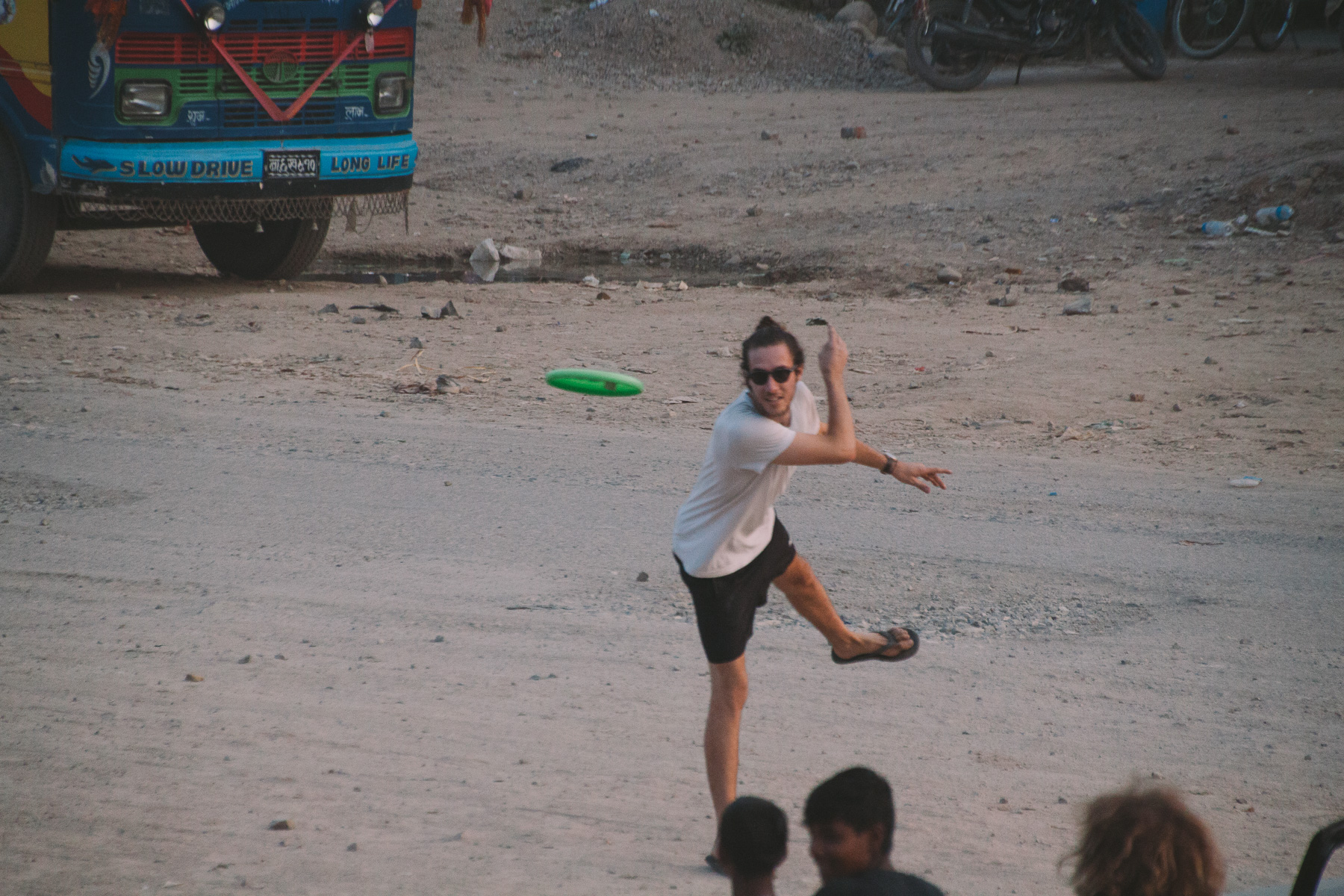
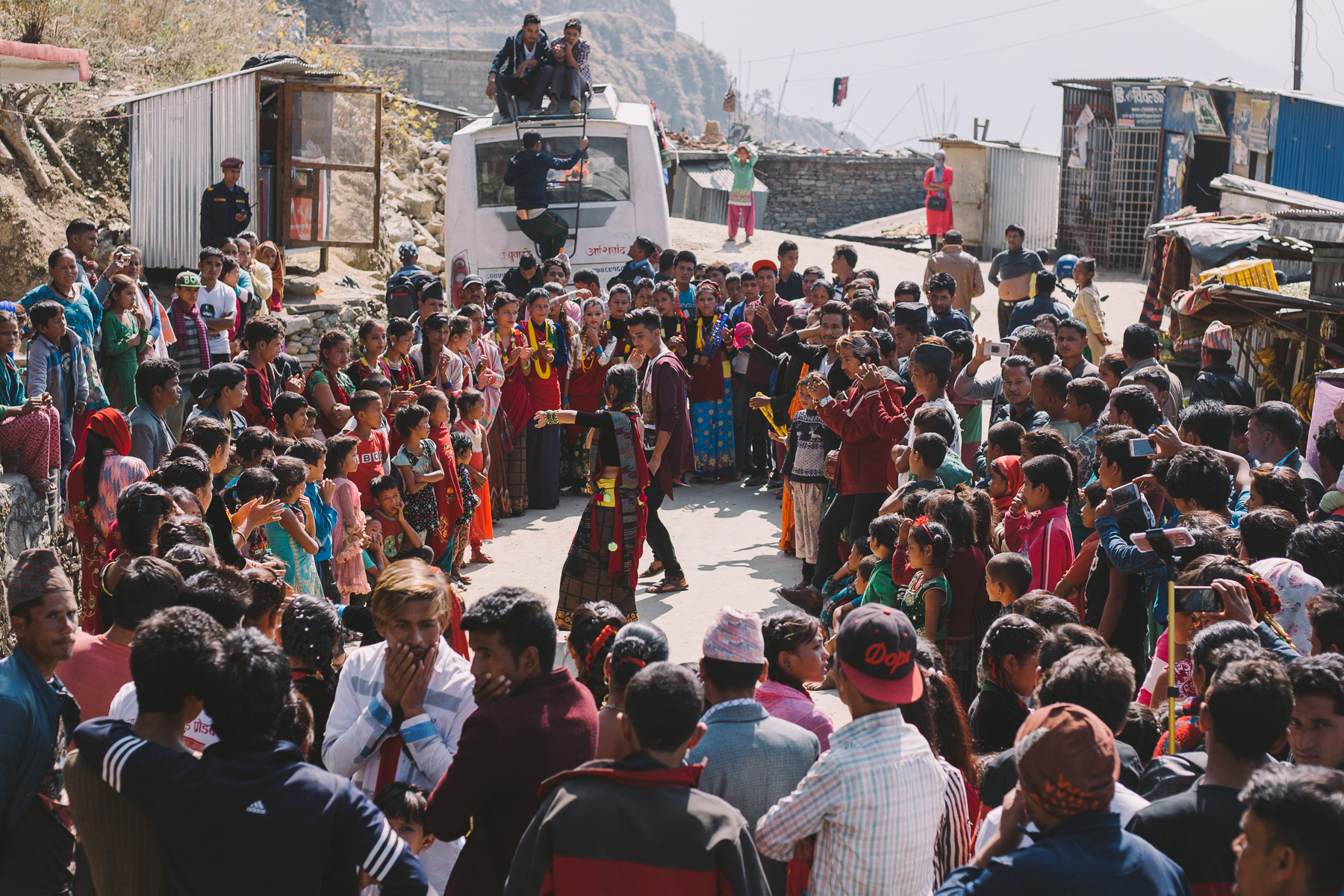
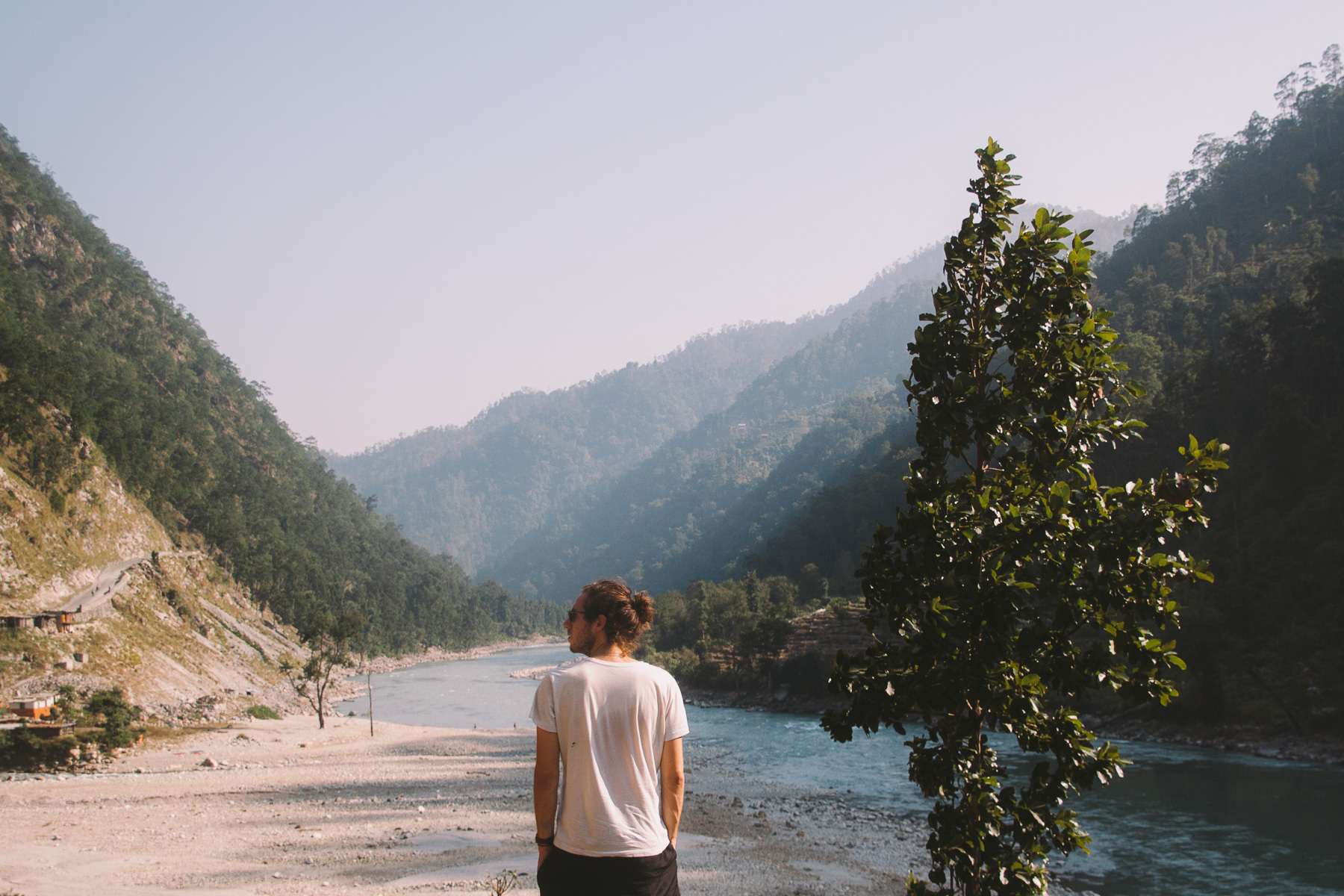
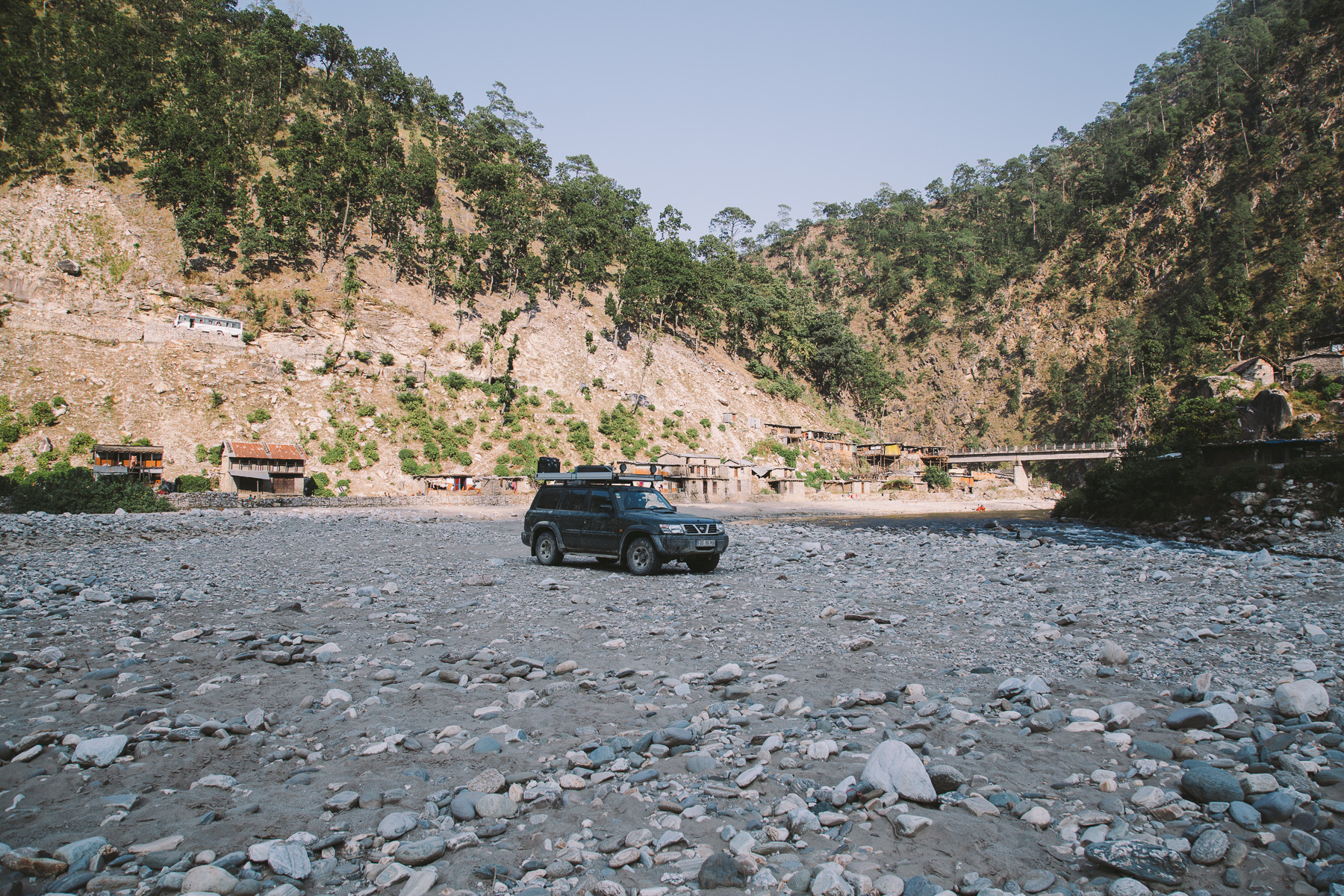
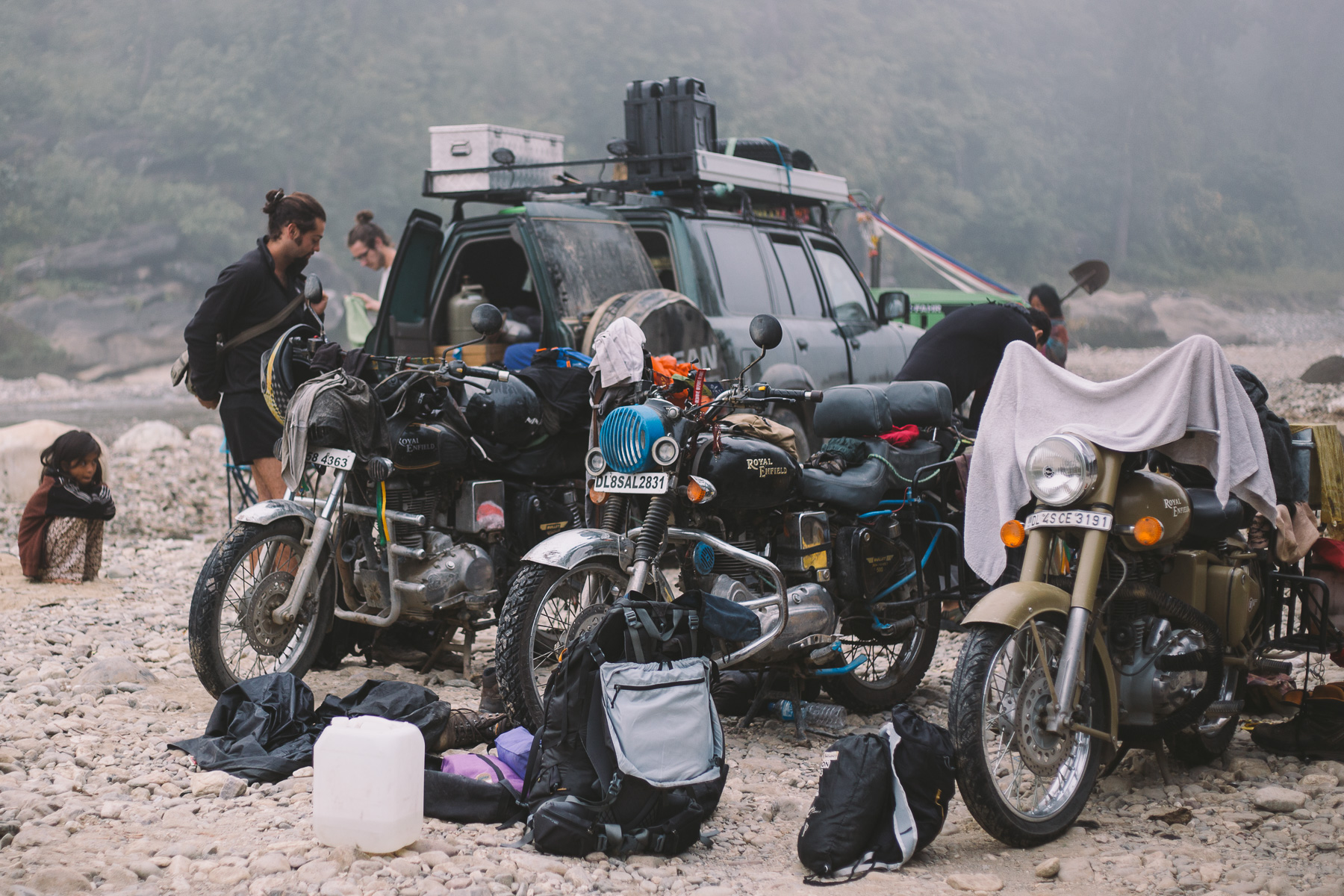
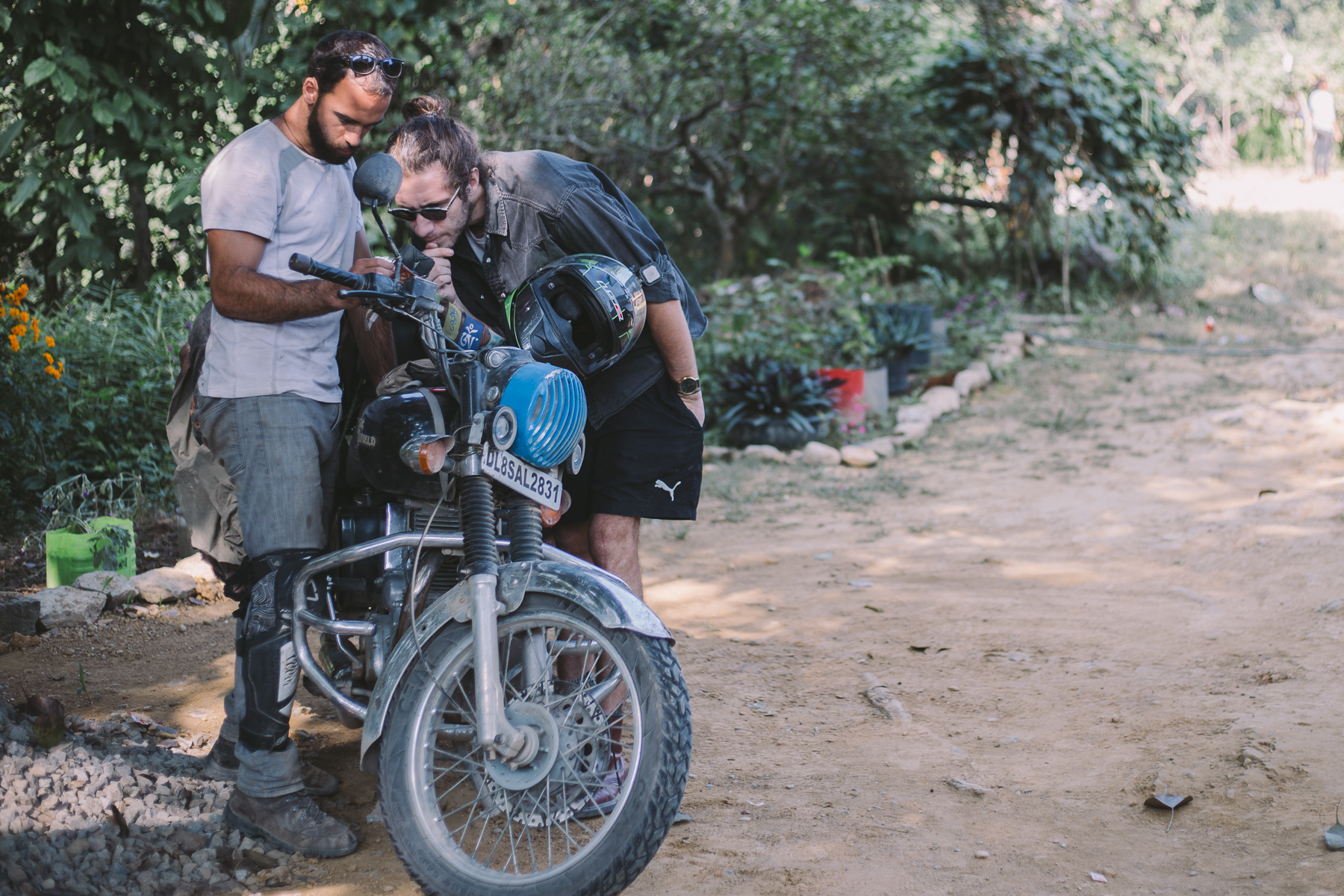
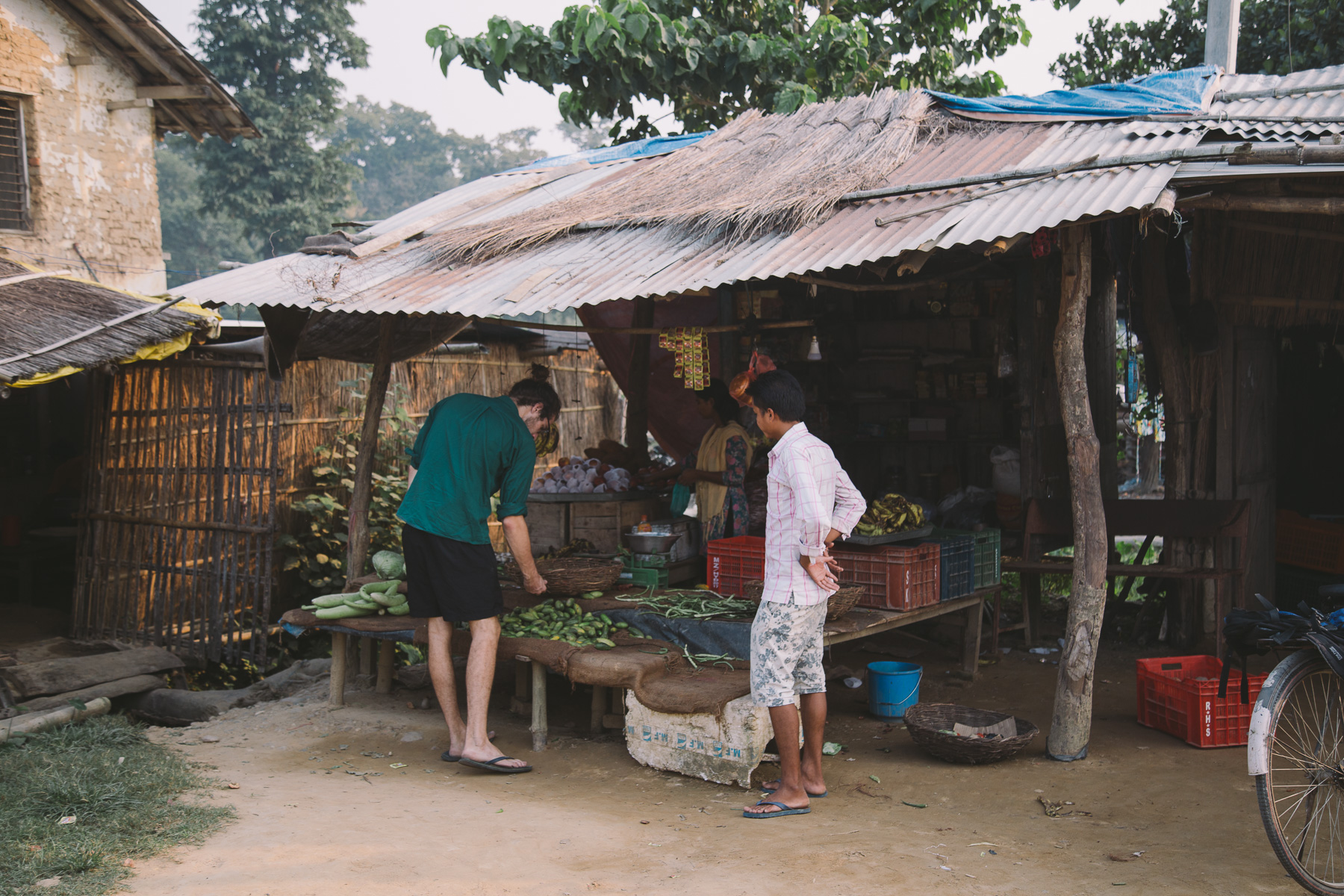
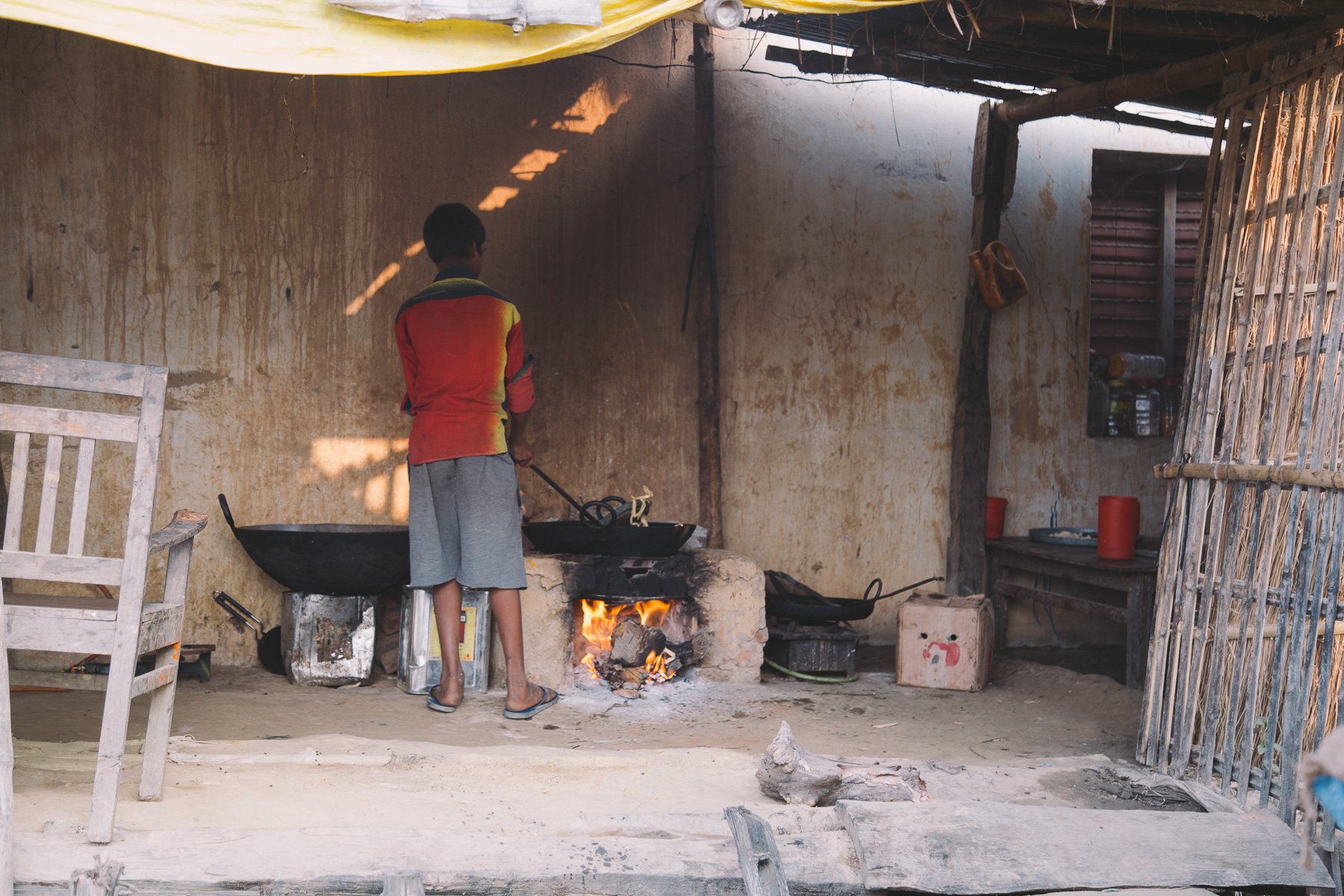
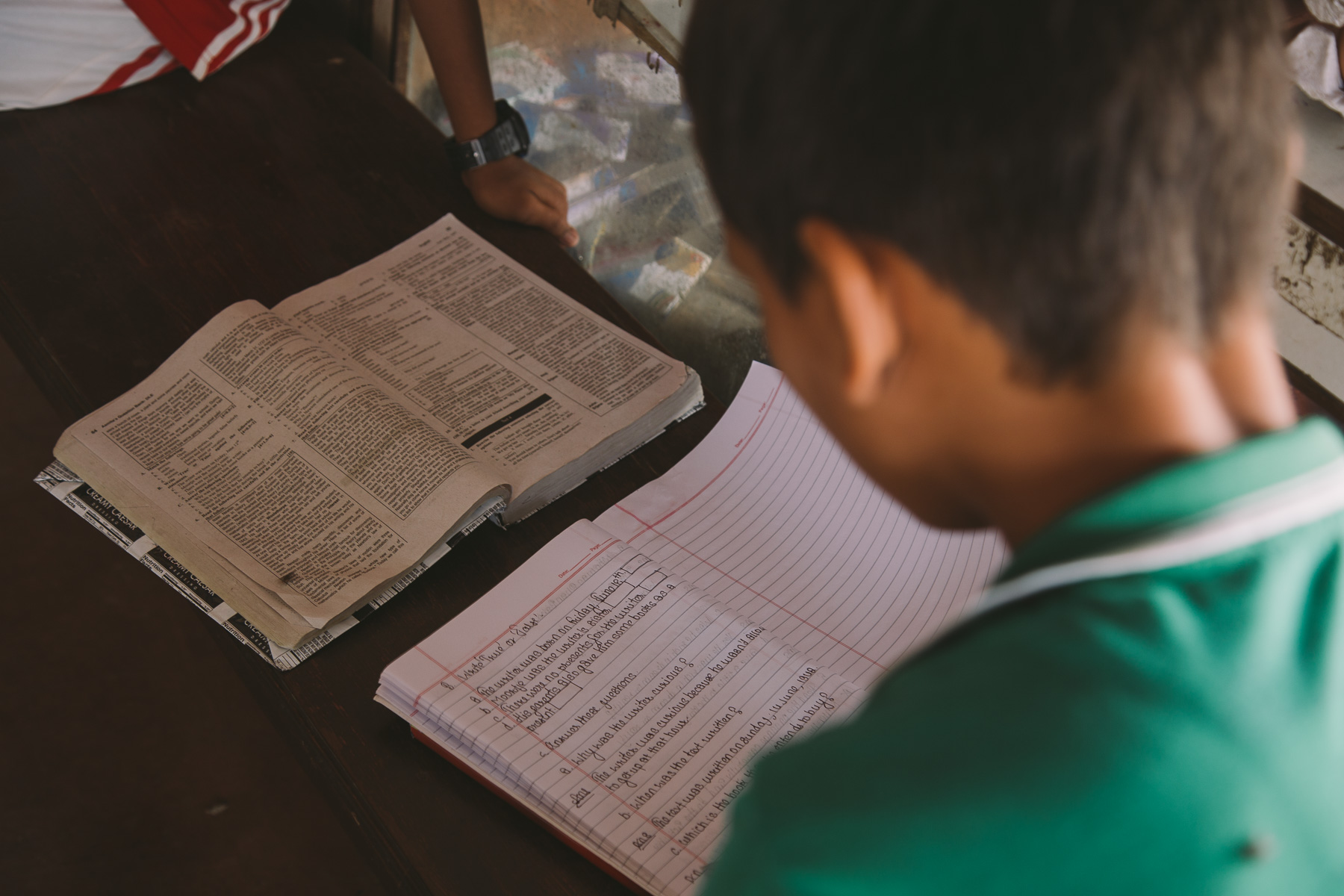
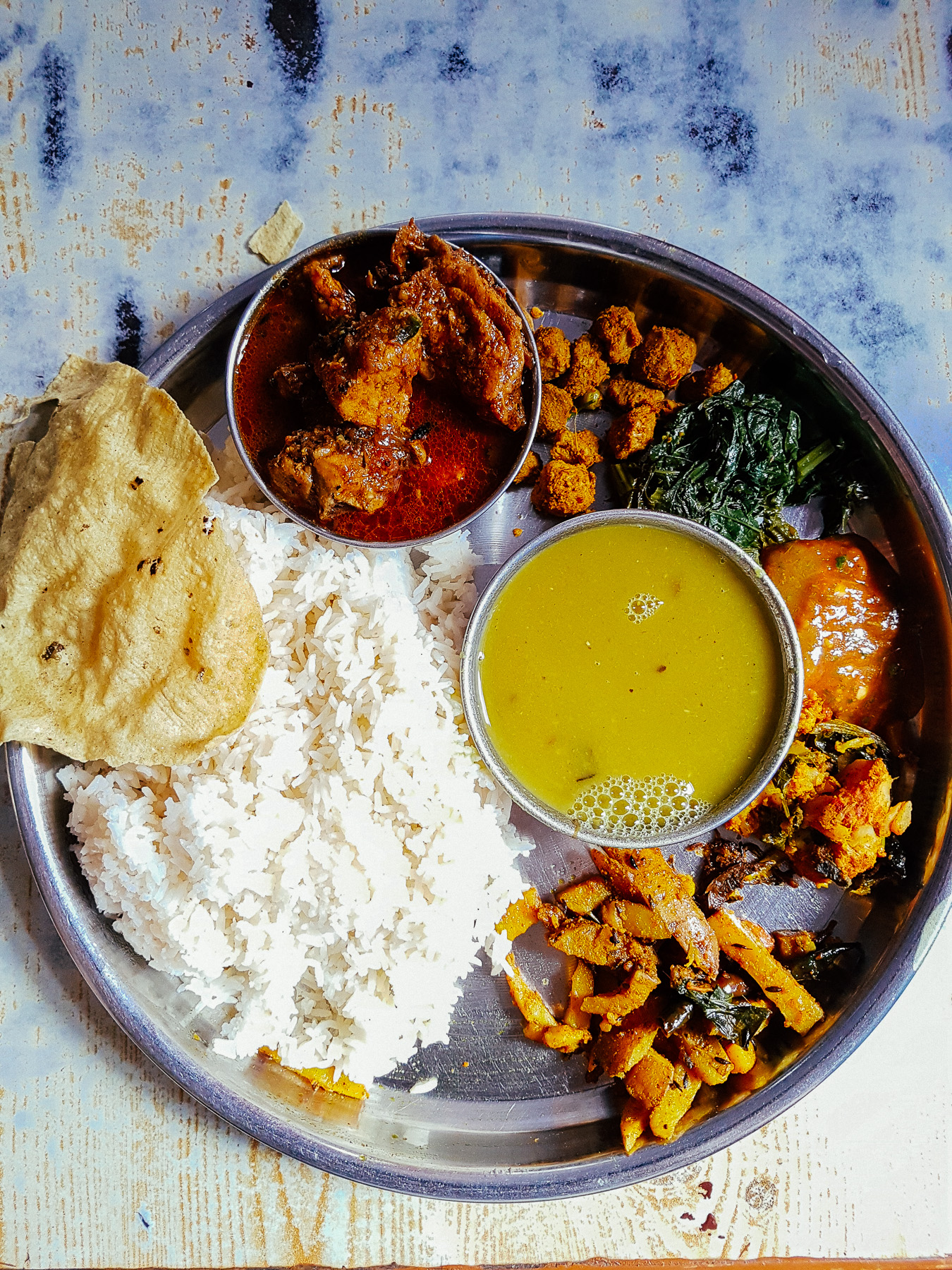
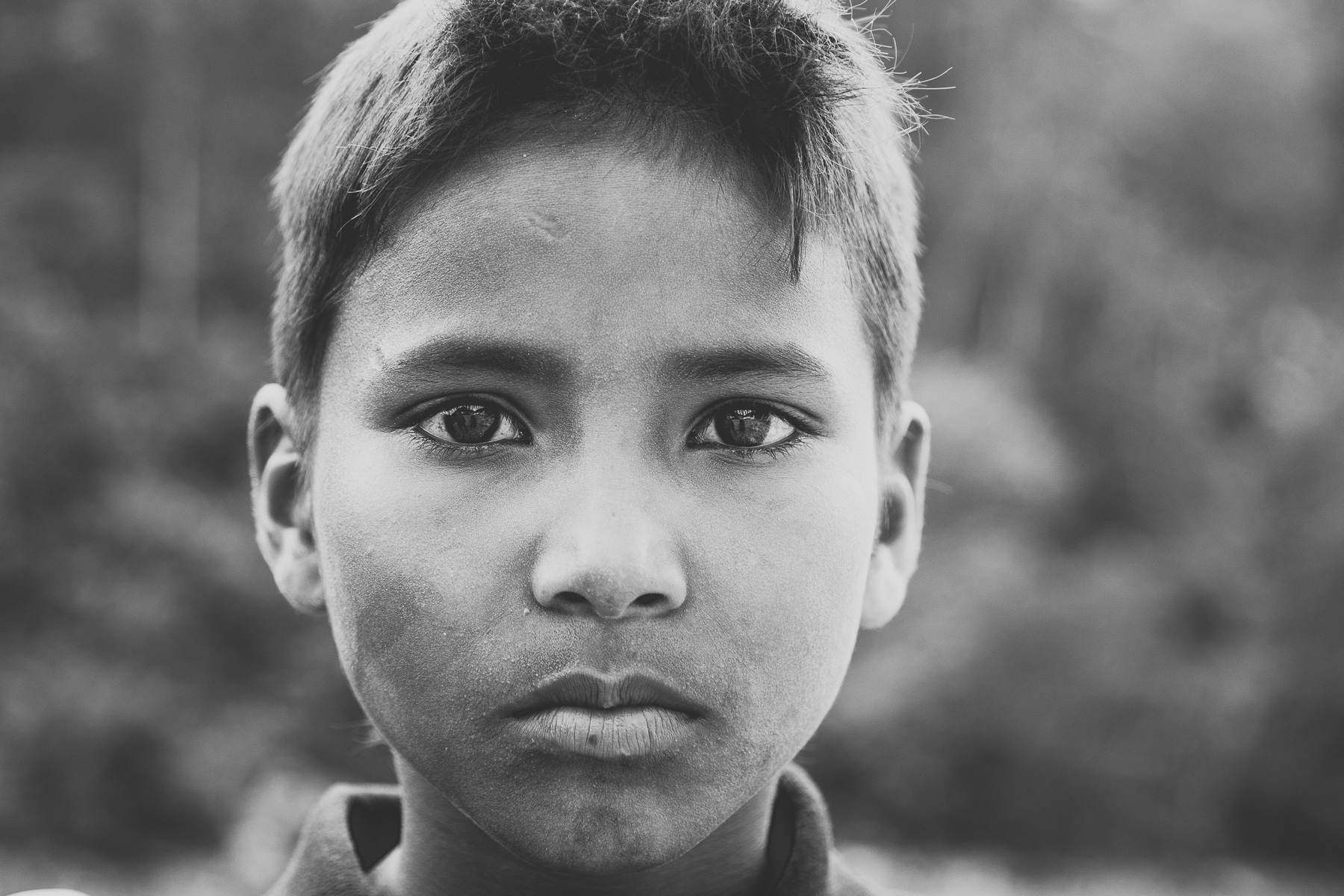
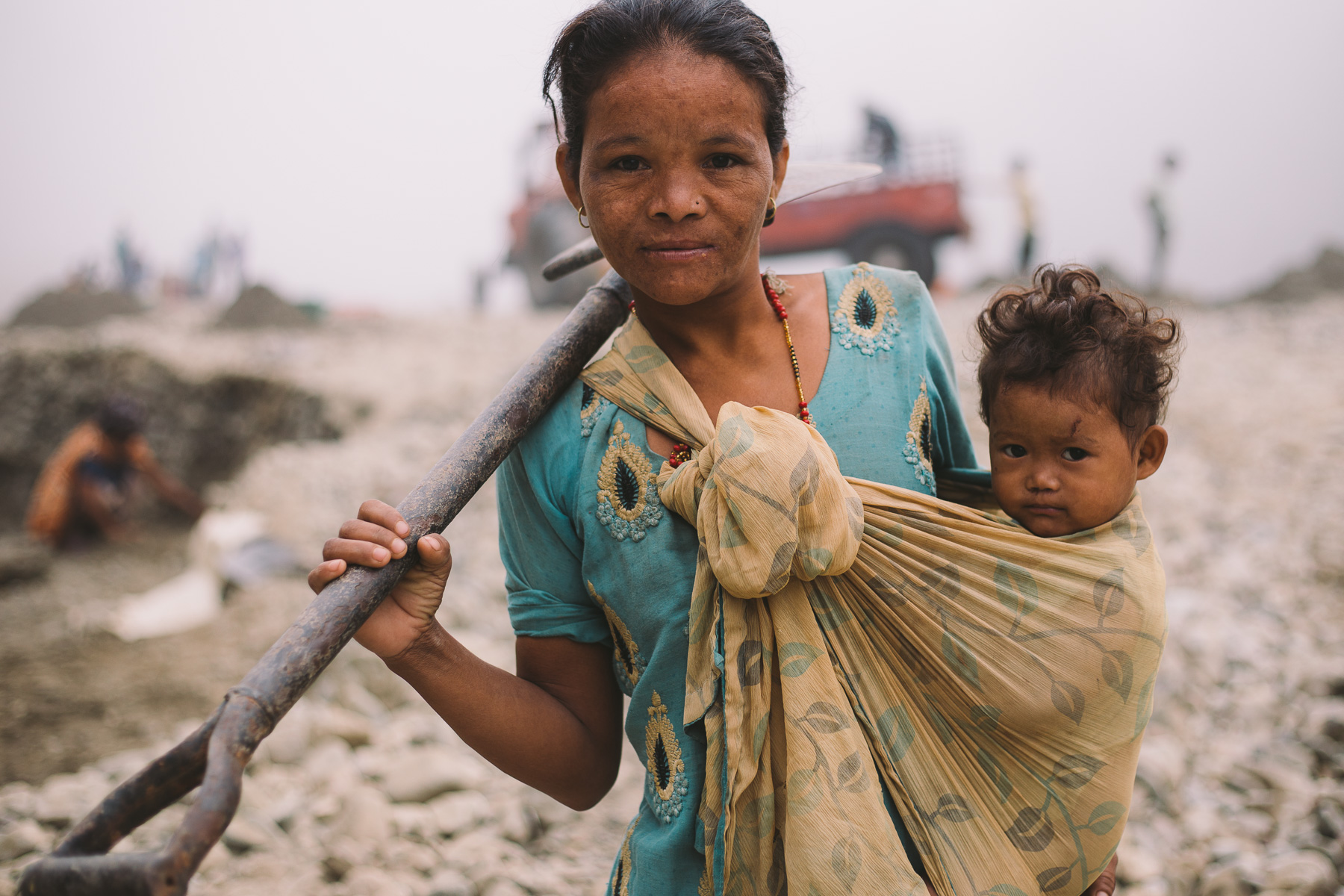
West Nepal is the poorest region of Nepal, most of the villages we passed were not connected to water or electricity. It’s a really simple and hard life in the mountains, every morning they bring out their cows and goats to the fields, which are often many kilometres away from their home. 95% of the people walk, busses come through only once a day. The people mostly live in clay or stone houses, wood and gas is used for cooking, food is simple and variety is limited. So I ate a lot of Dal, Chow Mein, Rice, Potato – that’s pretty much all you can get here. After a while me and especially my stomach were craving different food. The public facilities are really, really poor in this area, hospitals are badly equipped. Simple diseases cannot be treated because it’s missing everything, many people are disabled or suffer from permanent damage from mistreatment – they don’t have the money for it!
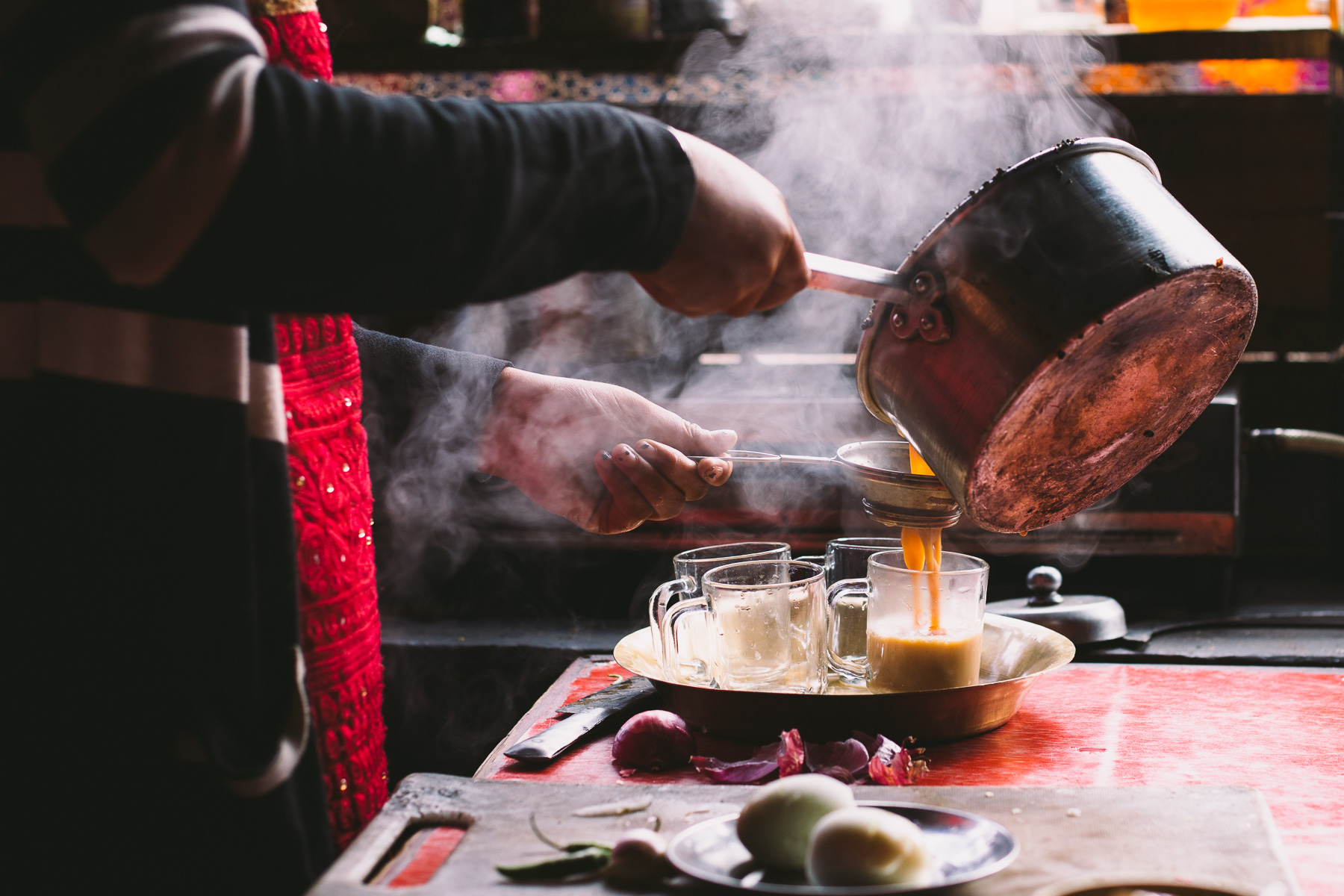
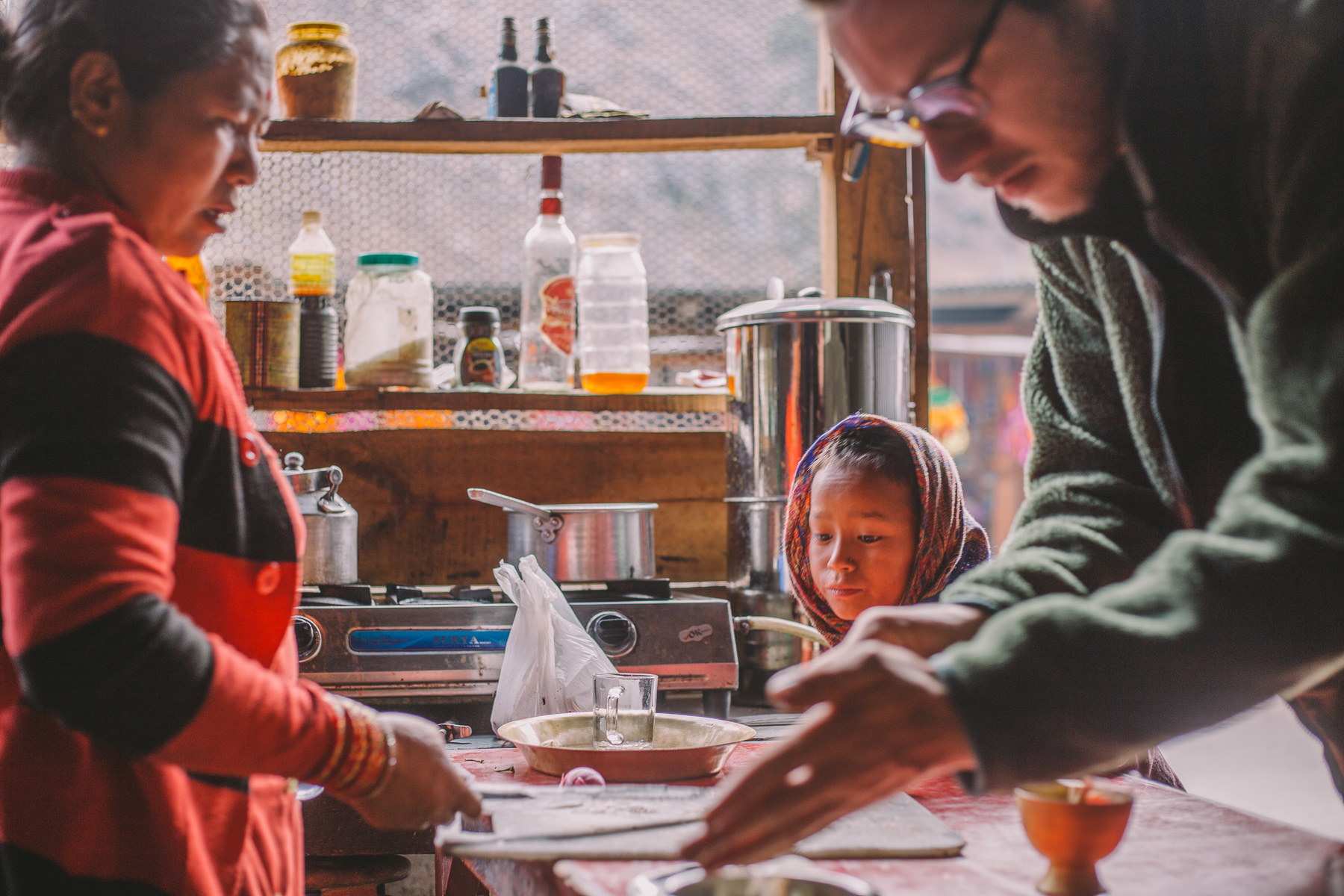
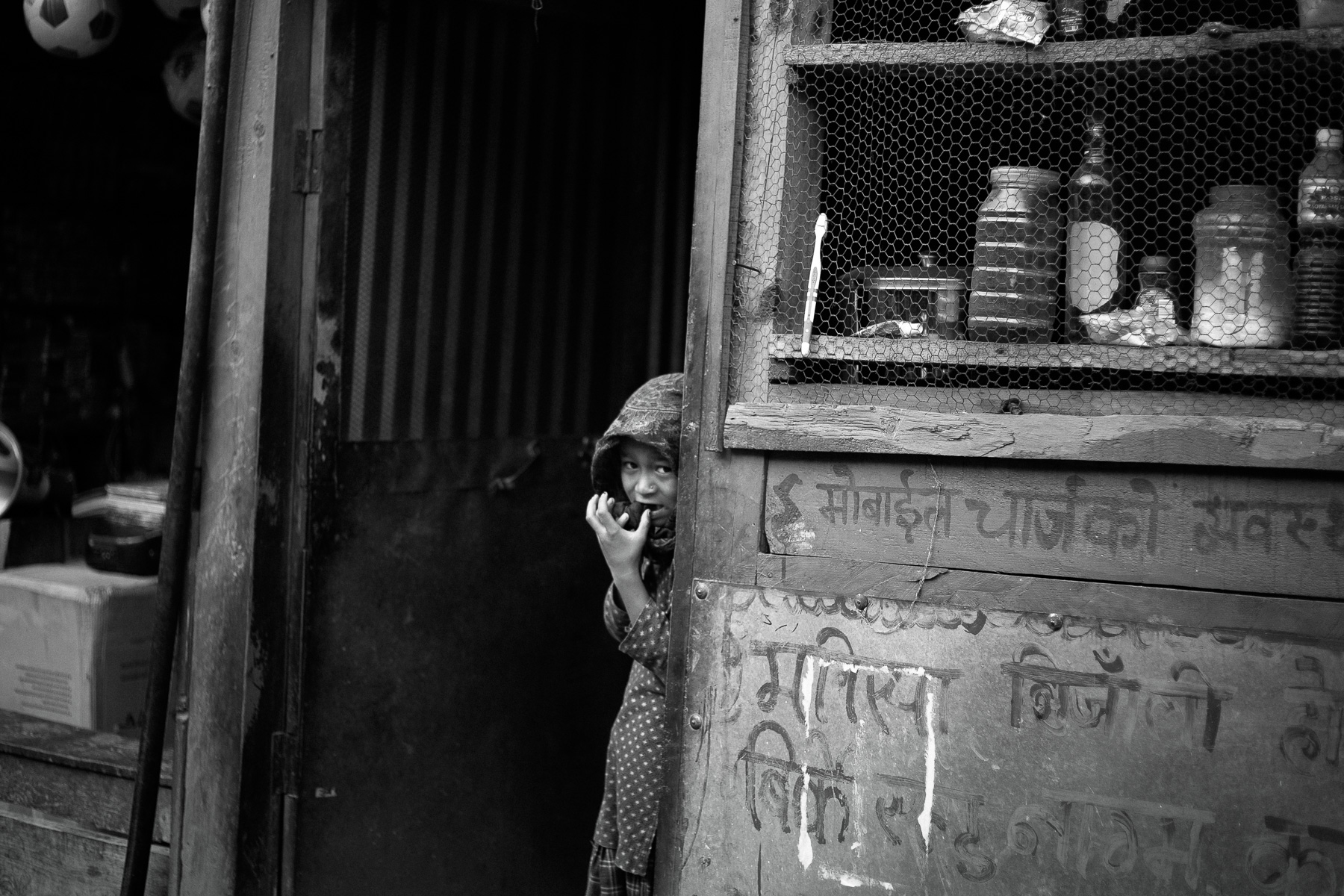
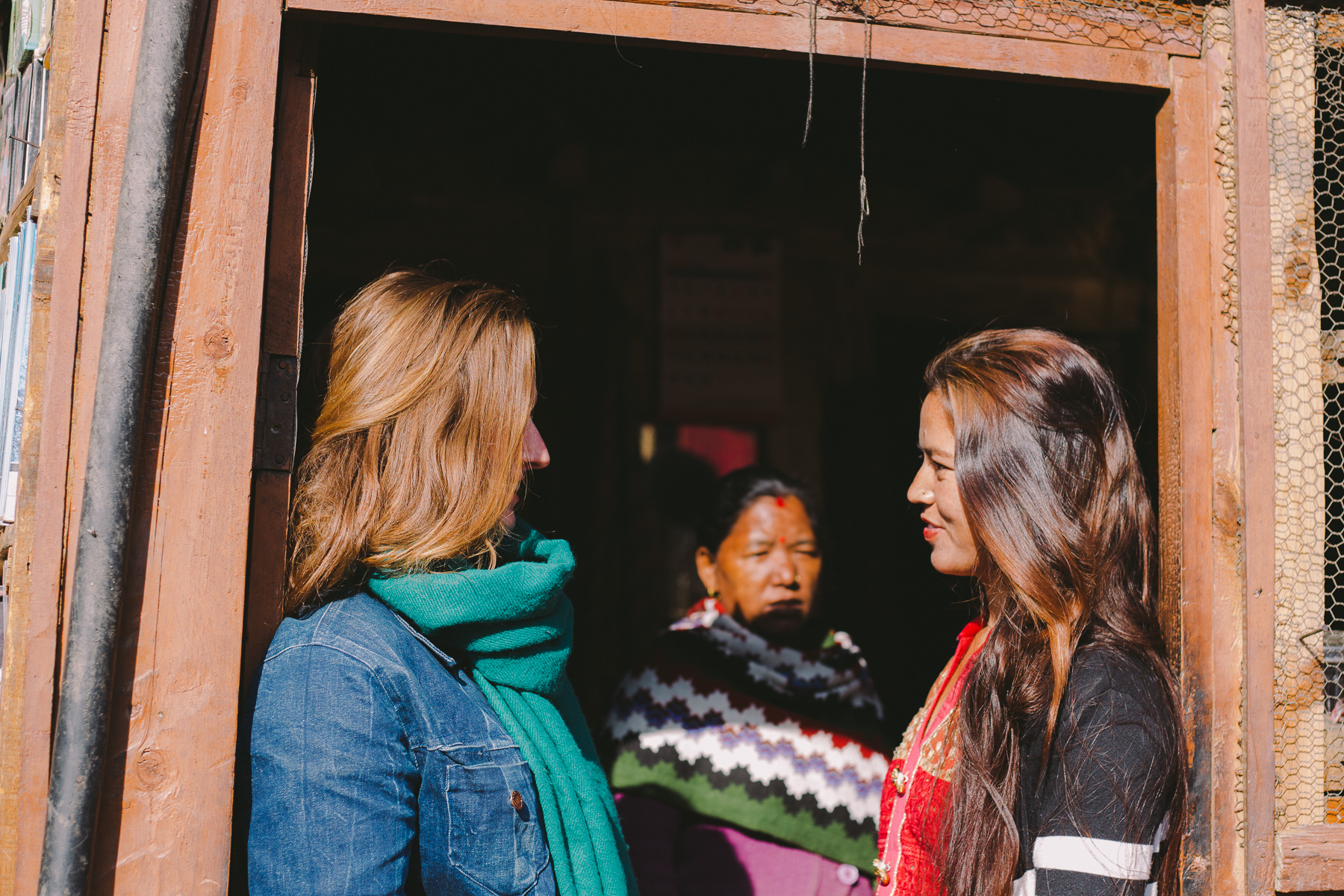
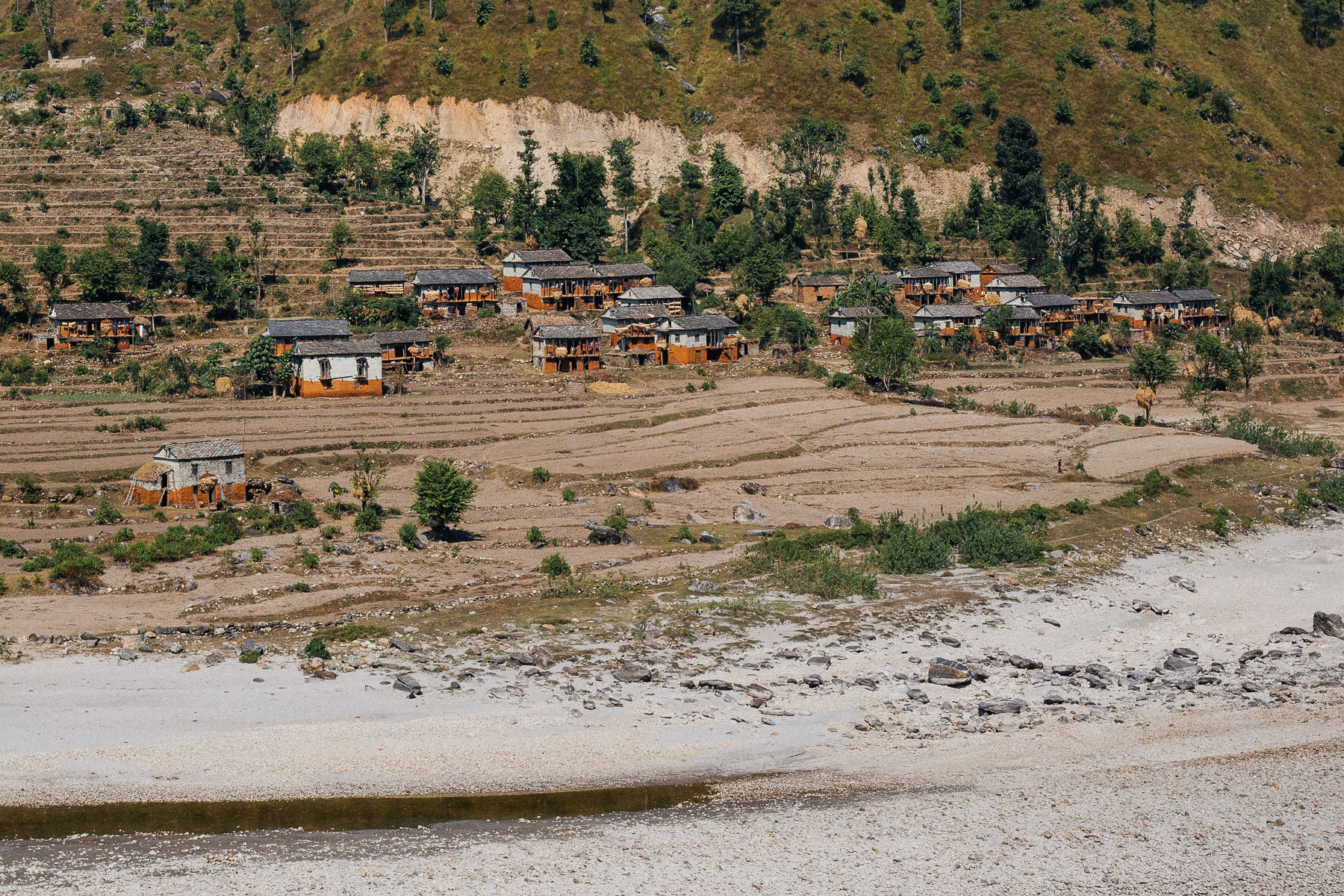
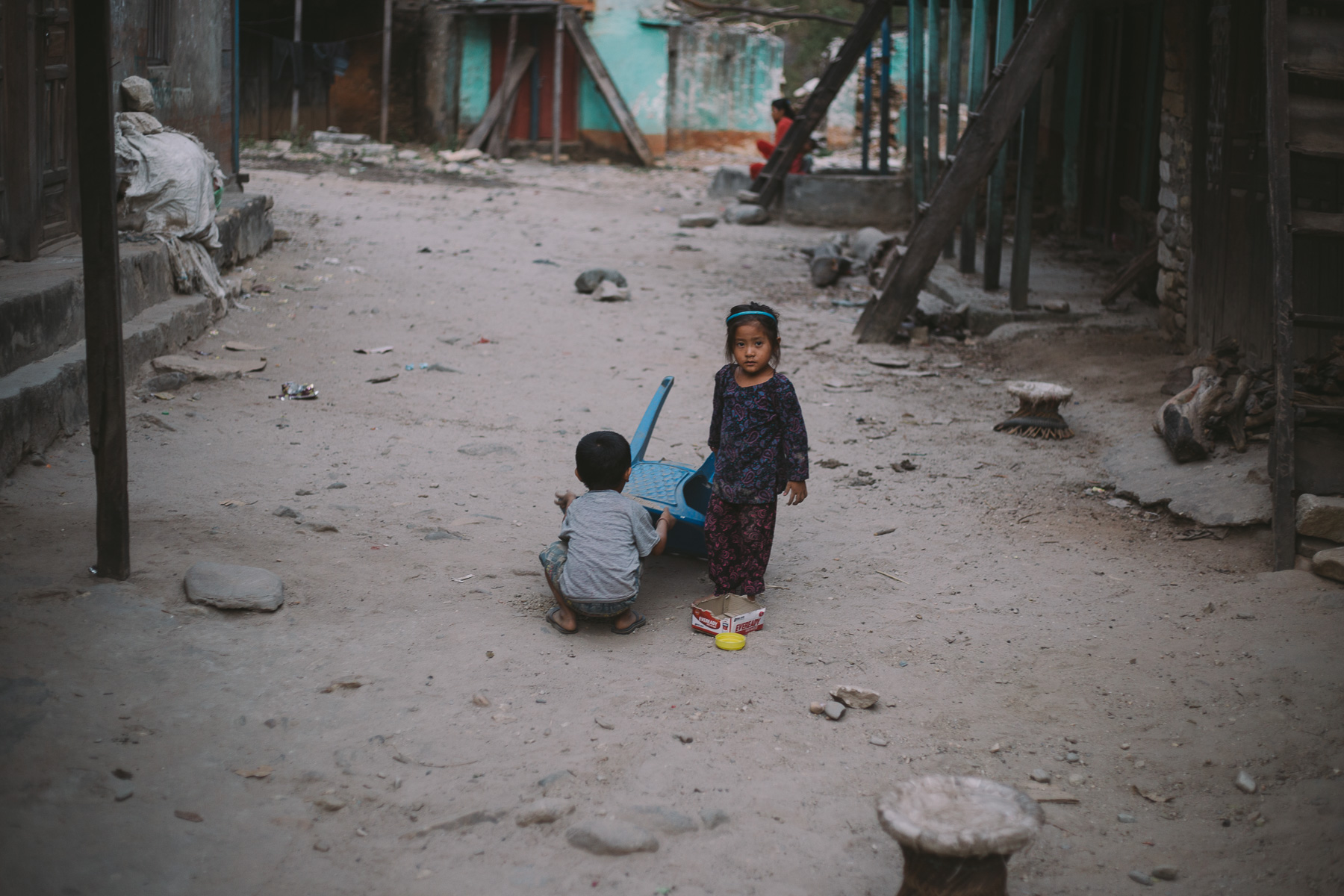
The scenery and people I’ve met definitely made up for all the bad roads, it’s incredibly beautiful and quiet here. Big difference to the hectic life I was living in Delhi for the past months. I’m definitly enjoying my time here!
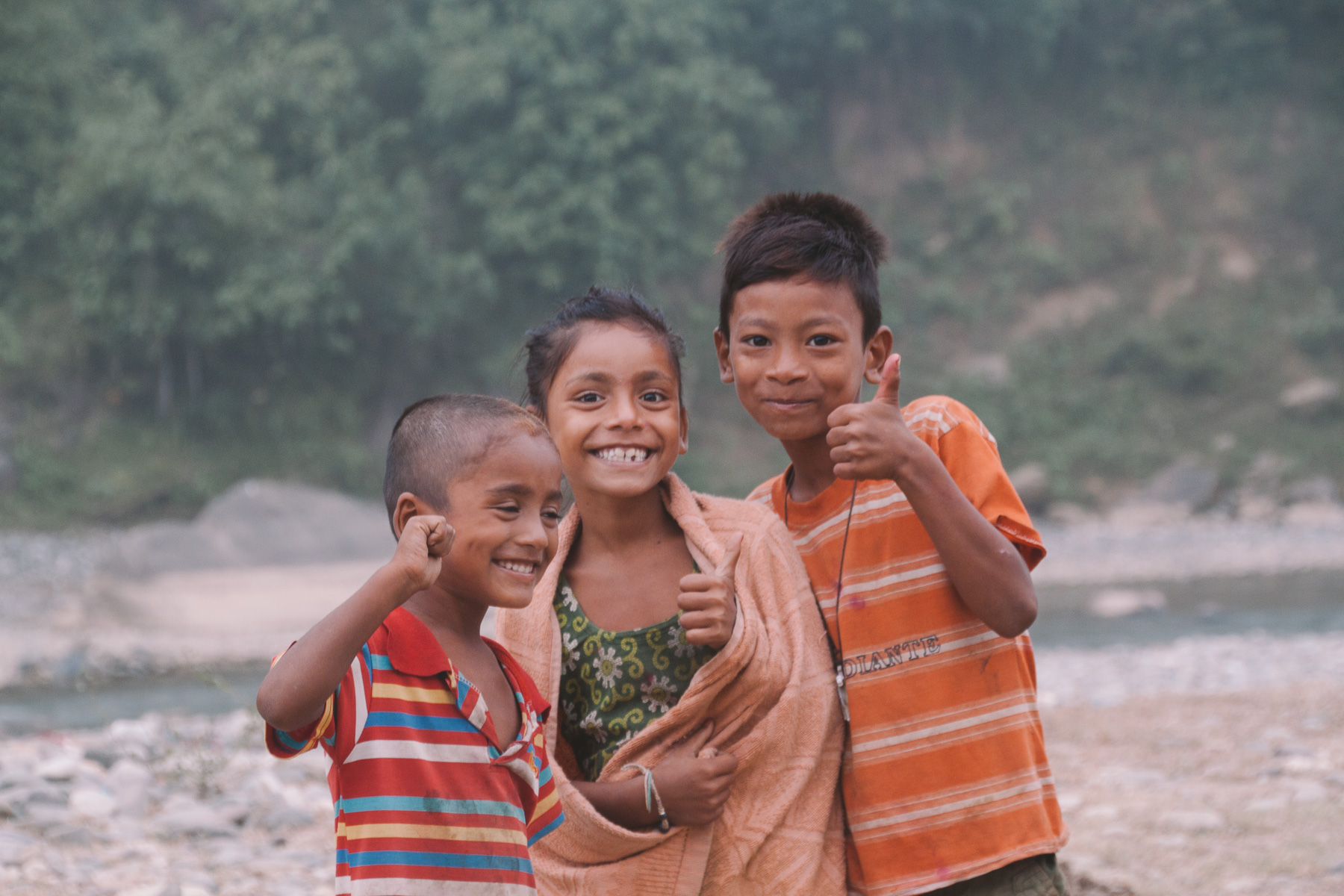
Its one way in – same way out. The way back took us 2 full days of driving, I was glad once we hit the main highway; don’t expect a highway like the Autobahn or anything, it was a shitty Nepali road with loads of potholes. I was happy though, the last 800km were tough for the car and us, so this highway felt like heaven.
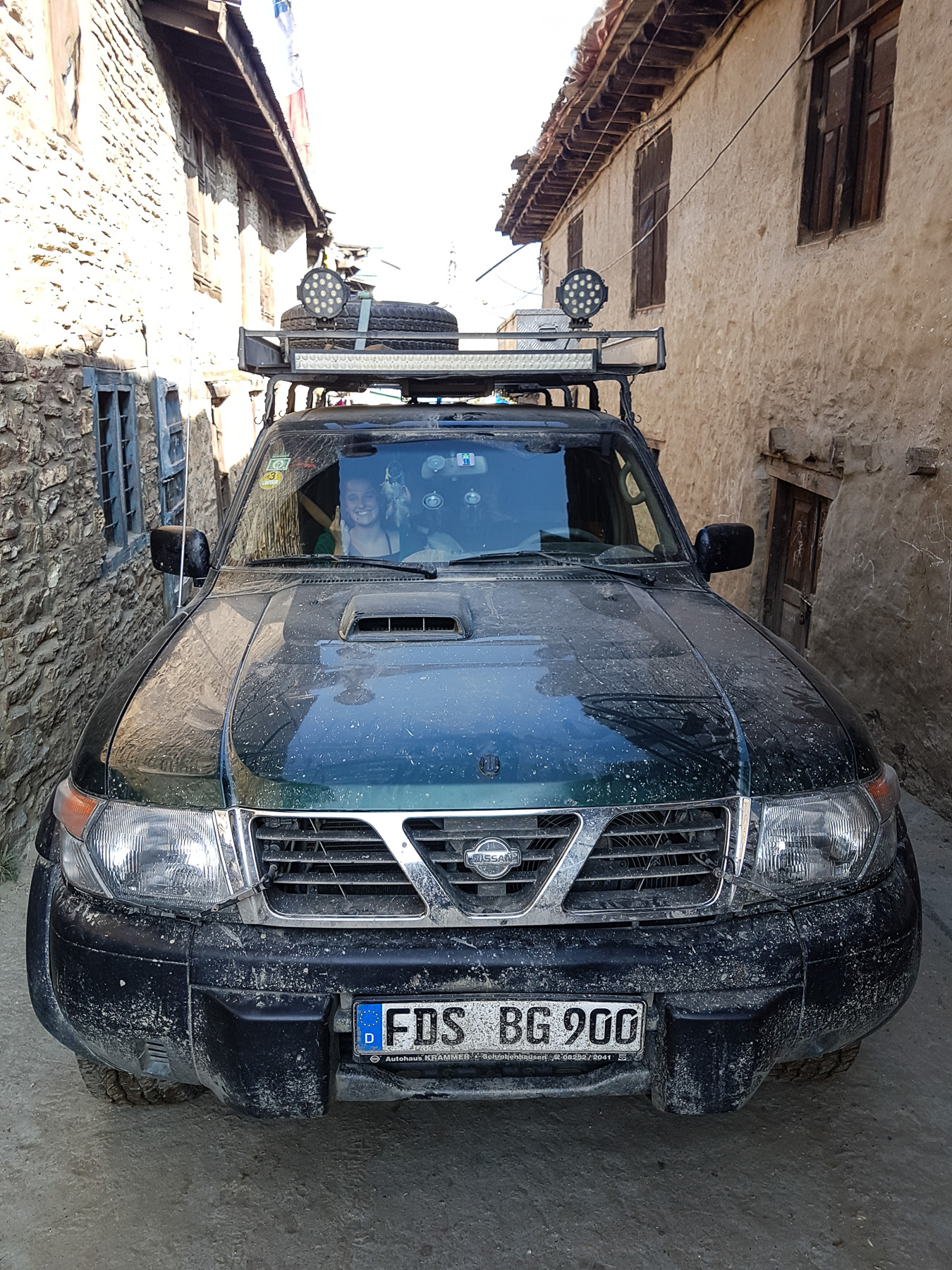
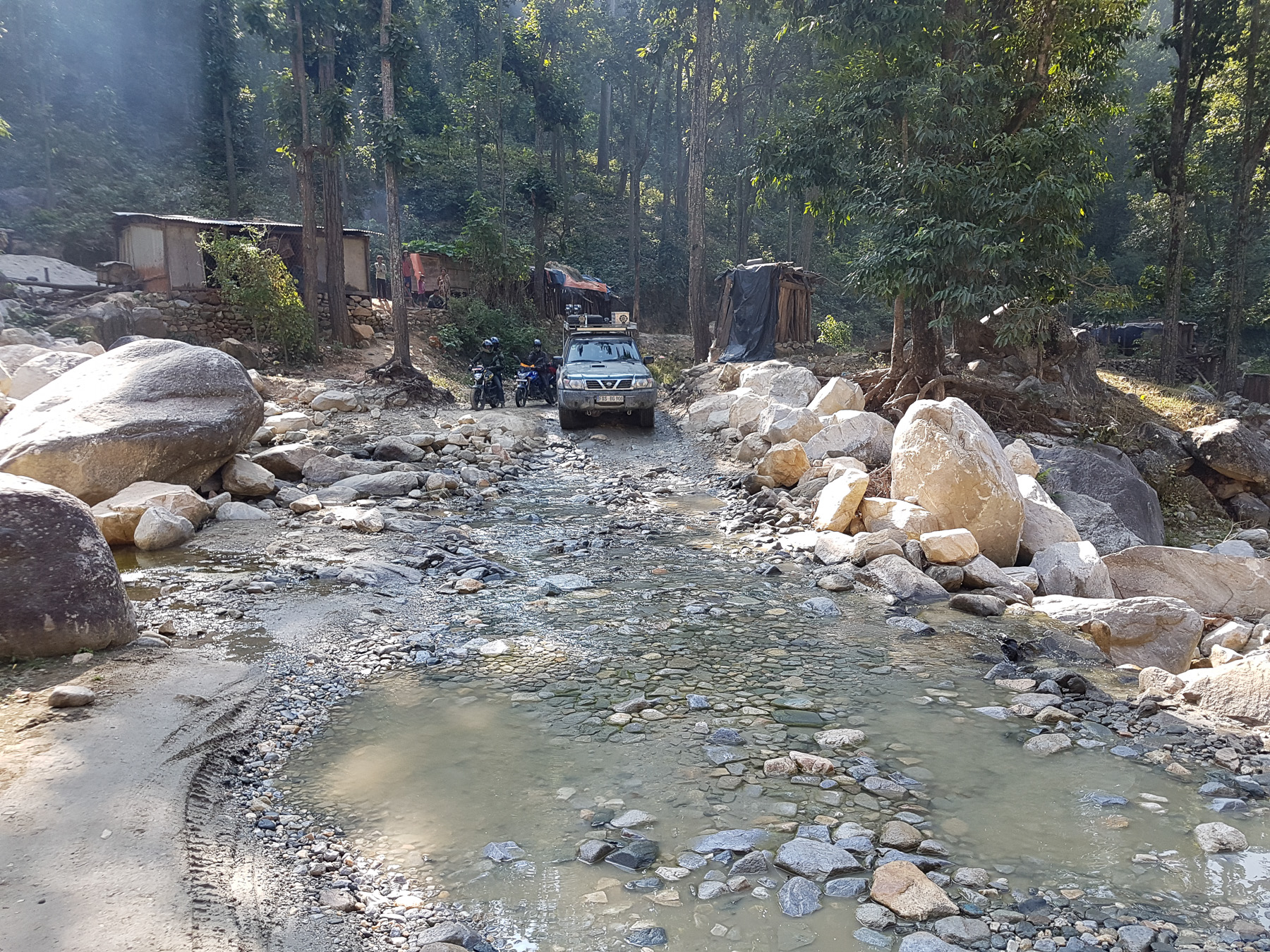
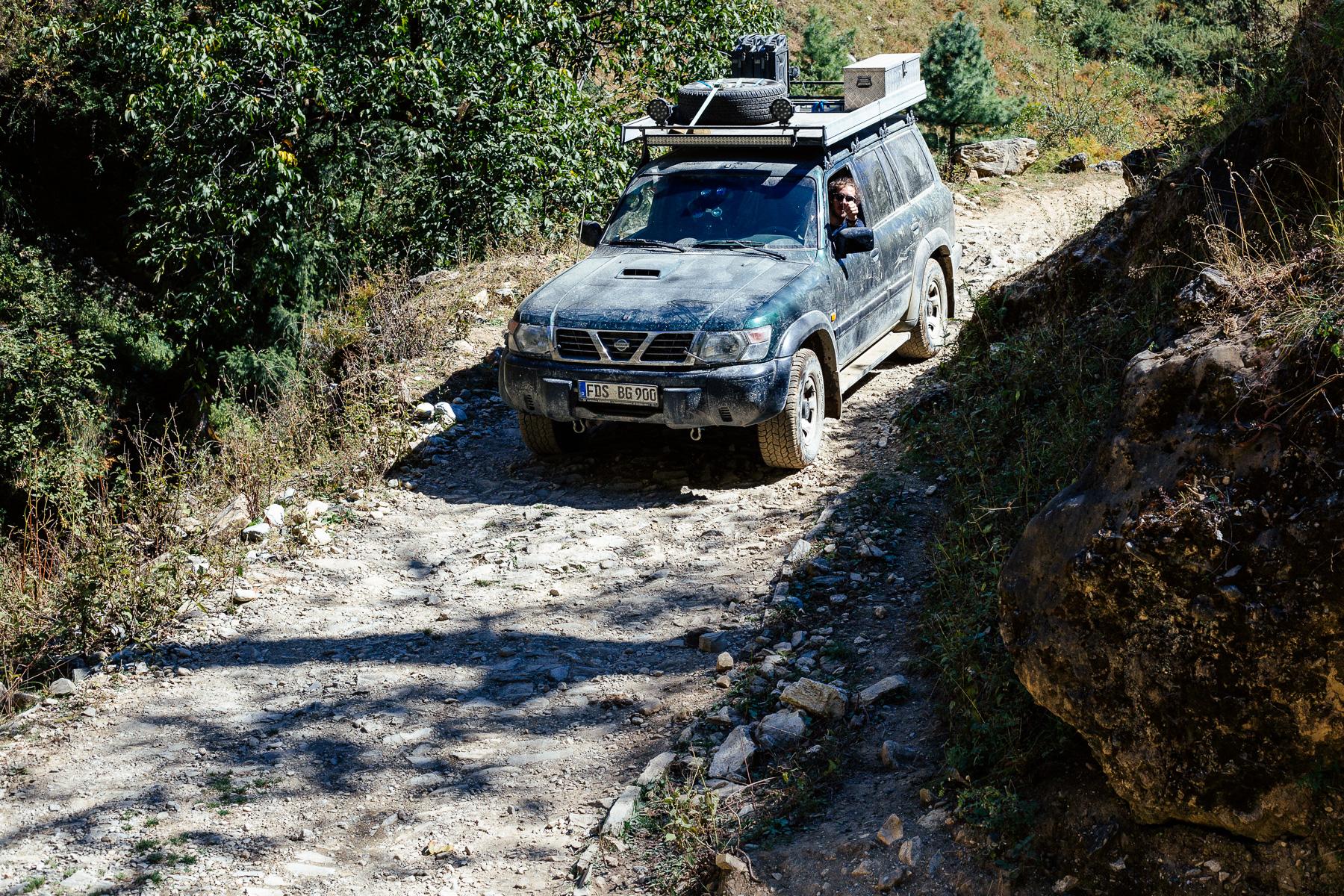
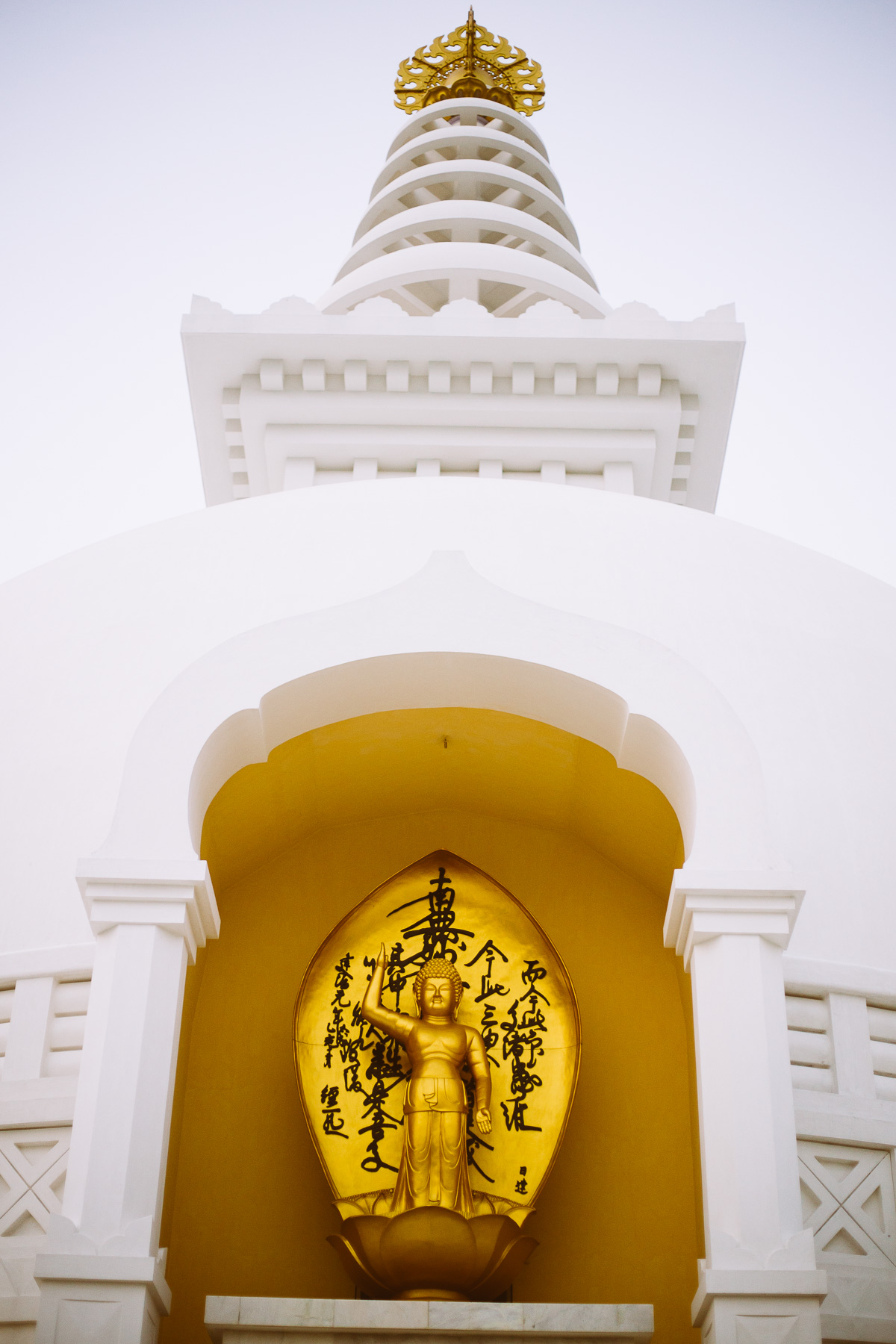
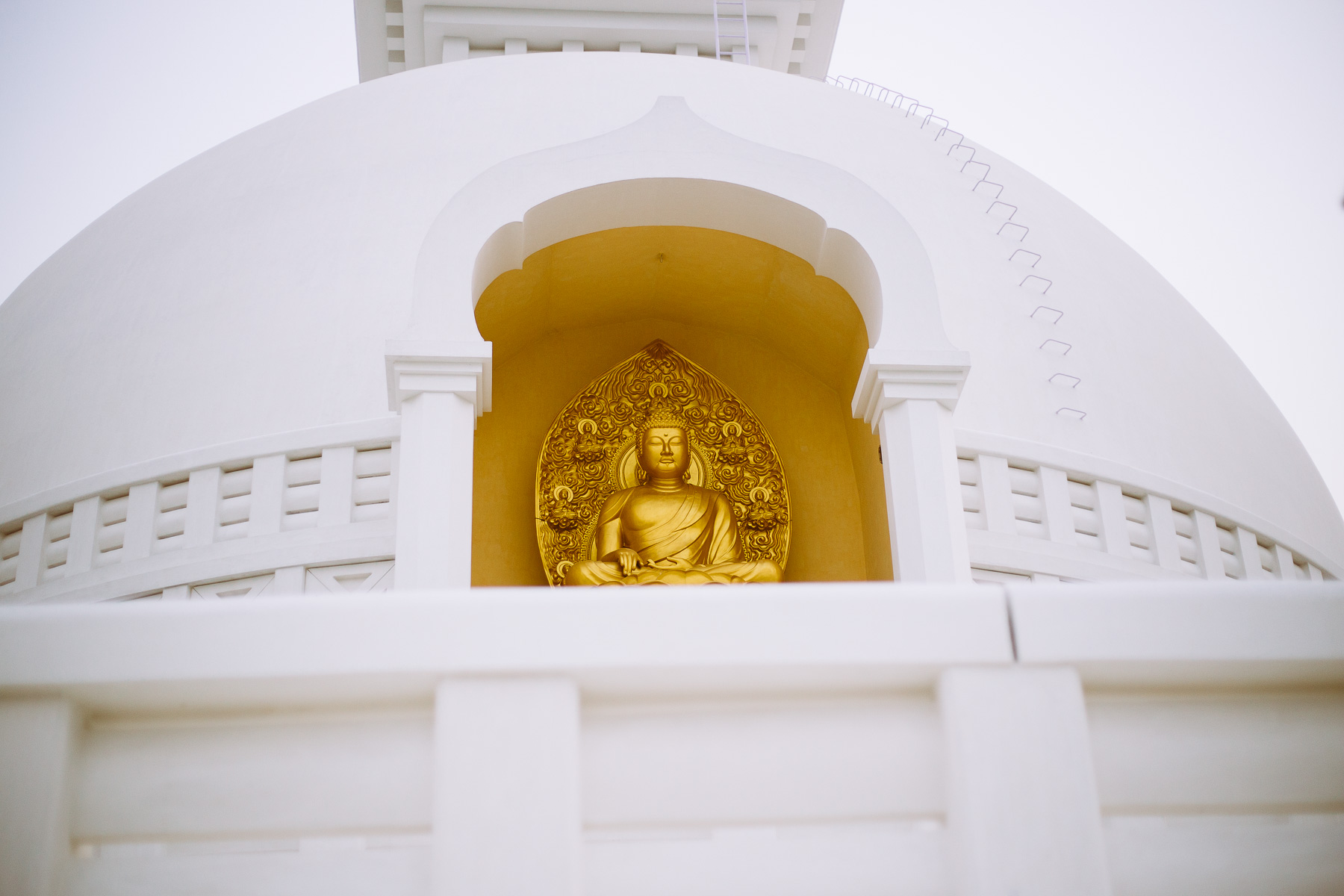
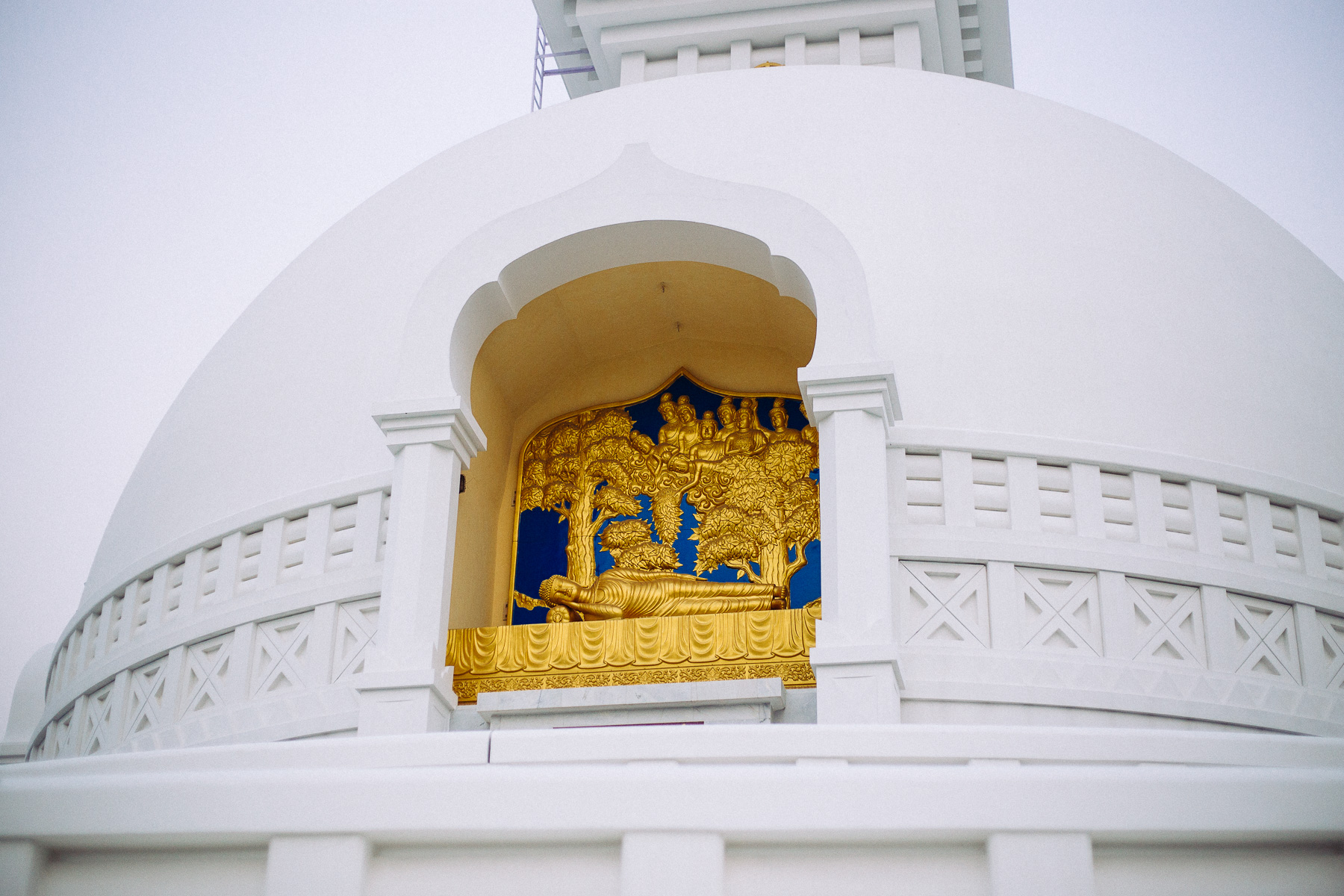
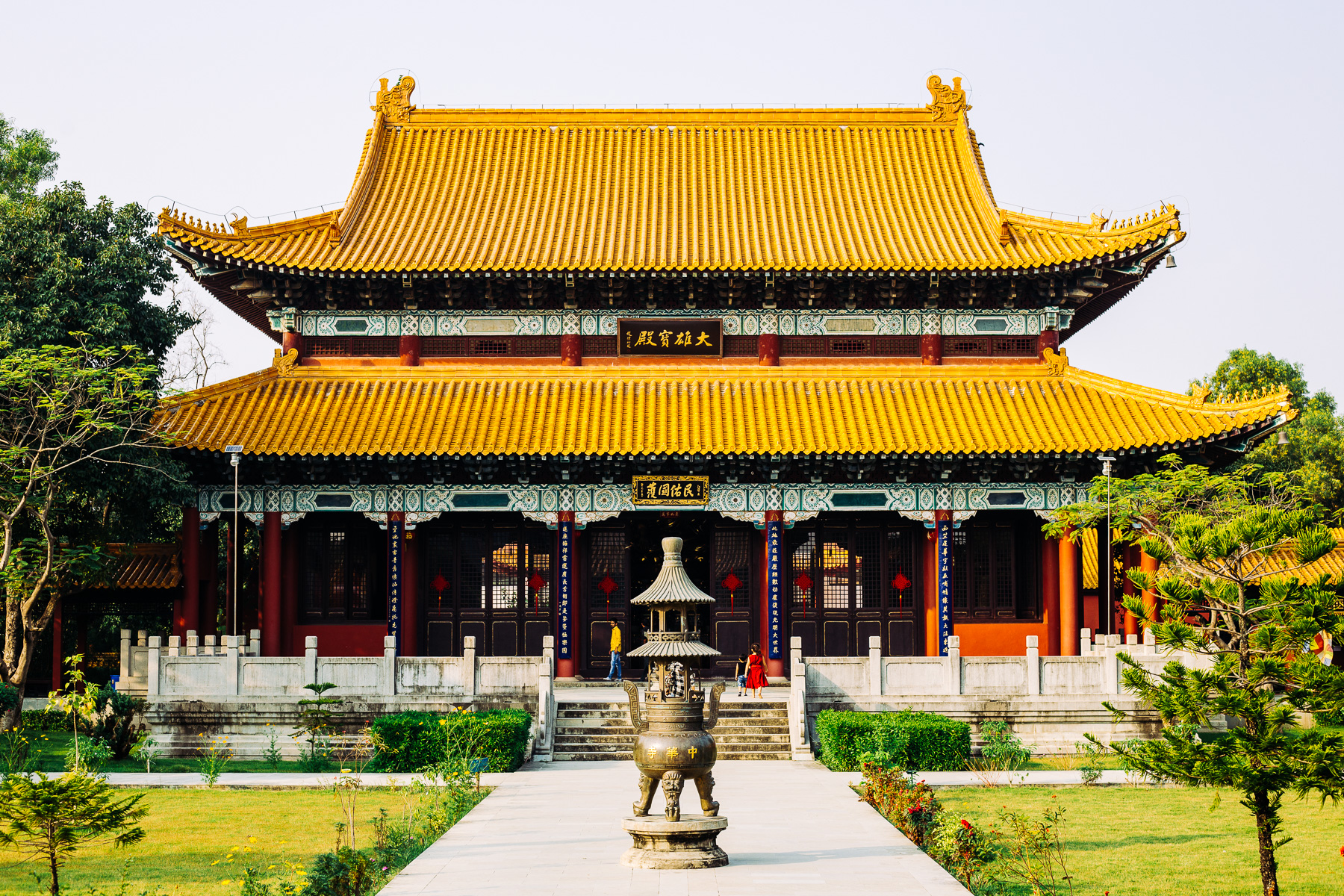
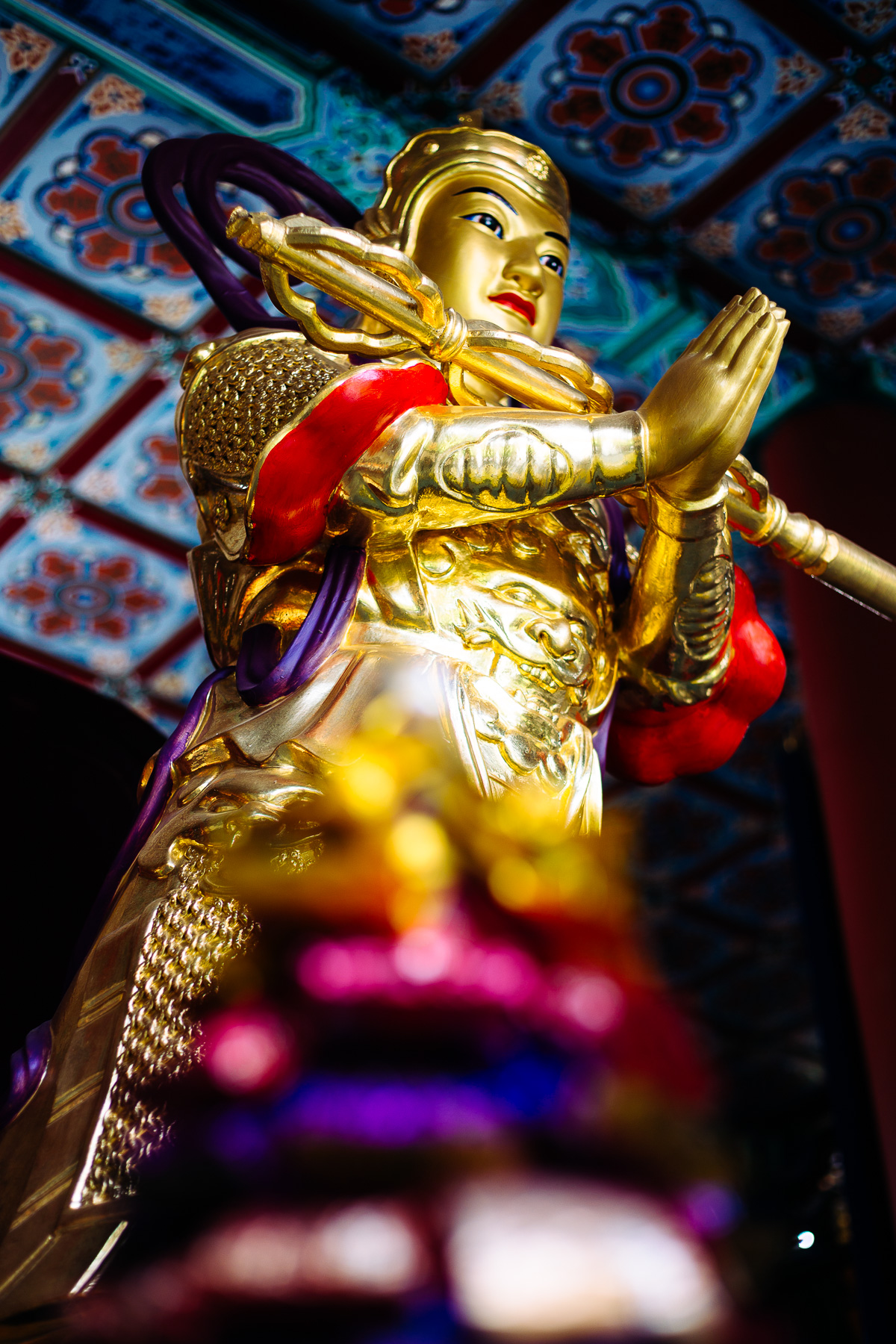
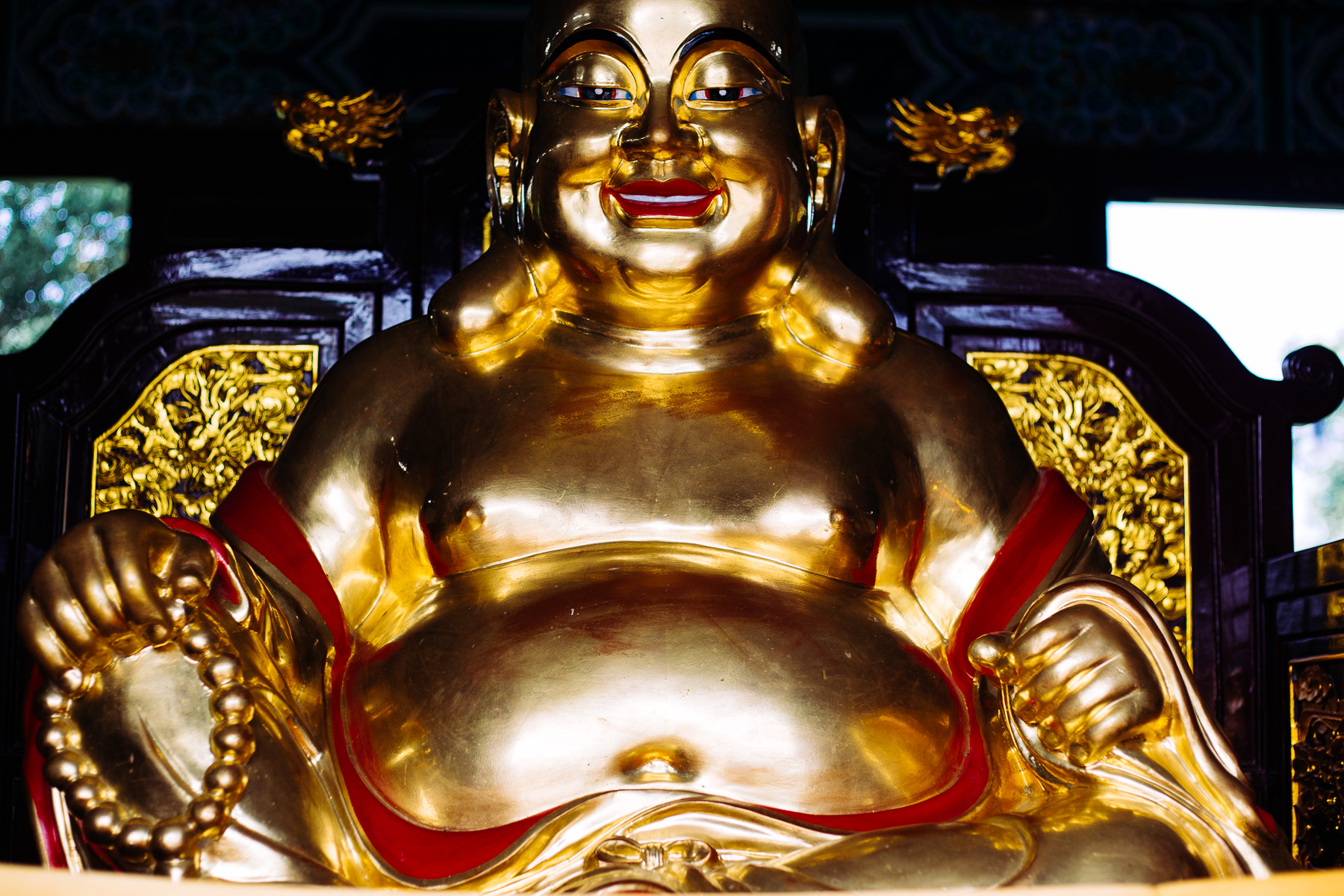
So let’s do some culture stuff! We went to Lumbini, the birthplace of Lord Buddha, a famous pilgrimage spot for every buddhist. So the birthplace itself is not the coolest thing to look at, it’s pretty busy with pilgrims, basically a little hole in the ground, where it is believed buddha was born; this is the main attraction. Many buddhist populated countries have a beautiful constructed temple near the birthplace, which are open to the public. Located on the opposite side is the world peace pagoda, a cool looking sculpture, made from white concrete.
In Kathmandu, the capital of Nepal, I met Dani & Lek, other Overlanders from Switzerland. I have been in touch with him since last year, but we never actually managed to meet in person. We spent days and days at the mechanics together.
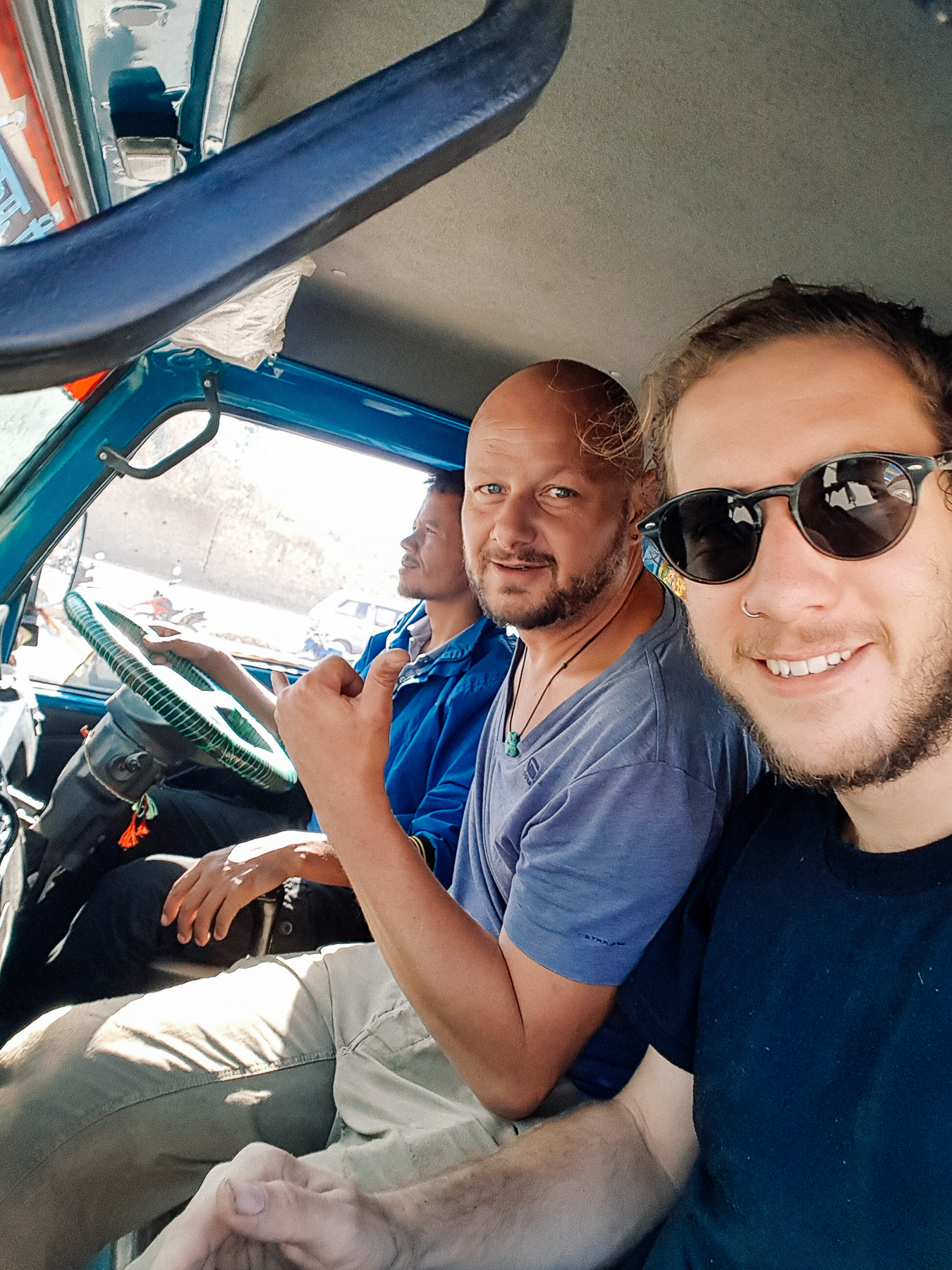
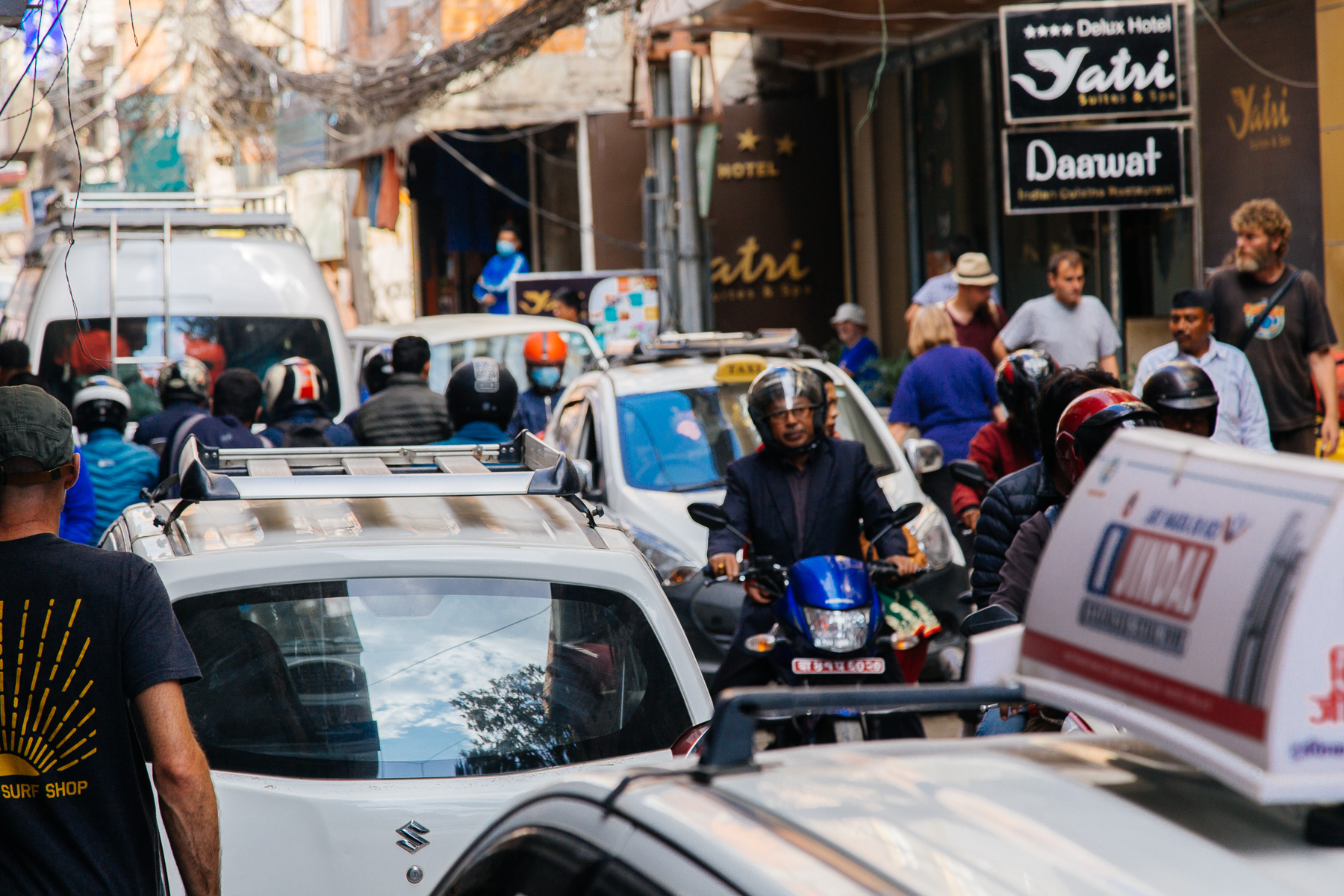
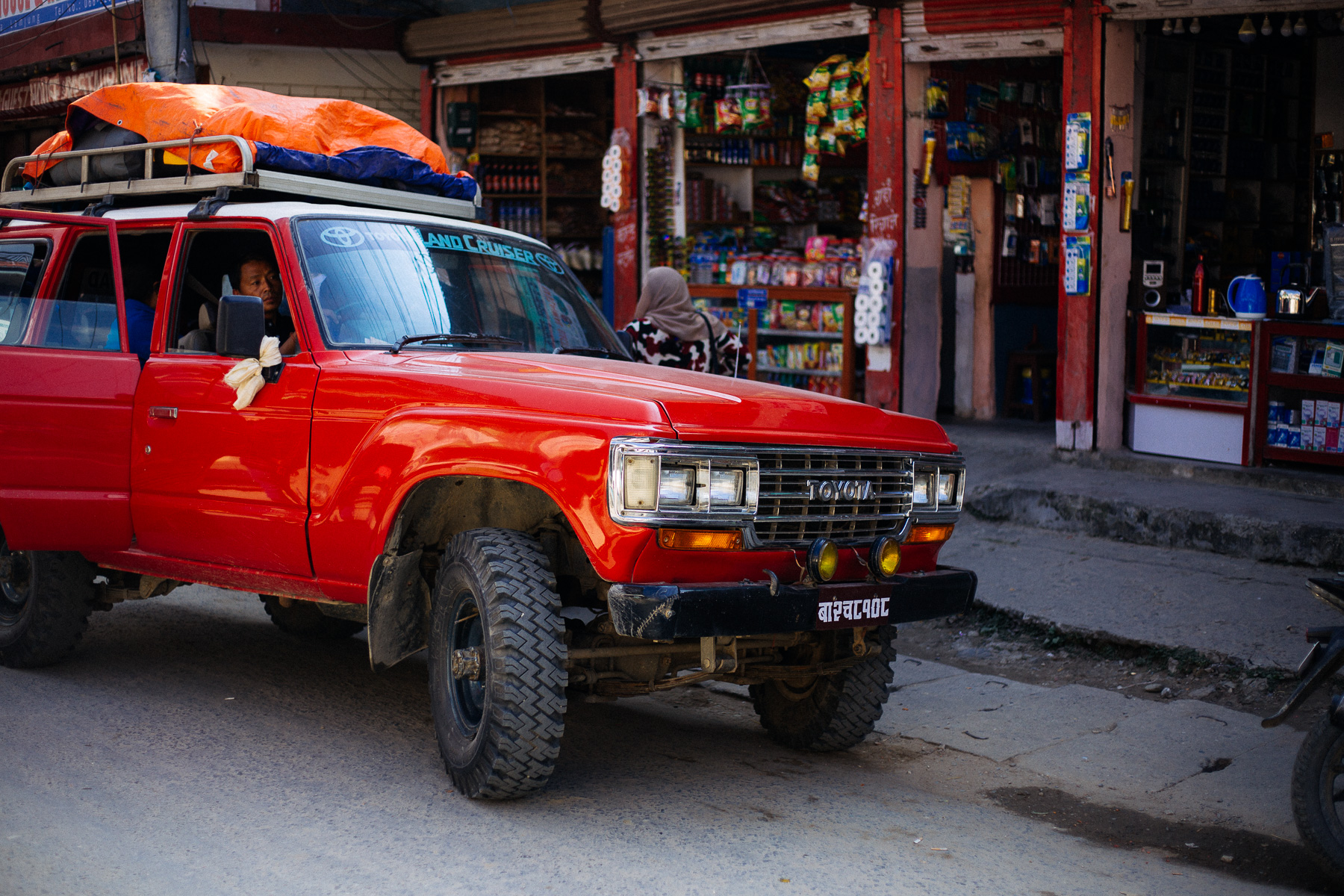
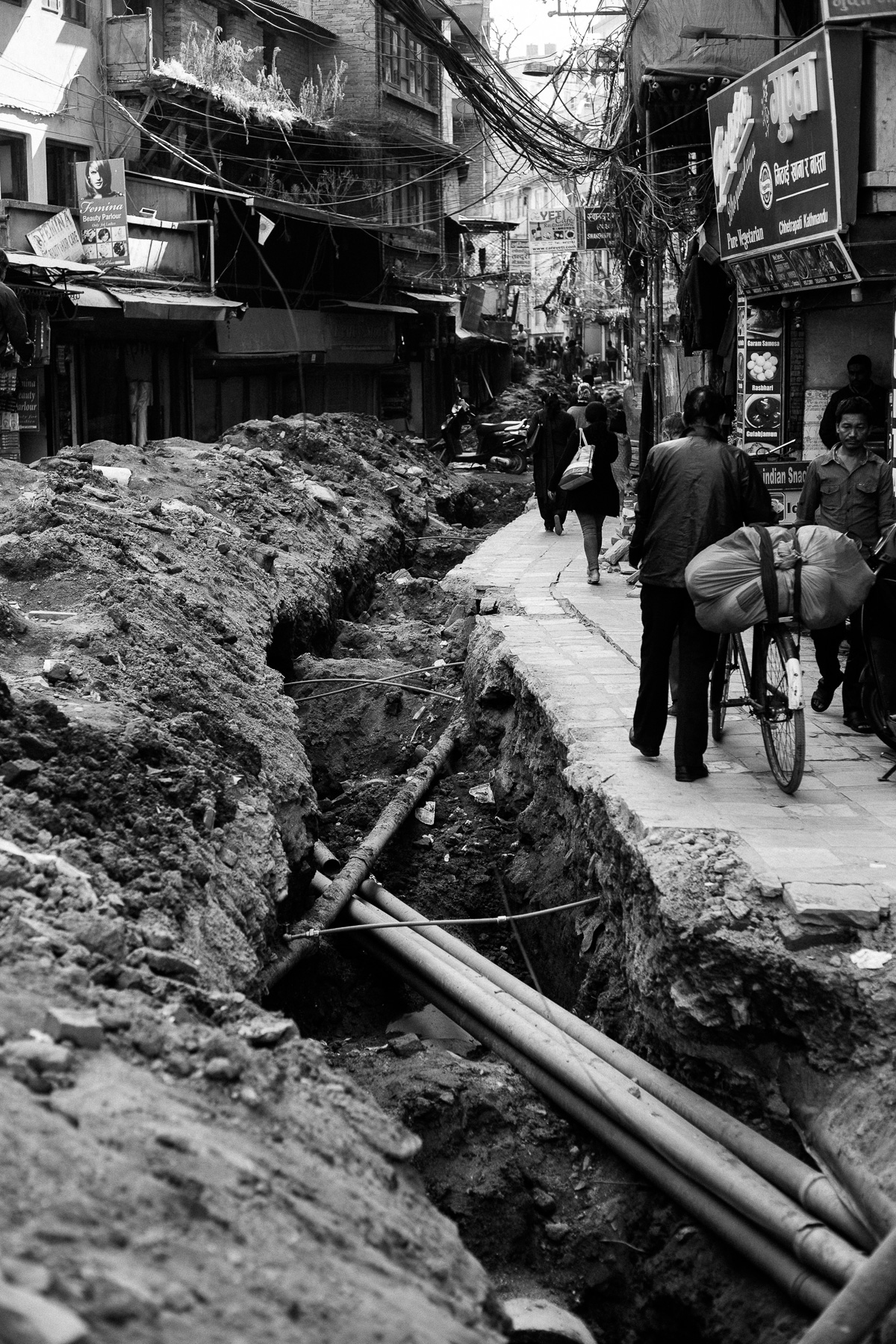
Kathmandu has its own charm, bikes and mini vans are battling for every inch of the streets. Mini vans are a good option in oppose to the busses; they leave whenever there is enough people in the van. Nepali are quite good at stuffing a shit ton of people in those vans. I remember one day I sat in the last row with 5 others next to me, it was more like sitting on top of each other. I counted 21 other people in the same van. But hey, they’re dirt cheap! Usually there’s a helper with the driver, he yells where the car is going, collects the cash and handles the traffic. He’s hanging out of the window and slams against the door so the driver knows what to do. Hitting one time signals “wait”, two times “go”. It took me a while to understand their traffic system.
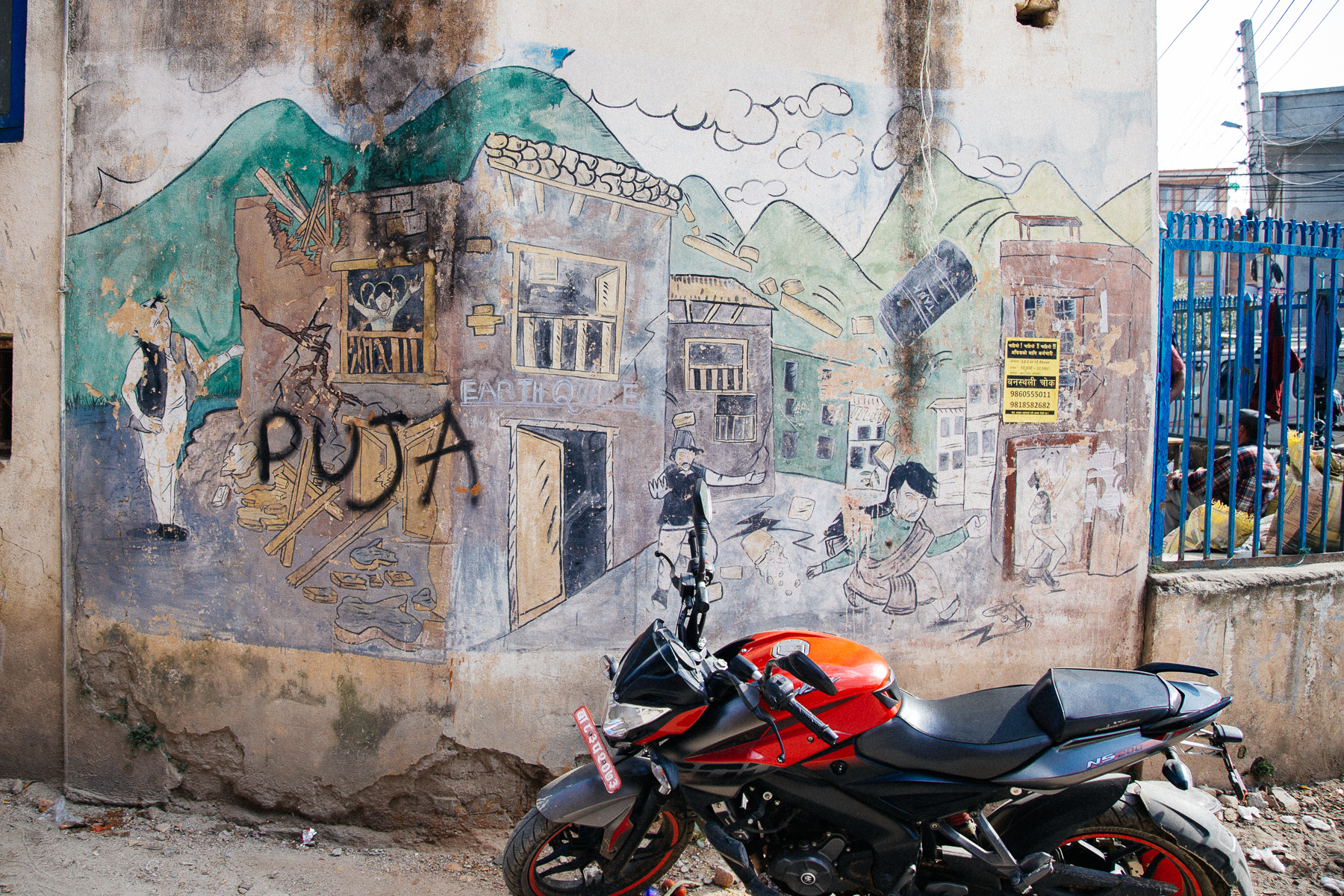
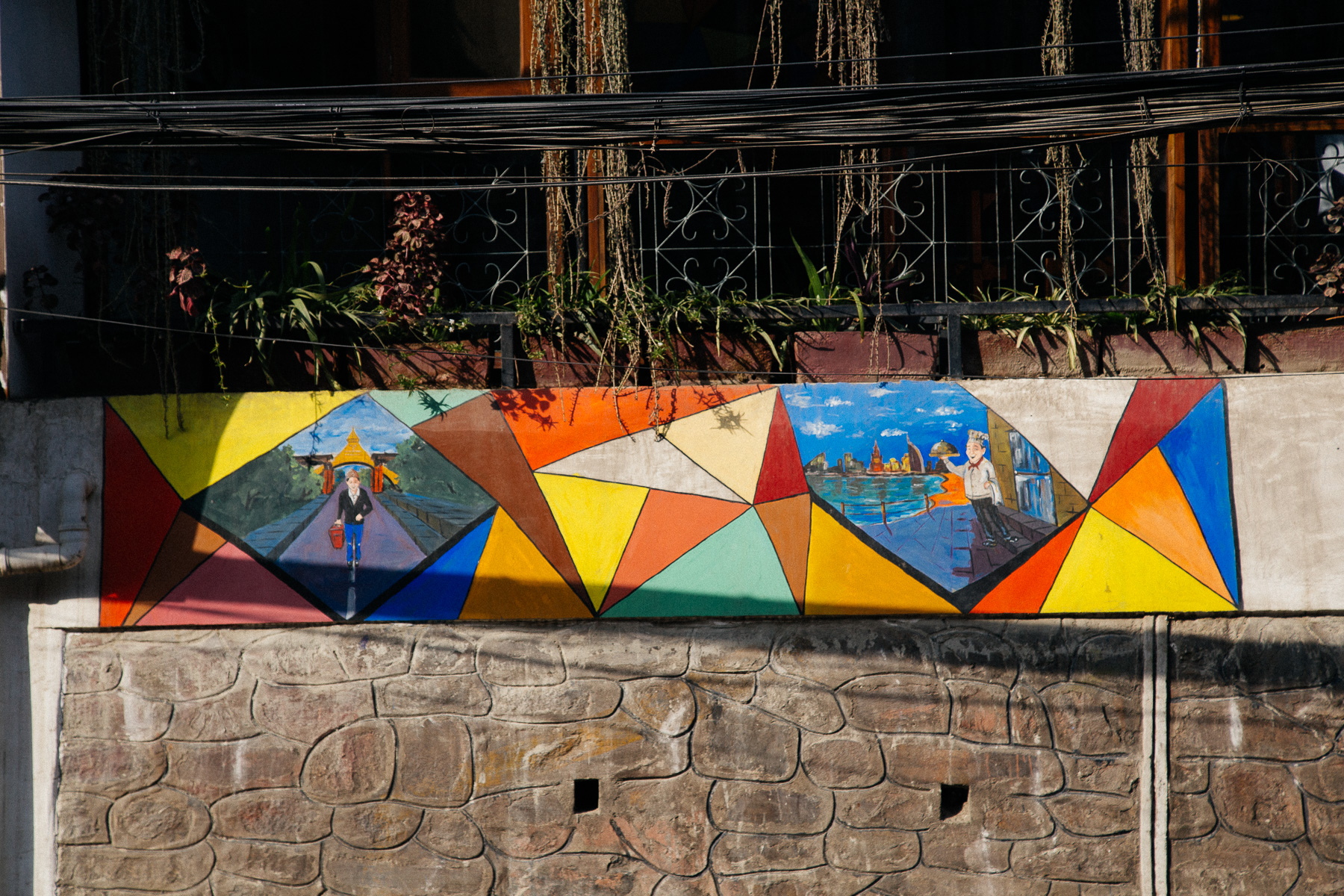
It was really cool to see so much street art everywhere in Kathmandu, the streets are full of it. Check it out.
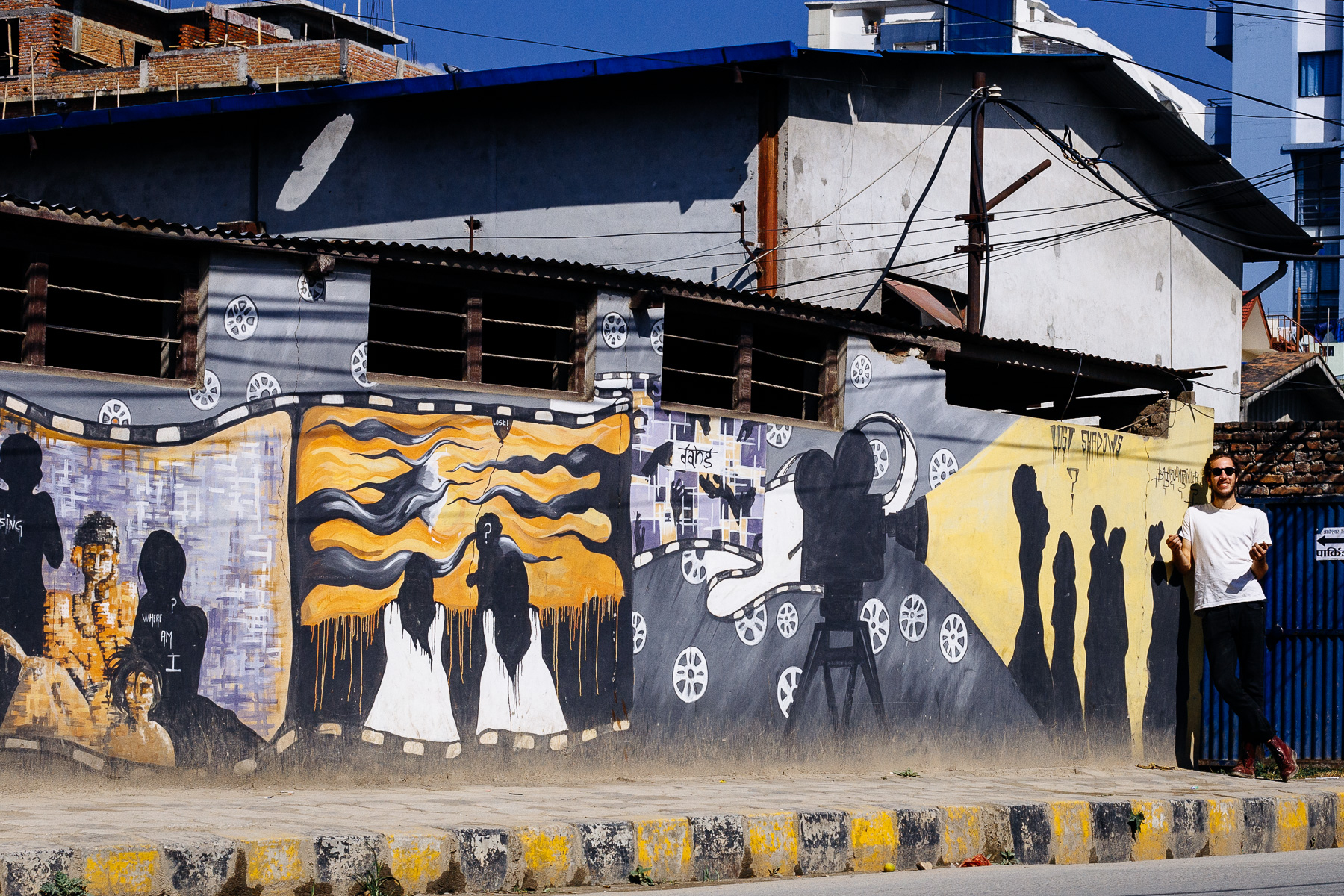
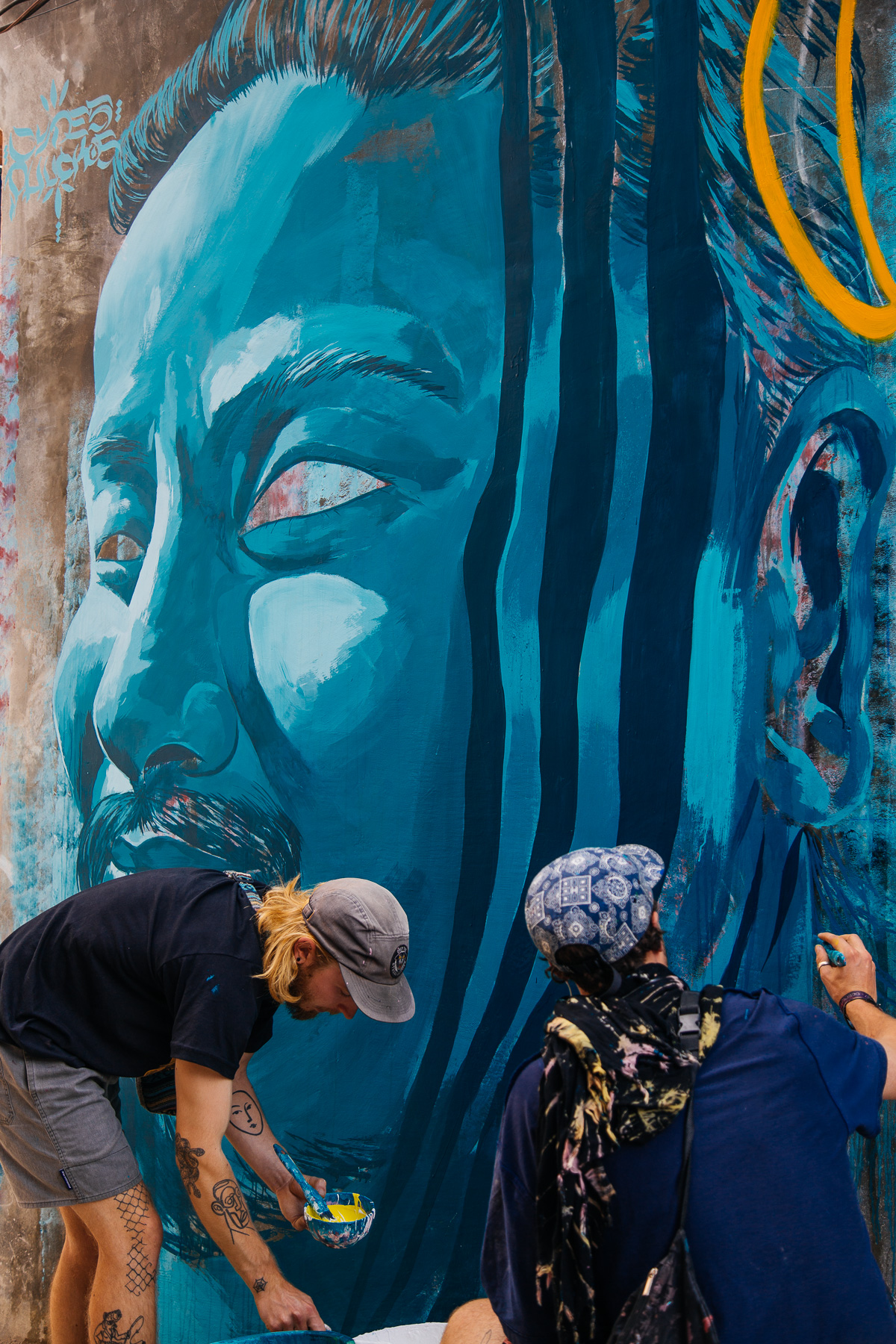
https://www.instagram.com/dcydes/
https://www.instagram.com/phuckos/
Time for an adventure! After 3 weeks in KTM it was time to pack up and get active. The Challenge? The Annapurna circuit; 14 days of trekking in the Himalayas. So there were 5 of us: Andy, Dan, Jack, Jakob and I. The whole trekking idea was quite spontaneous, we decided a day before and took a bus the next morning to Pokhara, I’ve heard horror stories from other travellers of 10-12h bus rides. We got really lucky, it was a public holiday so there was no traffic, the 7h ride felt like an afternoon cruise. We spent one day in Pokhara, preparing for the trek, then took the bus to Besi Sahar the next morning. I was not sure what to expect, I’ve been on hikes before but never this high up.
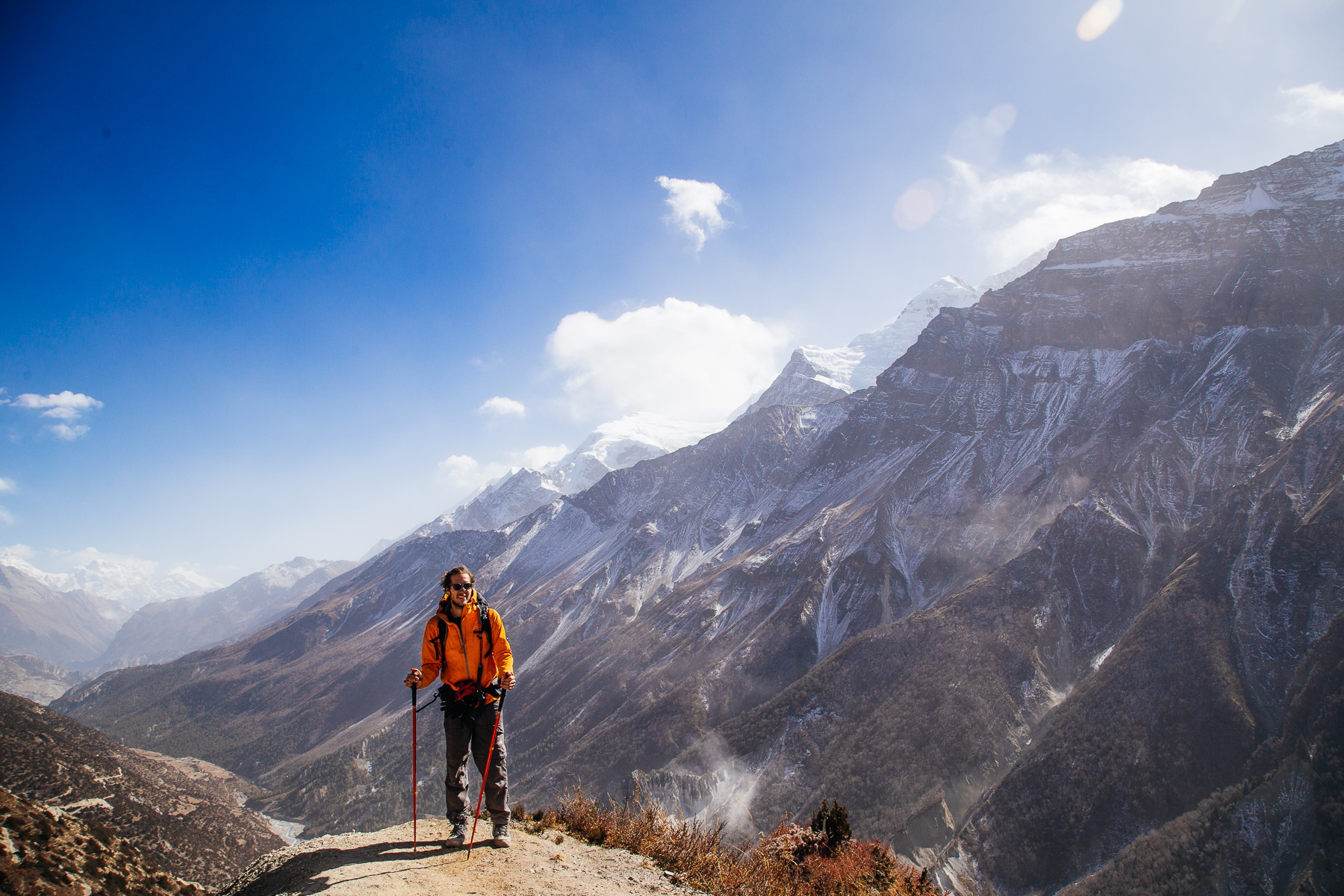
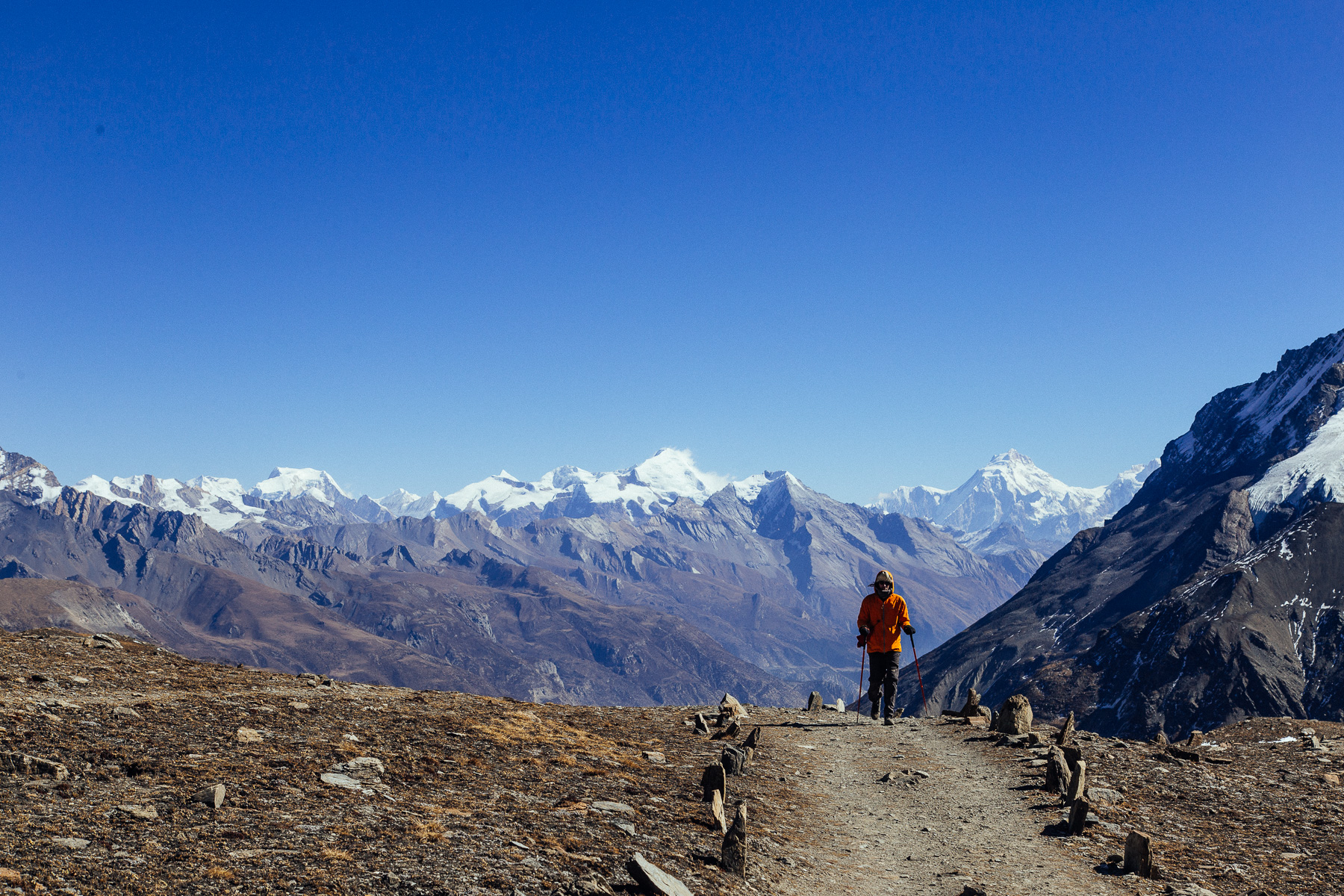
The higher we went the colder it got and I immediately regretted taking my tripod instead of a warm sleeping bag. When we reached the 4000m limit, the air to breathe became thinner and each step cost more power. The pace slowed down and I often stopped to enjoy the breathtaking scenery (and to catch my breath).
Until you hit Manang there’s only one dirt track road, suitable only for off-road vehicles, then from here you can only continue by foot or horse. The food in the shelters here are the most expensive, a meal now costs 500-1000 rupees; everything has to be transported by horse or yak up the mountain.
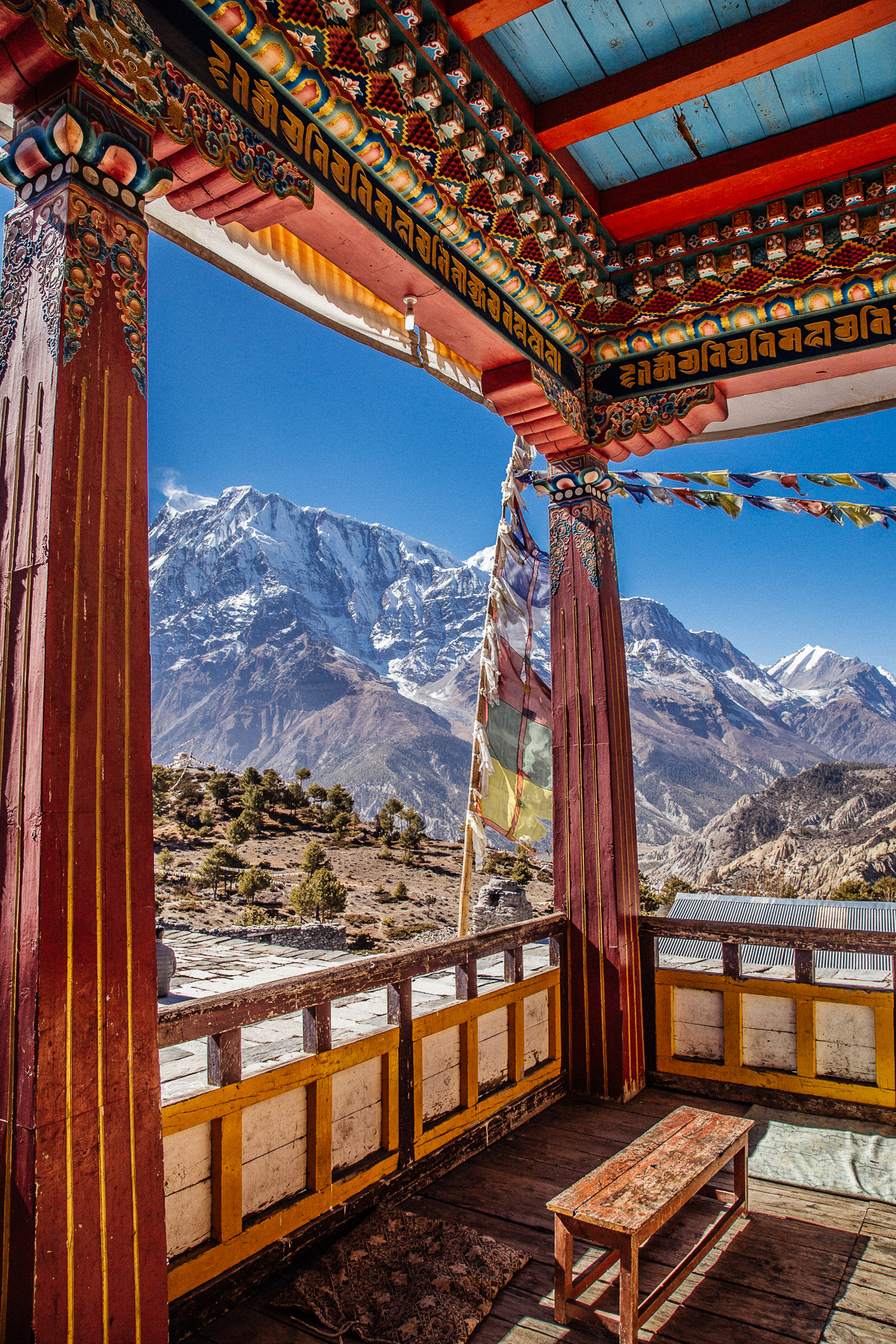
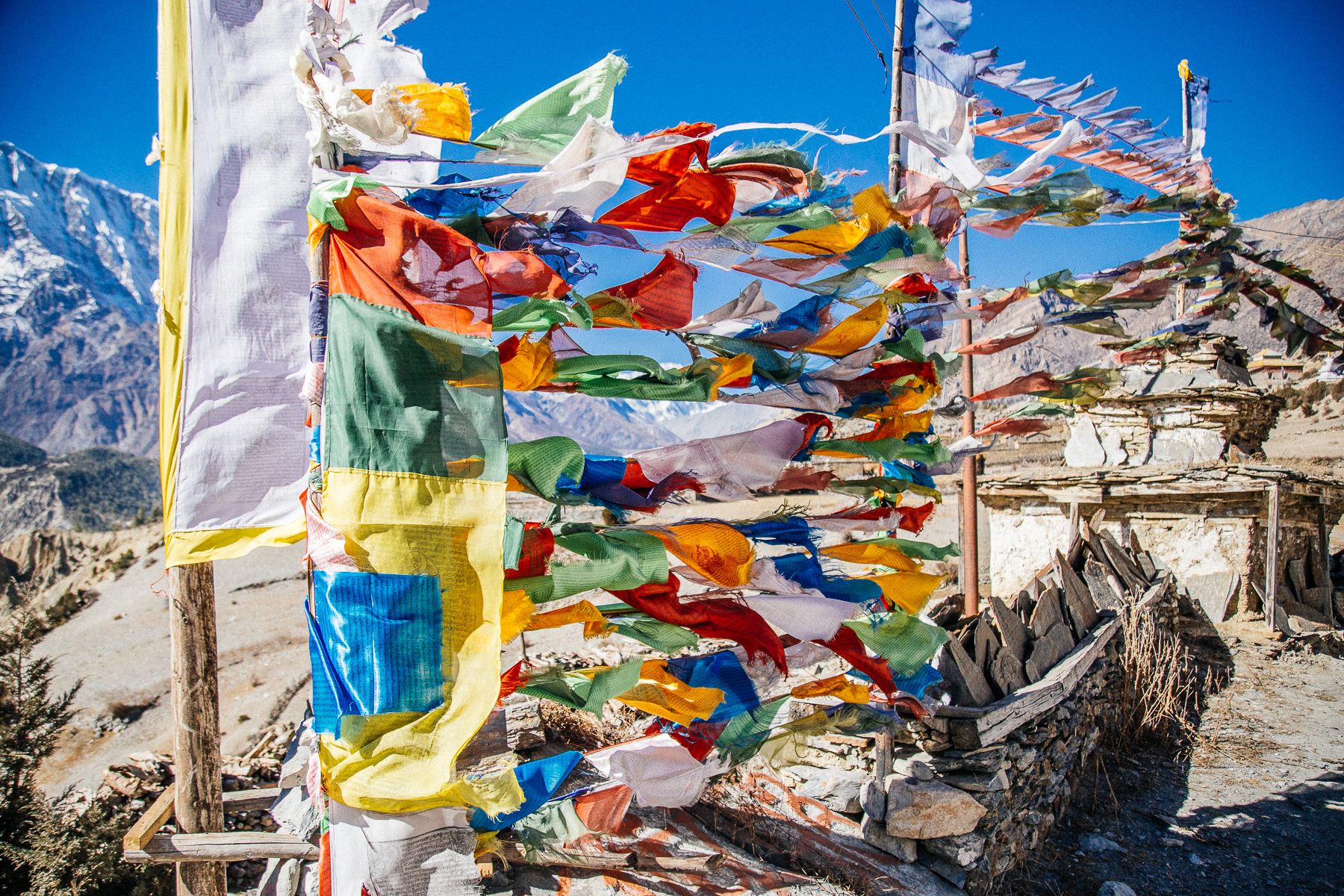
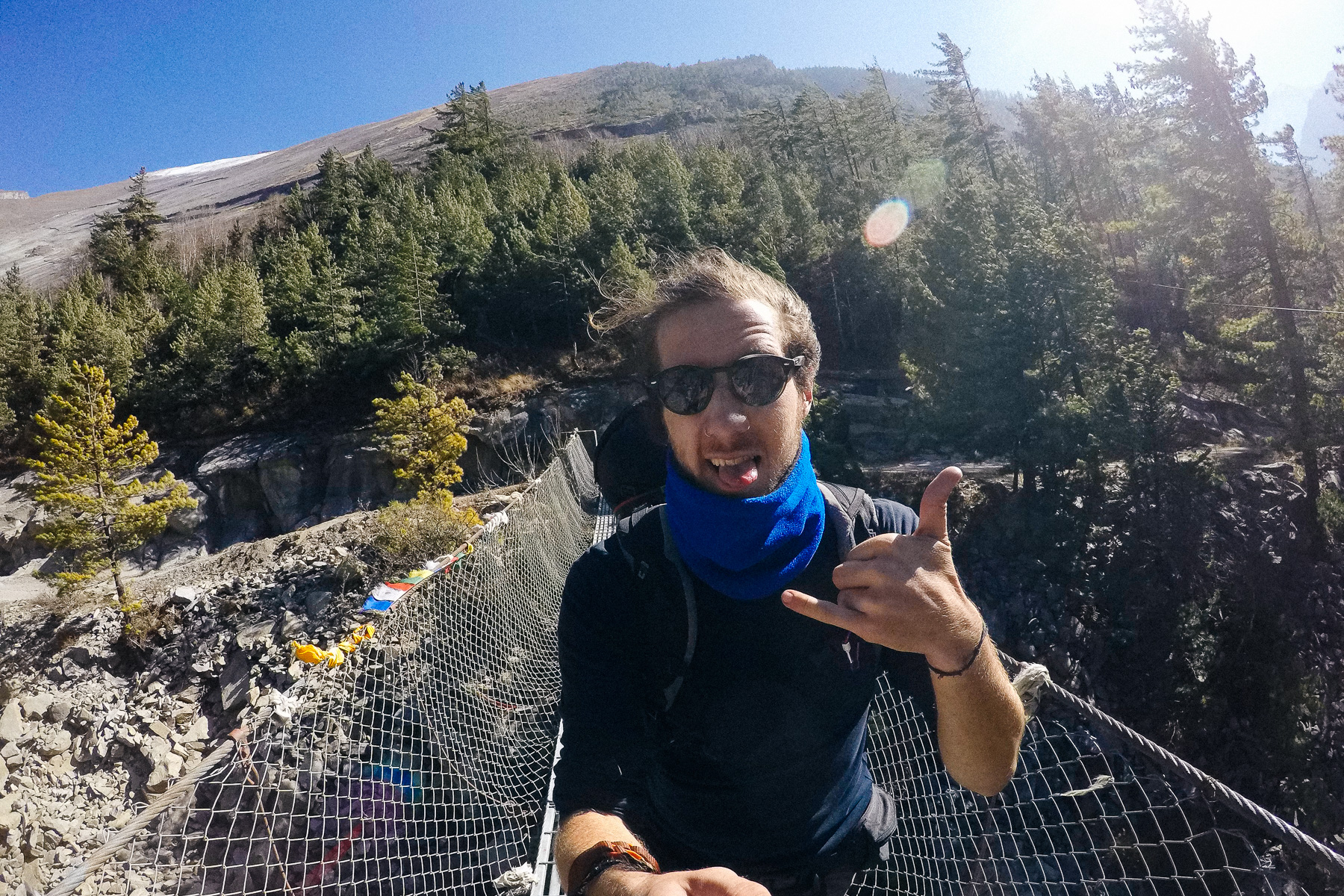
I could stand there for hours and watch the snow and wind playing on the peaks. The temperature dropped at night far below zero, the spots around the stove in the evening were hotly sought after, and at 7 o’clock it was pitch black and it felt like 11pm. Jacob’s idea to wash his clothes was not the best, the next morning his stuff was frozen stiff and so he ran around with shorts.
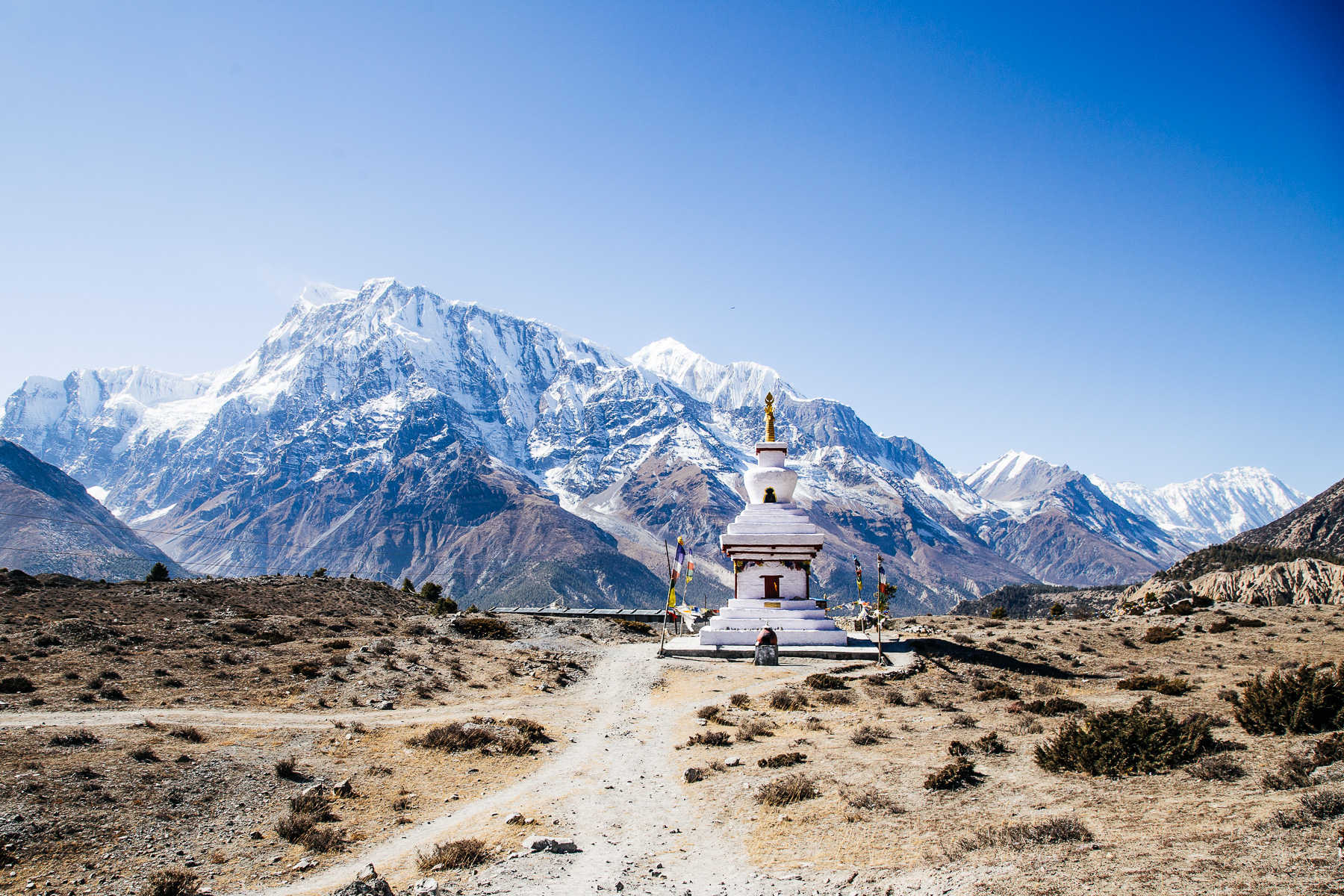
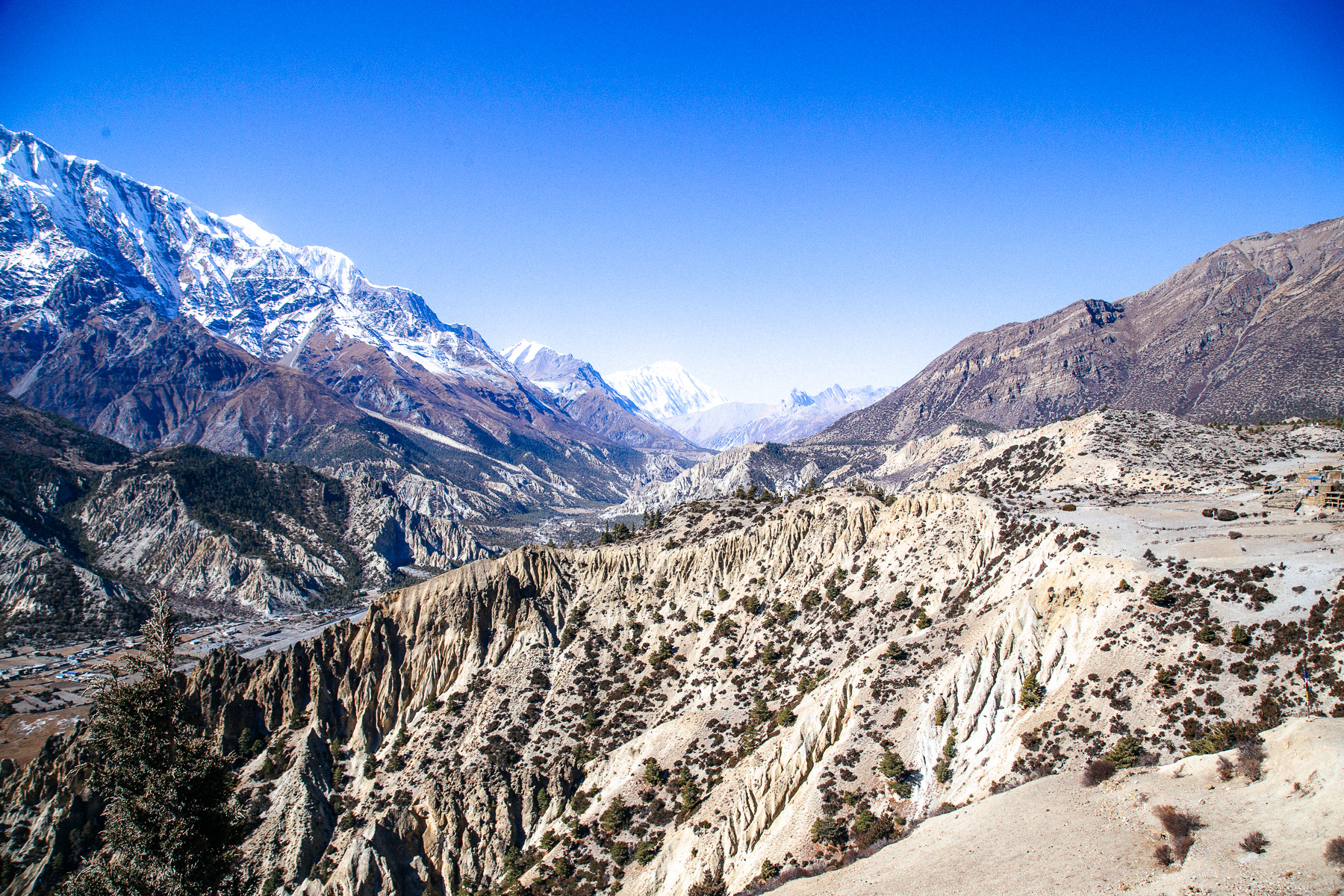
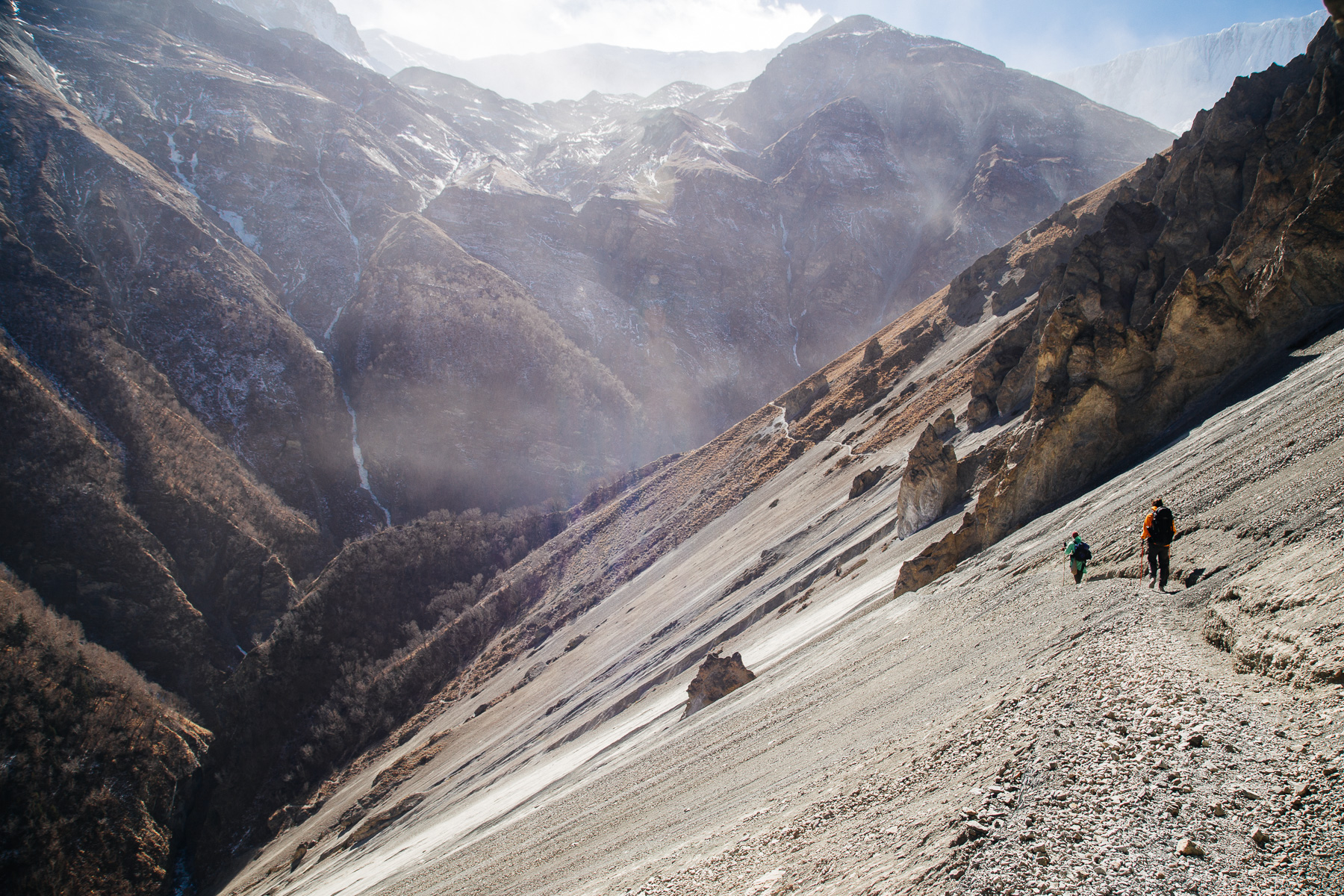
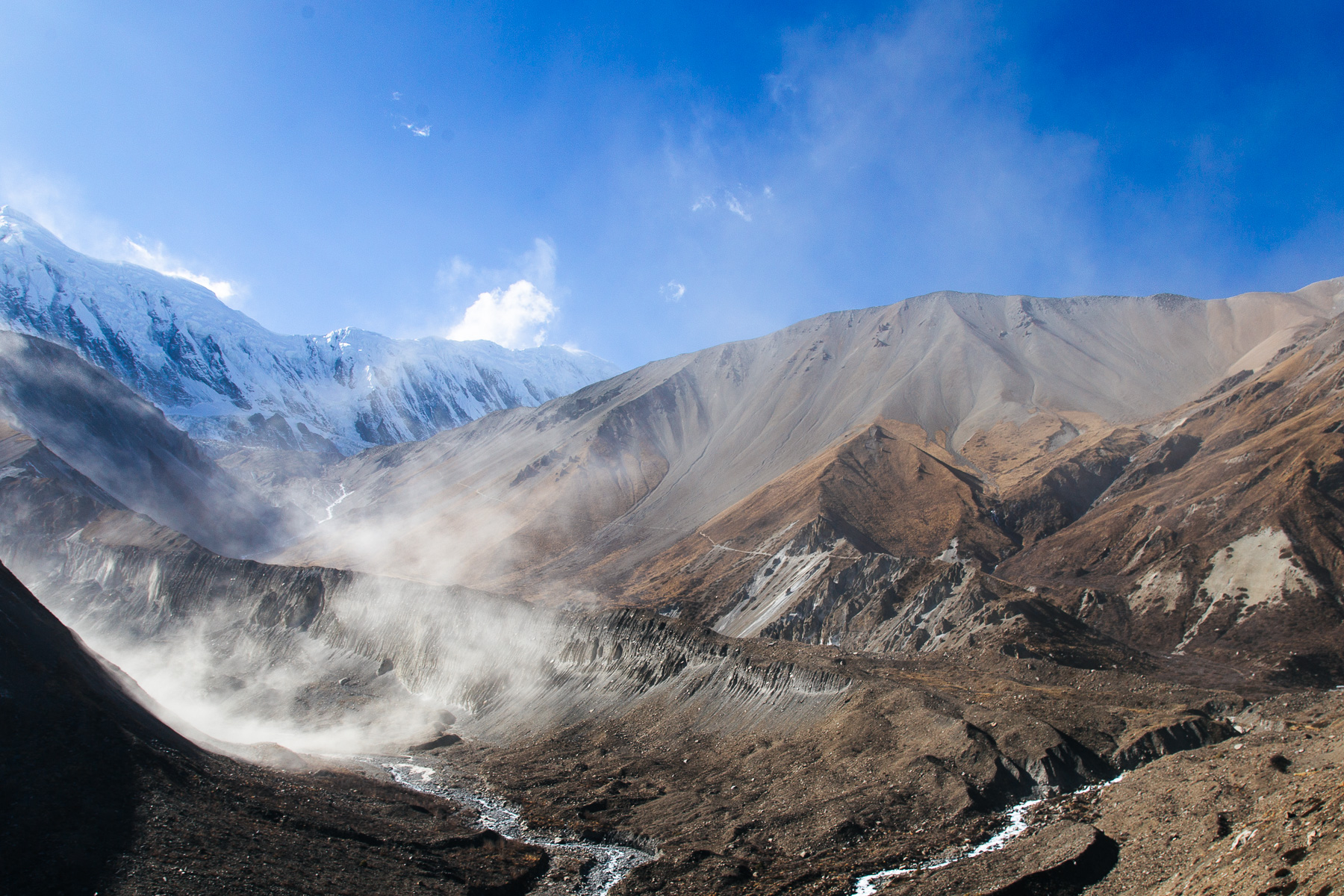
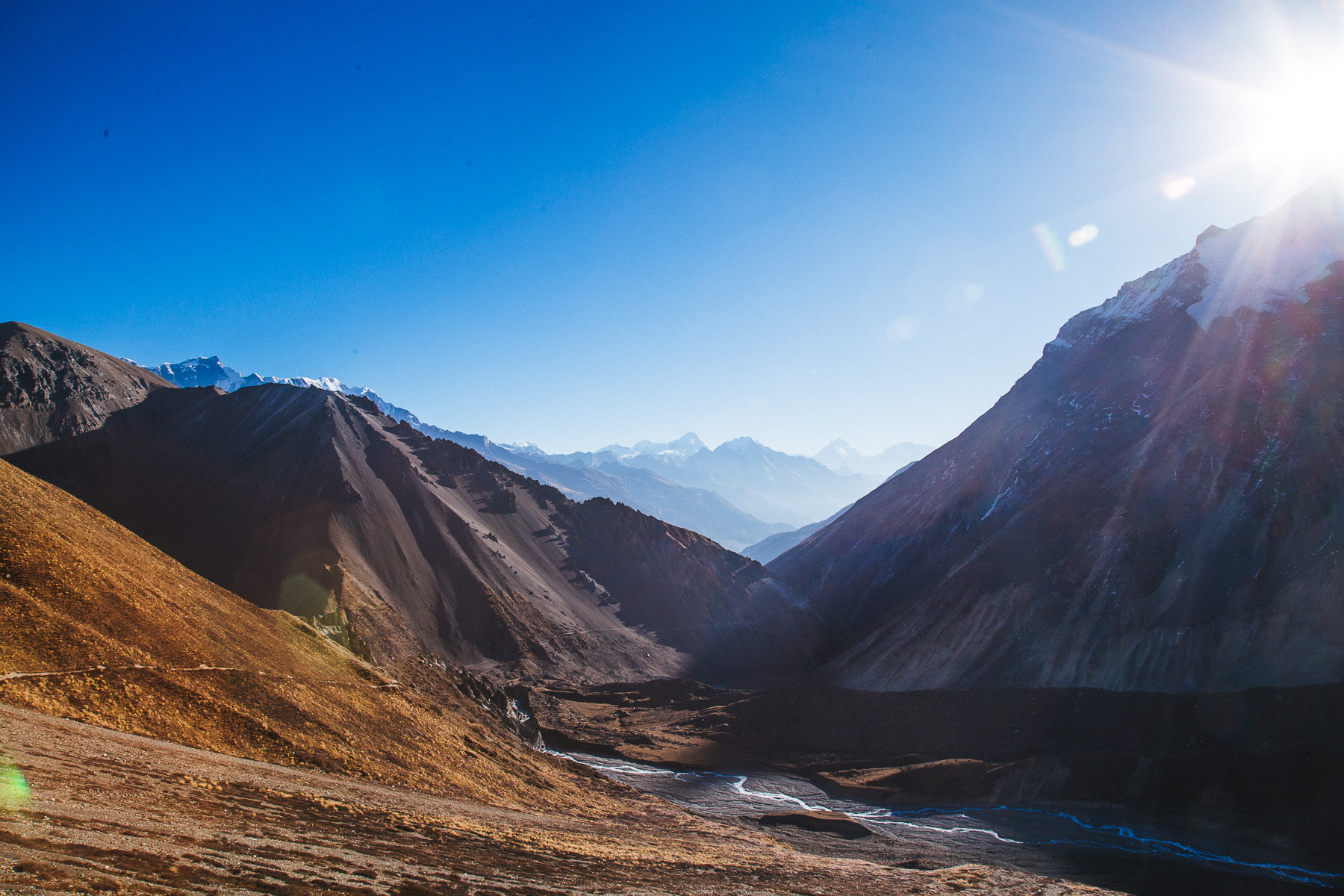
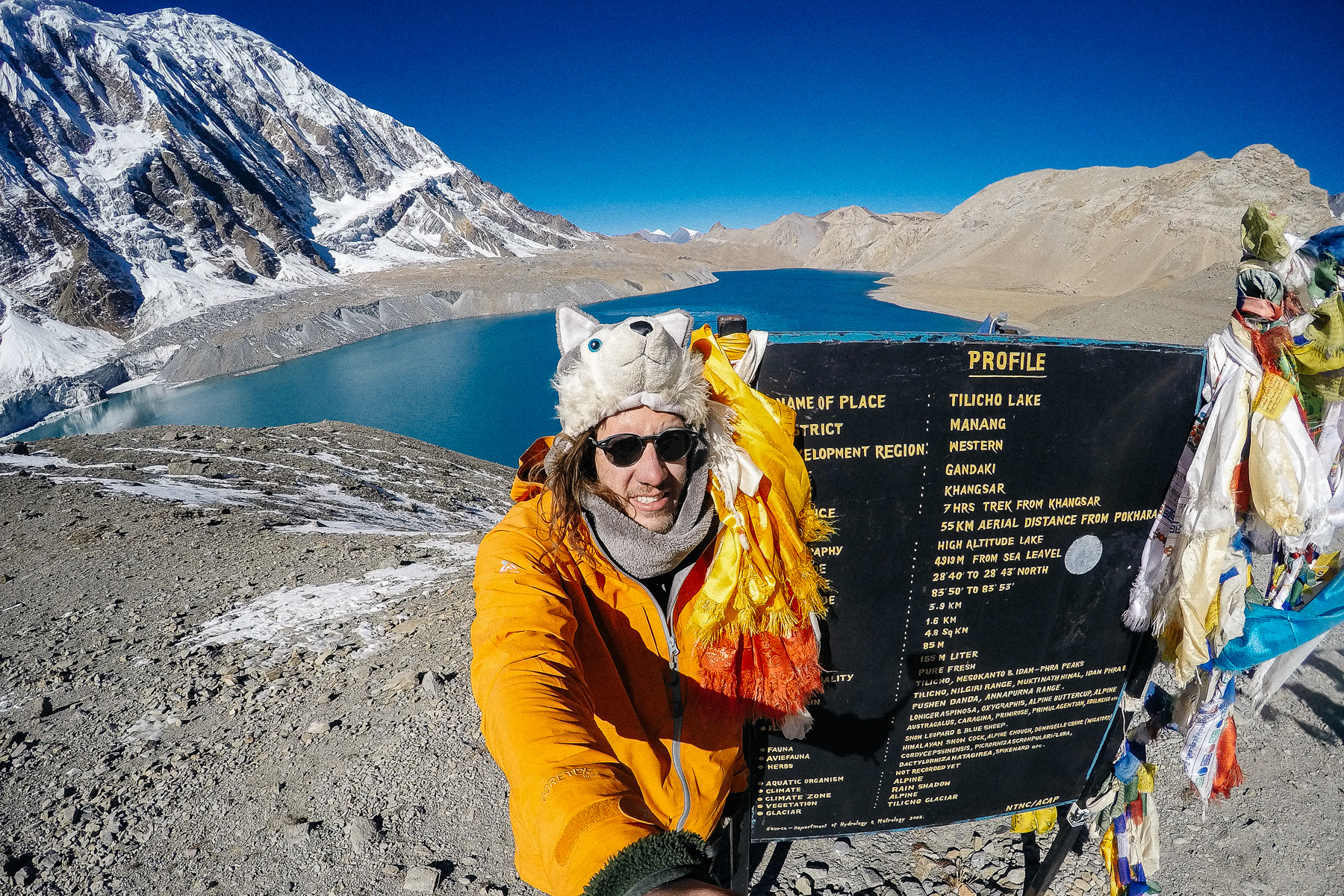
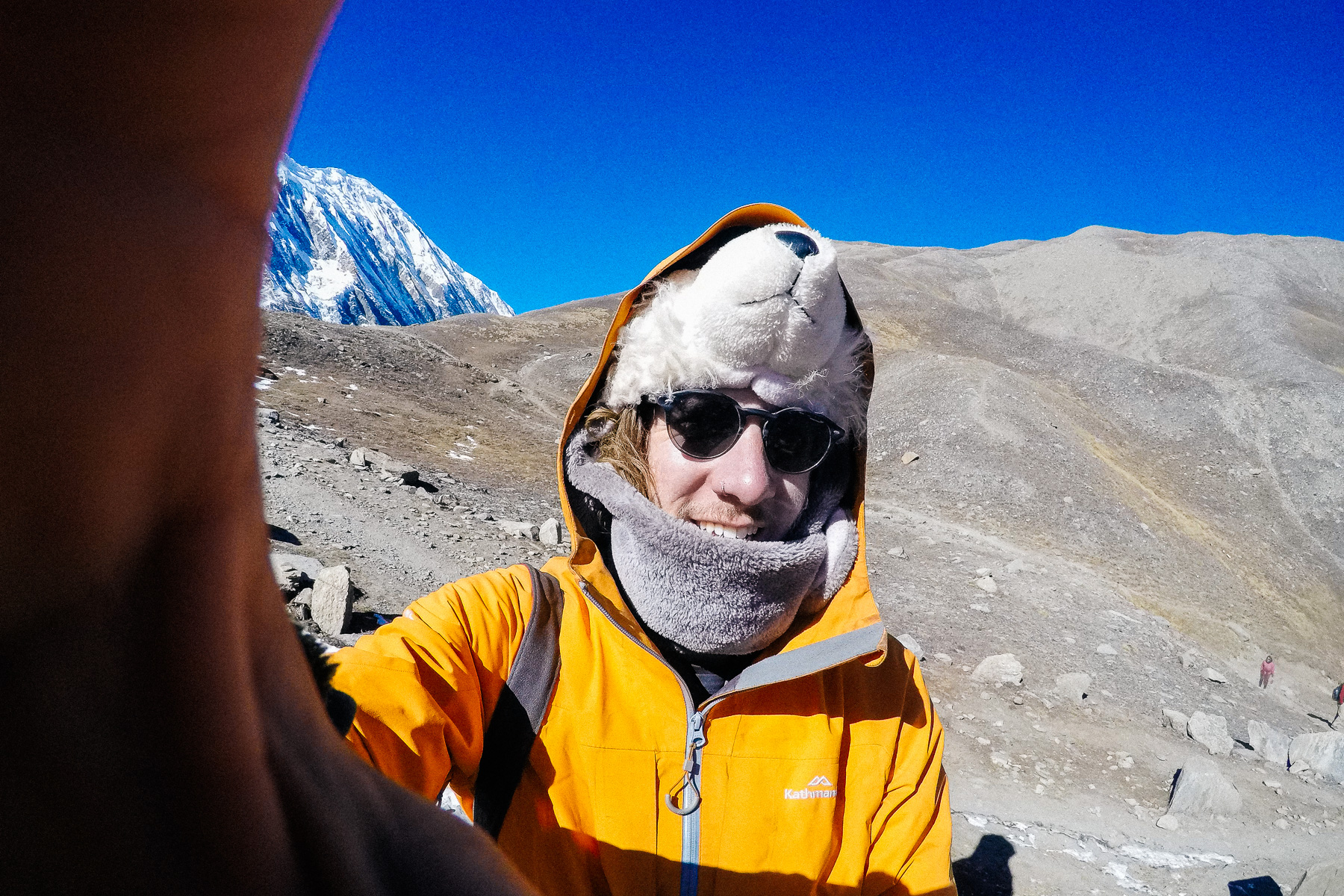
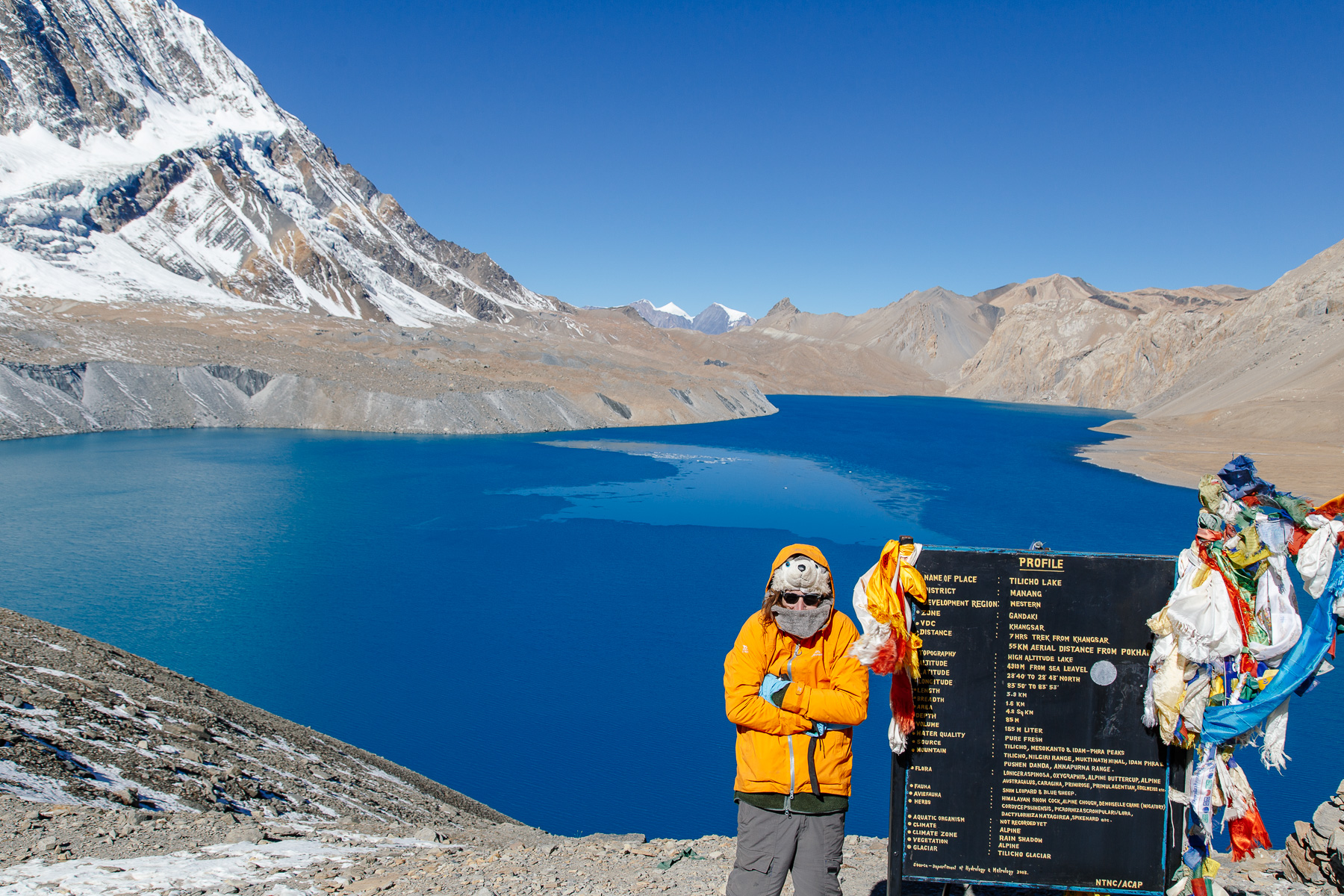
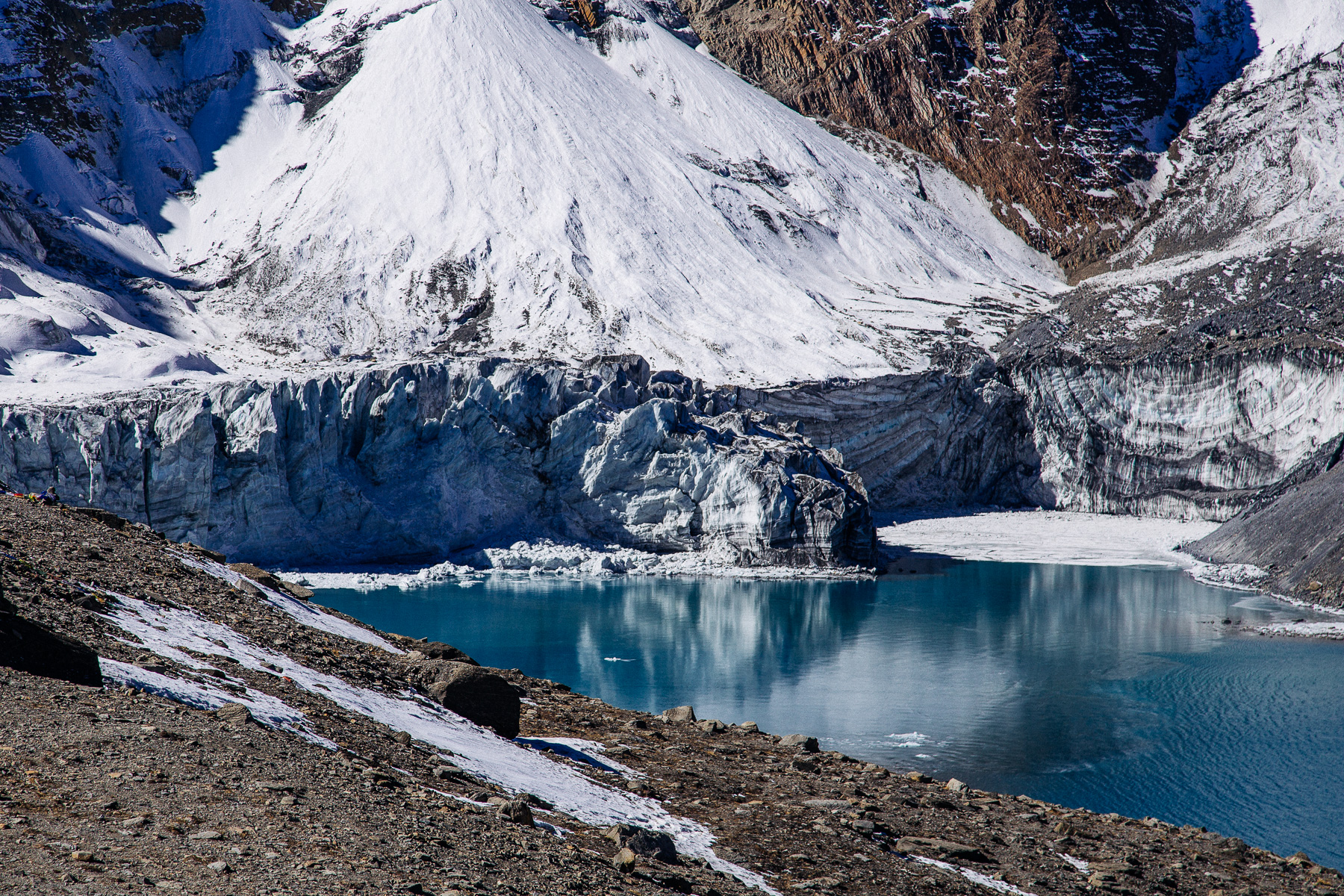
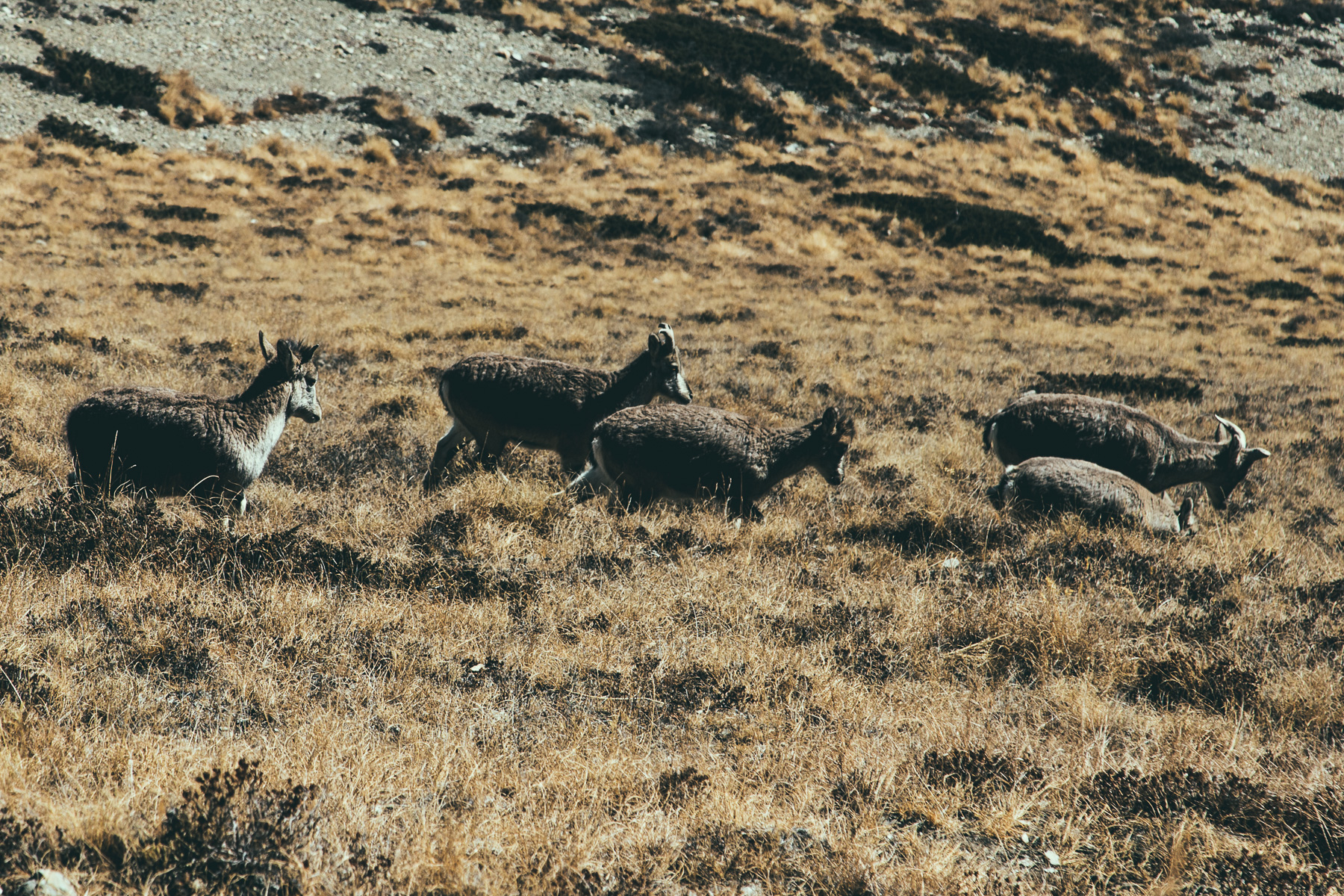
My personal highlight was the journey to Tilicho Lake, the first part led through a spectacular landslide area; a narrow gravel path left and right, and we were in the middle of it. It’s hard to put the view into words, when standing in the middle of the Himalayas and looking around, you feel rather small stood between the highest mountains in the world. It’s the feeling of freedom, peace and insight, that nature is clearly stronger up here. The higher we went the more one-sided the vegetation was, we broke through the tree line, now only a few bushes or plants were on the wayside, even the mosquitoes have disappeared. A few eagles circle majestically above us, impressive animals, so elegant. The next morning we left early and made our way to the lake, from 4100m to 4916m in 3 hours, this leg of the journey was by far the most exhausting but also the most beautiful. Arriving at the top there was an ice cold wind that whistled around the nose, we couldn’t stay for too long, anything more than 20 minutes was unbearable. The water has a magical deep turquoise color, in the middle a thin layer of ice had formed, in winter it freezes almost completely. The tea shop at the lake had not opened yet unfortunately; I could definitely have used a warm tea. My fingers had turned slightly bluish and felt like ice blocks, I definitely had the wrong gloves.
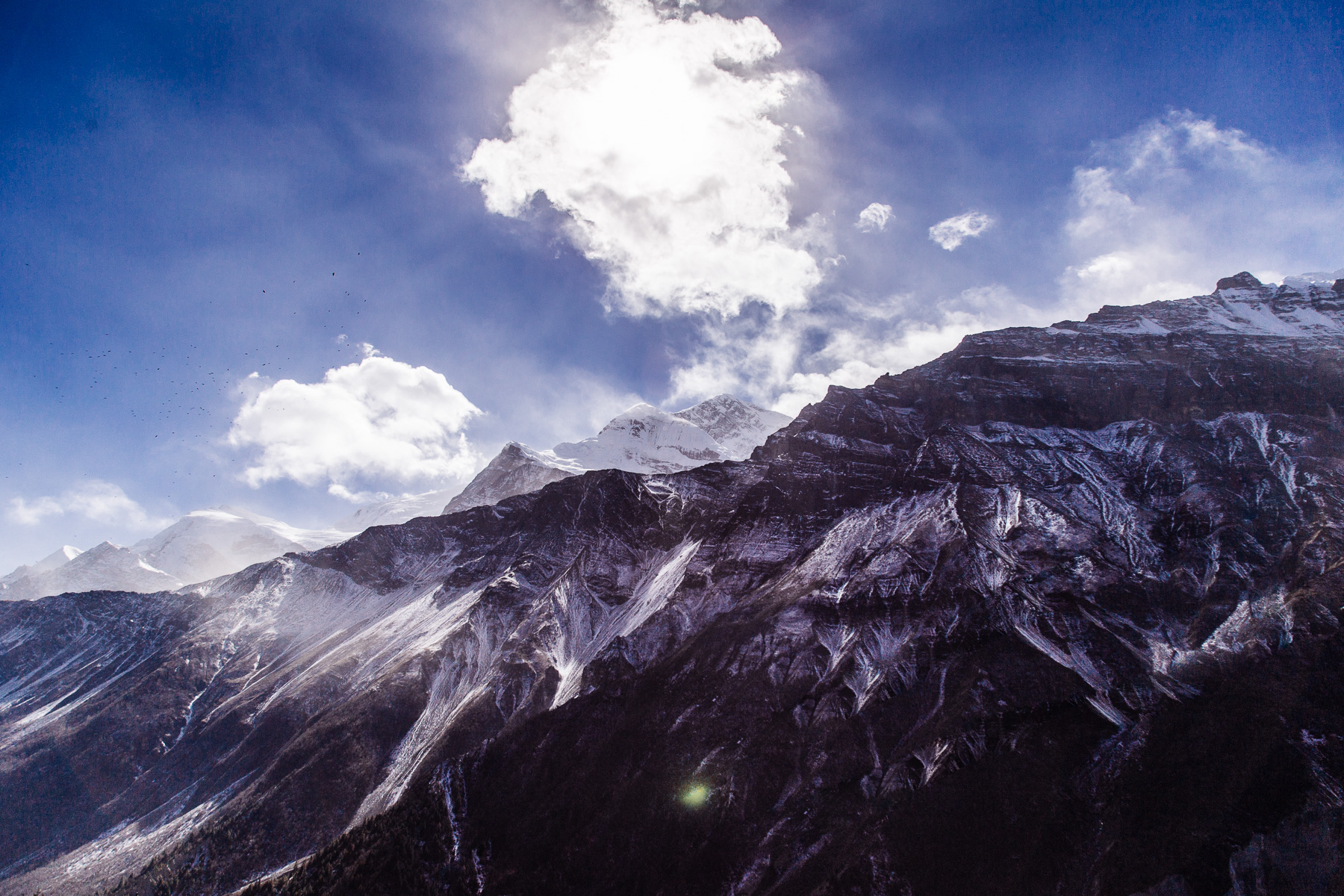
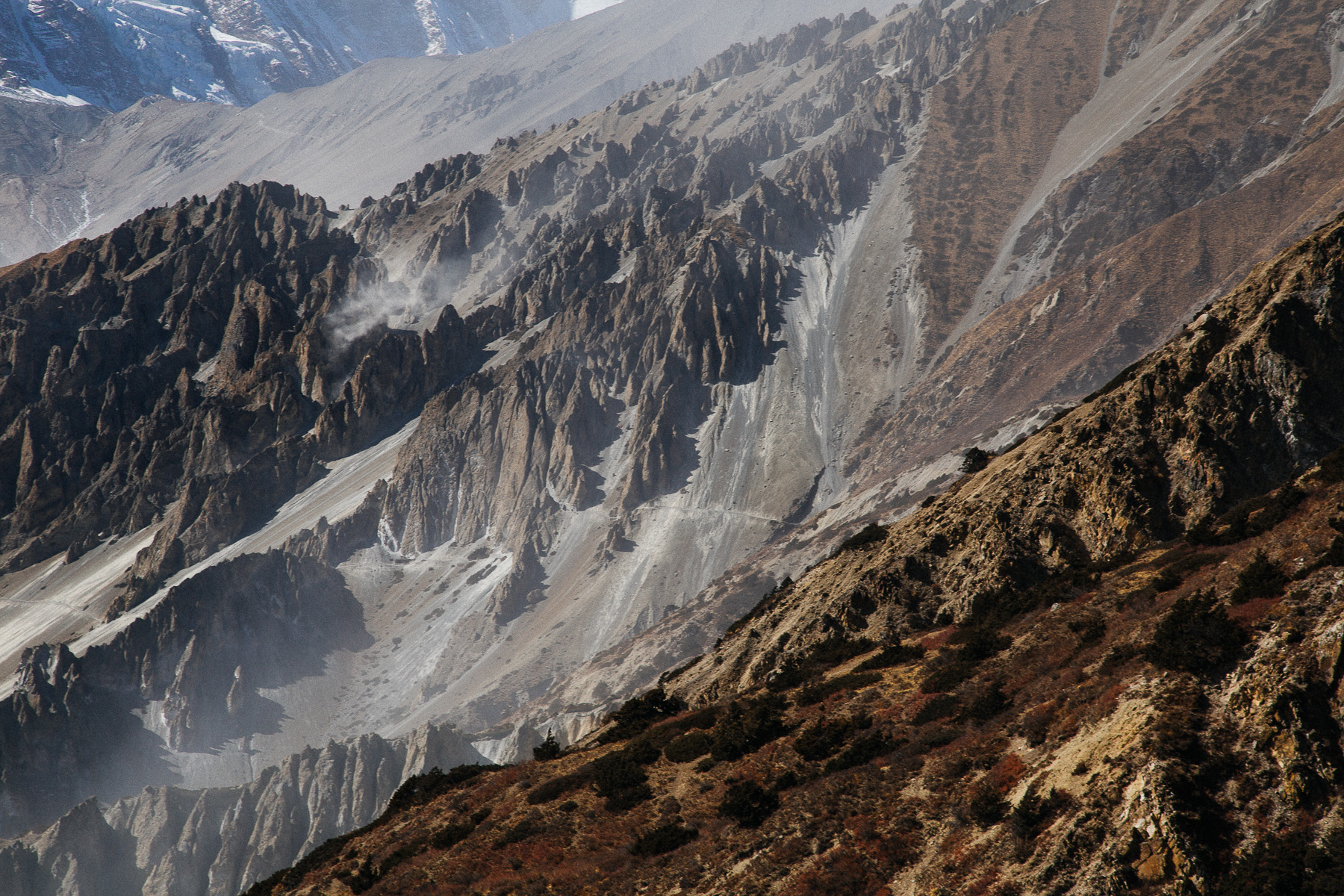
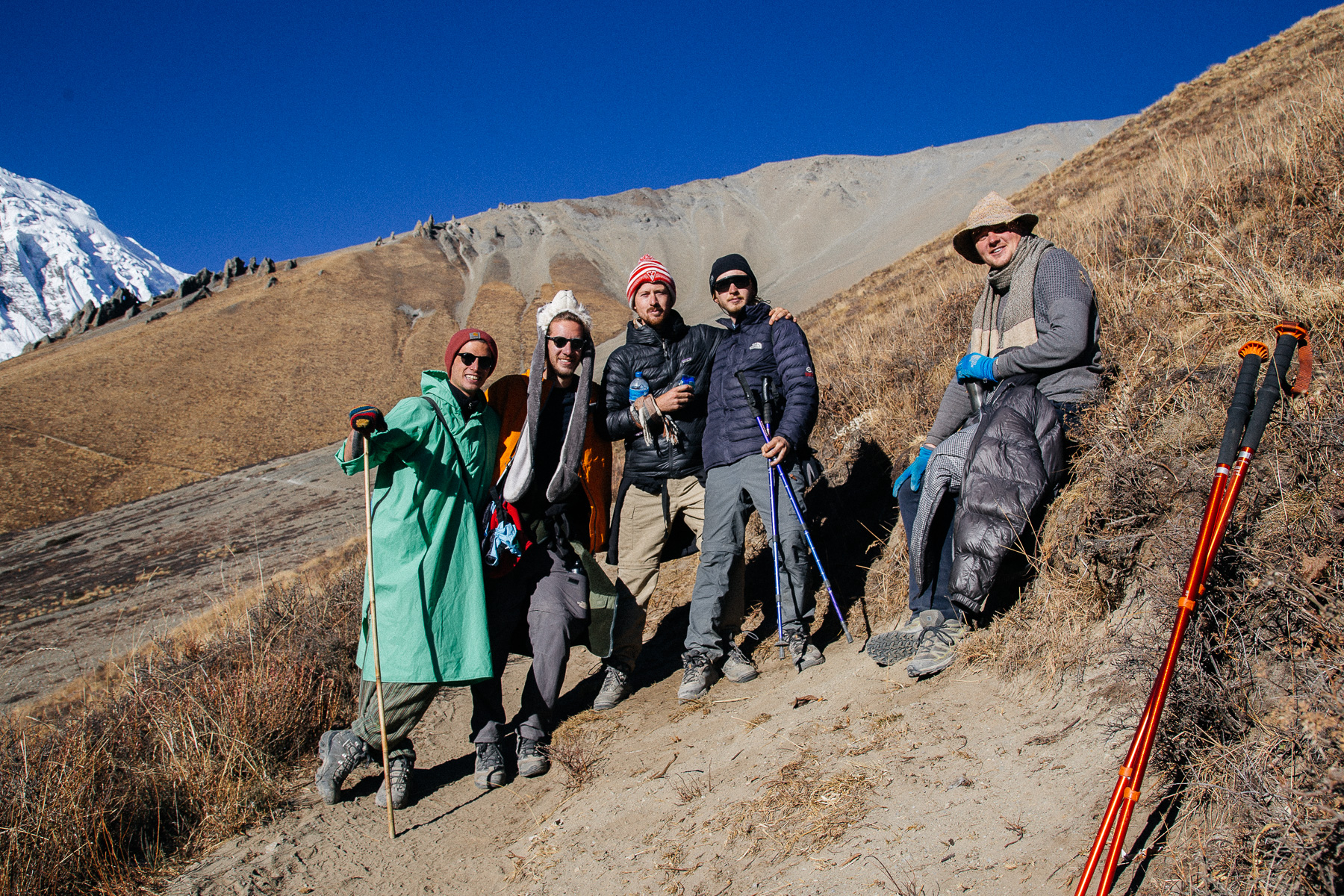
From Tilicho Lake it was only 2 nights till the pass, I was excited to reach 5400m. Awesome! Every night you met the same people in the guest houses, you knew each other and always bump into each other on the way. The last night before reaching the pass we spent at High Camp – 4,850m. The view from up here is spectacular. The nights were bitterly cold and we had to pay for a second blanket. It’s a bit crazy but even at 4,850m there was Wifi available; for 200 rupees there was internet access until the sun goes down.
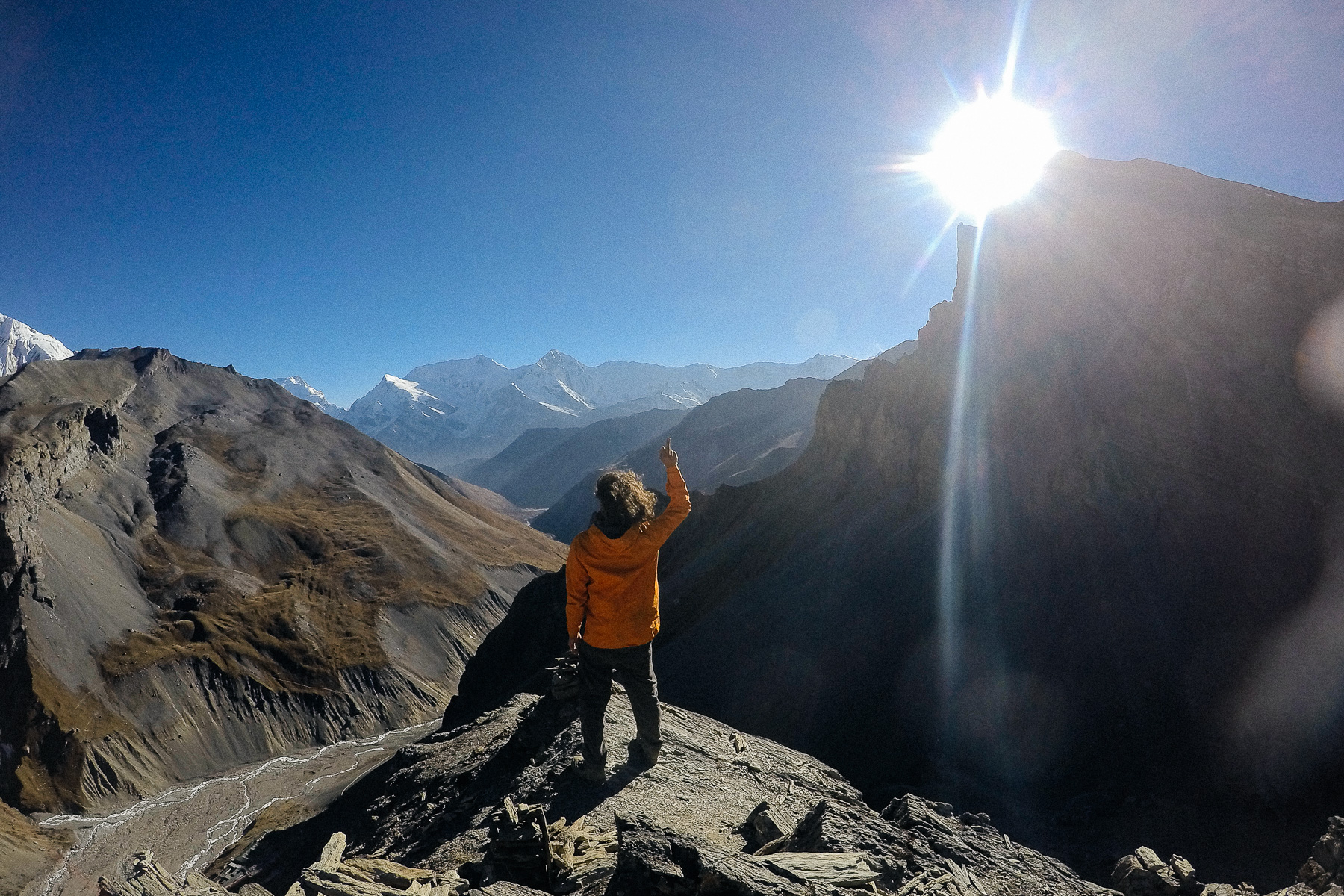
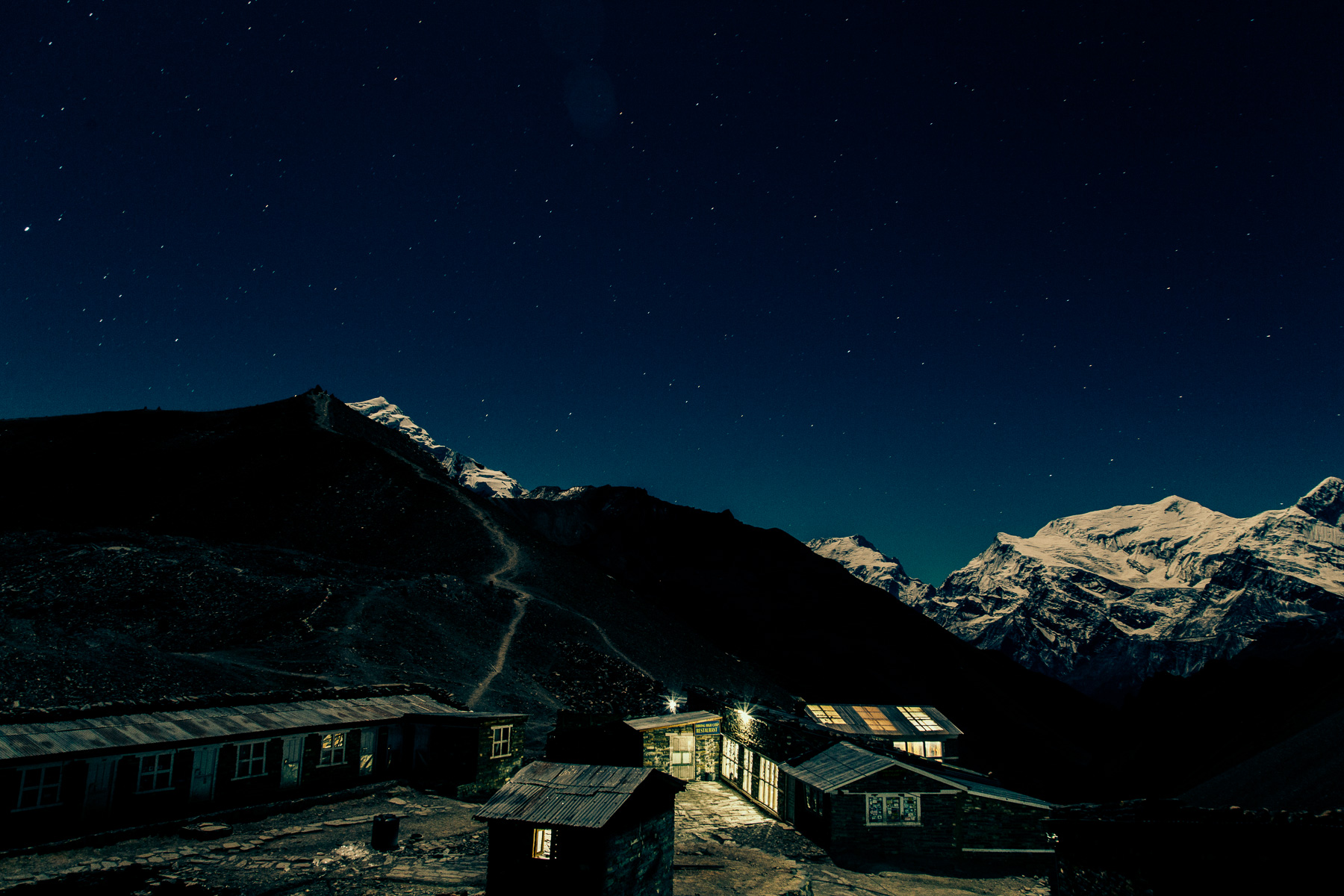
The night was short and cold, a mouse in the room did not let me sleep for a long time. Now the extent of the mouse’s work was visible, a finger-deep hole in Andy’s backpack right where he’d stashed the snacks. Only nuts left from the trail mix and biscuits. Shortly after 5 o’clock in the morning we made our way, until the sun sent its first rays over the mountains it was bitterly cold. Again and again I had to take a break to catch my breath, two porters stopped with me. It was unbelievable, I marvelled at their luggage, looked back at my backpack and then asked her how many pounds they were carrying. The luggage that they wore tied with ropes to their back over the trek consisted of 3 backpacks, their own and 2 backpacks of guests. 45kg! In the mountain villages, the job opportunities are poor and many of the young Nepali earn their living as porters. Each day they earn between 1000-1500 rupees (between 10-15 euros).
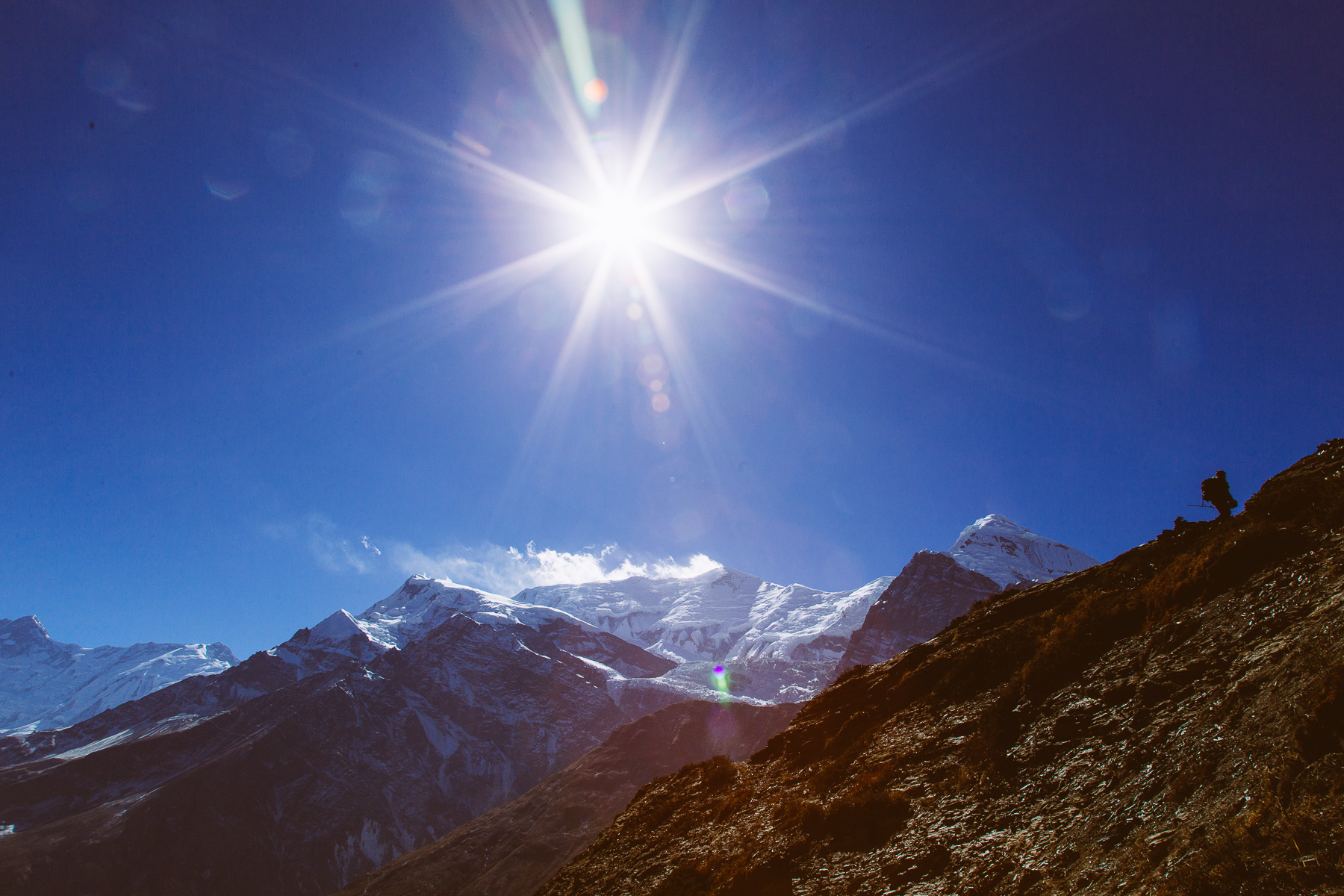
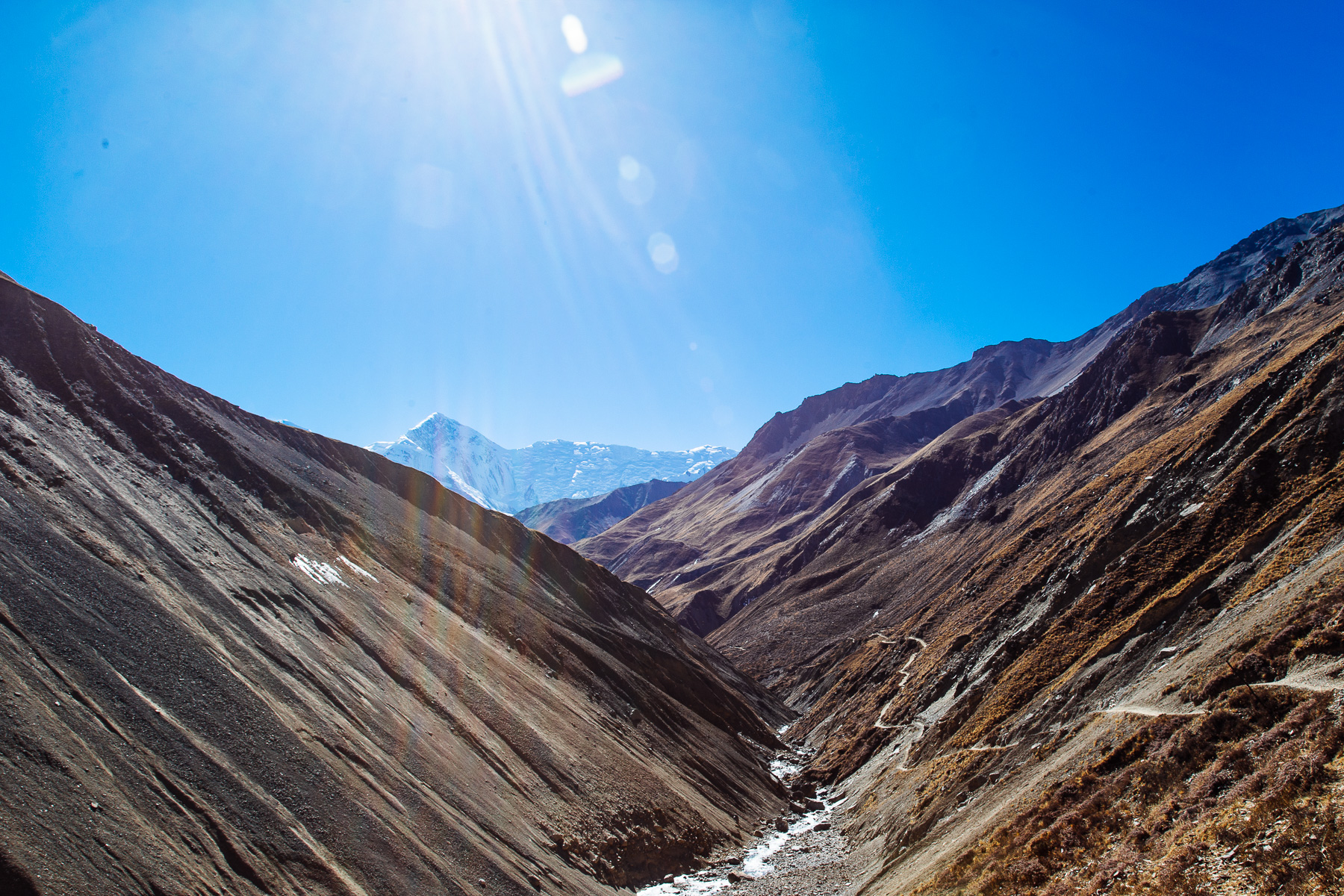
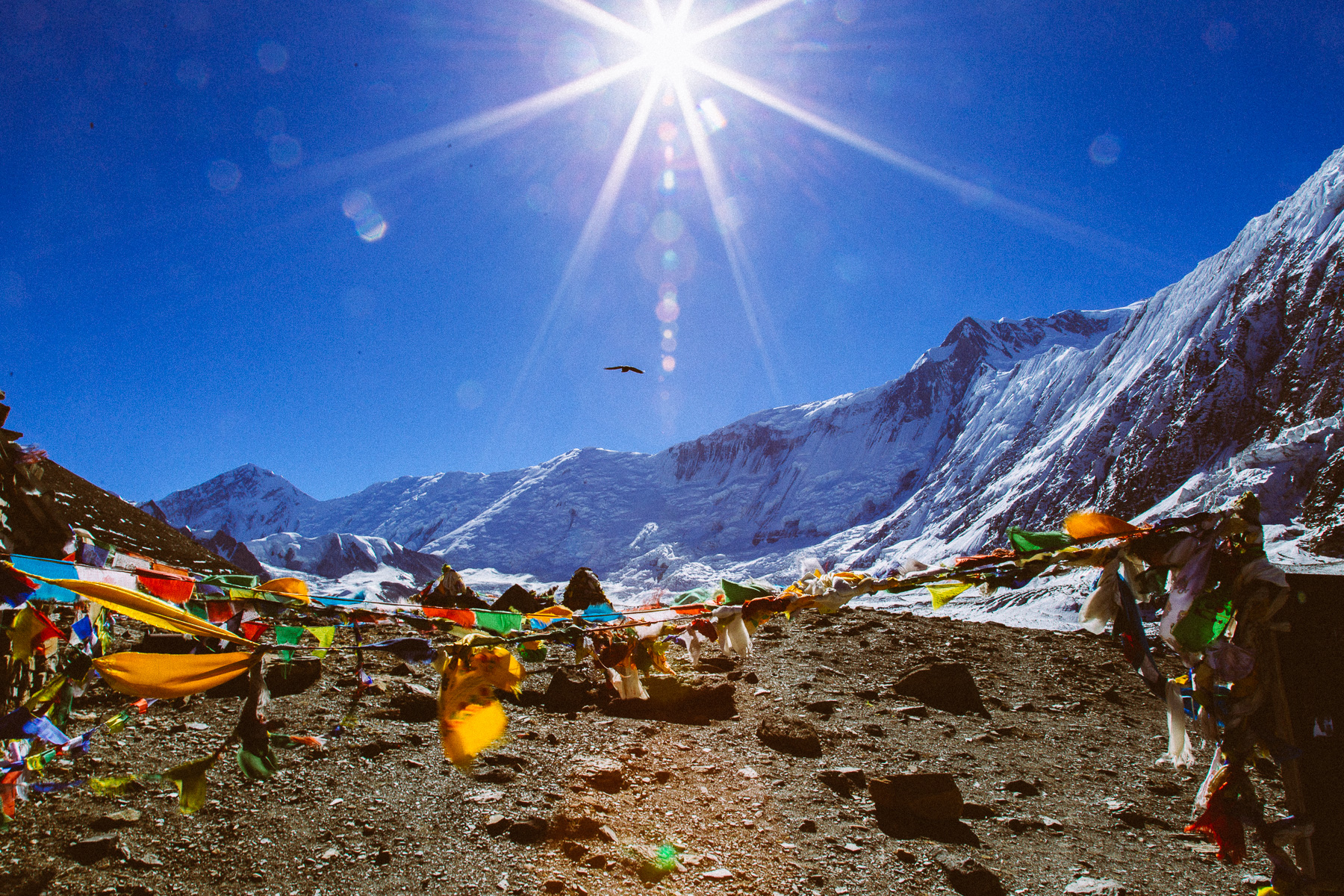
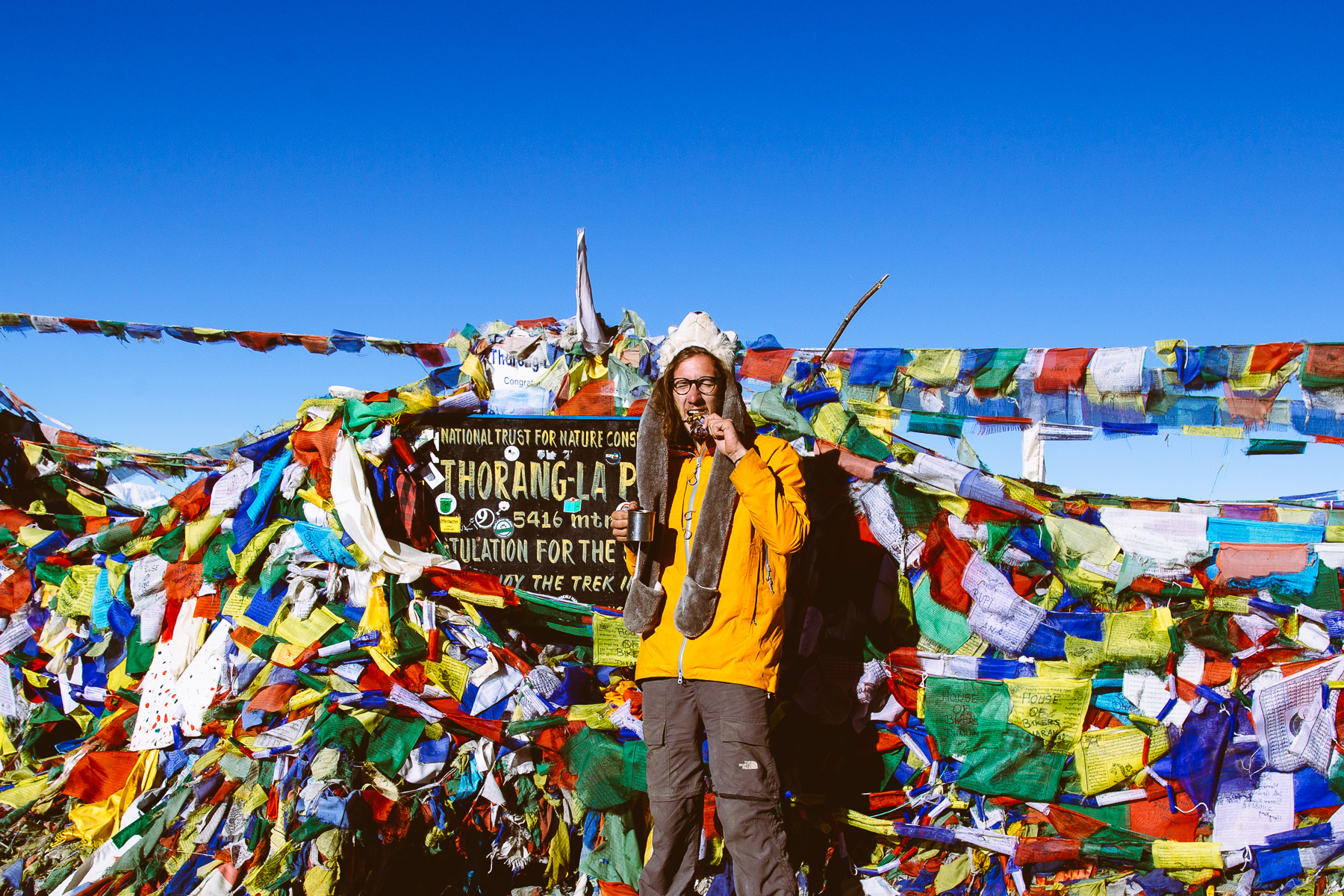
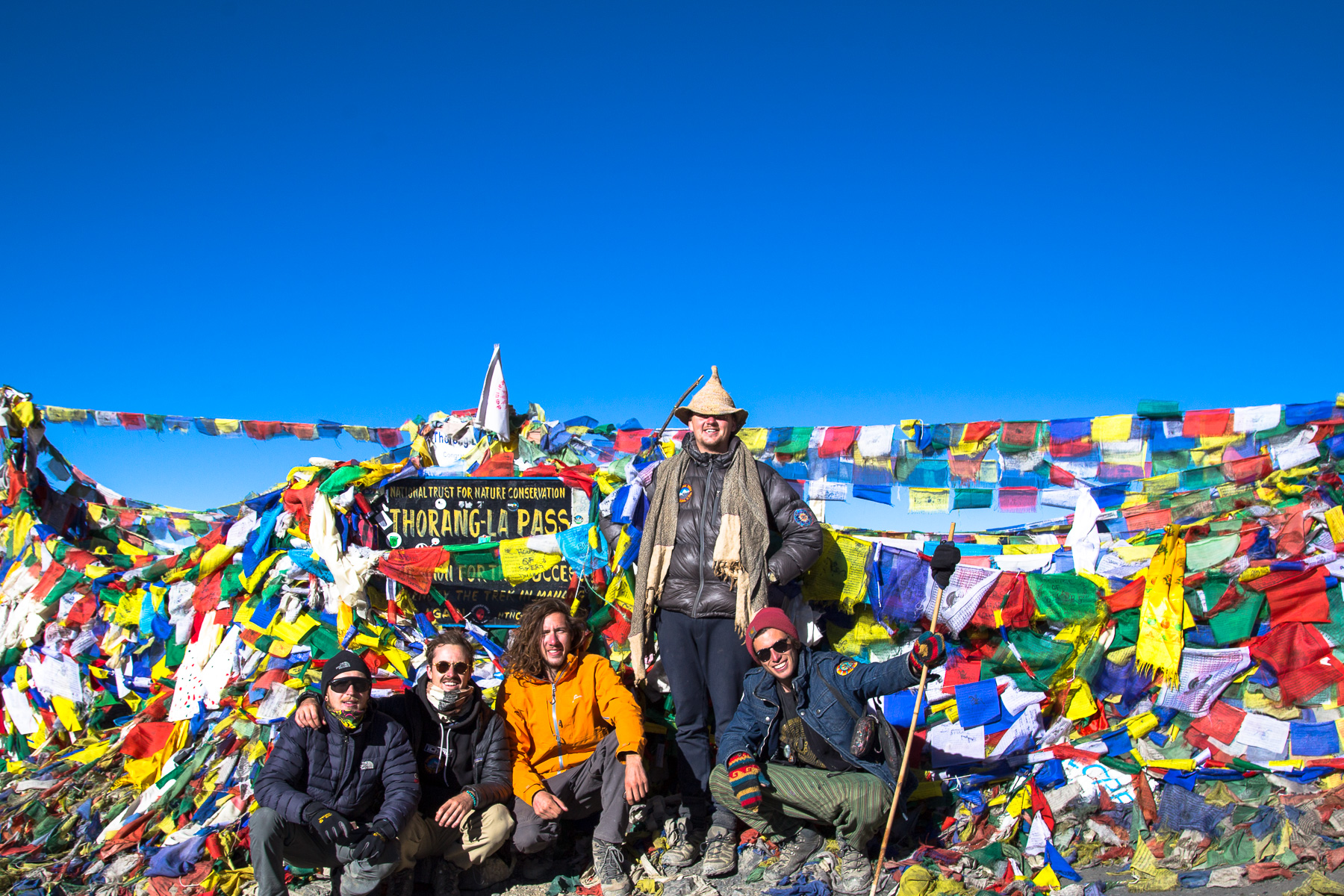
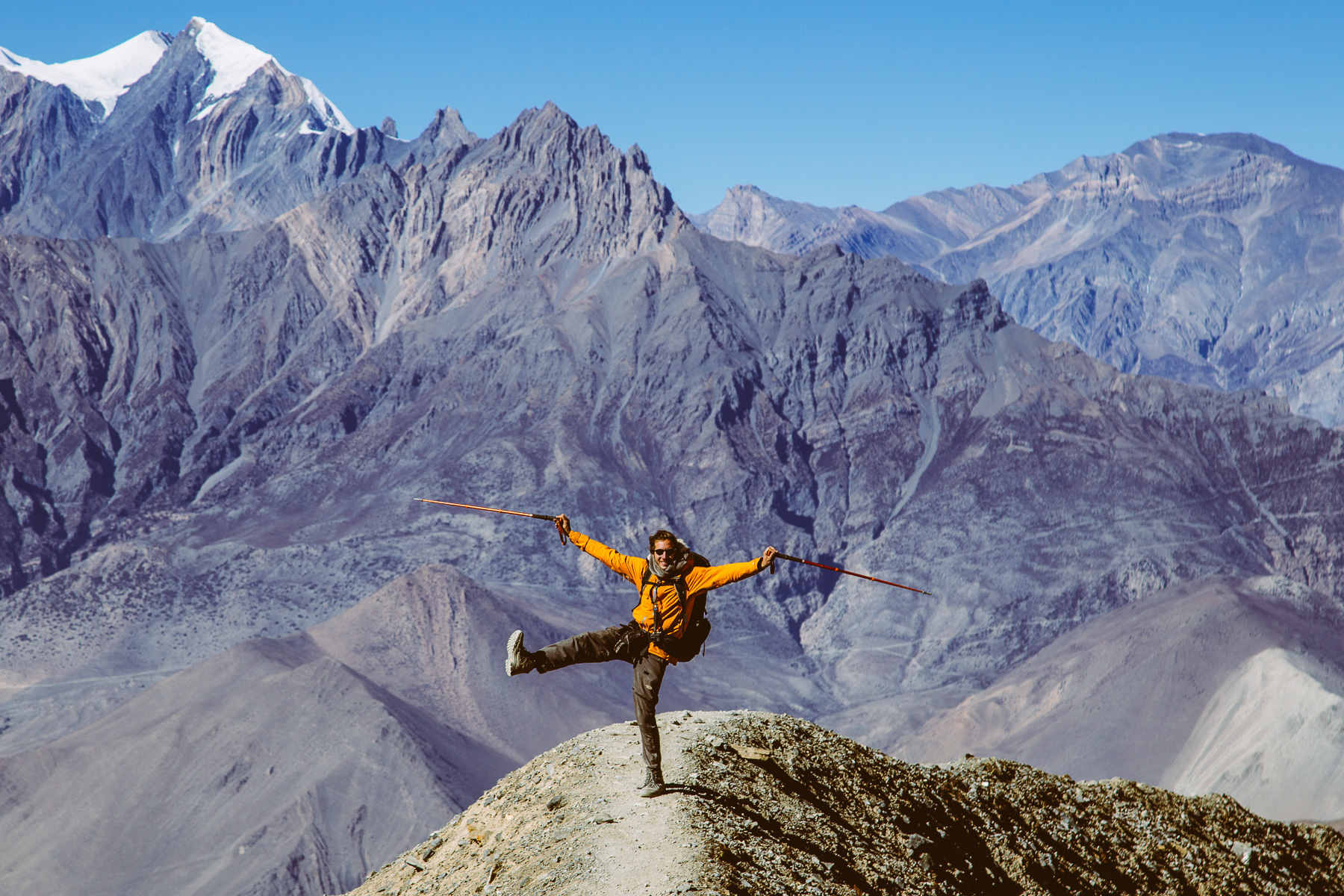
The final meters to the pass felt rather easy, then I saw the prayer flags blowing in the wind. An overwhelming feeling; proud, happy but also incredibly exhausted. Wow! Just to be up there and all by walking. Gradually, everyone arrived, each at his own pace.
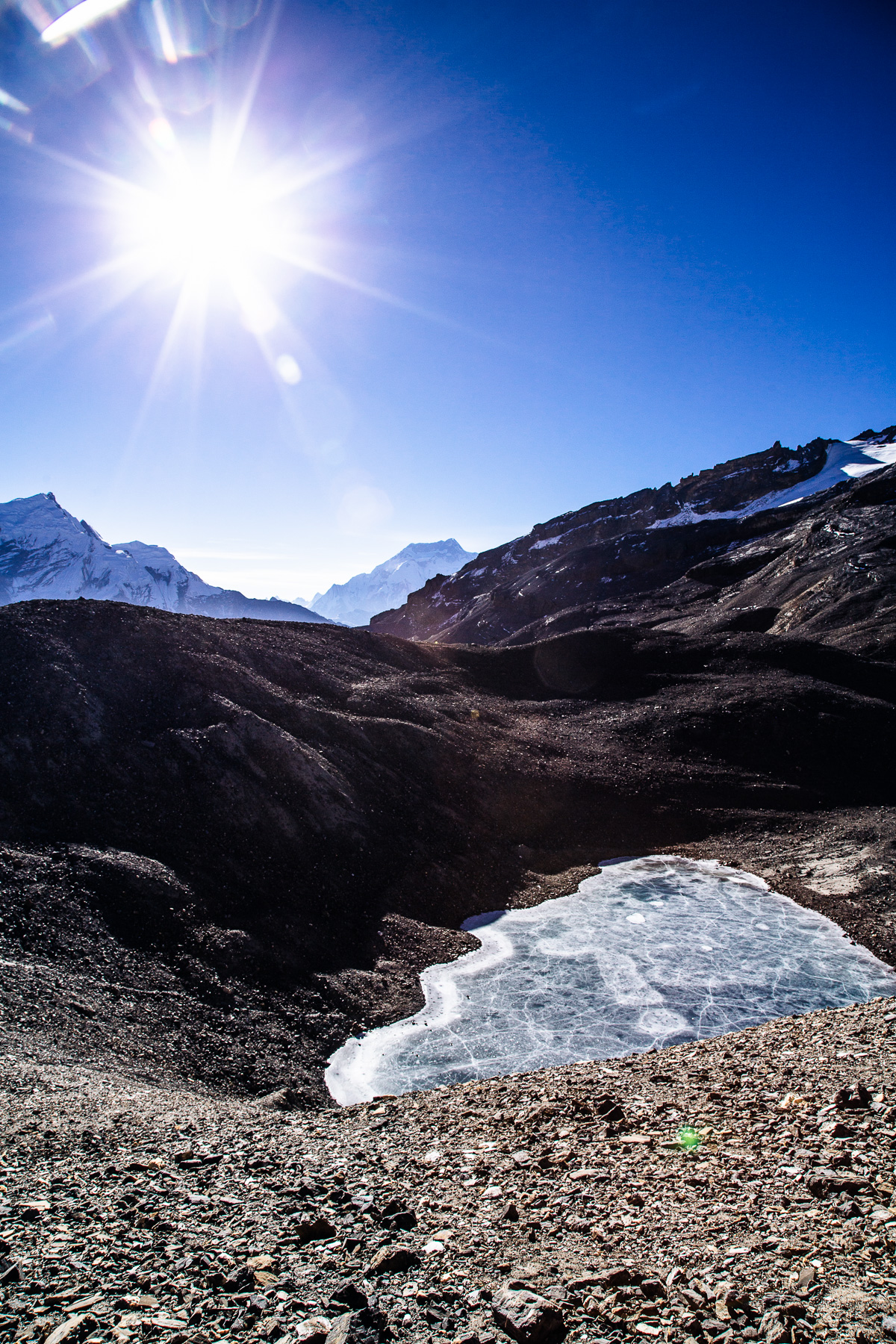
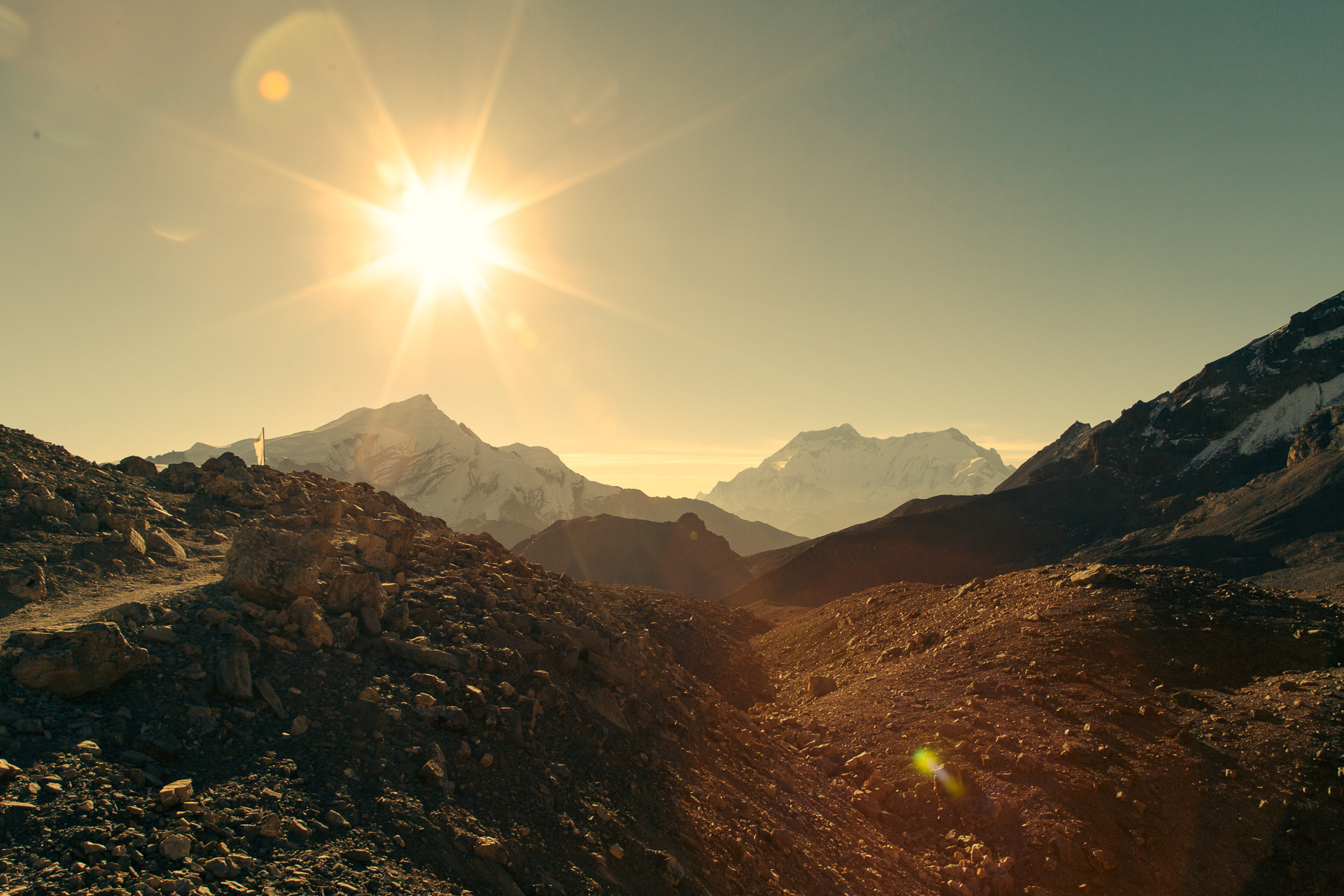
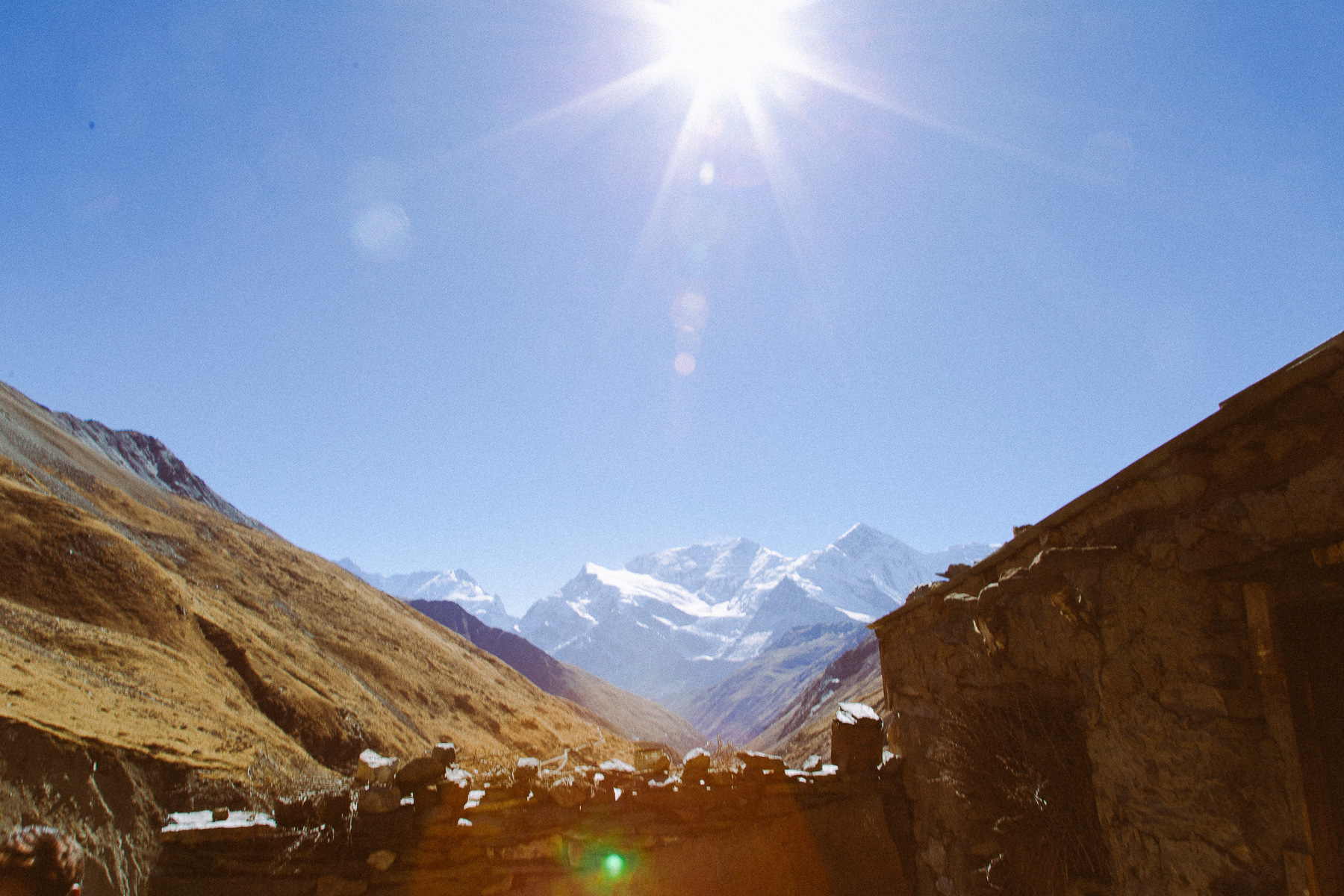
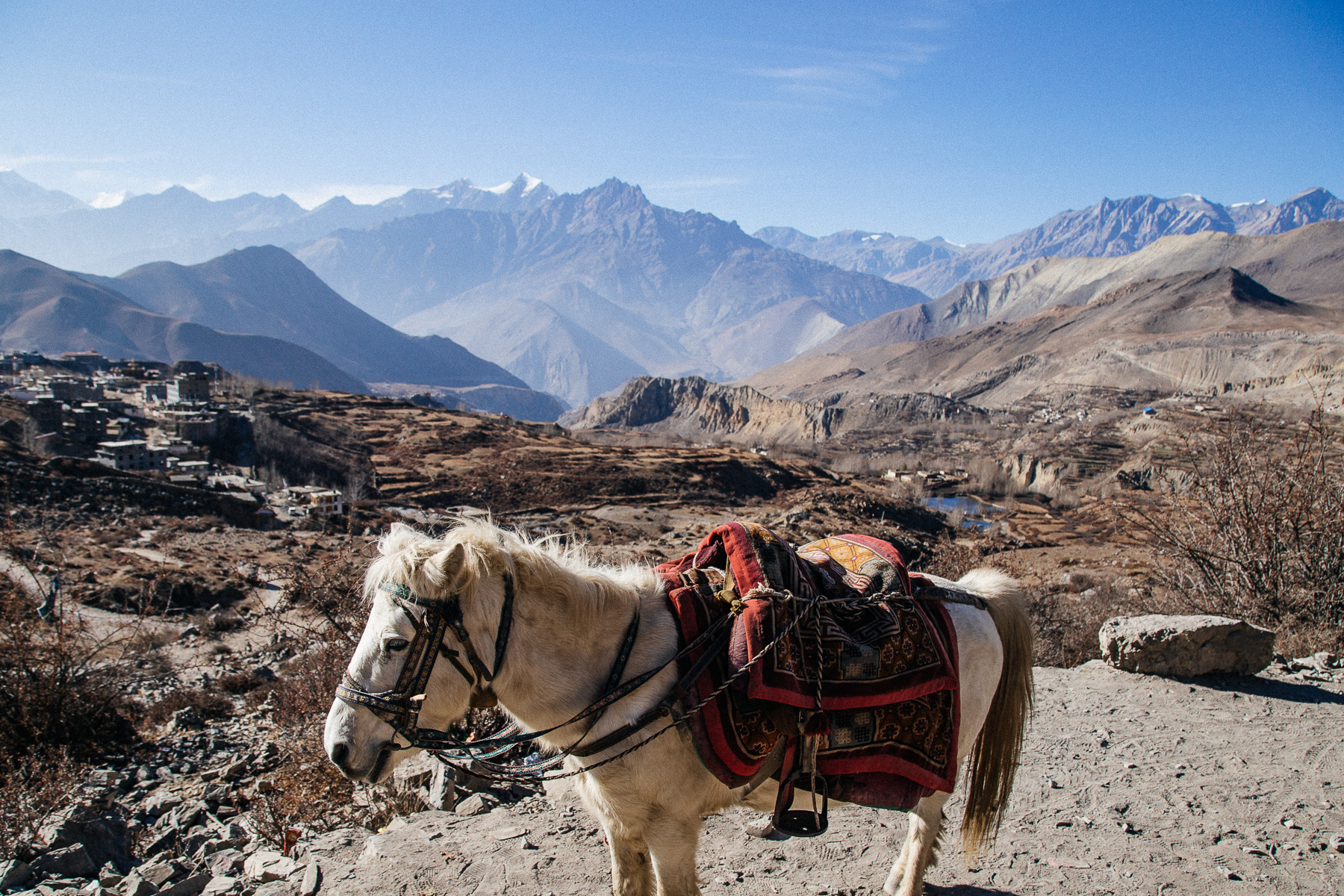
On the descent, the valley opens up and you have a breathtaking view of the mountains of Mustang. I would like to go to Mustang but the permits are incredibly expensive, too bad!
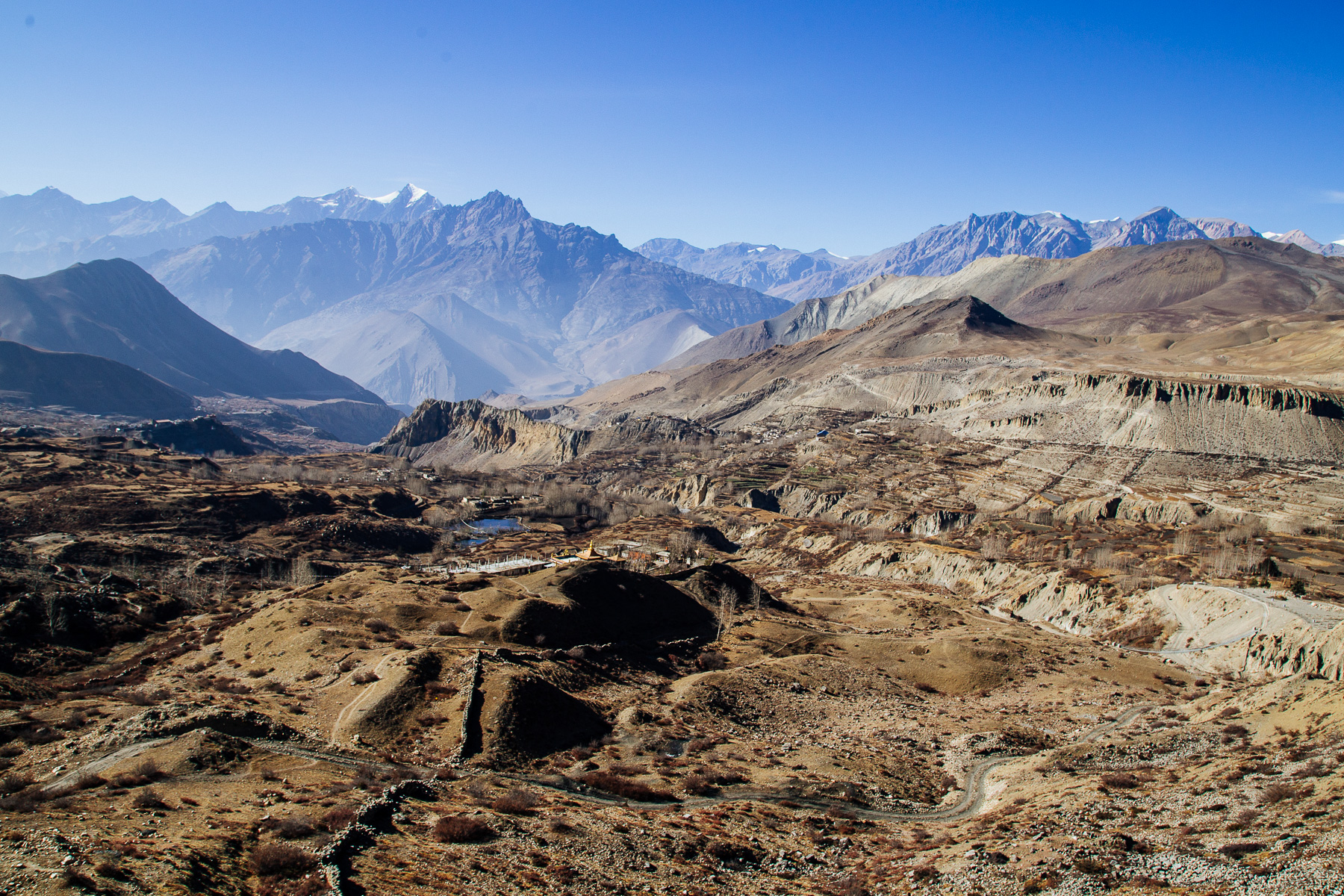
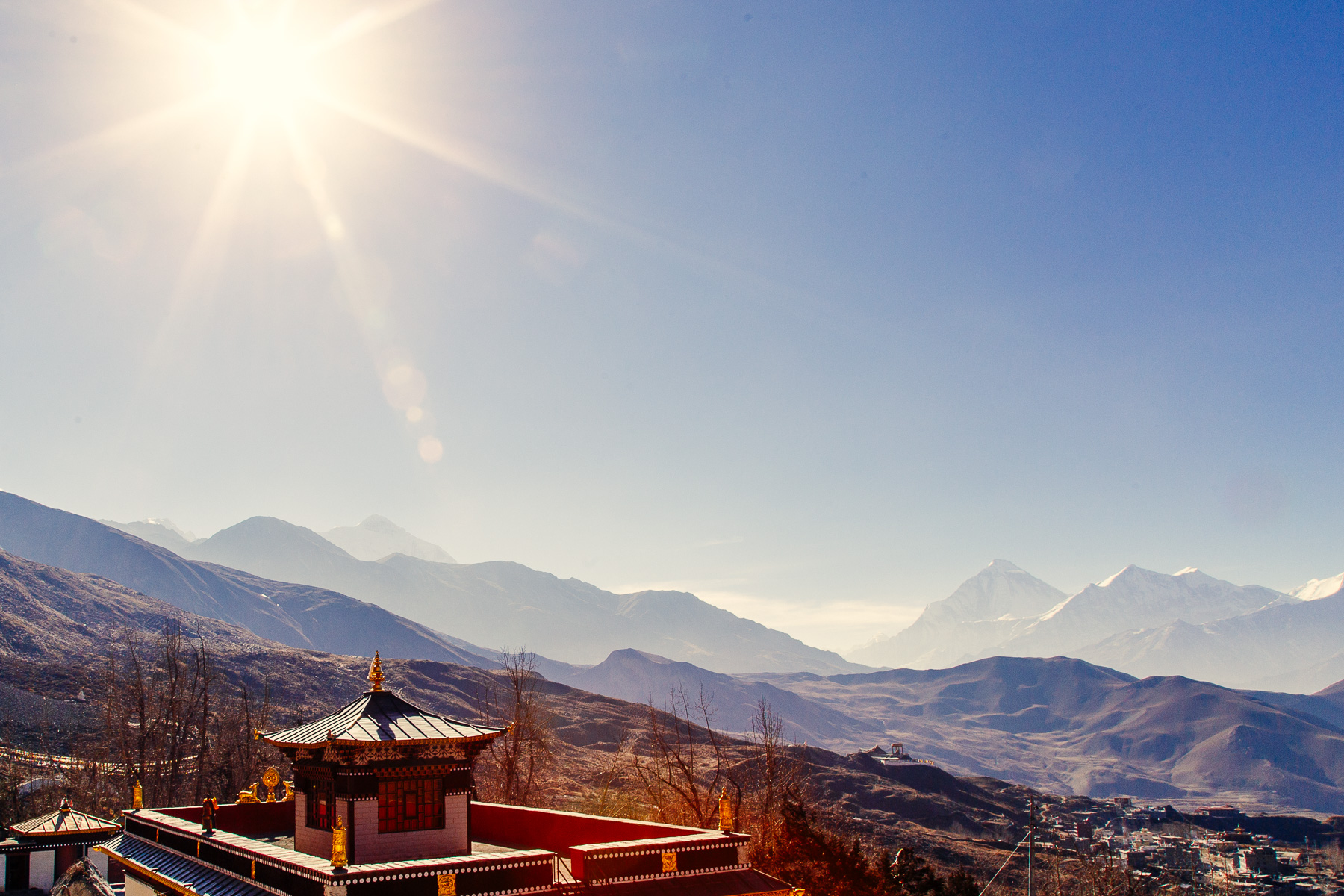
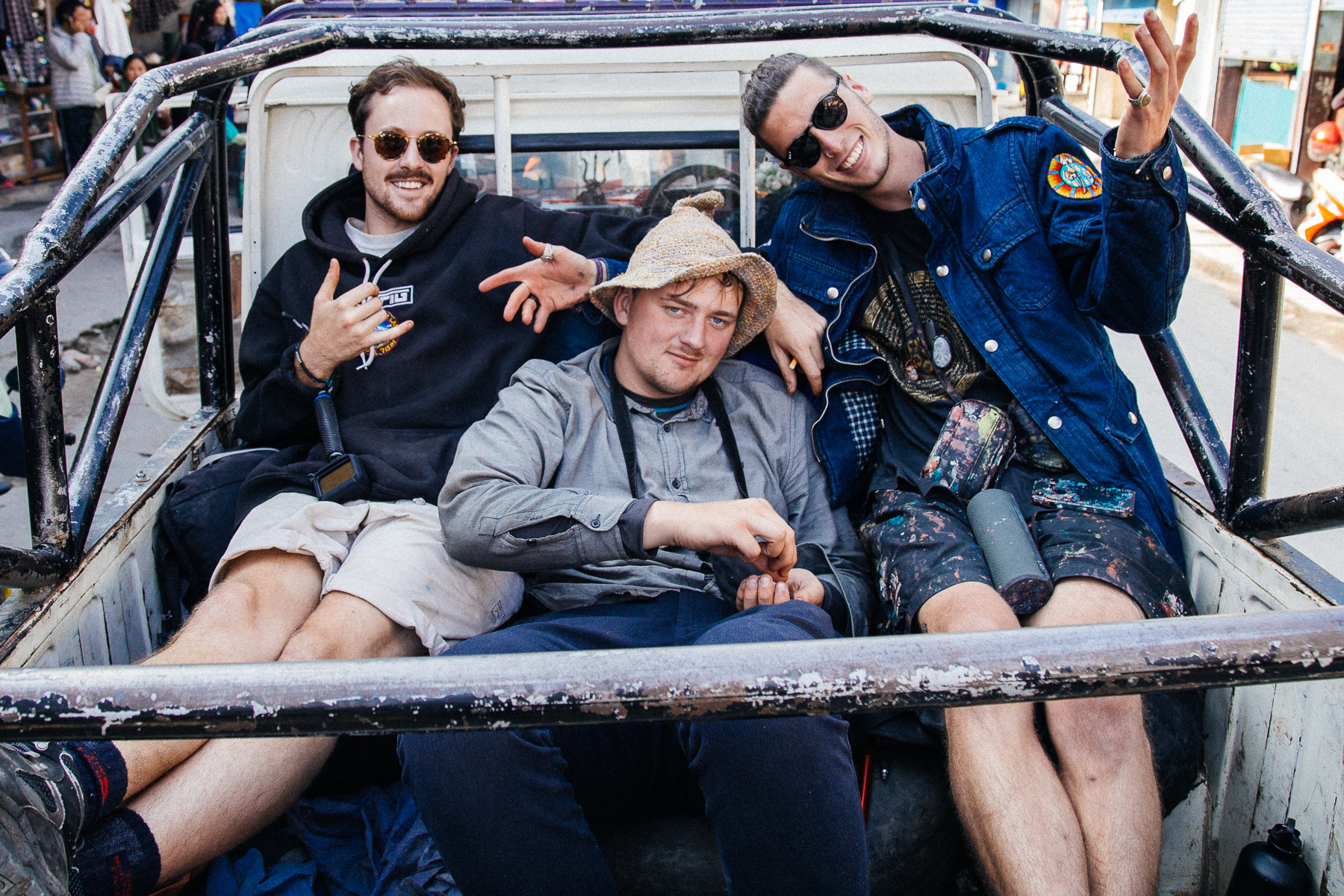
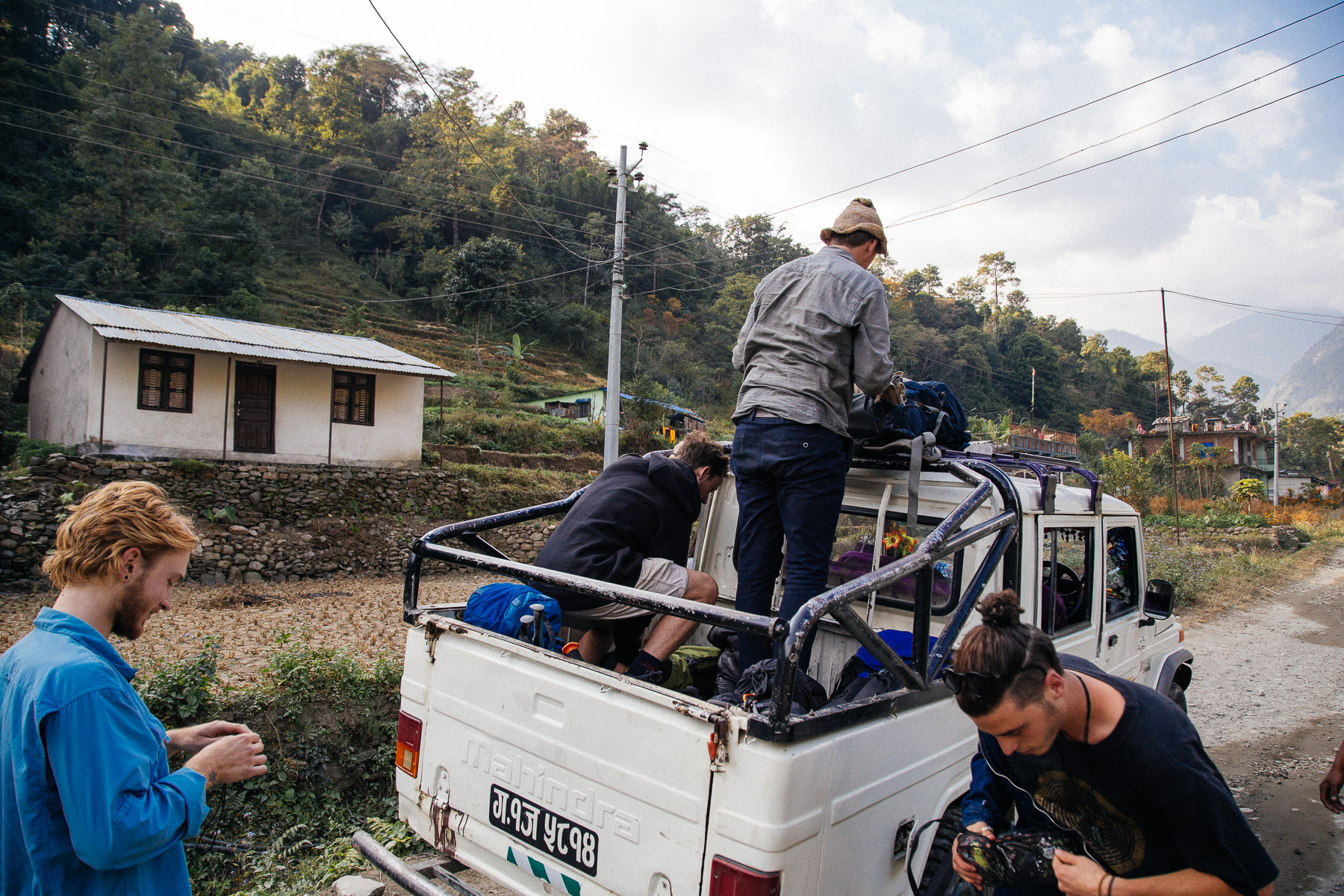
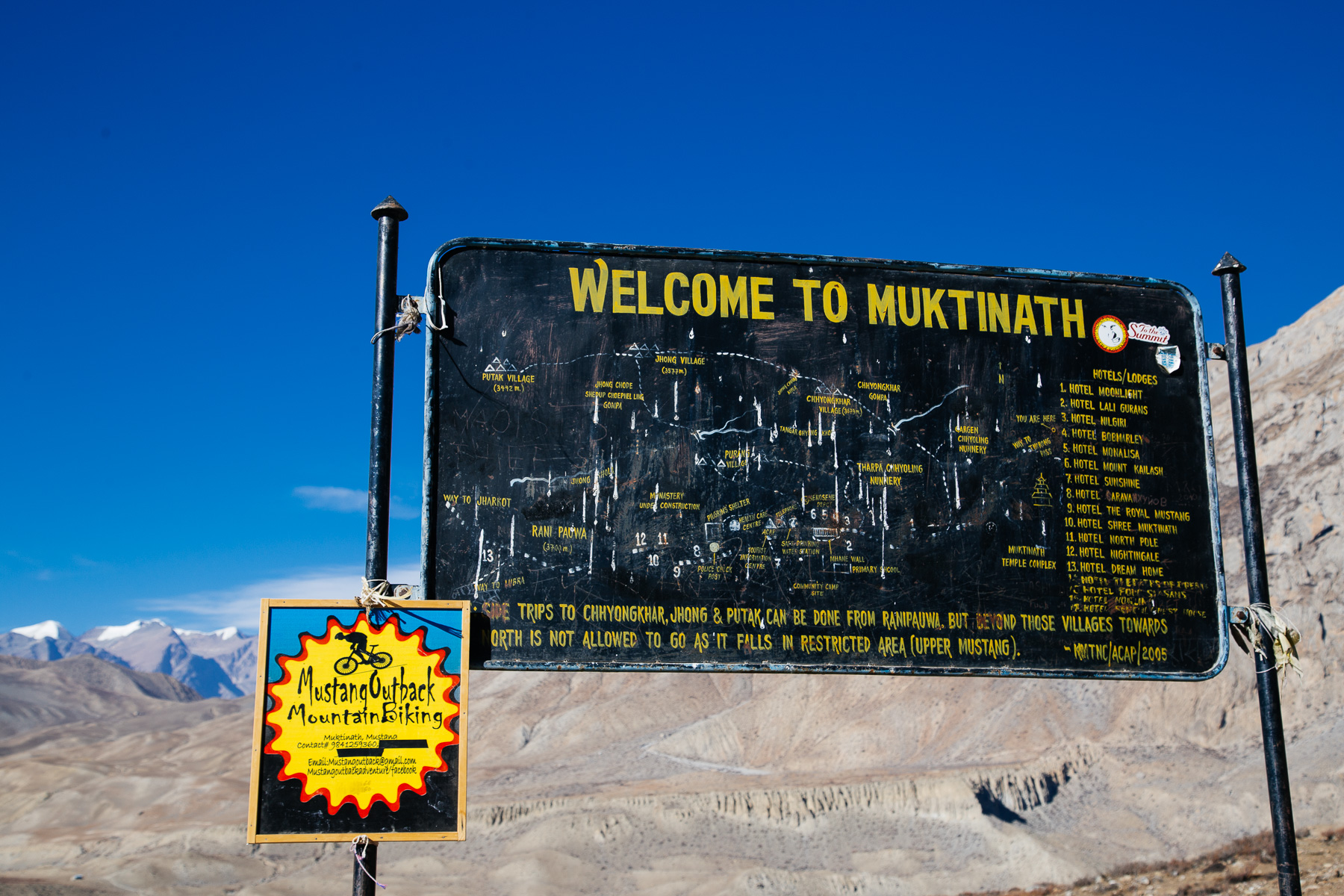
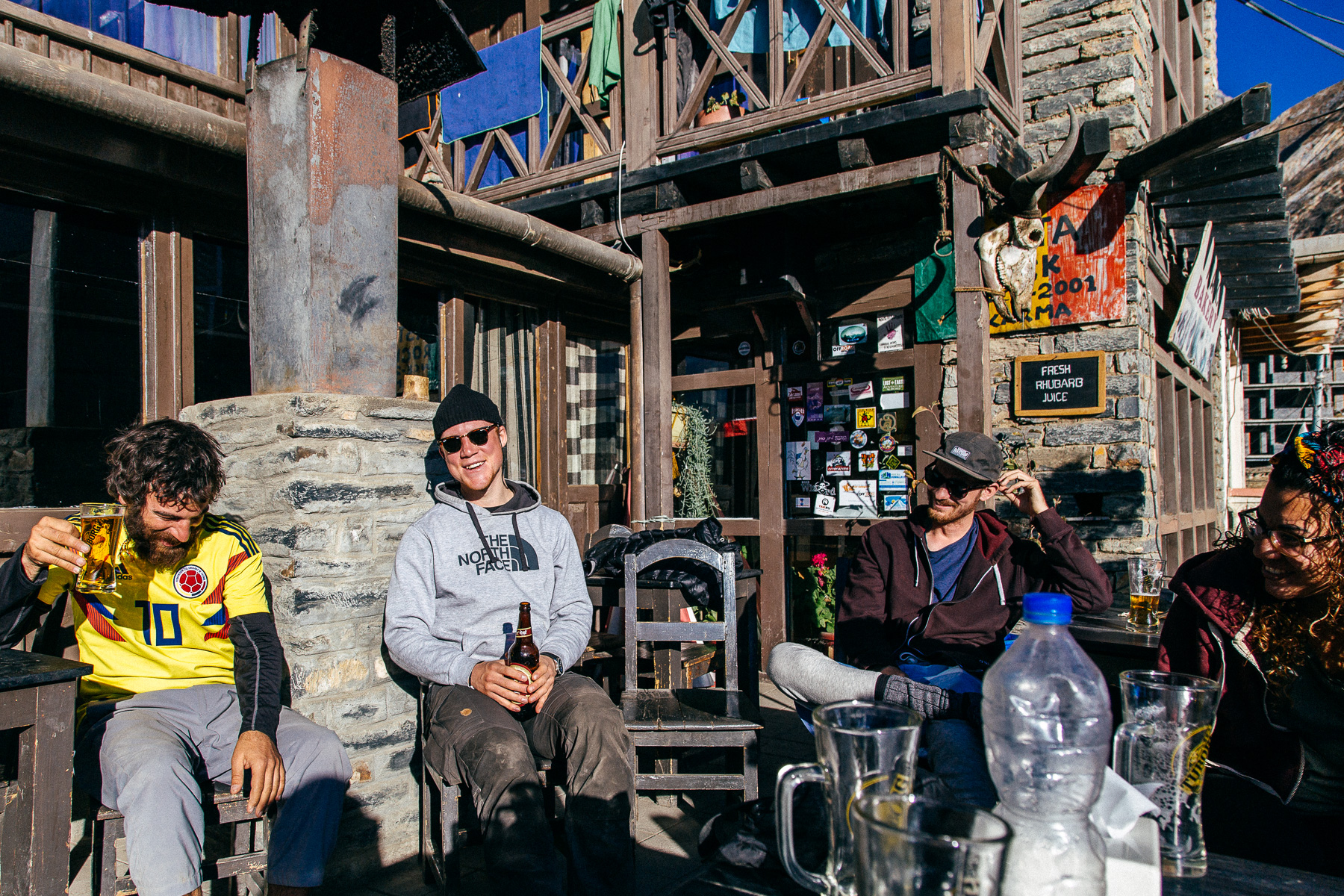
Bob Marley Hostel in Muktinath is one of the many cool places to stay, not only because of the ingenious HOT shower, the food is also super delicious. In the evening, I celebrated the pass with 2 big YAK Burgers and the first beer of the hike. Although each of us were happy that we had made it over the pass, we had had enough of hiking and took the jeep to Pokhara the next morning. The 8 hour drive was adventurous, we ended up in the truck with 6 other Nepalis. It was a very funny, bumpy ride to Beni. We had absolutely no desire to stay one more night in Beni , and took a taxi. Beni – Pokhara, we forgot that it was election night in Nepal, there were lots of police and checkpoints everywhere. When we sat at the rooftop of the Hostel in Pokhara it felt like we had never left.
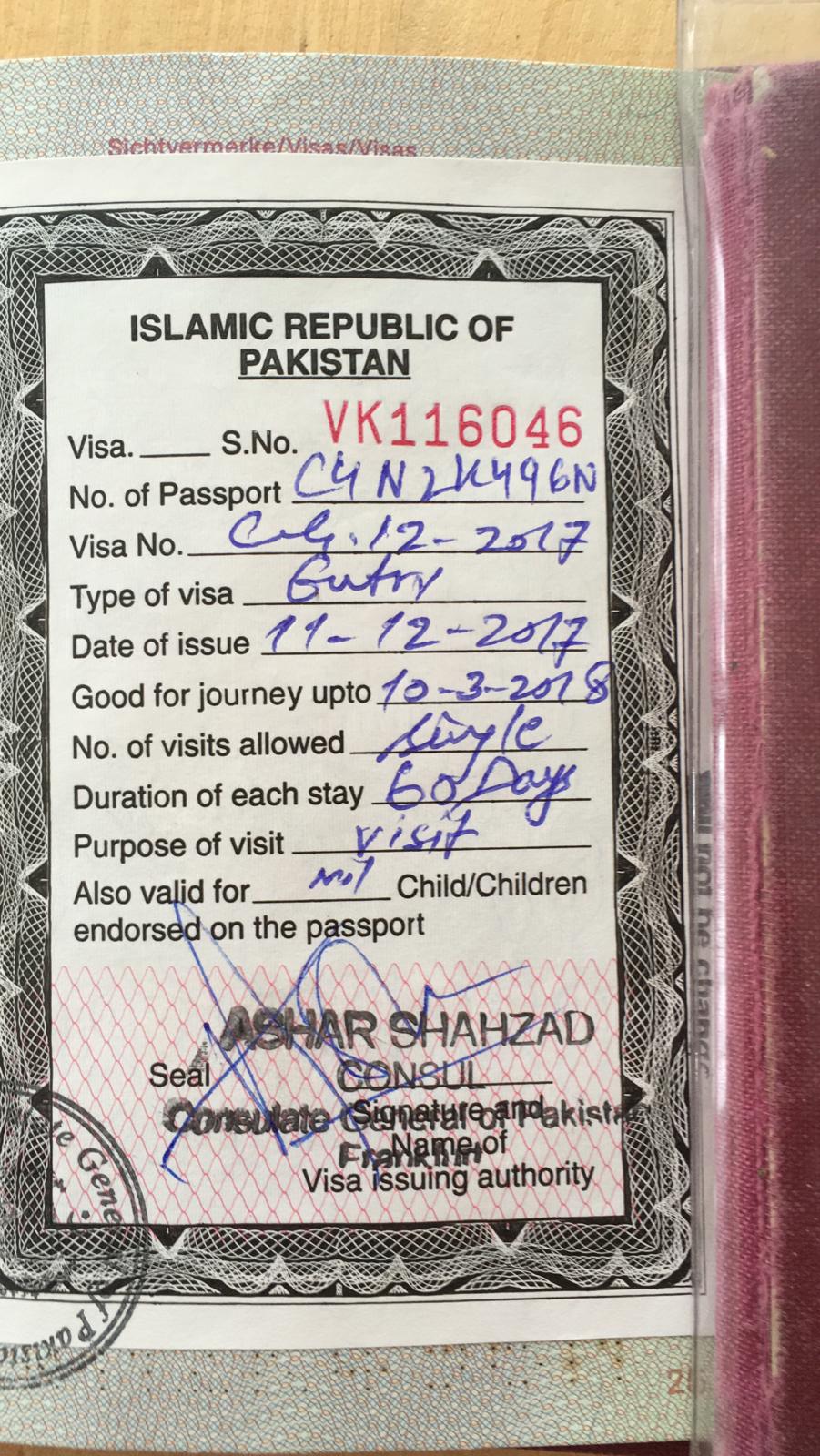
When planning the return trip, there were always surprises and setbacks, I figured out that it was not so easy to get a Pakistan and Iran visa abroad, so I sent my passport including the visa documents back to Germany and applied for the visa from there. The whole process is very time consuming, each application takes about 10 working days and then needs to be sent back to Nepal. That was my only option.
I didn’t pay attention at the beginning of the trip whether I’d have enough empty pages in my passport for the journey back. Often two pages are required for each country when traveling with your own vehicle. I applied for a new passport at the German Embassy in Kathmandu. 6 weeks passed till they got back to me, „Dear Mr. Gaisser, your passport has arrived. You can collect it during our opening hours.“ Finally! But I hadn’t thought this through. I needed my old passport to pick up the new passport at the embassy, but the old passport is in Germany to apply for the Pakistan and Iran Visa. Shitty situation.
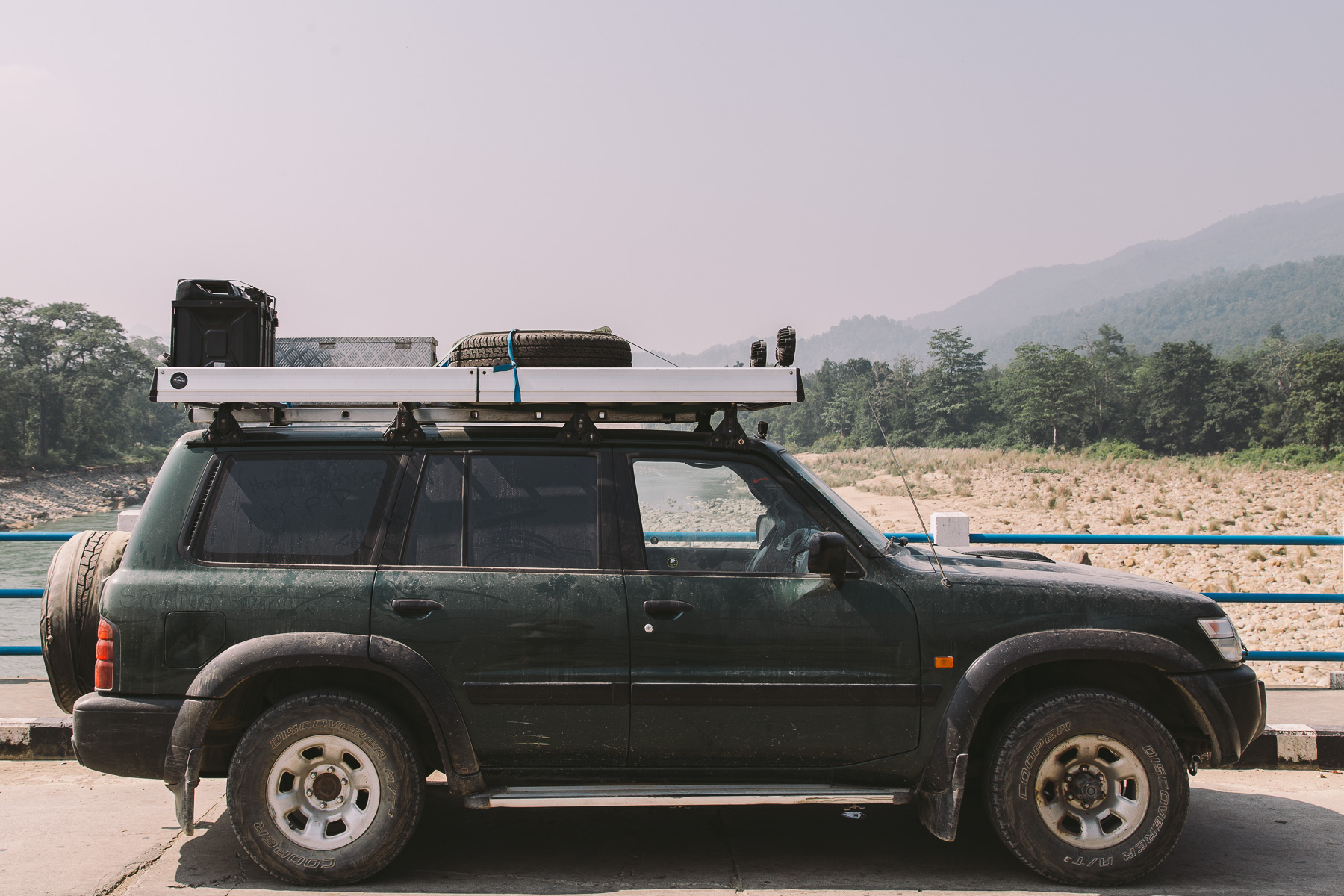
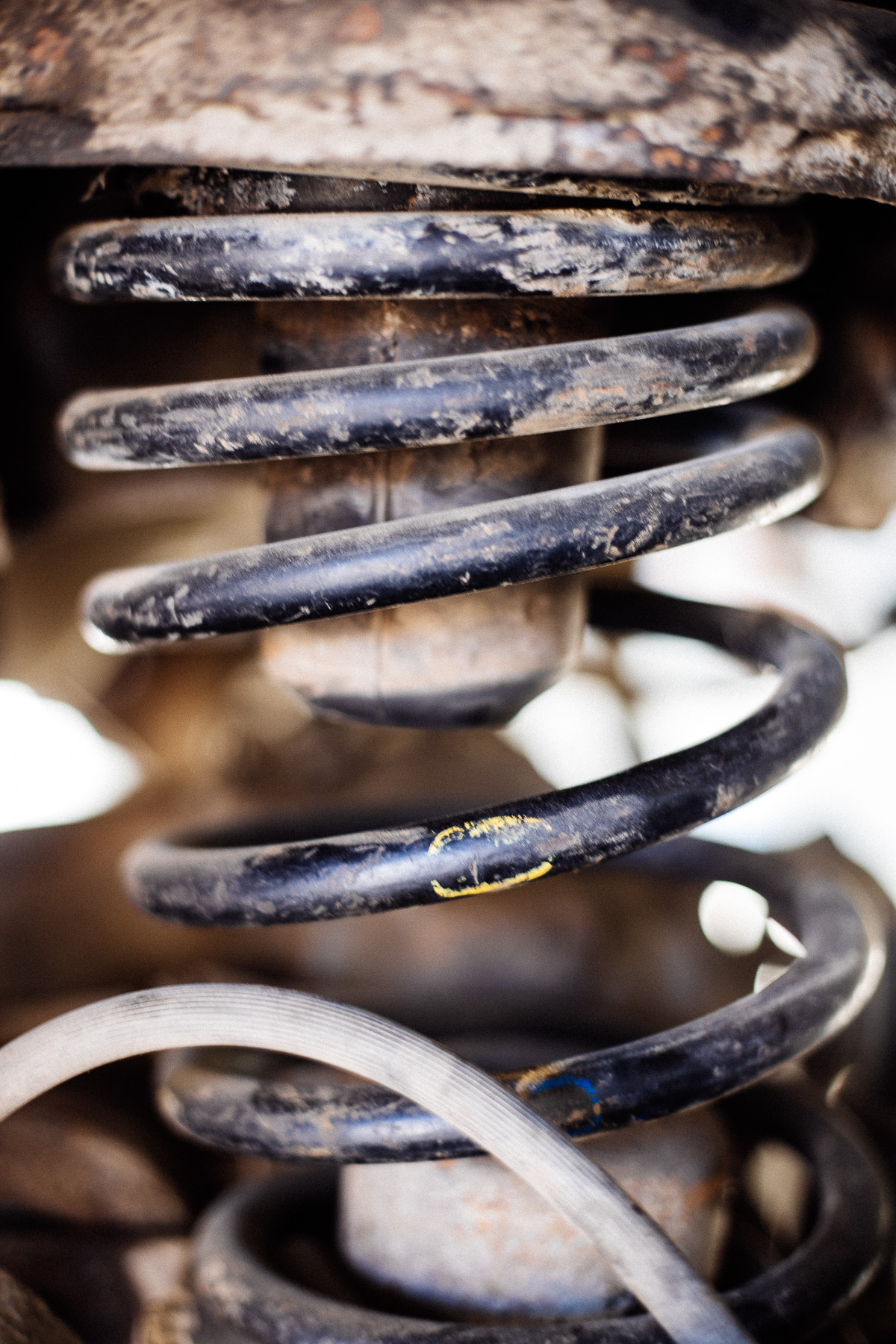
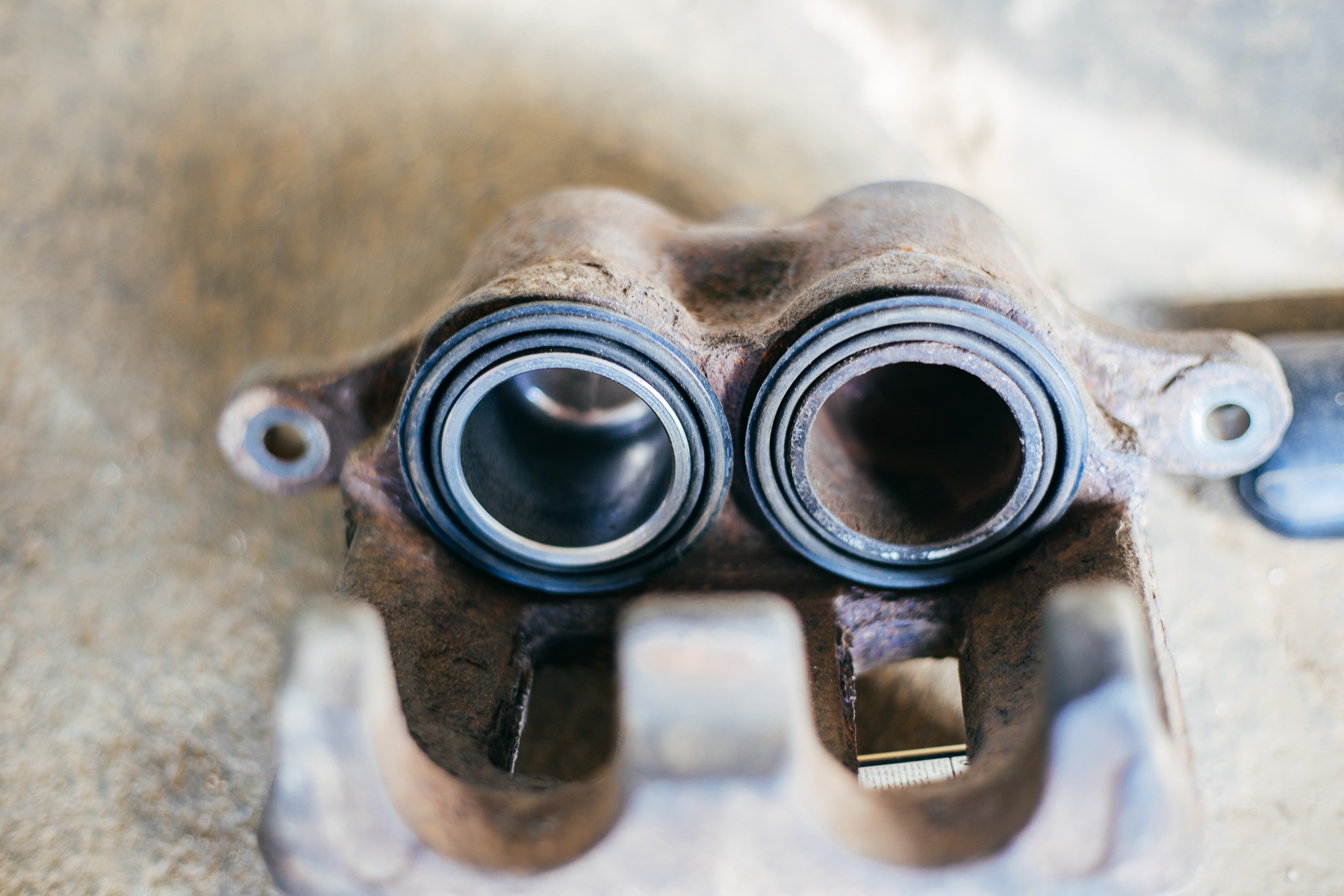
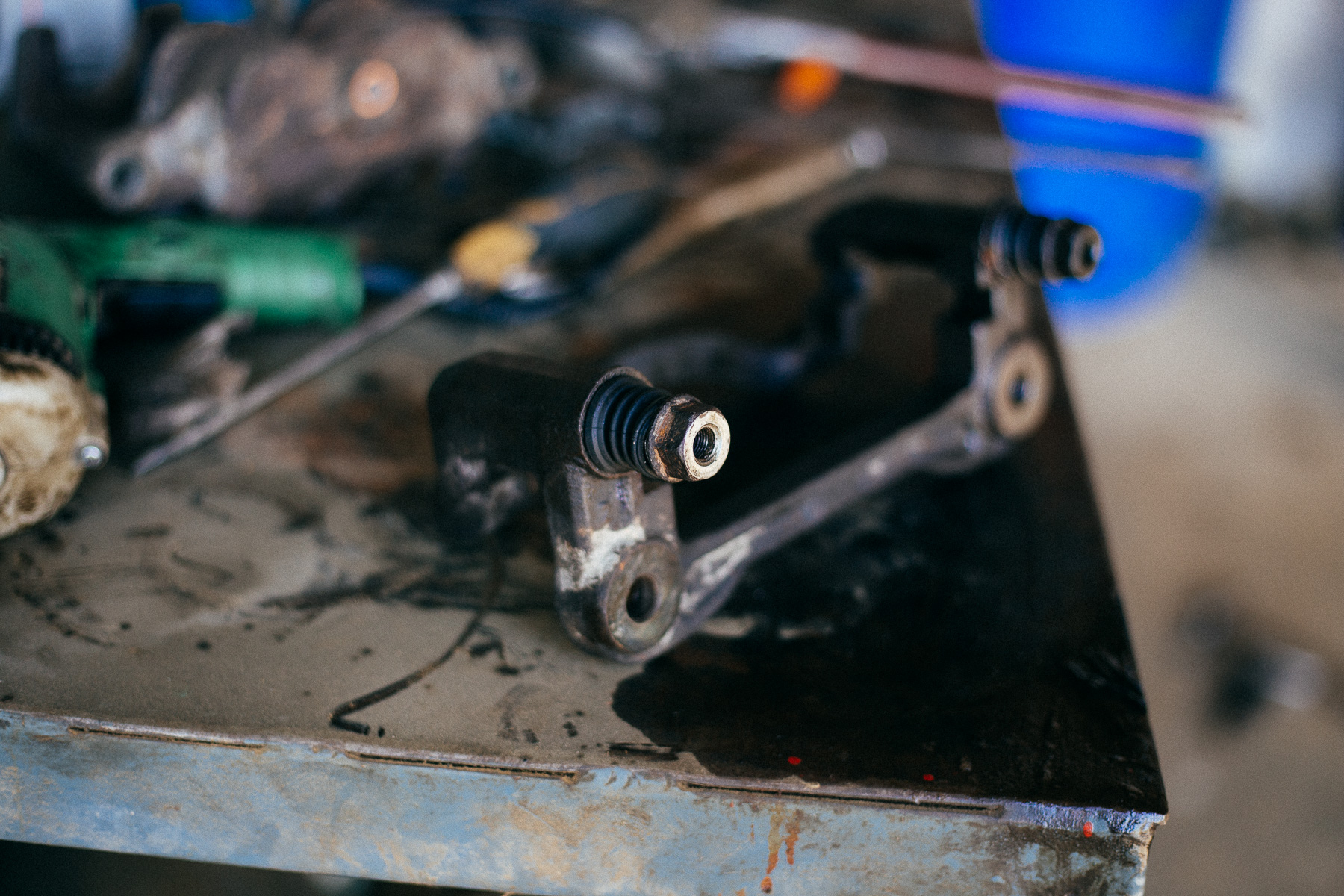
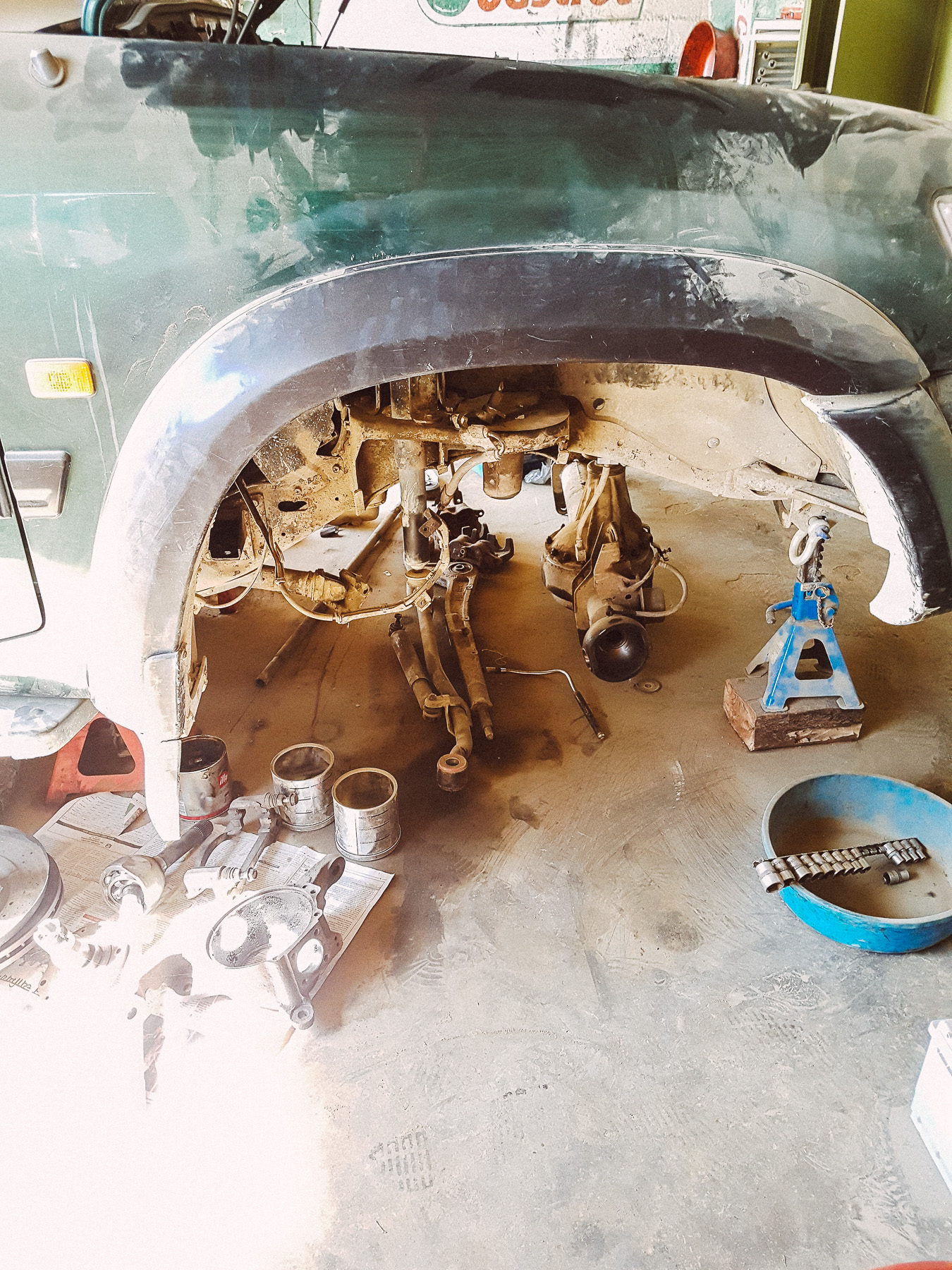
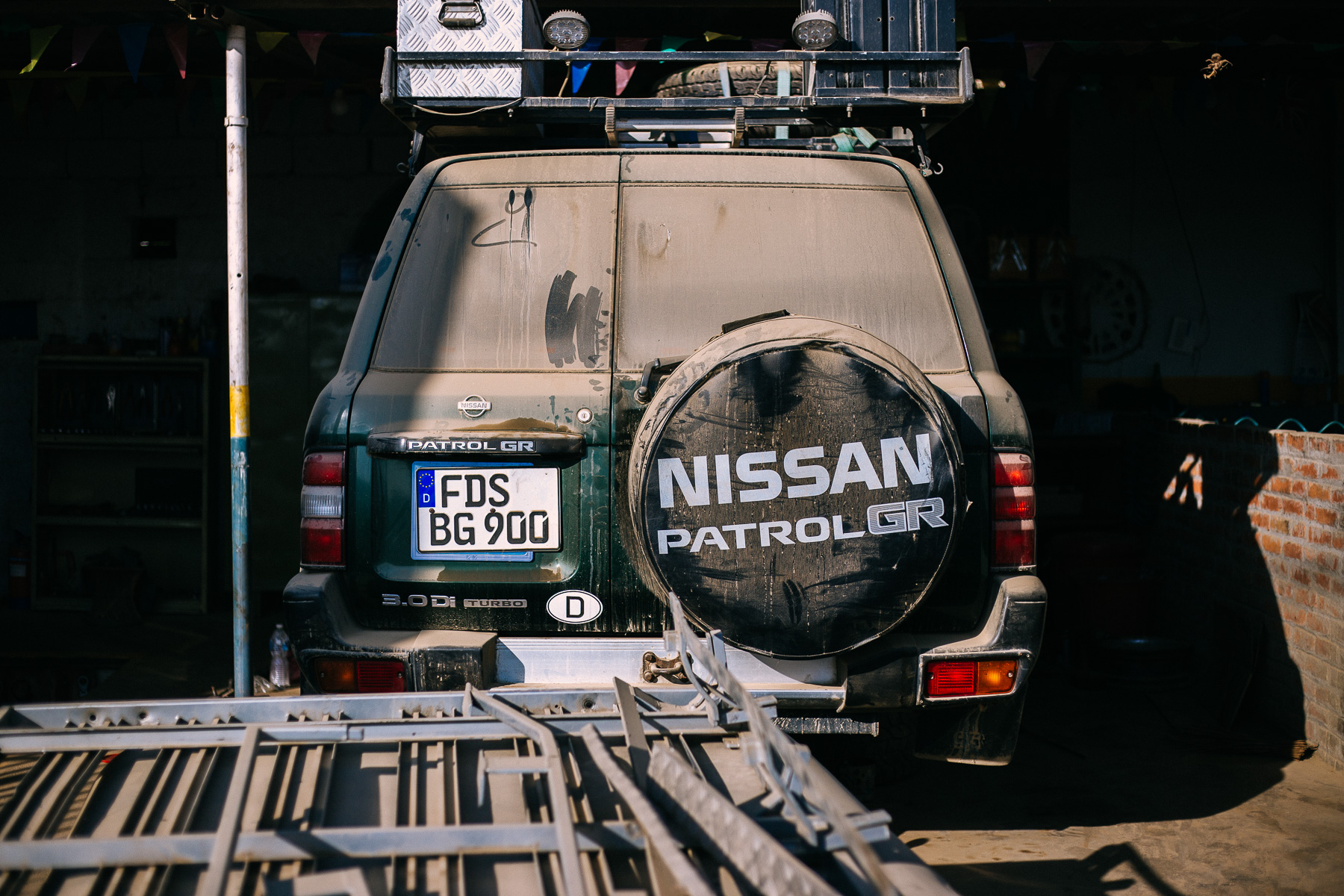
When I arrived in Kathmandu I took my car to the workshop, it didn’t look good, white smoke and no pick up. As we took a closer look, the list of broken parts got bigger and bigger. The roads are very bad in Nepal and I pretty much ruined half the car. The front spring had broken because of too much off roading, the bushes had broken out, and the front caliper was stuck. For two weeks I was with the mechanic almost every day, and if didn’t go there, no work was done on my car. Everything ran in Nepali style, broken parts were taken out to compare to a similar part, new parts arrived and got fitted. Many of the parts did not fit immediately so the whole process took weeks. The repair cost me a lot of nerves and money. In the end I went to the Nissan workshop, the guys had a look at it and figured out the problem with the white smoke; the diesel filter wasn’t a genuine part. With new original diesel filter the problem was solved. I was mad at the other mechanic and I told him what the problem was. In the end I got some money from him again, but it was an expensive experience from which I have definitely learned.
Im super glad the car is running now and I can continue my journey. If everything works out I can leave Nepal at the end of January to head to India.
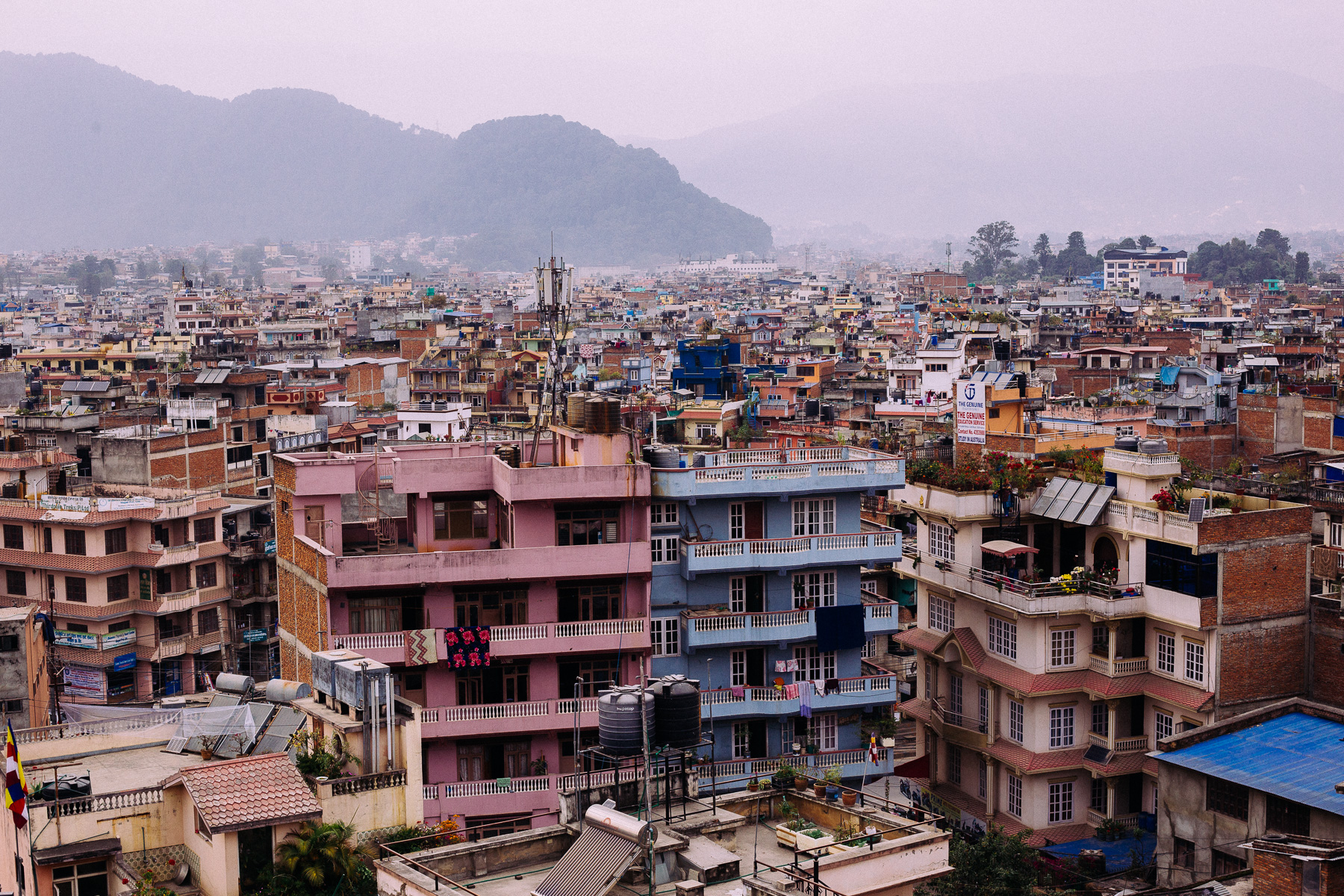
The contrast between the lifestyle in Nepal’s cities to the countryside is huge. More and more people are moving away from the mountains, closer to the cities in hope of picking up a job. The job opportunities in the mountains are limited; you either become a farmer, work in tourism as porter, guide or have a small homestay. They’re the only choices. Kathmandu and Pokhara are the two biggest cities in Nepal, Pokhara is the nicer one though.
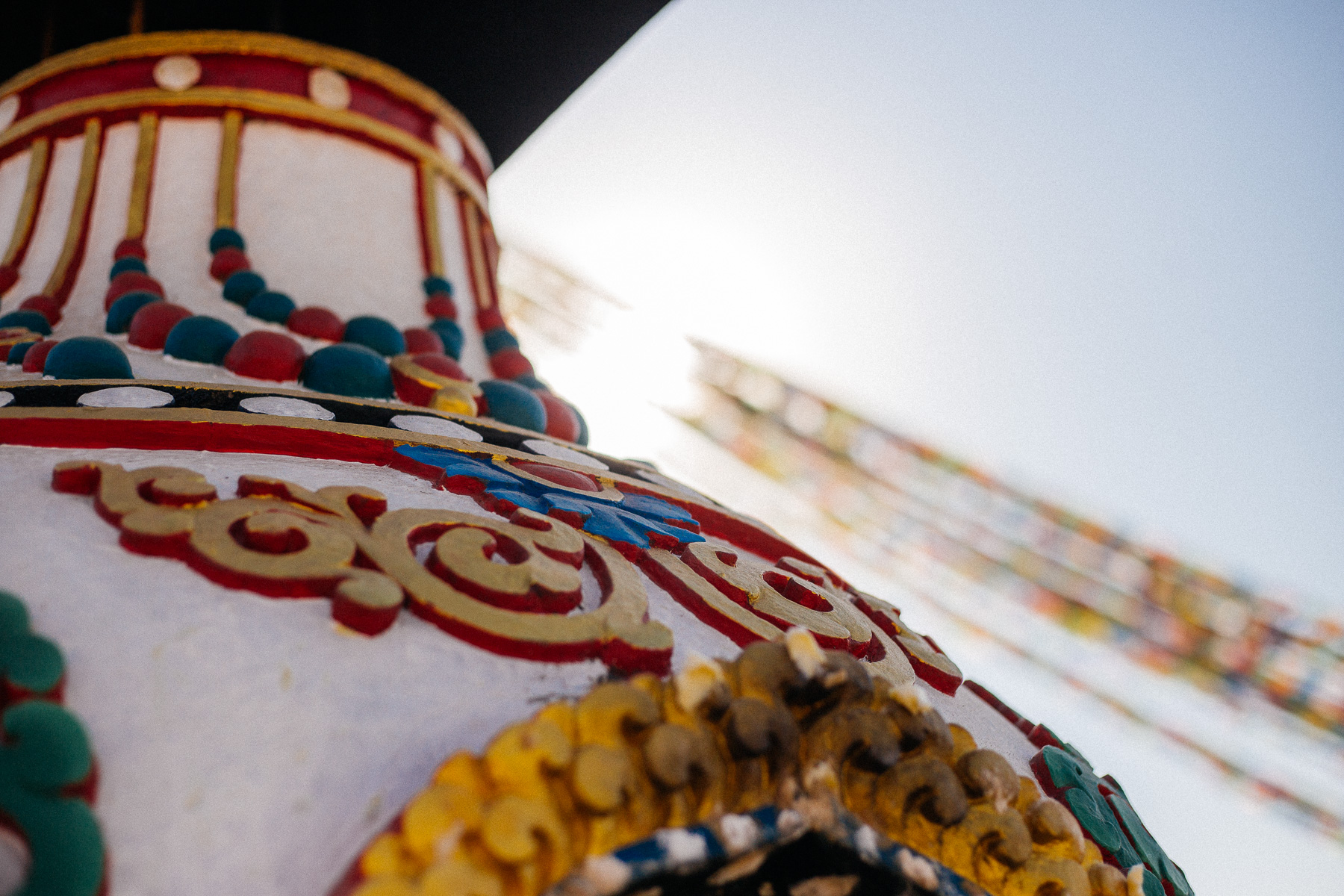
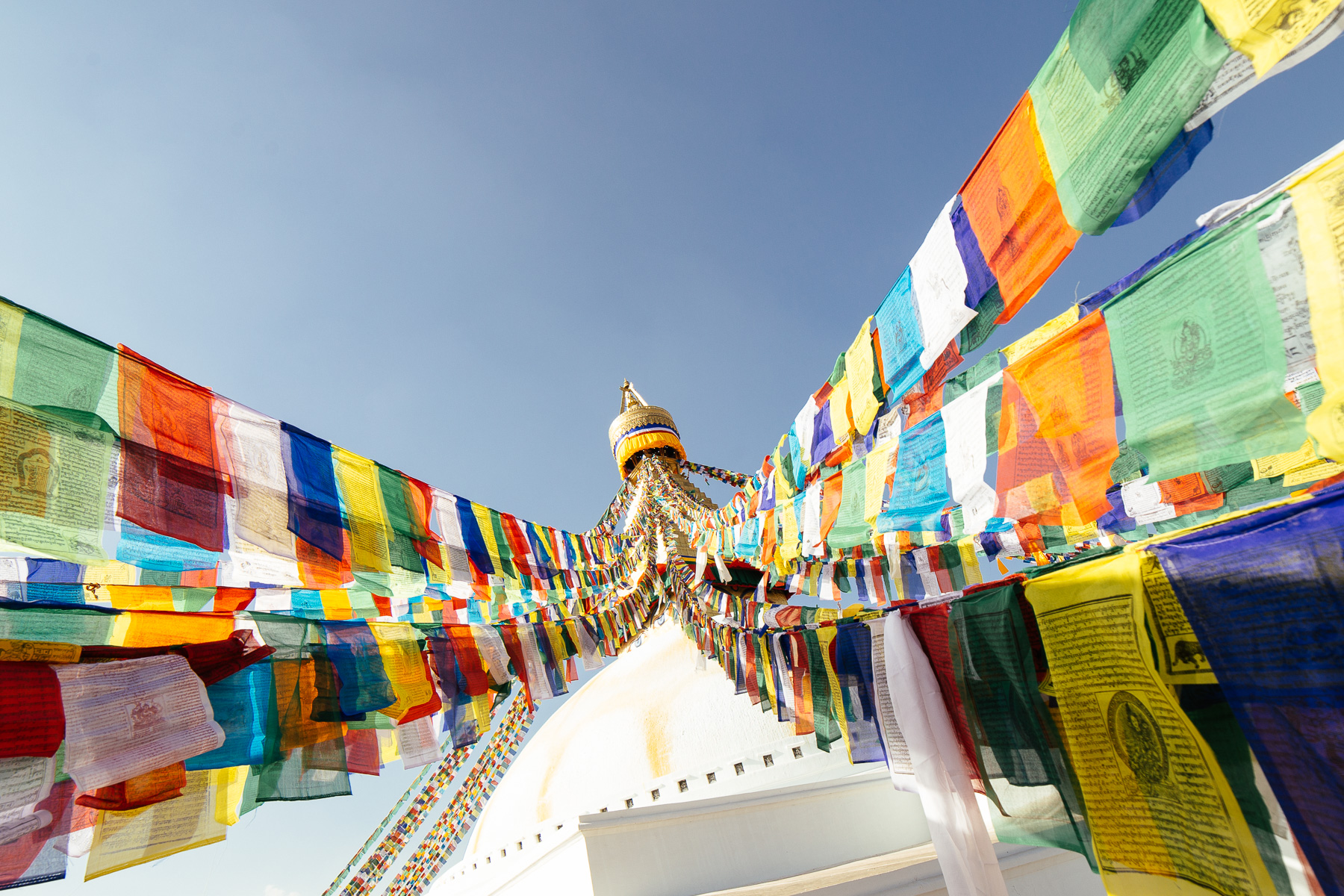
Pokhara is located at a beautiful lake with a view of the Himalayas. I was using IOverlander, an application especially made of overland travellers when I found this awesome place on top of a hill in Pokhara, perfect place to stay for the night.
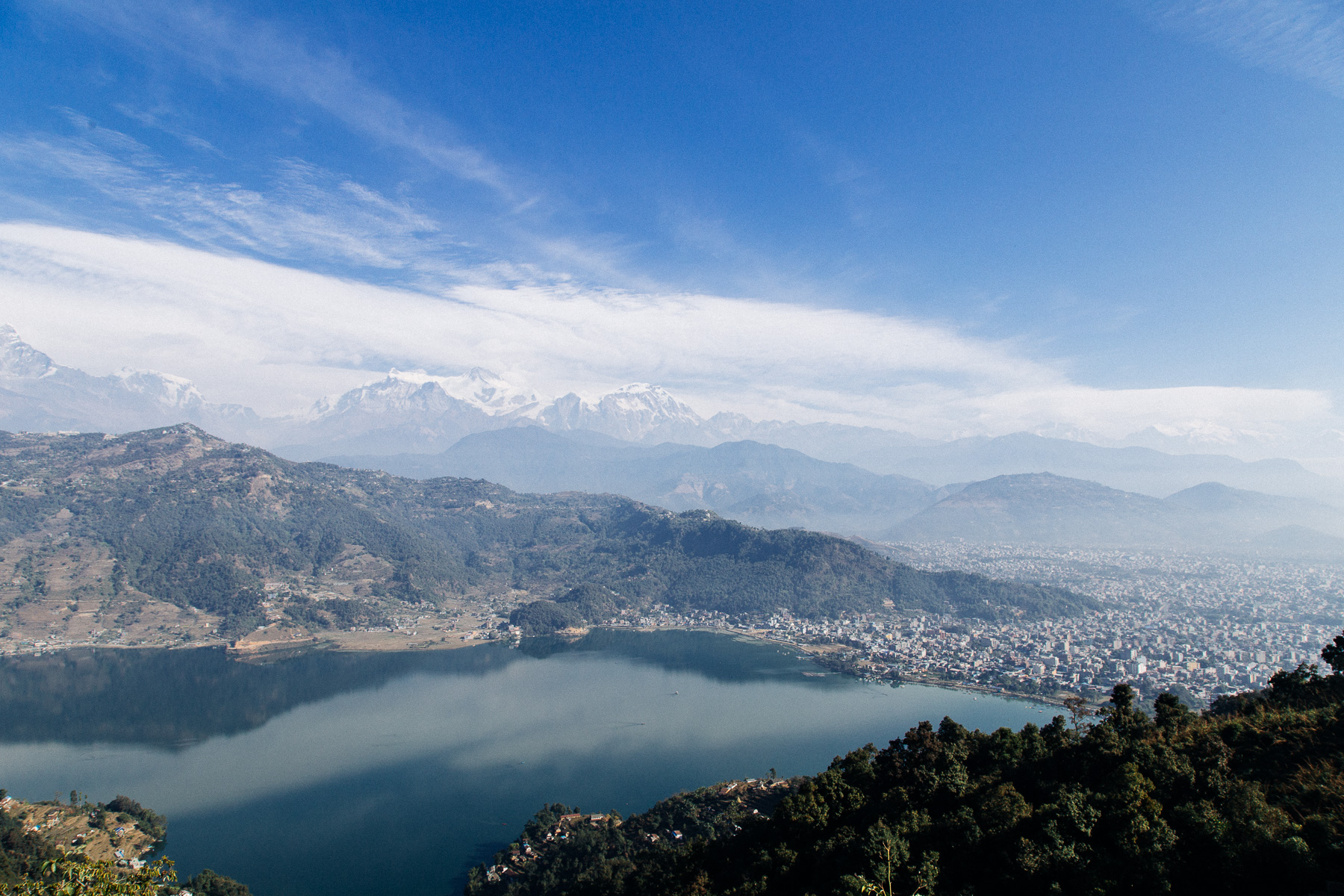
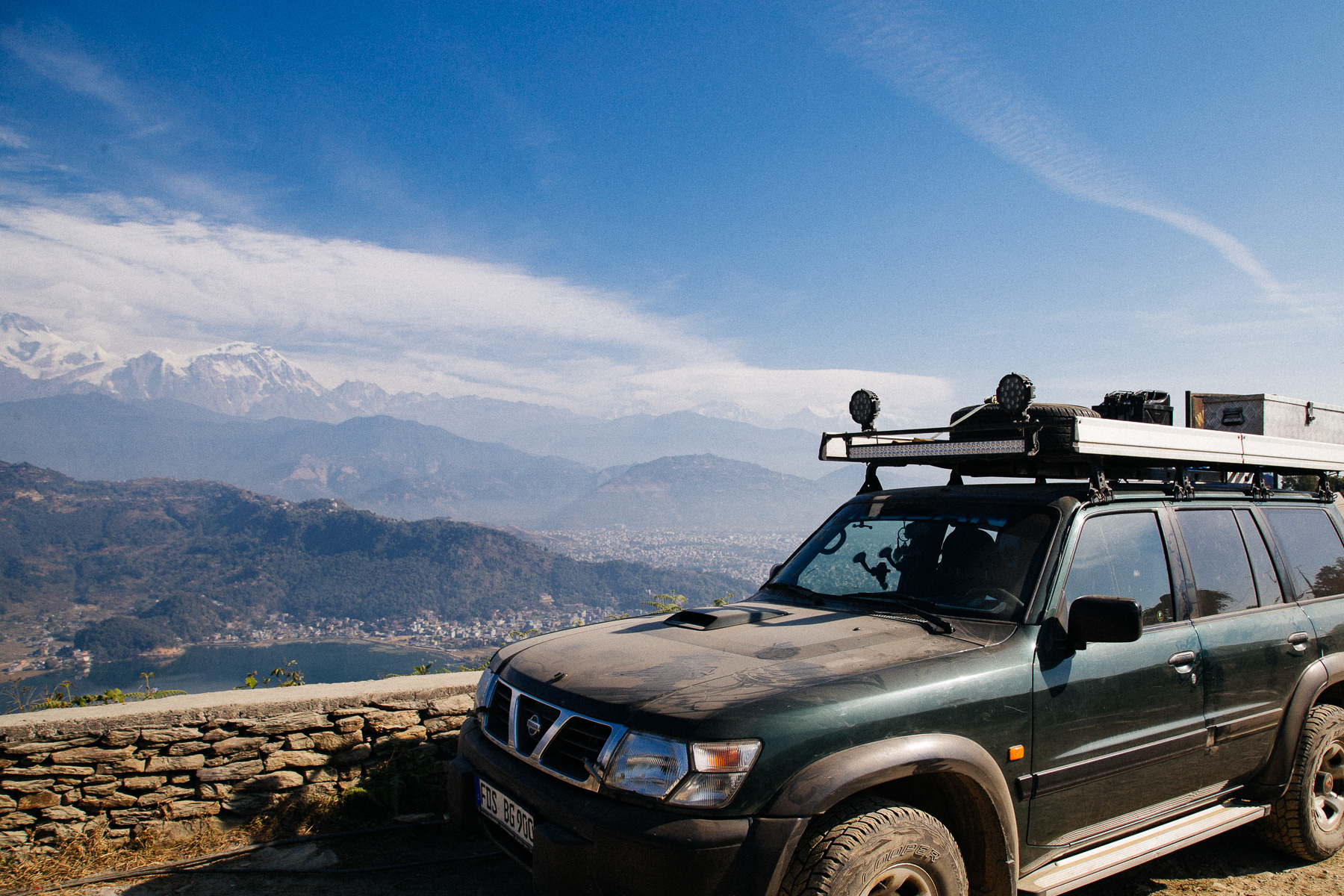
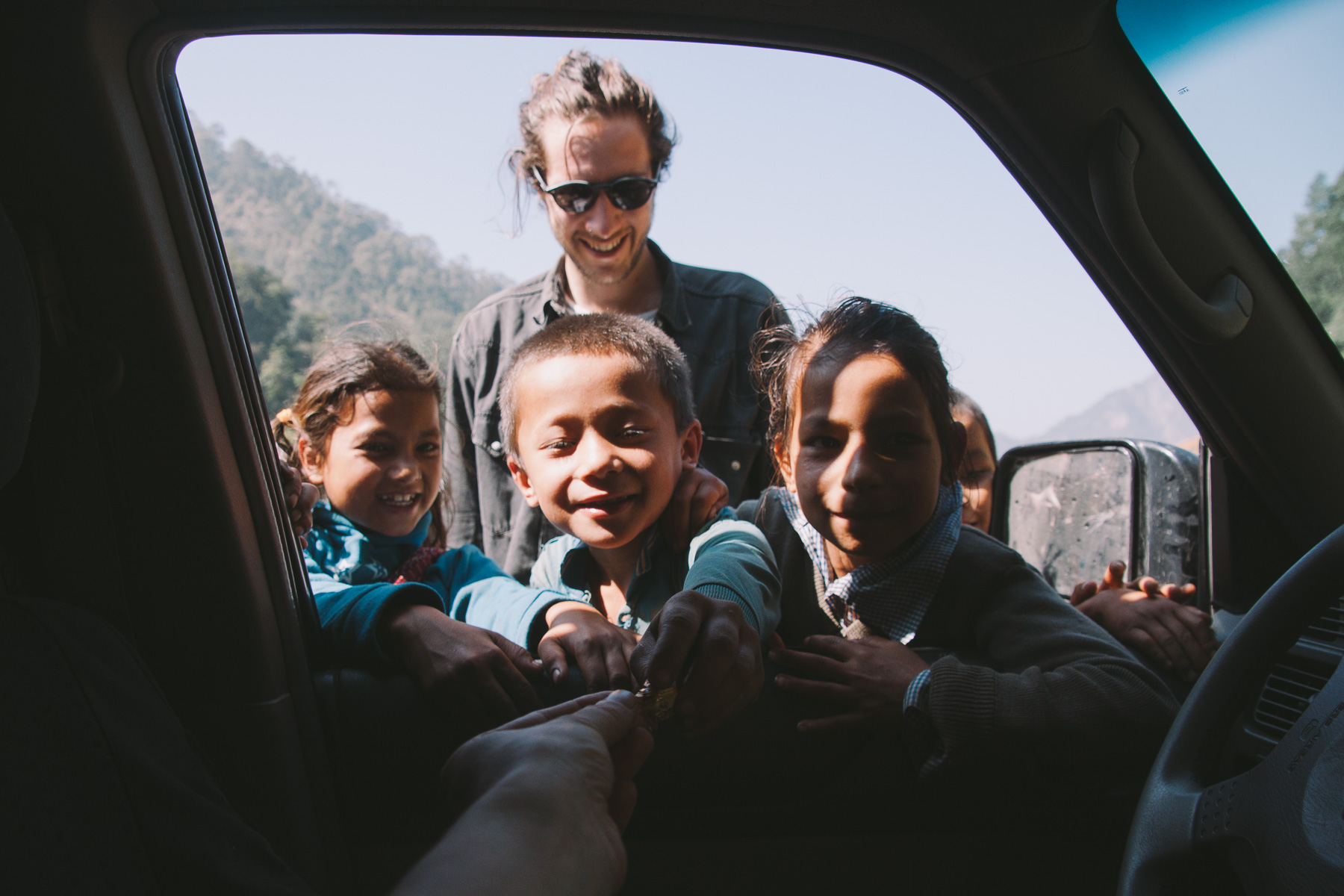
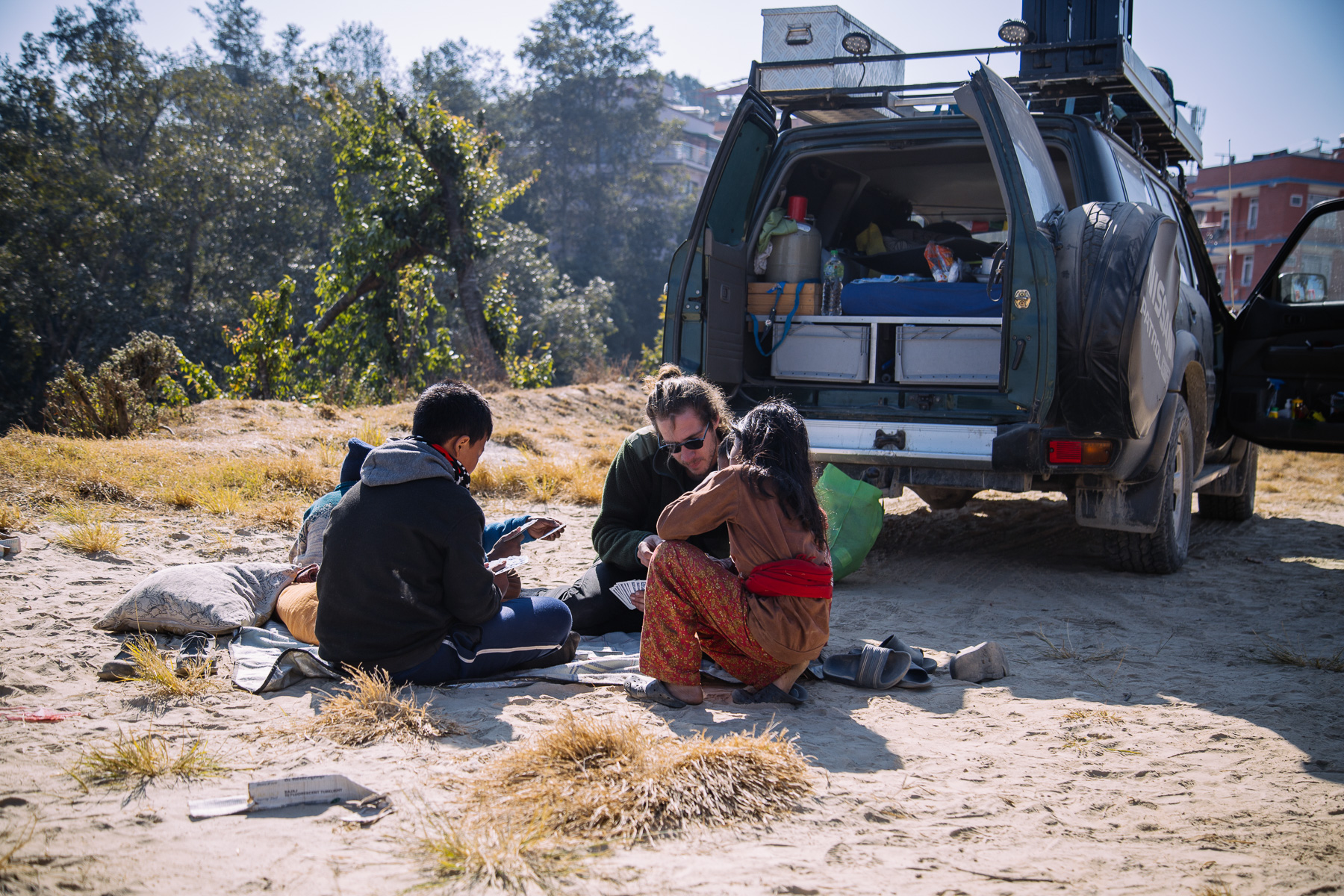
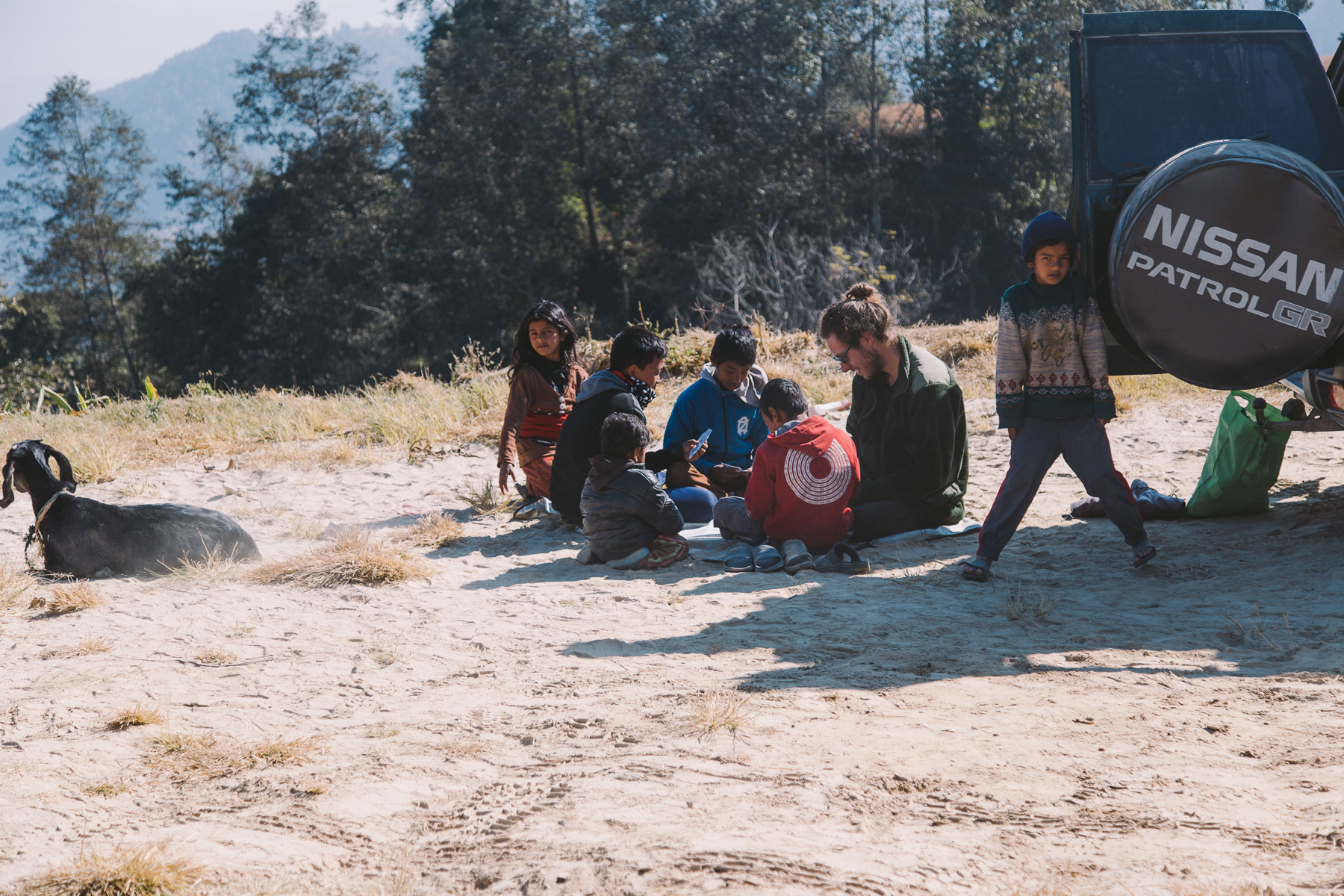
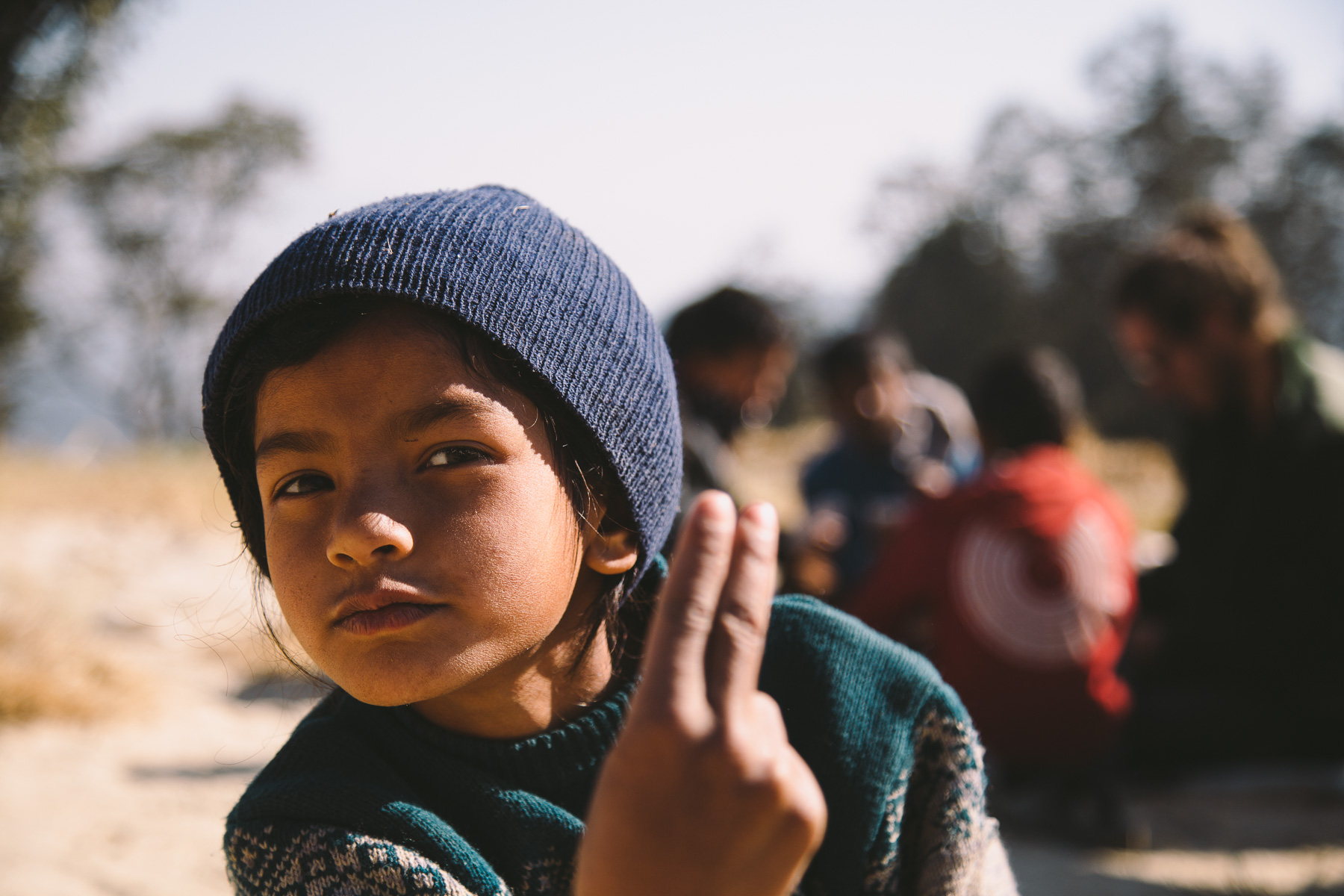
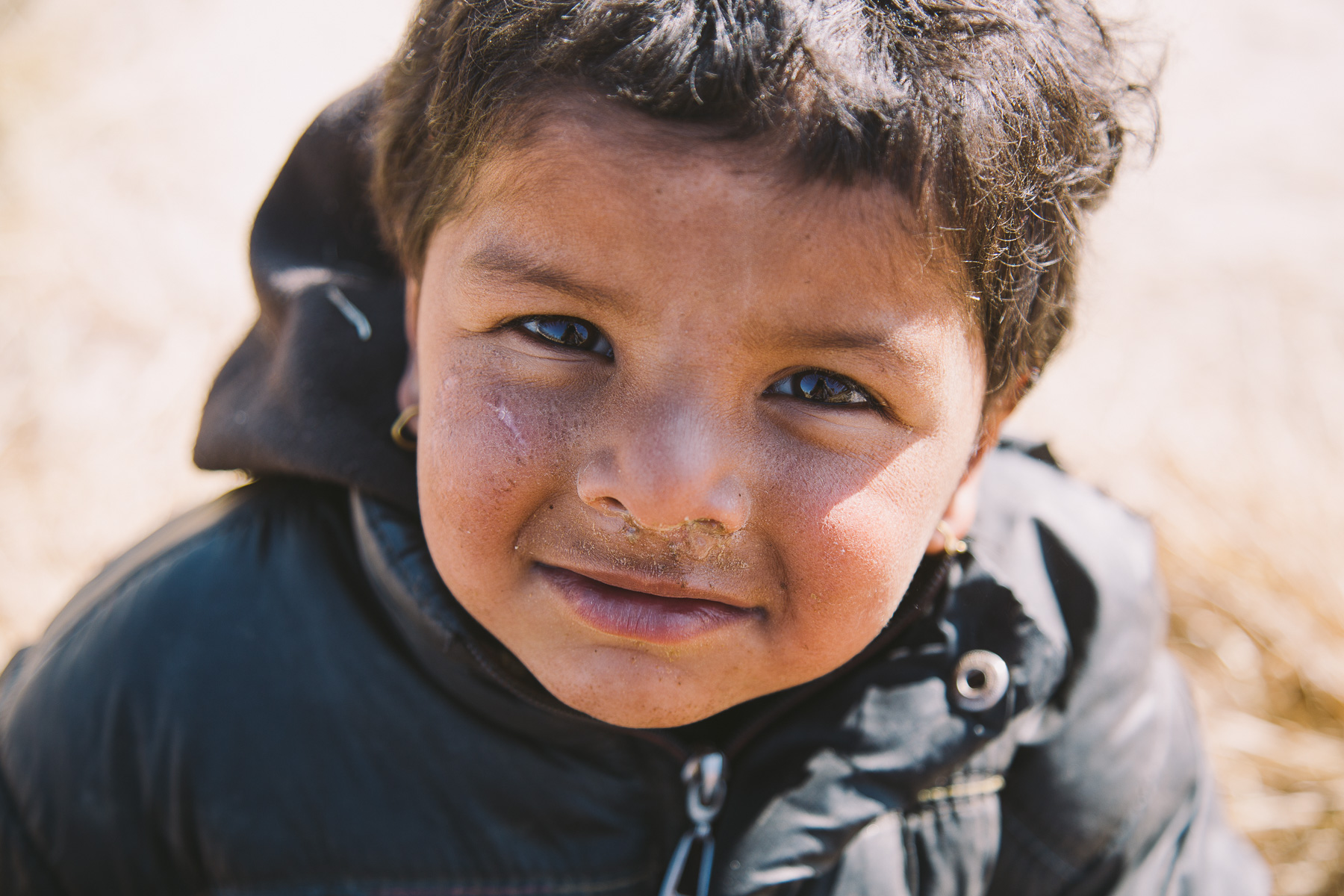
Here’s a little story about our stay in Dhulikhel. We got there early in the day and set up our camp at a great spot. As soon we opened the door, there were people around watching every our step. The adults usually just stand there and watch, the young kids come over and start asking questions. We had lots of fun together, the kids taught me how to play a nepalese Card game called „Jutpati“ – I showed them how to play Romme.
In the next few weeks I’m heading back to India and Pakistan! Super excited to get back, and especially looking forward to seeing my friends in Pakistan again. It’s also getting pretty cold lately, Mid January in Nepal is cold, too cold. I’m out of here!
Leave a Reply